Mansa Devi Temple
General information
-
Ideal Duration:
1 - 1.
5 Hours (More during festivals):Place Type:
Pilgrimage, Religious, Cultural:Entry Fees:
No Entry Fee (Donation Based): There is no official entry fee to enter the Mansa Devi Temple premises, which is the standard practice for Hindu temples in India:
Donations (Dakshina): Visitors are welcome to offer a voluntary donation (Dakshi...No Entry Fee (Donation Based): There is no official entry fee to enter the Mansa Devi Temple premises, which is the standard practice for Hindu temples in India:
Donations (Dakshina): Visitors are welcome to offer a voluntary donation (Dakshina or Bhent) inside the main shrine or at the designated donation boxes:
Offerings Cost: The cost of prasad (sweets, flowers, coconut) and other offerings (like the sacred thread) from the shops outside can range from INR 20 to INR 200, depending on the size and type of offering chosen:
Special Puja Fees: For those wishing to commission a specific Puja (worship ritual) or Aarti in their name, a small, official fee is charged by the temple administration: These fees are regulated and are clearly listed in the temple office.Timing:
Regular Timings: 5:00 AM - 9:
00 PM:
Ideal Visit Time:
Early Morning or Evening:
Regul...Regular Timings: 5:00 AM - 9:
00 PM:
Ideal Visit Time:
Early Morning or Evening:
Regular Timings: The temple is typically open from very early morning (around 5:00 AM) until late evening (around 9:00 PM), with a possible short closure period (around 1 PM to 4 PM) during the afternoon, though this is not always strictly enforced:
Ideal Visit Time: The best time is the early morning (around 5:00 AM to 7:00 AM) for the first Aarti, which is spiritually vibrant and less crowded: The evening (around 6:00 PM to 8:00 PM) is also a very good time, coinciding with the evening Aarti and the lighting of the lamps:
Festival Timings: During Navaratri, the temple is open for extended hours and often remains crowded throughout the day and night:
Avoid Midday: Midday can be hot, and the temple courtyard can be crowded and noisy, making it a less peaceful experience.Special Events:
Navaratri Festival Celebrations: The two major Navaratri festivals, Chaitra Navaratri (usually in March/April) and Sharad Navaratri (usually in September/October), are the most significant events: During these nine days, the temple is spectacularly decorated, with special pu...Navaratri Festival Celebrations: The two major Navaratri festivals, Chaitra Navaratri (usually in March/April) and Sharad Navaratri (usually in September/October), are the most significant events: During these nine days, the temple is spectacularly decorated, with special pujas (worship rituals), kirtans (devotional songs), and bhajans (hymns) running for extended hours, drawing massive crowds of devotees:
Mansa Puja: The specific day of Mansa Puja (usually in August) is also a major festival, dedicated explicitly to the worship of Goddess Mansa Devi, often involving traditional snake worship rituals (symbolic, not actual):
Teej and Other Hindu Festivals: Other major local Hindu festivals like Teej and Diwali are also celebrated with special prayers and decorative lighting, attracting large numbers of local families: The temple is at its most vibrant and spiritually charged during these festival periods.Best Photo Spots:
The Temple Shikhara Against the Sky: Capture the traditional curvilinear tower (Shikhara), especially from a slightly elevated or distant angle, focusing on its distinct North Indian design and the vibrant colors:
Details of the Sanctum Doorway:<...The Temple Shikhara Against the Sky: Capture the traditional curvilinear tower (Shikhara), especially from a slightly elevated or distant angle, focusing on its distinct North Indian design and the vibrant colors:
Details of the Sanctum Doorway: Focus on the carved or decorated frame of the main sanctum door, often the most intricate and artistically rich part of the exterior architecture:
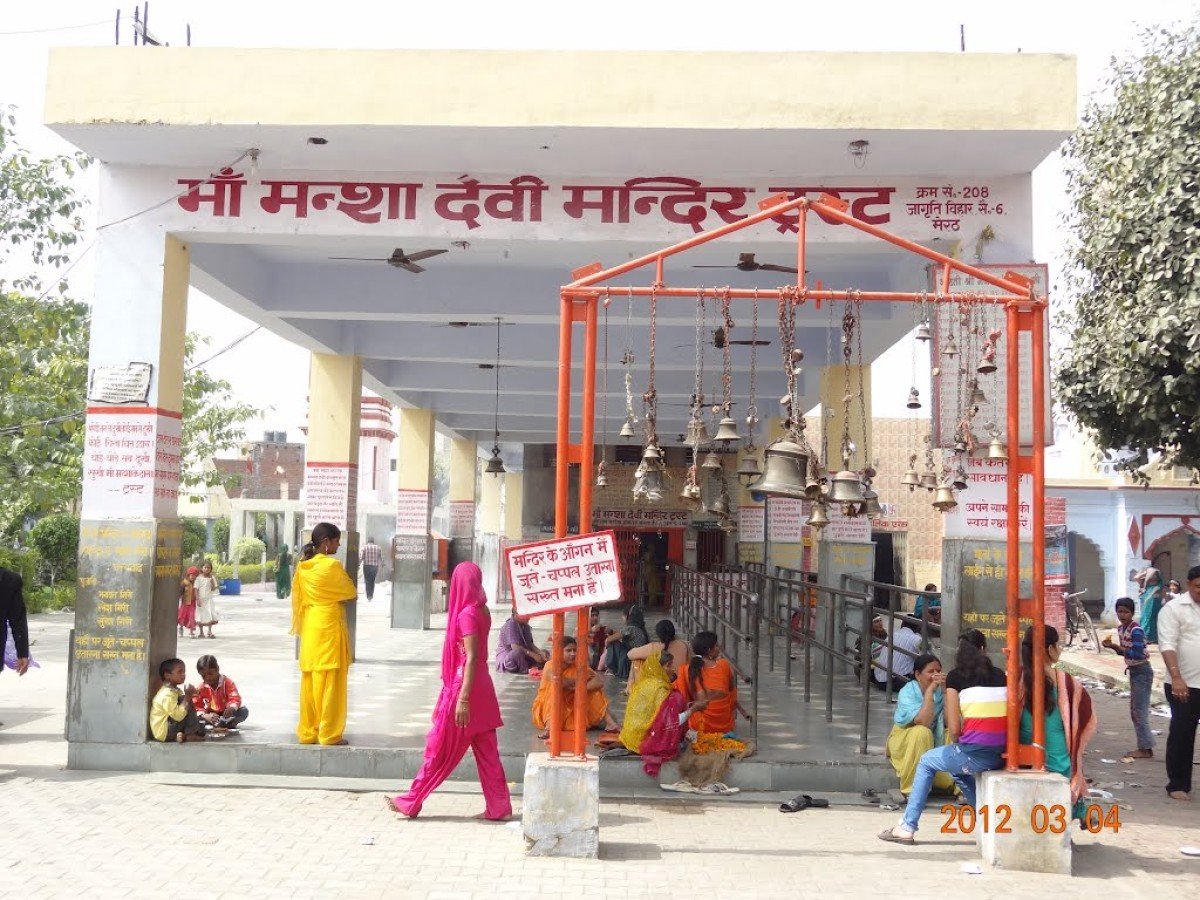
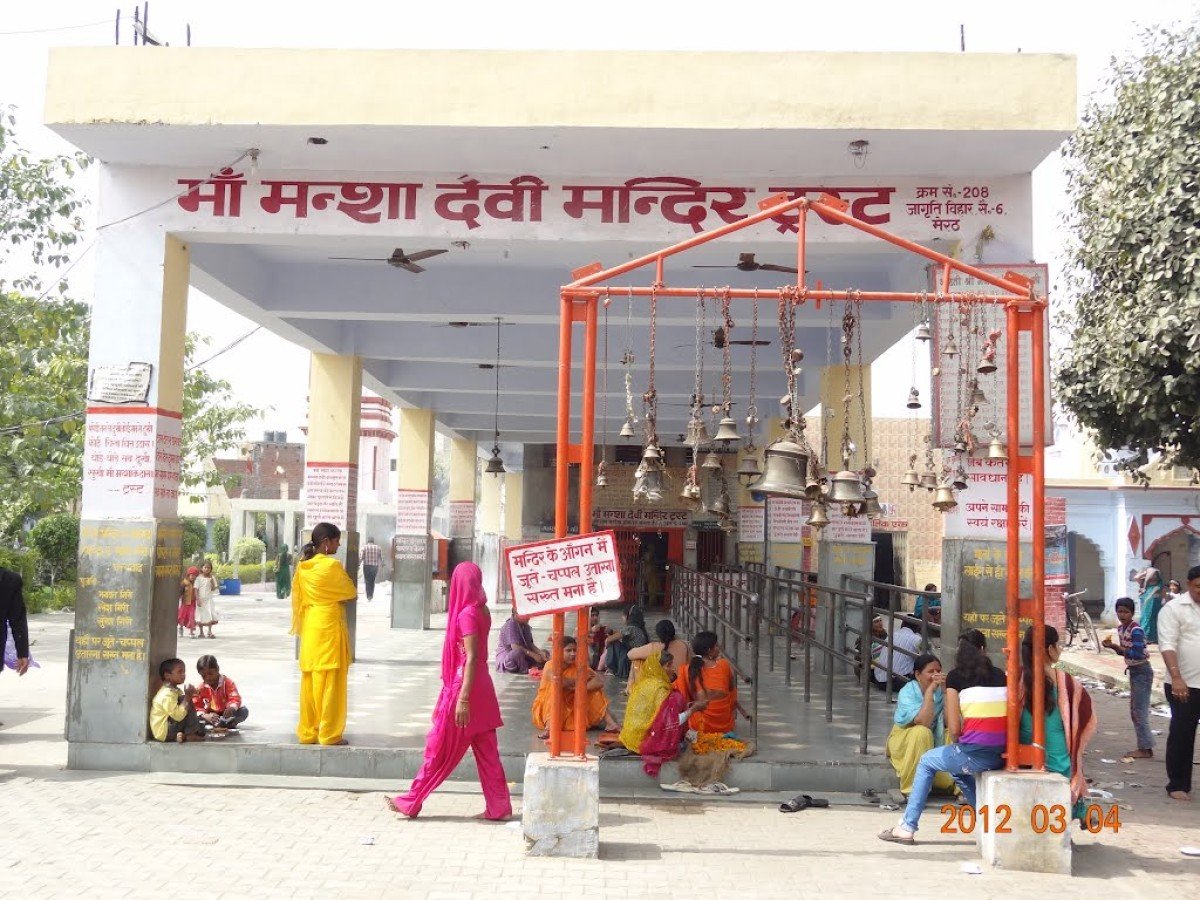
Candid Shots of Devotion: Take respectful, candid photographs of the devotees performing Aarti, tying the sacred thread, or ringing the temple bells, capturing the emotion and intensity of the devotional acts:
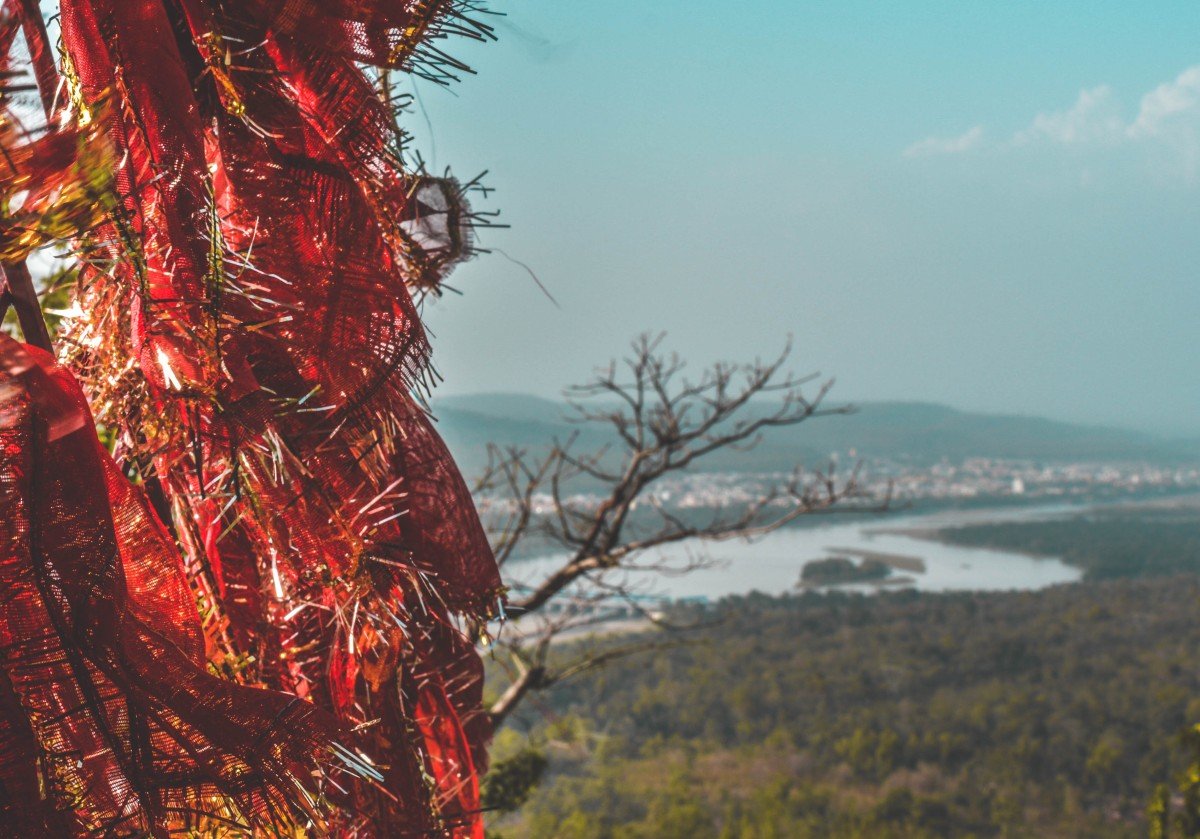
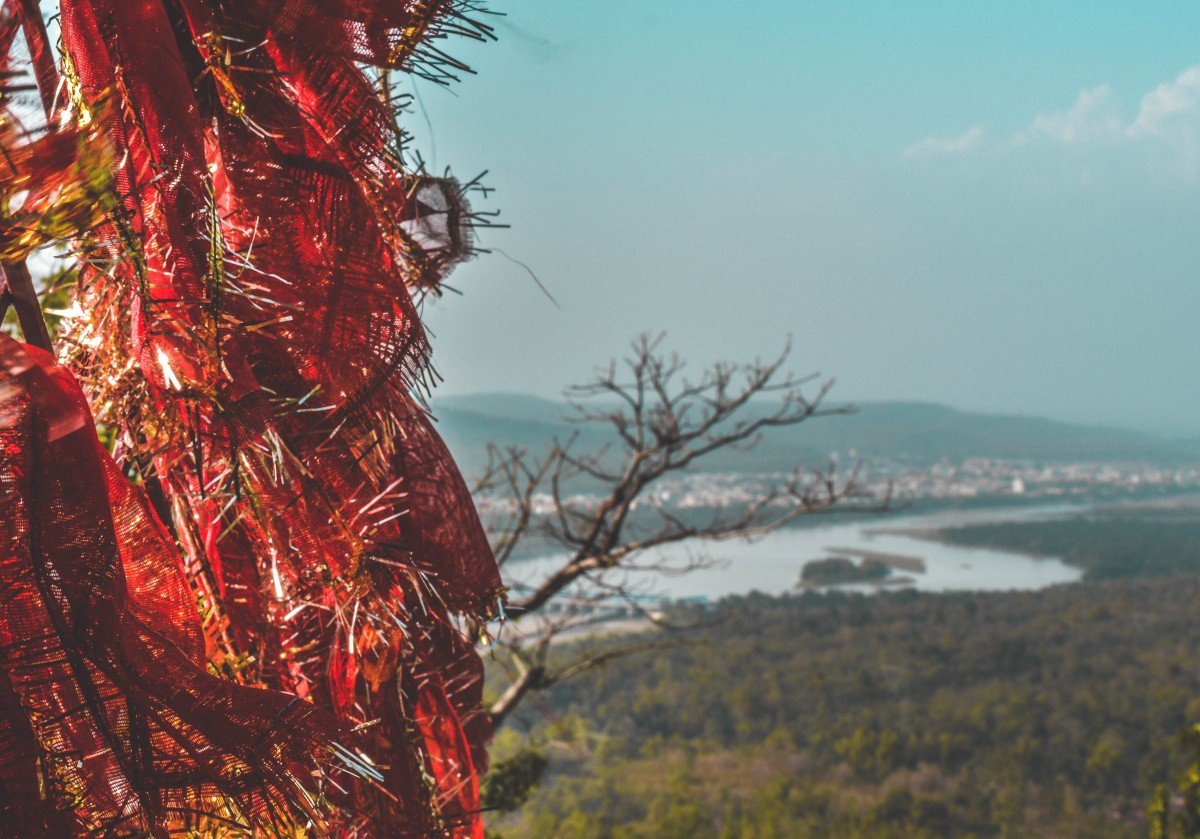
The Sacred Thread Tree: The tree itself, laden with thousands of colorful threads, makes for a highly symbolic and visually rich photo spot, representing the accumulated hopes and prayers of the community:
Temple Illumination: During major festivals like Navaratri, the temple's external lighting and decorations provide an excellent opportunity for vibrant, colorful night photography, highlighting the temple's festive appearance.Photo Gallery
Things To Do
-
Participation in Aarti: Attend the morning or evening Aarti (prayer ceremony) to experience the full fervor of the temple's devotional atmosphere, involving chanting, music, and the lighting of lamps:
Tying a Sacred Thread: Participate in the local tradition of tying a sacred thread to the designated tree, offering a quiet prayer for a wish to be granted:
Offerings to the Goddess: Purchase prasad (sweets, coconut, or flowers) from a shop outside and offer it to the Goddess inside the sanctum, a traditional act of worship:
Circumambulation (Parikrama): Perform a parikrama (ritual walk) around the main shrine, a meditative and respectful tradition followed by devotees:
Photography of Decorations: Capture the vibrant colors of the templ...Participation in Aarti: Attend the morning or evening Aarti (prayer ceremony) to experience the full fervor of the temple's devotional atmosphere, involving chanting, music, and the lighting of lamps:
Tying a Sacred Thread: Participate in the local tradition of tying a sacred thread to the designated tree, offering a quiet prayer for a wish to be granted:
Offerings to the Goddess: Purchase prasad (sweets, coconut, or flowers) from a shop outside and offer it to the Goddess inside the sanctum, a traditional act of worship:
Circumambulation (Parikrama): Perform a parikrama (ritual walk) around the main shrine, a meditative and respectful tradition followed by devotees:
Photography of Decorations: Capture the vibrant colors of the temple, the garlands, and the ceremonial decorations, especially during festivals, focusing on the intricate details of devotion (always being mindful of the sanctum's rules):
Exploring the Local Bazaar: The street outside the temple is lined with shops selling religious paraphernalia, flowers, and local sweets; explore this small bazaar for devotional items and local flavor:
Quiet Reflection: Find a quiet spot in the courtyard to sit and observe the deep faith of the devotees, a serene and contemplative activity:
Seeking Blessings: Many pilgrims visit to seek relief from ailments or to overcome obstacles; the act of seeking the Goddess's blessing is the central purpose of the visit.
Information
-
Why Famous:
Wish-Fulfilling Deity: The temple is famously associated with the Goddess Mansa Devi, the 'Goddess of Wishes', making it a primary destination for devotees seeking the fulfillment of their deepest desires, a powerful spiritual motivator:
Navaratr...Wish-Fulfilling Deity: The temple is famously associated with the Goddess Mansa Devi, the 'Goddess of Wishes', making it a primary destination for devotees seeking the fulfillment of their deepest desires, a powerful spiritual motivator:
Navaratri Magnet: It becomes a major pilgrimage site during the nine days of Navaratri (twice a year, in March/April and September/October), drawing thousands of devotees who observe fasts and participate in special ceremonies:
The Sacred Thread Tradition: The ritual of tying a sacred thread to an ancient tree within the complex as a form of offering a prayer is a deeply embedded and famous tradition associated with this temple:
Local Heritage: It is one of the oldest and most respected temples in Meerut, a cornerstone of the city's spiritual and religious heritage, with a strong following among all local Hindu families: The continuous tradition of worship and the vibrant, devotional atmosphere, even on regular days, make it a famous and essential part of the city's cultural life, representing the enduring power of faith in the region. -
Architecture:
Traditional North Indian Temple Architecture:
Building Style: The temple follows a traditional North Indian (Nagara) style of temple architecture, characterized by its curvilinear spire (Shikhara), which is typically a feature of temples in t...Traditional North Indian Temple Architecture:
Building Style: The temple follows a traditional North Indian (Nagara) style of temple architecture, characterized by its curvilinear spire (Shikhara), which is typically a feature of temples in this region:
Material and Construction: The structure is built primarily with brick and cemented masonry, painted in vibrant colors (often red and white/cream) that are regularly maintained: The current iteration is a testament to centuries of local patronage and renovation, blending older foundations with modern structural practices:
Sanctum and Shrine: The main sanctum (Garbhagriha) houses the idol or pindi (sacred stone) of Mansa Devi; it is usually a small, dim chamber, emphasizing the spiritual focus on the deity:
Dimension & Layout: The temple complex includes the main shrine, a surrounding courtyard for circumambulation (parikrama), subsidiary shrines dedicated to other deities (like Lord Shiva or Hanuman), and the location of the sacred tree for wish-tying: The size is modest compared to the larger North Indian temples but is perfectly scaled for the local community it serves: The external walls feature decorative motifs, sculptures of deities, and geometric patterns typical of Hindu religious architecture, often in brightly painted relief work. -
How To Reach:
By Air: The nearest major airport is the Indira Gandhi International Airport (DEL) in Delhi, approximately 85-90 KMS away:
From DEL, hire a pre-paid taxi or app-based cab:
The journey takes about 2-3 hours to Meer...By Air: The nearest major airport is the Indira Gandhi International Airport (DEL) in Delhi, approximately 85-90 KMS away:
From DEL, hire a pre-paid taxi or app-based cab:
The journey takes about 2-3 hours to Meerut city: The temple is well-known and easy to navigate to via the Shastri Nagar area:
By Train: Meerut City Railway Station (MTC) is the primary railway station, approximately 4-5 KMS from the temple:
MTC is well-connected: From the station, the temple is easily accessible by auto-rickshaw or app-based taxi, located near the Shastri Nagar/Railway Road area:
By Road:
Meerut is well-connected by National Highways: The temple is located on a main road near the Shastri Nagar area, making it easily accessible: Regular bus services from Delhi and other nearby cities drop passengers at the central bus stands, from where local transport is required:
By Local Transport: The most convenient local transport is the auto-rickshaw, as it is a well-known place of worship:
App-based taxis also serve this area effectively: Negotiate the fare with the auto-rickshaw driver before starting the journey. -
Weather and Best Time to Visit:
Different Types of Seasons:
Winter (October to March):
This is the Best Time to Visit: The weather is cool, pleasant, and ideal for the standing and walking involved in the temple complex:
Read MoreDifferent Types of Seasons:
Winter (October to March):
This is the Best Time to Visit: The weather is cool, pleasant, and ideal for the standing and walking involved in the temple complex:
Spring (Late February to Early April): A very good time to visit, especially if planning to coincide with Chaitra Navaratri:
Monsoon (July to September): The heavy rainfall can disrupt the visit, and the temple pathways can become slippery;
however, the weather is cooler:
Summer (April to June): Avoid the extreme heat of the day; if visiting, stick to the early morning or late evening hours due to the discomfort of the hot sun in the open courtyard:
Different Parts of the Day:
Best: Early Morning (5:00 AM - 7:00 AM) for the first Aarti and peaceful experience, and Evening (6:00 PM - 8:00 PM) for the evening Aarti and a spiritually charged atmosphere:
Avoid: Midday (1:00 PM - 4:00 PM) if the temple has an afternoon closure or due to the intense heat.Near Tourist Places:
Suraj Kund Park (Approx.
2 KMS): Bhole Ki Jhaal (Approx.
3 KMS): Ghanta Ghar (Clock Tower) (Approx.
4 KMS): Gandhi Bagh (Company Garden) (Approx.
5 KMS): Augharnath Mandir (Kali Paltan Temple) (Approx.
5 KMS): Jama Masjid (Approx.
5 KMS): Mustafa Castle (Approx.
6 KMS): Government Freedom Struggle Museum (Approx.
7 KMS): Shahpeer's Mausoleum (Approx.
7 KMS): Parikshitgarh Fort (Approx.
28 KMS):Tourism Tips
-
Health & Safety:
Footwear: Be prepared to remove your footwear outside the main temple gate;
use the designated counter for safekeeping:
Modesty: Dress modestly, ensuring that...Health & Safety:
Footwear: Be prepared to remove your footwear outside the main temple gate;
use the designated counter for safekeeping:
Modesty: Dress modestly, ensuring that shoulders and legs are covered, as a sign of respect for the religious site:
The Sacred Thread Tree: Be respectful of the sacred tree and the prayers tied to it;
do not touch or remove the threads:
Cleanliness: Help maintain the temple's cleanliness by using the designated bins for flower offerings and other disposables:
Children: Keep a close watch on children, especially during the crowded festival periods:
Packing: Carry a small purse/bag for valuables, as you may have to leave your main bag with the footwear:
Carry a hand sanitizer:
Accommodation: Many hotels and guesthouses are available in the Shastri Nagar and Railway Road areas, which are close to the temple:
Other Different Topics:
Festival Crowds: Be prepared for large crowds and long waiting lines if visiting during Navaratri or other major festivals.
Reviews
FAQs
Meerut Itineray And Cost:-
Mansa Devi Temple Tourism:-
Other Places In Meerut :-
Other States In India :-
Information about New and Updated Locations() of Uttar Pradesh Has Been Added :-
Card subtitle
Note:-
Information provided here in good Faith and for reference only.
Near Places
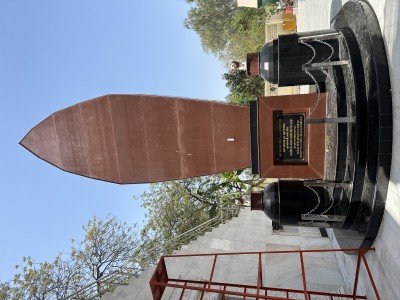
Augarnath Temple
Some quick example text to build on the card title and make up the bulk of the card's content.
Go somewhere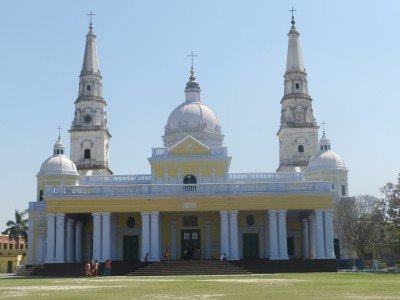
Basilica of Our Lady of Graces
Some quick example text to build on the card title and make up the bulk of the card's content.
Go somewhere
Bhole Ki Jhaal
Some quick example text to build on the card title and make up the bulk of the card's content.
Go somewhere
Chandi Devi Temple
Some quick example text to build on the card title and make up the bulk of the card's content.
Go somewhere
Dargah of Baley Miyan
Some quick example text to build on the card title and make up the bulk of the card's content.
Go somewhere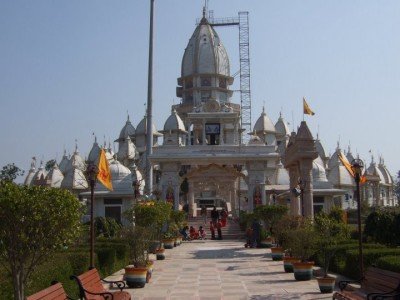
Digambar Jain Temple
Some quick example text to build on the card title and make up the bulk of the card's content.
Go somewhere
Gandhi Bagh
Some quick example text to build on the card title and make up the bulk of the card's content.
Go somewhere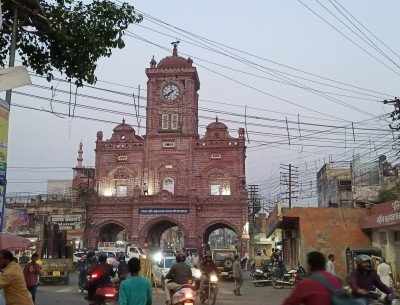
Ghanta Ghar
Some quick example text to build on the card title and make up the bulk of the card's content.
Go somewhere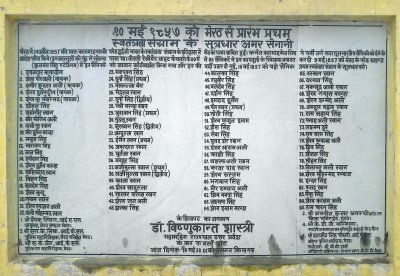
Government Freedom Struggle Museum
Some quick example text to build on the card title and make up the bulk of the card's content.
Go somewhere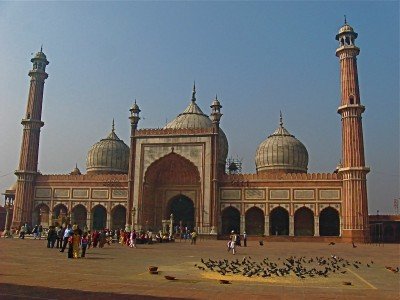
Jama Masjid
Some quick example text to build on the card title and make up the bulk of the card's content.
Go somewhere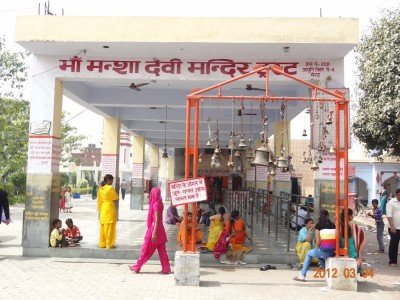
Mansa Devi Temple
Some quick example text to build on the card title and make up the bulk of the card's content.
Go somewhere
Mustafa Castle
Some quick example text to build on the card title and make up the bulk of the card's content.
Go somewhere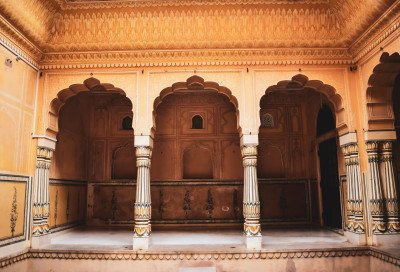
Parikshitgarh Fort
Some quick example text to build on the card title and make up the bulk of the card's content.
Go somewhere
Shaheed Smarak
Some quick example text to build on the card title and make up the bulk of the card's content.
Go somewhere
Shahid Smarak
Some quick example text to build on the card title and make up the bulk of the card's content.
Go somewhere
Shahpeer Sahab ki Dargah
Some quick example text to build on the card title and make up the bulk of the card's content.
Go somewherein Other Cities