Jama Masjid
General information
-
Ideal Duration:
1. 5 to 2 hours (Excluding prayer time)Place Type:
Historical and Religious Site (Mosque)Entry Fees:
Free Entry for Devotees and General Visitors: There is no entry fee to enter the Jama Masjid complex for the purpose of prayer or general sightseeing. This reflects its status as a place of public worship, open to all, regardless of faith. The freedom of entry ensures that...Free Entry for Devotees and General Visitors: There is no entry fee to enter the Jama Masjid complex for the purpose of prayer or general sightseeing. This reflects its status as a place of public worship, open to all, regardless of faith. The freedom of entry ensures that the site remains accessible to the community and tourists, preserving its role as a spiritual and historical public space.
Photography and Videography Fees: While entry is free, visitors should be prepared for a nominal charge for carrying a camera or for professional photography. While the exact fee can vary, a typical still camera fee might be around INR 50 to 100, and a video camera fee might be slightly higher. This fee is used by the mosque management for maintenance and upkeep. It is crucial to check with the administration upon arrival and pay the required fee to avoid any issues. Do not attempt to photograph/film without permission.
Climbing Minaret/Special Access Fees: If a specific minaret is open for climbing (which is often restricted for safety or security reasons, especially in older mosques), there may be an additional, separate ticket required for this experience. Similarly, gaining access to any restricted historical sections or private chambers (like the purported relics room) will likely require a special permit or a small donation to the mosque trust. The most common fee encountered by tourists is the camera fee, which must be budgeted for. Always carry small change for these payments.
:Timing:
Regular Timings: The mosque is generally open from Sunrise (Fajr prayer, typically 5:00 AM to 6:00 AM) until Late Evening (Isha prayer, typically 8:00 PM to 9:00 PM). Tourists and non-worshippers are advised to avoid the five daily prayer times, especially the main Juma (Fr...Regular Timings: The mosque is generally open from Sunrise (Fajr prayer, typically 5:00 AM to 6:00 AM) until Late Evening (Isha prayer, typically 8:00 PM to 9:00 PM). Tourists and non-worshippers are advised to avoid the five daily prayer times, especially the main Juma (Friday) prayer, which is typically held in the early afternoon, to respect the sanctity of the service. The central mosque section is closed to tourists during the main prayer hours.
Ideal Visit Time: The best time for a tourist visit is the early morning (8:00 AM to 10:00 AM) on a weekday or in the late afternoon (4:00 PM to 5:30 PM), well before the sunset prayer. The early morning offers a peaceful atmosphere, soft light for photography, and the chance to witness the beginning of the day's rituals without the heavy crowd. The late afternoon offers the beautiful golden hour light. Avoid the Friday noon hour entirely.
Photography and Exploration Timings: For serious photography, the time slot just after Fajr (dawn prayer) is peerless, as the light is pristine and the courtyard is often empty. For cultural immersion, visiting during the month of Ramadan in the late evening, especially after the Iftar (breaking fast) meal, to witness the bustling night market and special prayers, offers a unique cultural experience, though it will be very crowded. Always adhere to the posted times and be ready for adjustments during religious holidays.
:Special Events:
The Eid-ul-Fitr and Eid-ul-Adha Congregations: The most significant and spectacular events at the Shahi Jama Masjid are the mass congregations for the two major Islamic festivals: Eid-ul-Fitr (marking the end of Ramadan) and Eid-ul-Adha (the Festival of Sacrifice). During t...The Eid-ul-Fitr and Eid-ul-Adha Congregations: The most significant and spectacular events at the Shahi Jama Masjid are the mass congregations for the two major Islamic festivals: Eid-ul-Fitr (marking the end of Ramadan) and Eid-ul-Adha (the Festival of Sacrifice). During these festivals, the mosque and its expansive courtyard are entirely filled, with the prayer spilling out into the surrounding streets. The sight of thousands of people, dressed in new clothes, praying in perfect synchronized rows, is an overwhelming display of faith and community solidarity, unparalleled at any other time of the year. The atmosphere is one of profound joy, charity, and communal harmony.
The Ramadan Night Markets and Tarawih Prayers: Throughout the holy month of Ramadan, the mosque observes special nightly prayers, known as Tarawih. The entire vicinity comes alive after sunset. The area transforms into a vibrant, extended night market, especially for food, where families gather to break their fast (Iftar) and share meals (Sehri) before dawn. This is a unique cultural event, distinct from the daytime activity, and provides a beautiful glimpse into the religious and social customs of the local community. The sheer energy and volume of people during the nights of Ramadan are a powerful draw for cultural tourists and devout Muslims from all over the region, turning the ancient site into a continuous, illuminated hub of devotion and festivity.
:Best Photo Spots:
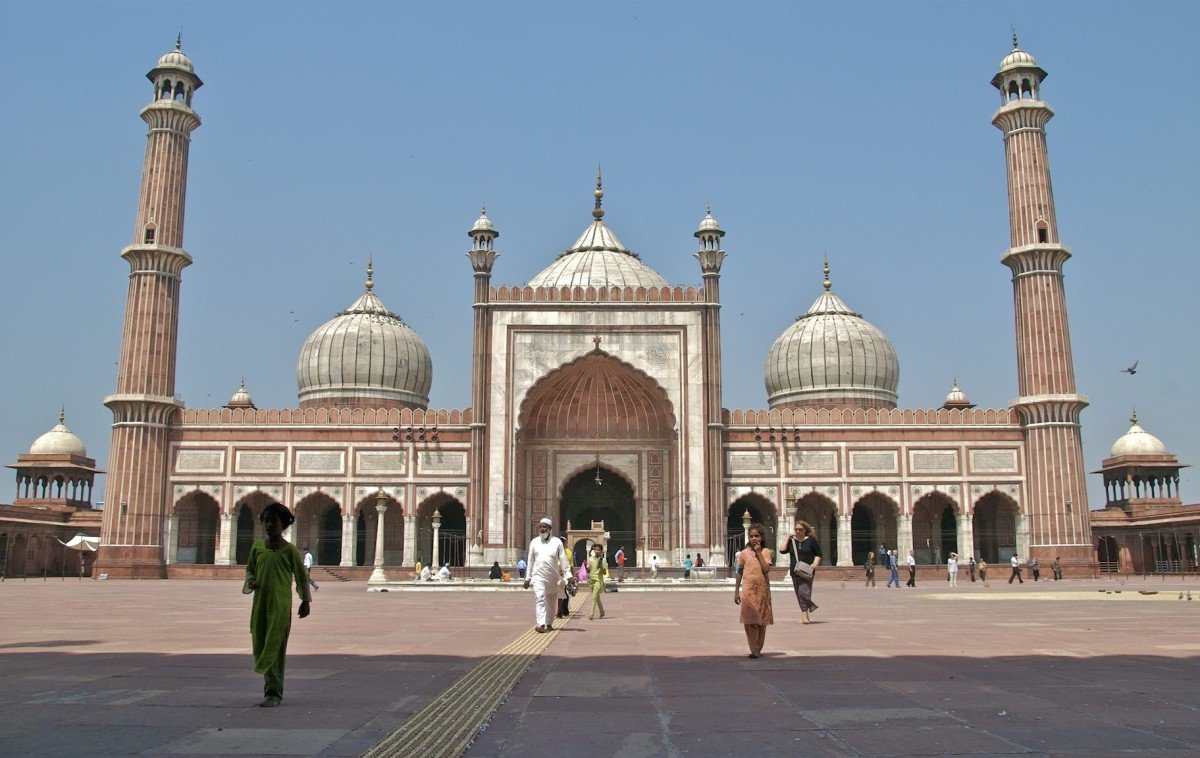
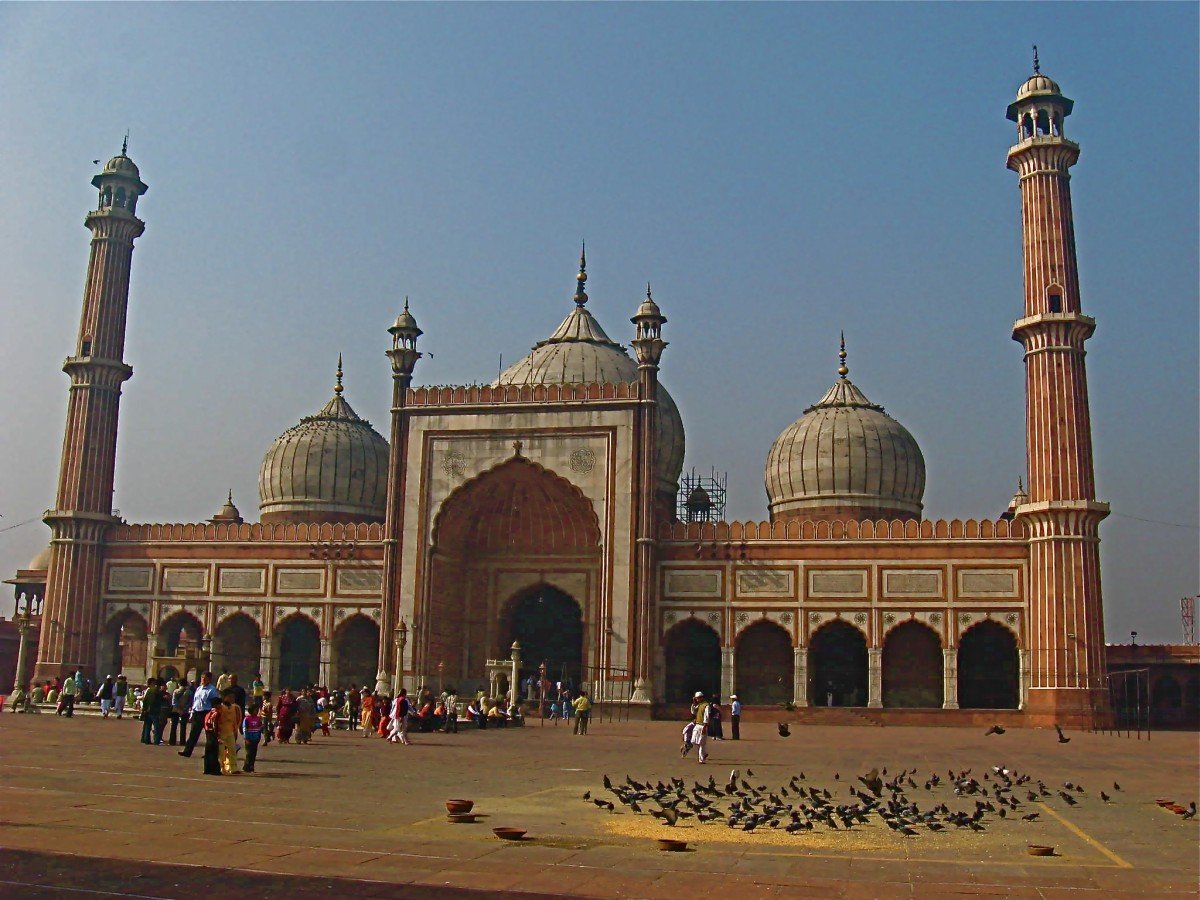
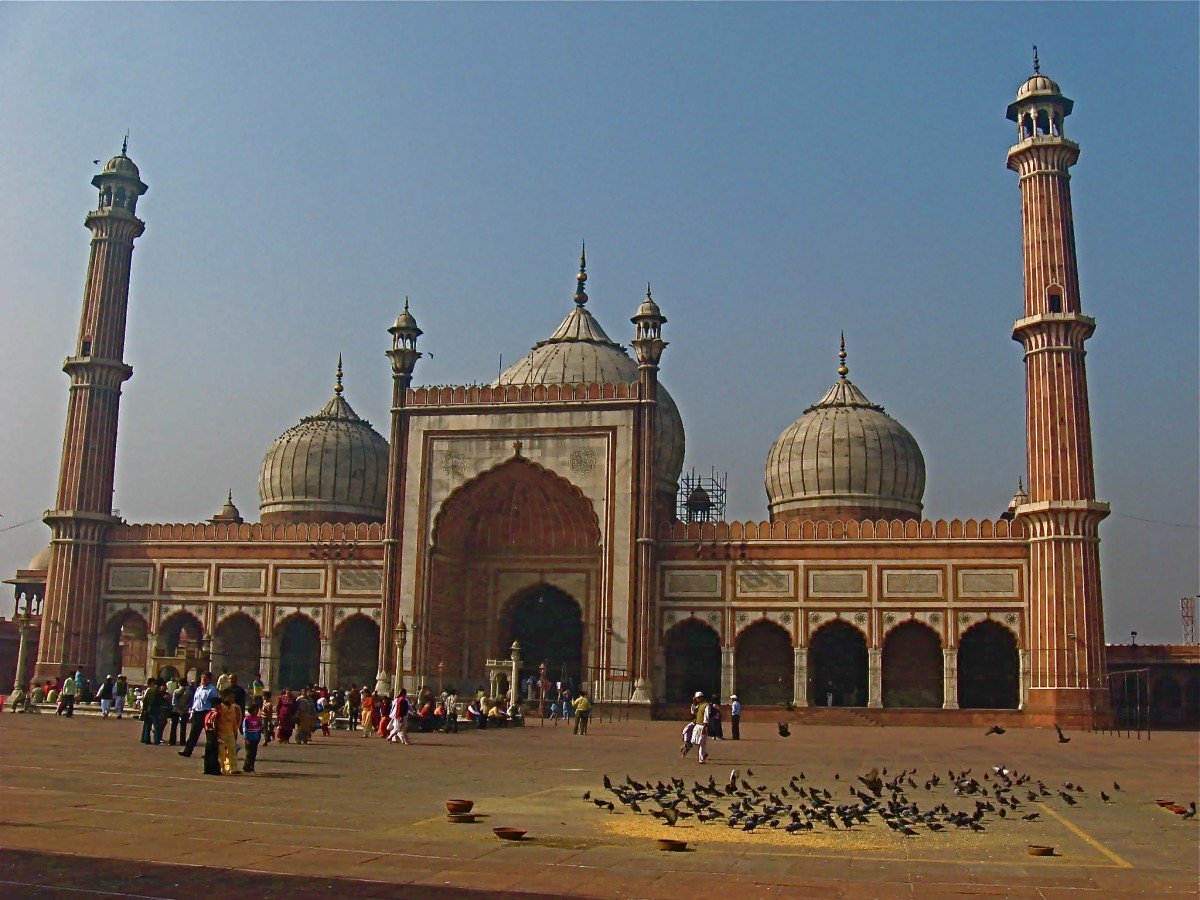
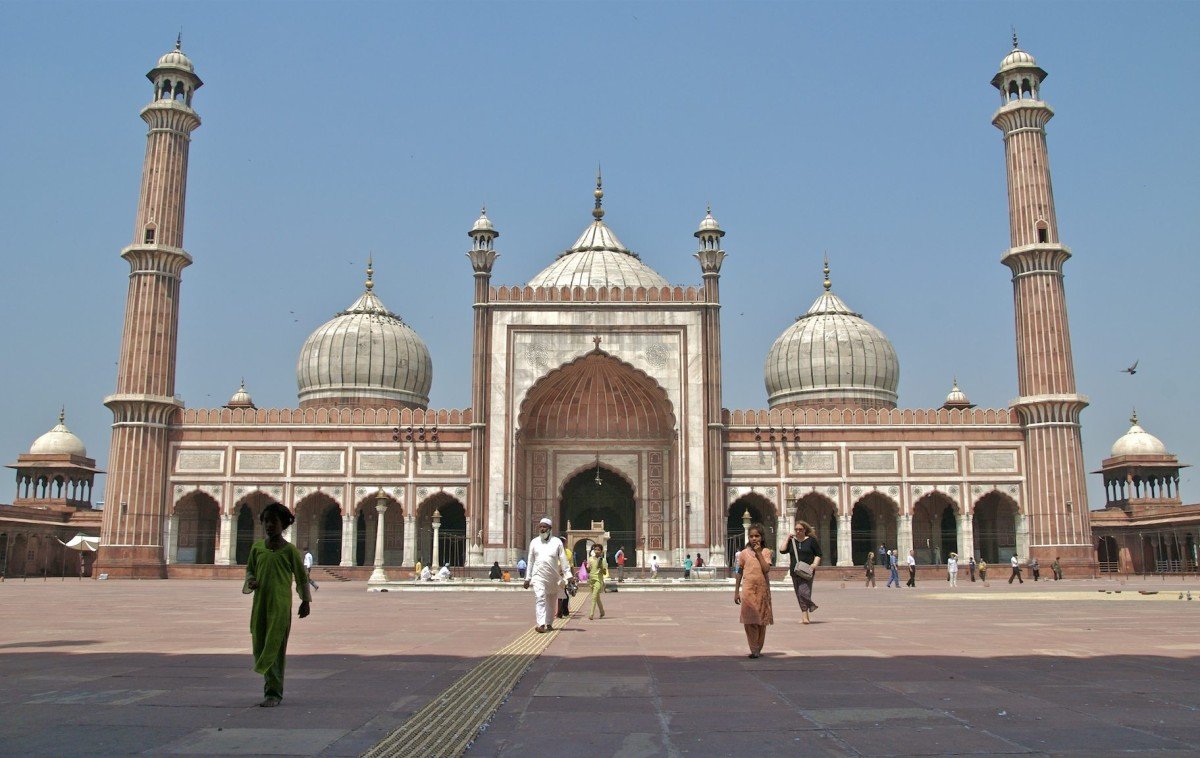
The Grand Archway and Main Façade: The impressive central archway of the main prayer hall, with its intricate ornamentation and high structure, provides an excellent focal point. It is best photographed from the courtyard, allowing the depth and scale of the architecture t...The Grand Archway and Main Façade: The impressive central archway of the main prayer hall, with its intricate ornamentation and high structure, provides an excellent focal point. It is best photographed from the courtyard, allowing the depth and scale of the architecture to be fully appreciated. Early morning light or the golden hour before sunset offers soft, dramatic illumination that highlights the stonework's texture and detail. The best time to capture the architectural grandeur is during the early morning hours before the bulk of the crowds arrive.
Minaret and Dome Views: Capturing the contrast between the white marble domes and the red sandstone exterior is a classic shot. The best angle for this panoramic view can often be found from a slightly elevated position in the surrounding market area, or, if permitted, from the rooftop of a nearby building, which allows for a frame that includes the sprawling courtyard and the three domes in a single majestic view. This angle emphasizes the architectural symmetry and the visual dominance of the mosque over the Old City skyline.
The Inner Courtyard Symmetry: The vast, open inner courtyard (sahn) offers powerful opportunities for composition, particularly when using the repetitive patterns of the arches or the symmetry of the ablution tank (if present) to frame the main prayer hall. During times when the courtyard is empty, the long shadows of the arcade columns provide compelling geometric subjects. On Fridays or Eid, a wide-angle shot capturing the sheer density of the praying congregation from a high vantage point (maintaining respect) makes for a breathtaking cultural and documentary image.
Detailed Stucco Work: Focus on the smaller, often overlooked details of the calligraphy, floral motifs, and geometric patterns found on the walls, arches, and ceilings of the inner sanctum or the porticoes. These intricate details tell the story of the artisans and the different architectural periods of the mosque. A macro or close-up lens is ideal for isolating these beautiful, centuries-old artworks and highlighting their delicate craftsmanship.
:Photo Gallery
Things To Do
-
Experiencing the Friday Congregation: One of the most enriching experiences is to witness the massive Juma Namaz (Friday prayer). While tourists should maintain respectful distance and observe from designated areas, the sheer scale of the gathering, the unified ritual, and the spiritual energy of thousands of people praying in unison is profoundly moving and a unique cultural spectacle in Meerut. Plan to arrive well before the prayer time (usually early afternoon) to absorb the pre-prayer atmosphere and ensure you are positioned correctly to observe without disturbing the devotees.
Exploring the Surrounding Chowk and Bazaars: The area immediately surrounding the Jama Masjid, known as the Sohrab Gate and the nearby Ghanta Ghar (Clock Tower) market, is a vibrant, bustling Old City chowk that is a must-explore. You can spend hour...Experiencing the Friday Congregation: One of the most enriching experiences is to witness the massive Juma Namaz (Friday prayer). While tourists should maintain respectful distance and observe from designated areas, the sheer scale of the gathering, the unified ritual, and the spiritual energy of thousands of people praying in unison is profoundly moving and a unique cultural spectacle in Meerut. Plan to arrive well before the prayer time (usually early afternoon) to absorb the pre-prayer atmosphere and ensure you are positioned correctly to observe without disturbing the devotees.
Exploring the Surrounding Chowk and Bazaars: The area immediately surrounding the Jama Masjid, known as the Sohrab Gate and the nearby Ghanta Ghar (Clock Tower) market, is a vibrant, bustling Old City chowk that is a must-explore. You can spend hours here engaging in street photography, haggling for unique goods, and observing the fast-paced, traditional commerce of Meerut. This is the commercial and social heart of the historic city, offering an authentic glimpse into local life. Purchase traditional attar (perfume), Islamic literature, and local handicrafts.
Indulging in Local Mughlai Cuisine: The lanes around the mosque are famous for traditional Mughlai and Awadhi food, particularly during the evenings and after prayer times. Seek out local kabab vendors, try the authentic nihari (slow-cooked meat stew), and finish with traditional sweets like shahi tukda or firni. This is an integral part of the experience, connecting you to the culinary heritage of the region. Dining on these traditional dishes in the shadow of the ancient mosque is an activity that provides both sustenance and cultural immersion.
Architectural Study and Reflection: Take time to walk around the perimeter and the courtyard to study the layered architectural history. Compare the rougher, sturdier stone of the original structure with the lighter, more decorative elements added in later centuries. The mosque provides a quiet, introspective space where one can simply sit, reflect on the passage of time, and appreciate the resilience of the structure over a millennium. Use the quiet morning hours for this purpose. Look for the faint traces of the 11th-century design in the deeper parts of the walls and columns.
Photography and Documentation: With the appropriate permits (see below), the mosque offers breathtaking photo opportunities. Focus on the grand arches, the details of the stucco work, and the atmospheric shots of the crowd during prayer or the quiet light of dawn hitting the ancient stones. Capture the juxtaposition of the ancient religious site with the bustling, modern city life around it.
Engaging with Local History: The site is a perfect starting point for understanding the Mutiny of 1857, as the entire Old City area played a crucial role. Engaging with local guides or elders can lead to fascinating anecdotal histories related to the mosque and its role during key historical periods, far beyond what any book offers.
Visiting Nearby Religious Sites: The mosque is located near several other important places of worship, including Hindu temples and other mausoleums, making a day trip of interfaith architectural and historical exploration logistically easy and culturally rewarding.
:
Information
-
Why Famous:
Antiquity and Historical Significance: The primary fame of Jama Masjid, Meerut, lies in its extraordinary antiquity, as it is widely regarded as one of the oldest mosques in the entire subcontinent, with its construction dating back to 1019 CE. This pre-Mughal origin makes ...Antiquity and Historical Significance: The primary fame of Jama Masjid, Meerut, lies in its extraordinary antiquity, as it is widely regarded as one of the oldest mosques in the entire subcontinent, with its construction dating back to 1019 CE. This pre-Mughal origin makes it a crucial historical marker, preceding the establishment of many of the major Islamic architectural landmarks in India. This makes it an object of study for historians and archaeologists interested in the early propagation of Islam in North India. The connection to Mahmud Ghaznavi's Wazir further cements its status as a site of immense historical weight, linking the city of Meerut directly to events of the 11th century. This historical weight is the main draw, distinguishing it from newer or more aesthetically uniform mosques.
A Center for Religious Observance: Beyond its age, it is famously known as the central and most significant congregational mosque in the city. The sheer scale of the congregation during Friday prayers (Juma) and the Eid festivals is a sight to behold, showcasing its role as the spiritual heart of the local Muslim community. It is a living, breathing historical monument, not merely a museum piece. The consistent use over the past millennium has imbued it with a deep sense of reverence and sanctity that is palpable upon entry. The mosque’s persistent and active role in community life and its deep historical roots are the two pillars of its fame, making it a mandatory visit for anyone exploring the heritage of Meerut.
: -
Architecture:
Sultanate Era Craftsmanship and Design: The architecture of the Shahi Jama Masjid in Meerut is a distinctive blend, primarily reflecting the early Sultanate architectural style, which preceded the grand scale of the later Mughal buildings. Unlike the extensive use of red sa...Sultanate Era Craftsmanship and Design: The architecture of the Shahi Jama Masjid in Meerut is a distinctive blend, primarily reflecting the early Sultanate architectural style, which preceded the grand scale of the later Mughal buildings. Unlike the extensive use of red sandstone and marble seen in Delhi's mosques, the Meerut structure often features the robust and functional construction of the earlier period, employing local materials. The mosque is characterized by a high plinth and traditional Islamic elements like the mihrab (prayer niche) and minbar (pulpit). Dimensionally, while specific, definitive ancient measurements are often hard to ascertain precisely due to multiple renovations, the structure and its associated courtyard are expansive enough to accommodate a substantial number of worshippers for communal prayers, particularly the Juma or Friday gathering. The architectural layout includes the main prayer hall, a large open courtyard (sahn), and traditionally smaller minarets compared to the later Mughal style, emphasizing congregational space over towering external features. The use of simple, yet elegant, corbelled arches and intricate stucco work on the interior walls marks its early Indo-Islamic heritage.
The Influence of Later Renovations: Over the centuries, particularly during the renovation in the 18th century by the Nawab of Oudh, the mosque likely incorporated elements of the later Mughal and Awadhi architectural styles. This is visible in any subsequent additions such as decorative motifs, cusped arches, or the shape of the domes, giving the structure a layered look that tells the story of its long history. The renovations focused on preserving the core structure while enhancing its aesthetic appeal and structural integrity, ensuring its continuation as a central place of worship. The blend of simple early design with later ornate embellishments provides a fascinating architectural study, showcasing the evolution of mosque design in North India.
: -
How To Reach:
By Air: The nearest major international airport is Indira Gandhi International Airport (DEL) in New Delhi, which is approximately 90-100 KMs away. From DEL, you can hire a pre-paid taxi or a ride-share service (taking about 2. 5 to 3. 5 hours, depending on Delhi traffic) di...By Air: The nearest major international airport is Indira Gandhi International Airport (DEL) in New Delhi, which is approximately 90-100 KMs away. From DEL, you can hire a pre-paid taxi or a ride-share service (taking about 2. 5 to 3. 5 hours, depending on Delhi traffic) directly to Meerut and then to the Jama Masjid. Alternatively, you can take the Delhi Metro to the New Delhi Railway Station or Ghaziabad and then switch to a train or bus to Meerut. The mosque is accessible once in the city.
By Train: Meerut City Junction (MTC) is the primary railway station, located relatively close to the Jama Masjid (approx. 3-4 KMs). It is well-connected to major Indian cities like Delhi, Mumbai, Kolkata, and Lucknow. From the station, you can easily hire an auto-rickshaw, cycle-rickshaw, or a local taxi. The total travel time from the station to the mosque is typically 15-25 minutes. Meerut Cantt (MUT) is another station, slightly further, but also an option.
By Road: Meerut is exceptionally well-connected by road, notably via the Delhi-Meerut Expressway (NE-3), which significantly reduces travel time from Delhi (now often less than 1. 5 hours). Regular state-run and private buses (UP Roadways) run from the Kashmiri Gate ISBT in Delhi and other nearby cities to the Meerut Bus Stand (Bhaisali or Shohrab Gate Bus Stand), which is within walking distance or a short rickshaw ride of the mosque. The National Highway 58 (NH-58) also connects the city to other major points.
By Local Transport: Within Meerut, the Jama Masjid is centrally located. The best way to reach it from anywhere in the city is by hiring a cycle-rickshaw (for short distances, a classic local experience), an auto-rickshaw (three-wheeler taxi), or a local E-rickshaw. Due to the congested nature of the Old City lanes, four-wheel vehicles and private cars will often have to stop a short distance away, making the last leg of the journey by foot or rickshaw. Always agree on the fare with the rickshaw driver before starting your journey.
: -
Weather and Best Time to Visit:
Different Types of Seasons: The best time to visit the Jama Masjid is during the Winter Season (October to March). The weather is pleasantly cool, with daytime temperatures ranging from 10°C to 25°C, making sightseeing and walking through the old city comfortable. The Po...Different Types of Seasons: The best time to visit the Jama Masjid is during the Winter Season (October to March). The weather is pleasantly cool, with daytime temperatures ranging from 10°C to 25°C, making sightseeing and walking through the old city comfortable. The Post-Monsoon period (late September to October) is also ideal, as the air is clean and the weather moderate. The Summer Season (April to June) should be avoided as temperatures can soar above 40°C, making midday visits physically taxing and the stone surfaces very hot. The Monsoon Season (July to September) brings heavy rain which can disrupt travel and sightseeing, although the cooler temperatures are a reprieve.
Different Parts of the Day: The most ideal time of the day is the early morning (Sunrise to 10:00 AM) when the air is fresh, the sunlight is soft, and the crowds are minimal. This allows for peaceful reflection and the best photography. The late afternoon (4:00 PM to Sunset) is the second-best option, offering the beautiful golden hour light, perfect for architectural photography. Midday (11:00 AM to 3:00 PM) should be avoided, especially in summer, due to intense heat and the Juma (Friday) prayer closing for tourists. Sunset and Evening visits are atmospheric but are primarily reserved for worshippers and the surrounding bazaars are highly congested.
: -
Near Tourist Places:
Gandhi Bagh (Company Garden) (3 KMs), Ghanta Ghar (Clock Tower) (2 KMs), Shahid Smarak (4 KMs), St. John's Church (5 KMs), Augharnath Mandir/Kali Paltan Mandir (4 KMs), Suraj Kund Park (2 KMs), Mansa Devi Temple (6 KMs), Dargah of Baley Miyan (3 KMs), Shahpeer's Mausoleum (1 KM), Bhole ki Jhaal (12 KMs)
Tourism Tips
-
Health & Safety: Always carry a water bottle, especially during the warmer months, to stay hydrated. The areas around the mosque are crowded, so be mindful of your belongings and watch out for pickpockets. When walking in the dense chowk, it is advisable to wear closed, co...Health & Safety: Always carry a water bottle, especially during the warmer months, to stay hydrated. The areas around the mosque are crowded, so be mindful of your belongings and watch out for pickpockets. When walking in the dense chowk, it is advisable to wear closed, comfortable walking shoes due to uneven pavement. For women, conservative dress (covering shoulders and legs) is mandatory inside the mosque complex; carry a scarf or dupatta to cover the head.
Packing Essentials: Carry your camera and the necessary camera fees in small change. Pack appropriate, modest clothing for the visit. Include a small first-aid kit with basic medicines for headaches or stomach upsets, as well as an alcohol-based hand sanitizer for use after navigating the crowded markets. A printed map of the Old City can be more reliable than a GPS in the narrow, winding lanes.
Accommodation: Meerut offers a range of accommodation from budget guesthouses near the railway station to mid-range and premium hotels on the main roads (e. g. , Delhi Road or near Garh Road). It is recommended to stay in a hotel that provides good security and is slightly outside the most congested Old City area for better access and comfort, such as near Delhi Gate or Partapur. Book your stay in advance, especially during the Eid festivals.
Other Tips: Respect the sanctity of the mosque; do not talk loudly or engage in public displays of affection. Always remove your footwear before entering the main prayer area (there are designated spots to leave them, often for a small fee/donation). When hiring an auto-rickshaw or taxi, negotiate the fare beforehand to prevent misunderstandings. Be open to trying the local street food, but choose vendors that appear clean and busy. Learn a few basic Hindi phrases (e. g. , Namaste, Shukriya) to enhance interaction with locals. Friday is the day of maximum congregation, so plan for heavier crowds.
:
Reviews
FAQs
Meerut Itineray And Cost:-
Other Places In Meerut :-
Other States In India :-
Information about New and Updated Locations() of Uttar Pradesh Has Been Added :-
Card subtitle
Note:-
Information provided here in good Faith and for reference only.
Near Places
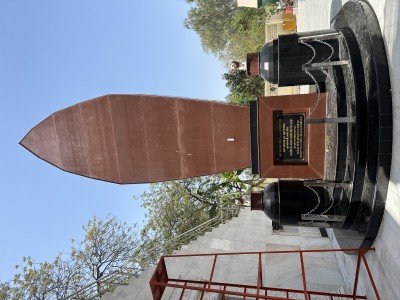
Augarnath Temple
Some quick example text to build on the card title and make up the bulk of the card's content.
Go somewhere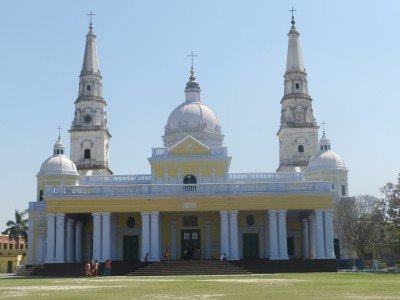
Basilica of Our Lady of Graces
Some quick example text to build on the card title and make up the bulk of the card's content.
Go somewhere
Bhole Ki Jhaal
Some quick example text to build on the card title and make up the bulk of the card's content.
Go somewhere
Chandi Devi Temple
Some quick example text to build on the card title and make up the bulk of the card's content.
Go somewhere
Dargah of Baley Miyan
Some quick example text to build on the card title and make up the bulk of the card's content.
Go somewhere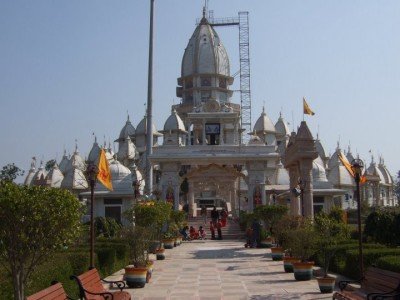
Digambar Jain Temple
Some quick example text to build on the card title and make up the bulk of the card's content.
Go somewhere
Gandhi Bagh
Some quick example text to build on the card title and make up the bulk of the card's content.
Go somewhere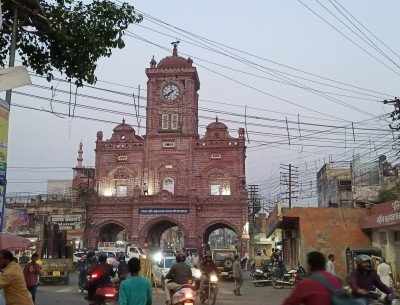
Ghanta Ghar
Some quick example text to build on the card title and make up the bulk of the card's content.
Go somewhere
Government Freedom Struggle Museum
Some quick example text to build on the card title and make up the bulk of the card's content.
Go somewhere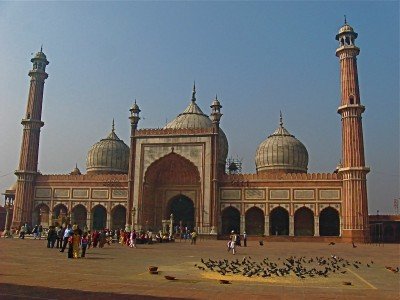
Jama Masjid
Some quick example text to build on the card title and make up the bulk of the card's content.
Go somewhere
Mansa Devi Temple
Some quick example text to build on the card title and make up the bulk of the card's content.
Go somewhere
Mustafa Castle
Some quick example text to build on the card title and make up the bulk of the card's content.
Go somewhere
Parikshitgarh Fort
Some quick example text to build on the card title and make up the bulk of the card's content.
Go somewhere
Shaheed Smarak
Some quick example text to build on the card title and make up the bulk of the card's content.
Go somewhere
Shahid Smarak
Some quick example text to build on the card title and make up the bulk of the card's content.
Go somewhere
Shahpeer Sahab ki Dargah
Some quick example text to build on the card title and make up the bulk of the card's content.
Go somewherein Other Cities