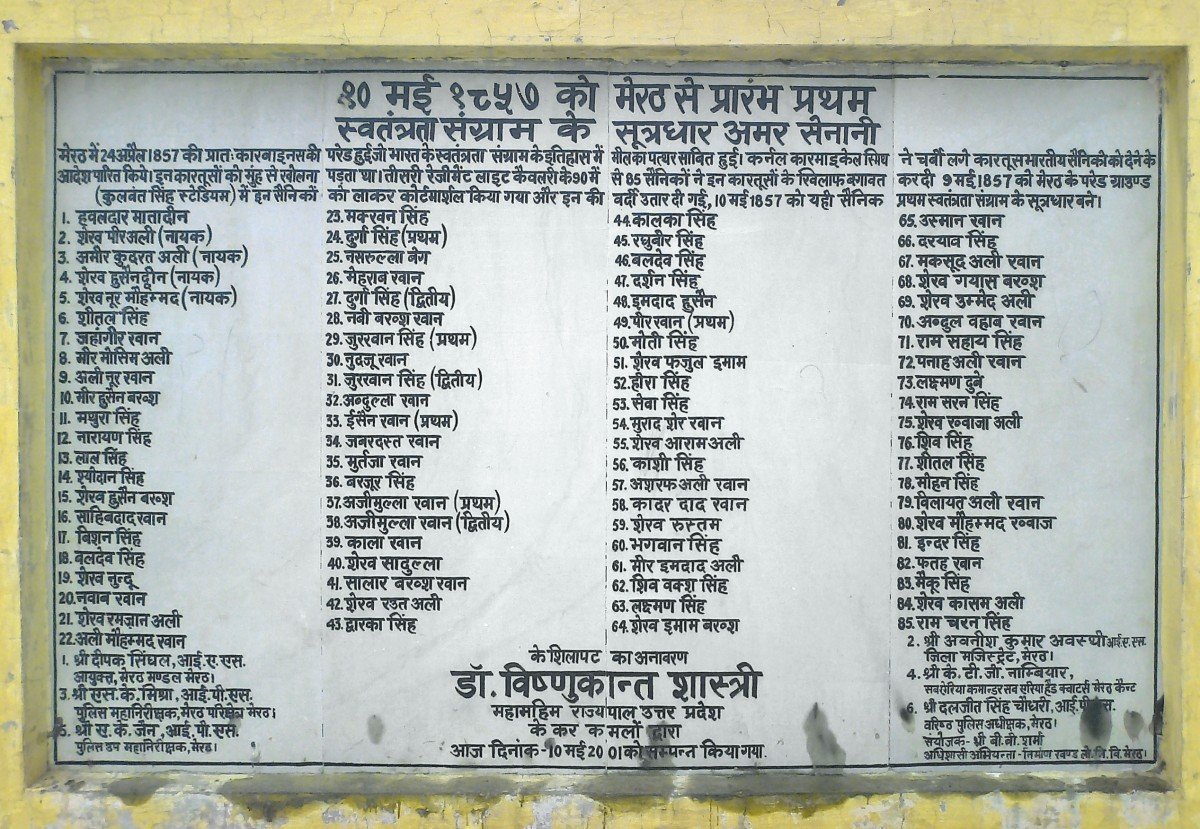
Government Freedom Struggle Museum
General information
-
Ideal Duration:
2 - 3 Hours:Place Type:
Museum, Historical, National Monument:Entry Fees:
Nominal Entry Fee: The museum charges a very nominal entry fee for adults (typically INR 5 to INR 20) and an even lower fee for students to make it accessible to the general public:
Camera/Video Fee: A small, separate fee (e. g. , INR 25 to I...Nominal Entry Fee: The museum charges a very nominal entry fee for adults (typically INR 5 to INR 20) and an even lower fee for students to make it accessible to the general public:
Camera/Video Fee: A small, separate fee (e. g. , INR 25 to INR 100) may be charged for carrying a camera or video recorder inside the exhibition galleries;
check the current policy at the ticket counter:
Group Discounts: Concessional rates or free entry may be provided for large groups of school students, organized tours, or research scholars upon prior application:
Payment: Entry and camera fees are paid at the ticket counter located near the entrance of the museum building inside the Shaheed Smarak complex: The low entry fee ensures the museum remains primarily an educational and commemorative institution, rather than a commercial one.Timing:
Regular Timings: 10:30 AM - 4:
30 PM:
Ideal Visit Time:
Mid-Morning:
Regular Timings: 10:30 AM - 4:
30 PM:
Ideal Visit Time:
Mid-Morning:
Regular Timings: The museum has strict and comparatively short operating hours, typically from 10:30 AM to 4:
30 PM:
Weekly Closure: The museum is closed on Mondays and on the Sunday following the 2nd Saturday of the month, in addition to all public holidays; it is crucial to check the calendar before visiting:
Ideal Visit Time: The best time to visit is mid-morning (10:30 AM to 1:00 PM) on a weekday, as this avoids the afternoon school groups and allows ample time to study the exhibits before the early closure:
Visit Duration: Since the collection is highly detailed, plan to arrive close to opening time to comfortably cover all the galleries, as a minimum of 2-3 hours is required for a thorough visit.Special Events:
Commemoration of 1857 Revolt: The most important day is the anniversary of the outbreak of the 1857 revolt (historically May 10), when official and patriotic ceremonies are held at the Shaheed Smarak complex, with wreath-laying, cultural performances, and speeches by dignita...Commemoration of 1857 Revolt: The most important day is the anniversary of the outbreak of the 1857 revolt (historically May 10), when official and patriotic ceremonies are held at the Shaheed Smarak complex, with wreath-laying, cultural performances, and speeches by dignitaries:
Republic and Independence Day: National holidays like Republic Day (January 26) and Independence Day (August 15) are significant, with a major focus on the Shaheed Smarak complex, involving flag hoisting and tributes to the martyrs, drawing large patriotic crowds:
Educational Events: The museum frequently organizes special lectures, seminars, and art/essay competitions throughout the year for students, making it an intellectually vibrant place during these periods: These educational events often coincide with the birth anniversaries of major freedom fighters whose exhibits are housed in the museum.Best Photo Spots:
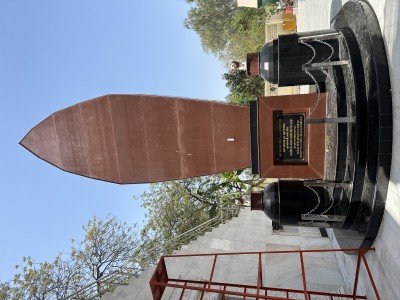
The Shaheed Stambh: The imposing Shaheed Stambh (Martyrs' Pillar) within the complex, especially when viewed against the morning or evening sky, offers a powerful, monumental photo spot, symbolizing the national sacrifice:
Diorama Close-ups: ...The Shaheed Stambh: The imposing Shaheed Stambh (Martyrs' Pillar) within the complex, especially when viewed against the morning or evening sky, offers a powerful, monumental photo spot, symbolizing the national sacrifice:
Diorama Close-ups: Capture detailed, well-lit close-ups of the museum's dioramas (where flash is prohibited) which recreate historical moments;
these are the most unique visual assets:
The Grand Exterior View: Photograph the museum building's clean, institutional facade, often framed by the lush green lawns of the memorial complex, conveying a sense of scholarly sobriety:
Historical Paintings: Capture the large, dramatic paintings that depict the key battles and events of the 1857 revolt, focusing on the composition and emotional intensity of the artwork:
The Entrance Archway: The entrance to the Shaheed Smarak complex itself, often featuring patriotic quotes or a list of martyrs' names, is a powerful photo opportunity: The play of light and shadow on the relief work (sculptures on the walls) is excellent for black and white photography, highlighting the historical texture and drama.Photo Gallery
Things To Do
-
Guided Tour for Context: Arrange for a guided tour or use an audio guide (if available) to gain a deep contextual understanding of the exhibits, especially the complex timeline of the 1857 revolt in Meerut:
Study the Dioramas: Spend significant time studying the meticulously crafted dioramas and relief work, as they are the museum's most compelling visual reconstructions of historical events; try to trace the narrative sequence they represent:
Visit the Shaheed Smarak: After the museum, dedicate time to visit the adjacent Shaheed Smarak complex, paying respects at the tall Shaheed Stambh and reflecting in the quiet, expansive grounds:
Read the Document Exhibits: Focus on the original documents, stamps, and memorial coins, which are primary source materials, to conn...Guided Tour for Context: Arrange for a guided tour or use an audio guide (if available) to gain a deep contextual understanding of the exhibits, especially the complex timeline of the 1857 revolt in Meerut:
Study the Dioramas: Spend significant time studying the meticulously crafted dioramas and relief work, as they are the museum's most compelling visual reconstructions of historical events; try to trace the narrative sequence they represent:
Visit the Shaheed Smarak: After the museum, dedicate time to visit the adjacent Shaheed Smarak complex, paying respects at the tall Shaheed Stambh and reflecting in the quiet, expansive grounds:
Read the Document Exhibits: Focus on the original documents, stamps, and memorial coins, which are primary source materials, to connect with the authentic historical record:
Attend a Seminar/Lecture: Check the museum's schedule for educational programs, seminars, or film screenings related to the freedom struggle, offering an in-depth academic experience:
Photography of Exhibits (with Permission): Take photographs of the exhibits (where permitted and without flash) to document the history for personal study and reference:
Buy Commemorative Items: Check the small gift or book shop (if present) for books on the 1857 revolt, museum catalogs, or postal stamps, to take home a piece of history:
Connect History and Geography: Use the map exhibits to understand the geographical spread of the revolt from Meerut to Delhi and other parts of India, linking the museum narrative to the wider national movement.
Information
-
Why Famous:
Birthplace of the 1857 Revolt: The museum's primary fame stems from its location in Meerut, which is historically recognized as the city where the First War of Indian Independence (the Sepoy Mutiny) of 1857 officially began, giving the exhibits an unparalleled authenticity:<...Birthplace of the 1857 Revolt: The museum's primary fame stems from its location in Meerut, which is historically recognized as the city where the First War of Indian Independence (the Sepoy Mutiny) of 1857 officially began, giving the exhibits an unparalleled authenticity:
The Shaheed Smarak: The museum is part of the larger Shaheed Smarak (Martyrs' Memorial) complex, where the Shaheed Stambh (pillar) stands tall, commemorating the sacrifices of the mutineers, a highly patriotic and famous site:
Unique Exhibits: It houses one of the most comprehensive collections of artifacts, paintings, and dioramas specifically focusing on the initial outbreak in Meerut and its subsequent spread, offering a unique regional perspective not found in other national museums:
Educational Hub: The museum is not just a collection but an active center for seminars, lectures, and educational competitions, solidifying its role as a key academic resource for the history of the freedom struggle: The visual and narrative power of the dioramas, which vividly recreate scenes like the revolt's beginning and the release of the imprisoned sepoys, make the history highly engaging and famous among school groups and history enthusiasts. -
Architecture:
Modern Institutional Museum Architecture:
Building Style: The museum building itself is a modern institutional structure, designed for its function as a repository and exhibition space, with a simple, functional aesthetic contrasting with the...Modern Institutional Museum Architecture:
Building Style: The museum building itself is a modern institutional structure, designed for its function as a repository and exhibition space, with a simple, functional aesthetic contrasting with the classical monuments it chronicles:
Location and Integration: It is carefully integrated into the larger Shaheed Smarak complex, which features open lawns and a tall Shaheed Stambh (Martyrs' Pillar), giving the entire area a monumental and solemn atmosphere:
Dimension & Layout: The interior space is logically divided into multiple (currently five) galleries: These galleries are designed with high ceilings and controlled lighting to display paintings, dioramas, and relief work effectively: The layout facilitates a chronological or thematic flow through the narrative of the freedom struggle:
Exhibition Design: The architecture focuses heavily on effective museum display techniques, using display cases, wall panels, and strategic placement of large paintings and three-dimensional dioramas to bring the historical events, particularly the dramatic scenes of 1857, to life for the visitor: The modern design ensures structural stability for the preservation of delicate historical documents and artifacts. -
How To Reach:
By Air: The nearest major airport is the Indira Gandhi International Airport (DEL) in Delhi, approximately 85-90 KMS away: From DEL, hire a pre-paid taxi or app-based cab directly to the museum's location on Delhi Road near the Shaheed Smarak:
Th...By Air: The nearest major airport is the Indira Gandhi International Airport (DEL) in Delhi, approximately 85-90 KMS away: From DEL, hire a pre-paid taxi or app-based cab directly to the museum's location on Delhi Road near the Shaheed Smarak:
The journey takes about 2-3 hours:
By Train: Meerut City Railway Station (MTC) is the nearest railway station, only about 6 KMS away:
The station is well-connected: From MTC, hire an auto-rickshaw or a local taxi and specify the destination as Government Freedom Struggle Museum at Shaheed Smarak on Delhi Road:
By Road: Meerut is exceptionally well-connected by road, with the museum located directly on the major Delhi Road route: The museum is very close to the Delhi Bus Station (Bhaisali Bus Stand), which is only about 200 meters away, making it highly accessible by inter-state bus services: The local city bus service also has stops at the Shaheed Smarak complex:
By Local Transport: The most convenient local way is by auto-rickshaw or app-based taxi, as the location is a well-known landmark on the main highway leading out to Delhi: Local buses are the most economical option for those coming from other parts of Meerut city. -
Weather and Best Time to Visit:
Different Types of Seasons:
Winter (October to March):
This is the Best Time to Visit: The weather is cool and ideal for the brief time spent outdoors in the memorial complex and for comfortable travel to and ...Different Types of Seasons:
Winter (October to March):
This is the Best Time to Visit: The weather is cool and ideal for the brief time spent outdoors in the memorial complex and for comfortable travel to and from the site:
Monsoon (July to September): The humidity can be high, and outdoor walking in the memorial complex may be unpleasant due to rain, though the museum's interior is unaffected:
Summer (April to June): Avoid this period, as the intense heat makes the outdoor walk through the memorial complex very uncomfortable, but the museum building provides air-conditioned relief (check for AC status):
Different Parts of the Day:
Best: Mid-Morning (10:30 AM - 1:00 PM) right after opening to utilize the limited viewing hours:
Avoid: Late afternoon, as the museum closes early (4:30 PM). -
Near Tourist Places:
Delhi Bus Stand (Bhaisali) (<1 KM) Augharnath Mandir (Kali Paltan Temple) (Approx. 2.
5 KMS): Suraj Kund Park (Approx.
3 KMS): Jama Masjid (Approx.
5 KMS): Ghanta Ghar (Clock Tower) (Approx.
6 KMS): Mustafa Castle (Approx. 6.
5 KMS): Dargah of Baley Miyan (Approx.
6 KMS): Gandhi Bagh (Company Garden) (Approx.
7 KMS): St. John's Church (Approx.
8 KMS): Parikshitgarh Fort (Approx.
22 KMS):
Tourism Tips
-
Health & Safety:
Footwear: Wear comfortable walking shoes, as a lot of time is spent standing and walking through the galleries and the large memorial complex:
Hydration: Carry water for the time spent outdoor...Health & Safety:
Footwear: Wear comfortable walking shoes, as a lot of time is spent standing and walking through the galleries and the large memorial complex:
Hydration: Carry water for the time spent outdoors in the Shaheed Smarak complex:
Security: Be prepared for a mandatory security check (bag and body) before entering the museum premises:
Packing: Carry your student ID for potential concession on entry fees: Bring a notepad and pen for taking notes, as photography may be restricted in some specific areas:
Accommodation: Hotels and guesthouses are available along Delhi Road and near the Meerut City Railway Station which are very accessible to the museum by local transport:
Other Different Topics:
Museum Rules: Adhere strictly to the museum's rules regarding touching exhibits and using flash photography to preserve the delicate artifacts:
Historical Context: Do some preliminary reading on the 1857 revolt before visiting to maximize your understanding of the exhibits, which are dense with historical detail.
Reviews
FAQs
Meerut Itineray And Cost:-
Government Freedom Struggle Museum Tourism:-
Other Places In Meerut :-
Other States In India :-
Information about New and Updated Locations() of Uttar Pradesh Has Been Added :-
Card subtitle
Note:-
Information provided here in good Faith and for reference only.
Near Places
Augarnath Temple
Some quick example text to build on the card title and make up the bulk of the card's content.
Go somewhere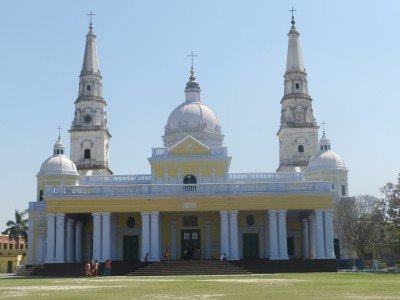
Basilica of Our Lady of Graces
Some quick example text to build on the card title and make up the bulk of the card's content.
Go somewhere
Bhole Ki Jhaal
Some quick example text to build on the card title and make up the bulk of the card's content.
Go somewhere
Chandi Devi Temple
Some quick example text to build on the card title and make up the bulk of the card's content.
Go somewhere
Dargah of Baley Miyan
Some quick example text to build on the card title and make up the bulk of the card's content.
Go somewhere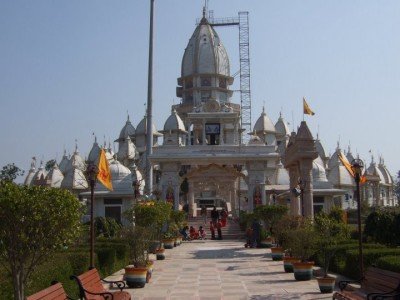
Digambar Jain Temple
Some quick example text to build on the card title and make up the bulk of the card's content.
Go somewhere
Gandhi Bagh
Some quick example text to build on the card title and make up the bulk of the card's content.
Go somewhere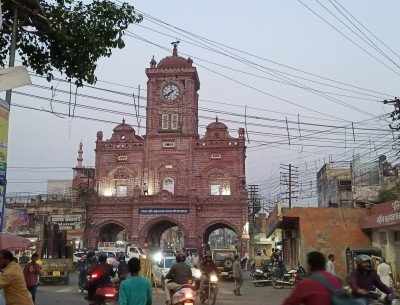
Ghanta Ghar
Some quick example text to build on the card title and make up the bulk of the card's content.
Go somewhere
Government Freedom Struggle Museum
Some quick example text to build on the card title and make up the bulk of the card's content.
Go somewhere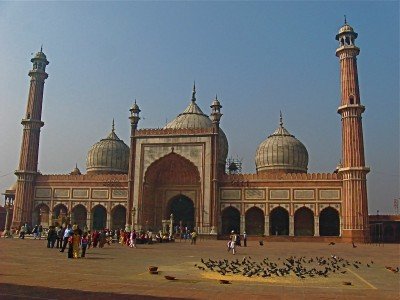
Jama Masjid
Some quick example text to build on the card title and make up the bulk of the card's content.
Go somewhere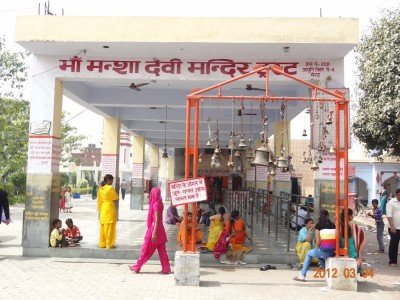
Mansa Devi Temple
Some quick example text to build on the card title and make up the bulk of the card's content.
Go somewhere
Mustafa Castle
Some quick example text to build on the card title and make up the bulk of the card's content.
Go somewhere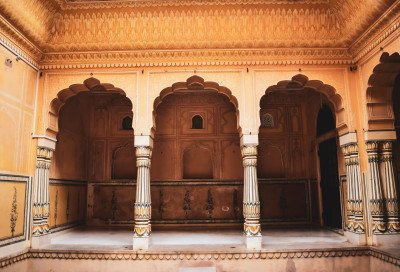
Parikshitgarh Fort
Some quick example text to build on the card title and make up the bulk of the card's content.
Go somewhere
Shaheed Smarak
Some quick example text to build on the card title and make up the bulk of the card's content.
Go somewhere
Shahid Smarak
Some quick example text to build on the card title and make up the bulk of the card's content.
Go somewhere
Shahpeer Sahab ki Dargah
Some quick example text to build on the card title and make up the bulk of the card's content.
Go somewherein Other Cities