

Dargah of Baley Miyan
General information
-
Ideal Duration:
1.
5 - 2 Hours:Place Type:
Pilgrimage, Historical, Heritage:Entry Fees:
Free Entry but Donation Expected: There is no official entry fee to enter the Dargah complex itself, which is common for religious and devotional sites in India:
Donations (Nazrana): Visitors are strongly encouraged, though not obligated, to ...Free Entry but Donation Expected: There is no official entry fee to enter the Dargah complex itself, which is common for religious and devotional sites in India:
Donations (Nazrana): Visitors are strongly encouraged, though not obligated, to make a monetary contribution (Nazrana) or offer a 'chadar' or 'ittar' to the shrine: This is considered a part of the religious offering: The funds collected often go toward the upkeep of the shrine, maintenance, and charitable activities:
Offerings Cost: The cost of offerings like a chadar, flowers, or incense can range from INR 50 to INR 500, depending on the quality and size chosen:
Mela Charges: During the annual Nauchandi Mela, a small nominal charge might be applied by the local administration for parking or for specific exhibition/entertainment areas within the fairgrounds, but the entry to the main Dargah remains free: Be prepared for local touts or unofficial 'guides' asking for money, but always offer a donation directly at the official donation box inside the shrine for maximum authenticity.Timing:
Regular Timings: 5:00 AM - 10:
00 PM:
Ideal Visit Time:
Early Morning or Evening:
Regu...Regular Timings: 5:00 AM - 10:
00 PM:
Ideal Visit Time:
Early Morning or Evening:
Regular Timings: The Dargah is generally open to devotees and visitors from early morning (around 5:00 AM) until late evening (around 10:00 PM), though the specific hours can vary based on the season and the time of the daily prayers (Namaz):
Ideal Visit Time: The best time to visit is either just after sunrise (around 6:00 AM to 8:00 AM) for a peaceful, reflective experience before the crowds arrive and the heat sets in, or just before sunset (around 5:00 PM to 7:00 PM) when the atmosphere is charged with evening prayers and the beautiful call to prayer (Azaan):
Festival Time (Peak Crowds): During the Nauchandi Mela (typically March/April), the Dargah is open for extended hours, but expect massive crowds throughout the day and night:
Avoid Midday: Visiting between 11:00 AM and 4:00 PM is generally less ideal due to the intense sun and heat, especially during the summer and hot seasons in Meerut.Special Events:
The Nauchandi Mela and Urs Festival:
The Nauchandi Mela: The Nauchandi Mela is the most significant annual event associated with the Dargah, traditionally held in the Hindi month of Chaitra (usually March or April): This fair is renowned for ...The Nauchandi Mela and Urs Festival:
The Nauchandi Mela: The Nauchandi Mela is the most significant annual event associated with the Dargah, traditionally held in the Hindi month of Chaitra (usually March or April): This fair is renowned for its scale, historical depth, and its secular nature, as it is held next to the Bala Sundari Temple and the Dargah, promoting unity: It is a massive commercial, cultural, and agricultural exhibition, offering everything from traditional handicrafts and livestock trade to modern entertainment and elaborate food stalls, running for several weeks:
The Urs Festival: The Dargah also hosts the annual 'Urs', the commemoration of the death anniversary of the saint Baley Miyan (Ghazi Saiyyed Salar Masud): This religious event involves ceremonial bathing of the tomb, recitation of fateha (prayers), and soul-stirring sessions of Qawwali (Sufi devotional music) performed by renowned artists: The Urs draws thousands of Sufi devotees and scholars, transforming the Dargah into a vibrant center of spiritual and musical energy, making it the ideal time for an immersive cultural experience: The atmosphere during these events is electric, a powerful blend of spiritual fervor and celebratory community spirit.Best Photo Spots:
The Main Dome's Silhouette: Capture the distinct silhouette of the main dome, especially during sunrise or sunset, with the sky's changing colors providing a dramatic backdrop for the ancient structure:
Archway and Entrance Gate Details: Focu...The Main Dome's Silhouette: Capture the distinct silhouette of the main dome, especially during sunrise or sunset, with the sky's changing colors providing a dramatic backdrop for the ancient structure:
Archway and Entrance Gate Details: Focus on the intricate stonework and any surviving historical calligraphy or geometric patterns on the old entrance archways; these details speak volumes about the centuries of history:
The Devotional Moment: Take respectful photographs of the ritualistic acts of devotion, such as the lighting of lamps or the offering of the 'chadar' at the tomb, capturing the spiritual intensity of the pilgrims:
Wide Shot of the Complex during Mela: If visiting during the Nauchandi Mela, the best spot is often from a slight elevation or distance to capture the sheer scale and vibrant chaos of the fairground with the Dargah dome rising above the activity:
The Courtyard's Serenity: Capture the peaceful ambiance of the inner courtyard on a quiet day, using the lines of the pavement or the shadow of the minarets to create a sense of scale and tranquility: The architectural blend of old masonry and newer plasterwork can be captured to show the evolution of the monument over time: The various smaller shrines and the ancient trees within the complex also offer excellent, tranquil foreground elements for spiritual photography.Photo Gallery
Things To Do
-
Offering 'Chadar' and 'Ittar':
Devotional Act: Purchase a 'chadar' (decorative cloth) and 'ittar' (natural perfume) from a shop outside and offer it at the tomb, a customary act of reverence in Sufi tradition, praying for blessings or the fulfillment of a wish:
Attending the 'Urs':
Festival Experience: Plan your visit to coincide with the annual 'Urs' (death anniversary) or the Nauchandi Mela (held in March/April), as this is when the spiritual and cultural energy of the place is at its absolute peak, with qawwali performances, religious discourses, and a massive fair atmosphere:
Quiet Meditation/Reflection: Visit early in the morning on a weekday when the crowds are minimal to truly absorb the serene and peaceful spiritual ambiance ...Offering 'Chadar' and 'Ittar':
Devotional Act: Purchase a 'chadar' (decorative cloth) and 'ittar' (natural perfume) from a shop outside and offer it at the tomb, a customary act of reverence in Sufi tradition, praying for blessings or the fulfillment of a wish:
Attending the 'Urs':
Festival Experience: Plan your visit to coincide with the annual 'Urs' (death anniversary) or the Nauchandi Mela (held in March/April), as this is when the spiritual and cultural energy of the place is at its absolute peak, with qawwali performances, religious discourses, and a massive fair atmosphere:
Quiet Meditation/Reflection: Visit early in the morning on a weekday when the crowds are minimal to truly absorb the serene and peaceful spiritual ambiance of the main tomb area, a profound meditative experience:
Studying the Architecture: Spend time observing the transition of architectural styles in the complex, identifying the oldest Sultanate-era walls versus the later Mughal or colonial-era additions, taking notes or sketches for historical appreciation:
Local Market Exploration: After visiting the shrine, explore the small, surrounding local market (bazaar) for authentic religious artifacts, traditional sweets, and locally made handicrafts that cater specifically to the pilgrim traffic:
Photography of Devotion: Capture the poignant moments of devotion, the play of light on the dome, and the vibrant colors of the offerings, always being respectful and asking permission before photographing people or close-up religious ceremonies:
Donation and Charity: Participate in the tradition of langar (community meal) or offering alms to the needy who gather outside the complex, fulfilling the charitable and social tenets of Sufism and local custom: This is a core part of the spiritual visit, connecting the visitor to the community:
Seeking Blessings: Approach the shrine with an open mind and heart, as many visitors come specifically to seek the saint's intercession for health, prosperity, or overcoming adversity, making the spiritual act itself the primary thing to do.
Information
-
Why Famous:
Communal Harmony: It is famously revered by both Hindus and Muslims, showcasing the interfaith harmony unique to North India: The saint, Baley Miyan (Ghazi Saiyyed Salar Masud), is an important figure in the folk religious traditions of the region:
Read MoreCommunal Harmony: It is famously revered by both Hindus and Muslims, showcasing the interfaith harmony unique to North India: The saint, Baley Miyan (Ghazi Saiyyed Salar Masud), is an important figure in the folk religious traditions of the region:
The Nauchandi Mela Link: The Dargah is the central religious component of the colossal and historic Nauchandi Mela, one of India's most significant annual fairs, which has been held for centuries, attracting traders and devotees from far and wide:
Early Sultanate Marker: Its construction by Qutb-ud-din Aybak marks it as one of the oldest Islamic structures in the region, a vital historical touchpoint for the beginning of the Delhi Sultanate era: The tranquility and spiritual intensity of the shrine itself, especially away from the festival days, provides a powerful and peaceful experience: The annual Urs festival held here is a major draw for Sufi and Islamic scholars and devotees, solidifying its importance as a center for Sufi thought and practice in the western Uttar Pradesh region.Architecture:
Historical Islamic Architecture: The structure is one of the oldest surviving Islamic monuments in Meerut, dating back to the Delhi Sultanate period:
Building Material: It is constructed primarily using locally sourced materials, likely a com...Historical Islamic Architecture: The structure is one of the oldest surviving Islamic monuments in Meerut, dating back to the Delhi Sultanate period:
Building Material: It is constructed primarily using locally sourced materials, likely a combination of bricks, lime plaster, and possibly red sandstone in later renovations or additions:
Architectural Style: The original design would have followed the nascent Indo-Islamic architectural style of the late 12th century, characterized by large domed structures, simple but profound arches, and minimal ornamentation compared to later Mughal architecture:
Dimension & Layout: The site encompasses the main tomb (mazar), a small mosque for prayers, and surrounding open areas and courtyards for visitors and assembly: The overall complex is designed to manage the heavy flow of pilgrims, especially during the Nauchandi Mela: The main sanctum housing the tomb is generally a square chamber topped by a dome, reflecting the traditional tomb architecture of the era: The simplicity of the structure highlights its spiritual, rather than purely monumental, function: Over the centuries, additions and repairs have likely incorporated various regional influences, making the current structure an amalgamation of different historical periods, yet the core remains a powerful reflection of early Sultanate architecture in North India.How To Reach:
By Air: The nearest major airport is the Indira Gandhi International Airport (DEL) in Delhi, approximately 85-90 KMS away: From the airport, one can hire a pre-paid taxi, an app-based cab (Uber/Ola), or take the Delhi Metro (Airport Express Line) to the New Delhi Railway Sta...By Air: The nearest major airport is the Indira Gandhi International Airport (DEL) in Delhi, approximately 85-90 KMS away: From the airport, one can hire a pre-paid taxi, an app-based cab (Uber/Ola), or take the Delhi Metro (Airport Express Line) to the New Delhi Railway Station and then a train or bus to Meerut: The journey from DEL to Meerut takes approximately 2-3 hours by road, depending on traffic:
By Train: Meerut City Railway Station (MTC) is the primary and nearest railway station, only about 3-4 KMS from the Dargah: The station is well-connected to major Indian cities like Delhi, Lucknow, Dehradun, and Amritsar: From MTC, the Dargah is a very short ride away; one can easily find auto-rickshaws, cycle-rickshaws, or local buses right outside the station to reach Nauchandi:
By Road: Meerut is exceptionally well-connected by road, lying on major National Highways: The Dargah is easily accessible via the Delhi-Meerut Expressway (NE-3) or National Highway NH-334: Regular state-run and private bus services connect Meerut with Delhi, Ghaziabad, Dehradun, and other nearby cities: The local city bus service also has stops near the Nauchandi area:
By Local Transport: The most convenient and local ways to reach the Dargah are by auto-rickshaw, which is readily available across Meerut city, or by the more traditional, slower, but charming cycle-rickshaw: App-based taxi services are also operational in the city.Weather and Best Time to Visit:
Different Types of Seasons:
Winter (October to March):
This is by far the Best Time to Visit: The weather is pleasantly cool, ranging from 5°C to 25°C, making long walks and comfortable time outdoors ideal f...Different Types of Seasons:
Winter (October to March):
This is by far the Best Time to Visit: The weather is pleasantly cool, ranging from 5°C to 25°C, making long walks and comfortable time outdoors ideal for exploring the complex and attending prayers:
Spring (Late February to Early April): A very good time to visit, especially as it often coincides with the Nauchandi Mela (the Dargah's biggest festival), offering a unique cultural experience despite the slightly warmer temperatures:
Monsoon (July to September): While the rains bring some respite from the heat, the humidity is high, and travel can be unpredictable; however, the green, washed look of the complex is picturesque:
Summer (April to June): Avoid this period, as the weather is extremely hot (40°C+) and dry, making daytime visits uncomfortable:
Different Parts of the Day:
Best: Early Morning (Sunrise) for serenity and cool air, or Late Evening (Sunset) for spiritual ambiance and evening prayers:
Avoid: Midday (11 AM - 4 PM) due to high heat and bright light.Near Tourist Places:
Shahpeer's Mausoleum (1.
4 KMS): Jama Masjid (1.
6 KMS): Mustafa Castle (2.
4 KMS): Gandhi Bagh (Company Garden) (4.
2 KMS): Ghanta Ghar (Clock Tower) (Approx.
3 KMS): Suraj Kund Park (Approx.
5 KMS): St. John's Church (Approx.
4 KMS): Bhole Ki Jhaal (Approx.
7 KMS): Augharnath Mandir (Kali Paltan Temple) (Approx.
6 KMS): Government Freedom Struggle Museum (Approx.
6 KMS):Tourism Tips
-
Health & Safety:
Dress Code: Always adhere to a modest dress code when visiting the Dargah, covering your head (for women, a scarf or dupatta is mandatory; for men, a cap/handkerchief is respectful) and ensuring shoulders and knees are cover...Health & Safety:
Dress Code: Always adhere to a modest dress code when visiting the Dargah, covering your head (for women, a scarf or dupatta is mandatory; for men, a cap/handkerchief is respectful) and ensuring shoulders and knees are covered:
Footwear: You must remove footwear before entering the shrine complex; wear easy-to-remove sandals or slippers and ensure they are safely left at the designated counter:
Crowd Management: Be mindful of pickpockets, especially during the crowded Nauchandi Mela or festivals: Keep valuables secure and avoid carrying excessive cash:
Packing:
Carry a small water bottle and hand sanitizer:
Bring your own head covering to be respectful:
Camera: Carry a camera for photography (check rules for flash inside the sanctum):
Accommodation: Meerut city offers a range of hotels from budget to mid-range near the city center, which is a short distance from the Dargah: Look for established hotels in the Cantonment area or near the Meerut City Railway Station for convenience:
Other Different Topics:
Respect: Maintain silence and show utmost respect for the religious environment and the devotees, avoiding loud conversations:
Offerings: Only use the designated donation boxes and buy offerings from licensed shops to avoid being overcharged:
Photography: Be extremely respectful when photographing devotees, especially women, and never use flash inside the main tomb area.
Reviews
FAQs
Meerut Itineray And Cost:-
Dargah of Baley Miyan Tourism:-
Other Places In Meerut :-
Other States In India :-
Information about New and Updated Locations() of Uttar Pradesh Has Been Added :-
Card subtitle
Note:-
Information provided here in good Faith and for reference only.
Near Places
Augarnath Temple
Some quick example text to build on the card title and make up the bulk of the card's content.
Go somewhere
Basilica of Our Lady of Graces
Some quick example text to build on the card title and make up the bulk of the card's content.
Go somewhere
Bhole Ki Jhaal
Some quick example text to build on the card title and make up the bulk of the card's content.
Go somewhere
Chandi Devi Temple
Some quick example text to build on the card title and make up the bulk of the card's content.
Go somewhere
Dargah of Baley Miyan
Some quick example text to build on the card title and make up the bulk of the card's content.
Go somewhere
Digambar Jain Temple
Some quick example text to build on the card title and make up the bulk of the card's content.
Go somewhere
Gandhi Bagh
Some quick example text to build on the card title and make up the bulk of the card's content.
Go somewhere
Ghanta Ghar
Some quick example text to build on the card title and make up the bulk of the card's content.
Go somewhere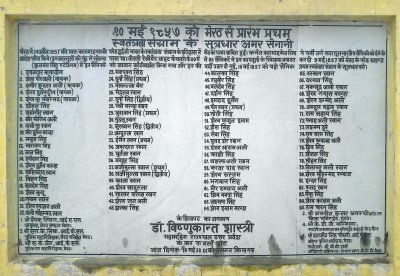
Government Freedom Struggle Museum
Some quick example text to build on the card title and make up the bulk of the card's content.
Go somewhere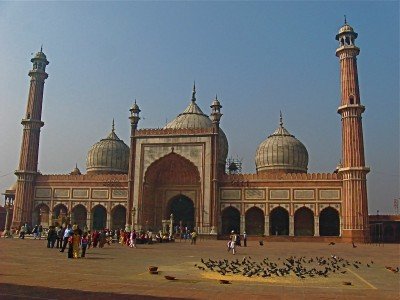
Jama Masjid
Some quick example text to build on the card title and make up the bulk of the card's content.
Go somewhere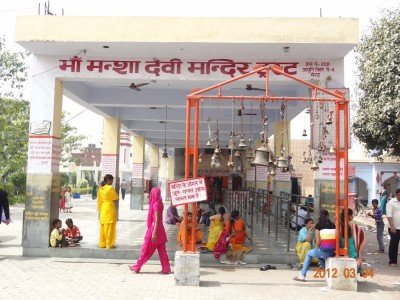
Mansa Devi Temple
Some quick example text to build on the card title and make up the bulk of the card's content.
Go somewhere
Mustafa Castle
Some quick example text to build on the card title and make up the bulk of the card's content.
Go somewhere
Parikshitgarh Fort
Some quick example text to build on the card title and make up the bulk of the card's content.
Go somewhere
Shaheed Smarak
Some quick example text to build on the card title and make up the bulk of the card's content.
Go somewhere
Shahid Smarak
Some quick example text to build on the card title and make up the bulk of the card's content.
Go somewhere
Shahpeer Sahab ki Dargah
Some quick example text to build on the card title and make up the bulk of the card's content.
Go somewherein Other Cities