Baripada Museum
General information
-
Ideal Duration:
1-2 hoursPlace Type:
History Museum, Archaeological Repository, LibraryEntry Fees:
Formal Entry Fee: Generally, there is a nominal entry fee. While the exact current amount varies, a typical fee for Indian nationals is around Rs.10 to Rs.20 per person, and a slightly higher fee (e. g. , Rs.50 to Rs.100) for foreign nationals.
Photogr...Formal Entry Fee: Generally, there is a nominal entry fee. While the exact current amount varies, a typical fee for Indian nationals is around Rs.10 to Rs.20 per person, and a slightly higher fee (e. g. , Rs.50 to Rs.100) for foreign nationals.
Photography and Video Fees: Separate, higher fees are often charged for using cameras and video cameras inside the museum premises, which can range from Rs.20 to Rs.50 for a still camera and Rs.100 to Rs.200 for video equipment.
Guided Tour Costs: Guided tours (if available) may cost an additional minimal charge (e. g. , Rs.50 to Rs.100), or may be included in the entry fee on specific days. The purpose of this fee is primarily for the maintenance and upkeep of the historic collections and the building structure itself.Timing:
Regular Timings: 10:00 AM to 5:
00 PM (Tuesday to Sunday): Most museums strictly adhere to this timing, and it is typically closed on Mondays and major public holidays.
Ideal Visit Time: Mid-Morning (10:00 AM ...Regular Timings: 10:00 AM to 5:
00 PM (Tuesday to Sunday): Most museums strictly adhere to this timing, and it is typically closed on Mondays and major public holidays.
Ideal Visit Time: Mid-Morning (10:00 AM - 1:00 PM) This time slot is ideal for a focused, unhurried visit before the mid-day heat or potential afternoon school/group tours arrive, allowing for quiet reading in the library.
Avoid Lunch Hour: Try to complete your visit or be near the end by 1:00 PM, as museum staff may take a break, or the atmosphere might be less engaging.
Seasonal Variation: There are no major seasonal changes to the timing, but visiting during the pleasant winter months (November-February) makes the travel to and from the museum more comfortable.Special Events:
Museum Week and Heritage Day Events: Like many prominent museums, the Baripada Museum likely organizes special exhibitions, lectures, and cultural programs during National or International Museum Week (May) and World Heritage Day (April 18th), often featuring newly acquired ...Museum Week and Heritage Day Events: Like many prominent museums, the Baripada Museum likely organizes special exhibitions, lectures, and cultural programs during National or International Museum Week (May) and World Heritage Day (April 18th), often featuring newly acquired artifacts or academic discussions.
Local Scholars' Lectures: Occasional public lectures or seminars by local historians and archaeologists are often held on-site, providing expert insight into the regional history, which attracts a dedicated intellectual crowd.
Annual Exhibition Focus: An annual change in a featured exhibition (e. g. , focusing on the local Chhau Dance or the Similipal Forest's natural history) may draw a specific crowd, and it is advised to check the museum's schedule for current features.Best Photo Spots:
The Grand Entrance Facade: The exterior of the building itself, with its blend of architectural styles and the main entrance gate, makes for a great introductory photo, symbolizing the confluence of history.
Close-up on Sculptures: High-qual...The Grand Entrance Facade: The exterior of the building itself, with its blend of architectural styles and the main entrance gate, makes for a great introductory photo, symbolizing the confluence of history.
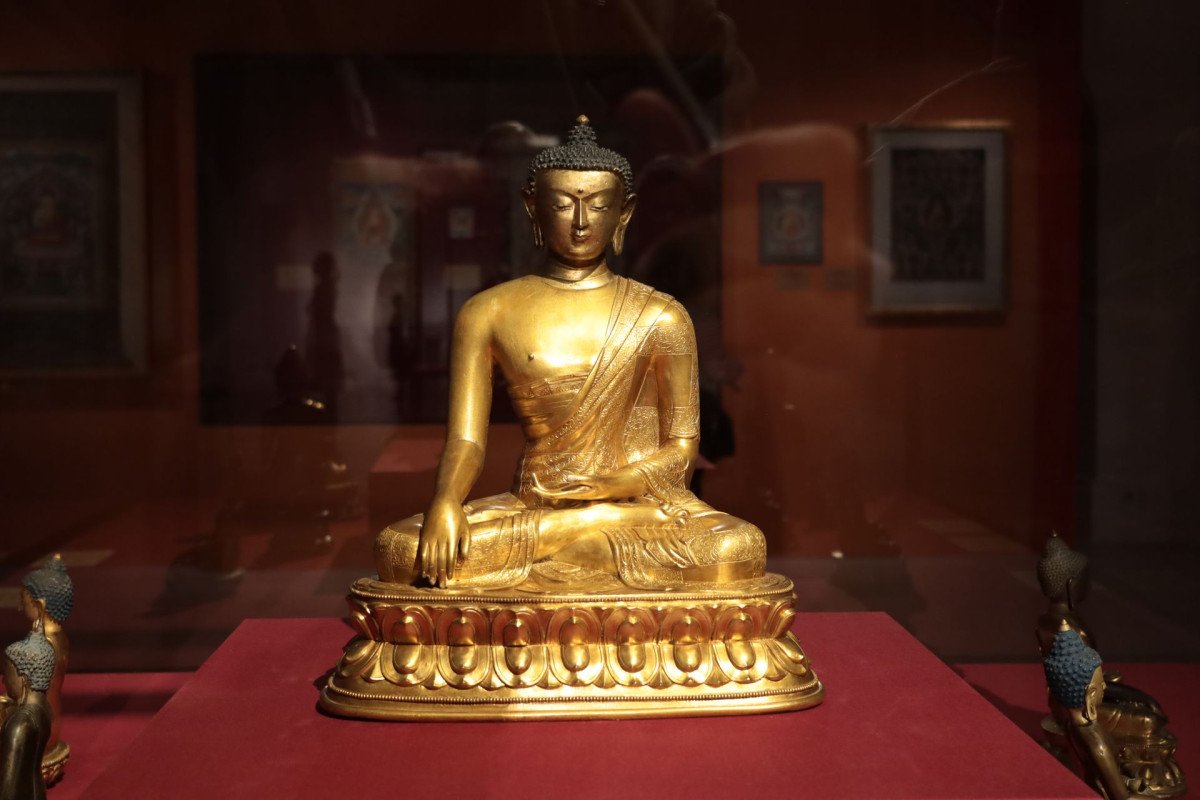
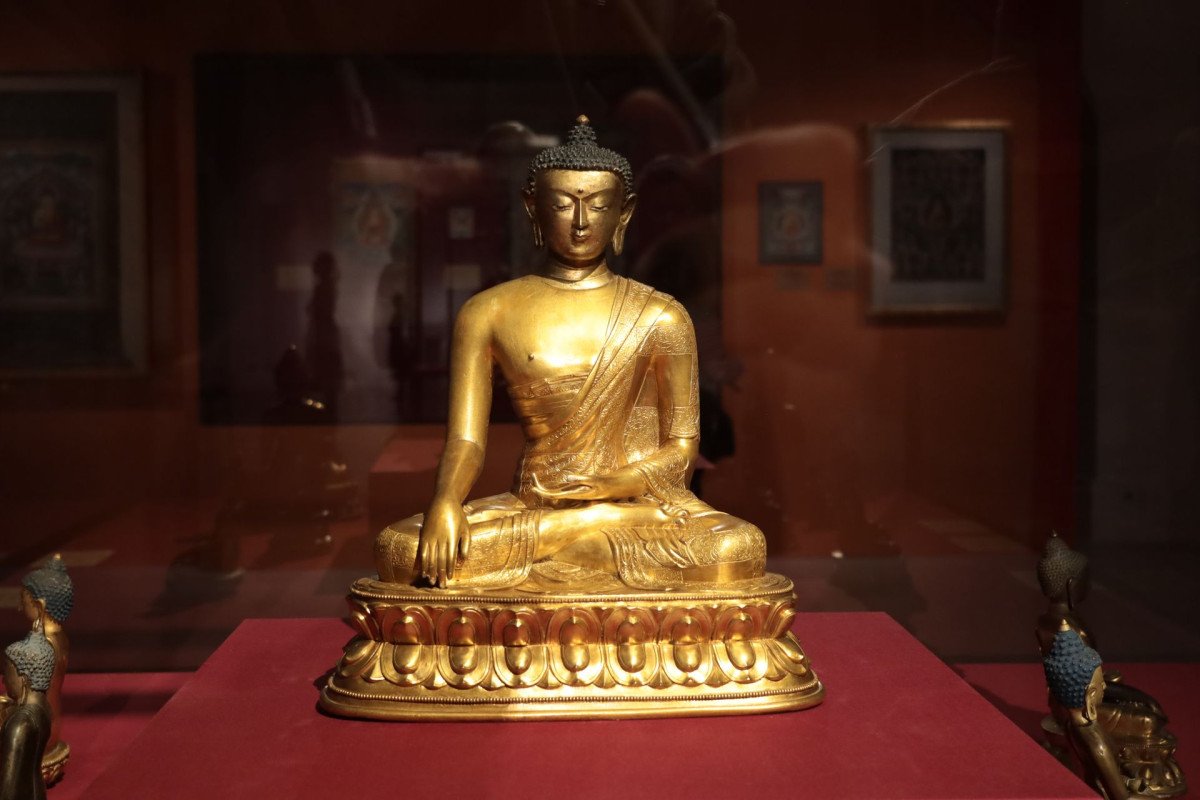
Close-up on Sculptures: High-quality, detailed photography of the finest stone and terracotta sculptures, particularly the Jaina deities, capturing the intricacy of the carving and the texture of the material.
Thematic Gallery Shots: Wide-angle shots of the main galleries, emphasizing the volume and layout of the collections under the high ceilings, especially if the lighting is dramatic.
Library and Archives Corner: A shot of the old library or reading room (if permitted) to highlight the research and historical documentation aspect of the museum's function.Photo Gallery
Things To Do
-
Gallery Exploration: Dedicate time to thoroughly explore each of the distinct galleries, focusing on the archaeological finds, the terracotta and stone sculptures, and the ethnography section for a cultural understanding.
Historical Document Review: Visit the museum's library to review the historical documents and guidebooks, using the resources to gain deeper context about the exhibits and the Mayurbhanj region's history.
Photography of Artifacts (Check Rules): Capture images of the unique artifacts, such as the Jaina relics and prehistoric tools, adhering strictly to the museum's photography policies (flash is often prohibited).
Guided Tour Participation: Inquire about and join any available guided tours to benefit from the curators' expert knowledge and insigh...Gallery Exploration: Dedicate time to thoroughly explore each of the distinct galleries, focusing on the archaeological finds, the terracotta and stone sculptures, and the ethnography section for a cultural understanding.
Historical Document Review: Visit the museum's library to review the historical documents and guidebooks, using the resources to gain deeper context about the exhibits and the Mayurbhanj region's history.
Photography of Artifacts (Check Rules): Capture images of the unique artifacts, such as the Jaina relics and prehistoric tools, adhering strictly to the museum's photography policies (flash is often prohibited).
Guided Tour Participation: Inquire about and join any available guided tours to benefit from the curators' expert knowledge and insights into the history and significance of the collections.
Architectural Study: Observe and photograph the building's distinct Indo-Colonial and Odishan architectural elements, including the facade's intricate motifs and the interior's spatial design.
Art and Culture Journaling: Sketch or take detailed notes on the unique art styles, especially the terracotta pieces, which are distinct to the local craft traditions.
Souvenir Purchase: Check for any on-site museum shop that sells books or replicas related to the Mayurbhanj heritage, supporting the museum's maintenance.
Information
-
Why Famous:
Royal Legacy and Ancient Artifacts: It is famous as one of the oldest museums in Odisha, founded by the Maharaja of Mayurbhanj, giving it immense prestige. Its collection is unique, housing rare prehistoric stone sculptures, a rich assortment of terracotta art, and notable ...Royal Legacy and Ancient Artifacts: It is famous as one of the oldest museums in Odisha, founded by the Maharaja of Mayurbhanj, giving it immense prestige. Its collection is unique, housing rare prehistoric stone sculptures, a rich assortment of terracotta art, and notable Jaina relics, including the statue of Ambika and a chaumukha.
Educational and Research Importance: The presence of a dedicated library with comprehensive guidebooks and historical documents makes it a crucial resource for local and regional historians, establishing its reputation beyond a simple tourist site.
Kalingan Architecture Integration: The museum building's own architectural style, which pays homage to the local temple design, is a point of interest, showcasing the cultural importance of the region's heritage. The collection acts as a primary source for understanding the cultural evolution of the Bhanja Dynasty and the transition of the region into modern Odisha. -
Architecture:
Indo-Colonial Architectural Blend: The museum's architecture is a remarkable fusion, embodying the traditional Odishan temple style with elements of functional British colonial design. The facade likely features intricate carvings and motifs reminiscent of the famed Kalinga...Indo-Colonial Architectural Blend: The museum's architecture is a remarkable fusion, embodying the traditional Odishan temple style with elements of functional British colonial design. The facade likely features intricate carvings and motifs reminiscent of the famed Kalingan temple architecture, integrating local heritage with the more structured, planned layout of colonial public buildings.
Dimensions and Exhibition Layout: The building is designed to be spacious and functional, divided into different galleries to house distinct collections (Archaeology, Art, Arms, Ethnography, etc. ). The total floor area dedicated to exhibitions and the library is estimated to be around 1,500 to 2,000 square meters. The building would typically have high ceilings (potentially 4-5 meters) to ensure good ventilation and lighting for the exhibits. The layout is usually linear, guiding visitors chronologically or thematically. The galleries are designed to complement the exhibits, creating a seamless narrative. The use of traditional materials, such as local stone and laterite, may be visible in the foundation or decorative elements. The structure stands as a heritage building, its mass and scale designed to convey institutional importance and permanence. -
How To Reach:
By Air: The nearest airport is Biju Patnaik International Airport (BBI) in Bhubaneswar, approximately 250 KMS away. From the airport, take a bus or train to Baripada, then a local auto or taxi.
By Train: The nearest major station is Baripad...By Air: The nearest airport is Biju Patnaik International Airport (BBI) in Bhubaneswar, approximately 250 KMS away. From the airport, take a bus or train to Baripada, then a local auto or taxi.
By Train: The nearest major station is Baripada Railway Station (BPR), located approximately 3-4 KMS away. A direct auto-rickshaw or taxi can easily reach the museum, which is centrally located.
By Road: The museum is highly accessible, situated very close to the heart of Baripada on Hari Baladev Temple Road. It is a short walk or a very quick auto-rickshaw ride from the main city center and bus stand. The location is a well-known landmark, making navigation simple.
By Local Transport: The best way to reach is via a local auto-rickshaw (tuk-tuk) or cycle-rickshaw, which are readily available throughout the city. The museum's central location means it is integrated into the city's local transport routes. Walking is a comfortable option if starting from a nearby hotel or the Jagannath Temple. -
Weather and Best Time to Visit:
Different Types of Seasons:
Winter (November to February): The absolute best time, with low humidity and pleasant temperatures, making the walk to the museum and the interior exploration comfortable.
Summer (Marc...Different Types of Seasons:
Winter (November to February): The absolute best time, with low humidity and pleasant temperatures, making the walk to the museum and the interior exploration comfortable.
Summer (March to June): A good option, as the museum is indoors and air-conditioned (or at least well-ventilated), providing a respite from the external heat, but avoid the heat of the day for traveling to the site.
Monsoon (July to October): A perfect indoor activity during the rainy season, though a slight caution is needed regarding road travel to Baripada.
Different Parts of the Day: Opening Hours (10:00 AM) Recommended for scholars and serious history enthusiasts to avoid crowds and have quiet time in the galleries and library. Mid-day (12:00 PM - 3:00 PM) Suitable for general tourists, but may coincide with peak crowds. Late Afternoon (3:00 PM - 5:00 PM) A good time for a quick, final visit before closing, allowing for other activities in the evening. -
Near Tourist Places:
Baripada Jagannath Temple (Hari Baladev Temple) (~0. 5 KMS), Maa Ambika Temple (~1 KMS), Belgadia Chak/Palace (~2 KMS), Budha Balanga Bridge (~2. 5 KMS), Dargadahi Square (~2 KMS), Bagdiha Chhaka (~3 KMS), Baripada Railway Station (~3 KMS), Jubilee Library (~1 KMS), Palabani Square (~3. 5 KMS), Similipal National Park (Entry Gate - ~40 KMS)
Tourism Tips
-
Health & Safety: Follow all instructions from the museum staff regarding the handling of artifacts and exhibit boundaries. Photography rules must be strictly adhered to. The facility is generally very safe.
Packing: Carry a small notepad a...Health & Safety: Follow all instructions from the museum staff regarding the handling of artifacts and exhibit boundaries. Photography rules must be strictly adhered to. The facility is generally very safe.
Packing: Carry a small notepad and pen for taking notes, a camera (paying the required fee), and reading glasses for small exhibit text. Avoid carrying large bags, as they might need to be checked in at the entrance.
Accommodation: Staying near the city center or the Jagannath Temple is convenient for reaching the museum quickly. There are ample accommodation options in Baripada.
Other Different Topics Heading:
Combining Visits: Plan to visit the nearby Jagannath Temple (Hari Baladev Temple) and the Maa Ambika Temple on the same day due to their proximity.
Research Preparation: Reading a little about the Bhanja Dynasty before the visit will greatly enhance the understanding and appreciation of the exhibits.
Silence Policy: Maintain silence in the galleries and the library to respect other visitors and the solemnity of the historical items.
Reviews
FAQs
Baripada Itineray And Cost:-
Other Places In Baripada :-
Other States In India :-
Information about New and Updated Locations() of Odisha Has Been Added :-
Card subtitle
Note:-
Information provided here in good Faith and for reference only.
Near Places
Aarikulo Dam
Some quick example text to build on the card title and make up the bulk of the card's content.
Go somewhere
Asurghati Waterfall
Some quick example text to build on the card title and make up the bulk of the card's content.
Go somewhere
Badjod Dam
Some quick example text to build on the card title and make up the bulk of the card's content.
Go somewhere
Bagdiha Chhaka
Some quick example text to build on the card title and make up the bulk of the card's content.
Go somewhere
Baripada Museum
Some quick example text to build on the card title and make up the bulk of the card's content.
Go somewhere
Belgadia Chak
Some quick example text to build on the card title and make up the bulk of the card's content.
Go somewhere
Belgadia Palace
Some quick example text to build on the card title and make up the bulk of the card's content.
Go somewhere
Bhimkund Waterfall
Some quick example text to build on the card title and make up the bulk of the card's content.
Go somewhere
Budha Balanga Bridge
Some quick example text to build on the card title and make up the bulk of the card's content.
Go somewhere
Chaulabhaja Waterfall
Some quick example text to build on the card title and make up the bulk of the card's content.
Go somewhere
Deuli Dam
Some quick example text to build on the card title and make up the bulk of the card's content.
Go somewhere
Devkund Ambika Temple
Some quick example text to build on the card title and make up the bulk of the card's content.
Go somewhere
Haripur Garh
Some quick example text to build on the card title and make up the bulk of the card's content.
Go somewhere
Jagannath Temple
Some quick example text to build on the card title and make up the bulk of the card's content.
Go somewhere
Joranda Waterfall
Some quick example text to build on the card title and make up the bulk of the card's content.
Go somewhere
Jwalamukhi Temple
Some quick example text to build on the card title and make up the bulk of the card's content.
Go somewherein Other Cities