Jwalamukhi Temple
General information
-
Ideal Duration:
1 Hour (Worship/Meditation)Place Type:
Religious/Temple/Shakti PithaEntry Fees:
No Entry Fee: As a public religious site, there is no official entry fee for general Darshan or entry to the temple premises. The temple is freely accessible to all pilgrims.
Donation Box: Voluntary cash donations towards the temple's maint...No Entry Fee: As a public religious site, there is no official entry fee for general Darshan or entry to the temple premises. The temple is freely accessible to all pilgrims.
Donation Box: Voluntary cash donations towards the temple's maintenance, lighting, and daily Puja expenses are welcome and can be placed in the designated donation boxes. There is no compulsion.
Cost for Rituals: Specific Puja or offerings requested from the priest (e. g. , Sankalpa Puja for a specific wish) will involve a payment for the materials and a Dakshina (honorarium) for the priest, which should be courteously settled as per the local custom. This cost can vary from INR 100 to 500+.Timing:
Regular Timings: The temple is generally open from 6:00 AM to 8:00 PM daily, without a significant mid-day closure, though the Darshan might be interrupted during specific rituals or Bhoga offering times. Always respect the ongoing rituals.
Ide...Regular Timings: The temple is generally open from 6:00 AM to 8:00 PM daily, without a significant mid-day closure, though the Darshan might be interrupted during specific rituals or Bhoga offering times. Always respect the ongoing rituals.
Ideal Visit Time: The most Ideal Visit Time is during the early morning (6:00 AM - 7:30 AM) for a quiet, meditative experience, or the evening (6:30 PM - 8:00 PM) to witness the spirited Arati ceremony. Avoid the crowded times during the major Navratri festivals for a peaceful visit.Special Events:
Sharad/Basanti Navratri: These are the two biggest annual festivals. The Sharad Navratri (September/October) is the grandest, featuring nine nights of continuous Puja, Bhajan, cultural events, and a vibrant local fair (mela) that attracts pilgrims and tourists from far and ...Sharad/Basanti Navratri: These are the two biggest annual festivals. The Sharad Navratri (September/October) is the grandest, featuring nine nights of continuous Puja, Bhajan, cultural events, and a vibrant local fair (mela) that attracts pilgrims and tourists from far and wide.
Local Religious Gatherings: On every Tuesday and Saturday (auspicious days for the Goddess), the temple sees a significant increase in local devotees, with special Puja ceremonies and communal chanting. These days offer a deep look into the local devotional practices.Best Photo Spots:
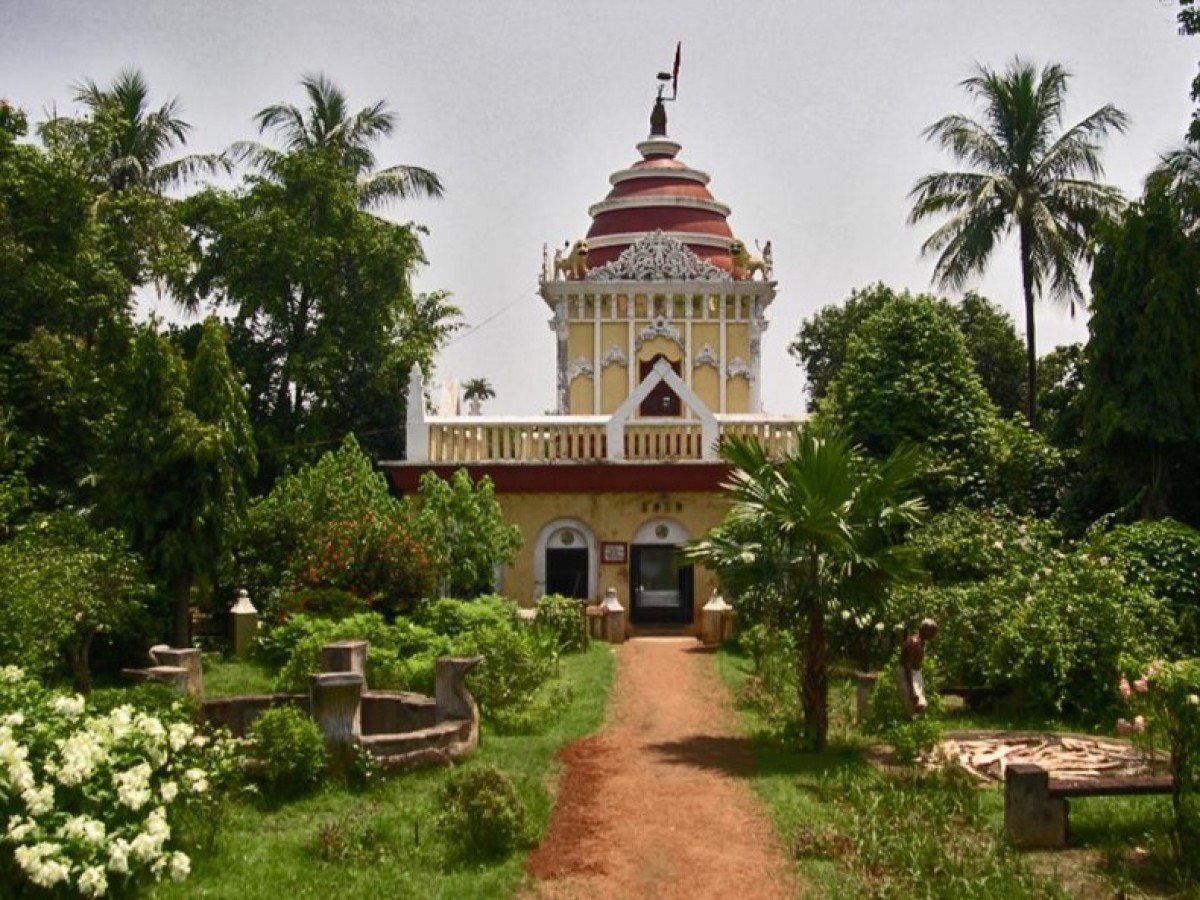
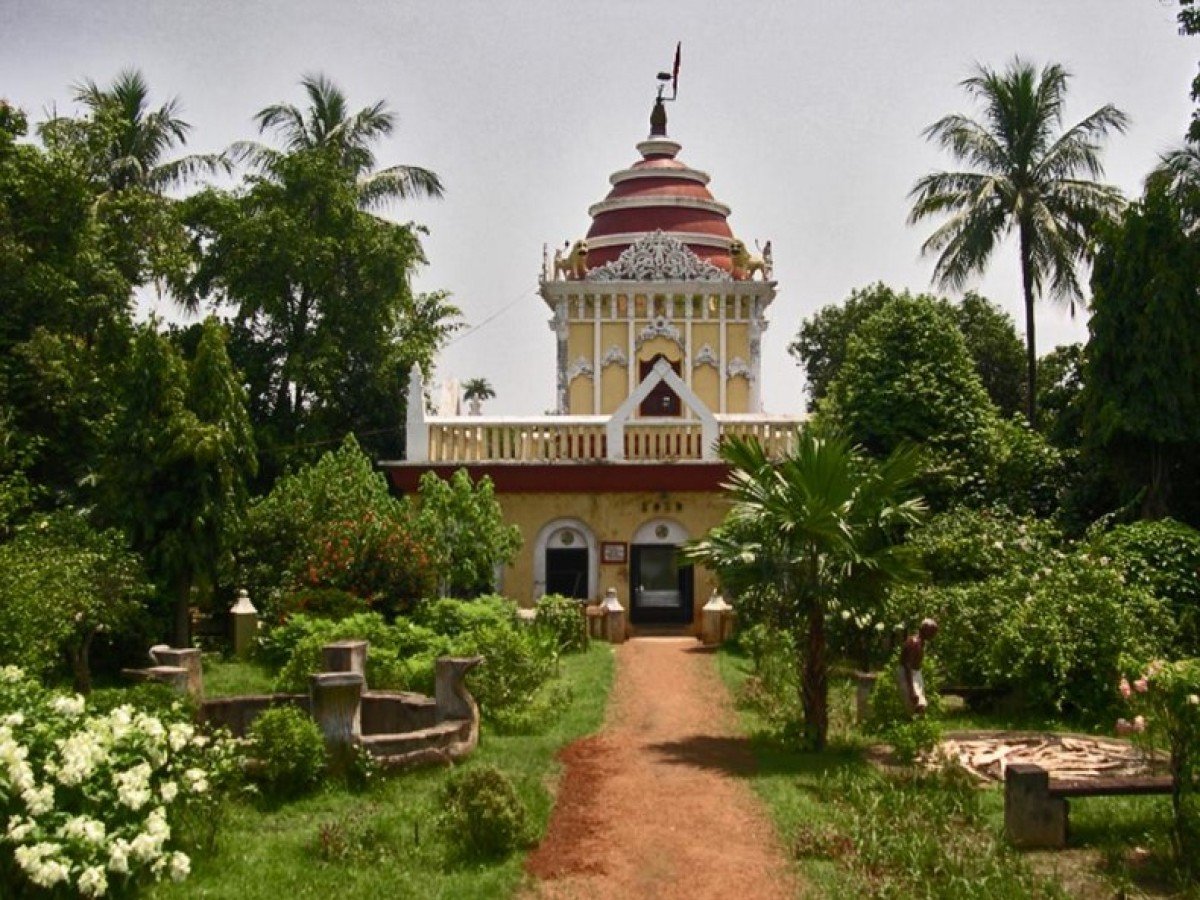
The Main Shrine Exterior: The best spot is directly in front of the main shrine, capturing the entire structure, including the spire, and the decorative motifs on the exterior walls, ideally framed against the clear Odisha sky.
View from the Pon...The Main Shrine Exterior: The best spot is directly in front of the main shrine, capturing the entire structure, including the spire, and the decorative motifs on the exterior walls, ideally framed against the clear Odisha sky.
View from the Pond: If the pond is full and clean, position yourself to capture the temple's reflection in the water, which provides a serene and balanced compositional element, especially at dusk.
The Entrance Gateway: The temple's modest entrance, often with a colorful arch or small tower, is a great spot to capture the human element (devotees entering) against the ancient stone structure, giving a sense of scale and devotion.Photo Gallery
Things To Do
-
Offering Prayers and Rituals: Participate in the Darshan of Maa Jwalamukhi and offer traditional prayers, Bhoga (food offerings), and Arati. The intense spiritual energy of the temple makes this a powerful personal experience.
Meditation and Contemplation: Utilize the temple's serene, green surroundings and the quiet atmosphere of the pond area for quiet meditation or reflection. The temple environment is conducive to spiritual contemplation and peace.
Attending the Evening Arati: Witnessing the daily evening Arati is highly recommended. The rhythmic sounds of the temple bells and the devotional hymns create a charged, spiritual atmosphere that is deeply moving and captivating.
Exploring the Old Town Lanes: Take a brief, unhurried walk through the small lanes ...Offering Prayers and Rituals: Participate in the Darshan of Maa Jwalamukhi and offer traditional prayers, Bhoga (food offerings), and Arati. The intense spiritual energy of the temple makes this a powerful personal experience.
Meditation and Contemplation: Utilize the temple's serene, green surroundings and the quiet atmosphere of the pond area for quiet meditation or reflection. The temple environment is conducive to spiritual contemplation and peace.
Attending the Evening Arati: Witnessing the daily evening Arati is highly recommended. The rhythmic sounds of the temple bells and the devotional hymns create a charged, spiritual atmosphere that is deeply moving and captivating.
Exploring the Old Town Lanes: Take a brief, unhurried walk through the small lanes and by-lanes surrounding the temple. This allows you to experience the authentic life of Baripada's old town, often leading to discoveries of small, local craft shops or unique eateries.
Local Festival Participation: If your visit coincides with one of the Navratri periods, make sure to attend the evening cultural programs and the mela (fair) that springs up in the area, offering a rich immersion into Odisha folk culture and religious celebration.
Seeking Local Legends: Engage with the local priests or long-time residents to hear the oral legends and historical stories associated with the temple and the specific local manifestation of Maa Jwalamukhi, which adds depth to the visit.
Temple Architecture Appreciation: Spend a moment appreciating the subtle stonework and the traditional elements of the temple's Deul, imagining the centuries of history contained within its walls.
Information
-
Why Famous:
A Sacred Shakti Pitha: It is famous locally as a powerful Shakti Pitha, a sacred center of the Mother Goddess, which makes it a major draw for the followers of Shaktism (the worship of Shakti). This fame ensures a constant flow of dedicated pilgrims throughout the year.A Sacred Shakti Pitha: It is famous locally as a powerful Shakti Pitha, a sacred center of the Mother Goddess, which makes it a major draw for the followers of Shaktism (the worship of Shakti). This fame ensures a constant flow of dedicated pilgrims throughout the year.
The Navratri Celebrations: The temple is most famous for its grand, vibrant celebrations during Navratri (Dussehra), which occurs twice a year (Chaitra and Aswin/Sharad). During this period, the temple is elaborately decorated, and special rituals, cultural programs, and fairs are held, drawing massive, festive crowds. -
Architecture:
Local Kalinga Influence: The temple exhibits the general features of local Kalinga temple architecture, particularly in its central spire (Deul), though on a smaller, more intimate scale compared to the Jagannath Temple. It uses locally sourced stone, likely laterite, for i...Local Kalinga Influence: The temple exhibits the general features of local Kalinga temple architecture, particularly in its central spire (Deul), though on a smaller, more intimate scale compared to the Jagannath Temple. It uses locally sourced stone, likely laterite, for its primary construction.
Layout and Symmetry: The temple typically consists of a main shrine dedicated to the Goddess and a small entrance hall (Mandapa). The layout is simple but effective for accommodating devotees. The complex often includes a small, enclosed garden and a water body (pond), following the traditional temple landscaping concepts.
Age and Structural Simplicity: Being an older temple, its architecture emphasizes solid, durable construction rather than the later, more intricate carvings. The structural simplicity and the height of the spire make it a recognizable landmark in the old town area of Baripada, symbolizing its endurance over centuries. -
How To Reach:
By Air: The nearest major airport is Biju Patnaik International Airport (BBI) in Bhubaneswar (256 KMS). Travelers should take a direct cab or bus to Baripada, followed by local transport to the temple.
By Train: The closest railhead is Bari...By Air: The nearest major airport is Biju Patnaik International Airport (BBI) in Bhubaneswar (256 KMS). Travelers should take a direct cab or bus to Baripada, followed by local transport to the temple.
By Train: The closest railhead is Baripada Railway Station (BPO), which is approximately 2. 5 KMS away. Auto-rickshaws, cycle-rickshaws, and cabs are readily available outside the station for the short ride to the temple.
By Road: Jwalamukhi Temple is very well-connected within Baripada town's road network. It is easily accessible by hired local taxis or the ubiquitous auto-rickshaws from anywhere in the city center or bus stand.
By Local Transport: An auto-rickshaw or e-rickshaw from the main Baripada Bus Stand is the simplest and most convenient mode of transport. The ride is short and inexpensive, costing typically less than INR 50. Walking is also a pleasant option during the cool winter months. -
Weather and Best Time to Visit:
Different Seasons: Winter (October to March) is the absolute Best Time to Visit due to the pleasant, cool, and dry weather, which is perfect for walking around the complex and attending outdoor rituals. The weather is also most comfortable during the major Navratri celebrat...Different Seasons: Winter (October to March) is the absolute Best Time to Visit due to the pleasant, cool, and dry weather, which is perfect for walking around the complex and attending outdoor rituals. The weather is also most comfortable during the major Navratri celebrations in the Aswin month (September/October).
Different Parts of the Day: Early Morning (6:00 AM to 7:30 AM) is the quietest time, offering the most serene and reflective atmosphere for meditation. Evening (6:30 PM to 8:00 PM) is the most vibrant time to witness the devotional energy during the evening Arati. -
Near Tourist Places:
Jagannath Temple (Haribaldev) (2. 5 KMS), Budha Balanga Bridge (2. 5 KMS), Maa Ambika Temple (3. 5 KMS), Munshibandh Lake (5 KMS), Similipal National Park Entrance (60 KMS), Deuli Dam (17. 5 KMS), Haripur Garh (16 KMS), Balidiha Dam (24 KMS), Kalo Dam (55 KMS), Devkund Waterfall (58 KMS).
Tourism Tips
-
Health & Safety: Be respectful of the religious sanctity; wear modest attire. Since it's an old temple, watch your step on uneven stone flooring. Be cautious of your belongings in crowds, especially during Navratri fairs, and avoid leaving footwear or bags unattended.Health & Safety: Be respectful of the religious sanctity; wear modest attire. Since it's an old temple, watch your step on uneven stone flooring. Be cautious of your belongings in crowds, especially during Navratri fairs, and avoid leaving footwear or bags unattended.
Packing Essentials: Carry a scarf or shawl for modesty (especially for women). A camera is good for the exterior shots. Carry small denomination cash for offerings or local transport. Do not take photos inside the inner shrine.
Accommodation Advice: Stay in a comfortable hotel in Baripada town center. The temple's proximity to the town means excellent access to all amenities, and there is no need to seek accommodation near the temple itself.
Local Customs and Etiquette: When engaging with the priests, approach them with respect and patience. Learn a few simple local phrases in Odia (like Namaskar or Jay Maa Jwalamukhi) to enhance your interaction with the local community.
Reviews
FAQs
Baripada Itineray And Cost:-
Jwalamukhi Temple Tourism:-
Other Places In Baripada :-
Other States In India :-
Information about New and Updated Locations() of Odisha Has Been Added :-
Card subtitle
Note:-
Information provided here in good Faith and for reference only.
Near Places

Aarikulo Dam
Some quick example text to build on the card title and make up the bulk of the card's content.
Go somewhere
Asurghati Waterfall
Some quick example text to build on the card title and make up the bulk of the card's content.
Go somewhere
Badjod Dam
Some quick example text to build on the card title and make up the bulk of the card's content.
Go somewhere
Bagdiha Chhaka
Some quick example text to build on the card title and make up the bulk of the card's content.
Go somewhere
Baripada Museum
Some quick example text to build on the card title and make up the bulk of the card's content.
Go somewhere
Belgadia Chak
Some quick example text to build on the card title and make up the bulk of the card's content.
Go somewhere
Belgadia Palace
Some quick example text to build on the card title and make up the bulk of the card's content.
Go somewhere
Bhimkund Waterfall
Some quick example text to build on the card title and make up the bulk of the card's content.
Go somewhere
Budha Balanga Bridge
Some quick example text to build on the card title and make up the bulk of the card's content.
Go somewhere
Chaulabhaja Waterfall
Some quick example text to build on the card title and make up the bulk of the card's content.
Go somewhere
Deuli Dam
Some quick example text to build on the card title and make up the bulk of the card's content.
Go somewhere
Devkund Ambika Temple
Some quick example text to build on the card title and make up the bulk of the card's content.
Go somewhere
Haripur Garh
Some quick example text to build on the card title and make up the bulk of the card's content.
Go somewhere
Jagannath Temple
Some quick example text to build on the card title and make up the bulk of the card's content.
Go somewhere
Joranda Waterfall
Some quick example text to build on the card title and make up the bulk of the card's content.
Go somewhere
Jwalamukhi Temple
Some quick example text to build on the card title and make up the bulk of the card's content.
Go somewherein Other Cities