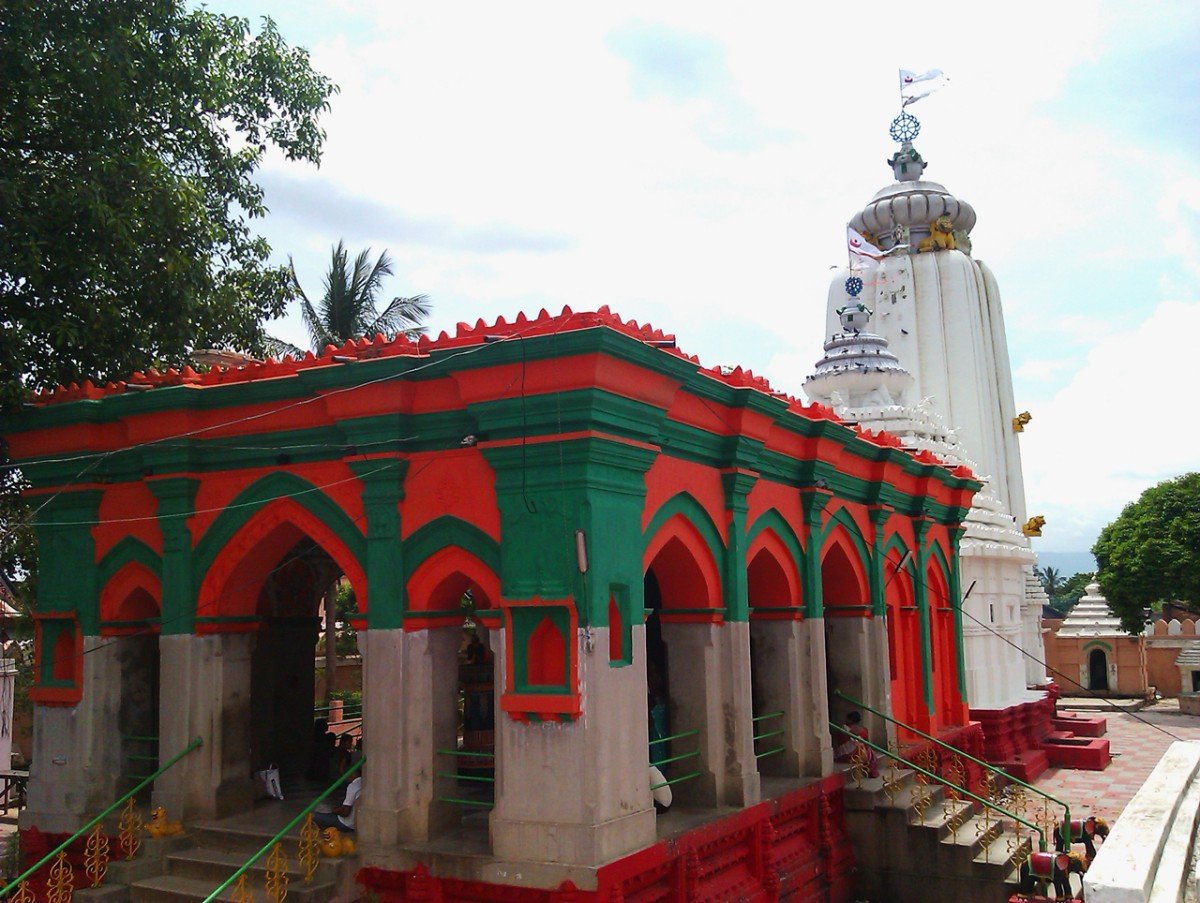
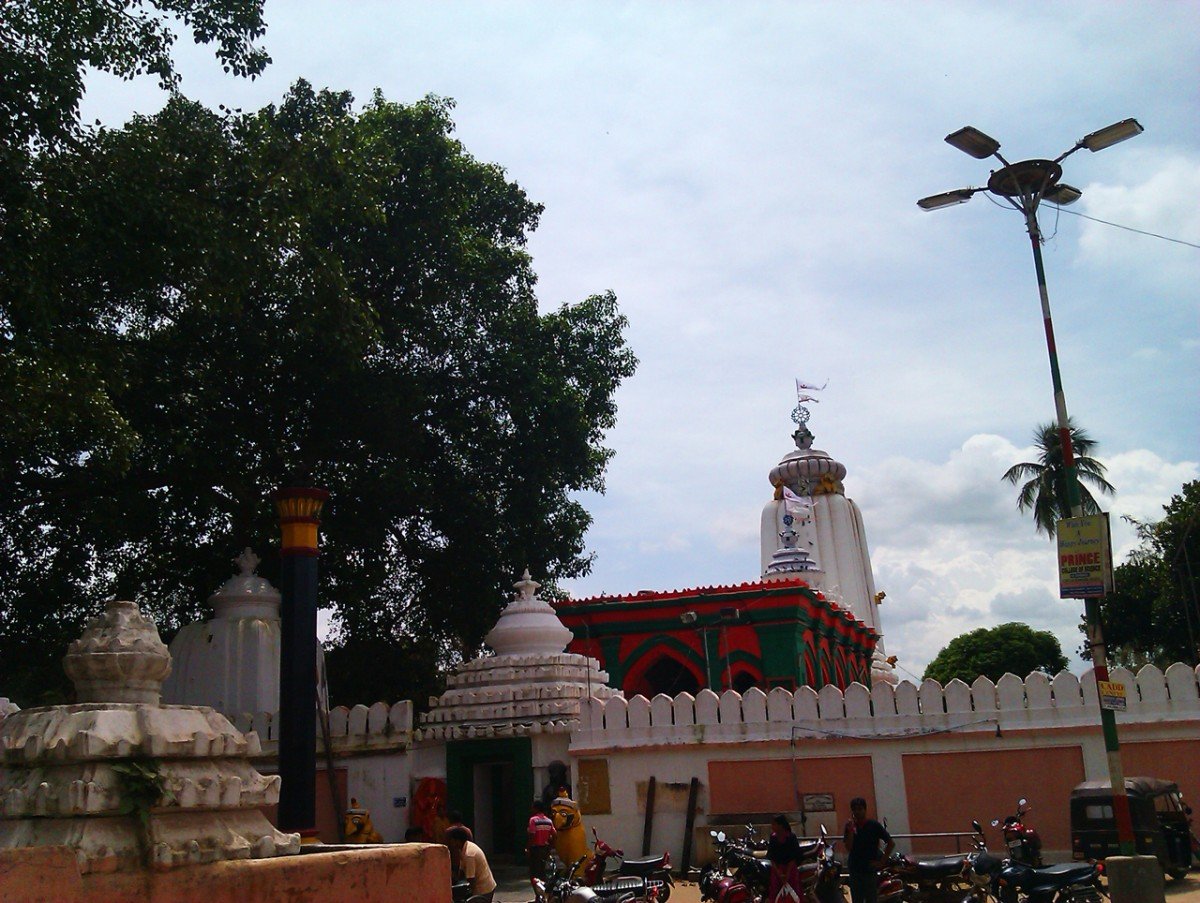
Jagannath Temple
General information
-
Ideal Duration:
1-2 Hours (Worship/Viewing)Place Type:
Religious/Heritage/TempleEntry Fees:
No Entry Fee: As a major place of public worship, there is absolutely no entry fee to enter the Jagannath Temple complex or for Darshan (viewing the deity). This makes it accessible to all devotees and tourists regardless of economic status.
Do...No Entry Fee: As a major place of public worship, there is absolutely no entry fee to enter the Jagannath Temple complex or for Darshan (viewing the deity). This makes it accessible to all devotees and tourists regardless of economic status.
Donations and Puja Costs: While there are no compulsory fees, devotees often make voluntary donations towards the temple's maintenance or purchase materials for specific Puja (worship rituals) performed by the priests. These voluntary costs are usually minimal (e. g. , INR 50 to 500 depending on the ritual).
Photography Restrictions: There is a strict rule against photography inside the inner sanctum (Garbhagriha) to maintain sanctity. Flash photography is generally discouraged throughout the complex.Timing:
Regular Timings: The temple is typically open from 6:00 AM to 2:00 PM and then re-opens from 5:00 PM to 9:30 PM daily. These times are subject to change based on the daily rituals (Nitis) and special festivals.
Ideal Visit Time: The Ideal V...Regular Timings: The temple is typically open from 6:00 AM to 2:00 PM and then re-opens from 5:00 PM to 9:30 PM daily. These times are subject to change based on the daily rituals (Nitis) and special festivals.
Ideal Visit Time: The Ideal Visit Time for peace and quiet is during the early morning (Mangala Arati at 6:00 AM) or the late evening after 8:00 PM. Avoid the mid-day closing hours. Winter (November to February) is the most comfortable season for a visit.Special Events:
Ratha Yatra (Car Festival): The most important annual event, celebrated in the Ashadha month (June/July), a day after the Puri festival. The unique feature is the pulling of Devi Subhadra's chariot by women only, making it a massive showcase of Nari Shakti and a major touri...Ratha Yatra (Car Festival): The most important annual event, celebrated in the Ashadha month (June/July), a day after the Puri festival. The unique feature is the pulling of Devi Subhadra's chariot by women only, making it a massive showcase of Nari Shakti and a major tourist draw.
Snana Purnima: Held in the Jyestha month (May/June), where the deities are bathed with 108 pots of holy water, followed by the Hati Besha (Elephant attire), drawing thousands of devotees before the Ratha Yatra.
Bahuda Yatra: The "Return Car Festival," three days after the main Ratha Yatra, where the deities return from the Radhamohan Temple (Mausi Maa Mandir) to the main temple.Best Photo Spots:
The 84-Foot Vimana: Stand in the courtyard to capture the full height and scale of the main spire (Vimana). This perspective highlights the typical Kalinga architecture, especially the tiered structure and the Amalaka (crowning stone).
The Main...The 84-Foot Vimana: Stand in the courtyard to capture the full height and scale of the main spire (Vimana). This perspective highlights the typical Kalinga architecture, especially the tiered structure and the Amalaka (crowning stone).
The Main Entrance and Singhadwar: The highly decorative main entrance gate (Singhadwar) is an excellent spot to frame the temple's exterior carvings and the heavy wooden doors, often adorned with traditional sculptures.
The Ratha Yatra Site (Seasonal): If visiting during the festival, the path of the chariots is the best place to capture the cultural vibrancy, the massive crowd, and the grand chariots themselves. During the rest of the year, the open space in front of the temple is ideal for clear exterior shots.Photo Gallery
Things To Do
-
Offering Darshan and Worship: Participate in the daily rituals (Puja and Arati) and seek the blessings of Lord Jagannath, Lord Balabhadra, and Devi Subhadra. The early morning Darshan is particularly peaceful and spiritually uplifting, allowing you to absorb the temple's sacred atmosphere.
Exploring the Temple Complex: Take a slow walk around the entire complex, including the outer courtyards and the surrounding boundary wall. Observe the intricate carvings and study the traditional architectural layout, especially the Nata Mandira and Jagamohan, appreciating the grandeur of the Kalinga style.
Photography of the Exterior: Capture the majestic 84-foot Vimana and the intricate stone carvings on the outer walls and gateway. While photography inside the sanctum is prohibited, the exterior provides...Offering Darshan and Worship: Participate in the daily rituals (Puja and Arati) and seek the blessings of Lord Jagannath, Lord Balabhadra, and Devi Subhadra. The early morning Darshan is particularly peaceful and spiritually uplifting, allowing you to absorb the temple's sacred atmosphere.
Exploring the Temple Complex: Take a slow walk around the entire complex, including the outer courtyards and the surrounding boundary wall. Observe the intricate carvings and study the traditional architectural layout, especially the Nata Mandira and Jagamohan, appreciating the grandeur of the Kalinga style.
Photography of the Exterior: Capture the majestic 84-foot Vimana and the intricate stone carvings on the outer walls and gateway. While photography inside the sanctum is prohibited, the exterior provides ample subjects for documenting the architectural beauty.
Engaging with Priests/Scholars: If possible, engage in a conversation with the temple priests or local scholars. They can share fascinating mythological stories, historical anecdotes about the Bhanja dynasty, and insights into the specific rituals unique to the Haribaldev Temple.
Visiting the Temple Kitchen: In the spirit of the Puri temple, observe (where permitted) the traditional preparation of Mahaprasad (sanctified food offerings). Tasting the local Mahaprasad is a spiritual and culinary experience, often served in the Ananda Bazar area.
Attend the Evening Arati: Witnessing the grand evening Arati is a vibrant, sensory experience with the sounds of bells, drums, and devotional chanting filling the air, creating a powerful feeling of devotion and community.
Shopping for Souvenirs: Look for local religious artifacts, books, and handmade wooden toys related to Lord Jagannath and the Ratha Yatra in the small shops outside the temple gate as memorable souvenirs of your pilgrimage.
Information
-
Why Famous:
The Nari Shakti Ratha Yatra: The temple is globally famous for its unique car festival (Ratha Yatra), which takes place a day after the Puri festival. The most distinguishing and celebrated feature is that only women devotees are given the sacred privilege of pulling the ch...The Nari Shakti Ratha Yatra: The temple is globally famous for its unique car festival (Ratha Yatra), which takes place a day after the Puri festival. The most distinguishing and celebrated feature is that only women devotees are given the sacred privilege of pulling the chariot of Devi Subhadra (Subhadra's Ratha), giving it the powerful name "Nari Shakti Rath Yatra.
" The Second Srikhetra Title: Its reputation as the Second Srikhetra of Odisha attracts pilgrims who may be unable to visit Puri. The fact that it maintains the same sanctity and almost all of the major rituals as the main temple makes it a highly revered parallel site. -
Architecture:
Kalinga Style Replication: The temple's architectural style is a fine example of traditional Kalinga architecture, closely mirroring the design principles of the Jagannath Temple in Puri. This style is characterized by the Vimana (Sanctum), Jagamohan (Audience Hall), and Na...Kalinga Style Replication: The temple's architectural style is a fine example of traditional Kalinga architecture, closely mirroring the design principles of the Jagannath Temple in Puri. This style is characterized by the Vimana (Sanctum), Jagamohan (Audience Hall), and Nata Mandira (Dance Hall) in sequence, creating a grand processional path.
Material and Dimension: The primary construction material is Laterite stone, a common building material in Odisha known for its durability. The Vimana stands at an impressive height of approximately 84 feet, dominating the surrounding skyline and giving the temple a grand scale. The entire complex is enclosed by a substantial boundary wall (Bedha), similar to the concept used in Puri.
Intricate Ornamentation: The walls and pillars are adorned with detailed stone carvings and sculptures that depict various mythological episodes, figures from the Hindu pantheon, and decorative motifs common in Kalinga temple art. The inner walls may also feature traditional paintings (Pattachitra style) illustrating stories from the Puranas, enhancing the spiritual and aesthetic appeal of the structure. -
How To Reach:
By Air: The nearest airport is Biju Patnaik International Airport (BBI) in Bhubaneswar (257 KMS). A cab or bus ride from Bhubaneswar will take you directly to Baripada town, from where the temple is a short ride.
By Train: The closest railh...By Air: The nearest airport is Biju Patnaik International Airport (BBI) in Bhubaneswar (257 KMS). A cab or bus ride from Bhubaneswar will take you directly to Baripada town, from where the temple is a short ride.
By Train: The closest railhead is Baripada Railway Station (BPO), which is only about 1. 5 KMS from the temple. Auto-rickshaws and cabs are readily available outside the station for a quick ride. Balasore Railway Station (BLS) (60 KMS) is an alternative major station.
By Road: The temple is located very close to the center of Baripada town, which is well-connected by NH-18 and SH-19. Public buses, private taxis, and local auto-rickshaws from anywhere in Baripada can reach the temple in minutes.
By Local Transport: Due to its central location, local auto-rickshaws and electric e-rickshaws are the fastest and cheapest ways to reach the temple. Many people even walk to the temple from the town center. -
Weather and Best Time to Visit:
Different Seasons: Winter (November to February) provides the most pleasant weather, making it ideal for spending time in the temple complex and exploring the detailed carvings without the extreme heat of the summer months. The Monsoon season is sacred but can be damp.
...Different Seasons: Winter (November to February) provides the most pleasant weather, making it ideal for spending time in the temple complex and exploring the detailed carvings without the extreme heat of the summer months. The Monsoon season is sacred but can be damp.
Different Parts of the Day: Early Morning (6:00 AM to 8:00 AM) is the most spiritual and serene time, perfect for unhurried Darshan and observation of the morning rituals. Evening (5:00 PM to 7:00 PM) is also good for a visit, especially to witness the vibrant evening Arati ceremony. -
Near Tourist Places:
Jwalamukhi Temple (2. 5 KMS), Budha Balanga Bridge (2 KMS), Maa Ambika Temple (3 KMS), Similipal National Park Entrance (60 KMS), Deuli Dam (18 KMS), Haripur Garh (16 KMS), Munshibandh Lake (4 KMS), Kichakeswari Temple (145 KMS), Kalo Dam (55 KMS), Ramtirtha Temple (98 KMS).
Tourism Tips
-
Health & Safety: Dress modestly, covering shoulders and legs, as a sign of respect for the religious site. Visitors are required to remove footwear before entering the temple premises. The temple is safe, but always be mindful of your belongings in crowded areas, especiall...Health & Safety: Dress modestly, covering shoulders and legs, as a sign of respect for the religious site. Visitors are required to remove footwear before entering the temple premises. The temple is safe, but always be mindful of your belongings in crowded areas, especially during festivals like Ratha Yatra.
Packing Essentials: Carry a small bag, leaving any unnecessary electronics or valuables behind. You will need to leave your shoes outside (a nominal fee might apply). Carry a water bottle. In winter, a light shawl or sweater might be useful in the early morning.
Accommodation Advice: Excellent accommodation is available in Baripada town, ranging from basic guesthouses to comfortable hotels. Booking near the town center is convenient as the temple is close by. Hotel bookings should be made months in advance if visiting during the Ratha Yatra festival (June/July).
Respect for Rituals: Do not disrupt the rituals or the flow of devotees. Follow the instructions of the temple authorities and priests. Do not take photos inside the sanctum. Only Hindu devotees are typically allowed inside the main shrine area, so non-Hindus should confirm which areas are accessible.
Reviews
FAQs
Baripada Itineray And Cost:-
Jagannath Temple Tourism:-
Other Places In Baripada :-
Other States In India :-
Information about New and Updated Locations() of Odisha Has Been Added :-
Card subtitle
Note:-
Information provided here in good Faith and for reference only.
Near Places

Aarikulo Dam
Some quick example text to build on the card title and make up the bulk of the card's content.
Go somewhere
Asurghati Waterfall
Some quick example text to build on the card title and make up the bulk of the card's content.
Go somewhere
Badjod Dam
Some quick example text to build on the card title and make up the bulk of the card's content.
Go somewhere
Bagdiha Chhaka
Some quick example text to build on the card title and make up the bulk of the card's content.
Go somewhere
Baripada Museum
Some quick example text to build on the card title and make up the bulk of the card's content.
Go somewhere
Belgadia Chak
Some quick example text to build on the card title and make up the bulk of the card's content.
Go somewhere
Belgadia Palace
Some quick example text to build on the card title and make up the bulk of the card's content.
Go somewhere
Bhimkund Waterfall
Some quick example text to build on the card title and make up the bulk of the card's content.
Go somewhere
Budha Balanga Bridge
Some quick example text to build on the card title and make up the bulk of the card's content.
Go somewhere
Chaulabhaja Waterfall
Some quick example text to build on the card title and make up the bulk of the card's content.
Go somewhere
Deuli Dam
Some quick example text to build on the card title and make up the bulk of the card's content.
Go somewhere
Devkund Ambika Temple
Some quick example text to build on the card title and make up the bulk of the card's content.
Go somewhere
Haripur Garh
Some quick example text to build on the card title and make up the bulk of the card's content.
Go somewhere
Jagannath Temple
Some quick example text to build on the card title and make up the bulk of the card's content.
Go somewhere
Joranda Waterfall
Some quick example text to build on the card title and make up the bulk of the card's content.
Go somewhere
Jwalamukhi Temple
Some quick example text to build on the card title and make up the bulk of the card's content.
Go somewherein Other Cities