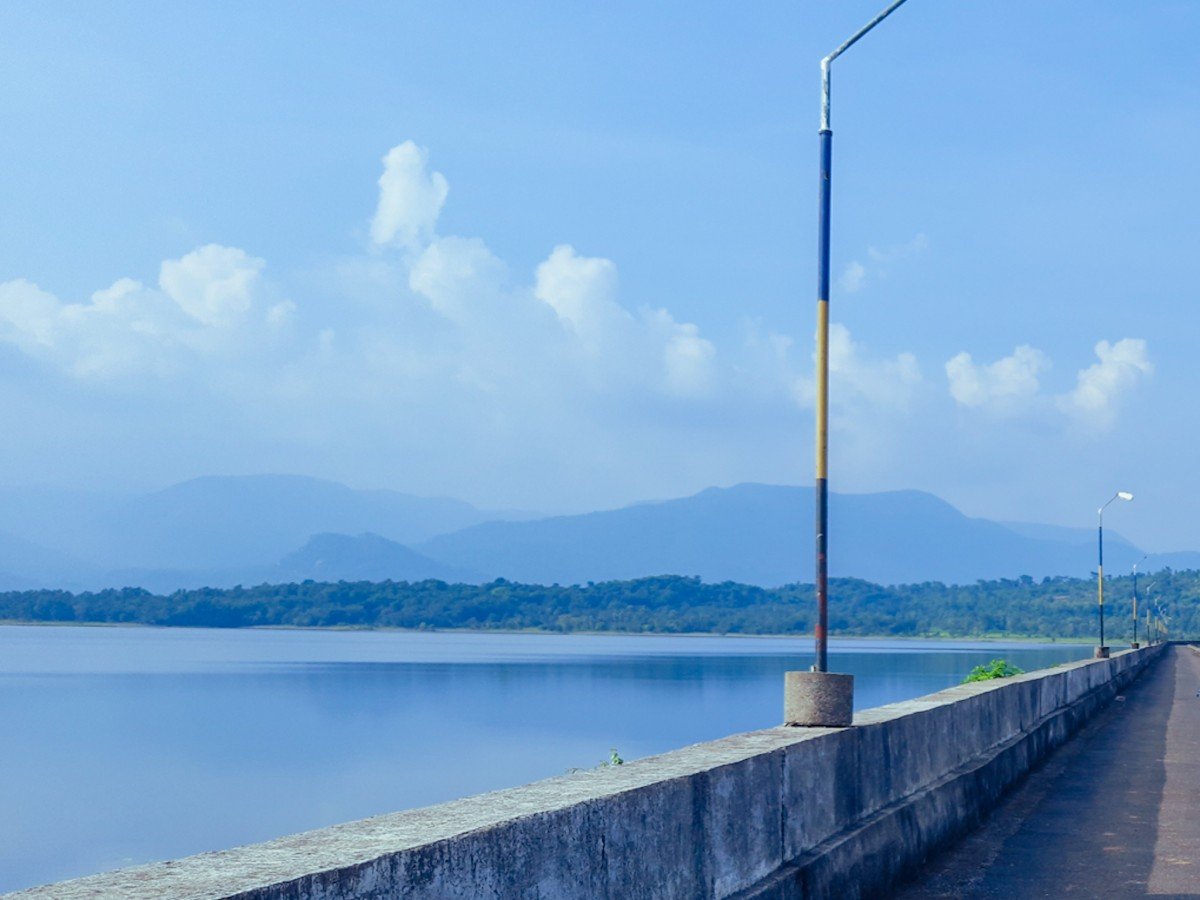

Kalo Dam
General information
-
Ideal Duration:
3-5 Hours (Picnic/Nature Trail)Place Type:
Reservoir/Picnic Spot/NatureEntry Fees:
Nominal Entry Fee: There is typically no entry fee to view the dam itself, as it is a public irrigation project. Accessibility to the embankment is generally free.
Parking and Park Fees: Small fees are charged for parking vehicles (e. g. , ...Nominal Entry Fee: There is typically no entry fee to view the dam itself, as it is a public irrigation project. Accessibility to the embankment is generally free.
Parking and Park Fees: Small fees are charged for parking vehicles (e. g. , INR 20-50 per car) near the main entry point. If the area has a managed Eco Park or a special viewing enclosure, there may be a nominal entry fee (e. g. , INR 10-30) for maintenance.
Guest House and Boating: Staying at the government Guest House requires advance booking and payment (rates vary greatly, from INR 500 to 2000 per night). Any boating or specialized recreational activity will have a separate, dedicated charge.Timing:
Regular Timings: The dam area is technically open 24 hours, but for tourists and safety, it is best to visit during daylight hours, generally from 9:00 AM to 6:00 PM (check locally). Overnight stay is only possible with a confirmed Guest House booking.
Read MoreRegular Timings: The dam area is technically open 24 hours, but for tourists and safety, it is best to visit during daylight hours, generally from 9:00 AM to 6:00 PM (check locally). Overnight stay is only possible with a confirmed Guest House booking.
Ideal Visit Time: The Ideal Visit Time is during the comfortable Winter season (November to February), which is also the peak picnic season. The best time of day is the early morning (for quiet and sunrise) and the late afternoon (for cool weather and sunset).Special Events:
Bisuba Sankranti / Pana Sankranti: As an important water body, the dam is a site for local religious ceremonies and community gatherings on auspicious days like Pana Sankranti (April). Devotees gather for a holy dip and small melas (fairs) may spontaneously appear.
...Bisuba Sankranti / Pana Sankranti: As an important water body, the dam is a site for local religious ceremonies and community gatherings on auspicious days like Pana Sankranti (April). Devotees gather for a holy dip and small melas (fairs) may spontaneously appear.
New Year's Day Rush: The biggest annual event is the massive influx of picnickers on New Year's Day (January 1st). The entire area becomes a huge festive ground, celebrating the start of the new year with food, music, and merriment. This is an official annual ritual for many locals.Best Photo Spots:
The Spillway and Gates: Photographing the concrete spillway and the massive steel gates is excellent for capturing the functional architecture and engineering scale of the dam, especially when the gates are open during the monsoon release.
View ...The Spillway and Gates: Photographing the concrete spillway and the massive steel gates is excellent for capturing the functional architecture and engineering scale of the dam, especially when the gates are open during the monsoon release.
View of Similipal Hills: The best angle is from the top of the earthen embankment, looking across the vast expanse of the reservoir to capture the clear silhouette or backdrop of the Similipal hills on the horizon.
Reflections at the Water's Edge: The water's edge, particularly on a calm day, is the ideal spot to photograph the perfect mirror-like reflections of the sky and the dam structure, creating a dramatic, inverted image.Photo Gallery
Things To Do
-
Picnicking and Group Fun: The primary activity is enjoying a picnic on the dam's expansive grassy grounds. Bring a large mat, food, and games for a full day of outdoor fun. Ensure you carry back all your waste, as littering is strictly prohibited.
Sunset and Sunrise Viewing: This is a spectacular place to witness the sunrise and sunset. Find a comfortable spot on the dam's embankment and watch the sun paint the sky and the water with vibrant colors, a must-do for photographers.
Nature Photography and Landscape Views: Dedicate time to capturing the expansive landscape—the long dam wall, the vast water, and the distant Similipal hills. The scale and natural contrast are perfect for wide-angle lens shots.
Boating (If Available): Enquire about local boating fac...Picnicking and Group Fun: The primary activity is enjoying a picnic on the dam's expansive grassy grounds. Bring a large mat, food, and games for a full day of outdoor fun. Ensure you carry back all your waste, as littering is strictly prohibited.
Sunset and Sunrise Viewing: This is a spectacular place to witness the sunrise and sunset. Find a comfortable spot on the dam's embankment and watch the sun paint the sky and the water with vibrant colors, a must-do for photographers.
Nature Photography and Landscape Views: Dedicate time to capturing the expansive landscape—the long dam wall, the vast water, and the distant Similipal hills. The scale and natural contrast are perfect for wide-angle lens shots.
Boating (If Available): Enquire about local boating facilities. A boat ride on the reservoir is the best way to appreciate the dam's scale and reach secluded areas perfect for quiet contemplation and viewing the dam wall from the water.
Visiting the Guest House Area: The government guest house and its surrounding grounds often provide well-maintained gardens and viewing platforms, which are perfect for a relaxed stroll and a better perspective of the entire reservoir.
Short Nature Walk: Take a guided or careful walk along the accessible periphery of the dam, moving toward the forest area (with caution). This allows for closer contact with the local flora and fauna and can be rewarding for bird watchers.
Local Snack Exploration: Check the small stalls near the approach road for local treats and fresh drinks, supporting the small businesses that thrive on the dam's popularity.
Information
-
Why Famous:
The Similipal Backdrop: Kalo Dam is famous for its stunning, panoramic views, as its reservoir provides a foreground to the beautiful foothills and dense forests of the Similipal mountain range. This natural framing makes it highly photogenic.
...The Similipal Backdrop: Kalo Dam is famous for its stunning, panoramic views, as its reservoir provides a foreground to the beautiful foothills and dense forests of the Similipal mountain range. This natural framing makes it highly photogenic.
Major Irrigation Source: Its functional fame stems from its vital role as a source of water for irrigation, ensuring the agricultural productivity and livelihood of many surrounding villages, making it a critical regional asset.
Popular Winter Picnic Spot: It is well-established as a premium and sought-after picnic spot, particularly attracting large groups and families from Baripada and Balasore during the December and January peak season. -
Architecture:
Dam Type and Dimension: Kalo Dam is a prominent Gravity, Masonry, and Earthen dam structure. The dam's total length is significantly large, measured at 2,458 meters (over 2. 4 KMS). The sheer scale of the dam's length and the resulting reservoir size are impressive enginee...Dam Type and Dimension: Kalo Dam is a prominent Gravity, Masonry, and Earthen dam structure. The dam's total length is significantly large, measured at 2,458 meters (over 2. 4 KMS). The sheer scale of the dam's length and the resulting reservoir size are impressive engineering features for a regional irrigation project.
Spillway Design: The dam incorporates a controlled spillway system, specifically an Ogee spillway design, with five spillway gates. This design is crucial for safely releasing excess water, especially during the heavy monsoon season, demonstrating sound hydraulic engineering.
Integration with Nature: The architecture is functional and blends into the natural landscape. The long earthen embankment follows the contour of the valley, while the spillway section uses concrete and masonry. The vast reservoir is the main aesthetic component, framed by the Similipal forest view. -
How To Reach:
By Air: The nearest major airport is Biju Patnaik International Airport (BBI) in Bhubaneswar (275 KMS). Travelers should arrange a pre-booked taxi for a direct ride to Kaptipada or Baripada. The journey is long but scenic.
By Train: The ne...By Air: The nearest major airport is Biju Patnaik International Airport (BBI) in Bhubaneswar (275 KMS). Travelers should arrange a pre-booked taxi for a direct ride to Kaptipada or Baripada. The journey is long but scenic.
By Train: The nearest major railhead is Baripada Railway Station (BPO), which is 55-59 KMS away. From Baripada, hire a cab or local taxi for the approximately 1. 5 to 2-hour road journey. Balasore Railway Station (BLS) is also a major rail junction (110 KMS).
By Road: Kalo Dam is well-connected by local roads off the main highways, leading to Kaptipada town. The best way to reach is by hiring a private taxi or cab from Baripada or Kaptipada (only 8 KMS away). The road is generally good.
By Local Transport: Public buses run from Baripada to Kaptipada. From Kaptipada, a local auto-rickshaw or taxi must be hired for the final 8 KMS to the dam site. Confirm the return journey arrangements beforehand. -
Weather and Best Time to Visit:
Different Seasons: Winter (November to February) is the most comfortable and hence the Best Time to Visit for picnicking and enjoying the outdoors. The lush greenery of the Monsoon (July to September) makes the view stunning, but it can be very rainy. Summer should be avoi...Different Seasons: Winter (November to February) is the most comfortable and hence the Best Time to Visit for picnicking and enjoying the outdoors. The lush greenery of the Monsoon (July to September) makes the view stunning, but it can be very rainy. Summer should be avoided due to the intense heat and dry conditions.
Different Parts of the Day: Late Afternoon (3:30 PM - 6:00 PM) is the best time for a comfortable visit, allowing for a good picnic time and the capture of the beautiful sunset over the reservoir. Early Morning is ideal for quiet bird watching. -
Near Tourist Places:
Kaptipada Town (8 KMS), Deuli Dam (40 KMS), Similipal National Park Entrance (50 KMS), Jagannath Temple (Haribaldev) (55 KMS), Jwalamukhi Temple (55 KMS), Khiching (105 KMS), Devkund Waterfall (40 KMS), Sulaipat Dam (100 KMS), Kakharua Baidyanath Temple (25 KMS), Baripada (55 KMS).
Tourism Tips
-
Health & Safety: Be highly cautious near the water's edge and absolutely do not swim in the reservoir, as the currents can be dangerous. Be aware of the wildlife, as the area borders forest land; stay within designated tourist zones. Carry a first-aid kit.Health & Safety: Be highly cautious near the water's edge and absolutely do not swim in the reservoir, as the currents can be dangerous. Be aware of the wildlife, as the area borders forest land; stay within designated tourist zones. Carry a first-aid kit.
Packing Essentials: Bring a light jacket or shawl for the evenings in winter. Carry sun protection (hat, sunglasses) and plenty of water in all seasons. Pack binoculars for better viewing of the distant Similipal hills and for bird watching.
Accommodation Advice: The best option is to utilize the government-maintained Guest House near the dam (book in advance). Alternatively, stay in comfortable hotels in Baripada or Kaptipada town.
Leave No Trace: The area is pristine and part of the natural heritage. Visitors must strictly adhere to a "Leave No Trace" policy—carry back all plastic, wrappers, and trash to dispose of properly in the town. Respect the irrigation infrastructure.
Reviews
FAQs
Baripada Itineray And Cost:-
Other Places In Baripada :-
Other States In India :-
Information about New and Updated Locations() of Odisha Has Been Added :-
Card subtitle
Note:-
Information provided here in good Faith and for reference only.
Near Places

Aarikulo Dam
Some quick example text to build on the card title and make up the bulk of the card's content.
Go somewhere
Asurghati Waterfall
Some quick example text to build on the card title and make up the bulk of the card's content.
Go somewhere
Badjod Dam
Some quick example text to build on the card title and make up the bulk of the card's content.
Go somewhere
Bagdiha Chhaka
Some quick example text to build on the card title and make up the bulk of the card's content.
Go somewhere
Baripada Museum
Some quick example text to build on the card title and make up the bulk of the card's content.
Go somewhere
Belgadia Chak
Some quick example text to build on the card title and make up the bulk of the card's content.
Go somewhere
Belgadia Palace
Some quick example text to build on the card title and make up the bulk of the card's content.
Go somewhere
Bhimkund Waterfall
Some quick example text to build on the card title and make up the bulk of the card's content.
Go somewhere
Budha Balanga Bridge
Some quick example text to build on the card title and make up the bulk of the card's content.
Go somewhere
Chaulabhaja Waterfall
Some quick example text to build on the card title and make up the bulk of the card's content.
Go somewhere
Deuli Dam
Some quick example text to build on the card title and make up the bulk of the card's content.
Go somewhere
Devkund Ambika Temple
Some quick example text to build on the card title and make up the bulk of the card's content.
Go somewhere
Haripur Garh
Some quick example text to build on the card title and make up the bulk of the card's content.
Go somewhere
Jagannath Temple
Some quick example text to build on the card title and make up the bulk of the card's content.
Go somewhere
Joranda Waterfall
Some quick example text to build on the card title and make up the bulk of the card's content.
Go somewhere
Jwalamukhi Temple
Some quick example text to build on the card title and make up the bulk of the card's content.
Go somewherein Other Cities