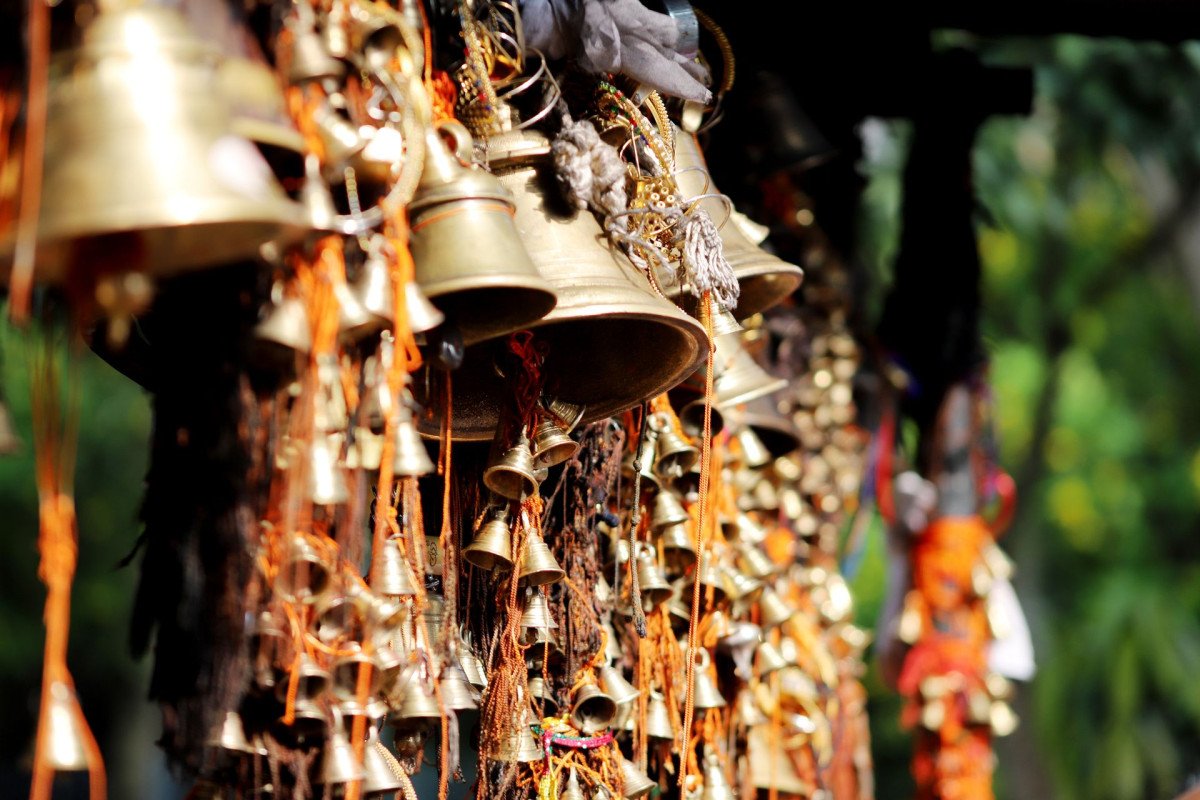
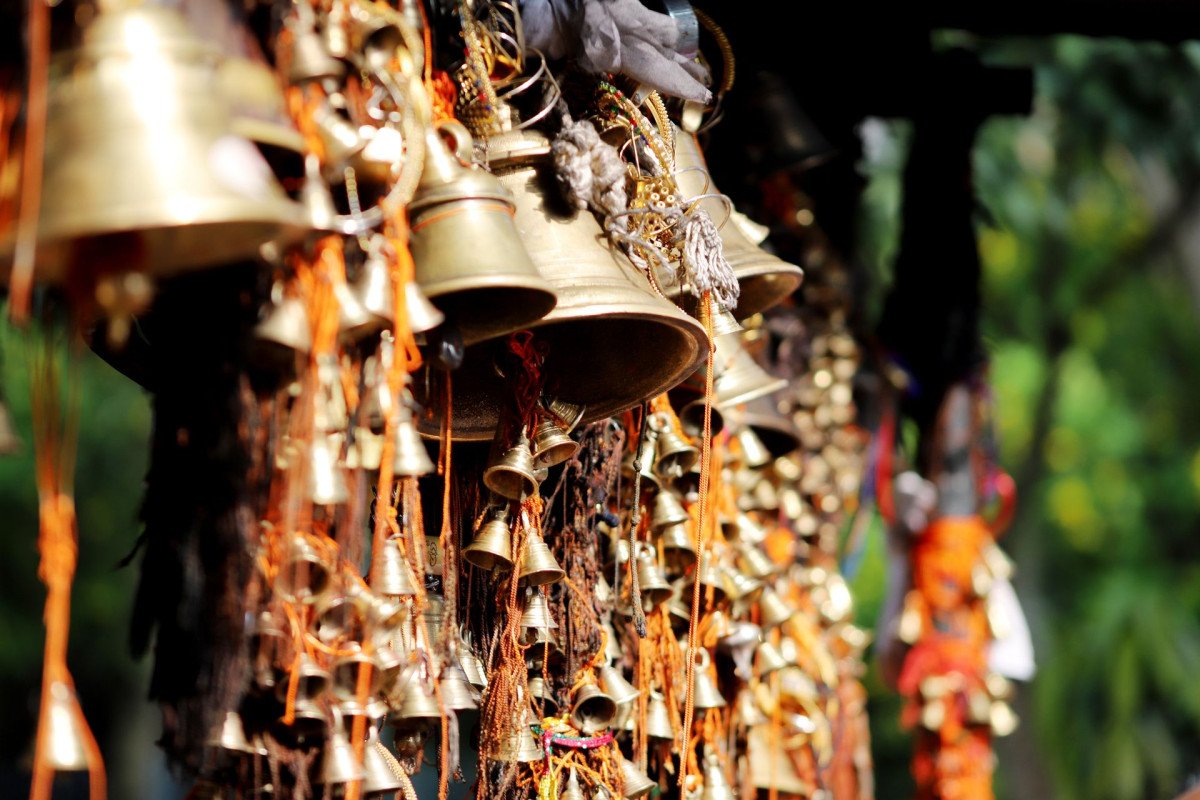
Narsigsthan Temple
General information
-
Ideal Duration:
1 to 2 Hours (For a peaceful Darshan, prayer, and exploring the complex)Place Type:
Religious, Hindu Temple, Pilgrimage Site, HistoricEntry Fees:
Free Entry: There is generally no entry fee to visit the Narsigsthan Temple complex and offer prayers.
Donations and Offerings: While entry is free, visitors are expected to respect the religious sanctity of the place. Voluntary donations f...Free Entry: There is generally no entry fee to visit the Narsigsthan Temple complex and offer prayers.
Donations and Offerings: While entry is free, visitors are expected to respect the religious sanctity of the place. Voluntary donations for the upkeep of the temple are welcome but not mandatory. Devotees often purchase items for Pooja (worship), such as flowers, prasad, and incense sticks, from vendors outside or inside the complex. The cost of these offerings is variable but generally minimal.
Fees for Special Rituals: For specific religious ceremonies like Mundan, Upanayan, or special Pujas, the temple priests may charge a nominal fee, which is a traditional practice to cover the cost of materials and the priest's service. This is optional and depends on the visitor's desire for a special ceremony.
Parking Fees: If you arrive by private vehicle, there might be a small, nominal fee charged by the local authorities for parking outside the complex during peak season or festivals.Timing:
Regular Timings: The temple typically opens at 9:00 AM and remains open till the evening Aarti is completed (around 7:00 PM to 8:00 PM), though it may vary slightly. It is open on all days of the week.
Pooja and Aarti Timings: Daily Aarti i...Regular Timings: The temple typically opens at 9:00 AM and remains open till the evening Aarti is completed (around 7:00 PM to 8:00 PM), though it may vary slightly. It is open on all days of the week.
Pooja and Aarti Timings: Daily Aarti is performed both in the morning (usually around sunrise) and in the evening (around sunset), which are the most spiritually vibrant times to visit.
Ideal Visit Time: The most ideal visit time is during the early morning hours (shortly after opening) or late afternoon, as the weather is cooler and the crowd is generally thinner, allowing for a peaceful Darshan.
Extended Festival Hours: During major festivals like Kartik Purnima Mela or Narasimha Jayanti, the temple timings are often extended, with the temple remaining open for a longer duration to accommodate the huge influx of devotees.Special Events:
The Grand Kartik Purnima Mela (Ketari Mela): The most important and grand event is the annual fair held on the full moon day of the Hindu month of Kartik (Kartik Purnima), which usually falls in October or November. This massive gathering, locally known as the Ketari Mela (...The Grand Kartik Purnima Mela (Ketari Mela): The most important and grand event is the annual fair held on the full moon day of the Hindu month of Kartik (Kartik Purnima), which usually falls in October or November. This massive gathering, locally known as the Ketari Mela (Sugarcane Fair), attracts people from all over Jharkhand. The fair is famous for its festive atmosphere, cultural programs, and, notably, the sale of various types of sugarcane (Ketari in the local language), which is often taken as a form of sacred offering or prasad.
Narasimha Jayanti: The temple celebrates the birth anniversary of Lord Narasimha (Narasimha Jayanti), which falls in the Hindu month of Vaisakha (April/May). Special pujas, aartis, and religious discourses are organized, drawing a large number of devotees.
Maha Shivaratri: Given the presence of the Shivalingam in the main sanctum, Maha Shivaratri (February/March) is celebrated with great fervor, with devotees observing fasts and performing special abhishekas (ritual bathing) to the deity.Best Photo Spots:
The Temple Entrance and Main Façade: Capture the overall architectural style, especially the multi-shikharas (if any) and the intricate work on the main entrance gate. The morning or late afternoon sun provides excellent lighting.
The Idol of ...The Temple Entrance and Main Façade: Capture the overall architectural style, especially the multi-shikharas (if any) and the intricate work on the main entrance gate. The morning or late afternoon sun provides excellent lighting.
The Idol of Lord Narasimha (Exterior Views): While photography inside the sanctum sanctorum might be restricted, the exterior carvings and the overall view of the main shrine's structure offer excellent photographic opportunities, highlighting the historical craftsmanship.
The Temple Courtyard and Auxiliary Shrines: The large courtyard, especially during the quiet hours, provides a beautiful contrast with the temple structure. Frame the smaller, intricately designed temples dedicated to Surya Dev or Maa Kali against the natural backdrop.
The Ancient Patal Kuan (Well): The old, large well in the complex, with its stone boundary, is a great spot for atmospheric and historical photography. Its timeless look adds a unique character to the picture.
The Festive Atmosphere (During Kartik Purnima): During the Ketari Mela, the area transforms into a vibrant canvas of colors, people, and activities, offering brilliant street and event photography opportunities. Focus on the stalls, the crowds, and the festive decorations.Photo Gallery
Things To Do
-
Offer Prayer and Seek Darshan: The primary activity is offering prayers and performing Darshan (viewing the deity) of Lord Narasimha and the Shivalingam in the Garbhagriha. Devotees often engage in personal rituals and prayers for well-being and prosperity.
Explore the Temple Complex: Take time to visit the smaller, auxiliary shrines dedicated to Maa Kali, Surya Dev, and the Dashavatara. Observe the intricate carvings and sculptures that adorn the temple walls and structures.
Witness the Daily Rituals: Attend the morning and evening Aarti (ritual of light) and other daily Pujas performed by the priests. Observing these ancient rituals provides a deeper understanding of the local religious customs.
Meditate and Reflect: The temple's location in the tranquil vil...Offer Prayer and Seek Darshan: The primary activity is offering prayers and performing Darshan (viewing the deity) of Lord Narasimha and the Shivalingam in the Garbhagriha. Devotees often engage in personal rituals and prayers for well-being and prosperity.
Explore the Temple Complex: Take time to visit the smaller, auxiliary shrines dedicated to Maa Kali, Surya Dev, and the Dashavatara. Observe the intricate carvings and sculptures that adorn the temple walls and structures.
Witness the Daily Rituals: Attend the morning and evening Aarti (ritual of light) and other daily Pujas performed by the priests. Observing these ancient rituals provides a deeper understanding of the local religious customs.
Meditate and Reflect: The temple's location in the tranquil village of Khapriama, surrounded by a peaceful environment, makes it an excellent spot for quiet meditation and spiritual reflection. Find a quiet corner in the courtyard to sit and absorb the spiritual energy.
Attend the Kartik Purnima Mela: If visiting during the Kartik Purnima (October/November), participating in the famous Ketari Mela is a must-do experience. Enjoy the vibrant atmosphere, shop for local goods, and try local foods, especially the varieties of sugarcane.
Circumambulate the Temple (Parikrama): Perform the ritual of Parikrama (walking clockwise around the temple) as a mark of respect and devotion.
Observe the Ancient Patal Kuan: Visit the large, ancient well in the complex and reflect on the local folklore associated with its immense depth.
Plan Religious Ceremonies: The site is a popular location for Hindu ceremonies like Mundan (first haircut ceremony), Upanayan (sacred thread ceremony), and wedding rituals. Witnessing such life-cycle events can be culturally enriching.
Photography of the Architecture: While respecting the sanctity of the inner shrine, capture the unique architecture, the intricate carvings, and the serene beauty of the temple complex and its surroundings (check with authorities for photography rules).
Interact with Devotees: Engage in conversation with the local devotees and priests to learn about the temple's history, miracles, and the significance of the various rituals.
Information
-
Why Famous:
The Ancient Idol and Spiritual Significance: The temple is primarily famous for housing an ancient, potent idol of Lord Narasimha, one of the most powerful and fierce avatars of Lord Vishnu. Devotees believe that sincere prayers offered here are answered, and wishes are ful...The Ancient Idol and Spiritual Significance: The temple is primarily famous for housing an ancient, potent idol of Lord Narasimha, one of the most powerful and fierce avatars of Lord Vishnu. Devotees believe that sincere prayers offered here are answered, and wishes are fulfilled, making it a key site for seeking blessings and divine intervention for protection and prosperity.
The Kartik Purnima Fair (Ketari Mela): A major factor contributing to its fame is the Grand Fair organized every year on the occasion of Kartik Purnima (October or November). This fair, locally known as Ketari Mela (Sugarcane Fair), attracts thousands of devotees and people from nearby districts. The fair is notable for the variety of sugarcane sold there, hence the local name.
Unique Coexistence of Deities: It is one of the few places where a Shivalingam coexists with the idol of Lord Narasimha (an avatar of Lord Vishnu) in the main sanctum, symbolizing a beautiful harmony between the Shaivite and Vaishnavite traditions of Hinduism. This syncretism adds a unique religious dimension to the temple. -
Architecture:
A Blend of Traditional and Evolving Styles: The architecture of the Narsigsthan Temple showcases a traditional Hindu temple style, although it has undergone several renovations and expansions over the centuries since its founding in 1632 AD. The original structure, as per h...A Blend of Traditional and Evolving Styles: The architecture of the Narsigsthan Temple showcases a traditional Hindu temple style, although it has undergone several renovations and expansions over the centuries since its founding in 1632 AD. The original structure, as per historical accounts, was a simple, one-room, tiled-roof building housing the ancient stone idol.
The Use of Edibles in Construction: A particularly notable architectural detail, often mentioned for temples in this region like the nearby Panchmandir, is the traditional construction method where the walls and structure were built using a mixture of unique materials like jaggery (gud), pulses (dal), and other edibles instead of modern cement, which reportedly made the structure remarkably resilient, even surviving the great 1930 earthquake. While this is more famously attributed to Panchmandir, it represents the indigenous architectural techniques prevalent in Hazaribagh at the time of construction or initial renovations.
Sanctum Sanctorum (Garbhagriha) Features: The main sanctum sanctorum, or Garbhagriha, houses the revered black graphite stone idol of Lord Narasimha and a Shivalingam, which is reportedly situated about three feet below the ground level.
Complex and Sculptural Details: The main shrine and surrounding smaller temples are adorned with intricate carvings and sculptures depicting scenes from Hindu mythology, the Dashavatara, and other deities. The overall design features a large courtyard where devotees gather.
Dimension and Scale: While specific formal dimensions (length, width, height) are not widely published for this historically evolved structure, the temple complex is spread over a notable area to accommodate the main shrine, several smaller auxiliary temples (dedicated to Kali, Surya Dev, etc. ), a large, ancient well (locally known as Patal Kuan), and the courtyard for festivals like the Kartik Purnima Mela. The modest, yet spiritually significant, core structure is complemented by these elements, providing space for the daily gathering of approximately 200 devotees and much larger crowds during major festivals. -
How To Reach:
By Air: The nearest airport is Birsa Munda Airport (IXR) in Ranchi, the capital of Jharkhand, which is approximately 90-100 KMS from Hazaribagh. From Ranchi, you can hire a private taxi, take a pre-paid cab, or take a state transport bus directly to Hazaribagh city. The jo...By Air: The nearest airport is Birsa Munda Airport (IXR) in Ranchi, the capital of Jharkhand, which is approximately 90-100 KMS from Hazaribagh. From Ranchi, you can hire a private taxi, take a pre-paid cab, or take a state transport bus directly to Hazaribagh city. The journey takes about 2 to 3 hours by road.
By Train: The nearest major railway station is Koderma Railway Station (KQR), which is approximately 60-70 KMS from Hazaribagh. Koderma is well-connected to major Indian cities like Delhi, Kolkata, and Patna. From Koderma, you can easily hire a taxi or take a local bus to reach Hazaribagh. Another option is Hazaribagh Road Railway Station (HZR), which is closer but may have fewer direct train connections.
By Road: Hazaribagh is excellently connected by National Highway 33 (NH 33) and other state highways. Regular bus services (both state and private operators) connect Hazaribagh to cities like Ranchi, Dhanbad, Jamshedpur, and Patna. The Narsigsthan Temple is located near the Hazaribagh-Barkagaon Road in the Khapriama village, making it easily accessible by a short drive from the main Hazaribagh city.
By Local Transport: From the Hazaribagh city center or bus stand, you can hire local transport options like auto-rickshaws (Tuk-Tuks), cycle-rickshaws, or local shared SUVs/taxis to reach the temple. Since it is only 6-10 KMS away, this is the most convenient and cost-effective way to cover the last mile. -
Weather and Best Time to Visit:
Different Types of Seasons:
Winter Season (October to March): This is the Best Time to Visit. The weather is cool and pleasant, with temperatures ranging from 15°C to 25°C. This comfortable climate is ideal for sightseeing, long prayers, ...Different Types of Seasons:
Winter Season (October to March): This is the Best Time to Visit. The weather is cool and pleasant, with temperatures ranging from 15°C to 25°C. This comfortable climate is ideal for sightseeing, long prayers, and enjoying the outdoor setting of the temple complex. The famous Kartik Purnima Mela also falls during this period.
Summer Season (April to June): The weather can be hot, with temperatures rising up to 40°C. Visiting during this time is generally less comfortable, and travelers should prefer early morning or late afternoon visits.
Monsoon Season (July to September): The area receives moderate to heavy rainfall. The surroundings become lush green and picturesque, offering a unique natural beauty. However, travel and transportation can sometimes be challenging due to rain.
Different Parts of the Day: Early Morning (9:00 AM to 11:00 AM) Ideal for a tranquil experience, peaceful Darshan, and avoiding the midday heat. The light is also excellent for photography. Late Afternoon (4:00 PM to 6:00 PM) Another great time to visit as the temperature drops. You can stay for the beautiful evening Aarti. Midday (11:00 AM to 4:00 PM) Should be avoided, especially in summer, as the heat and sun can be intense. -
Near Tourist Places:
Hazaribagh Lake: (Approx. 5-7 KMs) - Scenic lake in the heart of the town, offering boating and beautiful sunset views.
Canary Hill: (Approx. 8-10 KMs) - A popular hill station offering panoramic views of Hazaribagh city and an observation tower.
Urban Haat: (Approx. 8-10 KMs) - A cultural center showcasing local handicrafts and arts of Jharkhand.
Hazaribagh Wildlife Sanctuary/National Park: (Approx. 20-25 KMs) - Famous for its rich flora and fauna, ideal for a day trip and jungle safari.
Konar Dam: (Approx. 45 KMs) - A scenic picnic spot and the second dam built by the Damodar Valley Corporation.
Tilaiya Dam: (Approx. 55 KMs) - Another beautiful dam on the Barakar river, popular for its serene environment.
Surajkund Hot Spring: (Approx. 70 KMs) - Famous natural hot spring, known for its medicinal properties.
Rajrappa Temple: (Approx. 90 KMs) - A major Shaktipith dedicated to Goddess Chinnamasta, located at the confluence of the Damodar and Bhairavi rivers.
Isko Village (Rock Art): (Approx. 15-20 KMs) - Known for its prehistoric rock paintings.
Budhwa Mahadev Temple: (Approx. 5-7 KMs) - An old Shiva temple in the city center.
Tourism Tips
-
Health & Safety: Always carry a first-aid kit with basic medicines, antiseptic cream, and any personal medication. Drink only bottled water to avoid waterborne illnesses. The temple complex is generally safe, but keep your valuables secure, especially during the crowded Ka...Health & Safety: Always carry a first-aid kit with basic medicines, antiseptic cream, and any personal medication. Drink only bottled water to avoid waterborne illnesses. The temple complex is generally safe, but keep your valuables secure, especially during the crowded Kartik Purnima Mela. Wear comfortable, sturdy footwear, as you might need to walk around the complex and courtyard.
Packing: Dress modestly as it is a religious site. Traditional Indian attire (like a saree, salwar kameez, or full-length trousers and shirts) is recommended. Carry an umbrella or raincoat during the monsoon and light woolens during the winter. A cap/hat and sunglasses are essential for sun protection in summer.
Accommodation: As the temple is located close to the city center, the best accommodation options are available in Hazaribagh city. Options range from budget hotels to mid-range establishments like Hotel O AS Hotels & Banquet (1 km away) or Dayal Heritage (6 kms away). Booking your stay in advance, especially during the festival season, is highly recommended.
Respecting Religious Etiquette: Remove your footwear before entering the temple premises. Photography inside the main sanctum is often prohibited; always ask for permission before taking pictures of the idols or priests. Maintain silence and respect the spiritual atmosphere during Pooja and Aarti.
Local Transport: While in Hazaribagh, use registered taxis or pre-negotiate the fare with auto-rickshaws to avoid overcharging. Shared auto-rickshaws are a cost-effective option for reaching the temple from the city.
Language: Hindi is the most widely spoken language, followed by the local language, Nagpuri. English is understood in hotels and by some transport operators. Learning a few basic Hindi phrases will enhance your experience.
Food and Water: While the temple complex may have small prasad stalls, for main meals, dine in the city. Always ensure your food is fresh and hygienic.
Other Different Topics heading: Carry sufficient cash, as small local vendors and auto-rickshaws may not accept digital payments. Check the weather forecast before your trip to pack appropriately.
Reviews
FAQs
Hazaribagh Itineray And Cost:-
Narsigsthan Temple Tourism:-
Other Places In Hazaribagh :-
Other States In India :-
Information about New and Updated Locations() of Jharkhand Has Been Added :-
Card subtitle
Note:-
Information provided here in good Faith and for reference only.
Near Places
Badam Fort
Some quick example text to build on the card title and make up the bulk of the card's content.
Go somewhere
Bhadrakali Temple
Some quick example text to build on the card title and make up the bulk of the card's content.
Go somewhere
Canary Hill / Canary Hill Viewing Point
Some quick example text to build on the card title and make up the bulk of the card's content.
Go somewhere
Canary Hill Hazaribagh
Some quick example text to build on the card title and make up the bulk of the card's content.
Go somewhere
Chadwa Dam
Some quick example text to build on the card title and make up the bulk of the card's content.
Go somewhere
Chandro Waterfall
Some quick example text to build on the card title and make up the bulk of the card's content.
Go somewhere
Chatra Forest Range
Some quick example text to build on the card title and make up the bulk of the card's content.
Go somewhere
Galwaan Valley
Some quick example text to build on the card title and make up the bulk of the card's content.
Go somewhere
Hazaribagh Club
Some quick example text to build on the card title and make up the bulk of the card's content.
Go somewhere
Hazaribagh Lake
Some quick example text to build on the card title and make up the bulk of the card's content.
Go somewhere
Hazaribagh National Park / Wildlife Sanctuary
Some quick example text to build on the card title and make up the bulk of the card's content.
Go somewhere
Holy Cross Church, Korrah
Some quick example text to build on the card title and make up the bulk of the card's content.
Go somewhere
Isko Village Cave Paintings
Some quick example text to build on the card title and make up the bulk of the card's content.
Go somewhere
Jamunia Dam
Some quick example text to build on the card title and make up the bulk of the card's content.
Go somewhere
Konar Dam
Some quick example text to build on the card title and make up the bulk of the card's content.
Go somewhere
Korrah
Some quick example text to build on the card title and make up the bulk of the card's content.
Go somewherein Other Cities