Sitagarh Hill
General information
-
Ideal Duration:
3 to 4 Hours (Ideal for a peaceful morning or afternoon visit)Place Type:
Heritage, Religious (Buddhist), Nature, Trekking,Entry Fees:
General Visit - Free of Charge : As of the latest information, there is No official entry fee or ticketing system for visiting Sitagarh Hill or the Bahoranpur archaeological site. The site is an open natural and historical area maintained by the Archaeological Survey of Ind...General Visit - Free of Charge : As of the latest information, there is No official entry fee or ticketing system for visiting Sitagarh Hill or the Bahoranpur archaeological site. The site is an open natural and historical area maintained by the Archaeological Survey of India (ASI) but operates as a free-access public space.
Parking/Local Guide Fees (Variable) : While no official fees exist, local villagers may charge a nominal, unregulated fee for parking vehicles near the base of the hill, especially on crowded days or during peak picnic season. Furthermore, if you engage a local to act as an informal guide to navigate the ruins or explain the local folklore, a fair tip is expected.
Photography/Commercial Fees : Visitors with professional-grade camera equipment planning commercial photography or filmmaking should check with the local ASI office in Ranchi or the Hazaribagh district administration, as commercial use of protected archaeological sites usually requires a paid permit.
Timing:
Regular Timings (Daily) : The hill is generally accessible from Sunrise (around 5:30 AM to 6:00 AM) to Sunset (around 5:00 PM to 6:00 PM) every day. There are no gates or official opening/closing hours. It is Strongly Recommended not to stay on the hill after dark due to a...Regular Timings (Daily) : The hill is generally accessible from Sunrise (around 5:30 AM to 6:00 AM) to Sunset (around 5:00 PM to 6:00 PM) every day. There are no gates or official opening/closing hours. It is Strongly Recommended not to stay on the hill after dark due to a lack of lighting and safety concerns.
Ideal Visit Time (Time of Day) : The Best Time to Visit is early morning, between 7:00 AM and 11:00 AM. This period offers cooler temperatures, the best light for photography, and a chance to experience the spiritual calm before any crowds arrive. Late afternoon (3:00 PM to 5:00 PM) is also pleasant for a sunset view.
Ideal Visit Time (Duration) : A visit of 3 to 4 hours allows ample time to trek to the summit, explore the entire excavated area of the Vihara, and spend some time in quiet contemplation.
Special Events:
Annual Buddha Jayanti Celebrations : While not a large-scale, international event, the site, due to its discovery of Buddha artifacts, sees an increased number of visitors and small local prayer gatherings on Buddha Purnima (or Buddha Jayanti), typically celebrated in April ...Annual Buddha Jayanti Celebrations : While not a large-scale, international event, the site, due to its discovery of Buddha artifacts, sees an increased number of visitors and small local prayer gatherings on Buddha Purnima (or Buddha Jayanti), typically celebrated in April or May. This is a time when local devotees and Buddhist monks may gather for special prayers and meditation, infusing the area with a renewed spiritual energy.
Local Tribal Festivals : The larger Juljul Hill range, of which Sitagarh is a part, is significant for the Birhor and other local tribes. Certain traditional events and rituals, tied to nature and harvest cycles (like the Sohrai or Sarhul festivals in November and March respectively), may involve traditional worship or rituals near the hill's base or at the Mahadeva stone, offering a unique cultural glimpse.
Archaeology & History Conventions : Occasionally, the site attracts students, scholars, and archaeological tours, particularly from nearby universities and institutions, when new conservation work or studies are being undertaken. These tours, while not public events, can be a special time to visit for deeper historical context.
Best Photo Spots:
The Hilltop Panorama : The single best location for photography is the highest point of Sitagarh Hill, offering a 360-degree view. This spot is perfect for wide-angle landscape shots, capturing the rolling hills and the distant cityscape of Hazaribagh. The best time is dur...The Hilltop Panorama : The single best location for photography is the highest point of Sitagarh Hill, offering a 360-degree view. This spot is perfect for wide-angle landscape shots, capturing the rolling hills and the distant cityscape of Hazaribagh. The best time is during the Golden Hours (Sunrise and Sunset).
The Stupa and Vihara Ruins : Focus on the intricate arrangement of the ancient bricks and stone foundations. Use the low angle of the morning or late afternoon sun to emphasize the texture and shadow of the excavated walls. Shots that frame the ruins against the blue sky or the backdrop of the trees create a powerful contrast between history and nature.
The Mahadeva Stone Face : Locate the long rock formation that the local tribe calls Mahadeva. Capturing its imposing scale, preferably with a human subject in the frame for a sense of dimension, highlights the hidden gem aspect of the hill.
Framing with Flora : Utilize the local vegetation, such as large trees or flowering shrubs (especially the vibrant blooms seen after the Monsoon season), to frame your shots of the landscape or the ruins, adding a foreground element and depth to the picture.
Candid Trekkers : Photographing fellow visitors on the winding path or sitting contemplatively amongst the ruins can capture the atmosphere of spiritual retreat and peaceful exploration.
Photo Gallery
Things To Do
-
Archaeological Exploration & Study : Devote time to walking through the ruins of the Buddhist Monastery and Vihara. Try to identify the layout of the complex, the central Stupa area, the monastic cells, and the ancient stone wells. For serious students, this is a chance to study Mauryan-era brickwork and structural remnants in situ.
Nature Trekking & Hill Climbing : Undertake a gentle trek up the hill. The climb is not strenuous but rewarding, as the path winds through light forest cover, offering refreshing air and tranquility. The summit provides the best vantage point for views.
Bird Watching & Wildlife Spotting : The surrounding forested area is part of the Hazaribagh Plateau's biodiversity. Carry binoculars and look out for local and migratory bird species, especially during the post-mo...Archaeological Exploration & Study : Devote time to walking through the ruins of the Buddhist Monastery and Vihara. Try to identify the layout of the complex, the central Stupa area, the monastic cells, and the ancient stone wells. For serious students, this is a chance to study Mauryan-era brickwork and structural remnants in situ.
Nature Trekking & Hill Climbing : Undertake a gentle trek up the hill. The climb is not strenuous but rewarding, as the path winds through light forest cover, offering refreshing air and tranquility. The summit provides the best vantage point for views.
Bird Watching & Wildlife Spotting : The surrounding forested area is part of the Hazaribagh Plateau's biodiversity. Carry binoculars and look out for local and migratory bird species, especially during the post-monsoon and winter months. The area is close to the Hazaribagh Wildlife Sanctuary, suggesting a rich ecosystem.
Sunrise and Sunset Photography : The unobstructed views from the summit make it a prime location to capture the vivid colors of the sunrise or the golden hues of the sunset over the plains and hills.
Meditative Practice : Given its history as a place of spiritual retreat, the peaceful environment is ideal for quiet meditation or contemplation, connecting with the site's ancient Buddhist legacy.
Local Culture Interaction : Seek out and respectfully interact with the villagers in Bahoranpur to learn about the local folklore, particularly the stories related to the Juljul Hill and the Birhor traditions, which offer a different, non-archaeological perspective on the hill's importance.
Picnicking : The natural settings around the base or on the less exposed slopes of the hill make for an excellent family or group picnic spot, especially during the Winter season. Ensure to carry all your supplies and leave no trace behind.
Information
-
Why Famous:
The Buddhist Antiquity : Sitagarh Hill is famous as a major archaeological site where a large and historically significant Buddhist Monastery was discovered. The site provides concrete proof of the flourishing of Buddhism in the Chota Nagpur Plateau region as early as the M...The Buddhist Antiquity : Sitagarh Hill is famous as a major archaeological site where a large and historically significant Buddhist Monastery was discovered. The site provides concrete proof of the flourishing of Buddhism in the Chota Nagpur Plateau region as early as the Mauryan Period (3rd Century BCE), which is a rare and invaluable finding for historians and Buddhists worldwide.
Discovery of Artifacts : The hill's fame rests on the artifacts unearthed, including pottery, clay pipes, sandstone sculptures, and a notable Stupa with Buddha images. These discoveries link Hazaribagh to the major currents of ancient Indian history.
Scenic Vantage Point : It is a popular local spot for its natural beauty. The hill offers a magnificent, unobstructed panoramic view of the surrounding forested landscape and plains, attracting trekkers and nature lovers, especially during the cooler months and early mornings for sunrise.
-
Architecture:
Historical Buddhist Monastic Complex : The site's primary architectural significance lies in the remains of the Vihara (monastery) complex, which dates back to the Mauryan period. The layout follows a classical monastic style, designed to be functional for communal living, ...Historical Buddhist Monastic Complex : The site's primary architectural significance lies in the remains of the Vihara (monastery) complex, which dates back to the Mauryan period. The layout follows a classical monastic style, designed to be functional for communal living, prayer, and study. The materials primarily consist of burnt brick and stone masonry. The quality and size of the bricks suggest advanced architectural knowledge for its time.
Dimension: The overall monastic complex is estimated to have spread over 18 acres, indicating a large and important center of learning and worship. The central structure includes a prayer hall/chamber dedicated to the Buddha. The excavated Stupa is a key feature, found to be approximately 20 inches in height and 16 inches in diameter, which contained four images of Lord Buddha surrounded by Bodhisattvas.
Excavated Features: Beyond the main religious structures, the complex included residential chambers (cells for monks), stone-built wells for water supply, and what appear to be remnants of artificial and natural ponds and a terrace garden. This holistic design reflects a self-sustaining community typical of large Buddhist Viharas. The discovery of traces of later Vaishnav Temples suggests the site was re-used or expanded upon in subsequent eras, pointing to a continuous cultural and religious history, making it a unique example of syncretic architectural evolution in the region.
-
How To Reach:
By Air : The nearest major airport is Birsa Munda International Airport (IXR) in Ranchi, which is approximately 90 KMS away. From the airport, visitors can hire a pre-paid taxi or a private cab directly to Sitagarh Hill (via Hazaribagh). The drive takes approximately 2. 5 ...By Air : The nearest major airport is Birsa Munda International Airport (IXR) in Ranchi, which is approximately 90 KMS away. From the airport, visitors can hire a pre-paid taxi or a private cab directly to Sitagarh Hill (via Hazaribagh). The drive takes approximately 2. 5 to 3 hours via NH 33.
By Train : The nearest major railway station is Hazaribagh Road Railway Station (HZD), about 75 KMS away. The nearest station on the Koderma–Hazaribagh–Barkakana line is Hazaribagh Town Railway Station (HZBN), which is closer but with fewer long-distance connections. From either station, hiring a taxi or taking a local bus to the Hazaribagh city center and then a local vehicle is required.
By Road : Sitagarh Hill is easily accessible by road from Hazaribagh City Center, located about 15 KMS away. Hazaribagh is well-connected by NH 33 to major cities like Ranchi, Dhanbad, and Bokaro. From the city, one can drive or hire a taxi/auto-rickshaw via Old Benares Road to Bahoranpur. The road quality is generally good.
By Local Transport : From the Hazaribagh Bus Stand/City Center, the most common way to reach is by hiring a private taxi or an auto-rickshaw (or 'auto'). Negotiate the fare beforehand. Local shared auto-rickshaws are available towards the general direction of Bahoranpur but may only take you up to the main road, requiring a short walk or a further local transport hire.
-
Weather and Best Time to Visit:
Winter Season (October to March): This is by far the Best Time to Visit. The weather is cool, dry, and pleasant, with average temperatures ranging from 15°C to 28°C during the day. The clear skies are perfect for trekking, photography, and exploring the open archaeologic...Winter Season (October to March): This is by far the Best Time to Visit. The weather is cool, dry, and pleasant, with average temperatures ranging from 15°C to 28°C during the day. The clear skies are perfect for trekking, photography, and exploring the open archaeological site comfortably.
Summer Season (April to June): This period is generally Avoidable. Temperatures can soar above 40°C, making daytime visits extremely uncomfortable and potentially hazardous for long walks or climbs. Early morning visits are the only viable option.
Monsoon Season (July to September): The area becomes lush green and highly scenic during the Monsoon. While the beauty is spectacular, the paths can be slippery and muddy, and occasional heavy rainfall can disrupt travel and exploration. It is a good time for nature lovers, but requires caution.
Different Parts of the Day: As mentioned under Timings, the Ideal Visit Time is the early morning (7:00 AM to 11:00 AM) for cooler temperatures and the best natural light.
-
Near Tourist Places:
1.
Canary Hill (16 KMS): A scenic hilltop with a view tower and a popular picnic spot. 2.
Hazaribagh Lake (13 KMS): A series of artificial lakes in the heart of the city, great for sunsets and boating. 3.
Hazaribagh Wildlife Sanctuary (24 KMS): A must-visit for nature and wildlife enthusiasts. 4.
Silwar Hills (9 KMS): Another local hill offering trekking and scenic views. 5.
Urban Haat (17 KMS): A government-run market for local handicrafts. 6.
Narsigsthan Temple (12 KMS): An important local Hindu temple dedicated to Lord Narasimha. 7.
Konar Dam (60 KMS): A major dam project offering beautiful water views and a good day trip. 8.
Padma Kila (Badam Fort) (30 KMS): Historical fort ruins with a palace and temple. 9.
Sanskriti Museum & Art Gallery (11 KMS): For a dose of local culture and art. 10.
Surajkund Hot Spring (72 KMS): Famous hot spring with medicinal properties.
Tourism Tips
-
Health & Safety: Carry an adequate amount of drinking water and snacks, as there are no shops or vendors directly at the top of the hill or near the immediate site. Wear comfortable, sturdy walking shoes for the climb and exploring the uneven ruins. Carry a basic first-aid...Health & Safety: Carry an adequate amount of drinking water and snacks, as there are no shops or vendors directly at the top of the hill or near the immediate site. Wear comfortable, sturdy walking shoes for the climb and exploring the uneven ruins. Carry a basic first-aid kit.
Packing: Pack light clothing in Summer but carry a light jacket or shawl in the Winter (especially for early morning visits). A hat/cap and sunscreen are essential for sun protection. Carry a camera, binoculars for bird watching, and a guide book if possible.
Accommodation: It is recommended to stay in Hazaribagh City, which offers a range of hotels, lodges, and guest houses. The city is only 15 KMS away, making it easy to commute. There is no official accommodation at Sitagarh Hill.
Respect the Site: Remember this is a site of major archaeological and religious importance. Do not climb on walls, disturb the ruins, or litter. Respect the local indigenous beliefs associated with the hill.
Reviews
FAQs
Hazaribagh Itineray And Cost:-
Other Places In Hazaribagh :-
Other States In India :-
Information about New and Updated Locations() of Jharkhand Has Been Added :-
Card subtitle
Note:-
Information provided here in good Faith and for reference only.
Near Places
Badam Fort
Some quick example text to build on the card title and make up the bulk of the card's content.
Go somewhere
Bhadrakali Temple
Some quick example text to build on the card title and make up the bulk of the card's content.
Go somewhere
Canary Hill / Canary Hill Viewing Point
Some quick example text to build on the card title and make up the bulk of the card's content.
Go somewhere
Canary Hill Hazaribagh
Some quick example text to build on the card title and make up the bulk of the card's content.
Go somewhere
Chadwa Dam
Some quick example text to build on the card title and make up the bulk of the card's content.
Go somewhere
Chandro Waterfall
Some quick example text to build on the card title and make up the bulk of the card's content.
Go somewhere
Chatra Forest Range
Some quick example text to build on the card title and make up the bulk of the card's content.
Go somewhere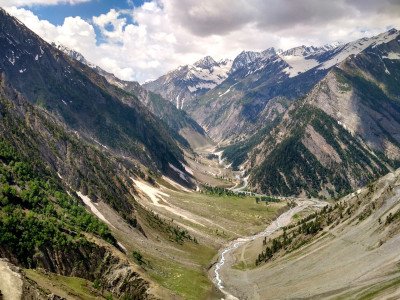
Galwaan Valley
Some quick example text to build on the card title and make up the bulk of the card's content.
Go somewhere
Hazaribagh Club
Some quick example text to build on the card title and make up the bulk of the card's content.
Go somewhere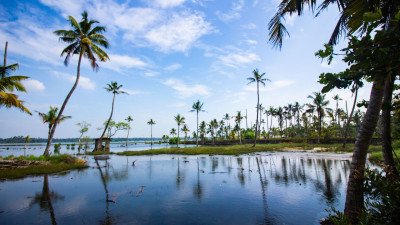
Hazaribagh Lake
Some quick example text to build on the card title and make up the bulk of the card's content.
Go somewhere
Hazaribagh National Park / Wildlife Sanctuary
Some quick example text to build on the card title and make up the bulk of the card's content.
Go somewhere
Holy Cross Church, Korrah
Some quick example text to build on the card title and make up the bulk of the card's content.
Go somewhere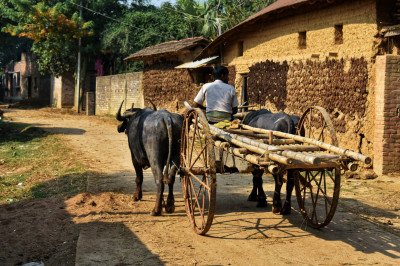
Isko Village Cave Paintings
Some quick example text to build on the card title and make up the bulk of the card's content.
Go somewhere
Jamunia Dam
Some quick example text to build on the card title and make up the bulk of the card's content.
Go somewhere
Konar Dam
Some quick example text to build on the card title and make up the bulk of the card's content.
Go somewhere
Korrah
Some quick example text to build on the card title and make up the bulk of the card's content.
Go somewherein Other Cities