...

FAQs On Big Stone Gateway

Bishnupur, West Bengal, India
The Big Stone Gateway, popularly known as the Bara Patthar Darwaja, is an imposing historical structure that served as the grand northern entrance to the fortified city of Bishnupur. Built during the 17th century, specifically around 1670 CE, under the patronage of the powerful Malla King Bir Singh a Dev, this gateway stands as a silent sentinel to the military might of the Malla dynasty. Unlike the delicate terracotta temples that dot the town, this structure represents the defensive engineering of the era. It was strategically designed to protect the royal palace and the citadel from external invasions, particularly from the Maratha raiders known as the Bargis. The gateway is constructed from massive blocks of laterite stone, a material known for its durability and characteristic reddish hue. Historically, this gate was part of a larger fortification system that included moats, earthen walls, and watchtowers. As you walk through the high arched passage, you can almost hear the echoes of royal processions and marching soldiers. The structure has survived centuries of weather and neglect, yet it retains a formidable presence. It is a vital part of the Bishnupur heritage circuit, offering a glimpse into the secular and military history of the region. The gateway is surrounded by lush greenery today, providing a stark contrast between its rugged stone walls and the soft natural landscape. Visitors often start their heritage walk here to understand the layout of the old Malla capital. The Big Stone Gateway is not just a pile of stones; it is a symbol of the Malla kings' transition from local chieftains to powerful regional monarchs who patronized both art and warfare. It reflects a time when Bishnupur was an impregnable fortress, hidden amidst the dense forests of Bankura. Exploring this site allows travelers to appreciate the dual nature of Malla culture: the refinement of their art and the robustness of their defense.

Ans:- Generally, climbing to the very top of the structure is restricted to ensure the preservation of the ancient stone and for visitor safety. However, the ground-level chambers and the main arched passage are fully accessible. Visitors are encouraged to respect the barricades and signs placed by the Archaeological Survey of India (ASI).

Ans:- No, there is currently no specific entry fee required to view the Big Stone Gateway as it is an open-air historical monument. It is maintained by the Archaeological Survey of India (ASI). However, it is advisable to check local regulations if you plan to visit as part of a larger guided circuit.

Ans:- One can still see the narrow vertical slits, known as arrow or gun slits, carved into the thick laterite walls. These openings allowed soldiers to fire upon approaching enemies from a position of relative safety. The height of the arch was also specifically designed to accommodate royal elephants and tall chariots entering the citadel.

Ans:- The Archaeological Survey of India (ASI) periodically carries out conservation work to stabilize the laterite blocks and prevent erosion. Vegetation is regularly cleared from the stone joints to ensure the structural integrity remains intact. These efforts help maintain the gateway as one of the best-preserved examples of Malla military architecture in West Bengal.

Ans:- The best time for photography is during the early morning or late afternoon when the low sun highlights the texture of the reddish laterite stone. The golden hour provides a dramatic look to the massive arches, making it a favorite spot for history enthusiasts and photographers looking to capture the ruggedness of Malla architecture.

Ans:- The gateway is located on a relatively flat area, making the exterior and the main passage accessible. However, the internal guard chambers may have uneven stone flooring and narrow entrances that could be challenging for those with significant mobility issues. Most people can enjoy the grandeur of the structure from the main road.

Ans:- The gateway is primarily constructed from heavy, dressed blocks of laterite stone, a locally available reddish-brown soil-rock. These blocks were meticulously stacked and joined to create a robust structure capable of withstanding heavy sieges and the passage of time. The lack of decorative terracotta highlights its purely military and defensive purpose.

Ans:- The name "Bara Patthar Darwaja" literally translates to "Big Stone Gate." It was named so to distinguish it from the "Chhota Darwaja" (Small Gateway) located nearby. The name emphasizes the massive size of the laterite blocks used in its construction, which were significantly larger and more imposing than those used in typical local buildings.

Ans:- This imposing structure was commissioned by the Malla King Bir Singha Dev around 1670. He designed it to be a formidable barrier against invaders. Unlike the delicate terracotta temples, this gateway was built primarily for utility and defense, showcasing the transition from artistic expression to military necessity during his reign.

Ans:- While there are no dedicated guides stationed exclusively at the gateway, most local guides who cover the Bishnupur heritage circuit will provide detailed historical narratives about its construction. Hiring a local guide from the nearby Rasmancha or Shyam Rai temple is recommended to fully understand the strategic importance of this massive structure.

Note:-

Information provided here in good Faith and for reference only.

All information and pictures will be updated soon, please keep visiting.

Near Places
...
Acharya Jogesh Chandra Museum

Some quick example text to build on the card title and make up the bulk of the card's content.

Go somewhere

...
Big Stone Gateway

Some quick example text to build on the card title and make up the bulk of the card's content.

Go somewhere

...
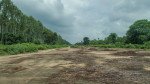
Bishnupur Mela Ground

Some quick example text to build on the card title and make up the bulk of the card's content.

Go somewhere
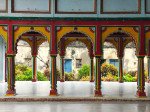
...
Bishnupur Rajbari

Some quick example text to build on the card title and make up the bulk of the card's content.

Go somewhere
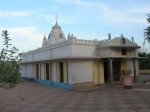
...
Chhinnamasta Temple

Some quick example text to build on the card title and make up the bulk of the card's content.

Go somewhere
...
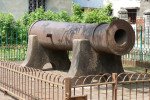
Dalmadal Cannon

Some quick example text to build on the card title and make up the bulk of the card's content.

Go somewhere
...
Garh Darwaja

Some quick example text to build on the card title and make up the bulk of the card's content.

Go somewhere
...
Gokul Chand Temple

Some quick example text to build on the card title and make up the bulk of the card's content.

Go somewhere

...
Hadal-Narayanpur

Some quick example text to build on the card title and make up the bulk of the card's content.

Go somewhere
...
Jhilimili & Sutan Forest

Some quick example text to build on the card title and make up the bulk of the card's content.

Go somewhere
in Other Cities