...

FAQs On Buxa Tiger Reserve

Dooars, West Bengal, India
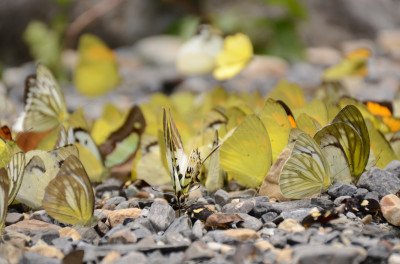
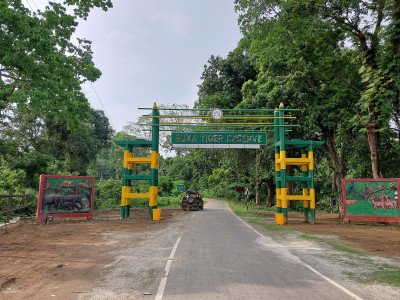
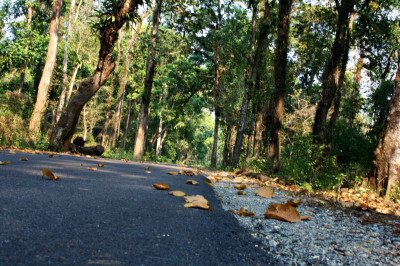
Buxa Tiger Reserve is the largest forest in North Bengal, established as the 15th Tiger Reserve in India in 1983. Unlike Jaldapara and Gorumara, Buxa is characterized by its mountainous terrain, as it sits right on the border of Bhutan, stretching across the Buxa Hills of the Eastern Himalayas. It c overs a massive area of about 760 square KMs, including dense forest, riverine ecosystems, and high-altitude grasslands. The reserve is famous not just for its wildlife, but also for its historical significance, housing the ancient Buxa Fort, which served as a prison during the British Raj. The forest is traversed by several rivers, most notably the beautiful, rocky-bedded Jayanti River. While the density of the tiger population is low and sightings are extremely rare, Buxa is rich in other fauna, including Asian Elephants, Indian Bison (Gaur), Sambar deer, Clouded Leopards, and an astonishing variety of birds (over 500 species) and plant life (over 400 species of herbs and 150 species of orchids). The primary tourist activities here are focused on trekking, particularly the route to the Buxa Fort and the Mahakal Cave in Jayanti. It provides a unique blend of historical exploration, challenging trekking, and raw, untouched wilderness, setting it apart from the purely safari-focused parks.

Ans:- Alipurduar is the nearest major town and railway station, located just 15 km from Rajabhatkhawa. You can easily find auto-rickshaws, buses, or private taxis from Alipurduar Junction or New Alipurduar station to reach the reserve entry gate. The drive takes about 20 to 30 minutes through scenic forest roads.

Ans:- Buxa is an Important Bird Area (IBA) with over 280 species of birds. You can see the Great Indian Hornbill, Oriental Pied Hornbill, various eagles, woodpeckers, and the rare Ibisbill along the riverbeds. It is a dream destination for ornithologists and wildlife photographers during the winter months.

Ans:- Buxa Tiger Reserve (BTR) is known for its incredible biodiversity, being the home to the Royal Bengal Tiger, Asian Elephant, Clouded Leopard, and Indian Bison. It is also famous for the historic Buxa Fort and its unique ecosystem that serves as an international corridor for elephant migration between India and Bhutan.

Ans:- Jayanti is often called the "Appalachians of the East." It is a beautiful forest village located inside the reserve on the banks of the Jayanti River. It is a hub for eco-tourism and offers spectacular views of the Bhutan hills, several trekking routes, and the famous Mahakal Cave trek.

Ans:- Like most national parks in North Bengal, Buxa Tiger Reserve remains closed to tourists from June 16th to September 15th every year due to the monsoon season. This closure is for the safety of visitors and to provide an undisturbed environment for the animals during their breeding season.

Ans:- Located near the entry of Buxa Tiger Reserve, this is a specialized center for the conservation and breeding of critically endangered vulture species. It is a joint initiative of the West Bengal Forest Department and the Bombay Natural History Society (BNHS) and is one of the few such facilities in India.

Ans:- The Mahakal Caves are stalactite and stalagmite caves located near the Bhutan border within the Buxa Tiger Reserve. They are dedicated to Lord Shiva and are a popular pilgrimage and trekking destination. The trek involves crossing the Jayanti riverbed and hiking through a steep forest trail, offering a thrilling adventure.

Ans:- The main entry point and administrative headquarters are located at Rajabhatkhawa. This is where tourists must obtain permits for safaris and forest entry. Rajabhatkhawa also has a Nature Interpretation Centre and a museum that provides information about the flora and fauna of the reserve.

Ans:- There is no traditional boat safari in Buxa Tiger Reserve. However, exploring the wide, dry riverbeds of the Jayanti and Raidak rivers by Jeep is a unique experience. During the winter, these riverbeds are the best places to spot animals coming out of the dense forest for water and sunbathing.

Ans:- Tiger sightings are extremely rare in Buxa Tiger Reserve because of the very dense forest cover and the shy nature of the animals. However, in recent years, camera traps have confirmed the presence of tigers. Visitors are more likely to see leopards, elephants, barking deer, and a vast variety of birds.

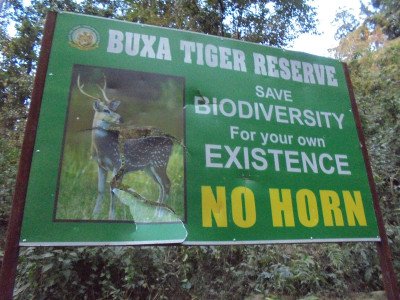
Ans:- Tourists must follow strict guidelines: do not get out of the vehicle during safaris, do not litter, do not feed or disturb wild animals, and avoid wearing bright-colored clothes (stick to greens, browns, and khakis). Photography is allowed but without flash, and smoking or drinking alcohol inside the forest is strictly prohibited.

Ans:- Yes, Buxa Tiger Reserve is home to several endangered and threatened species, including the Royal Bengal Tiger, Asian Elephant, Clouded Leopard, Chinese Pangolin, and the Regal Python. The reserve plays a crucial role in the conservation of these species by providing a large, contiguous forest habitat.

Ans:- Yes, Jeep Safaris are available from Rajabhatkhawa and Jayanti. The safaris take you through designated forest tracks where you can experience the dense jungle and look for wildlife. The morning and afternoon safari slots are the most popular, and it is best to book them through authorized forest guides.

Ans:- Yes, there is a Nature Interpretation Centre and museum located at Rajabhatkhawa. It displays various specimens of local wildlife, information on the ecosystem, and historical artifacts related to the Buxa Fort. It is an excellent place to visit before starting your forest exploration to understand the local environment.

Note:-

Information provided here in good Faith and for reference only.

All information and pictures will be updated soon, please keep visiting.

Near Places
...
Bhutanghat

Some quick example text to build on the card title and make up the bulk of the card's content.

Go somewhere

...
Bindu

Some quick example text to build on the card title and make up the bulk of the card's content.

Go somewhere
...
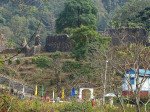
Buxa Fort

Some quick example text to build on the card title and make up the bulk of the card's content.

Go somewhere
...
Buxa Tiger Reserve

Some quick example text to build on the card title and make up the bulk of the card's content.

Go somewhere
...
Chapramari Wildlife Sanctuary

Some quick example text to build on the card title and make up the bulk of the card's content.

Go somewhere
...
Chilapata Forest

Some quick example text to build on the card title and make up the bulk of the card's content.

Go somewhere
...
Gorumara National Park

Some quick example text to build on the card title and make up the bulk of the card's content.

Go somewhere
...
Jaldapara National Park

Some quick example text to build on the card title and make up the bulk of the card's content.

Go somewhere
...
Jayanti

Some quick example text to build on the card title and make up the bulk of the card's content.

Go somewhere
...
Jhalong

Some quick example text to build on the card title and make up the bulk of the card's content.

Go somewhere
in Other Cities