...

FAQs On Darjeeling Ropeway

Darjeeling, West Bengal, India
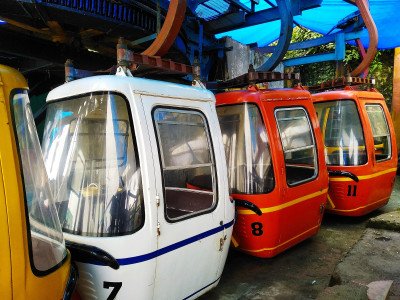
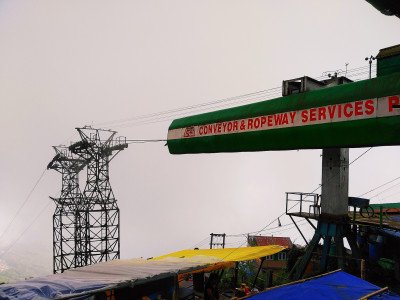
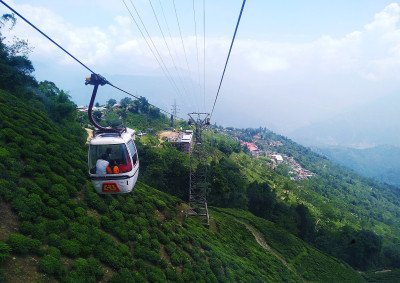
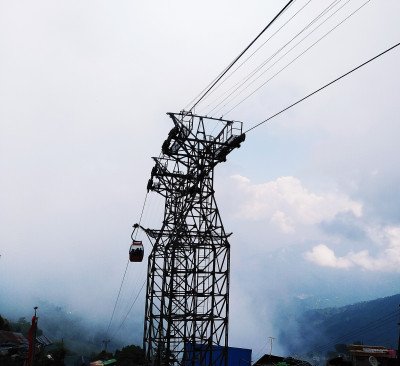
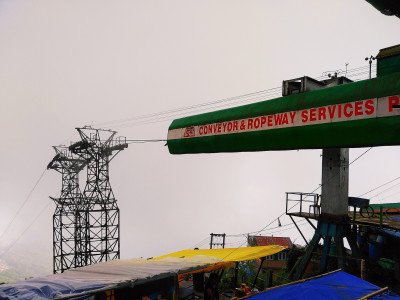
The Darjeeling Ropeway, also known as the Rangeet Valley Passenger Ropeway, is one of the oldest and most scenic cable car systems in India. Established in 1968, it was initially built to cater to the tea gardens in the valley that were inaccessible by road. It starts at North Point in Singamari (e levation 2134 meters) and descends to the banks of the Ramman River at Singla (elevation 244 meters). The total length of the ropeway is approximately 5 KMs (2.5 KMs each way). A ride on this ropeway offers a breathtaking bird's-eye view of the lush green tea gardens, gushing mountain streams, and waterfalls. On a clear day, the majestic Kanchenjunga provides a stunning backdrop to the journey. The ropeway consists of around 16 cars, each capable of carrying 6 passengers. The journey takes about 45 minutes to an hour for a round trip. The descent takes you over the Tukvar, Burnesbeg, and Singla tea estates. It is a thrilling experience as the cable car glides high above the valleys. The system underwent a major overhaul and modernization after a hiatus, reopening in 2012 with enhanced safety features. It is managed as a joint venture between the government and private entities. The boarding station at Singamari is a hub of tourist activity, featuring small cafes and souvenir shops. The ropeway remains one of the most iconic attractions of the "Queen of Hills." It provides a perspective of Darjeeling's topography that is impossible to get from the ground. The ride is particularly popular among families and honeymooners. During the peak tourist season, there are often long queues, but the view from the top is worth the wait. The cabins are designed with large glass windows to ensure an unobstructed panoramic view. It is an engineering marvel that has stood the test of time. :

Ans:- Answer: As of recent updates, the ticket price for adults is approximately ₹200 for a round trip, while children (between 3 to 8 years) are charged around ₹100. These rates are subject to change by the forest department and management. It is best to carry cash as digital payments may sometimes fail.

Ans:- Answer: Currently, there is no official online booking system for Darjeeling Ropeway tickets. Tickets must be purchased in person at the counter at Singamari station. Due to high demand, it is common to see long wait times, sometimes exceeding two hours, so plan your day accordingly.

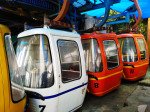
Ans:- Answer: Each cable car cabin is designed to comfortably accommodate up to 6 passengers. The cabins are enclosed with large glass windows to provide 360-degree views of the valley. If you are traveling in a smaller group, you might have to share the cabin with other tourists during peak hours.

Ans:- Answer: Passengers can enjoy breathtaking panoramic views of the lush green tea gardens, dense forests, and cascading waterfalls. On a clear day, the ride offers a stunning view of the Kanchenjunga mountain range. You can also see the Little Rangeet River flowing at the bottom of the valley.

Ans:- Answer: The best season for the ropeway is from October to December and from March to May. During these months, the sky is usually clear, providing the best visibility of the Himalayan peaks. During the monsoon (July-September), clouds often obstruct the view, and the ride may be less enjoyable.

Ans:- Answer: The Darjeeling Ropeway was originally established in 1968. Initially, it was used primarily for transporting goods and tea leaves from the valley to the town. It was later converted into a passenger service to boost tourism, becoming a pioneer in cable car transportation in the Indian Himalayan region.

Ans:- Answer: The official name of the Darjeeling Ropeway is the Rangeet Valley Passenger Cable Car. It is often referred to as such because it offers spectacular aerial views of the Little Rangeet River valley. It was the first cable car system in India and remains one of the most popular tourist attractions.

Ans:- Answer: The ride begins at the Singamari station, which is located at North Point in Darjeeling town. This station is approximately 3 kilometers away from the Chowrasta (Mall). Tourists usually take a taxi or a shared jeep from the town center to reach the Singamari ropeway station for their trip.

Ans:- Answer: The ropeway usually operates from 10:00 AM to 4:00 PM. However, during the peak tourist season (April-June and October-November), it may open earlier at 9:30 AM to accommodate the high volume of visitors. It is highly recommended to arrive early to avoid long queues, as tickets sell out fast.

Ans:- Answer: The total length of the ropeway is about 5 kilometers for a round trip (2.5 km each way). The entire journey takes approximately 45 minutes to an hour, including the time spent at the lower station. It is a slow and scenic ride designed to let passengers enjoy the landscape.

Ans:- Answer: Yes, at the Singamari (top) station, there are public restrooms and small shops selling snacks, water, and tea. At the lower Tukver station, there are also small local kiosks where you can enjoy local snacks and fresh tea while looking at the vast expanses of the tea bushes.

Ans:- Answer: Yes, the Darjeeling Ropeway remains closed for maintenance on the 19th of every month. This is a mandatory safety check to ensure all mechanical parts are functioning correctly. Additionally, the service may be suspended without prior notice during heavy rains, high winds, or dense fog for safety reasons.

Ans:- Answer: Yes, the ropeway is safe for people of all ages. The cabins are fully enclosed, and the movement is smooth and steady. However, people with a severe fear of heights (acrophobia) should be cautious. It is an excellent family activity that provides a unique perspective of the hills without walking.

Ans:- Answer: Yes, the ropeway stops at the Tukver tea estate station. Most tourists get off here to enjoy the tea gardens from the ground, take photographs, and have a cup of fresh Darjeeling tea at the local stalls. After spending some time, you can board the return cable car back to Singamari.

Ans:- Answer: You can take a private taxi from the town center, which takes about 15 minutes. Alternatively, you can find shared jeeps heading towards North Point or Lebong from the Chowk Bazaar taxi stand. Some energetic tourists even choose to walk the 3 km distance to enjoy the mountain air.
Information about New and Updated Locations(575+) of West Bengal Has Been Added :-
Card subtitle

Note:-

Information provided here in good Faith and for reference only.

All information and pictures will be updated soon, please keep visiting.

Near Places
...
Aloobari Monastery

Some quick example text to build on the card title and make up the bulk of the card's content.

Go somewhere
...
Badamtam Tea Estate

Some quick example text to build on the card title and make up the bulk of the card's content.

Go somewhere
...
Batasia Loop

Some quick example text to build on the card title and make up the bulk of the card's content.

Go somewhere
...
Bengal Natural History Museum

Some quick example text to build on the card title and make up the bulk of the card's content.

Go somewhere
...
Bhutia Busty Monastery

Some quick example text to build on the card title and make up the bulk of the card's content.

Go somewhere

...
Bijanbari

Some quick example text to build on the card title and make up the bulk of the card's content.

Go somewhere
...
Chauk Bazaar

Some quick example text to build on the card title and make up the bulk of the card's content.

Go somewhere
...
Chota Mangwa

Some quick example text to build on the card title and make up the bulk of the card's content.

Go somewhere
...
Chowrasta & The Mall

Some quick example text to build on the card title and make up the bulk of the card's content.

Go somewhere
...
Dali Monastery

Some quick example text to build on the card title and make up the bulk of the card's content.

Go somewhere
in Other Cities