...

FAQs On Deulghata Temple Ruins

Purulia, West Bengal, India
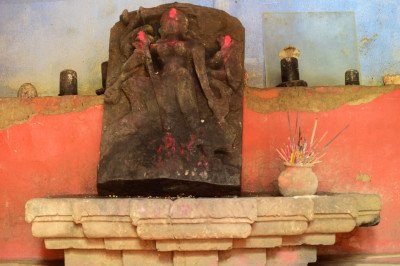
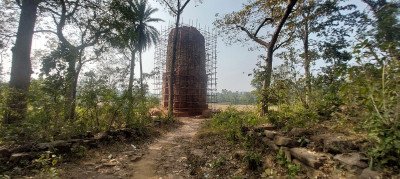
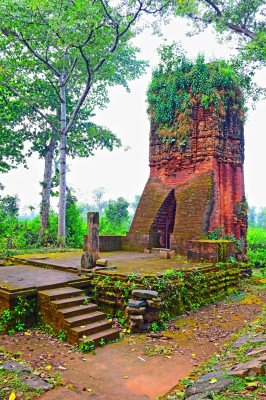
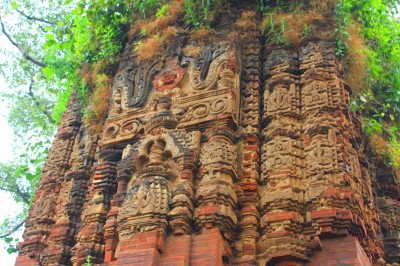
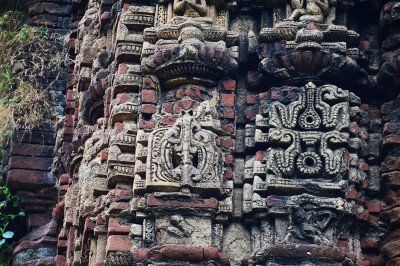
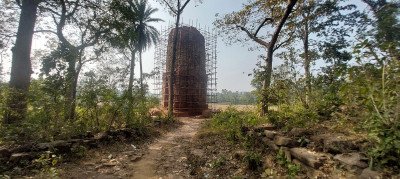
Detailed Overview: Deulghata, literally meaning "the land of temples," is one of the most significant archaeological sites in Purulia. Located on the banks of the Kangsabati (Kasai) River, it was once a flourishing center of religious and cultural activity between the 9th and 13th centuries. Histori cally, the region was part of the ancient Vajjabhumi and was a major hub for both Jainism and Hinduism. When the site was first documented in the 19th century by British explorer E.T. Dalton, there were several towering temples, but today only two majestic brick "Deuls" remain standing. A third major temple tragically collapsed in 2002. These temples were built during the reign of the Pala and Sena dynasties, and later patronized by local kings. The structures are famous for their intricate stucco work and terracotta designs, which depict various deities, floral patterns, and geometric motifs. The temples are dedicated to Lord Shiva, but the influence of Jaina architecture is clearly visible in their "Rekha Deul" (curvilinear tower) style. The site is scattered with ancient stone idols of Durga, Ganesha, and Tirthankaras, many of which are now housed in a small modern shed to protect them from the elements. The atmosphere at Deulghata is one of profound historical weight and quiet beauty. The river flowing nearby adds a serene backdrop to the crumbling red-brick structures. It is a place where time seems to have stood still, offering a glimpse into the sophisticated craftsmanship of ancient Bengal. Scholars believe that Deulghata was an important stop on an ancient trade route connecting the Chota Nagpur plateau with the plains of Bengal. Despite the decay, the surviving temples remain as tall sentinels of a forgotten era, attracting history buffs, photographers, and pilgrims who come to offer prayers at the ancient Shivalingam that still resides within the ruins. :

Ans:- Answer: Currently, there is no formal entry fee to visit the Deulghata Temple Ruins. It is an open archaeological site. However, because it is a protected heritage area, visitors are expected to be extremely respectful. Do not touch or climb on the fragile structures, and ensure you do not leave any litter. The site is a treasure of Indian history and must be preserved for future generations to appreciate and study.

Ans:- Answer: Deulghata, meaning "the land of temples," is one of the most important archaeological sites in Purulia. It once housed a large complex of about 15 temples dating back to the 9th-12th centuries, during the Pala and Sena periods. These temples are excellent examples of the "Rekha Deul" style of architecture, similar to the temples of Odisha. They reflect the rich religious and cultural heritage of the region, where Jainism and Hinduism once flourished side by side.

Ans:- Answer: Purulia was once a major center for Jainism between the 9th and 13th centuries. Many of the temples at Deulghata and other nearby sites like Pakbira were originally Jain shrines dedicated to Tirthankaras. Over time, as the influence of Hinduism grew, many of these sites were converted or integrated into Hindu worship. The architectural style and some of the surviving stone icons still clearly show these early Jain influences, making it a site of great interest for religious historians.

Ans:- Answer: The best time to visit is during the winter months (October to March) when the weather is pleasant for exploring the outdoor ruins. The site also becomes very lively during the "Dol Jatra" (Holi) and "Tusu" festivals, when local people gather for celebrations and rituals. Visiting in the early morning or late afternoon provides the best light for photography and a more peaceful experience amidst the ancient stones and trees.

Ans:- Answer: The ruins are located near the village of Boram, on the banks of the Kangsabati (Kansai) River. They are approximately 30 kilometers south of Purulia town. The site is somewhat secluded, tucked away in a forested area, which adds to its mystical and ancient atmosphere. Reaching the site involves a drive through scenic rural roads followed by a short walk through the trees to reach the standing structures.

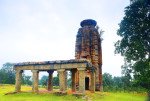
Ans:- Answer: The temples are built in the "Rekha Deul" style, which is a characteristic form of North Indian temple architecture often found in Odisha and Bengal. They feature tall, curvilinear towers (shikharas) with a square base. The walls are adorned with beautiful terracotta carvings and stucco decorations. The use of high-quality bricks and stone accents demonstrates the advanced craftsmanship of the artisans who built these structures over a thousand years ago.

Ans:- Answer: Today, only two major brick temples remain standing at Deulghata, though they are in a fragile state. A third large temple unfortunately collapsed in 2002. These standing structures are remarkable for their intricate terracotta and stucco work, featuring floral patterns, figures of deities, and geometric designs. The site is scattered with the stone and brick remains of the many other temples that once formed this grand religious complex.

Ans:- Answer: While most of the original idols have been moved to museums or lost over time, some stone carvings and broken idols can still be found at the site. One of the standing temples houses a 2000-year-old (as per local belief) idol of Goddess Durga, which is still worshipped by the local people. You can also see various stone sculptures of Ganesha and other Hindu and Jain deities scattered among the ruins near the riverbank.

Ans:- Answer: Yes, photography and videography are allowed and highly recommended. The ancient brick structures against the backdrop of the forest and the river are incredibly picturesque. It is a favorite spot for history buffs and photography enthusiasts. Please be mindful not to use any equipment that might damage the ruins and always show respect if you are filming any local religious rituals taking place at the standing temples.

Ans:- Answer: Yes, Purulia is full of ancient temple ruins. You can visit the temples at Pakbira, which has a significant collection of Jain idols, or the temple at Banda, which features a well-preserved "Rekha Deul" structure. The village of Charida, known for its Chau masks, is also in the general region. Combining these spots can give you a deep insight into the rich historical and artistic heritage of the Manbhum region of West Bengal.

Ans:- Answer: Yes, the site is generally safe to visit during the day. It is a place of local religious significance, and the villagers are usually helpful. However, because it is in a secluded and forested area, it is best to visit in groups and avoid staying after sunset. Also, be cautious while walking near the riverbank, especially during the monsoon when the water level of the Kangsabati River can rise and the paths can become slippery.

Ans:- Answer: You can reach Deulghata by hiring a private taxi or taking a local bus from Purulia town toward Arsha or Bagmundi. You will need to get down at the Boram village stop and then walk or take a local rickshaw for the remaining distance to the riverbank. Having your own transport is much more convenient as the site is somewhat off the main road and public transport can be infrequent.

Note:-

Information provided here in good Faith and for reference only.

All information and pictures will be updated soon, please keep visiting.

Near Places

...
Ajodhya Hill View Point

Some quick example text to build on the card title and make up the bulk of the card's content.

Go somewhere
...
Ajodhya Hills Dams & Bamni Falls

Some quick example text to build on the card title and make up the bulk of the card's content.

Go somewhere
...
Ajodhya Pahar Hairpin View Point

Some quick example text to build on the card title and make up the bulk of the card's content.

Go somewhere
...
Ayodhya Hills

Some quick example text to build on the card title and make up the bulk of the card's content.

Go somewhere

...
Bamni Falls

Some quick example text to build on the card title and make up the bulk of the card's content.

Go somewhere
...
Banda Deul

Some quick example text to build on the card title and make up the bulk of the card's content.

Go somewhere
...
Baranti Reservoir

Some quick example text to build on the card title and make up the bulk of the card's content.

Go somewhere
...
Begunkodar

Some quick example text to build on the card title and make up the bulk of the card's content.

Go somewhere
...
Charidah

Some quick example text to build on the card title and make up the bulk of the card's content.

Go somewhere
...
Deulghata Temple Ruins

Some quick example text to build on the card title and make up the bulk of the card's content.

Go somewhere
in Other Cities