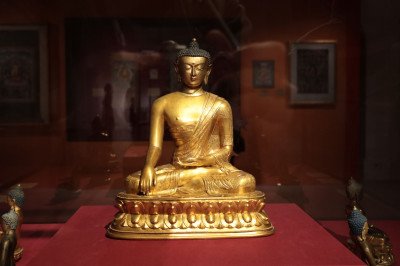
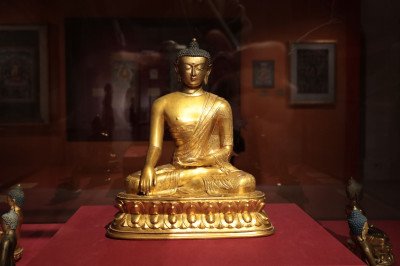
District Museum Tezpur
General information
-
Ideal Duration:
1 to 2 hoursPlace Type:
History, Archaeology, Culture, MuseumEntry Fees:
Standard Entry Fee for Indian Nationals: The District Museum Tezpur, being a state-run museum under the Directorate of Museums, Assam, typically maintains a very nominal entry fee for Indian citizens. This fee is often set at a minimal amount (e. g. , around Rs.10 to Rs.20 per ...Standard Entry Fee for Indian Nationals: The District Museum Tezpur, being a state-run museum under the Directorate of Museums, Assam, typically maintains a very nominal entry fee for Indian citizens. This fee is often set at a minimal amount (e. g. , around Rs.10 to Rs.20 per person) to ensure accessibility for local students, families, and general tourists. The low cost reflects the museum's educational and public service mandate, making it an extremely budget-friendly cultural outing.
Differential Fee for Foreign Tourists: In line with the practice of many major heritage sites in India, foreign tourists may be charged a higher, but still modest, differential fee. This fee is generally reasonable, perhaps in the range of Rs.50 to Rs.100, and is used to support the maintenance and development of the museum facilities and collections. Foreign visitors should be prepared to pay this separate fee and carry valid identification.
Concessions for Students and Educational Groups: The museum often provides significant concessions for school and college student groups, especially those from Assam and the greater region, sometimes offering free entry or a further reduced nominal fee. The purpose of this policy is to encourage educational field trips and foster historical awareness among the youth. Groups often need to provide a formal letter from their educational institution to avail of this benefit. Fees for Special Services (Photography/Videography): While standard mobile phone photography might be permitted in some areas without a charge, any professional photography, videography, or the use of tripods and flash equipment for commercial or special purposes may incur a separate, more substantial fee. This is a common practice to protect the artifacts from potential damage by bright lights and to manage commercial activities. Always inquire at the ticket counter regarding all fees before proceeding with any professional capture.
Method of Payment: Payment is almost universally accepTiming:
Regular Operating Hours: The District Museum Tezpur generally operates during standard weekday working hours. The typical timing is from 10:00 AM to 4:30 PM or 5:00 PM. It is important to note that most state-run museums, including this one, observe a weekly closure, usual...Regular Operating Hours: The District Museum Tezpur generally operates during standard weekday working hours. The typical timing is from 10:00 AM to 4:30 PM or 5:00 PM. It is important to note that most state-run museums, including this one, observe a weekly closure, usually on Mondays and on all major public/national holidays. Visitors must confirm the exact current timing and closure days before planning their visit, as they are subject to change.
Midday Break or Lunch Closure: Sometimes, smaller museums in India may observe a brief closure during the midday for a lunch break (e. g. , from 1:00 PM to 2:00 PM). It is crucial to check if the District Museum Tezpur has such a closure to avoid waiting outside.
Ideal Visit Time:
The Morning Hours: The Ideal Visit Time is the late morning hour, between 10:00 AM and 12:00 PM. During this time, the museum is less crowded than the afternoon, allowing for a quieter and more focused exploration of the artifacts. The natural light inside the Dak-Bungalow is often best in the morning, making it easier to appreciate the details of the sculptures and other relics.
Ideal Visit Time:
Off-Season Advantages: If you are visiting in the winter months (from October to March), which is the peak tourist season for Assam, aim for a weekday visit to avoid the local weekend crowds. If you are traveling during the hotter or monsoon months (the Summer and Monsoon seasons), the museum offers a great indoor escape from the heat and rain, making any time during the operating hours an Ideal Visit Time for comfort.
Seasonal Variations: While the official hours remain constant, the museum may extend its hours slightly during major cultural festivals or events, especially around International Museum Day or Bihu. Always look for local announcements for any deviations from the standard schedule.Special Events:
International Museum Day Celebration: Like most major museums worldwide, the District Museum Tezpur actively participates in the annual International Museum Day celebration, which falls on or around May 18 each year. On this day, the museum often hosts special guided tours,...International Museum Day Celebration: Like most major museums worldwide, the District Museum Tezpur actively participates in the annual International Museum Day celebration, which falls on or around May 18 each year. On this day, the museum often hosts special guided tours, temporary exhibits, and educational programs specifically designed to raise public awareness about the role of museums in cultural exchange and development. These events often include free or reduced entry and special lectures by local historians and archaeologists, focusing on a particular theme chosen for the year.
Local Heritage Workshops and Seminars: The museum frequently collaborates with local educational institutions, cultural organizations like the Tezpur Sahitya Sabha, and the Directorate of Museums, Assam, to organize seminars and workshops. These events typically focus on preserving local heritage, documenting the cultural history of the Sonitpur district, and promoting Assamese language and literature. These events are crucial for engaging the academic community and students, fostering a new generation of cultural preservationists.
Temporary and Thematic Exhibitions: Although the permanent collection is the main draw, the museum occasionally hosts temporary or rotating exhibitions that spotlight specific aspects of Assamese culture that may not be permanently displayed. For instance, an exhibition might focus solely on the history of the Ahom dynasty, the religious syncretism in Tezpur, or the traditional crafts of a particular indigenous group. These events ensure the museum remains a dynamic space, offering something new to repeat visitors. These special thematic displays are typically announced locally and attract a specialized audience.
Observance of Regional Cultural Festivals: The museum often serves as a backdrop or participating venue for the observance of major Assamese cultural events, although not religious festivals in the same way as temples. For example, during Rongali Bihu (in April), the museum might organize special cultural demonstrations or display related artifacts to educate visitors on the origins and significance of the festival. These programs aim to link the historical artifacts with the living culture of the region.Best Photo Spots:
The Colonial Architecture of the Dak-Bungalow Exterior: The exterior of the old Dak-Bungalow building is arguably the best subject for photography. The architecture, with its long veranda, elevated foundation, and period charm, provides a nostalgic backdrop. Try capturing a wide-angle shot that in...The Colonial Architecture of the Dak-Bungalow Exterior: The exterior of the old Dak-Bungalow building is arguably the best subject for photography. The architecture, with its long veranda, elevated foundation, and period charm, provides a nostalgic backdrop. Try capturing a wide-angle shot that includes the entire facade, perhaps framed by the surrounding greenery, to emphasize the historical setting. The best time is during the early morning or late afternoon ("Golden Hour") when the light is soft and highlights the texture of the old walls.
The Historic Plaque at the Entrance: A close-up shot of the main historical plaque or signage at the museum's entrance is a key photo op. This shot documents the date of establishment and the museum's identity. Use a clear focus to make the text sharp, serving as a clean, informational photograph. This is usually the least restricted area for photography.
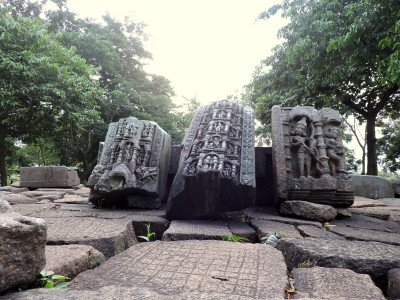
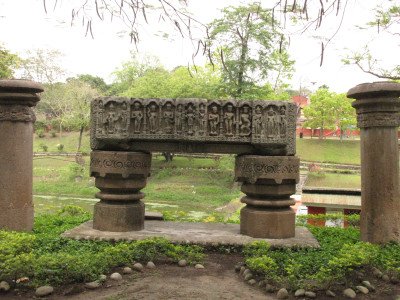
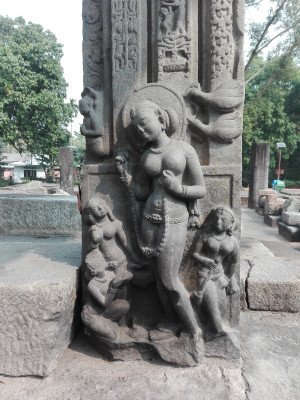
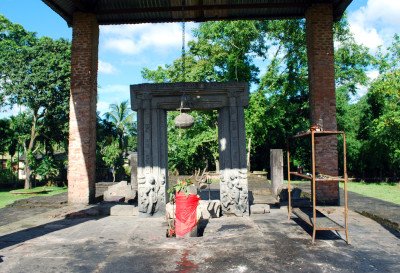
The Stone Sculpture Display Area: If photography is permitted in the gallery, the section displaying the heavy stone sculptures is a must-capture. Focus on the intricate details of a specific sculpture, such as a recovered door jamb or a statue fragment. Use a narrow depth of field to make the artifact stand out against the background. The most photogenic pieces are the Da Parbatia doorframe remnants, known for their expressive carvings and historical weight.
Interior Architectural Details: Capture the specific architectural elements that define the old building, like the wooden beams, high windows, or the texture of the old brickwork. These shots offer context and a sense of atmosphere. A good angle is often a low-angle shot looking up at the high ceiling, emphasizing the spaciousness of the colonial design.
The Ahom-Era Cannon Display: The historical weapon display, particularly the Ahom cannons, offers a powerful, contrasted image. These dark, heavy metal objects against the lighter-colored museum walls make for a dramatic photo. Try a low-angle shot to make the cannon look more imposing and significant.
A Quiet Corner for Reflection: Capture the serene atmosphere of a less crowded corner of the museum, perhaps an empty corridor or a window looking out onto the grounds. This shot focuses on the mood and the intellectual experience of the visit, contrasting the busy outside world with the quiet contemplation within the walls of the museum.Photo Gallery
Things To Do
-
Explore the Archaeological Exhibit:
A Journey to the Antiquity: Devote a significant portion of your visit to the archaeological section. Start with the famous stone doorframe remnants from Da Parbatia, paying close attention to the intricate carvings of the river goddesses Ganga and Yamuna at the base—a signature of the Gupta style. Try to identify the ten incarnations of Lord Vishnu (Dasavatara) depicted on the recovered stone pillars and lintels from sites like Bamuni Hills and Cole Park. These carvings are not just art; they are a visual encyclopedia of the religious and artistic preferences of the early rulers. For the truly dedicated, attempt to read the preserved stone inscriptions or copper plates, even if only to appreciate the ancient scripts. Take your time to reflect on the sheer age and historical importance o...Explore the Archaeological Exhibit:
A Journey to the Antiquity: Devote a significant portion of your visit to the archaeological section. Start with the famous stone doorframe remnants from Da Parbatia, paying close attention to the intricate carvings of the river goddesses Ganga and Yamuna at the base—a signature of the Gupta style. Try to identify the ten incarnations of Lord Vishnu (Dasavatara) depicted on the recovered stone pillars and lintels from sites like Bamuni Hills and Cole Park. These carvings are not just art; they are a visual encyclopedia of the religious and artistic preferences of the early rulers. For the truly dedicated, attempt to read the preserved stone inscriptions or copper plates, even if only to appreciate the ancient scripts. Take your time to reflect on the sheer age and historical importance of these stone relics, which are among the oldest in Assam.
Delve into the Ethnography and Culture Section:
Understanding Assamese Life: The ethnographic gallery is where you connect with the people of Assam. Spend time studying the traditional costumes, ornaments, and textiles of the various local tribes and communities. Look for the distinctive motifs and weaving patterns in the handloom products, which showcase the high level of skill in Assamese weaving. The museum often displays models or dioramas depicting traditional village life, agricultural practices, and festive celebrations. This section is excellent for understanding the cultural diversity of the Sonitpur district, including the lifestyle and artifacts of the tea community. Make sure to note the various types of tools, musical instruments, and household items on display, as they offer practical insight into daily life over the centuries.
Engage with the Historical Artifacts:
Military and Administrative History: The historical section provides a different perspective, focusing on power and governance. Here, you'll find the Ahom period cannons and weapons. Imagine the scale of conflict these implements were used in. Also, look for the exhibits detailing the administrative structure of ancient and medieval Assam, which includes coins, seals, and documented official decrees. The museum also sometimes displays artifacts related to the colonial era, given its location in the Dak-Bungalow. Contrast the military technology of the Ahom period with the colonial artifacts to get a sense of the transition in the region's political and technological history.
Interactive Learning and Research: Although it’s a relatively small district museum, make use of the descriptive plaques and, if available, engage with the museum staff or guides. Ask questions about the provenance (origin and history) of the artifacts. For students and researchers, the museum often maintains a library or archive of documents (though access may require prior permission). Take notes or sketch some of the unique architectural motifs and sculptures for later study. The quiet, focused atmosphere is ideal for deep historical research or academic exploration.
Explore the Dak-Bungalow and Surrounding Area: Don't limit your experience to the artifacts alone. Walk around the historic Dak-Bungalow building itself. Appreciate the colonial architecture, the veranda, and the landscaping. Since the museum is centrally located, once you step out, you're close to other historical and religious landmarks. Immediately afterwards, you can take a short walk to the Mahabhairab Temple or explore the nearby commercial areas of Tezpur to contrast the historical setting with modern city life.
Photography and Memorabilia: Capture the architectural beauty of the Dak-Bungalow (where permitted) and the interesting sculptures. While photography of certain fragile artifacts might be restricted, capture the exterior and the atmosphere. Check if the museum has a small souvenir shop to buy postcards or books on Assamese history, which serve as great memorabilia.
Self-Reflection and Quiet Contemplation: Unlike crowded, larg
Information
-
Why Famous:
Repository of Rare Archaeological Finds: The museum's fame largely rests on its collection of sculptures and ruins, particularly those recovered from the legendary archaeological sites near Tezpur. These include fragments from the Da Parbatia temple, considered one of the f...Repository of Rare Archaeological Finds: The museum's fame largely rests on its collection of sculptures and ruins, particularly those recovered from the legendary archaeological sites near Tezpur. These include fragments from the Da Parbatia temple, considered one of the finest examples of the early Gupta school of sculpture in Assam, and intricate carvings from Bamuni Hills. These relics provide tangible proof of a sophisticated civilization and advanced artistic skills existing in the region around the 4th to 10th centuries AD, attracting scholars and history enthusiasts.
Preservation of the Ancient 'Sonitpur' Heritage: Tezpur was historically known as Sonitpur, a place steeped in mythology related to Lord Krishna and the demon king Banasura. The museum acts as a custodian for the physical remnants of this ancient kingdom. It houses various antiquities, copper plates, and manuscripts that help reconstruct the historical narrative of the Sonitpur region, offering a vital educational resource for the public and researchers.
The Historic Dak-Bungalow Setting: Being permanently housed in the old British Dak-Bungalow contributes to its unique appeal. The building itself is a historical landmark from the colonial era, making the museum a convergence point for the ancient and the colonial history of the town. This dual historical significance of the structure and its contents makes it a key landmark in Tezpur's urban landscape.
Showcase of Assamese Cultural Diversity: Beyond archaeology, the museum is renowned for its ethnographic collection. This section prominently displays the art, craft, and traditional wear of various ethnic groups of Assam, including the vibrant traditional textiles. This focus on cultural diversity and folk heritage makes it a central hub for understanding the socio-cultural fabric of the Sonitpur district, moving beyond mere religious relics. -
Architecture:
The Colonial Heritage Structure: The museum is housed in the historic Dak-Bungalow, a structure originally built by the British administration in 1881. This building exemplifies the typical colonial architectural style adapted for the Assam region. The architecture feature...The Colonial Heritage Structure: The museum is housed in the historic Dak-Bungalow, a structure originally built by the British administration in 1881. This building exemplifies the typical colonial architectural style adapted for the Assam region. The architecture features high ceilings, large windows for ventilation, and an elevated plinth to cope with the heavy monsoon season. The structure is predominantly made of brick and mortar, often with a tiled or corrugated iron roof, reflecting functional and durable construction methods preferred during that era. The Dak-Bungalow style, meaning "Rest House," was designed to be spacious and relatively simple, built for traveling government officials.
Interior Layout and Exhibition Spaces: The interior has been adapted to function as a modern museum while retaining the character of the old building. The exhibits are usually spread across several rooms, with glass display cases and wall-mounted artifacts. The layout is generally linear, guiding visitors through chronological or thematic sections. The exact Dimension of the main display hall is not commonly published, but the building itself is a modest, single-story structure typical of a colonial-era rest house, possibly covering an area of approximately 3000 to 4000 square feet. The exhibits are organized thematically, such as the section on stone sculptures, which includes the famous Gupta and post-Gupta period doorframe remnants from nearby sites, and the section on ethnography and traditional crafts.
Architectural Significance: The architecture is significant because it merges two different periods of history: the artifacts within represent the ancient and medieval history of Assam (dating back to the 9th to 10th centuries and beyond), while the building itself is a relic of the late 19th century British administration. The preservation of the Dak-Bungalow is in itself an act of conserving local heritage, making the physical structure as much a part of the exhibit as the items it holds. -
How To Reach:
By Air: Gopinath Bordoloi International Airport (GAU) and Tezpur Airport (TEZ): The nearest major international airport is Lokpriya Gopinath Bordoloi International Airport (GAU) in Guwahati, which is approximately 180 to 200 KMS away from Tezpur. From GAU, you can hire a pr...By Air: Gopinath Bordoloi International Airport (GAU) and Tezpur Airport (TEZ): The nearest major international airport is Lokpriya Gopinath Bordoloi International Airport (GAU) in Guwahati, which is approximately 180 to 200 KMS away from Tezpur. From GAU, you can hire a pre-booked taxi or take a state transport bus to Tezpur. A more convenient, but less frequently served, option is the Tezpur Airport (TEZ) (also known as Salonibari Airport), which is about 10-15 KMS from the city center. TEZ has limited domestic flights connecting it to a few major Indian cities like Kolkata (CCU). From TEZ, you can easily hire a pre-paid taxi or an auto-rickshaw to reach the museum, which is centrally located near Mahabhairab Temple. The ride takes about 30 minutes.
By Train: Dekargaon Railway Station (DKGN) and Tezpur Railway Station (TZTB): The main railway station for Tezpur is the Dekargaon Railway Station (DKGN), situated about 8-10 KMS from the city center. The Tezpur Railway Station (TZTB) is also in the area but less active. DKGN connects Tezpur to major cities in Assam and the rest of India. From DKGN, you can hire a local cab, shared taxi, or an auto-rickshaw to the District Museum. The train journey to Tezpur is a scenic route, especially when passing through the river valleys.
By Road:
National Highways and Bus Services: Tezpur is very well connected by National Highway (NH 715 and others). It’s a major stop for bus services. Assam State Transport Corporation (ASTC) buses, as well as numerous private operators, run regular services from Guwahati, Jorhat, Dibrugarh, and other parts of Assam and neighboring states. The main bus stand, or the ASTC bus stand in Tezpur, is close to the city center, from where the museum is easily reachable by local transport. A drive from Guwahati takes approximately 4-5 hours.
By Local Transport:
Auto-Rickshaws and Cycle Rickshaws: Since the District Museum Tezpur is in the heart of the city near the Mahabhairab Temple, it's easily accessible by local transport. Auto-rickshaws (three-wheeled motorized vehicles) are the most common and convenient way to travel within the city. They are available from any part of Tezpur. For very short distances, traditional cycle rickshaws are also available. Always agree on the fare with the driver before starting your journey, as they may not use meters. Shared auto-rickshaws, locally known as 'Tempos' or 'Maxi-Cabs,' also ply fixed routes and can drop you very close to the museum for a very low cost. The central location means it's also easily walkable from many downtown hotels. -
Weather and Best Time to Visit:
Winter Season (October to March):
The Absolute Best Time: The Winter months, spanning from October to March, are unequivocally the Best Time to Visit the District Museum Tezpur and the entire Assam region. The weather during this period is p...Winter Season (October to March):
The Absolute Best Time: The Winter months, spanning from October to March, are unequivocally the Best Time to Visit the District Museum Tezpur and the entire Assam region. The weather during this period is pleasantly cool and dry, with average temperatures ranging from 12°C to 25°C. This comfortable climate makes walking around the city and spending time indoors or outdoors at the museum highly enjoyable. This peak season also coincides with many local festivals, enriching the cultural experience. However, since it is the peak tourist season, you should expect moderate crowds, especially on weekends and public holidays.
Summer Season (April to June):
Managing the Heat and Humidity: The Summer months, particularly April to June, are characterized by high temperatures and increasing humidity. Temperatures can soar up to 35°C or higher. While the museum is indoors and offers a cool retreat, traveling and sightseeing in the afternoon heat can be challenging. If you visit during Summer, the Best Part of the Day for travel is the early morning or late afternoon. Within the museum, any time is fine, but you'll appreciate the air circulation (if available) during the hot midday.
Monsoon Season (July to September):
Lush Greenery and Heavy Rain: The Monsoon season brings heavy rainfall to Assam, turning the landscape lush green but also causing occasional travel disruption. While the museum itself is protected, reaching it can be tricky due to waterlogged roads. The advantage of the Monsoon is the low tourist crowd. The Best Part of the Day to visit during this season is typically a period between downpours, which often occurs in the late morning or early afternoon. Carry an umbrella or raincoat. Ideal Part of the Day for Museum Focus (Year-Round): Irrespective of the season, the Ideal Part of the Day for visiting the museum remains the late morning (10:00 AM to 12:00 PM). This time ensures you beat the main rush (if any) and have ample time to explore the collections before any potential midday break or the end-of-day closure. The natural light is optimal for appreciating the fine details of the sculptures and artifacts. -
Near Tourist Places:
Tezpur is rich in history and nature. Here are nearby spots with approximate distances from the museum: 1.
Mahabhairab Temple: (Hindu Temple) - Approx. 0. 5 KMS 2.
Chitralekha Udyan (Cole Park): (Historical Park with Sculptural Ruins) - Approx. 1. 5 KMS 3.
Hazara Pukhuri: (Historic Tank/Pond) - Approx. 2 KMS 4.
Agnigarh Hill: (Mythological Fortress, Scenic Viewpoint) - Approx. 3. 5 KMS 5.
Rudrapada Temple: (Ancient Shiva Temple on Brahmaputra Bank) - Approx. 4. 5 KMS 6.
Da Parbatia Temple Ruins: (Ancient Archaeological Site - Gupta Age) - Approx. 6 KMS 7.
Kolia Bhomora Setu: (Bridge over the Brahmaputra River) - Approx. 7 KMS 8.
Bhairabi Temple: (Hindu Temple) - Approx. 8 KMS 9.
Nameri National Park: (Wildlife Sanctuary, Eco-Tourism) - Approx. 35 KMS 10.
Bura-Chapori Wildlife Sanctuary: (Wildlife, Riverine Ecosystem) - Approx. 40 KMS
Tourism Tips
-
Health & Safety:
Hydration and Insect Repellent: In Assam, especially outside of the peak winter months, humidity is a concern. Always carry a refillable water bottle to stay hydrated, even when indoors. While the museum is clean, if you pl...Health & Safety:
Hydration and Insect Repellent: In Assam, especially outside of the peak winter months, humidity is a concern. Always carry a refillable water bottle to stay hydrated, even when indoors. While the museum is clean, if you plan to visit the surrounding outdoor sites like the Mahabhairab Temple or Agnigarh immediately after, carry a good quality insect repellent, particularly during the Monsoon and Summer. Be cautious of uneven surfaces near the old Dak-Bungalow or any archaeological ruins. Keep your valuables secure, though Tezpur is generally a very safe city.
Packing Essentials:
Comfortable Clothing and Appropriate Attire: Pack light, breathable cotton clothing for the Summer and Monsoon seasons. For the Winter season, pack light to medium-weight woolens. Given that the museum exhibits are serious historical and religious artifacts, and the nearby Mahabhairab Temple is a place of worship, modest and respectful attire (covering shoulders and knees) is highly recommended. Carry comfortable walking shoes, as you might explore the central city area on foot. An umbrella or raincoat is a must if visiting during the Monsoon.
Accommodation:
Central Location and Heritage Stays: Since the museum is centrally located, finding Accommodation nearby is easy. Look for hotels or guesthouses in the Mahabhairab or Ketekibari areas for convenience. Tezpur offers a range of options from budget hotels to mid-range accommodations. For a unique experience, consider guesthouses that offer a taste of local Assamese hospitality. Book your accommodation in advance, especially if traveling during the October to March peak season.
Other Tips:
Local Etiquette, Language, and Cash: Local Etiquette dictates that you should speak politely to the museum staff and local residents. Assamese and Hindi are the most widely spoken languages, but English is also understood in tourist and commercial areas. Always seek permission before photographing people. As mentioned, carry enough local currency (Rs.) in small denominations for entry fees, auto-rickshaw fares, and small purchases, as many small businesses and the museum's ticket counter may not accept digital payments. Also, respect the 'No Photography' signs inside the museum halls. Finally, utilize the museum visit to understand the context of other nearby sites; for example, seeing the Da Parbatia carvings here will enrich your actual visit to the temple ruins.
Support Local Culture: Look for opportunities to purchase authentic local handicrafts or books on Assamese culture after your visit to support the local artisans and literary scene.
Reviews
FAQs
Tezpur Itineray And Cost:-
District Museum Tezpur Tourism:-
Information about New and Updated Locations() of Assam Has Been Added :-
Card subtitle
Note:-
Information provided here in good Faith and for reference only.
All information and pictures will be updated soon, please keep visiting.
Near Places
Agnigarh Hill
Some quick example text to build on the card title and make up the bulk of the card's content.
Go somewhere
Agnigarh View Point
Some quick example text to build on the card title and make up the bulk of the card's content.
Go somewhere

Bamuni Hills
Some quick example text to build on the card title and make up the bulk of the card's content.
Go somewhere
Bhairabi Temple
Some quick example text to build on the card title and make up the bulk of the card's content.
Go somewhere
Bharali New Bridge Tezpur Side
Some quick example text to build on the card title and make up the bulk of the card's content.
Go somewhere
Bhomoraguri Historical Stone
Some quick example text to build on the card title and make up the bulk of the card's content.
Go somewhere
Bura Chapori Wildlife Sanctuary
Some quick example text to build on the card title and make up the bulk of the card's content.
Go somewhereChitralekha Udyan
Some quick example text to build on the card title and make up the bulk of the card's content.
Go somewhere
Da-Parbatia Gate
Some quick example text to build on the card title and make up the bulk of the card's content.
Go somewhere
Da Parbatia
Some quick example text to build on the card title and make up the bulk of the card's content.
Go somewherein Other Cities
