...

FAQs On Gorumara National Park

Dooars, West Bengal, India
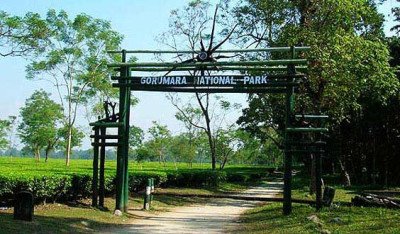
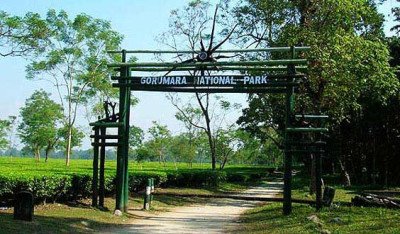
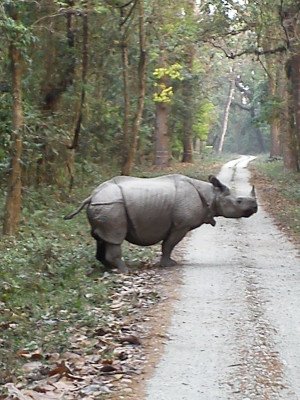
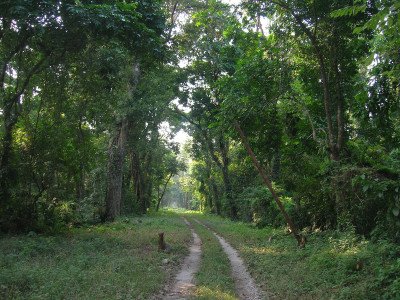
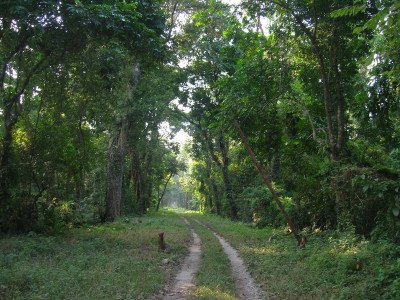
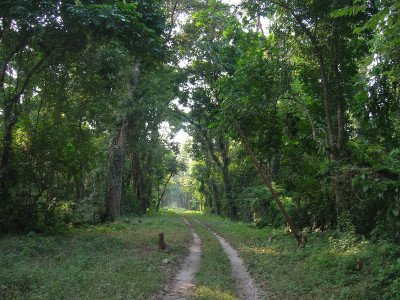
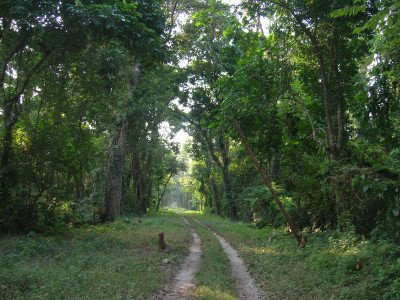
Gorumara National Park is situated in the central part of the Dooars region, lying on the banks of the Murti and Jaldhaka Rivers. Like Jaldapara, it is famous for its population of Indian one-horned rhinoceros, earning it the designation of a National Park in 1992. Covering an area of approximately 80 square KMs, it is smaller than Jaldapara but equally rich in biodiversity. The vegetation here is primarily moist deciduous forest and riverine grassland, characteristic of the sub-Himalayan floodplains. The park is a significant habitat for the large herbivores of the region, including the Indian Bison (Gaur), Asian Elephant, and various deer species like Sambar, Hog Deer, and Spotted Deer (Chital). Safari and watchtower visits are usually managed from the tourist hub of Lataguri, which is often referred to as the gateway to Gorumara. The various watchtowers such as Jatraprasad, Medla, and Chukchuki are the focal points of tourist activity, providing excellent viewing platforms. The Murti River separates Gorumara from the adjacent Chapramari Wildlife Sanctuary, forming a critical elephant corridor. Gorumara is renowned for offering a highly organized and visitor-friendly wildlife experience, centered around the evening lighting of salt licks, which often attracts the one-horned rhinos for close viewing. The forest density, proximity to tea gardens, and the confluence of rivers make this area ecologically vibrant and visually stunning.

Ans:- Carry binoculars for better animal viewing, a camera (with extra batteries), and a light jacket for winter mornings. Do not carry food or plastic into the forest. Always carry your original ID proof. Since most safaris involve some waiting at the watchtower, patience is key to spotting shy animals.

Ans:- Gorumara (Lataguri) is about 75 km from Siliguri. The drive takes approximately 2 to 2.5 hours via the Sevoke Road and through the beautiful Malbazar area. The journey itself is scenic as you pass through the Mahananda Wildlife Sanctuary and several lush green tea gardens of the Dooars region.

Ans:- Gorumara has several strategically located watchtowers for wildlife viewing: Jatraprasad (named after a legendary elephant), Rhino Observation Point, Chandrachur, Medla, and Chukchuki (best for birdwatching). Each watchtower offers a unique view of the forest glades, rivers, and salt licks where animals gather.

Ans:- Gorumara is world-famous for its population of the Indian One-horned Rhinoceros. It is one of the most popular wildlife destinations in India, also known for its diverse fauna including Asian Elephants, Indian Bison (Gaur), leopards, and various species of deer. It offers a true jungle experience in the foothills.

Ans:- Gorumara National Park is usually closed for safaris on Thursdays for weekly maintenance and to give the animals a break from human activity. It is important to plan your itinerary accordingly. Always check for local updates or forest department notices before you arrive in Lataguri.

Ans:- Jatraprasad is the most popular watchtower in Gorumara, named after a very famous and beloved forest elephant of the same name. It overlooks a large grassland and the Murti River. It is the best place to see rhinos and bison coming for water and salt, especially during the afternoon shift.

Ans:- Medla Watchtower is located on the Ramsai side of the park. Unique to this tower is the "Buffalo Cart Ride" that takes you from the entry gate to the tower. It offers a peaceful experience and is great for seeing rhinos in the Jaldhaka riverine grasslands without the noise of jeep engines.

Ans:- Safaris can be booked at the forest department office in Lataguri. There are four shifts per day: two in the morning and two in the afternoon. Tickets are issued on a first-come, first-served basis, and you must bring a valid photo ID. Online booking is also available for some slots through the WBFDC website.

Ans:- The best time is from November to February when the weather is very pleasant and the forest is dry, making it easier to spot animals. March and April are also good but can be a bit warm. The park is strictly closed during the monsoon season (June 16 to September 15) every year.

Ans:- The main entry point and the hub for all tourist activities is Lataguri. This is where most resorts are located and where the forest department has its ticket booking office for safaris. Another entry point is through the Ramsai side, which is quieter and offers a different perspective of the park.

Ans:- There are several forest-run accommodations like the Gorumara Eco Village (Kalipur), Dhupjhora Elephant Camp (Gachbari), and Rhino Forest Barrier. These eco-stays are located on the edge of the forest and offer an immersive experience including safaris and tribal dance performances. Private resorts are located in Lataguri.

Ans:- Yes, Elephant Safaris are a major attraction in Gorumara. They usually start from the Dhupjhora Elephant Camp. This safari allows you to go deeper into the forest where jeeps cannot reach, providing a closer look at the rhinos and other wildlife. However, tickets are limited and in high demand.

Ans:- Yes, Gorumara is a paradise for bird lovers. The Chukchuki Watchtower is specifically designated for birdwatching as it overlooks a waterbody. You can spot the Scarlet Minivet, Asian Paradise Flycatcher, Spangled Drongo, Indian Hornbill, and many migratory ducks during the winter months.

Ans:- Yes, many forest camps and private resorts in Lataguri organize traditional tribal dance performances (usually the Santhal or Mech tribes) in the evenings. These cultural programs offer a glimpse into the local heritage and are often accompanied by a bonfire, making for a memorable evening after a day of safaris.

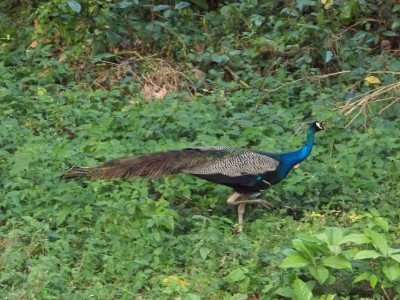
Ans:- You are almost certain to see Rhinoceros and Indian Bison (Gaur). You will also see many types of deer like Sambar, Chital (Spotted Deer), and Barking Deer. Elephants are common, and if you are lucky, you might spot a leopard. The park is also home to wild boars and various monkey species.

Note:-

Information provided here in good Faith and for reference only.

All information and pictures will be updated soon, please keep visiting.

Near Places
...
Bhutanghat

Some quick example text to build on the card title and make up the bulk of the card's content.

Go somewhere

...
Bindu

Some quick example text to build on the card title and make up the bulk of the card's content.

Go somewhere
...
Buxa Fort

Some quick example text to build on the card title and make up the bulk of the card's content.

Go somewhere
...
Buxa Tiger Reserve

Some quick example text to build on the card title and make up the bulk of the card's content.

Go somewhere
...
Chapramari Wildlife Sanctuary

Some quick example text to build on the card title and make up the bulk of the card's content.

Go somewhere
...
Chilapata Forest

Some quick example text to build on the card title and make up the bulk of the card's content.

Go somewhere
...
Gorumara National Park

Some quick example text to build on the card title and make up the bulk of the card's content.

Go somewhere
...
Jaldapara National Park

Some quick example text to build on the card title and make up the bulk of the card's content.

Go somewhere
...
Jayanti

Some quick example text to build on the card title and make up the bulk of the card's content.

Go somewhere
...
Jhalong

Some quick example text to build on the card title and make up the bulk of the card's content.

Go somewhere
in Other Cities