...

FAQs On Hadal-Narayanpur

Bishnupur, West Bengal, India
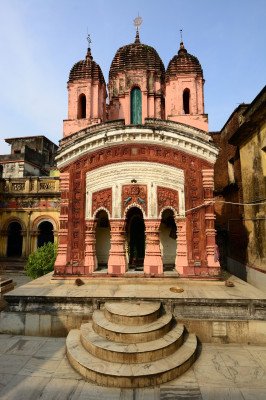
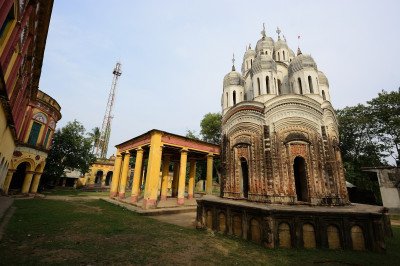
Details: Hadal-Narayanpur is a serene twin village located on the banks of the Bodai River, a tributary of the Damodar. Historically, it gained prominence in the 18th century under the Mandal family, who were local zamindars. The village is divided into three sections: Baro Taraf, Mejo Taraf, and Ch oto Taraf, each boasting its own collection of majestic terracotta temples. These structures represent the pinnacle of late medieval Bengal craftsmanship, featuring intricate plaques that tell tales from the Ramayana, Mahabharata, and the lives of the Malla kings. Unlike the crowded sites in Bishnupur, this village offers a peaceful, untouched atmosphere where history breathes through the cracks of ancient bricks. Tourists can witness the blend of local tradition and early European architectural influences in the ancestral mansions. The village also has a deep spiritual root, housing the ancient Bramhani Devi temple, whose idol is said to date back to the Pala dynasty. It is a place where time seems to have stood still, offering a raw and authentic look at Bengal’s rural heritage.

Ans:- Generally, photography of the temple exteriors and the Rasmancha is welcomed. However, since the mansions are private residences and the temples are active, it is always best to seek permission before photographing the interiors or during a religious ceremony. The locals are usually very friendly and happy to show you their heritage.

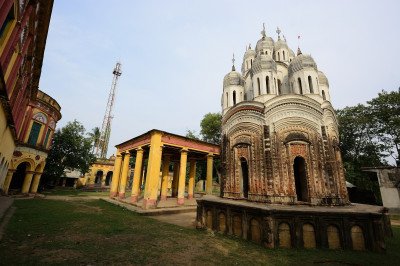
Ans:- Hadal-Narayanpur consists of two twin villages located about 50 km from Bishnupur. It is famous for its stunning terracotta temples and grand mansions belonging to the Mandal family. The village is particularly known for its unique seventeen-pinnacled (Saptadasa-ratna) Rasmancha and intricate terracotta panels depicting scenes from the Ramayana and local life.

Ans:- The Mandals were the local zamindars (landlords) who rose to prominence in the 18th century under the Malla kings. They built several magnificent temples and mansions divided into three sections: "Baro Taraf" (Big House), "Mejo Taraf" (Middle House), and "Choto Taraf" (Small House). Each section has its own set of architecturally significant temples and buildings.

Ans:- The most convenient way is to hire a private car for a day trip. You can also take a bus from Bishnupur to Sonamukhi or Patrasayer and then hire a local rickshaw or auto. The drive takes about 1.5 to 2 hours through the scenic rural landscape of Bankura, making it a perfect extension to a Bishnupur trip.

Ans:- The Rasmancha in the Baro Taraf is a spectacular 40-foot-tall octagonal structure with 17 pinnacles (ratnas). Built in 1854, it is highly decorated with terracotta figures of gods, goddesses, and dancers. It is much more slender and vertical compared to the famous Rasmancha in Bishnupur, representing a different style of late-medieval Bengali architecture.

Ans:- The village lanes are narrow and mostly unpaved, which might be a bit challenging for those with significant mobility issues. However, since most temples are located close to each other and the main road, elderly travelers can still see the major highlights like the Rasmancha without too much walking. Hiring a local auto can also help.

Ans:- The winter months from November to February are ideal, as the weather is cool for walking through the village lanes. Visiting during the "Ras Purnima" festival in November is especially rewarding, as you can see the Rasmancha in use and witness the local religious festivities that have been practiced for generations.

Ans:- There are no major hotels or resorts in Hadal-Narayanpur itself. Most visitors stay in Bishnupur or Bankura and visit the villages as part of a day trip. However, for those looking for an immersive experience, there might be basic homestay options or guest houses in nearby towns like Sonamukhi or Patrasayer.

Ans:- There are small tea stalls and shops selling basic snacks in the village. For a full meal, it is better to head to the nearby town of Sonamukhi. Many tourists choose to carry a packed lunch from Bishnupur to enjoy a picnic near the Bodai River, which flows past the village, adding to the charm of the trip.

Ans:- While some temples are well-preserved and maintained by the local families, others have suffered from neglect and the elements. You will see a mix of perfectly intact terracotta panels and some that have unfortunately crumbled. Nevertheless, the sheer quantity and quality of the remaining work make it a must-visit for any art lover.

Ans:- Yes, in the Baro Taraf complex, there is a beautiful nine-pinnacled chariot (Rath) made of bell metal. Constructed in 1854, it is intricately designed with small figures of the ten avatars of Vishnu (Dashavatar) and other mythological scenes. It is a rare example of metal craftsmanship from that era and is still brought out during festivals.

Ans:- Yes, many of the temples are still active places of worship for the local villagers and the descendants of the Mandal family. The "Thakur Dalan" (courtyard for worship) in the mansions is used for grand celebrations during Durga Puja and Ras Purnima, keeping the centuries-old religious traditions alive in these quiet villages.

Ans:- Yes, the Dalan temple dedicated to Brahmani Devi houses an ancient idol made of "Kostipathar" (touchstone). This idol is believed to date back to the Pala dynasty (around the 8th-12th century), making it much older than the terracotta temples themselves. It is highly revered and has a fascinating legend regarding its discovery in the Damodar River.

Ans:- Yes, the terracotta panels in Hadal-Narayanpur are unique because they include many scenes from everyday social life during the 19th century. You can find carvings of European soldiers, people in traditional attire, and even depictions of contemporary transport and animals, alongside the traditional scenes from the Ramayana and Mahabharata.

Ans:- You should plan for about 2 to 3 hours to explore the three "Tarafs" and the various temples. Walking between the sites allows you to soak in the rural atmosphere of Bengal. When you factor in the 4-hour round-trip travel time from Bishnupur, it makes for a very fulfilling 6 to 7-hour excursion.

Note:-

Information provided here in good Faith and for reference only.

All information and pictures will be updated soon, please keep visiting.

Near Places
...
Acharya Jogesh Chandra Museum

Some quick example text to build on the card title and make up the bulk of the card's content.

Go somewhere

...
Big Stone Gateway

Some quick example text to build on the card title and make up the bulk of the card's content.

Go somewhere
...
Bishnupur Mela Ground

Some quick example text to build on the card title and make up the bulk of the card's content.

Go somewhere
...
Bishnupur Rajbari

Some quick example text to build on the card title and make up the bulk of the card's content.

Go somewhere
...
Chhinnamasta Temple

Some quick example text to build on the card title and make up the bulk of the card's content.

Go somewhere
...
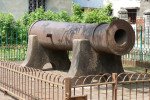
Dalmadal Cannon

Some quick example text to build on the card title and make up the bulk of the card's content.

Go somewhere
...
Garh Darwaja

Some quick example text to build on the card title and make up the bulk of the card's content.

Go somewhere
...
Gokul Chand Temple

Some quick example text to build on the card title and make up the bulk of the card's content.

Go somewhere

...
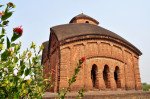
Hadal-Narayanpur

Some quick example text to build on the card title and make up the bulk of the card's content.

Go somewhere
...
Jhilimili & Sutan Forest

Some quick example text to build on the card title and make up the bulk of the card's content.

Go somewhere
in Other Cities