...

FAQs On Happy Valley Tea Estate

Darjeeling, West Bengal, India
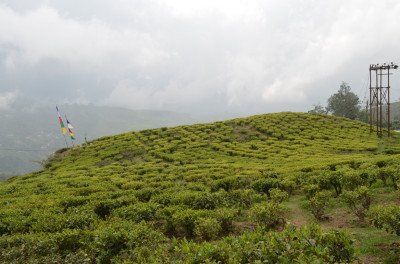
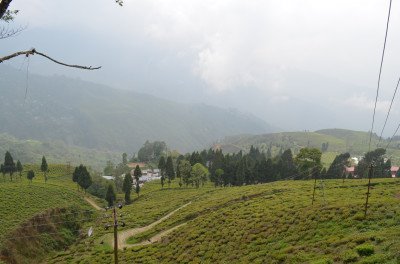
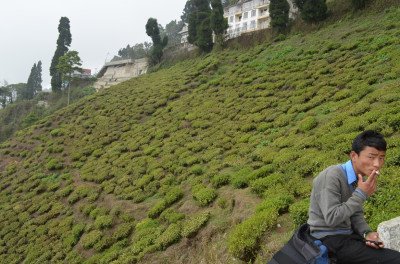
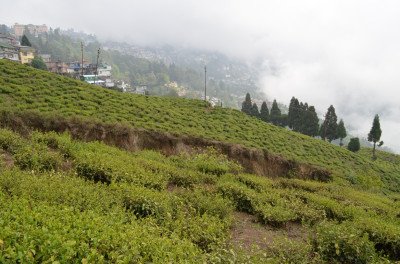
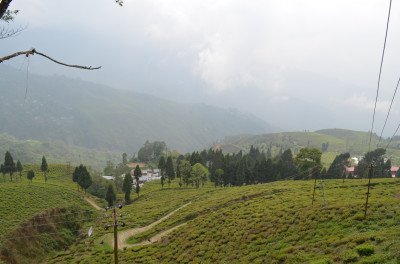
Overview and Heritage: Established in 1854, the Happy Valley Tea Estate is the second oldest tea garden in Darjeeling and arguably the most famous. Spanning across 437 acres at an altitude of 6,800 feet, it offers a quintessential tea-country experience. The estate was originally known as the Wilson Tea Estate, named after its English founder, before being renamed in 1929. Walking through the narrow pathways lined with emerald-green tea bushes, visitors can breathe in the fresh, aromatic mountain air. The garden is home to some of the oldest tea bushes in the world, some aged over 150 years. Unlike many other estates located far from the town, Happy Valley is easily accessible, making it a favorite for tourists. The estate produces high-quality organic tea, often referred to as the "Champagne of Teas" due to its unique muscatel flavor. A visit here is incomplete without a guided tour of the factory, where the traditional methods of withering, rolling, fermenting, and drying are still followed. The factory also functions as a working museum, showcasing colonial-era machinery alongside modern processing units. During the plucking season, the sight of local women in colorful traditional attire skillfully picking "two leaves and a bud" is a highlight for photographers. The estate provides a panoramic view of the rolling hills and the distant mountains, often shrouded in a romantic mist. It has survived the ups and downs of the global tea trade, remaining a symbol of Darjeeling's colonial legacy and agricultural excellence. For tea enthusiasts, the tasting session at the end of the tour is a sensory journey through the different flushes of Darjeeling tea. The estate's commitment to organic farming ensures that every cup of tea produced here is free from chemicals, preserving the purity of the Himalayan soil. It is more than just a plantation; it is a living heritage site that sustains over 1,500 local families.

Ans:- Answer: Happy Valley Tea Estate itself does not have a hotel or guest house. However, because it is so close to Darjeeling town, you can stay at any of the numerous hotels in the town and visit the estate easily. Some hotels near the estate offer rooms with views of the gardens.

Ans:- Answer: It is located on the outskirts of Darjeeling town, about 3 kilometers from the town center. It is one of the most accessible tea gardens for tourists staying in the main town. You can easily reach it by a short taxi ride or even a 30-minute walk from the Chowrasta.

Ans:- Answer: Photography is generally allowed in the tea gardens and the visitor areas. However, inside the factory, there might be restrictions on using flash or taking videos in certain sections to avoid disturbing the workers. It is always polite to ask your guide before clicking photos inside the processing units.

Ans:- Answer: The best time to see active tea plucking is from March to November. The most busy periods are the "First Flush" in March-April and the "Second Flush" in May-June. During these months, you can see groups of women skillfully plucking the "two leaves and a bud" into their baskets.

Ans:- Answer: The main visitor center and factory are accessible. However, walking through the tea gardens involves steep and narrow paths which may be difficult for the elderly or those with knee problems. The view from the factory balcony still provides a great perspective of the gardens for everyone.

Ans:- Answer: The tea estate and its factory are generally open to tourists from 8:00 AM to 4:00 PM, Tuesday to Saturday. It is often closed to visitors on Sundays and Mondays, though the gardens can still be viewed from the outside. Always check the local schedule as it can change during holidays.

Ans:- Answer: Visitors are allowed to walk along designated paths within the tea estate. It is a wonderful experience to stand amidst the vast green bushes with the Himalayan peaks in the background. However, you are strictly prohibited from plucking the leaves or damaging the plants during your walk.

Ans:- Answer: Visitors are expected to follow the instructions of the guides, stay on the paths, and not litter the estate. Since it is a working plantation and factory, safety is important. Smoking is strictly prohibited within the estate and factory premises to ensure the quality and safety of the tea.

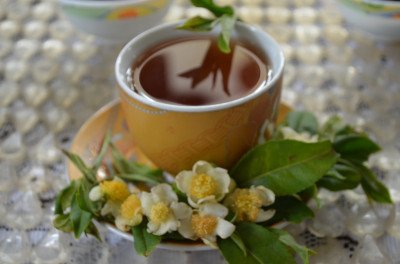
Ans:- Answer: Yes, at the end of the factory tour, visitors are usually invited to a tea tasting session. You can taste different varieties like Green Tea, White Tea, and the classic Black Tea. The experts explain the flavor profiles and the best way to brew Darjeeling tea for maximum aroma.

Ans:- Answer: Yes, Happy Valley is one of the best places to see the internal workings of a tea factory. The guided tour takes you through the withering, rolling, fermenting, and sorting rooms. You can see the antique machinery, some of which dates back to the British era, still in use today.

Ans:- Answer: Yes, there is an official tea boutique within the estate premises. Here, you can buy various grades of fresh tea produced on-site. The tea is packaged beautifully and makes for an authentic souvenir. Many tourists prefer buying here to ensure they are getting 100% pure Happy Valley tea.

Ans:- Answer: Yes, there is typically a small entry fee of around ₹100 per person, which usually includes a guided tour of the tea factory. This fee is used for the upkeep of the visitor center and to pay the guides who explain the tea-making process to the tourists.

Ans:- Answer: You can take a taxi from the Chowrasta or the taxi stand, which takes about 10-15 minutes. For those who enjoy walking, it is a downhill walk via the Lebong Cart Road. The walk offers beautiful views of the valley and is a great way to experience the local surroundings.
Information about New and Updated Locations(575+) of West Bengal Has Been Added :-
Card subtitle

Note:-

Information provided here in good Faith and for reference only.

All information and pictures will be updated soon, please keep visiting.

Near Places
...
Aloobari Monastery

Some quick example text to build on the card title and make up the bulk of the card's content.

Go somewhere
...
Badamtam Tea Estate

Some quick example text to build on the card title and make up the bulk of the card's content.

Go somewhere
...
Batasia Loop

Some quick example text to build on the card title and make up the bulk of the card's content.

Go somewhere

...
Bengal Natural History Museum

Some quick example text to build on the card title and make up the bulk of the card's content.

Go somewhere
...
Bhutia Busty Monastery

Some quick example text to build on the card title and make up the bulk of the card's content.

Go somewhere

...
Bijanbari

Some quick example text to build on the card title and make up the bulk of the card's content.

Go somewhere
...
Chauk Bazaar

Some quick example text to build on the card title and make up the bulk of the card's content.

Go somewhere
...
Chota Mangwa

Some quick example text to build on the card title and make up the bulk of the card's content.

Go somewhere
...
Chowrasta & The Mall

Some quick example text to build on the card title and make up the bulk of the card's content.

Go somewhere
...
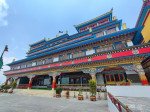
Dali Monastery

Some quick example text to build on the card title and make up the bulk of the card's content.

Go somewhere
in Other Cities