...

FAQs On Jhilimili & Sutan Forest

Bishnupur, West Bengal, India
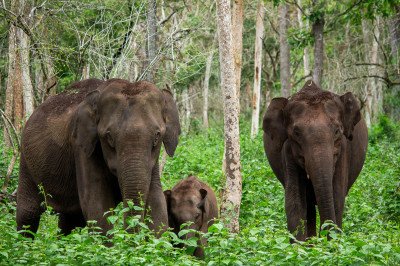
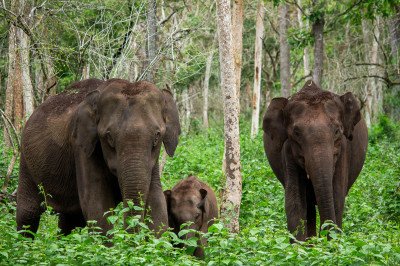
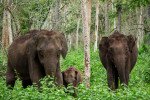
Details: Jhilimili and the adjacent Sutan Forest represent the wild, untamed beauty of the Western Ghats of Bengal. Often referred to as the "Darjeeling of South Bengal" due to its undulating hilly terrain and dense canopy, it is a haven for nature enthusiasts. The word Jhilimili translates to 'spar kle,' referring to the micaceous soil that glitters under the sun. The Kangsabati River meanders through the dense woods, which are primarily composed of Sal, Segun, Mahua, and Shimul trees. The Sutan Forest is a part of the Dalma elephant corridor, meaning wild tuskers are frequent visitors here, especially during the harvest season. The area is dotted with small tribal hamlets of the Santal and Munda communities, offering a glimpse into their harmonious life with nature. A watchtower in the forest provides panoramic views of the vast green carpet stretching toward the horizon. Sutan Lake, located deep within the range, is a tranquil spot where migratory birds flock during winter. It is a perfect destination for those seeking solitude away from the metallic roar of urban life.

Ans:- Essential items include comfortable walking shoes, a sun hat, insect repellent, and a basic first-aid kit. If you are visiting for the day, carry sufficient water and snacks, as shops are few and far between once you enter the forest. A good pair of binoculars and a camera are a must for capturing the birds and landscapes.

Ans:- Jhilimili is a scenic destination famous for its dense forests, undulating hills, and the Kangsabati River. Known as the "Darjeeling of South Bengal," it offers breathtaking viewpoints and a tranquil environment. It is a haven for nature lovers, birdwatchers, and those looking to experience the beauty of the tribal heartland of West Bengal.

Ans:- Jhilimili is located about 70 kilometers from Bishnupur and about 45 kilometers from Mukutmanipur. The journey by road is very beautiful, passing through deep forests and tribal villages. It usually takes about 2 to 2.5 hours to reach Jhilimili from Bishnupur, making it a popular choice for a weekend getaway or a long day trip.

Ans:- Sutan Forest is a part of the Jhilimili range and is famous for its "Baro Mile-er Jungle" (12-mile forest). It is a virgin forest rich in biodiversity, featuring ancient Sal, Mahua, and Shimul trees. The forest is also a natural corridor for elephants moving from the Dalma range in Jharkhand, making it a significant ecological zone.

Ans:- Sutan Lake is a beautiful, serene water body located deep within the forest, about 7 km from the Jhilimili range office. It is surrounded by hills and dense greenery, offering a peaceful spot for reflection and photography. The lake attracts many birds, and the area around it is ideal for a quiet forest walk or a picnic.

Ans:- The best time is from October to March when the weather is pleasant for outdoor activities. Monsoons are also a great time if you want to see the forest in its most vibrant green state, though forest trails can be muddy. Spring (February-March) brings the blooming of Palash and Mahua, filling the air with a unique fragrance.

Ans:- The local tribal festivals like "Bandna" (Saharai) and "Karam" are celebrated with great enthusiasm. During these times, the villages come alive with traditional songs, dances like Jhumur, and the beats of the Madal (drum). Visiting during these festivals provides a rare chance to see the authentic folk traditions of the region in their natural setting.

Ans:- The most popular place to stay is the Rimil Eco Tourism Center, which is a government guest house run on a private lease. It offers comfortable rooms with a tribal village flavor. There are also a few other forest lodges and guest houses. Staying overnight allows you to experience the sounds of the forest and the clear starlit skies.

Ans:- The road from Ranibandh to Jhilimili is a highlight in itself. It winds through deep forests and small hills, feeling much like a mountain road. While generally in good condition, it can be narrow in some places. Bike riders and road-trip enthusiasts particularly enjoy this stretch for its scenic beauty and the thrill of driving through a "tunnel" of trees.

Ans:- There is no direct train to Jhilimili. The nearest major railway station is Bankura. From Bankura station, you can take a bus or hire a private cab to Jhilimili. Some people also travel to Mukutmanipur by bus and then hire a local vehicle for a day trip to Jhilimili, as the two locations are relatively close to each other.

Ans:- Yes, if you are lucky, you can spot various species of birds, butterflies, and seasonal migratory birds. Peacocks are quite common in this area. During certain times of the year, wild elephants can be seen as they migrate through the forest. It is important to stay on designated paths and follow the advice of forest guards for safety.

Ans:- Yes, Jhilimili is safe for tourists. The local people are hospitable, and the area is well-patrolled by forest and police officials. However, since it is a forested area, it is wise to return to your accommodation before dark and avoid entering deep into the forest alone, especially in areas known for elephant movement.

Ans:- Yes, the area is home to several tribal communities, including Santhals and Mundas. You can take guided walks to nearby villages to see their traditional mud houses with beautiful wall paintings and learn about their culture and lifestyle. This adds a rich cultural dimension to the natural beauty of the forest visit.

Ans:- Yes, there are watchtowers strategically located within the Jhilimili and Sutan forest areas. These towers provide a commanding panoramic view of the vast green canopy and the winding Kangsabati River. They are excellent spots for birdwatching and for taking in the sheer scale of the forest landscape, especially during sunrise or sunset.

Note:-

Information provided here in good Faith and for reference only.

All information and pictures will be updated soon, please keep visiting.

Near Places
...
Acharya Jogesh Chandra Museum

Some quick example text to build on the card title and make up the bulk of the card's content.

Go somewhere

...
Big Stone Gateway

Some quick example text to build on the card title and make up the bulk of the card's content.

Go somewhere

...
Bishnupur Mela Ground

Some quick example text to build on the card title and make up the bulk of the card's content.

Go somewhere

...
Bishnupur Rajbari

Some quick example text to build on the card title and make up the bulk of the card's content.

Go somewhere
...
Chhinnamasta Temple

Some quick example text to build on the card title and make up the bulk of the card's content.

Go somewhere

...
Dalmadal Cannon

Some quick example text to build on the card title and make up the bulk of the card's content.

Go somewhere
...
Garh Darwaja

Some quick example text to build on the card title and make up the bulk of the card's content.

Go somewhere
...
Gokul Chand Temple

Some quick example text to build on the card title and make up the bulk of the card's content.

Go somewhere
...
Hadal-Narayanpur

Some quick example text to build on the card title and make up the bulk of the card's content.

Go somewhere
...
Jhilimili & Sutan Forest

Some quick example text to build on the card title and make up the bulk of the card's content.

Go somewhere
in Other Cities