...

FAQs On Kashipur Raj Palace

Purulia, West Bengal, India
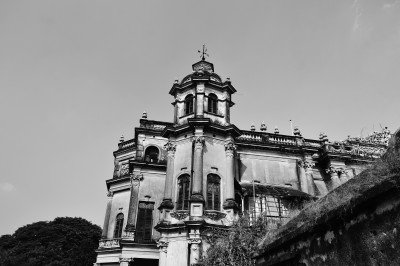
Introduction: The Kashipur Raj Palace, also known as the Panchakot Rajbari, is a magnificent historical landmark that represents the royal grandeur of the Panchakot kings who ruled this region for centuries. The current structure was built in 1916 by Maharaja Jyoti Prasad Singh Deo, the 67th ruler o f the dynasty, after the capital was shifted to Kashipur. The palace is a sprawling complex that reflects a blend of colonial and indigenous styles, symbolizing the transition of the kingdom into the modern era. Historically, the Panchakot family is one of the oldest in Bengal, with roots dating back to the 1st century AD. The palace was not just a residence but a center for culture and learning; it famously hosted the legendary Bengal poet Michael Madhusudan Dutt, who served as a legal advisor and manager for the estate for a short period. The architecture of the palace is characterized by its massive iron gates, large courtyards, and ornate balconies. Inside, the rooms were once filled with Belgian glass, massive chandeliers, and intricate woodwork, much of which still hints at the former opulence despite the passage of time. The palace comes alive during the annual Durga Puja, a tradition that has been maintained by the royal family for generations. During this time, the "Rajbari" is open to the public, and the "Raj-Rajeshwari" form of the Goddess is worshipped with great pomp. The complex also houses several ancient temples, including a beautiful temple dedicated to Goddess Durga near the entrance. Surrounding the palace are the remnants of the royal gardens and stables, which now stand in a state of nostalgic decay, covered in moss and wild creepers. Exploring the corridors of this palace is like walking through a time capsule of Purulia's history. The silence of the palace grounds is heavy with stories of battles, royal decrees, and cultural patronage. It remains the heart of Kashipur, standing as a silent sentinel of a bygone era of kings and courtiers.

Ans:- Answer: Besides the main palace, visitors can explore the many historic temples in Kashipur, such as the Radha-Govinda temple. Just a few kilometers away is the Rakab Forest, which was once the hunting ground for the royalty. The nearby town of Adra is famous for its railway heritage, and Joychandi Pahar is also within a 20-30 minute drive. Combining a visit to the palace with these nearby spots makes for a comprehensive heritage and nature tour of the northern part of Purulia district.

Ans:- Answer: Kashipur is located about 25-30 kilometers from Purulia town and is well-connected by road. You can take a local bus from the Purulia bus stand, which runs frequently throughout the day. Alternatively, hiring a private taxi or an auto-rickshaw is a more comfortable option and takes about 45 minutes to an hour. The road passes through a typical Chota Nagpur plateau landscape with undulating fields and small forests. If you are coming by train, the nearest major station is Adra Junction, from where Kashipur is easily accessible by road.

Ans:- Answer: Photography is generally permitted in the outdoor areas and the courtyards of the Kashipur Raj Palace. However, there might be restrictions on taking photos inside the private residential quarters or specific temple sanctums. It is always polite to ask for permission from the staff or the caretakers present on-site. During festivals like Durga Puja, photography is usually allowed and encouraged, but you should be mindful of the crowds and the sanctity of the rituals. Using drones usually requires prior permission from the local administration and the palace authorities.

Ans:- Answer: The best time of day to visit the Kashipur Raj Palace is in the morning around 10:30 AM or in the mid-afternoon around 3 PM. The morning light beautifully highlights the architectural details of the facade, while the late afternoon sun creates a warm, nostalgic glow over the old courtyards. Visiting during these hours also ensures you have enough time to see the nearby temples and the local market before it gets dark. During the summer, it is best to avoid the noon heat as the open courtyards can get quite hot.

Ans:- Answer: The Durga Puja at Kashipur Rajbari is one of the most famous and traditional celebrations in the Purulia district. It follows centuries-old customs passed down through the Panchakot royal family. The idol is crafted in a unique style, and the rituals are performed with great pomp and devotion. One of the highlights is the "Sandhi Puja," where traditional weapons of the royalty are still displayed and worshipped. Thousands of people from nearby villages and cities visit the palace during these four days to witness the royal tradition and partake in the festivities.

Ans:- Answer: The Kashipur Raj Palace is a magnificent example of Indo-Saracenic and colonial architecture. It features large courtyards, high ceilings, arched gateways, and ornate pillars. The influence of British colonial design is evident in the sprawling balconies and the layout of the residential wings. The palace complex also includes several temples with traditional Bengal "chala" and "ratna" styles. The use of local stone along with imported materials creates a unique aesthetic that represents the transition of the Panchakot royalty from a forest-based fort to a modern, urban-style palace.

Ans:- Answer: The Kashipur Raj Palace, also known as the Panchakot Rajbari, was built by the Kings of the Panchakot Raj dynasty. After their previous capital at Garh Panchkot was destroyed by the Maratha Bargis in the 18th century, the royal family shifted their base to Kashipur. The present structure of the palace, which reflects a blend of colonial and traditional Indian architecture, was largely renovated and expanded during the reign of Maharaja Jyoti Prasad Singh Deo in the early 20th century. He was a visionary ruler who contributed significantly to the development of the region.

Ans:- Answer: The Panchakot Raj was one of the oldest and most powerful princely states in the Manbhum region (now Purulia). Their lineage claims descent from the legendary Vikramaditya. They ruled over a vast territory for centuries, maintaining a high degree of autonomy even during the Mughal and British periods. Their history is a saga of resilience—from building forest forts to surviving Maratha invasions and eventually adapting to the colonial era. The family was known for its patronage of arts, literature, and temple building, leaving a lasting cultural imprint on the entire Purulia district.

Ans:- Answer: There are no official "certified" guides stationed at the palace like at major national monuments. However, the local caretakers or residents of Kashipur are often very knowledgeable about the history of the Panchakot Raj and the stories associated with the palace. They are usually happy to share these tales with curious visitors. For a more structured experience, it is better to read up on the history of the Singh Deo dynasty before your visit or travel with a tour operator who specializes in Purulia’s heritage circuits.

Ans:- Answer: While parts of the Kashipur Raj Palace are well-maintained and still serve as a residence for the royal family, some sections of the vast complex have fallen into disrepair over the decades. The main facade and the central courtyards still retain their majestic look, but you may see some weathered walls and overgrown vegetation in the older, unused wings. Efforts are being made by the family and local heritage groups to preserve the structure, as it is a vital piece of Purulia’s history. Despite the wear and tear, the palace remains an atmospheric and grand site to visit.

Ans:- Answer: Yes, due to its grand and slightly melancholic royal appearance, the Kashipur Raj Palace has occasionally been used as a location for Bengali film and television shoots. The historic courtyards, the long corridors, and the antique charm of the palace provide a perfect setting for period dramas or stories involving old Bengali zamindars. While not as frequently used as Joychandi Pahar, it remains a sought-after location for directors looking for an authentic royal backdrop in the western part of West Bengal.

Ans:- Answer: Yes, the Kashipur Raj Palace is open to tourists, although some parts of the palace may still be private or restricted as the descendants of the royal family still reside there or use it for ceremonial purposes. Visitors are generally allowed to see the main courtyards, the durbar hall (on special occasions), and the historic temples within the complex. It is advisable to visit during daytime hours, typically between 10 AM and 5 PM. During the Durga Puja festival, the palace is especially welcoming as it hosts traditional rituals that are open to all.

Ans:- Answer: Yes, the legendary Bengali poet Michael Madhusudan Dutt had a significant connection with Kashipur. He served as a legal advisor and a high-ranking official (Diwan) for the Maharaja of Panchakot for a brief period in the late 19th century. He lived in Kashipur and is said to have composed some of his works during his stay here. Today, there is a college named after him—Michael Madhusudan Memorial College—and local heritage enthusiasts often point out the places associated with his time in this royal town, adding a literary layer to the history of the palace.

Note:-

Information provided here in good Faith and for reference only.

All information and pictures will be updated soon, please keep visiting.

Near Places

...
Ajodhya Hill View Point

Some quick example text to build on the card title and make up the bulk of the card's content.

Go somewhere
...
Ajodhya Hills Dams & Bamni Falls

Some quick example text to build on the card title and make up the bulk of the card's content.

Go somewhere
...
Ajodhya Pahar Hairpin View Point

Some quick example text to build on the card title and make up the bulk of the card's content.

Go somewhere
...
Ayodhya Hills

Some quick example text to build on the card title and make up the bulk of the card's content.

Go somewhere
...
Bamni Falls

Some quick example text to build on the card title and make up the bulk of the card's content.

Go somewhere
...
Banda Deul

Some quick example text to build on the card title and make up the bulk of the card's content.

Go somewhere
...
Baranti Reservoir

Some quick example text to build on the card title and make up the bulk of the card's content.

Go somewhere
...
Begunkodar

Some quick example text to build on the card title and make up the bulk of the card's content.

Go somewhere
...
Charidah

Some quick example text to build on the card title and make up the bulk of the card's content.

Go somewhere
...
Deulghata Temple Ruins

Some quick example text to build on the card title and make up the bulk of the card's content.

Go somewhere
in Other Cities