...

FAQs On Nature Interpretation Centre

Lava, West Bengal, India
The Nature Interpretation Centre in Lava is a highly valuable, educational, and informative establishment designed to promote environmental awareness and nature conservation, with a specific focus on the incredible biodiversity of the nearby Neora Valley National Park and the surrounding Kalimpong r egion. It functions as a small natural history museum or eco-center, providing visitors with in-depth knowledge about the unique ecosystems, the vast array of flora, and the diverse fauna found in the Eastern Himalayas. The center is thoughtfully equipped with a rich collection of exhibits, informative displays, posters, models, and diagrams, which vividly showcase the natural heritage of the area. One of the primary attractions is the detailed information available on endangered species like the Red Panda, the Himalayan Black Bear, and numerous varieties of bird species, including pheasants, eagles, and migratory birds that thrive in this region. The exhibits also delve into the rich vegetation, specifically highlighting the presence of various species of Rhododendrons, Orchids, and the dense Bamboo forests. Beyond the biology, the center highlights the crucial ecosystem conservation efforts, including habitat restoration projects, and the vital role that local communities play in sustainable development and environmental protection. It offers insight into the cultural and environmental awareness of the region, emphasizing how local populations live in harmony with nature. For a more engaging experience, the center features interactive exhibits, such as touchscreens, models, and audiovisual presentations, making the learning process enjoyable for visitors of all ages. It truly serves as an excellent starting point for any traveler planning to explore the wilderness of Lava and the Neora Valley. The duration of a visit, typically 2 to 4 hours, allows ample time to absorb the wealth of information presented.

Ans:- The Nature Interpretation Centre in Lava serves as an educational hub designed to inform visitors about the rich biodiversity, flora, and fauna of the surrounding Neora Valley National Park. Its primary purpose is to raise awareness about the fragile Himalayan ecosystem and the importance of conservation. The center houses various displays, dioramas, and informative panels that detail the local wildlife, including rare species like the red panda and diverse bird populations. It acts as a gateway for tourists to understand and appreciate the natural heritage of the region before venturing into the forests.

Ans:- Inside the center, you will find well-curated exhibits featuring stuffed specimens of local birds and animals, detailed models of the ecosystem, and informative wall displays about the region's geography and climate. There are also sections dedicated to the different types of vegetation, medicinal plants, and the environmental challenges faced by the Himalayan forests. These exhibits are designed to be informative for both children and adults, providing a comprehensive overview of the natural world in and around Lava. It is an excellent place to start your nature exploration and gain scientific insights into the region.

Ans:- Yes, there is a nominal entry fee required to visit the Nature Interpretation Centre, which goes towards the maintenance and upkeep of the facility and its educational programs. The ticket prices are very affordable for both domestic and international tourists. It is recommended to carry some small change, as this is a government-run facility. Be sure to check the operating hours before arriving, as the center may have specific opening and closing times, often closing for a lunch break or during certain public holidays depending on local regulations.

Ans:- The Nature Interpretation Centre is generally open throughout the week, but it is common for such government-run facilities to remain closed on one specific day for maintenance, which is often a Thursday or a local holiday. It is highly advisable to ask your hotel staff or a local guide in Lava about the current status before you plan your visit. Additionally, the operating hours might vary slightly between seasons. Generally, it is open during the main tourist hours of the day, typically from late morning until late afternoon.

Ans:- For a trekker, the Nature Interpretation Centre provides invaluable information about the local terrain, the trails within the Neora Valley, and the wildlife they might encounter. The displays can help you identify species, understand the climate, and learn about the safety precautions necessary for trekking in the mountains. The staff can sometimes provide guidance or contact information for forest guides who are knowledgeable about the area. Understanding the park's rules and the local biodiversity beforehand makes your trekking experience more informed, safer, and ultimately more respectful of the natural environment you are visiting.

Ans:- Yes, the Nature Interpretation Centre is an excellent place for children. The dioramas, animal models, and interactive displays are engaging and educational, helping them learn about nature in a fun and visual way. It is a perfect spot to spark their interest in wildlife, conservation, and geography. Since the exhibits are not overly complex, children can easily understand the basics of the mountain ecosystem. It is a great alternative to purely recreational activities, offering a mix of learning and exploration that fits perfectly into a family trip to Lava.

Ans:- The Nature Interpretation Centre is conveniently located near the main road in Lava, making it easily accessible for tourists staying in or passing through the town. It is situated close to the forest department offices, which makes it easy to spot. Whether you are walking from your hotel in the market area or arriving by taxi, the center is a well-known landmark. You can ask any local resident or your taxi driver, and they will be able to point you toward it without any difficulty.

Ans:- While there may not be dedicated, formal tour guides inside the center, the staff working there are often very knowledgeable and can provide basic information about the exhibits if you approach them politely. If you are looking for an extensive guided tour of the surrounding national park, they might be able to recommend registered forest guides or contact persons. For the purpose of understanding the exhibits, reading the informative plaques provided next to each display is usually sufficient for most visitors to get a good grasp of the content.

Ans:- Absolutely. The Nature Interpretation Centre is the best place to learn about the Neora Valley National Park. Through its detailed maps, exhibits on local biodiversity, and information panels, it provides a deep dive into the park’s unique flora and fauna. It covers the geography of the valley, the different zones within the park, and the conservation efforts being made to protect this biodiversity hotspot. If you plan to visit the park or are just curious about the wilderness that surrounds Lava, this center offers the most comprehensive information available in town.

Ans:- The Nature Interpretation Centre typically opens in the morning, around 10:00 AM, and closes in the late afternoon, around 4:00 PM or 5:00 PM. These timings can sometimes fluctuate based on the season, local administrative decisions, or daylight hours. It is always best to plan your visit around midday to ensure it is open and to allow enough time to explore all the exhibits thoroughly. Check with your hotel reception or host in the morning of your visit to get the most accurate and up-to-date information regarding their current operational hours.

Ans:- Photography is generally permitted inside the Nature Interpretation Centre, but it is always polite to check with the staff at the entrance before taking pictures. Some of the exhibits, such as delicate specimens or historic photographs, may have specific rules against flash photography to prevent damage. Be respectful of other visitors while taking photos and try not to block the viewing areas for others. Using your photos as a way to share your learning experience about the local environment is a great way to spread awareness about conservation.

Ans:- Yes, the Nature Interpretation Centre is absolutely worth visiting, especially if you have an interest in nature, wildlife, or the geography of the Himalayas. It provides a deeper context to the natural beauty you experience while staying in Lava. Many tourists skip it, but those who visit often find it to be a highlight, as it offers a quiet, educational break from the typical sightseeing. It is an affordable and accessible way to gain a better understanding of the region's rich natural heritage, making your trip to the mountains more meaningful and informed.

Ans:- The Nature Interpretation Centre might occasionally have brochures or informational pamphlets about the Neora Valley National Park and local wildlife. However, it is not a dedicated bookstore. If you are looking for detailed guidebooks, maps, or literature about the region, you might be better served by checking local shops in the Lava market or specialized tourist information centers in Kalimpong or Siliguri. The focus here is primarily on the visual and scientific interpretation of the local environment through their exhibits rather than the sale of commercial travel books or extensive literature.

Ans:- Yes, the Nature Interpretation Centre typically has basic restroom facilities for visitors. While these are functional, do not expect luxury amenities as it is a government-managed facility in a remote mountainous location. It is always a good idea to carry your own hand sanitizer and tissues. The availability of clean, functional restrooms is an important factor when traveling, and the center manages to provide basic hygiene. Always keep the place clean and use the facilities responsibly to ensure that the staff can maintain them properly for all future visitors.

Ans:- Yes, the centre has information regarding the diverse flora of the region, including sections that highlight common medicinal plants found in the Himalayan foothills. You can learn about their traditional uses and the ecological importance of preserving these species. This is particularly interesting for those curious about local ethno-botanical knowledge. The exhibits explain how these plants contribute to the local ecosystem and their significance in traditional healthcare. It provides a fascinating glimpse into the rich botanical heritage of the area and emphasizes the importance of respecting and protecting these natural resources in their native habitat.

Lava Itineray And Cost:-

Information about New and Updated Locations() of West Bengal Has Been Added :-
Card subtitle

Note:-

Information provided here in good Faith and for reference only.

All information and pictures will be updated soon, please keep visiting.

Near Places
...
Changey Waterfall

Some quick example text to build on the card title and make up the bulk of the card's content.

Go somewhere

...
Ghanti Dara View Point

Some quick example text to build on the card title and make up the bulk of the card's content.

Go somewhere
...
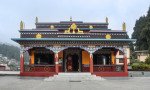
Kagyu Thekchen Ling Monastery

Some quick example text to build on the card title and make up the bulk of the card's content.

Go somewhere
...
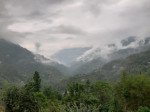
Kolakham Village

Some quick example text to build on the card title and make up the bulk of the card's content.

Go somewhere
...
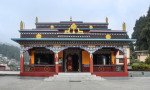
Lava Monastery

Some quick example text to build on the card title and make up the bulk of the card's content.

Go somewhere
...
Nature Interpretation Centre

Some quick example text to build on the card title and make up the bulk of the card's content.

Go somewhere

...
Neora Valley National Park Entry Gate

Some quick example text to build on the card title and make up the bulk of the card's content.

Go somewhere
...
Rishyap

Some quick example text to build on the card title and make up the bulk of the card's content.

Go somewhere
...
Tiffin Dara Viewpoint

Some quick example text to build on the card title and make up the bulk of the card's content.

Go somewhere
...
Trek to Neora Valley Core Zone

Some quick example text to build on the card title and make up the bulk of the card's content.

Go somewhere
in Other Cities