...

FAQs On Rasmancha

Bishnupur, West Bengal, India
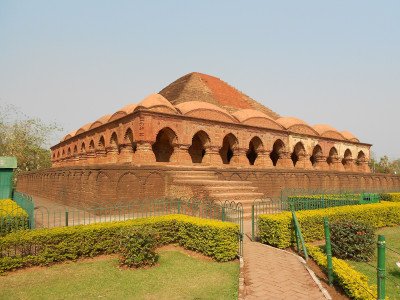
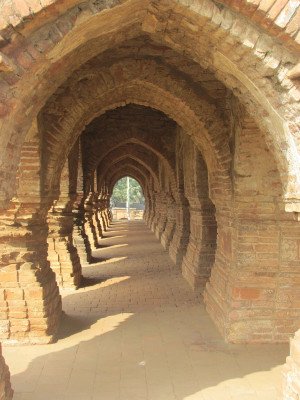
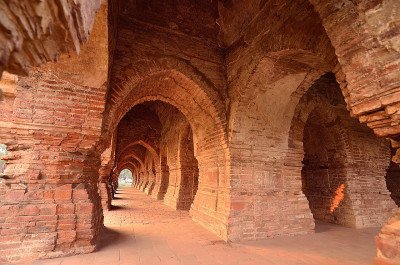
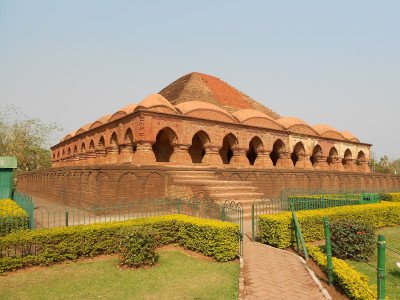
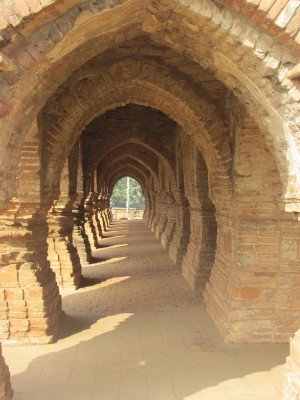
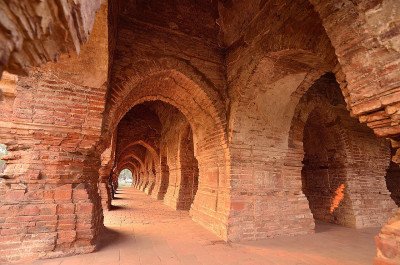
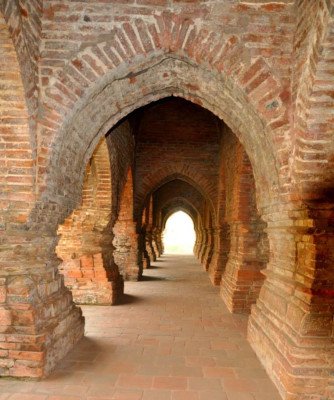
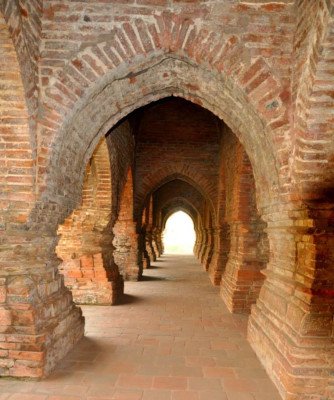
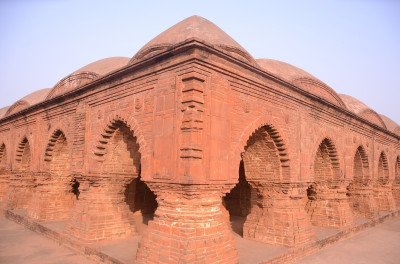
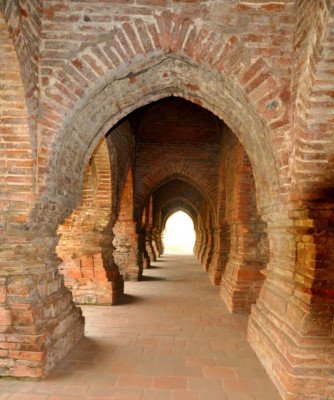
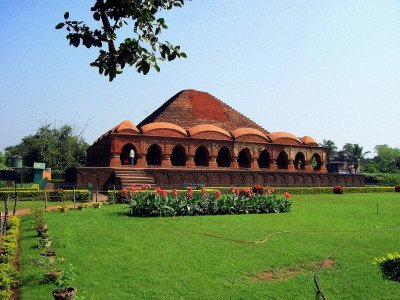
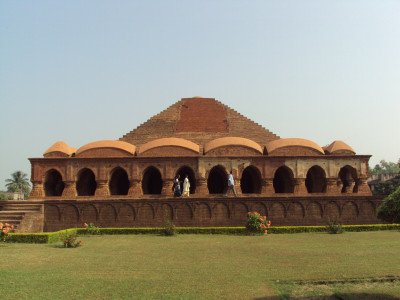
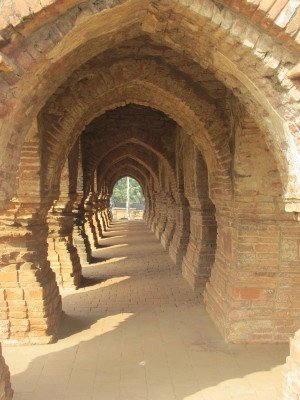
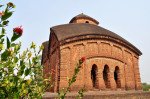
The Rasmancha is arguably the most distinct and historically significant monument in Bishnupur, setting the stage for the towns rich architectural landscape. Commissioned in 1600 CE by the devout Malla King Bir Hambir, it is heralded as the oldest surviving brick structure in the entire region of Be ngal and stands out due to its unique pyramidal form. Unlike typical temples that permanently house a single deity, the Rasmancha was built with a singular, ceremonial purpose: to act as the grand pavilion for the annual Vaishnava Ras Utsav festival. During this important festival, all the Radha-Krishna idols from the numerous small and large temples across the Mallabhum kingdom would be ceremoniously brought here and exhibited to the common public for mass viewing and worship. This practice continued until 1932, giving the structure profound religious and communal importance for centuries. Architecturally, the Rasmancha represents a fascinating blend of different styles, a characteristic often found in the artistic expressions patronized by the Malla dynasty. Its massive, square laterite stone plinth provides a sturdy base for the soaring structure above. The main hall is enclosed by three successive circumambulatory galleries, a feature that allowed the large crowds of devotees to view and walk around the displayed deities. These galleries are adorned with a remarkable series of arched openings, many of which are cusped and decorated with intricate terracotta lotus motifs, a feature that borrows from contemporary Islamic architectural patterns but is beautifully assimilated into the local style. The roof is the monument's most striking element: a colossal, stepped pyramidal superstructure that gives it an unparalleled, almost Egyptian, silhouette. This impressive form, surrounded by smaller, hut-shaped turretsmimicking the chala style of traditional Bengali village hutsshowcases a brilliant structural ingenuity. The material used is mainly laterite stone for the plinth and foundation, with burnt clay bricks, or terracotta, forming the upper structure and decorative elements. Although the festival is no longer held here, the Rasmancha remains a majestic symbol of Bishnupurs historical and religious glory, perfectly maintained today by the Archaeological Survey of India (ASI). The play of light and shadow through its numerous arches during sunrise and sunset is a visual masterpiece, encapsulating the spirit of this historic town.

Ans:- Answer: A thorough visit to Rasmancha takes about 30 to 45 minutes. This gives you enough time to walk through all the galleries, admire the terracotta work on the pillars, and take photographs from different angles. If you are a photography enthusiast or a student of architecture, you might want to spend even longer studying its unique construction.

Ans:- Answer: During the Ras Utsav, which lasted until 1932, the idols of Lord Krishna from all the temples of Bishnupur were brought here. They were placed in the inner sanctum and the surrounding galleries so that thousands of devotees could view them simultaneously. This practice transformed the building into a grand public gallery of divine images once a year.

Ans:- Answer: Rasmancha is a must-visit because it is a one-of-a-kind structure that exists nowhere else in the world. It represents a specific moment in history when art, religion, and royalty came together to create something truly original. It stands as a testament to the engineering skills of ancient Bengal and remains the iconic symbol of Bishnupur’s glorious past.

Ans:- Answer: Rasmancha is quite centrally located and is only about 2 to 3 kilometers away from the Bishnupur bus stand and railway station. It is usually the first stop for most tourists. You can easily reach it by hiring a cycle-rickshaw or an e-rickshaw (toto), which are the most common and eco-friendly modes of transport within the town.

Ans:- Answer: Rasmancha is the oldest brick structure in Bishnupur, commissioned by King Bir Hambir in 1600 AD. It is unique because it was not built for a single deity but as a massive stage to house all the idols of Radha and Krishna from across the kingdom during the annual Ras festival, symbolizing religious unity and royal devotion.

Ans:- Answer: The base or plinth of the Rasmancha is made of sturdy laterite blocks, while the main superstructure is built of burnt clay bricks. The bricks are held together by a mortar of lime and surki (crushed brick). Despite the lack of stone, the engineering of the corbelled roof has allowed the building to survive for over four centuries.

Ans:- Answer: The best time to visit is during the late afternoon, shortly before sunset. The golden light illuminates the red bricks and creates long, dramatic shadows through the many arched openings. After dark, the ASI often illuminates the structure with floodlights, making it look spectacular against the night sky, though you cannot enter the galleries after sunset.

Ans:- Answer: The structure stands on a square platform that is 1.5 meters high. The building itself is approximately 24.5 meters on each side, and the topmost point of the pyramidal roof reaches about 9.2 meters above the ground. Its massive scale makes it one of the most imposing and visible historical landmarks in the town of Bishnupur.

Ans:- Answer: The tradition of bringing all idols to Rasmancha was discontinued in 1932, primarily due to the deteriorating state of the building at the time and the logistical challenges of moving the idols. Since then, the structure has been maintained as a historical monument rather than an active place of worship, allowing for its better preservation by the archaeological authorities.

Ans:- Answer: Walking through the three concentric circumambulatory galleries of Rasmancha is a highlight for visitors. The rhythmic arrangement of pillars and arches creates a beautiful play of light and shadow. As you move through the corridors, you can feel the coolness of the thick brick walls and imagine the thousands of devotees who once crowded these spaces.

Ans:- Answer: While not as densely decorated as the Shyam Rai Temple, Rasmancha features beautiful terracotta plaques on its exterior arches and pillars. The motifs primarily include lotus flowers, geometric patterns, and figures of dancers and musicians. These decorations were intended to enhance the festive atmosphere of the Ras Leela celebrations for which the building was designed.

Ans:- Answer: Yes, local guides registered with the tourism department are usually available near the entrance of Rasmancha. Hiring a guide is highly recommended, as they can point out the subtle architectural details, explain the history of the Malla dynasty, and share local legends that make the visit much more enriching and educational.

Ans:- Answer: Yes, Rasmancha is a ticketed monument under the ASI. Usually, the ticket purchased here is a "cluster ticket" that also grants entry to other major sites like the Shyam Rai and Jorbangla temples. The fee is nominal for Indian citizens, while foreign tourists are charged a higher rate. Tickets can often be purchased digitally via QR codes at the site.

Ans:- Answer: Yes, Rasmancha shows clear Islamic architectural influences, particularly in its use of the pointed and cusped arches and the internal vaulted roofing. The Malla kings were contemporary to the Mughal and Sultanate periods, and their architects often blended local Bengali "chala" roofs with the structural innovations brought by Islamic builders to create this unique hybrid style.

Note:-

Information provided here in good Faith and for reference only.

All information and pictures will be updated soon, please keep visiting.

Near Places
...
Acharya Jogesh Chandra Museum

Some quick example text to build on the card title and make up the bulk of the card's content.

Go somewhere

...
Big Stone Gateway

Some quick example text to build on the card title and make up the bulk of the card's content.

Go somewhere

...
Bishnupur Mela Ground

Some quick example text to build on the card title and make up the bulk of the card's content.

Go somewhere
...
Bishnupur Rajbari

Some quick example text to build on the card title and make up the bulk of the card's content.

Go somewhere
...
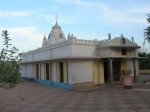
Chhinnamasta Temple

Some quick example text to build on the card title and make up the bulk of the card's content.

Go somewhere
...
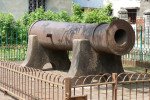
Dalmadal Cannon

Some quick example text to build on the card title and make up the bulk of the card's content.

Go somewhere
...
Garh Darwaja

Some quick example text to build on the card title and make up the bulk of the card's content.

Go somewhere
...
Gokul Chand Temple

Some quick example text to build on the card title and make up the bulk of the card's content.

Go somewhere

...
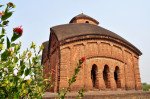
Hadal-Narayanpur

Some quick example text to build on the card title and make up the bulk of the card's content.

Go somewhere
...
Jhilimili & Sutan Forest

Some quick example text to build on the card title and make up the bulk of the card's content.

Go somewhere
in Other Cities