


Botanical Gardens
General information
-
Ideal Duration:
2 to 3 hoursPlace Type:
Botanical Garden, Park, Cultural Display, Nature/REntry Fees:
Basic Entry Fee for All: The entry fee for the Botanical Gardens is generally very nominal, making it highly accessible to the public. As per available information, the standard entry ticket price for a person is often set at around INR 10 or a similar low rate. This minim...Basic Entry Fee for All: The entry fee for the Botanical Gardens is generally very nominal, making it highly accessible to the public. As per available information, the standard entry ticket price for a person is often set at around INR 10 or a similar low rate. This minimal fee ensures the park is a viable and affordable leisure option for local residents and tourists alike, promoting daily visitation.
Fee for Children: Children, especially those below 12 years of age, often have an even lower or sometimes a completely free entry policy, further encouraging family visits. It is always wise to confirm the exact policy at the ticket counter upon arrival, as slight changes can occur depending on local administration rules.
Charges for Specific Activities: Visitors should budget for additional fees for certain on-site activities. The most common extra charge is for boating on the lake, which is a key attraction. The price for a boat ride, which may vary based on the type of boat (pedal or row) and the duration of the ride, is paid separately.
Parking and Commercial Use Fees: There may be a small, separate fee for parking two-wheelers or four-wheelers. Furthermore, special permissions and significantly higher fees are typically required for commercial photography, videography, or organizing large private events. The collected fees primarily contribute to the maintenance of the park, including the staff's salaries, upkeep of the plant collections, and maintenance of the cultural replicas.Timing:
Regular Timings: The Botanical Gardens are generally open to the public throughout the year. The regular opening hours are typically from 9:00 AM to 5:00 PM every day of the week, including public holidays, making it convenient for visitors to plan their trip. The last ent...Regular Timings: The Botanical Gardens are generally open to the public throughout the year. The regular opening hours are typically from 9:00 AM to 5:00 PM every day of the week, including public holidays, making it convenient for visitors to plan their trip. The last entry is often set around 4:30 PM to ensure visitors have enough time to exit the premises before closing.
Ideal Visit Time - Morning Serenity: The Ideal Visit Time is considered to be in the Morning (9:00 AM to 11:30 AM). During this period, the air is freshest, the light is soft and excellent for photography, and the garden is relatively less crowded. This is the best time for peaceful walks and enjoying the natural tranquility.
Ideal Visit Time - Late Afternoon: The late afternoon (3:30 PM to 5:00 PM) is also a wonderful time, especially during the warmer months. The setting sun casts a beautiful, warm glow, and the temperature is cooler, making walking and sitting outdoors very pleasant. It's a great time to relax after a day of sightseeing.
Best Days to Visit: Weekdays (Monday to Friday) are often the least crowded, offering a more tranquil experience. Weekends (Saturday and Sunday) and local public holidays see a higher influx of picnickers and families.Special Events:
Local Nature and Environment Days: The Gardens often serve as a venue for local government or NGO-led celebrations and awareness programs focused on environment, conservation, and local biodiversity. These events, typically held around World Environment Day (June 5) or Worl...Local Nature and Environment Days: The Gardens often serve as a venue for local government or NGO-led celebrations and awareness programs focused on environment, conservation, and local biodiversity. These events, typically held around World Environment Day (June 5) or World Tourism Day (September 27), feature talks, exhibitions, and plantation drives, attracting botanists, environmentalists, and local citizens.
Karbi Traditional Festivals: Although major Karbi festivals like the Karbi Youth Festival are held at a larger venue (Taralangso), the park's cultural display area (with the 'Jambili Athon' and 'Hem Tun') sometimes hosts smaller, symbolic cultural programs or exhibitions during important traditional occasions to promote Karbi heritage and arts.
School and College Educational Tours: Throughout the Winter and Spring months (October to March), the gardens frequently host educational tours and excursions for students from schools and colleges across the district and state. These structured visits often include guided tours focusing on the medicinal plants, botanical names, and conservation efforts, making them special knowledge-sharing events.Best Photo Spots:
The Boating Lake Area: The most picturesque spot is around the semi-natural water body, especially early in the morning or late afternoon when the light is soft. The reflections of the surrounding trees and the sky on the water, along with the gentle curves of the boats, ma...The Boating Lake Area: The most picturesque spot is around the semi-natural water body, especially early in the morning or late afternoon when the light is soft. The reflections of the surrounding trees and the sky on the water, along with the gentle curves of the boats, make for stunning landscape and candid photography.
The Karbi Traditional Home Replica: The 'Hem Tun' structure, built to resemble a traditional house on a hillock, provides an excellent cultural photo opportunity. Its unique architectural style and natural backdrop allow for strong cultural portraiture and documentation-style shots.
Pathways and Floral Beds: The scenic walking trails lined with lush greenery and the vibrant, seasonal flower beds are perfect for close-up (macro) shots of flowers and for capturing the sense of peaceful exploration. Look for the colorful orchids and indigenous flowers.
The Wooden Conservation Sculpture: The unique wooden carving on the tree trunk is a powerful and artistic subject. It offers a great opportunity for artistic and high-contrast photography, showcasing the texture and detail of the craftsmanship against the natural environment.
The Open Grass Lawns: The large open patches of green lawn, especially with families enjoying a picnic, offer expansive views and are great for wide-angle shots to capture the full recreational atmosphere of the gardens.Photo Gallery
Things To Do
-
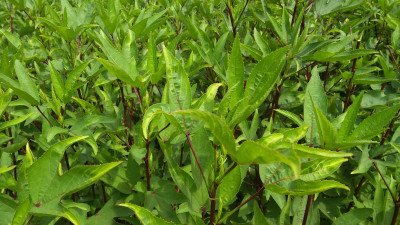
Explore the Diverse Plant Collections: Spend a significant amount of time walking through the various sections dedicated to different plant groups. Look for the indigenous trees, the vibrant flowerbeds, and the extensive collection of medicinal and herbal plants. Note the names and uses of the species, especially those endemic to Assam and the Northeast. This is a core activity for all nature lovers.
Enjoy Boating on the Semi-Natural Lake: Take a paddle or rowboat ride on the serene semi-natural water body within the park. This activity offers a unique perspective of the surrounding greenery, is highly relaxing, and is especially popular with families and couples. The gentle rhythm of the water is a perfect break from walking.
Visit the Traditional Karbi Cultural Exhibits: Dedicate time to e...Explore the Diverse Plant Collections: Spend a significant amount of time walking through the various sections dedicated to different plant groups. Look for the indigenous trees, the vibrant flowerbeds, and the extensive collection of medicinal and herbal plants. Note the names and uses of the species, especially those endemic to Assam and the Northeast. This is a core activity for all nature lovers.
Enjoy Boating on the Semi-Natural Lake: Take a paddle or rowboat ride on the serene semi-natural water body within the park. This activity offers a unique perspective of the surrounding greenery, is highly relaxing, and is especially popular with families and couples. The gentle rhythm of the water is a perfect break from walking.
Visit the Traditional Karbi Cultural Exhibits: Dedicate time to examining the cultural replicas, such as the 'Hem Tun' (traditional house) and the 'Jambili Athon' (symbolic architecture). These exhibits provide essential educational value about the Karbi tribe's history, construction methods, and cultural symbols. Read the information provided to enrich your understanding.
Picnic and Relaxation on the Lawns: The large, well-maintained open patches of grass are ideal for laying down a mat and enjoying a picnic lunch with family or friends. The fresh air and tranquil setting make it a perfect spot to relax, read a book, or simply unwind amidst nature's beauty.
Photography of Flora and Scenic Spots: The lush environment and vibrant flowers offer excellent opportunities for nature photography. Capture the detailed beauty of the rare and exotic plants, the reflections on the lake, and the scenic pathways. The traditional Karbi structures also serve as unique cultural backdrops for memorable photos.
Bring Children to the Children's Park: If traveling with kids, spend time at the dedicated Children's Park. They can enjoy the play equipment and marvel at the unique models, such as the gigantic hill tortoise, which adds a fun and playful element to the visit.
Look for Local Wildlife and Bird-Watching: Keep an eye out for the small wildlife that inhabits the park, including different species of squirrels (like the flying squirrel), various birds, and colorful butterflies and insects. The park's biodiversity makes it a mini-habitat for nature viewing and a good spot for beginner bird-watching.
Purchase Souvenirs: Although the main Craft Centre is at the Arboretum, check if there is a small stall or shop within the Botanical Gardens for small, locally-made artifacts or plant-related items to take home as a souvenir of your visit to Diphu.
Information
-
Why Famous:
Conservation of Indigenous Flora: The garden is renowned for its role as a living repository of local plant species. It meticulously cultivates numerous varieties of flowers, trees, and plants that are native to the Karbi Anglong district and the wider Assam region. This f...Conservation of Indigenous Flora: The garden is renowned for its role as a living repository of local plant species. It meticulously cultivates numerous varieties of flowers, trees, and plants that are native to the Karbi Anglong district and the wider Assam region. This focus on local biodiversity, especially medicinal plants (over 600 species are reportedly grown here), makes it a significant center for botanical study and conservation in the Northeast region of India.
Showcase of Karbi Heritage: Another primary reason for its fame is its effective integration of Karbi tribal culture within a natural setting. The presence of exact replicas of traditional Karbi homes, like the 'Hem Tun', and symbolic structures like the 'Jambili Athon', offers visitors a rare, tangible connection to the history, traditions, and artistic expressions of the indigenous Karbi people. This cultural exhibit elevates its status beyond a simple park to a heritage center.
A Family-Friendly Picnic and Recreation Spot: The Gardens' appeal is broadened by its excellent recreational facilities. The semi-natural lake with boating facilities, the extensive lush green lawns perfect for picnics, and the dedicated Children's Park with interesting models (like the hill tortoise sculpture) make it a highly popular destination for family outings and relaxation, especially on weekends and holidays. -
Architecture:
Blending Nature and Indigenous Structures: The architecture of the Botanical Gardens in Diphu is not about grand buildings but a harmonious blend of carefully planned landscapes and symbolic, traditional Karbi structures. This design philosophy emphasizes indigenous culture...Blending Nature and Indigenous Structures: The architecture of the Botanical Gardens in Diphu is not about grand buildings but a harmonious blend of carefully planned landscapes and symbolic, traditional Karbi structures. This design philosophy emphasizes indigenous culture and nature conservation.
Replicas of Karbi Homes and Symbols: A key architectural feature is the 'Hem Tun', a concrete replica of a traditional Karbi house. This structure mimics the original bamboo and wooden construction typically found on hillocks, showcasing the local building style. Another important element is the 'Jambili Athon', a concrete symbolic architecture based on an old Karbi artifact. While specific modern construction dimensions are not the focus, the scale and design of these replicas are true to the indigenous cultural context, typically built to life-size for display.
Thematic Zoning and Dimensions: The park spreads over a significant area of approximately 40 hectares (100 acres). This vast space is divided into different thematic zones. For example, the plant collections are organized to facilitate study and enjoyment. The dedicated Children's Park area includes playful structures. The semi-natural water body for boating has its own dimensions, creating an expanse of water that reflects the surrounding greenery. The open patches of grass and winding scenic trails are dimensioned for easy strolling and picnic activities.
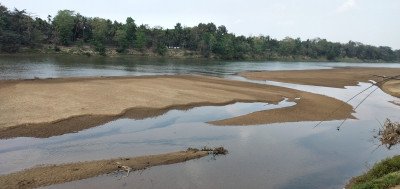
Integration of Art and Nature: The park also features unique man-made objects, such as a prominent wooden sculpture carved on the trunk of a dead standing tree (Terminalia Balarica). This sculpture is a piece of art reflecting a theme of nature conservation, showcasing the artistic skills of the local craftsmen and integrating natural elements into the park's visual design. The park's layout itself follows the undulating landscape, using natural slopes and banks of the Diphu River for a picturesque setting. -
How To Reach:
The Botanical Gardens is located approximately 5 km from the main Diphu town center.
By Air: The nearest major airport is Dimapur Airport (DMU), located in the neighboring state of Nagaland, which is about 70-80 km from Diphu. From Dimapur Airport, you can hire a pr...The Botanical Gardens is located approximately 5 km from the main Diphu town center.
By Air: The nearest major airport is Dimapur Airport (DMU), located in the neighboring state of Nagaland, which is about 70-80 km from Diphu. From Dimapur Airport, you can hire a pre-paid taxi or a private cab to reach Diphu, which takes about 2. 5 to 3 hours. Alternatively, the more connected major airport is Lokpriya Gopinath Bordoloi International Airport (GAU) in Guwahati, which is about 250-260 km away. The journey from Guwahati to Diphu takes significantly longer (around 6-7 hours) but offers better flight connectivity. From Diphu town, local transport is needed to reach the Gardens.
By Train: Diphu has its own railway station, Diphu Railway Station (DPU), which is well-connected to major cities in Assam and the rest of India, as it falls on the important Lumding-Dibrugarh section. Trains like the Dwarka Express, Brahmaputra Mail, and several local passenger trains stop here. Upon arriving at the station, the Botanical Gardens are only a short distance away (approx. 5-6 km).
By Road: Diphu is well-connected by road networks, primarily National Highway 27 (NH 27). State-run buses (ASTC) and private buses regularly ply between Diphu and major cities like Guwahati, Jorhat, Nagaon, and Dimapur. The journey from Guwahati is about 6-7 hours. Once you reach the main Diphu bus stand, the Gardens are easily accessible via local transport. If driving your own vehicle or hiring a cab, follow the road towards the Marat Longri Sanctuary from the town center; the Gardens will be signposted on this route.
By Local Transport: Within Diphu town, the most convenient way to reach the Botanical Gardens is by hiring a local auto-rickshaw or a cycle-rickshaw from the town center or the railway station. Auto-rickshaws are faster and the fare should be negotiated beforehand. Local shared jeeps or vans might also ply the route towards the Marat Longri Sanctuary, and you can alight near the Gardens entrance. The Gardens are roughly 5 km away, and the ride should take about 15-20 minutes. -
Weather and Best Time to Visit:
Seasonal Best Time - The Winter Season: The absolute best time to visit Diphu and the Botanical Gardens is during the Winter months, from late October to February. The weather during this period is pleasantly cool and dry, with temperatures ranging from 10°C to 24°C. Thi...Seasonal Best Time - The Winter Season: The absolute best time to visit Diphu and the Botanical Gardens is during the Winter months, from late October to February. The weather during this period is pleasantly cool and dry, with temperatures ranging from 10°C to 24°C. This is ideal for walking, picnicking, and outdoor activities without the oppressive humidity and heat of the summer or the heavy rainfall of the monsoon. The gardens are also often at their floral best during this time.
The Shoulder Season - Spring: The early Spring months (March and early April) are also a good time. The weather starts to warm up, but it is still enjoyable. This period can see a burst of late seasonal blooms.
Least Favorable Time - Monsoon and Peak Summer: The Monsoon season (June to September) brings heavy rainfall, which can restrict movement and outdoor enjoyment, although the greenery is at its most vibrant. The peak Summer months (Mid-April to May) can be hot and humid, making mid-day visits uncomfortable.
Time of Day - Early Morning and Late Afternoon: As mentioned in the timings, the best parts of the day are the early Morning (for fresh air and tranquility) and the late Afternoon (for cooler temperatures and beautiful light for photography). Avoid the mid-day sun between 12:00 PM and 3:00 PM. -
Near Tourist Places:
Arboretum Cum Craft Centre: (Approx. 3 KMS from Botanical Gardens, closer to Matipung area).
Marat Longri Wildlife Sanctuary: (Approx. 5-7 KMS further down the road).
District Museum, Diphu: (Approx. 7-8 KMS towards the main town center).
Singhason Peak (Trek Start Point): (Approx. 9-10 KMS from Gardens, highest point in the district).
Taralangso Cultural Complex: (The major venue for the Karbi Youth Festival).
Silonijan: (A historic site, about 40 KMS away).
Kachari Ruins, Dimapur: (A historic site, about 75 KMS towards Dimapur).
Lumding Railway Junction: (A major transit point, about 60 KMS away).
Kohora (Kaziranga National Park Entry Point): (About 150 KMS away).
Mikir Hills: (The range where Diphu is located, great for scenic drives).
Tourism Tips
-
Health & Safety - Carry Essential Supplies: It is highly recommended to carry drinking water, especially during your exploration of the large park area. Since the park is surrounded by nature, carrying an insect repellent is a necessary precaution against mosquitoes, partic...Health & Safety - Carry Essential Supplies: It is highly recommended to carry drinking water, especially during your exploration of the large park area. Since the park is surrounded by nature, carrying an insect repellent is a necessary precaution against mosquitoes, particularly when visiting in the late afternoon or evening hours.
Packing - Comfortable Wear is Key: Wear comfortable and durable walking shoes as you will be strolling over a large area on various trails. Depending on the season, pack light cotton clothing for summer/monsoon and warm layers (sweaters/jackets) for the Winter season. A hat/cap and sunglasses are useful for sunny days.
Accommodation - Stay in Diphu Town: Accommodation facilities in Diphu are generally basic but sufficient. The best places to find guesthouses and small hotels are in the main Diphu town center. It is advisable to book your accommodation in advance, especially if visiting during the peak Winter season or a local festival.
Photography and Environment Care: The Botanical Gardens is a serene natural space, so please carry a camera to capture the natural beauty, but remember to respect the plants and not pluck flowers. Always use the designated bins for trash to help maintain the cleanliness and integrity of the environment.
Cultural Sensitivity and Local Respect: When observing the replicas of Karbi homes and symbols, be respectful of the cultural significance they hold. If you interact with local people or staff, a polite and friendly demeanor is always appreciated.
Reviews
FAQs
Diphu Itineray And Cost:-
Botanical Gardens Tourism:-
Information about New and Updated Locations() of Assam Has Been Added :-
Card subtitle
Note:-
Information provided here in good Faith and for reference only.
All information and pictures will be updated soon, please keep visiting.
Near Places
Akashi Ganga Picnic Spot
Some quick example text to build on the card title and make up the bulk of the card's content.
Go somewhere
Amreng Tourist Centre
Some quick example text to build on the card title and make up the bulk of the card's content.
Go somewhere
Arboretum Cum Craft Centre
Some quick example text to build on the card title and make up the bulk of the card's content.
Go somewhere
Bhelughat Waterfall
Some quick example text to build on the card title and make up the bulk of the card's content.
Go somewhere
Botanical Gardens
Some quick example text to build on the card title and make up the bulk of the card's content.
Go somewhere

Deopani Durga Mandir
Some quick example text to build on the card title and make up the bulk of the card's content.
Go somewhere
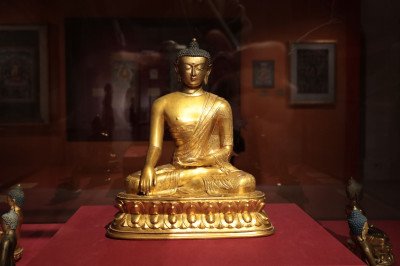
District Museum
Some quick example text to build on the card title and make up the bulk of the card's content.
Go somewhereGarampani Wildlife Sanctuary
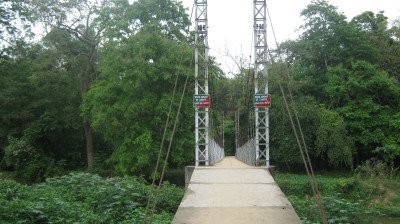
Some quick example text to build on the card title and make up the bulk of the card's content.
Go somewhere
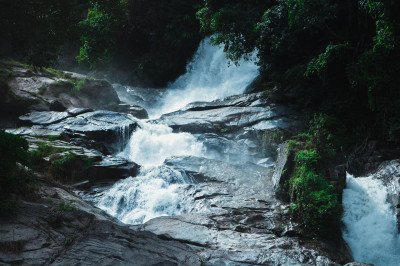
Hurnatpi Waterfalls
Some quick example text to build on the card title and make up the bulk of the card's content.
Go somewhere
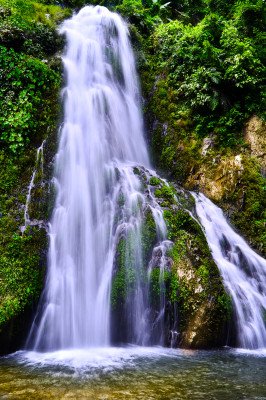
Kangthilangso Waterfall
Some quick example text to build on the card title and make up the bulk of the card's content.
Go somewherein Other Cities