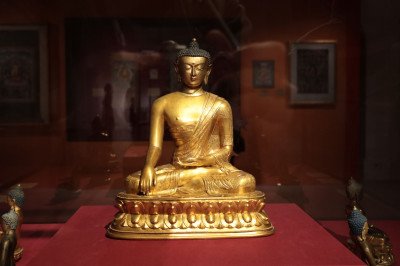
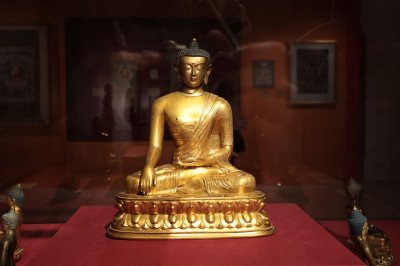
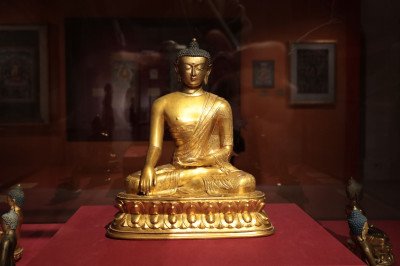
Jyoti Bharati Museum
General information
-
Ideal Duration:
1. 5 to 2 hoursPlace Type:
Museum, Cultural Heritage, Historical Landmark, MeEntry Fees:
Nominal Fee Structure for Visitors: The Jyoti Bharati Museum generally maintains a very nominal and affordable fee structure to ensure accessibility to all sections of the society, from students to general tourists. The small fee collected is primarily used for the maintena...Nominal Fee Structure for Visitors: The Jyoti Bharati Museum generally maintains a very nominal and affordable fee structure to ensure accessibility to all sections of the society, from students to general tourists. The small fee collected is primarily used for the maintenance and upkeep of the historical building and the preservation of the priceless artifacts. As a government-managed cultural institution, the museum prioritizes cultural preservation and education over revenue generation, keeping the entry barrier low for both local residents and national/international visitors.
General Entry Ticket for Adults: The entry fee for an adult (Indian citizen) is typically a small sum, often in the range of Rs.10 to Rs.20. This fee grants access to the entire museum premises, including all the exhibition halls, the central courtyard, and the exterior grounds. Any special temporary exhibitions may sometimes have a slightly higher, separate fee, but this is rare. The pricing is comparable to most small, state-managed museums and cultural centers in India. Concessional Fees for Students and Educational Groups: There is usually a concessional rate for students, especially those visiting as part of an official educational tour. Students may be charged an even lower fee, sometimes as low as Rs.5 or free entry, upon presenting valid student ID cards. Educational institutions should inquire in advance for group discounts.
Fees for Foreign Nationals: Foreign tourists might be subject to a different fee structure, which is standard practice in many Indian heritage sites. The fee for foreign nationals is typically higher than the domestic rate, but still reasonable, often in the range of Rs.50 to Rs.100. This differential pricing helps subsidize the maintenance costs while still encouraging international tourism.
Photography and Videography Charges: While a small charge may be applicable for carrying a camera (still photography) inside the premises, typically around Rs.20 to Rs.50, videograpTiming:
Regular Operating Hours:
Morning to Afternoon: The museum follows typical operating hours for a state-run cultural institution. It is generally open from the morning around 10:00 AM and closes in the late afternoon around 4:30 PM or 5:00 PM....Regular Operating Hours:
Morning to Afternoon: The museum follows typical operating hours for a state-run cultural institution. It is generally open from the morning around 10:00 AM and closes in the late afternoon around 4:30 PM or 5:00 PM. Visitors should verify the exact closing time locally, but the museum is consistently open throughout the day, providing ample time for a thorough visit. It is crucial to note that like many museums, it is usually closed on one day of the week, often a Monday or a local holiday, for maintenance.
Ideal Visit Time:
Early Morning Tranquility: The most ideal time to visit the Jyoti Bharati Museum is right after it opens, between 10:00 AM and 11:30 AM. During this time, the museum is less crowded, allowing for a tranquil and unhurried exploration of the artifacts and exhibition halls. The morning light is also excellent for outdoor photography of the heritage structure and the courtyard. A quiet visit allows for deeper engagement with the history and the atmosphere of the house, which was once a creative sanctuary.
Avoid Peak Tourist Hours:
Mid-Day Rush: While the museum is open through the mid-day hours, this is when the heat in Assam can be most intense, especially during the summer months. Furthermore, local school and college groups often visit between 12:00 PM and 3:00 PM, which can lead to larger crowds and a less personalized experience. If you must visit during this time, focus on the well-ventilated interiors and the shady verandah.
Duration of Visit:
Dedicated Focus: To fully appreciate the museum’s significance, including the history, the cultural artifacts, and the architecture, an Idea Duration of 1. 5 to 2 hours is recommended. This allows for time to read the display information, reflect on the historical context, and walk around the grounds. Planning your visit for a weekday rather than a weekend will also ensure a more relaxed experience.Special Events:
Silpi Divas Commemoration (January 17): The most significant special event associated with the museum is the annual observance of Silpi Divas (Artist’s Day) on January 17th. This day marks the death anniversary of Jyoti Prasad Agarwala. The museum premises, being his ancestral home and memorial,...Silpi Divas Commemoration (January 17): The most significant special event associated with the museum is the annual observance of Silpi Divas (Artist’s Day) on January 17th. This day marks the death anniversary of Jyoti Prasad Agarwala. The museum premises, being his ancestral home and memorial, become the central hub for state-level and district-level commemorations. The events typically involve a day-long program of tributes, cultural performances, memorial lectures, and the felicitations of artists. Attending Silpi Divas provides a powerful insight into the respect and love the Assamese people hold for the 'Rupkonwar' (Prince of Beauty) and his artistic contribution. Jyoti Jayanti (June 17): Jyoti Jayanti is observed on June 17th to commemorate the birth anniversary of Jyoti Prasad Agarwala. While less somber than Silpi Divas, the museum still hosts cultural programs, essay competitions, and functions to celebrate his life and works. The focus is often on showcasing the vast repertoire of his Jyoti Sangeet (songs), plays, and literary contributions. These celebrations highlight the ongoing relevance of his cultural legacy to the younger generation.
Exhibitions and Workshops on Assamese Culture: As a Cultural Centre, Jyoti Bharati periodically organizes special exhibitions and workshops. These are not strictly annual but happen throughout the year. The exhibitions often focus on specific themes related to Assamese art, textiles, literature, or the history of Assamese cinema. These events offer visitors a chance to engage actively with the local culture beyond the permanent museum exhibits, fostering cultural preservation and promotion.Best Photo Spots:
The Front Verandah and Main Entrance: The spacious main verandah with its majestic facade is an excellent spot for photography. The verandah is supported by the iron pillars that replaced the original sal wood ones after the 1897 earthquake. A photo taken here captures the...The Front Verandah and Main Entrance: The spacious main verandah with its majestic facade is an excellent spot for photography. The verandah is supported by the iron pillars that replaced the original sal wood ones after the 1897 earthquake. A photo taken here captures the grandeur and historical significance of the Poki house. Try to frame a shot that includes the sign board and the name Jyoti Bharati, emphasizing its status as a cultural memorial. This spot is best captured in the morning light for soft, even illumination. The Rajasthani-Ahom Architecture (Exterior Walls): The thick, flat-brick walls (2 1/2 feet thick) that characterize the unique Rajasthani and Ahom architectural fusion make for a distinctive photo backdrop. Focus on the textures and the historical construction details. Capture a close-up shot of the wall to highlight the thickness and the craftsmanship of the 1874 construction. The contrasting architectural elements tell a story of migration and assimilation, which can be visually represented in your photo.
The Central Courtyard's Serenity: The rectangular courtyard (50 feet by 20 feet) is a tranquil space and a perfect spot for capturing a sense of calm and history. From one corner of the courtyard, you can frame the surrounding ten rooms and the sky above, emphasizing the open design. The flat stone-laid floor adds a historical texture to the image. This area works well for artistic shots, focusing on light and shadow play, especially during the quiet mid-day when the sun is directly above.
The Memorial Statue/Bust: If a statue or bust of Rupkonwar Jyoti Prasad Agarwala is installed in the grounds or near the entrance, it serves as a powerful focal point for a photograph. A well-composed shot of the statue, perhaps framed by the surrounding foliage, honors the man whose legacy the museum preserves. Use a low angle to make the statue appear more commanding and reverent. Artifacts and Display Case Close-ups (If Allowed): If the museum allows non-flash photography of certain exhibition cases, focus on the most personal and historically significant artifacts, such as Jyoti Prasad Agarwala’s writing tools, musical instruments, or original script pages of Joymoti. These detailed close-ups capture the essence of his genius and his personal life. Be respectful of all restrictions and always photograph without flash.Photo Gallery
Things To Do
-
Explore the Exhibition Halls and Artifacts: The primary activity at Jyoti Bharati Museum is to carefully explore the various exhibition halls. The museum is a treasure trove of memorabilia belonging to Jyoti Prasad Agarwala. Visitors can spend time examining personal artifacts like his clothes, musical instruments, and his writing desk. Look out for the manuscripts, letters, and rare photographs that provide a visual timeline of his life, from his childhood to his role as a freedom fighter and filmmaker. The detailed displays offer a comprehensive understanding of his multifaceted contributions to Assamese society. Pay special attention to the exhibits detailing his involvement in the production of Joymoti and Indramalati, the early milestones of Assamese cinema. This exploration should take at least 90 minutes to absorb the rich details.
Read MoreExplore the Exhibition Halls and Artifacts: The primary activity at Jyoti Bharati Museum is to carefully explore the various exhibition halls. The museum is a treasure trove of memorabilia belonging to Jyoti Prasad Agarwala. Visitors can spend time examining personal artifacts like his clothes, musical instruments, and his writing desk. Look out for the manuscripts, letters, and rare photographs that provide a visual timeline of his life, from his childhood to his role as a freedom fighter and filmmaker. The detailed displays offer a comprehensive understanding of his multifaceted contributions to Assamese society. Pay special attention to the exhibits detailing his involvement in the production of Joymoti and Indramalati, the early milestones of Assamese cinema. This exploration should take at least 90 minutes to absorb the rich details.
Experience the Historical Architecture: Dedicate time to appreciating the unique architectural blend of Rajasthani and Ahom styles. Walk around the spacious verandah and observe the thick, 2 1/2 feet walls made of flat bricks, which are a testament to the house’s 'pucca' construction. Step into the central courtyard, the 50' x 20' space that acted as the house's lung, providing light and ventilation. Imagine the historical conversations that took place here. The architectural tour is an educational experience in heritage conservation and regional building traditions. Don't forget to look for the original wooden 'gosas' (lamp stands) that still stand as silent sentinels of history.
Reflect on the Freedom Movement History: Poki is a powerful site for historical reflection. Stand in the rooms where leaders like Mahatma Gandhi, Jawaharlal Nehru, and Lala Lajpat Rai once stayed and debated the future of the nation. The house is a symbol of the national struggle and the pivotal role Assam played in it. Reading the plaques and accounts related to the freedom fighters’ visits can be a deeply moving experience. The site provides a deeper context to the history of the Indian independence movement that is often focused on metropolitan centers.
Attend Cultural Programmes (If Available): As the museum is an active center of cultural excellence under the Directorate of Cultural Affairs, Assam, it occasionally hosts cultural events, seminars, workshops, and exhibitions, particularly on days related to Jyoti Prasad Agarwala's birth or death anniversaries (Silpi Divas - January 17). Visitors should check local listings or inquire at the museum office for any scheduled cultural programmes. Attending a program offers a living experience of the cultural legacy the museum seeks to preserve, often featuring local artists, music, and drama.
Photography of the Exterior and Grounds: While photography is typically restricted inside the exhibit areas to protect the artifacts, the house’s exterior and the surrounding grounds offer excellent photo opportunities. Capture the distinctive look of the heritage building, the thick walls, and the spacious verandah. The memorial plaque and any statues in the garden area make for respectful and informative photographs. The blend of the historical structure against the modern Tezpur backdrop is visually interesting.
Visit the Nearby 'Jonaki' Cinema Hall: Just a short walk from Poki is the location of Jonaki, the first cinema hall built by Jyoti Prasad Agarwala to screen his film Joymoti. While the original structure might have undergone changes, its historical significance as the venue where Assamese cinema was first shown is immense. A quick visit to this location provides a complete picture of Agarwala's vision and dedication to the arts.
Engage with Local Guides or Staff: If possible, engage with the museum staff or any available local guides. They often possess personal anecdotes and detailed historical information that go beyond the written plaques. Asking specific questions about Jyoti Prasad's life in the house, the family's history, and the political meetings can en
Information
-
Why Famous:
The Home of Rupkonwar Jyoti Prasad Agarwala: The primary reason for Poki's fame is its association with Rupkonwar Jyoti Prasad Agarwala, one of Assam's most revered cultural icons. He was a multi-talented personality who made unparalleled contributions to Assamese literatur...The Home of Rupkonwar Jyoti Prasad Agarwala: The primary reason for Poki's fame is its association with Rupkonwar Jyoti Prasad Agarwala, one of Assam's most revered cultural icons. He was a multi-talented personality who made unparalleled contributions to Assamese literature, music, and especially cinema. He is considered the pioneer of Assamese cinema, and the script for the first Assamese film, Joymoti (1935), was written in this very house. The museum preserves his artifacts, manuscripts, and personal belongings, offering a tangible connection to his immense legacy and his role in the Assamese cultural renaissance.
A Hub of India's Freedom Movement: Poki holds a significant place in the history of India’s freedom struggle. It was not just a home but a clandestine meeting place and nerve center for nationalist leaders in Assam. The presence of national figures like Mahatma Gandhi (who stayed here twice), Jawaharlal Nehru, and others transformed this residence into a monument of political resistance. Important decisions regarding the socio-political future of Assam and the fight against British rule were formulated within its thick walls, making it an epitome of patriotism and courage.
Architectural First in Tezpur: It gained its popular name, Poki, because it was the first pucca (concrete) house built in Tezpur in 1874. This made it a unique architectural landmark of its time, showcasing the advanced building methods introduced by the Agarwala family. The blending of Rajasthani and Ahom architectural styles also makes the structure distinct and a point of interest for architecture enthusiasts. -
Architecture:
Architectural Style:
A Unique Fusion: The architecture of Poki is a fascinating blend of two distinct styles: Rajasthani and Ahom (a style native to Assam). This unique fusion reflects the Agarwala family's background—having migrated from ...Architectural Style:
A Unique Fusion: The architecture of Poki is a fascinating blend of two distinct styles: Rajasthani and Ahom (a style native to Assam). This unique fusion reflects the Agarwala family's background—having migrated from Rajasthan and then fully assimilating into Assamese society. The house's design prioritizes utility, climate control, and privacy, which are hallmarks of traditional architecture in the region. The blend is evident in the thick walls for insulation and the central courtyard for natural light and ventilation, a common feature in hot climates.
Structure and Dimensions:
The Concrete 'Poki' Walls: The house was named Poki precisely because it was built using flat bricks and concrete, a rarity in Tezpur at the time, which made it sturdy. The walls are exceptionally thick, reportedly measuring 2 1/2 feet in thickness, providing excellent protection from the elements and contributing to the house's longevity, surviving the devastating 1897 earthquake. The building originally had support pillars made of sal wood, which were later replaced with iron pillars following the earthquake. The house consists of ten rooms that open onto a spacious and visually striking verandah.
The Central Courtyard:
A Feature of Privacy and Light: A key architectural dimension is the central rectangular courtyard. This courtyard measures approximately 50 feet by 20 feet and has a floor laid with flat stones.
The courtyard served a dual purpose: it ensured natural light and air circulation while also providing a private area for the women of the household, reminiscent of the traditional inner courtyards found in Rajasthani havelis. -
How To Reach:
By Air:
Via Tezpur Airport (TEZ) and Guwahati: The nearest airport is Tezpur Airport (also known as Salonibari Airport, code: TEZ). This is a regional airport that has limited connectivity, often with direct flights only from cities like Kol...By Air:
Via Tezpur Airport (TEZ) and Guwahati: The nearest airport is Tezpur Airport (also known as Salonibari Airport, code: TEZ). This is a regional airport that has limited connectivity, often with direct flights only from cities like Kolkata and sometimes Guwahati. If you are flying in from other major Indian cities, you will most likely have a connecting flight through Kolkata or Guwahati. From Tezpur Airport, the museum is approximately 15-20 KMs away. You can easily hire a prepaid taxi or a local auto-rickshaw from the airport to reach the museum in the city center.
By Train:
Dekargaon and Guwahati Railway Stations: The closest major railway station to Tezpur is Dekargaon Railway Station (code: DKGN), which is only a few kilometers (approximately 8 KMs) from the city center. Dekargaon is connected to major destinations like Guwahati via trains such as the Guwahati Intercity Express. A more significant railhead that connects to the rest of India is Guwahati Railway Station (code: GHY). From Guwahati, you can take a connecting train to Dekargaon or opt for the road journey to Tezpur. From Dekargaon, take a local auto-rickshaw or taxi to the museum.
By Road:
National Highway Connectivity: Tezpur is well-connected by road via National Highway NH 15 (part of the larger North-South Corridor). Regular bus services, both government (ASTC) and private operators, connect Tezpur with major cities in Assam, most notably Guwahati (about 175-180 KMs, a 4-5 hour journey) and other important towns. Buses generally arrive at the ASTC Bus Stand in Tezpur, which is located relatively close to the city center. You can also hire a private taxi from Guwahati or nearby towns for a more comfortable journey.
By Local Transport:
Auto-rickshaws and Cycle-rickshaws: Once you are in the city of Tezpur, reaching the Jyoti Bharati Museum is very easy due to its central location. Being in the heart of the town, it is a prominent landmark. The most common and convenient local transport options are auto-rickshaws and cycle-rickshaws. Both are readily available from any part of the city, including the bus and railway stations. Since the museum is only 1-2 KMs from the main city center area, a short auto-rickshaw ride will take you directly there. For a short distance, you might also consider walking, as it allows you to see the surrounding local markets and streets of Tezpur. -
Weather and Best Time to Visit:
Winter Season:
The Best Time for Pleasant Weather: The winter months, running from October to March, are universally considered the best time to visit the Jyoti Bharati Museum and Tezpur as a whole. The weather during this period is exceptio...Winter Season:
The Best Time for Pleasant Weather: The winter months, running from October to March, are universally considered the best time to visit the Jyoti Bharati Museum and Tezpur as a whole. The weather during this period is exceptionally pleasant, with cool, dry days and chilly nights. The average daytime temperature is comfortable, ranging from 15°C to 25°C. This weather is ideal for walking around the museum grounds, exploring the open courtyard, and sightseeing in Tezpur without the discomfort of heat or humidity. The clear skies during winter also make for better photography.
Summer Season:
Avoid the Mid-Day Heat: The summer months, from April to June, can be hot and humid in Tezpur. Temperatures can soar, often exceeding 30°C. If you visit during this season, it is strongly recommended to plan your trip to the museum for the early morning (immediately after opening) or the late afternoon (an hour or two before closing). Avoiding the mid-day heat (11:30 AM to 3:30 PM) is essential for a comfortable experience. The museum building's thick walls provide some relief, but the outside areas can be demanding.
Monsoon Season:
Lush Greenery with Potential Travel Delays: The monsoon season, from July to September, brings heavy rainfall to Assam. The landscape around Tezpur is lush and green, which is beautiful, but the continuous rain can hinder outdoor sightseeing. If you visit during the monsoon, be prepared for potential travel delays and plan to spend more time inside the museum. The mid-morning is a good window, often between spells of rain. Carrying appropriate rain gear is a must.
Ideal Part of the Day:
The Morning Slot: Regardless of the season, the ideal part of the day to visit Jyoti Bharati Museum is the morning slot, from 10:00 AM to 11:30 AM. This period offers cooler temperatures, fewer crowds (especially compared to the mid-day school group rush), and the best light for a peaceful and detailed viewing of the exhibits and the heritage architecture. -
Near Tourist Places:
Mahabhairav Temple: (Approx. 1.
5 KMs) Chitralekha Udyan (Cole Park): (Approx.
2 KMs) Agnigarh Hill: (Approx.
3 KMs) Hazara Pukhuri (Historical Tank): (Approx.
2 KMs) Bamuni Hills (Archaeological Ruins): (Approx. 5 KMs) Da-Parbatia Ruins (Ancient Temple Door Frame): (Approx.
7 KMs) Rudrapada Temple: (Approx.
8 KMs) Kolia Bhomora Setu (Brahmaputra Bridge): (Approx. 10 KMs to the start of the bridge) Tezpur District Museum: (Approx. 2.
5 KMs) Nameri National Park: (Approx. 35 KMs)
Tourism Tips
-
Health & Safety:
Hydration and Insect Repellent: Health and safety are paramount, especially when traveling in Assam. Carry a personal water bottle, and remember to stay hydrated, particularly during the summer and monsoon months, as humidit...Health & Safety:
Hydration and Insect Repellent: Health and safety are paramount, especially when traveling in Assam. Carry a personal water bottle, and remember to stay hydrated, particularly during the summer and monsoon months, as humidity can be high. The museum is a heritage site, so watch your step on uneven surfaces or stone pathways in the courtyard. Since Tezpur is in a region known for greenery, carrying a good insect repellent is advisable, especially if you plan to walk around the exterior grounds or visit during the early morning or late afternoon. Always keep your valuables secure and be mindful of your surroundings in crowded local markets near the museum.
Packing Essentials:
Comfortable Clothing and Footwear: Pack comfortable and modest clothing suitable for a visit to a historical and cultural institution. Light cotton or linen clothes are best for summer, while light woolens or a jacket are necessary for the winter months (October to March). Wear comfortable walking shoes, as you will be on your feet for the 1. 5 to 2 hours of the visit. A camera (check if there is a separate charge) and a notebook are useful for recording details. During the monsoon (July to September), a reliable umbrella or raincoat is an absolute necessity.
Accommodation:
Centralized Stay in Tezpur: For the most convenient visit, choose accommodation in the central parts of Tezpur town. The city offers a range of hotels and lodges, from budget-friendly options to mid-range and boutique stays. Staying centrally reduces local transport time and costs, as the museum is in the heart of the city. Booking your hotel in advance, especially if traveling during the peak winter season or during major local events like Silpi Divas (January 17), is highly recommended.
Other Tourism Tips:
Cultural Respect and Local Etiquette: When visiting the museum, remember it is a memorial dedicated to a revered cultural icon; maintain a sense of respect and silence within the exhibition halls. Do not touch the artifacts, and strictly adhere to the no-flash photography rule. Engage politely with the museum staff or local people; they can often provide unique insights into Jyoti Prasad Agarwala's life. Carry sufficient cash (Rupees) as small local shops or auto-rickshaws near the museum may not accept digital payments. The official language is Assamese, but Hindi and English are widely understood.
Maximizing Your Visit:
Combining with Other Spots: Plan to combine your visit to the Jyoti Bharati Museum with other nearby historical and cultural sites in central Tezpur, such as the Chitralekha Udyan (Cole Park), which displays archaeological ruins, or the Mahabhairav Temple. This allows you to efficiently cover several attractions in one day, minimizing travel time between stops.
Reviews
FAQs
Tezpur Itineray And Cost:-
Jyoti Bharati Museum Tourism:-
Information about New and Updated Locations() of Assam Has Been Added :-
Card subtitle
Note:-
Information provided here in good Faith and for reference only.
All information and pictures will be updated soon, please keep visiting.
Near Places
Agnigarh Hill
Some quick example text to build on the card title and make up the bulk of the card's content.
Go somewhere
Agnigarh View Point
Some quick example text to build on the card title and make up the bulk of the card's content.
Go somewhere
Bamuni Hills
Some quick example text to build on the card title and make up the bulk of the card's content.
Go somewhere
Bhairabi Temple
Some quick example text to build on the card title and make up the bulk of the card's content.
Go somewhere
Bharali New Bridge Tezpur Side
Some quick example text to build on the card title and make up the bulk of the card's content.
Go somewhere
Bhomoraguri Historical Stone
Some quick example text to build on the card title and make up the bulk of the card's content.
Go somewhere
Bura Chapori Wildlife Sanctuary
Some quick example text to build on the card title and make up the bulk of the card's content.
Go somewhereChitralekha Udyan
Some quick example text to build on the card title and make up the bulk of the card's content.
Go somewhere
Da-Parbatia Gate
Some quick example text to build on the card title and make up the bulk of the card's content.
Go somewhere
Da Parbatia
Some quick example text to build on the card title and make up the bulk of the card's content.
Go somewherein Other Cities
