

Kala Ashram Adilabad
General information
-
Ideal Duration:
3 to 4 HoursPlace Type:
Culture & HeritageEntry Fees:
General Visit: Entry to the ashram is free, as it is a non-profit institution dedicated to culture. Visitors are encouraged to respect the peaceful environment and the work of the artisans. Donations are welcomed to support the preservation projects.
Read MoreGeneral Visit: Entry to the ashram is free, as it is a non-profit institution dedicated to culture. Visitors are encouraged to respect the peaceful environment and the work of the artisans. Donations are welcomed to support the preservation projects.
Museum and Workshops: While entry to the museum is free, some specialized workshops or guided tours may involve a small fee to cover the cost of materials and to support the local artisans who share their knowledge with the visitors.Timing:
Regular Timings: The ashram is generally open to visitors from 10:00 AM to 5:00 PM. It is closed on certain public holidays and during special internal research periods, so it is always good to check locally before planning a visit.
Ideal Vis...Regular Timings: The ashram is generally open to visitors from 10:00 AM to 5:00 PM. It is closed on certain public holidays and during special internal research periods, so it is always good to check locally before planning a visit.
Ideal Visit Time: The morning hours between 10:00 AM and 1:00 PM are ideal for seeing the artisans at work. This is when the light is best for viewing the artifacts in the museum and the campus is most active with creative energy.Special Events:
Traditional Baithaks: The ashram hosts regular "Baithaks" or seats for discussion. These intellectual gatherings bring together artists and thinkers to discuss the future of Indian culture, making for a unique participatory event.
Folk Festiv...Traditional Baithaks: The ashram hosts regular "Baithaks" or seats for discussion. These intellectual gatherings bring together artists and thinkers to discuss the future of Indian culture, making for a unique participatory event.
Folk Festivals: Occasionally, the ashram organizes revival events for folk music and dance. These events showcase the "lost" performing arts of the Adilabad tribes, providing a rare stage for local rural performers.Best Photo Spots:
The Open-Air Theatre: This spot captures the essence of the ashram’s rustic architecture. The amphitheater-style seating and the traditional stage make for a great wide-angle shot representing the community spirit of the place.
Artifact Gal...The Open-Air Theatre: This spot captures the essence of the ashram’s rustic architecture. The amphitheater-style seating and the traditional stage make for a great wide-angle shot representing the community spirit of the place.
Artifact Gallery: Close-up shots of the Gond headdresses and Dokra metal crafts are visually striking. The museum’s natural lighting and the weathered texture of the ancient articles provide a "vintage" feel to the photographs.
Courtyard Shadows: The traditional courtyards with their tiled roofs create beautiful patterns of light and shadow. These are perfect for "minimalist" and "architectural" photography that focuses on the simplicity of rural Indian design.Photo Gallery
Things To Do
-
Museum Tour: Spend time exploring the collection of tribal artifacts. Each item has a story, and the staff can explain how these traditional tools were used in ancient rural Indian society and economy.
Attend a Workshop: If your visit coincides with an event, participate in a craft workshop. Learning the basics of tribal art or traditional weaving directly from the masters is a life-changing cultural experience for many.
Interact with Guruji: If available, speaking with the ashram’s residents or the founder’s successors provides deep insight into rural philosophy. Their perspective on sustainability and art is thought-provoking and educational for all ages.
Sketching and Painting: The rustic and artistic environment of the ashram is perfect for artists...Museum Tour: Spend time exploring the collection of tribal artifacts. Each item has a story, and the staff can explain how these traditional tools were used in ancient rural Indian society and economy.
Attend a Workshop: If your visit coincides with an event, participate in a craft workshop. Learning the basics of tribal art or traditional weaving directly from the masters is a life-changing cultural experience for many.
Interact with Guruji: If available, speaking with the ashram’s residents or the founder’s successors provides deep insight into rural philosophy. Their perspective on sustainability and art is thought-provoking and educational for all ages.
Sketching and Painting: The rustic and artistic environment of the ashram is perfect for artists. You can sit in any of the open courtyards and sketch the traditional structures or the beautiful artifacts on display.
Library Research: Visit the "Granthalay," the ashram's library. It contains rare books on Indian art, culture, and science that are not easily found elsewhere, making it a goldmine for researchers and curious readers.
Information
-
Why Famous:
Guardian of Heritage: It is famous as the only institution in the region dedicated to preserving the "extinct" traditions of rural Adilabad. Its role in tribal empowerment is internationally recognized by researchers.
The Founder’s Legacy:<...Guardian of Heritage: It is famous as the only institution in the region dedicated to preserving the "extinct" traditions of rural Adilabad. Its role in tribal empowerment is internationally recognized by researchers.
The Founder’s Legacy: The ashram is synonymous with Sri Ravindra Sharma (Guruji). His deep knowledge of 14 different art forms and his philosophy of rural design have made the ashram a pilgrimage for artists.
Tribal Artifacts: It is renowned for its museum which houses rare Gond ceremonial headdresses and Dokra metal crafts. These artifacts represent a cultural history that is not found in standard history textbooks. -
Architecture:
Vernacular Style: The ashram is built using eco-friendly, traditional rural architecture. It features mud-plastered walls, thatched and tiled roofs, and open courtyards that allow for natural ventilation and light.
Space Planning: The 2-a...Vernacular Style: The ashram is built using eco-friendly, traditional rural architecture. It features mud-plastered walls, thatched and tiled roofs, and open courtyards that allow for natural ventilation and light.
Space Planning: The 2-acre campus includes an open-air theatre, a museum, and specialized workshops for artisans. Each structure is designed to function as a home, a workplace, and a classroom simultaneously.
Museum Dimensions: The central museum houses over 500 artifacts in a hall measuring roughly 50x30 feet. The layout follows a "Baithak" style, encouraging communal discussion and interactive learning in a meditative environment. -
How To Reach:
By Air: The nearest airport is in Hyderabad, about 310 KMS away. Another option is Nagpur Airport in Maharashtra, which is around 200 KMS away. From either airport, you can take a bus or a taxi to reach Adilabad city center.
By Train: Ad...By Air: The nearest airport is in Hyderabad, about 310 KMS away. Another option is Nagpur Airport in Maharashtra, which is around 200 KMS away. From either airport, you can take a bus or a taxi to reach Adilabad city center.
By Train: Adilabad Railway Station is just 5 KMS away from the ashram. It is a major station on the South Central Railway network. You can easily find an auto-rickshaw outside the station that will take you directly to the Tantoli Road location.
By Road: Since the ashram is located within the city limits of Adilabad, it is very easy to reach by road. Adilabad is well-connected to Hyderabad and Nagpur via NH 44. Numerous private and state buses run on this route daily.
By Local Transport: Within Adilabad, the best way to reach Kala Ashram is by hiring a local auto-rickshaw or a "cycle-rickshaw" for a more traditional experience. The ashram is a well-known landmark, so most local drivers will know the way. -
Weather and Best Time to Visit:
Seasonal Variations: Winter (October to March) is the best season to visit Kala Ashram. The weather is cool enough to walk around the open-air campus and interact with the artisans without the discomfort of the intense Deccan summer heat.
Avo...Seasonal Variations: Winter (October to March) is the best season to visit Kala Ashram. The weather is cool enough to walk around the open-air campus and interact with the artisans without the discomfort of the intense Deccan summer heat.
Avoid Summers: The months of April and May should be avoided if possible, as the temperatures in Adilabad can be extreme. The ashram’s traditional buildings are designed for cooling, but the outdoor areas can still feel quite hot.
Time of Day: The best part of the day is between 10:00 AM and 12:00 PM. This is when the ashram is most productive, and you can see the "live museum" aspect in full swing. Evening visits are peaceful but less active in terms of craftwork. -
Near Tourist Places:
Nearby Attractions: 1. Jainath Temple (21 KMS), 2. Mahatma Gandhi Park (3 KMS), 3. Kuntala Falls (58 KMS), 4. Pochera Falls (48 KMS), 5. Kawal Tiger Reserve (50 KMS), 6. Sathnala Dam (25 KMS), 7. Nirmal Toys Industry (85 KMS), 8. Basar Saraswathi Temple (150 KMS), 9. Kadam Dam (105 KMS), 10. Kerameri Ghats (40 KMS).
Tourism Tips
-
Health & Safety: The ashram is a quiet place, so maintain a low profile and do not disturb the meditative atmosphere. Wear comfortable walking shoes to explore the two-acre campus, as some of the paths are uneven and made of natural earth.
Pa...Health & Safety: The ashram is a quiet place, so maintain a low profile and do not disturb the meditative atmosphere. Wear comfortable walking shoes to explore the two-acre campus, as some of the paths are uneven and made of natural earth.
Packing Essentials: Bring a notebook and a pen if you want to take notes on the traditional crafts. A good camera is essential, but always ask for permission before photographing the artisans or specific sensitive artifacts in the museum.
Cash & Connectivity: Carry cash for purchasing any tribal handicrafts or books from the ashram’s shop. Mobile connectivity is excellent as it is close to the city, but the ashram does not provide public Wi-Fi to maintain its peaceful vibe.
Accommodation: There is no staying facility at the ashram. It is best to book a hotel in Adilabad city, which offers various options from budget lodges to mid-range hotels. Most are located within a 5-10 minute drive from the ashram.
Reviews
FAQs
Adilabad Itineray And Cost:-
Kala Ashram Adilabad Tourism:-
Other Places In Adilabad :-
Other States In India :-
Information about New and Updated Locations() of Telangana Has Been Added :-
Card subtitle
Note:-
Information provided here in good Faith and for reference only.
Near Places
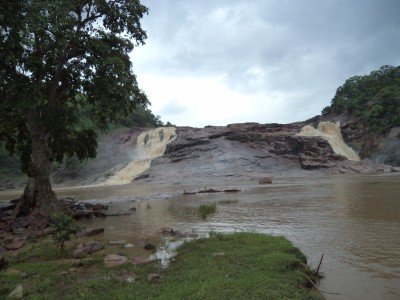
Aar Paar Waterfalls
Some quick example text to build on the card title and make up the bulk of the card's content.
Go somewhere
Chanaka Korata Barrage
Some quick example text to build on the card title and make up the bulk of the card's content.
Go somewhere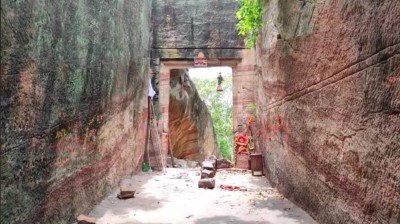
Gandhari Khilla
Some quick example text to build on the card title and make up the bulk of the card's content.
Go somewhere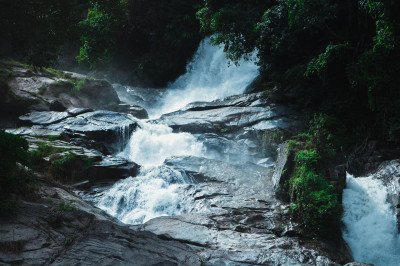
Gayatri Water Falls
Some quick example text to build on the card title and make up the bulk of the card's content.
Go somewhere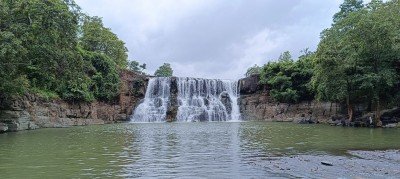
Gundala Water Falls
Some quick example text to build on the card title and make up the bulk of the card's content.
Go somewhere
Jainath Temple
Some quick example text to build on the card title and make up the bulk of the card's content.
Go somewhere
Kadam Dam
Some quick example text to build on the card title and make up the bulk of the card's content.
Go somewhere
Kala Ashram Adilabad
Some quick example text to build on the card title and make up the bulk of the card's content.
Go somewhere
Kanakai Water Falls
Some quick example text to build on the card title and make up the bulk of the card's content.
Go somewhere
Kawal Wildlife Sanctuary
Some quick example text to build on the card title and make up the bulk of the card's content.
Go somewhere
Khandala Molal Gutta Waterfalls
Some quick example text to build on the card title and make up the bulk of the card's content.
Go somewhere
Koratikal Waterfall
Some quick example text to build on the card title and make up the bulk of the card's content.
Go somewhere
Kundai Waterfalls
Some quick example text to build on the card title and make up the bulk of the card's content.
Go somewhere
Kuntala Waterfalls
Some quick example text to build on the card title and make up the bulk of the card's content.
Go somewhere
Mahatma Gandhi Park
Some quick example text to build on the card title and make up the bulk of the card's content.
Go somewhere
Mitte Waterfalls
Some quick example text to build on the card title and make up the bulk of the card's content.
Go somewherein Other Cities