Kaliasot Dam
General information
-
Ideal Duration:
1-2 HoursPlace Type:
Nature and Engineering Marvel:Entry Fees:
General Entry Fee: There is No Entry Fee to access the Kaliasot Dam site, the surrounding roads, or the viewing areas, as it is a public water management and recreational area.
Parking Fees: There is generally Free Parking along the side of ...General Entry Fee: There is No Entry Fee to access the Kaliasot Dam site, the surrounding roads, or the viewing areas, as it is a public water management and recreational area.
Parking Fees: There is generally Free Parking along the side of the road near the dam. However, during the peak monsoon season or during major events, local attendants may charge a small, informal parking fee (around INR 10 to INR 20).
No Special Fees: There are absolutely No Fees for photography, and the environment is entirely open and accessible to the public.
Activity Costs: Any costs incurred would be for personal rentals of binoculars for birdwatching or the services of a local wildlife guide (not officially regulated).Timing:
Regular Timings: The dam site is effectively open 24 Hours a Day, being a public road and water body. However, visitor activity is concentrated during daylight hours, generally from 6:00 AM to 7:00 PM. The area is highly discouraged to visit after dusk due to the risk of w...Regular Timings: The dam site is effectively open 24 Hours a Day, being a public road and water body. However, visitor activity is concentrated during daylight hours, generally from 6:00 AM to 7:00 PM. The area is highly discouraged to visit after dusk due to the risk of wildlife movement.
Ideal Visit Time: Early Morning (6:00 AM to 9:00 AM) is the absolute best time for peaceful nature viewing, birdwatching, and the highest chance of spotting wildlife. Late Afternoon (4:00 PM to 6:30 PM) is perfect for enjoying the cool breeze and the beautiful sunset.
Monsoon Peak: The peak Monsoon season is the only time to witness the dam at full capacity and the spillway overflowing, which is a major attraction.Special Events:
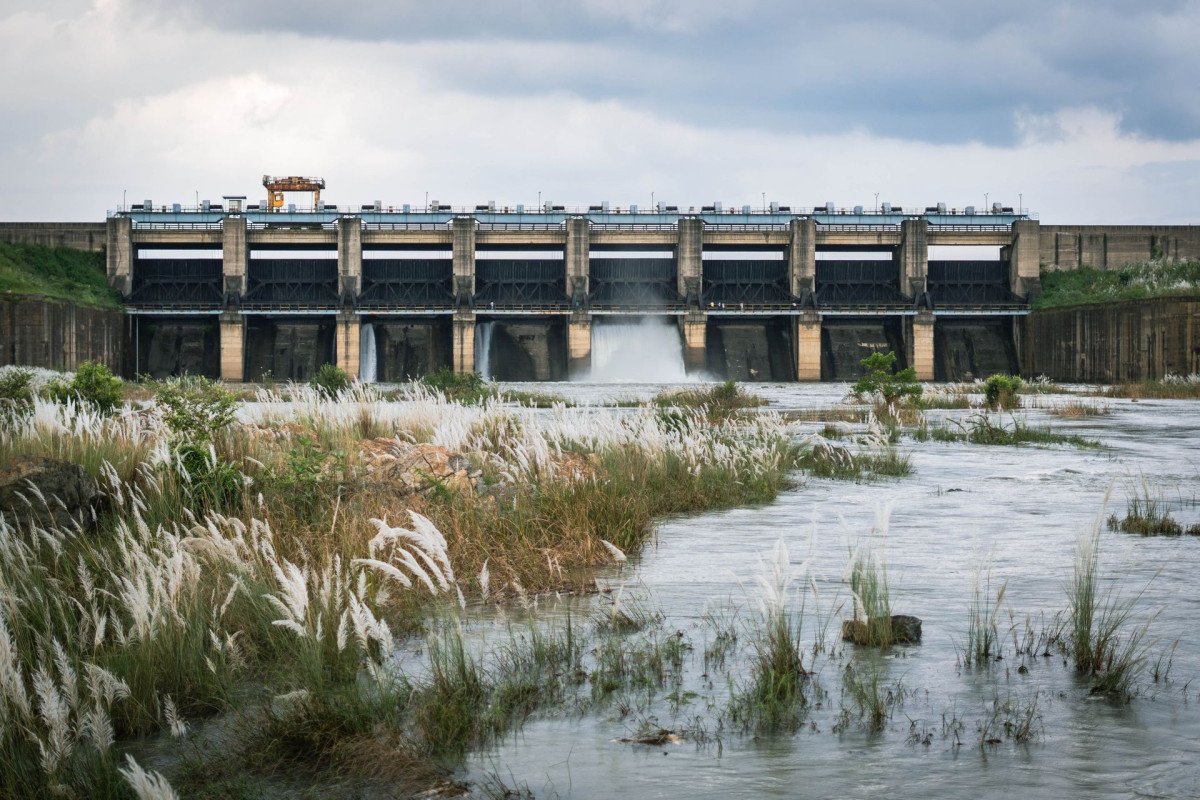
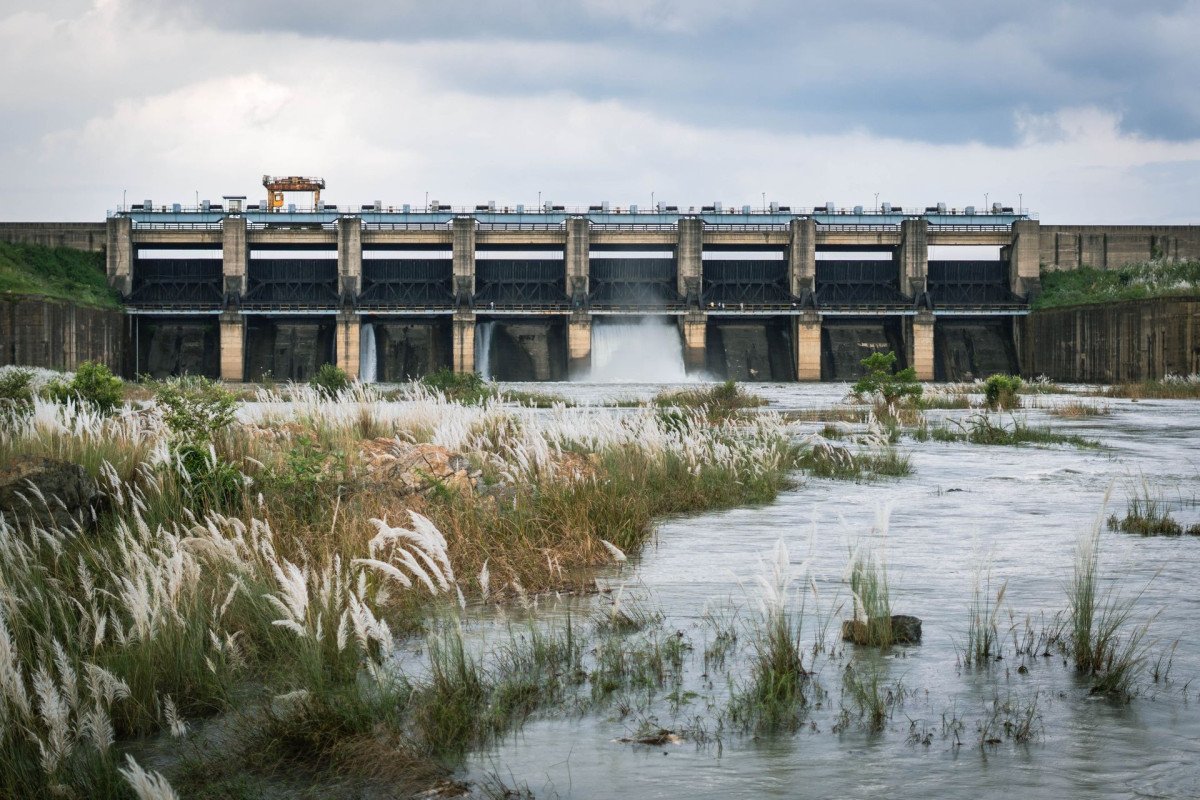
Monsoon Dam Opening Spectacle: The most significant special event is the periodic Opening of the Dam Gates during the peak Monsoon season (usually August), which draws massive crowds to witness the spectacular gushing of the controlled water release.
Read MoreMonsoon Dam Opening Spectacle: The most significant special event is the periodic Opening of the Dam Gates during the peak Monsoon season (usually August), which draws massive crowds to witness the spectacular gushing of the controlled water release.
Wildlife Awareness Camps: Due to the proximity to Ratapani, the Forest Department or local NGOs occasionally organize Wildlife Awareness Camps or nature walks near the dam to educate the public about conservation and safety.
Photography Contests: The dam's highly scenic nature makes it a frequent site for local Photography Competitions focused on nature and landscape.Best Photo Spots:
Dam Wall Panorama: The long, straight line of the dam wall against the vast reservoir and the hilly horizon offers a classic, wide-angle landscape photograph.
The Overflow View: During the monsoon, the water rushing over the spillway is a dr...Dam Wall Panorama: The long, straight line of the dam wall against the vast reservoir and the hilly horizon offers a classic, wide-angle landscape photograph.
The Overflow View: During the monsoon, the water rushing over the spillway is a dramatic, high-energy photo opportunity that is a huge attraction.
Reflection of Hills: The still waters of the reservoir, especially in the early morning, perfectly reflect the surrounding lush green hills, creating a stunning mirrored landscape shot.
Bird Photography Spots: Specific areas near the marshy wetlands at the reservoir's edge are ideal for close-up and action shots of the birdlife.
The Sunset over the Water: The wide, western horizon over the water provides a spectacular, unobstructed canvas for capturing the colors and drama of the sunset.Photo Gallery
Things To Do
-
Nature Photography: Capture the stunning landscape, including the reservoir, the dam structure, and the backdrop of the surrounding green hills, especially during the early morning and late evening light.
Birdwatching: Walk along the dam's length or nearby trails with binoculars to spot and identify the numerous waterbirds and migratory species that frequent the wetlands.
Wildlife Spotting (with Caution): Drive slowly or observe from a safe distance along the periphery roads in the early morning or at dusk for a chance to spot a Leopard or Tiger (always exercise extreme caution and follow official guidelines).
Sunset Viewing: The dam offers a fantastic and wide-open view for watching the sunset over the water, creating beautiful color reflections.Nature Photography: Capture the stunning landscape, including the reservoir, the dam structure, and the backdrop of the surrounding green hills, especially during the early morning and late evening light.
Birdwatching: Walk along the dam's length or nearby trails with binoculars to spot and identify the numerous waterbirds and migratory species that frequent the wetlands.
Wildlife Spotting (with Caution): Drive slowly or observe from a safe distance along the periphery roads in the early morning or at dusk for a chance to spot a Leopard or Tiger (always exercise extreme caution and follow official guidelines).
Sunset Viewing: The dam offers a fantastic and wide-open view for watching the sunset over the water, creating beautiful color reflections.
Picnicking: Find a suitable, safe spot in the nearby designated areas for a peaceful family or group picnic amidst nature.
Jogging/Walking: The roads along the dam provide an excellent, scenic route for a long, refreshing walk or jog in the fresh air.
Relaxation: Simply sit by the water's edge and enjoy the peaceful, tranquil environment, seeking relief from the city's noise and stress.
Visit the Overflow Gates: If visiting during the monsoon, go to see the spectacle of the water rushing over the spillway when the gates are opened (Bhadbhada Dam overflow feeds this).
Information
-
Why Famous:
Flood Control and Safety: It is famous as a critical Safety Dam for Bhopal, controlling the overflow from the Bhadbhada Dam and protecting the lower-lying areas of the city from flooding.
Wildlife Sighting Hotspot: The dam's surrounding wild...Flood Control and Safety: It is famous as a critical Safety Dam for Bhopal, controlling the overflow from the Bhadbhada Dam and protecting the lower-lying areas of the city from flooding.
Wildlife Sighting Hotspot: The dam's surrounding wilderness is highly famous for its increasing number of Tiger and Leopard sightings, attracting wildlife enthusiasts and adding a unique edge to its recreational appeal.
Scenic and Serene Location: The picturesque backdrop of lush green hills and the vast water reservoir make it a highly popular and tranquil weekend getaway for locals and tourists.
Birdwatching Destination: The fertile wetlands around the dam attract a variety of local and migratory bird species, making it an excellent spot for bird photography and observation. -
Architecture:
Modern Earthen Embankment: The dam's architecture is a modern, functional earthen embankment, a substantial barrier built in 1994 to control the flow of the Kaliasot River. Its design is primarily engineered for water management and flood control.
Read MoreModern Earthen Embankment: The dam's architecture is a modern, functional earthen embankment, a substantial barrier built in 1994 to control the flow of the Kaliasot River. Its design is primarily engineered for water management and flood control.
The Spillway and Gates: A key architectural feature is the concrete Spillway with its regulatory gates, designed to safely release excess water, especially when receiving overflow from the Bhadbhada Dam. This structure showcases civil engineering intended to manage high flow volumes.
Dimensions and Scale: The dam is a significant size, creating a substantial reservoir. The length of the dam and the size of the catchment area are carefully calibrated to serve its protective function, holding back a large volume of water.
Integrated Viewing Areas: The architecture includes well-paved roads running along the top of the dam or near the embankment, creating natural viewing points and promenades for visitors to appreciate the water body and the surrounding landscape.
Minimalist Aesthetics: The design is minimalist, focusing on structural integrity and functionality, relying on the immense natural beauty of the water and the forested hills for its aesthetic appeal.How To Reach:
By Air: The nearest airport is Raja Bhoj International Airport (BHO), approximately 20-25 KMS away. A taxi is the only reliable option, taking about 45-60 minutes.
By Train: Habibganj Railway Station (RKMP) is the closest, about 10-12 KMS a...By Air: The nearest airport is Raja Bhoj International Airport (BHO), approximately 20-25 KMS away. A taxi is the only reliable option, taking about 45-60 minutes.
By Train: Habibganj Railway Station (RKMP) is the closest, about 10-12 KMS away, and Bhopal Junction (BPL) is around 14-16 KMS away. A prepaid taxi or app-based cab is the recommended mode of transport.
By Road: Kaliasot Dam is located on the road connecting Hoshangabad Road with the Kolar Road area. It is easily accessible by car or bike, and the route via Chuna Bhatti or Nehru Nagar is well-known.
By Local Transport: While local buses and shared transport may go to the nearby residential colonies, a dedicated Auto-rickshaw or an App-based Cab (like Uber and Ola) is necessary to reach the actual dam site comfortably. Always confirm the fare or use the app for pricing.Weather and Best Time to Visit:
Different Types of Seasons: Monsoon Season (July to September) is the Best Time to Visit as the water level is at its highest, the surrounding hills are intensely green, and the spectacle of the spillway is a possibility. Winter Season (October to March) is excellent for wi...Different Types of Seasons: Monsoon Season (July to September) is the Best Time to Visit as the water level is at its highest, the surrounding hills are intensely green, and the spectacle of the spillway is a possibility. Winter Season (October to March) is excellent for wildlife spotting and birdwatching due to the mild, pleasant weather. Summer Season (April to June) can be very hot, making early morning visits mandatory.
Different Parts of the Day: Sunrise/Early Morning is highly recommended for the best light, lowest crowds, wildlife viewing, and a truly tranquil experience. Late Afternoon/Sunset is also popular for the scenic view and the cool breeze.Near Tourist Places:
Ratapani Wildlife Sanctuary (35 KMS), Kerwa Dam (10 KMS), Upper Lake (10 KMS), Bhadbhada Dam (6 KMS), DB City Mall (8 KMS), Habibganj Railway Station (10 KMS), Sair Sapata (12 KMS), Van Vihar National Park (14 KMS), Bhimbetka Rock Shelters (Day Trip, 38 KMS), Sanchi Stupa (Day Trip, 55 KMS).Tourism Tips
-
Health & Safety:
Wildlife Warning: Be extremely cautious and do not venture into the surrounding forest area, especially at dawn or dusk, as tigers and leopards are known to frequent the area. Follow all local warnings.
Read MoreHealth & Safety:
Wildlife Warning: Be extremely cautious and do not venture into the surrounding forest area, especially at dawn or dusk, as tigers and leopards are known to frequent the area. Follow all local warnings.
Packing: Carry Binoculars for bird and wildlife viewing; wear comfortable walking shoes; carry insect repellent, especially near the water.
Accommodation: Stay in the Habibganj or Arera Colony areas for the closest and best hotel options.
Other Different Topics:
Best View: Drive to the main dam area for the most panoramic view.
Cleanliness: Be a responsible nature visitor and carry all trash back with you to protect the delicate ecosystem and wildlife.Reviews
FAQs
Bhopal Itineray And Cost:-
Other Places In Bhopal :-
Other States In India :-
Information about New and Updated Locations() of Madhya Pradesh Has Been Added :-
Card subtitle
Note:-
Information provided here in good Faith and for reference only.
Near Places

Badi Jheel
Some quick example text to build on the card title and make up the bulk of the card's content.
Go somewhere
DB City Mall
Some quick example text to build on the card title and make up the bulk of the card's content.
Go somewhere
Fish Aquarium
Some quick example text to build on the card title and make up the bulk of the card's content.
Go somewhere
Gauhar Mahal
Some quick example text to build on the card title and make up the bulk of the card's content.
Go somewhere
Gohar Mahal
Some quick example text to build on the card title and make up the bulk of the card's content.
Go somewhere
Islamnagar Fort
Some quick example text to build on the card title and make up the bulk of the card's content.
Go somewhere
Jama Masjid
Some quick example text to build on the card title and make up the bulk of the card's content.
Go somewhere
Kali Parade
Some quick example text to build on the card title and make up the bulk of the card's content.
Go somewhere
Kaliasot Dam
Some quick example text to build on the card title and make up the bulk of the card's content.
Go somewhere
Kamla Park
Some quick example text to build on the card title and make up the bulk of the card's content.
Go somewhere
Kerwa Dam Lake
Some quick example text to build on the card title and make up the bulk of the card's content.
Go somewhere
Museum of Man
Some quick example text to build on the card title and make up the bulk of the card's content.
Go somewhere
Raja Bhoj Statue
Some quick example text to build on the card title and make up the bulk of the card's content.
Go somewhere
Van Vihar National Park
Some quick example text to build on the card title and make up the bulk of the card's content.
Go somewherein Other Cities