


Narayanpur
General information
-
Ideal Duration:
2 to 3 DaysPlace Type:
Cultural & OffbeatEntry Fees:
Natural Attractions: Most forest areas and waterfalls in Narayanpur do not have a formal entry fee. However, you might need to pay a small amount to local village committees for maintenance.
Museums: The museum at the Ramakrishna Mission ma...Natural Attractions: Most forest areas and waterfalls in Narayanpur do not have a formal entry fee. However, you might need to pay a small amount to local village committees for maintenance.
Museums: The museum at the Ramakrishna Mission may have a very nominal fee of Rs.5 to Rs.10. Donations to the mission for their tribal welfare work are always welcomed by the administration.Timing:
Visiting Hours: Tribal villages are best visited during the day, preferably between 10:00 AM and 4:00 PM. It is important to return to the town before dark due to the remote nature of the region.
Market Days: Find out the specific day for t...Visiting Hours: Tribal villages are best visited during the day, preferably between 10:00 AM and 4:00 PM. It is important to return to the town before dark due to the remote nature of the region.
Market Days: Find out the specific day for the weekly Haat in nearby villages, as these are the best times to experience the local culture and see a variety of people.Special Events:
Mata Mavli Mela: This is the most famous event in Narayanpur, celebrated with huge enthusiasm. It features traditional music, massive fairs, and a unique ritual where local deities are brought to the town.
Amaniya Tihar: A harvest festival ...Mata Mavli Mela: This is the most famous event in Narayanpur, celebrated with huge enthusiasm. It features traditional music, massive fairs, and a unique ritual where local deities are brought to the town.
Amaniya Tihar: A harvest festival celebrated by the local tribes with traditional food and community dances. It is a time of joy and thanksgiving to the forest gods for a good crop.Best Photo Spots:
Tribal Villages: The golden hour before sunset is perfect for capturing the textures of the mud houses and the daily activities of the villagers. The soft light brings out the earthy colors of the surroundings.
Handavada Falls: Due to the h...Tribal Villages: The golden hour before sunset is perfect for capturing the textures of the mud houses and the daily activities of the villagers. The soft light brings out the earthy colors of the surroundings.
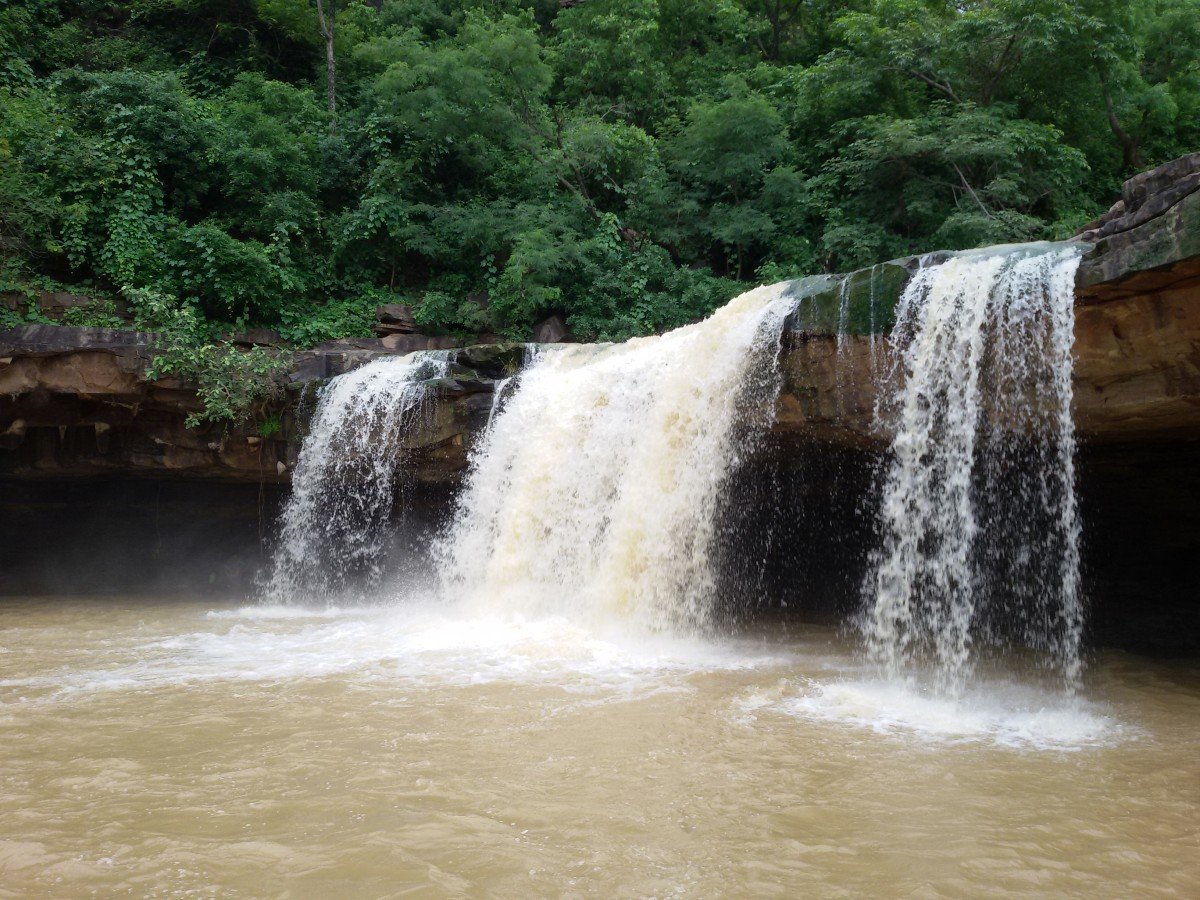
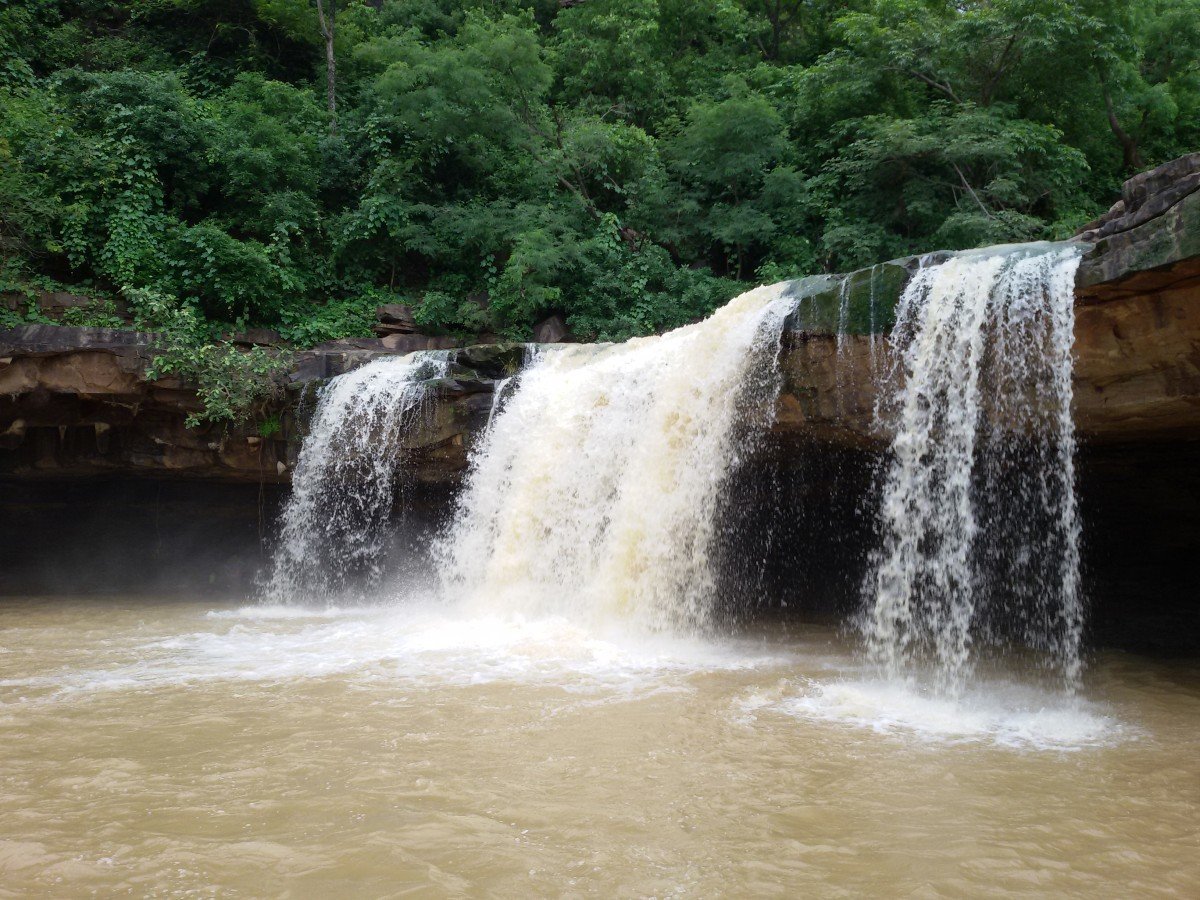
Handavada Falls: Due to the heavy spray, photographing the falls is best done from a distance with a telephoto lens. The lush green forest surrounding the falls provides a beautiful natural frame.
Weekly Haats: These bustling markets are best captured in the morning when the activity is at its peak. Candid shots of traders and the variety of goods offer a great story-telling opportunity.Photo Gallery


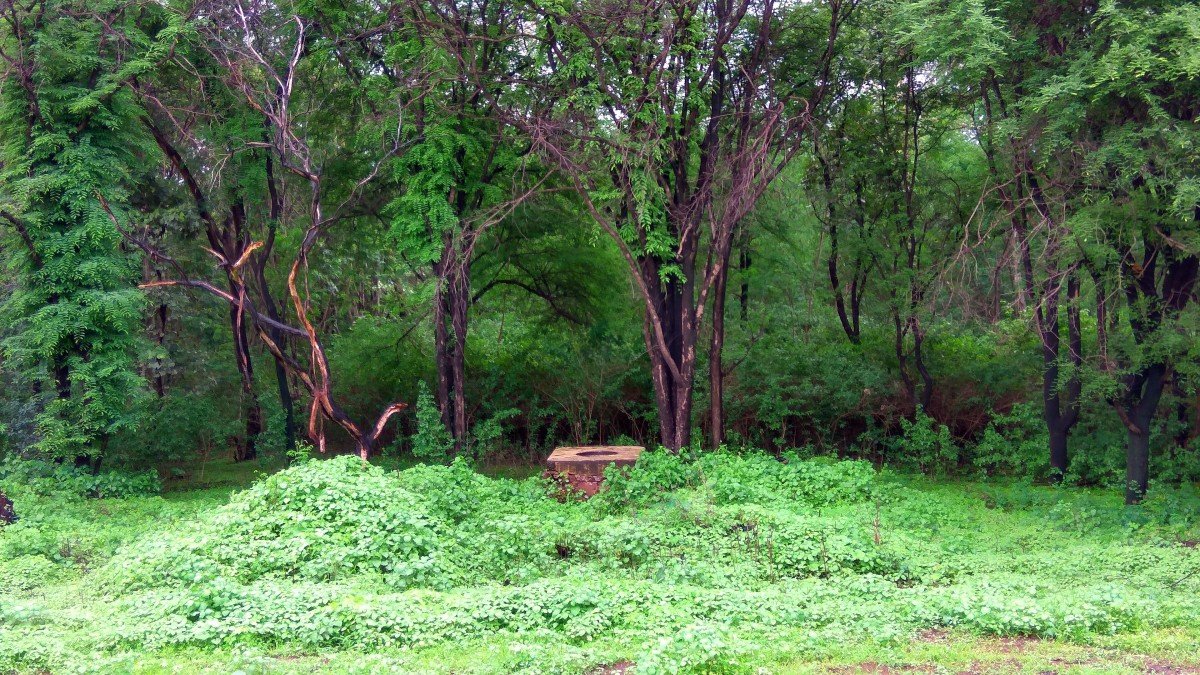
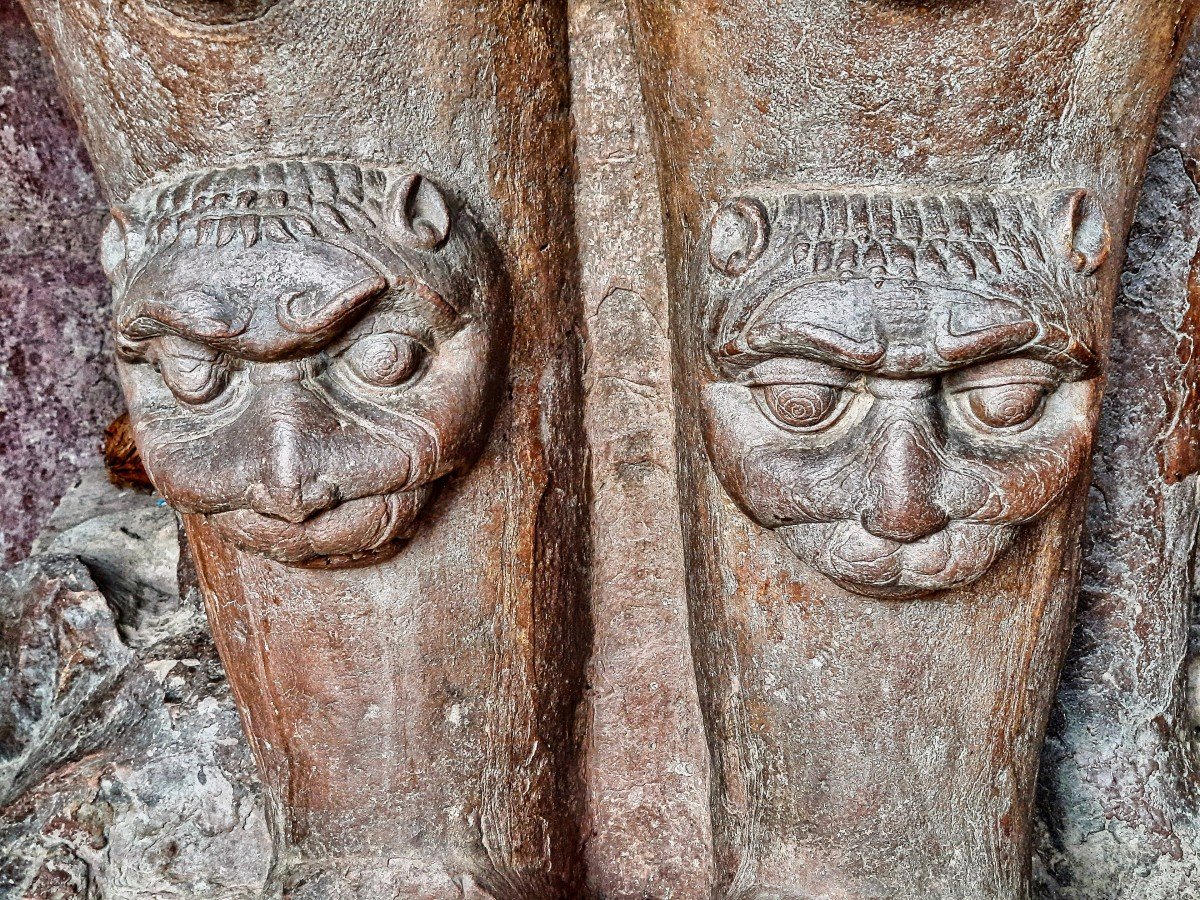
Things To Do
 @@General Details: The Ramkrishna Mission Ashram in Narayanpur is a world-renowned socio-spiritual organization founded in 1985 by Swami Atmananda. It was established with the noble goal of uplifting the extremely backward tribal communities of the Abujhmarh region, who were previously cut off from civilization. The ashram is not just a religious center but a massive hub of education, healthcare, and vocational training. Spanning over a vast green campus, it houses a residential higher secondary school, an industrial training institute (ITI), and a multi-specialty hospital named Vivekananda Arogya Dham. The ashram has been instrumental in transforming the lives of thousands of tribal children, many of whom have gone on to become doctors, engineers, and government officers. In 2009, it was honored with the Indira Gandhi Award for National Integration. The campus exudes a sense of discipline, peace, and selfless service. Visitors can see the agricultural demonstration units where tribal farmers are taught modern farming techniques. The ashram also manages several fair-price shops and mobile medical units in the deep interiors of the jungle. A visit here provides deep insights into the humanitarian efforts being made to bridge the gap between tribal traditions and modern progress. It stands as a testament to the philosophy of "Service to Man is Service to God."
 Abujhmarh, meaning "the unknown hills" in the Gondi language, is a vast, hilly, and dense forest area spanning over 4,000 square kilometres across Narayanpur, Bijapur, and Dantewada districts. It serves as the ancestral home to several indigenous tribes, predominantly the Abujhmarhia (a sub-tribe of the Muria Gond) who maintain a pristine, isolated, and traditional lifestyle. The region is geographically isolated, characterized by thick forests, undulating mountains, and numerous seasonal rivers, which contribute to its being largely inaccessible, particularly during the Monsoon season (June to October). This isolation has historically kept it untouched by land surveys and civil administration for decades. The entire area has been proposed as a biosphere reserve by the Ministry of Environment and Forests, Government of India, highlighting its immense ecological and cultural significance. The indigenous people practice shifting cultivation, known as penda, and rely entirely on the forest for sustenance, showcasing a deep, symbiotic relationship with nature. Entry into this zone traditionally requires a government permit due to its sensitive nature, underscoring its status as an exceptionally protected cultural landscape. The population density is extremely low, making it a truly unique area of human habitation and natural biodiversity within the Bastar division of Chhattisgarh. The river Indravati separates the area from the main Bastar region to the south, adding to its natural boundary. The region is a living museum of tribal heritage, language, and custom.
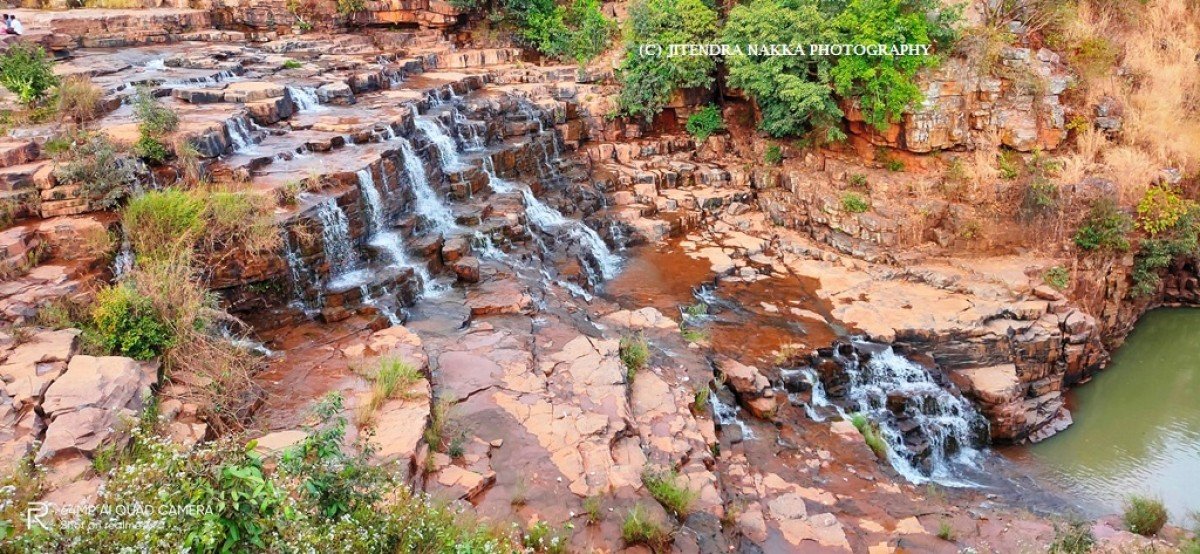
 Khursel Ghati (Khursel Valley), often nicknamed the "Nainital of Bastar" for its cool climate and stunning panoramic views, is a sheltered valley surrounded by high ridges and dense protected forests in the northwestern part of the Narayanpur district. The valley is famous for its exceptional natural beauty, which captivated visitors even during the British era. The Ghati is approximately 9.5 km long and 4 km wide, offering a vast canvas of undulating terrain, dotted with rich biodiversity. At the heart of the valley lies the magnificent Khursel Waterfall (Khursel Jalprapat), where the Khursel River plunges from a height of around 400 feet in several breathtaking segments, creating multiple reservoirs (kunds) at different levels. The area is a vital habitat for various wildlife, including four-horned antelope, bison, and numerous bird species. The forest is also rich in medicinal plants like Tendu Patta and Chloroxylon. The relatively moderate temperatures and tranquil, secluded atmosphere make it a perfect destination for both trekking adventurers and those seeking a peaceful retreat into nature's lap, offering an unspoiled view of the Bastar landscape.
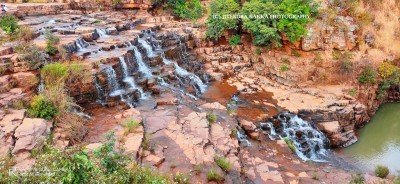 @@General Details: The Mata Mavli Mela Ground is the primary venue for the world-famous Narayanpur Mela (also known as Mavli Mandai), an annual cultural extravaganza that has been celebrated for over 800 years. This ground serves as the spiritual and social hub for the tribal communities of Abujhmarh, Bastar, and neighboring regions. Dedicated to Mata Mavli, the presiding deity of the region, the mela is a vibrant tapestry of tribal rituals, folk dances, and traditional music. During the festival, thousands of tribals from remote villages congregate here, bringing their local deities on ornate palanquins in a grand procession called Mavli Parghav. The ground transforms into a massive marketplace where traditional handicrafts, forest produce, and hand-woven fabrics are traded. It is not just a fair but a profound expression of the Gond, Muria, and Halba tribal identities. Visitors can witness rare folk arts like the Stilt Dance and listen to the haunting melodies of traditional instruments. The atmosphere is electric with the sound of drums and the chants of devotees. Prime Minister Narendra Modi has also praised this mela for its cultural significance in his "Mann Ki Baat" program. The ground remains a place of historical reverence throughout the year, representing the enduring spirit of Chhattisgarh's tribal heritage.
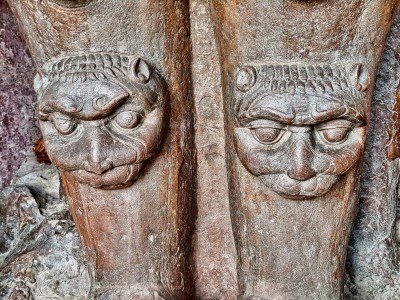 @@General Details: The Statue of Lord Shiva in Narayanpur is a modern architectural marvel and a significant spiritual landmark. Located in the Gadhbengal area, this towering statue depicts Lord Shiva in a meditative pose, radiating power and serenity. The statue is visible from a distance, serving as a beacon for travelers entering the town. It is built on a raised pedestal, surrounded by a beautifully landscaped park that provides a peaceful environment for contemplation and relaxation. The area is also home to an ancient Shiva temple, which dates back several centuries, creating a unique blend of old and new spiritual traditions. The site becomes particularly vibrant during Maha Shivratri, when thousands of devotees gather to perform "Abhishekam" and offer prayers. The statue's intricate details, from the crescent moon in his hair to the trident in his hand, are a testament to the skill of the local artisans. The site is not just for religious visitors; the surrounding gardens make it a popular spot for local families and tourists to spend their evenings. The cool breeze from the nearby water bodies and the shadow of the tall statue create a pleasant atmosphere even during the day. It represents the deep-rooted Shaivite traditions of the Bastar region while embracing modern monumental art.
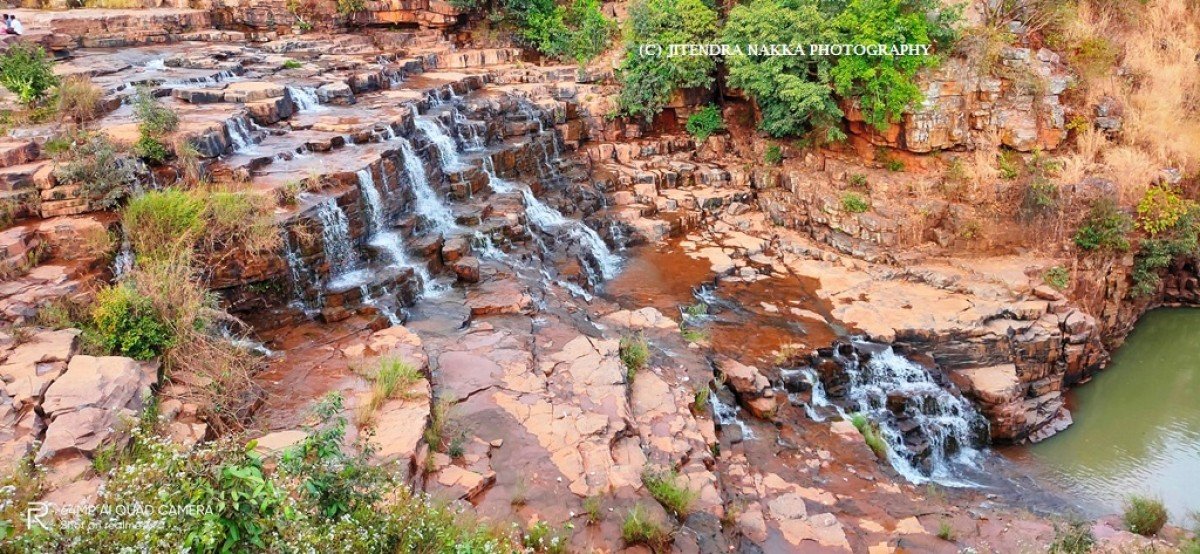
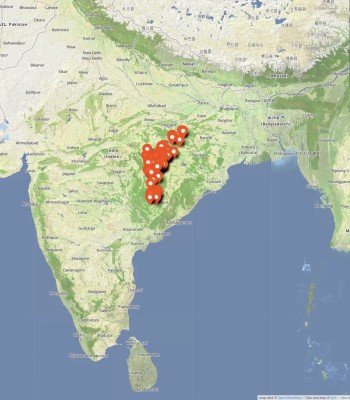 Handawada Waterfall, nestled deep within the forests of the Orchha block, is celebrated as one of the most majestic and highest waterfalls in the entire Bastar division of Chhattisgarh. It is formed by the Goyder Nala stream, which originates in the surrounding mountainous terrain and plunges dramatically from a significant height, estimated to be between 300 and 400 feet, creating a spectacle often compared to scenes from the movie Baahubali due to its sheer scale and vertical drop. The final approach to the falls involves a challenging 3 to 5 km trek through dense, pristine forest alongside the roaring stream, a journey that is as exhilarating as the destination itself. Due to its remote location and the necessity of crossing several mountainous rivulets (nalas) and navigating unmetalled roads after the Saath-dhaar bridge over the Indravati River near Barsur, the waterfall retains a completely untouched and virgin quality. It is a haven for serious trekkers and nature lovers seeking a truly offbeat and adventurous experience, far removed from commercialized tourism. The natural lake or kund formed at the base of the cascade is surrounded by large rocks, offering a powerful display of the water's force and the serenity of the secluded wilderness.
 The Dhokra Bell Metal Handicraft Centre in Narayanpur is a hub for one of the oldest known metal casting techniques in the world. This art form, dating back over 4,000 years to the Indus Valley Civilization, is practiced by the Ghadwa community. The craft involves a complex process of 'lost-wax casting' where non-ferrous metal like brass and bronze is used to create intricate figurines. At this centre, visitors can see artisans at work, transforming simple clay and wax into masterpieces of tribal art. The motifs are usually inspired by nature, tribal deities, and daily life—deer, elephants, and tribal dancers are common themes. Each piece is unique because the mold is broken after every casting. The center serves both as a production unit and a school where the younger generation learns the meticulous steps of the craft. It is a vital part of the local economy and helps preserve a heritage that is recognized globally. Walking through the center, the smell of melting wax and the rhythmic sound of hammering metal create an atmosphere of creative industry. The products range from small trinkets to large, elaborate statues that can take weeks to complete. It is a must-visit for anyone interested in indigenous crafts and sustainable art practices.Show All
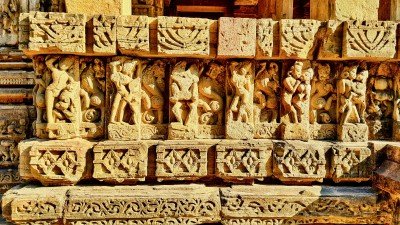 @@General Details: Pahadi Mata Mandir is a revered Hindu temple dedicated to the goddess Pahadi Mata, who is considered the divine protector of the Narayanpur community. Perched on a scenic hill, the temple offers a panoramic view of the surrounding lush green forests and the urban sprawl of the town. The climb to the temple involves a series of well-maintained steps, providing a spiritual journey that combines physical effort with mental peace. The temple is especially crowded during the Navratri festival, when thousands of devotees light "Jyoti Kalash" (eternal lamps) to seek the goddess's blessings. The atmosphere at the summit is tranquil, filled with the ringing of temple bells and the scent of incense. According to local lore, the goddess was established here to safeguard the tribal people from natural calamities and forest spirits. The hilltop also serves as an excellent vantage point for nature lovers and photographers who wish to capture the sunrise or sunset over the Abujhmarh horizon. The temple complex includes smaller shrines dedicated to Lord Ganesha and Lord Hanuman, making it a comprehensive religious site. The surrounding forest area is protected, ensuring that the natural beauty of the hill remains intact. It is a must-visit for anyone seeking spiritual solace and a touch of adventure in Narayanpur.
Information
-
Why Famous:
Indigenous Culture: It is one of the few places where tribal traditions like the Ghotul system are still practiced. The district offers an authentic look into the lives of the Muria and Madiya tribes.
Dhokra Art: The district is a hub for t...Indigenous Culture: It is one of the few places where tribal traditions like the Ghotul system are still practiced. The district offers an authentic look into the lives of the Muria and Madiya tribes.
Dhokra Art: The district is a hub for this ancient metal-casting technique. The quality and intricacy of the metalwork found here are among the best in the country, attracting international interest. -
Architecture:
Ghotul Structures: The Ghotul is a traditional communal house for the youth of the Muria tribe. These structures are built using bamboo, wood, and thatch, with walls often decorated with tribal paintings. Dimensions vary, but a central hall typically measures about 12 mete...Ghotul Structures: The Ghotul is a traditional communal house for the youth of the Muria tribe. These structures are built using bamboo, wood, and thatch, with walls often decorated with tribal paintings. Dimensions vary, but a central hall typically measures about 12 meters by 8 meters, serving as a space for social and cultural learning.
Traditional Tribal Huts: Houses in the villages are typically made of mud and reinforced with wooden beams. The roofs are steeply pitched and covered with local tiles or grass to drain rainwater efficiently. Each hut is a testament to the tribe's harmony with their environment, using only natural materials. -
How To Reach:
By Air: Raipur Airport is the nearest major airport, about 240 KM away. Travelers usually take a taxi or a bus from Raipur to Narayanpur, which takes about 5 to 6 hours.
By Train: The nearest railway station is at Jagdalpur or Dhamtari, but...By Air: Raipur Airport is the nearest major airport, about 240 KM away. Travelers usually take a taxi or a bus from Raipur to Narayanpur, which takes about 5 to 6 hours.
By Train: The nearest railway station is at Jagdalpur or Dhamtari, but connectivity is limited. Most people prefer taking a train to Raipur and then proceeding by road.
By Road: Narayanpur is connected by road to Kondagaon and Jagdalpur. The state highway is well-maintained, and regular buses operate from these towns to the district headquarters.
Local Transport: Within the town, shared autos are the primary mode of transport. For visiting remote tribal areas or waterfalls, it is essential to hire a sturdy private SUV and a local guide. -
Weather and Best Time to Visit:
Winter Season: October to February is the ideal time as the weather is pleasant for outdoor activities. The festivals during this time also add to the travel experience.
Early Monsoon: June to July is a great time to see the forests turning...Winter Season: October to February is the ideal time as the weather is pleasant for outdoor activities. The festivals during this time also add to the travel experience.
Early Monsoon: June to July is a great time to see the forests turning green and the waterfalls starting to flow. However, some remote roads might become difficult to navigate.
Morning Hours: Start your day early to make the most of the daylight. The air is fresh and the light is perfect for photography and visiting the bustling morning markets. -
Near Tourist Places:
Kondagaon (50km), Jagdalpur (120km), Abujhmad (20km), Handavada (40km), Kanker (110km), Dantewada (150km), Barsur (130km), Raipur (240km), Chitrakote (140km), Tirathgarh (160km)
Tourism Tips
-
Health & Safety: Always travel with a local guide when visiting remote villages or forest areas. Keep your identity documents handy and be aware of the local security guidelines for the region.
Packing: Carry comfortable trekking shoes and ...Health & Safety: Always travel with a local guide when visiting remote villages or forest areas. Keep your identity documents handy and be aware of the local security guidelines for the region.
Packing: Carry comfortable trekking shoes and a good quality camera. Since it's a tribal area, carrying some basic snacks and plenty of water is recommended as shops are few.
Accommodation: Narayanpur has a few basic guesthouses and a government circuit house. For better facilities, many tourists stay in Kondagaon or Jagdalpur and do a day trip to Narayanpur.
Cultural Sensitivity: Respect the privacy of the tribal people and always ask before entering their homes or taking their photos. Avoid offering money directly to children; instead, donate to local schools.
Reviews
FAQs
Narayanpur Itineray And Cost:-
Other Places In Chhattisgarh :-
Other States In India :-
Information about New and Updated Locations() of Chhattisgarh Has Been Added :-
Card subtitle
Note:-
Information provided here in good Faith and for reference only.
Near Places
Ambikapur
Some quick example text to build on the card title and make up the bulk of the card's content.
Go somewhere
Bastar
Some quick example text to build on the card title and make up the bulk of the card's content.
Go somewhere
Bilai
Some quick example text to build on the card title and make up the bulk of the card's content.
Go somewhere
Bilaspur
Some quick example text to build on the card title and make up the bulk of the card's content.
Go somewhere
Dantewada
Some quick example text to build on the card title and make up the bulk of the card's content.
Go somewhere
Dhamtari
Some quick example text to build on the card title and make up the bulk of the card's content.
Go somewhere
Durg
Some quick example text to build on the card title and make up the bulk of the card's content.
Go somewhere
Ghoghrapur
Some quick example text to build on the card title and make up the bulk of the card's content.
Go somewhere
Kabirdham
Some quick example text to build on the card title and make up the bulk of the card's content.
Go somewhere
Kanker
Some quick example text to build on the card title and make up the bulk of the card's content.
Go somewhere
Kirandul
Some quick example text to build on the card title and make up the bulk of the card's content.
Go somewhere
Kondagaon
Some quick example text to build on the card title and make up the bulk of the card's content.
Go somewhere
Korba
Some quick example text to build on the card title and make up the bulk of the card's content.
Go somewhere
Mahasamund
Some quick example text to build on the card title and make up the bulk of the card's content.
Go somewhere
Mainpat
Some quick example text to build on the card title and make up the bulk of the card's content.
Go somewhere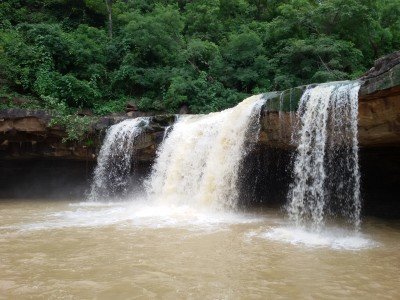
Narayanpur
Some quick example text to build on the card title and make up the bulk of the card's content.
Go somewherein Other Cities