
Panikera Lake
General information
-
Ideal Duration:
2 to 3 Hours (for full relaxation and exploration)Place Type:
Nature Spot/Local Reservoir/Entry Fees:
Admission Policy: There is No Entry Fee to visit the lake and its banks. It is a public water body accessible to all.
Parking Fees: No formal parking fee is typically charged, as it is a local, undeveloped spot, though small, unofficial fee...Admission Policy: There is No Entry Fee to visit the lake and its banks. It is a public water body accessible to all.
Parking Fees: No formal parking fee is typically charged, as it is a local, undeveloped spot, though small, unofficial fees might be requested by locals for guarding vehicles.
Activity Costs: Costs would be limited to purchasing local snacks or water from vendors, or the cost of hiring a boat for fishing (if available, generally negotiated directly with a local fisherman).Timing:
Regular Timings: The lake is generally accessible from Sunrise to Sunset daily, as it is an open natural area. 8:00 AM to 6:00 PM is the suggested viewing time.
Ideal Visit Time: The Ideal Visit Time is very early morning (6:00 AM to 9:00 A...Regular Timings: The lake is generally accessible from Sunrise to Sunset daily, as it is an open natural area. 8:00 AM to 6:00 PM is the suggested viewing time.
Ideal Visit Time: The Ideal Visit Time is very early morning (6:00 AM to 9:00 AM) for birdwatching, or late afternoon (4:00 PM to 6:30 PM) for picnicking and sunset views, which also avoids the harsh midday sun.
(Sub Topic Heading):
Water Level: Visit after the monsoon (September-November) when the water level is highest.Special Events:
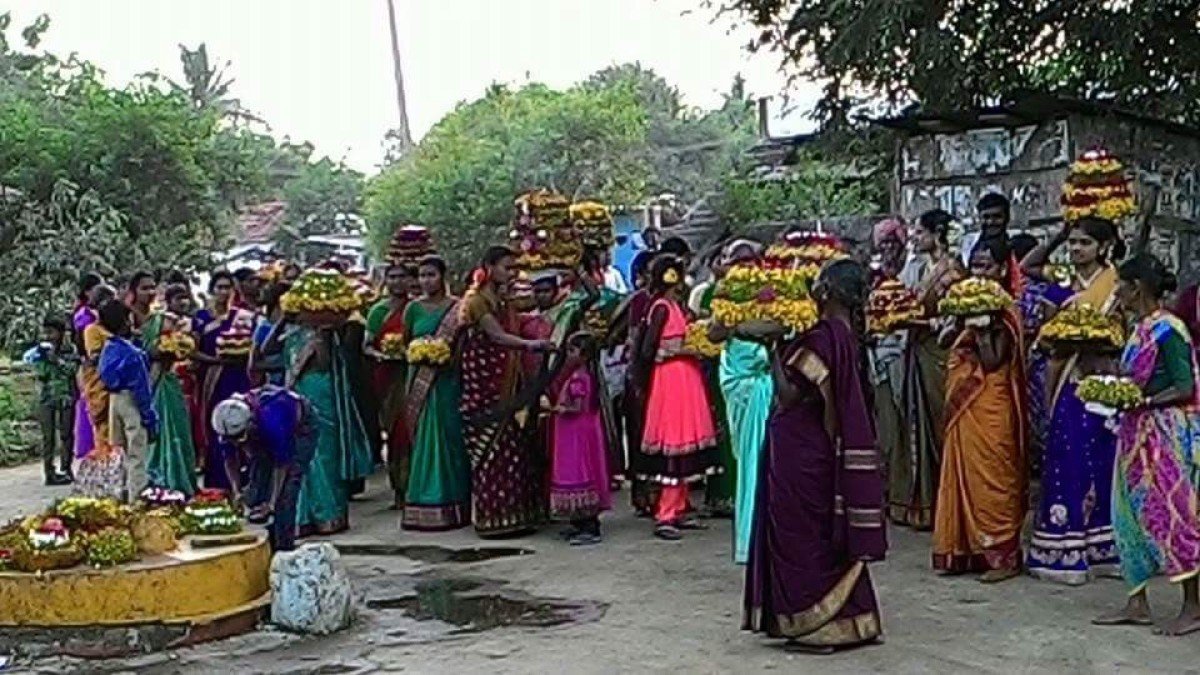
Local Festivals and Jatara: While there are no large-scale, state-wide events, the lake is occasionally the site for small, local religious ceremonies (pujas) or village festivals (jatara) that involve offerings or immersions in the water, usually held by the nearby village ...Local Festivals and Jatara: While there are no large-scale, state-wide events, the lake is occasionally the site for small, local religious ceremonies (pujas) or village festivals (jatara) that involve offerings or immersions in the water, usually held by the nearby village communities during the months of April or May.
Community Fishing Events: After the monsoon or during a bountiful season, local villagers may organize a community fishing day where nets are cast simultaneously, resulting in a bustling, social, and culturally rich event focused on shared resources and celebration.Best Photo Spots:
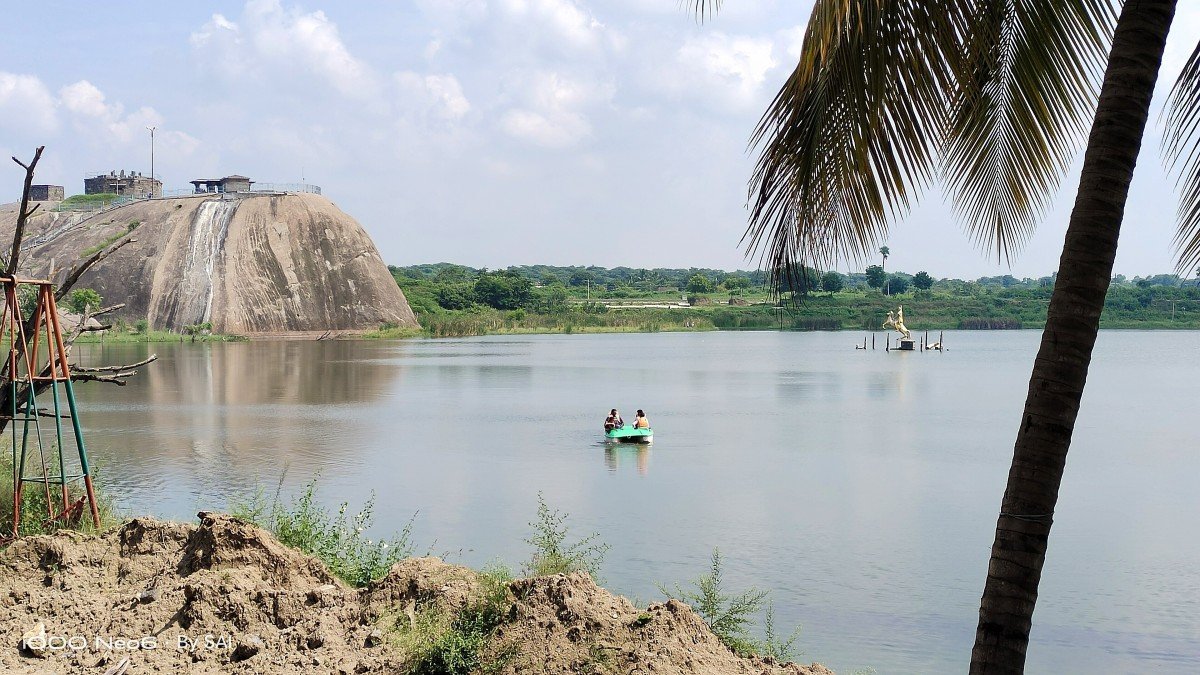
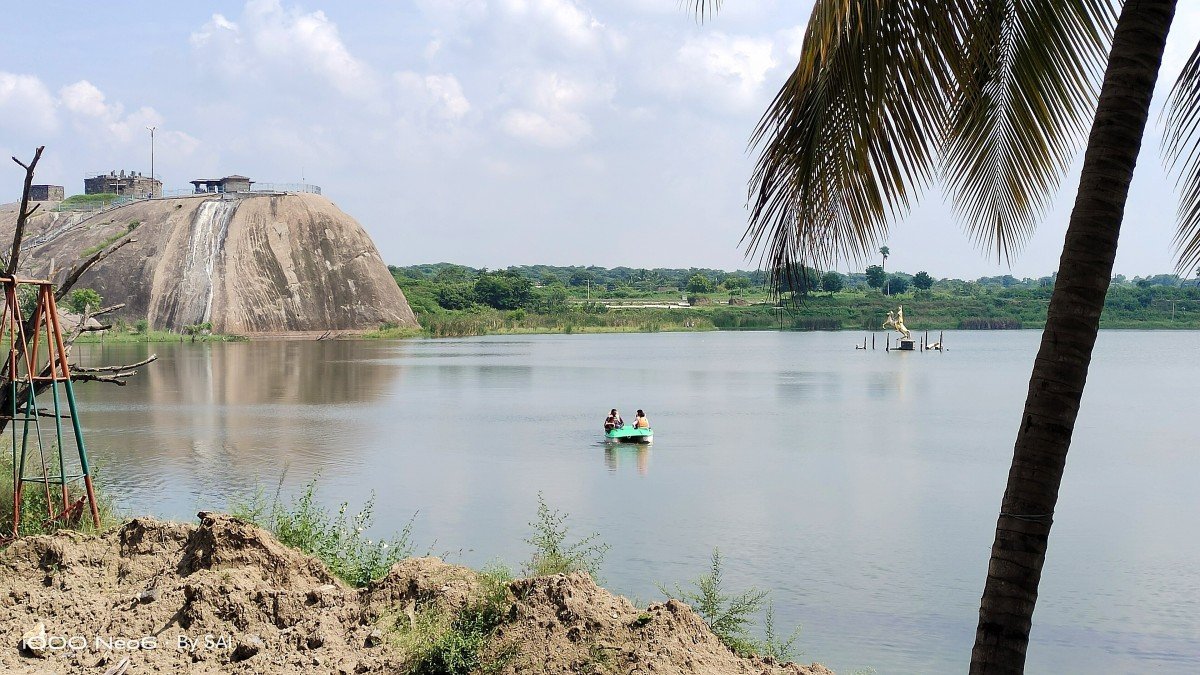
The Sunset Silhouette: The most picturesque spot is the eastern bank during sunset, framing the sun descending over the water and capturing the silhouettes of the trees and any small boats or fishermen in the foreground.
The Water Reflection:The Sunset Silhouette: The most picturesque spot is the eastern bank during sunset, framing the sun descending over the water and capturing the silhouettes of the trees and any small boats or fishermen in the foreground.
The Water Reflection: Any point along the bund where the lake surface is perfectly still is ideal for capturing clear reflections of the sky, clouds, and surrounding greenery, often best in the quiet early morning.
The Avian Close-up: Photography spots focused on capturing the variety of resident and migratory birds, often requiring a patient wait near the shallow banks or water's edge. (Approx. )Photo Gallery
Things To Do
-
Relaxation and Picnicking (): The grassy banks of Panikera Lake are perfect for setting up a quiet picnic with family or friends. Spend time simply relaxing, reading a book, or enjoying the cool breeze from the water. It’s an ideal spot for disconnecting from digital devices and enjoying the simple pleasure of nature.
(Sub Topic Heading):
Nature Sketching: Bring a sketchbook and charcoal to capture the serene landscape, the play of light on the water, and the natural shapes of the surrounding vegetation.
Birdwatching and Photography (): Carry a pair of binoculars and a telephoto lens for birdwatching, especially during November to February, when migratory birds are present. Walk along the perimeter of the lake to look for different avian species, insects, and...Relaxation and Picnicking (): The grassy banks of Panikera Lake are perfect for setting up a quiet picnic with family or friends. Spend time simply relaxing, reading a book, or enjoying the cool breeze from the water. It’s an ideal spot for disconnecting from digital devices and enjoying the simple pleasure of nature.
(Sub Topic Heading):
Nature Sketching: Bring a sketchbook and charcoal to capture the serene landscape, the play of light on the water, and the natural shapes of the surrounding vegetation.
Birdwatching and Photography (): Carry a pair of binoculars and a telephoto lens for birdwatching, especially during November to February, when migratory birds are present. Walk along the perimeter of the lake to look for different avian species, insects, and small local animals. The lake provides excellent opportunities for sunset photography, capturing the silhouettes of the trees against the colorful sky reflected in the still water. (Total Approx. )
Information
-
Why Famous:
Natural Tranquility: It is famous among locals for its unspoiled natural beauty and tranquility, offering a genuine escape and a peaceful environment far from the noise of the city, making it a favorite retreat for fishing and quiet contemplation.
Read MoreNatural Tranquility: It is famous among locals for its unspoiled natural beauty and tranquility, offering a genuine escape and a peaceful environment far from the noise of the city, making it a favorite retreat for fishing and quiet contemplation.
Birdwatching Potential: The lake and its surrounding greenery attract a variety of local and migratory bird species, particularly during the winter months, making it a known, though less publicized, spot for birdwatching and nature photography. It serves as a small ecosystem.Architecture:
Architectural Style: As a natural and functional water reservoir, Panikera Lake does not possess a complex architectural structure like a temple or fort. Its architecture is purely utilitarian, focusing on its function as a tank (cheruvu or kunta).
Read MoreArchitectural Style: As a natural and functional water reservoir, Panikera Lake does not possess a complex architectural structure like a temple or fort. Its architecture is purely utilitarian, focusing on its function as a tank (cheruvu or kunta).
(Sub Topic Heading):
Embankment Design: The lake features a basic earthen or stone embankment/bund designed to hold and store the monsoon rainwater. These embankments are practical engineering feats of local importance.
Inlet and Outlet System: The lake would have simple, manually operated sluice gates or channels to manage the flow of water for irrigation, a common feature in Deccan reservoirs. The focus is on robust, low-maintenance construction using local materials.
Dimension and Layout: Panikera Lake is a moderately sized cheruvu (tank), which is smaller and more local than the major Kakatiya tanks. Its size and shape are generally irregular, conforming to the natural depression of the land. Its simplicity is its defining 'architectural' trait, showcasing traditional Deccan water harvesting.How To Reach:
By Air (): Nearest airport is Rajiv Gandhi International Airport (HYD) in Hyderabad (approx. 190 KMS). Travel to Warangal and then take a road journey to the lake.
By Train (): Nearest railhead is Warangal Railway Station (WL) or Kazipet J...By Air (): Nearest airport is Rajiv Gandhi International Airport (HYD) in Hyderabad (approx. 190 KMS). Travel to Warangal and then take a road journey to the lake.
By Train (): Nearest railhead is Warangal Railway Station (WL) or Kazipet Junction (KZJ). The lake is a significant distance (approx. 25-30 KMS) from the main stations.
By Road (): The lake is located off the main highway, requiring travel on local district roads. It's best reached by a hired private taxi or an auto-rickshaw for the entire round trip from Warangal or Hanamkonda as public transport is irregular.
(Sub Topic Heading):
Self-Drive: Self-driving a car or renting a two-wheeler is a good option for flexibility in reaching the somewhat remote location.
Local Transport (): Finding a direct local city bus is challenging. It is strongly recommended to hire a dedicated auto-rickshaw or taxi for the journey. Negotiate a return fare, as finding transport for the return journey from the lake may be difficult, especially after sunset. The nearest village is Deekshakunta. (Total Approx. )Weather and Best Time to Visit:
Winter (October to March): Best Time to Visit. The climate is cool and very pleasant, ideal for outdoor leisure activities like birdwatching and picnicking.
(Sub Topic Heading):
Dry Season: The edges of the ...Winter (October to March): Best Time to Visit. The climate is cool and very pleasant, ideal for outdoor leisure activities like birdwatching and picnicking.
(Sub Topic Heading):
Dry Season: The edges of the lake are most accessible for walking during the dry winter and pre-summer months.
Monsoon (July to September): Good, as the lake will be full and the surrounding area green, but accessing the banks may be difficult due to mud.
Summer (April to June): Avoid midday, as the heat can be extreme and there is very little shade around the lake, making the visit very uncomfortable.
Different Parts of the Day: Early morning is peaceful and prime for nature observation; late afternoon is best for photography and relaxation.Near Tourist Places:
Pakhal Lake (20 KMS), Pakhal Wildlife Sanctuary (20 KMS), Narsampet Town (15 KMS), Laknavaram Lake (55 KMS), Warangal Fort (25 KMS), Kakatiyan Stepped Well (Metla Bavi) (28 KMS), Khush Mahal (28 KMS), Swayambhu Devalayam (28 KMS), Regional Science Center (35 KMS), Thousand Pillar Temple (32 KMS)Tourism Tips
-
Health & Safety (): Carry insect repellent, especially in the evening. Do not attempt to swim in the lake unless you are certain of the conditions and local safety guidance. Stick to the bund/bank area. Keep an eye on children near the water's edge.
Read MoreHealth & Safety (): Carry insect repellent, especially in the evening. Do not attempt to swim in the lake unless you are certain of the conditions and local safety guidance. Stick to the bund/bank area. Keep an eye on children near the water's edge.
Packing (): Pack your own food and drinks, as commercial vendors are rare or non-existent. Carry a blanket or mat for picnicking. Bring a telephoto lens for bird photography.
Accommodation (): Accommodation is only available in Warangal or Narsampet (a nearby town). No dedicated facilities exist near the lake itself, so plan a day trip.
Other Different Topics Heading:
Eco-Responsibility (): Carry back all your trash. Preserve the natural state of the lake and its surroundings; do not disturb the wildlife, especially the birds. (Total Approx. )Reviews
FAQs
Warangal Itineray And Cost:-
Information about New and Updated Locations() of Telangana Has Been Added :-
Card subtitle
Note:-
Information provided here in good Faith and for reference only.
Near Places
Badrakali Foreshore Bund
Some quick example text to build on the card title and make up the bulk of the card's content.
Go somewhere
Bhadrakali Temple
Some quick example text to build on the card title and make up the bulk of the card's content.
Go somewhere
Bpl
Some quick example text to build on the card title and make up the bulk of the card's content.
Go somewhere
Dharmapuram Cheruvu
Some quick example text to build on the card title and make up the bulk of the card's content.
Go somewhere
Ekashila Gutta
Some quick example text to build on the card title and make up the bulk of the card's content.
Go somewhere
Eturnagaram Wildlife Sanctuary
Some quick example text to build on the card title and make up the bulk of the card's content.
Go somewhere
Ghanpur Group of Temples
Some quick example text to build on the card title and make up the bulk of the card's content.
Go somewhere
Hasanparthy Lake
Some quick example text to build on the card title and make up the bulk of the card's content.
Go somewhere
Kakatiya Musical Garden
Some quick example text to build on the card title and make up the bulk of the card's content.
Go somewhere
Kakatiya Rock Garden
Some quick example text to build on the card title and make up the bulk of the card's content.
Go somewhere
Kakatiyan Stepped Well
Some quick example text to build on the card title and make up the bulk of the card's content.
Go somewhere
Khush Mahal
Some quick example text to build on the card title and make up the bulk of the card's content.
Go somewhere
Laknavaram Lake
Some quick example text to build on the card title and make up the bulk of the card's content.
Go somewhere
Mallanna Gandi Waterfall'S
Some quick example text to build on the card title and make up the bulk of the card's content.
Go somewhere
Mandalagudem Waterfalls
Some quick example text to build on the card title and make up the bulk of the card's content.
Go somewhere
Mylaram Caves
Some quick example text to build on the card title and make up the bulk of the card's content.
Go somewherein Other Cities