Thousand Pillar Temple
General information
-
Ideal Duration:
2-3 hours:Place Type:
Historical Hindu Temple and Architectural Site:Entry Fees:
General Entry (No Fee): The most important thing is that general entry to the temple complex is free for all visitors, allowing everyone to explore the historical site and offer prayers without a cost barrier. :
Donation Boxes and Offerings: ...General Entry (No Fee): The most important thing is that general entry to the temple complex is free for all visitors, allowing everyone to explore the historical site and offer prayers without a cost barrier. :
Donation Boxes and Offerings: Although entry is free, visitors can make voluntary donations in the clearly marked Hundis (donation boxes) to contribute to the temple's upkeep and the ongoing restoration work by the ASI, supporting the preservation of this historical monument. :
Professional Photography/Videography: While regular photography with mobile phones is free, carrying professional video cameras might require a small, nominal fee, typically around INR 25 to INR 50, which should be confirmed at the entrance to ensure compliance. :
Parking Charges: Parking of vehicles (cars, two-wheelers) in the designated parking area near the temple might incur a minor, nominal fee, which is collected by the local administration, usually ranging from INR 10 to INR 30. :
Guide Services: Hiring a local, knowledgeable government-approved guide to explain the history and architecture is highly recommended and would be a paid service, generally costing between INR 300 and INR 500, adding immense value to the visit. :Timing:
Regular Darshan Timings: The temple is generally open for public viewing and worship from 6:00 AM to 8:00 PM on all days of the week (Monday to Sunday), allowing for plenty of time to explore the complex. :
Ideal Visit Time: The best time to ...Regular Darshan Timings: The temple is generally open for public viewing and worship from 6:00 AM to 8:00 PM on all days of the week (Monday to Sunday), allowing for plenty of time to explore the complex. :
Ideal Visit Time: The best time to visit the temple is during the early morning (6:00 AM to 9:00 AM) to experience the peaceful aura, avoid the midday heat, and witness the golden morning light on the stone carvings; late afternoon (4:00 PM to 7:00 PM) is also pleasant for photography. :
Lunch Hour Closure (Occasional): While usually open throughout the day, some temple-run activities might cause a brief partial closure or quiet time around the lunch hour (1:00 PM to 3:00 PM), which is generally a good time to avoid for main Darshan. :
Aarti and Special Pooja Timings: Daily Aarti and Pooja times are held in the morning and evening, usually around 7:00 AM and 7:00 PM; checking the exact schedule locally can allow you to witness these special rituals. :
Avoid Holiday Rush: During major festivals like Maha Shivaratri or Dussehra, the temple timings may be extended, but the place will be extremely crowded, making the Ideal Visit Time for architecture viewing the regular weekdays. :Special Events:
Maha Shivaratri Festival: The biggest annual event is Maha Shivaratri, which falls in the February or March month. The temple is decorated with lights, and devotees throng for special prayers, Abhishekam, and Jagaran (night vigil) to honor Lord Shiva, making the atmosphere ...Maha Shivaratri Festival: The biggest annual event is Maha Shivaratri, which falls in the February or March month. The temple is decorated with lights, and devotees throng for special prayers, Abhishekam, and Jagaran (night vigil) to honor Lord Shiva, making the atmosphere vibrant and deeply spiritual. :
Kakatiya Festival: The regional Kakatiya Festival, usually held in January, highlights the art, culture, and history of the dynasty, and the temple often serves as a central venue for cultural performances, showcasing traditional music and dance forms. :
Kalyanotsavam (Celestial Marriage): The temple hosts Kalyanotsavam (celestial marriage) for the deities on auspicious days, a colorful and elaborate ritual that draws many families and couples seeking blessings, celebrated with traditional fervor and music. :Best Photo Spots:
Monolithic Nandi Viewpoint: The raised platform where the monolithic black basalt Nandi is placed offers a perfect frame for the temple in the background, especially when the rising or setting sun casts a warm glow on the black stone. :
Star-Shap...Monolithic Nandi Viewpoint: The raised platform where the monolithic black basalt Nandi is placed offers a perfect frame for the temple in the background, especially when the rising or setting sun casts a warm glow on the black stone. :
Star-Shaped Plinth and Gardens: Stand back in the main garden area to capture the full, unique star-shaped geometry of the temple complex. The lush green lawn provides an excellent contrast for the ancient brown stone, best captured in the early morning. :
Detailed Pillar and Carving Shots: Use a macro or zoom lens to capture the fine, intricate geometric carvings and miniature relief sculptures found on the pillars, door jambs, and rock-cut elephant figures at the entrance, highlighting the Kakatiya craftsmanship. :
The Reflection Pool (When Present): After the Monsoon season, if the surrounding channels or pools are filled, capture the temple's reflection, which doubles the beauty and provides a unique compositional element. :
View from Hanamkonda Hill Slopes: For a wider, slightly elevated perspective, find a spot on the nearby Hanamkonda hill slopes to photograph the entire complex nestled in the town, providing context to its historical location. :Photo Gallery
Things To Do
-
Engage in Darshan and Prayer: Start by offering prayers at the three main shrines (Shiva, Vishnu, and Surya). Participate in the daily rituals and feel the spiritual aura of the ancient Trikutalayam. :
Study the Nandi Monolith: Spend time observing the massive, perfectly sculpted black basalt Nandi, noting its intricate jewelry, garlands, and the unique eastward-facing position, which differs from many other Nandi statues. :
Explore the Architectural Elements: Walk around the star-shaped plinth and examine the carvings on the exterior walls, the rock-cut elephant sculptures at the entrance, and the unique perforated stone screens that are characteristic of the Kakatiya style. :
Photography and Nature Walk: Capture the temple's grandeur, especially during the early ...Engage in Darshan and Prayer: Start by offering prayers at the three main shrines (Shiva, Vishnu, and Surya). Participate in the daily rituals and feel the spiritual aura of the ancient Trikutalayam. :
Study the Nandi Monolith: Spend time observing the massive, perfectly sculpted black basalt Nandi, noting its intricate jewelry, garlands, and the unique eastward-facing position, which differs from many other Nandi statues. :
Explore the Architectural Elements: Walk around the star-shaped plinth and examine the carvings on the exterior walls, the rock-cut elephant sculptures at the entrance, and the unique perforated stone screens that are characteristic of the Kakatiya style. :
Photography and Nature Walk: Capture the temple's grandeur, especially during the early morning or late afternoon golden hour. Stroll through the well-maintained lush green gardens and relax in the serene environment surrounding the ancient structure. :
Educational Exploration with the ASI: Look for the informational plaques provided by the Archaeological Survey of India (ASI), which detail the temple's history, the renovation work, and the unique sandbox foundation technique used by the builders. :
Observe the Pillars Closely: Try to count the pillars and appreciate the illusionary depth created by the tight grouping and intricate carvings. Look for the faint traces of the original plaster and paint that covered some surfaces in ancient times. :
Visit the Adjacent Inscription: Locate the Shila Shasanm (Stone Inscription) nearby to read (or get translated) the original text that documents the temple's construction and history under King Rudra Deva, connecting the physical structure to the written record. :
Information
-
Why Famous:
Kakatiya Architectural Brilliance: It is famous as one of the best examples of the evolved Kakatiya style of architecture, particularly its star-shaped design and its massive scale, embodying a blend of Chalukyan and Dravidian influences. :
The M...Kakatiya Architectural Brilliance: It is famous as one of the best examples of the evolved Kakatiya style of architecture, particularly its star-shaped design and its massive scale, embodying a blend of Chalukyan and Dravidian influences. :
The Monolithic Nandi: The giant Nandi statue, carved from a single piece of black basalt and polished to a shine, is an iconic symbol of the temple, renowned for its artistic perfection and serene expression, a central figure of devotion and photography. :
Reconciling Deities: The temple's dedication to the trinity of Shiva, Vishnu, and Surya (Sun God) in three separate shrines (Trikutalayam) showcases the religious tolerance and efforts to unify different Hindu sects during the Kakatiya reign, making it historically and religiously significant. : -
Architecture:
Star-Shaped Foundation and Trikutalayam Concept: The temple is built on a high, star-shaped plinth, following the Kakatiya style, also seen in the Ramappa Temple.
This unique ground plan (Dimension: approximately 40x40 meters for the main co...Star-Shaped Foundation and Trikutalayam Concept: The temple is built on a high, star-shaped plinth, following the Kakatiya style, also seen in the Ramappa Temple.
This unique ground plan (Dimension: approximately 40x40 meters for the main complex) allows for three sanctums (Trikutalayam) facing different directions (East for Shiva, West for Vishnu, South for Surya). :
Monolithic Sculptures and Pillars: The black basalt monolithic Nandi is a highlight, finely chiseled with ornaments. The pillars, some of which are part of the walls, are intricately carved with geometric patterns and miniature reliefs, demonstrating the fine ivory-carving technique applied to stone. :
Sandbox Foundation Technique: A revolutionary engineering feature is the sand-box foundation, where a deep pit was filled with sand and covered with huge rock beams, providing a cushion against seismic activity and stabilizing the heavy stone structure, a unique Kakatiya invention. : -
How To Reach:
By Air: The nearest major airport is Rajiv Gandhi International Airport (HYD) in Hyderabad, approximately 160 KMS away. From HYD, you can hire a pre-paid taxi or take a bus to Warangal (about 3. 5 to 4 hours drive), which is the most convenient route for long-distance trave...By Air: The nearest major airport is Rajiv Gandhi International Airport (HYD) in Hyderabad, approximately 160 KMS away. From HYD, you can hire a pre-paid taxi or take a bus to Warangal (about 3. 5 to 4 hours drive), which is the most convenient route for long-distance travelers. :
By Train: The closest railway station is Kazipet Junction (KZJ), about 12 KMS from the temple, or Warangal Railway Station (WL), about 10 KMS away. Both stations are well-connected to major Indian cities like Hyderabad, Delhi, Chennai, and Kolkata. From the station, you can easily hire an auto-rickshaw or taxi to the temple in Hanamkonda. :
By Road: Warangal has excellent road connectivity. National Highway 163 (NH 163) connects it to Hyderabad. The Telangana State Road Transport Corporation (TSRTC) operates numerous buses (including luxury Indra and Garuda services) from Hyderabad and other major cities to the Warangal bus station (Hanamkonda Bus Stand is very close to the temple). Self-driving is also a comfortable option. :
By Local Transport: Once in Warangal, the temple is easily accessible. Use auto-rickshaws (negotiate the fare or use meter/rideshare apps where available), local city buses, or hired cabs from Warangal or Hanamkonda town centers to reach the temple complex in a matter of minutes. : -
Weather and Best Time to Visit:
Winter Season (October to March): This is the Best Time to Visit as the weather is cool and pleasant, ideal for walking around the large temple complex and enjoying the outdoor gardens. The clear skies also make photography excellent. The months of November, December, Janu...Winter Season (October to March): This is the Best Time to Visit as the weather is cool and pleasant, ideal for walking around the large temple complex and enjoying the outdoor gardens. The clear skies also make photography excellent. The months of November, December, January, and February are particularly comfortable. :
Summer Season (April to June): The summer months are extremely hot, with temperatures often soaring above 40°C. Visiting during this time is not recommended, but if unavoidable, the early morning (6:00 AM to 9:00 AM) or late evening is the only tolerable time. :
Monsoon Season (July to September): The moderate rainfall makes the surrounding greenery lush and beautiful. This is a good time to visit for nature lovers, but intermittent heavy rain can disrupt outdoor exploration. The late afternoon is often a good time to visit after a morning shower. :
Different Parts of the Day: The early morning (Sunrise to 9:00 AM) is perfect for the serene and spiritual experience, avoiding crowds, and getting the best light on the stone carvings. The late afternoon (4:00 PM to Sunset) provides a beautiful golden hour for photography and comfortable exploration before closure. : -
Near Tourist Places:
Warangal Fort (10 KMS):
Bhadrakali Temple (6 KMS):
Kakatiya Musical Garden (5 KMS):
Kakatiya Rock Garden (7 KMS):
Regional Science Centre (5 KMS):
Padmakshi Temple (7 KMS):
Kakatiya Kala Thoranam (10 KMS): Jain Temple Hanamkonda (1 KM) Siddeshwara Temple (15 KMS):
Ramappa Temple (70 KMS):
Tourism Tips
-
Health & Safety: Wear comfortable walking shoes as you will be exploring a large, ancient site. Carry a reusable water bottle, especially outside of the Winter season. Be mindful of the uneven stone surfaces and steps in the main complex.
Resp...Health & Safety: Wear comfortable walking shoes as you will be exploring a large, ancient site. Carry a reusable water bottle, especially outside of the Winter season. Be mindful of the uneven stone surfaces and steps in the main complex.
Respect the dress code: modest clothing is recommended (cover shoulders and knees) as it is an active place of worship. Sunscreen and a hat are essential during the daytime. :
Packing Essentials: Carry your camera, spare batteries, and memory cards for the excellent photo opportunities. Don't forget your Government-issued ID (Aadhaar, Passport, etc. ) for check-in at hotels or in case of security checks. Keep a small bag or pouch for your shoes, as they must be removed before entering the main shrine area. :
Accommodation: Warangal and Hanamkonda (which is adjacent to the temple) offer a range of hotels from budget stays to comfortable 3-star and business hotels. Booking in advance, especially during the peak Winter season or during major festivals, is advisable for the best rates and availability. :
Other Travel Tips: It is best to hire a local guide at the site to fully appreciate the complex history, the meaning of the carvings, and the unique architectural details like the sandbox technique. Keep small change ready for tips or minor expenses. Be respectful of the ongoing ASI restoration work and avoid touching the ancient sculptures and pillars to help preserve the monument for future generations. :
Reviews
FAQs
Warangal Itineray And Cost:-
Thousand Pillar Temple Tourism:-
Information about New and Updated Locations() of Telangana Has Been Added :-
Card subtitle
Note:-
Information provided here in good Faith and for reference only.
Near Places
Badrakali Foreshore Bund
Some quick example text to build on the card title and make up the bulk of the card's content.
Go somewhere
Bhadrakali Temple
Some quick example text to build on the card title and make up the bulk of the card's content.
Go somewhere
Bpl
Some quick example text to build on the card title and make up the bulk of the card's content.
Go somewhere
Dharmapuram Cheruvu
Some quick example text to build on the card title and make up the bulk of the card's content.
Go somewhere
Ekashila Gutta
Some quick example text to build on the card title and make up the bulk of the card's content.
Go somewhere
Eturnagaram Wildlife Sanctuary
Some quick example text to build on the card title and make up the bulk of the card's content.
Go somewhere
Ghanpur Group of Temples
Some quick example text to build on the card title and make up the bulk of the card's content.
Go somewhere
Hasanparthy Lake
Some quick example text to build on the card title and make up the bulk of the card's content.
Go somewhere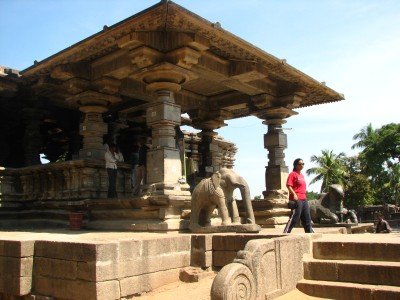
Kakatiya Musical Garden
Some quick example text to build on the card title and make up the bulk of the card's content.
Go somewhere
Kakatiya Rock Garden
Some quick example text to build on the card title and make up the bulk of the card's content.
Go somewhere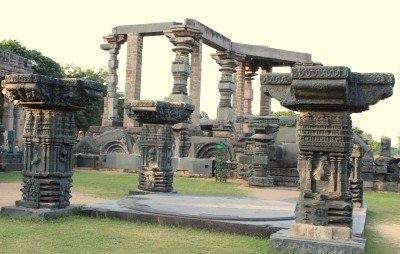
Kakatiyan Stepped Well
Some quick example text to build on the card title and make up the bulk of the card's content.
Go somewhere
Khush Mahal
Some quick example text to build on the card title and make up the bulk of the card's content.
Go somewhere
Laknavaram Lake
Some quick example text to build on the card title and make up the bulk of the card's content.
Go somewhere
Mallanna Gandi Waterfall'S
Some quick example text to build on the card title and make up the bulk of the card's content.
Go somewhere
Mandalagudem Waterfalls
Some quick example text to build on the card title and make up the bulk of the card's content.
Go somewhere
Mylaram Caves
Some quick example text to build on the card title and make up the bulk of the card's content.
Go somewherein Other Cities