
Swayambhu Devalayam
General information
-
Ideal Duration:
1 to 2 Hours (as part of the fort visit)Place Type:
Historical Temple Ruins/ArchEntry Fees:
Admission Policy: There is No Separate Entry Fee for the Swayambhu Devalayam ruins. Access is included with the Warangal Fort entry ticket.
Warangal Fort Entry Fee: The entry fee for the fort is typically around Rs.15 to Rs.25 per person for In...Admission Policy: There is No Separate Entry Fee for the Swayambhu Devalayam ruins. Access is included with the Warangal Fort entry ticket.
Warangal Fort Entry Fee: The entry fee for the fort is typically around Rs.15 to Rs.25 per person for Indian citizens and higher for foreign nationals (around Rs.200 to Rs.300).
(Sub Topic Heading):
Guided Tour Fees: Hiring a local guide to explain the complex history and identity the scattered carvings is highly recommended and costs extra.Timing:
Regular Timings: Generally, the fort complex, including the ruins, is open from 10:00 AM to 6:00 PM daily.
Ideal Visit Time: The Ideal Visit Time is during the early morning (10:00 AM to 12:00 PM) to begin exploration and have adequate time ...Regular Timings: Generally, the fort complex, including the ruins, is open from 10:00 AM to 6:00 PM daily.
Ideal Visit Time: The Ideal Visit Time is during the early morning (10:00 AM to 12:00 PM) to begin exploration and have adequate time to study the intricate ruins before the sun is overhead, or late afternoon (4:00 PM to 6:00 PM).
(Sub Topic Heading):
Visualizing the Past: Visit during a quiet time (weekday mornings) to help visualize the original temple's grandeur.Special Events:
Fort Festivals/Heritage Walks: Being a key part of the Warangal Fort, any heritage walks or public events organized by the Archaeological Survey of India (ASI) or Telangana Tourism often center around the Swayambhu Devalayam complex, typically in the cooler months of October...Fort Festivals/Heritage Walks: Being a key part of the Warangal Fort, any heritage walks or public events organized by the Archaeological Survey of India (ASI) or Telangana Tourism often center around the Swayambhu Devalayam complex, typically in the cooler months of October to February.
Shivaratri Celebrations: Although in ruins, the site of the sacred Swayambhu Lingam may attract local devotees for quiet observance and Poojas during the annual Maha Shivaratri festival, usually in the month of February or March.Best Photo Spots:
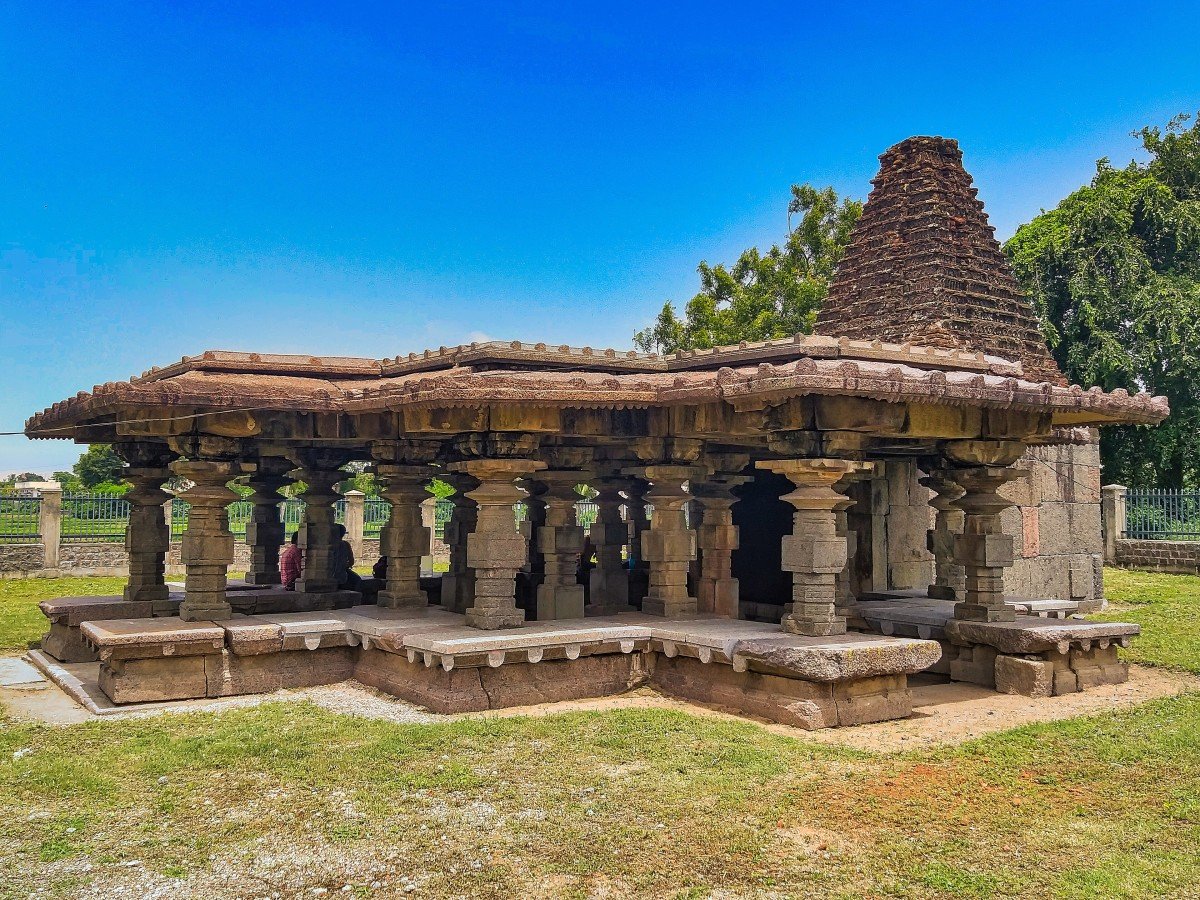
The Foundation Plinth: The best spot is capturing the partially reconstructed plinth or foundation of the main shrine, framing the original Swayambhu Lingam to show the spiritual heart of the ruins.
The Carved Pillar Array: Photographing a c...The Foundation Plinth: The best spot is capturing the partially reconstructed plinth or foundation of the main shrine, framing the original Swayambhu Lingam to show the spiritual heart of the ruins.
The Carved Pillar Array: Photographing a close-up section of the surviving, intricately carved pillars, focusing on the detailed human and animal figures that showcase the zenith of Kakatiya art.
Framing the Thoranam: A long-distance shot that strategically frames one of the four magnificent Kakatiya Kala Thoranams (Fort Gates) with the temple ruins in the foreground, capturing the two most iconic landmarks of the complex together. (Approx. )Photo Gallery
Things To Do
-
Archaeological Exploration and Study (): Dedicate time to wander through the archaeological park, closely observing the thousands of fragmented stone pieces—pillars, door jambs, ceiling fragments—that the ASI has laid out. Try to visualize the original structure's grandeur from the sheer volume and intricate detail of the scattered parts.
(Sub Topic Heading):
Photography of Ruins: Focus on macro photography of the detailed carvings, especially the mythical creatures like Makara Dwajas and the famous dancer figures, to capture the artistic excellence that survived the destruction.
Spiritual Reflection and Cultural Connection (): Offer a quiet prayer near the central Swayambhu Lingam foundation. Reflect on the temple's profound role in inspiring the Perini dan...Archaeological Exploration and Study (): Dedicate time to wander through the archaeological park, closely observing the thousands of fragmented stone pieces—pillars, door jambs, ceiling fragments—that the ASI has laid out. Try to visualize the original structure's grandeur from the sheer volume and intricate detail of the scattered parts.
(Sub Topic Heading):
Photography of Ruins: Focus on macro photography of the detailed carvings, especially the mythical creatures like Makara Dwajas and the famous dancer figures, to capture the artistic excellence that survived the destruction.
Spiritual Reflection and Cultural Connection (): Offer a quiet prayer near the central Swayambhu Lingam foundation. Reflect on the temple's profound role in inspiring the Perini dance revival—you can find videos of the dance online to appreciate the cultural link. Imagine the royal processions and grand ceremonies that once took place here, connecting the past spiritual life to the present ruins. (Total Approx. )
Information
-
Why Famous:
Patron Deity Status: It is famously known as the central and most revered temple of the Kakatiya dynasty, the spiritual anchor of their entire kingdom, symbolizing their devotion to Lord Shiva and the self-incarnated nature of the Lingam.
Inspir...Patron Deity Status: It is famously known as the central and most revered temple of the Kakatiya dynasty, the spiritual anchor of their entire kingdom, symbolizing their devotion to Lord Shiva and the self-incarnated nature of the Lingam.
Inspiration for Perini Dance: The temple ruins are historically significant for providing the sculptural evidence that inspired the revival of the ancient Perini Shivathandavam dance form, a powerful, masculine dance traditionally performed by Kakatiya soldiers before battle, making it a source of cultural pride. -
Architecture:
Architectural Style: It represents the zenith of Kakatiya architectural style, known as the Vesara style with a fusion of Dravidian and Nagara elements. It was likely a Panchakuta or Trikuta (multi-shrine) complex, built using polished granite and sandstone.Architectural Style: It represents the zenith of Kakatiya architectural style, known as the Vesara style with a fusion of Dravidian and Nagara elements. It was likely a Panchakuta or Trikuta (multi-shrine) complex, built using polished granite and sandstone.
(Sub Topic Heading):
Mandapas: The complex originally featured a Ranga Mandapa (dance hall) and Agra Mandapa (entrance hall), now reduced to their foundation and scattered pillars.
Carvings and Sculpture: The most striking element is the intricate, detailed carvings on the surviving pillars and brackets. These depict Hindu mythological scenes, celestial beings, geometric patterns, and, most famously, Perini dancers, showcasing the incredible finesse and attention to detail of the Kakatiya sculptors, with delicate jewelry and expressive figures.
Dimension and Layout: The temple complex was expansive, designed with a strategic spatial organization. It reportedly housed around 23 separate shrines (Shivalingas) within its premises. The present-day site is an archaeological park where the original foundations and hundreds of fragmented pieces have been meticulously laid out and partially reconstructed by the ASI. -
How To Reach:
By Air (): Nearest airport is Rajiv Gandhi International Airport (HYD) in Hyderabad (approx. 170 KMS). From Hyderabad, take a taxi or bus to Warangal city center, then a local auto-rickshaw to the fort.
By Train (): Nearest railhead is War...By Air (): Nearest airport is Rajiv Gandhi International Airport (HYD) in Hyderabad (approx. 170 KMS). From Hyderabad, take a taxi or bus to Warangal city center, then a local auto-rickshaw to the fort.
By Train (): Nearest railhead is Warangal Railway Station (WL) or Kazipet Junction (KZJ). The site is located within the fort, about 5 KMS from Warangal Station.
By Road (): Warangal is on NH-163 from Hyderabad. State-run buses and private taxis can take you to the Warangal Fort main entrance. The site is a short walk from the entrance, past the magnificent Kala Thoranams.
(Sub Topic Heading):
Local Transport: Auto-rickshaws are the most direct way; ask for "Warangal Fort Temple Ruins.
" Local Transport (): Since the ruins are inside the fort, you must walk from the main gate. The fort area is easily accessible by auto-rickshaws from the city. Shared autos and local buses also ply the route to the fort. Ensure you have comfortable walking shoes, as the site requires extensive walking on uneven, grassy, and paved paths among the ruins. (Total Approx. ) -
Weather and Best Time to Visit:
Winter (October to March): Best Time to Visit as the weather is cool and dry, making the extensive walking around the exposed archaeological park comfortable.
(Sub Topic Heading):
Heritage Exploration: Novemb...Winter (October to March): Best Time to Visit as the weather is cool and dry, making the extensive walking around the exposed archaeological park comfortable.
(Sub Topic Heading):
Heritage Exploration: November to February are the prime months for this type of visit.
Monsoon (July to September): The greenery is beautiful, but the stone fragments and uneven ground can become slippery and difficult to navigate.
Summer (April to June): Not Recommended during midday due to intense heat on the exposed ruins. Visit only during the early morning or late afternoon.
Different Parts of the Day: Morning visits are best for peaceful reflection and clear light for photography of the stone carvings. -
Near Tourist Places:
Kakatiya Kala Thoranam (100 Meters), Khush Mahal (100 Meters), Warangal Fort (0 KMS), Kakatiyan Stepped Well (Metla Bavi) (1. 5 KMS), Bhadrakali Temple (7. 5 KMS), Thousand Pillar Temple (8 KMS), Padmakshi Temple (10 KMS), Bhadrakali Lake (7 KMS), Kakatiya Musical Garden (5. 5 KMS), Regional Science Center (9 KMS)
Tourism Tips
-
Health & Safety (): Wear a hat/cap and carry water, as the area is exposed to sun. Be very careful while walking among the scattered ruins and foundation stones; the ground is uneven. Avoid climbing onto or touching the fragile, reconstructed walls or pillar fragments.Health & Safety (): Wear a hat/cap and carry water, as the area is exposed to sun. Be very careful while walking among the scattered ruins and foundation stones; the ground is uneven. Avoid climbing onto or touching the fragile, reconstructed walls or pillar fragments.
Packing (): Bring a wide-angle lens for capturing the scale of the ruins and a zoom lens for detailed close-ups of the surviving carvings. Carry a reliable guidebook or hire a guide.
Accommodation (): Book accommodation in Warangal city for convenience. The central location allows easy access to all fort-related and other major sites.
Other Different Topics Heading:
Respect for Ruins (): The ruins are protected national heritage; do not litter, sit on the carvings, or attempt to take any fragments as souvenirs. (Total Approx. )
Reviews
FAQs
Warangal Itineray And Cost:-
Swayambhu Devalayam Tourism:-
Information about New and Updated Locations() of Telangana Has Been Added :-
Card subtitle
Note:-
Information provided here in good Faith and for reference only.
Near Places
Badrakali Foreshore Bund
Some quick example text to build on the card title and make up the bulk of the card's content.
Go somewhere
Bhadrakali Temple
Some quick example text to build on the card title and make up the bulk of the card's content.
Go somewhere
Bpl
Some quick example text to build on the card title and make up the bulk of the card's content.
Go somewhere
Dharmapuram Cheruvu
Some quick example text to build on the card title and make up the bulk of the card's content.
Go somewhere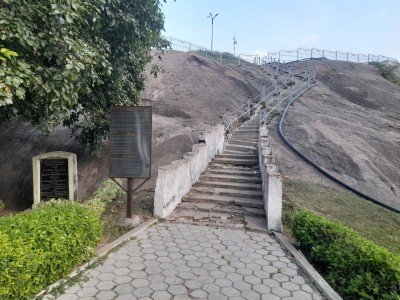
Ekashila Gutta
Some quick example text to build on the card title and make up the bulk of the card's content.
Go somewhere
Eturnagaram Wildlife Sanctuary
Some quick example text to build on the card title and make up the bulk of the card's content.
Go somewhere
Ghanpur Group of Temples
Some quick example text to build on the card title and make up the bulk of the card's content.
Go somewhere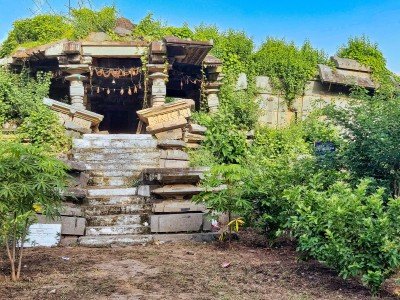
Hasanparthy Lake
Some quick example text to build on the card title and make up the bulk of the card's content.
Go somewhere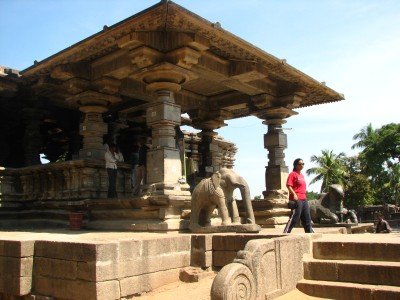
Kakatiya Musical Garden
Some quick example text to build on the card title and make up the bulk of the card's content.
Go somewhere
Kakatiya Rock Garden
Some quick example text to build on the card title and make up the bulk of the card's content.
Go somewhere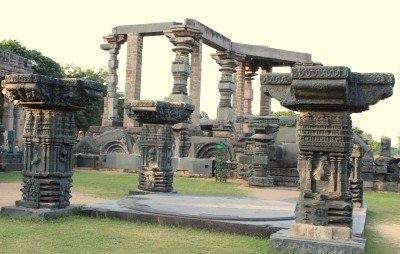
Kakatiyan Stepped Well
Some quick example text to build on the card title and make up the bulk of the card's content.
Go somewhere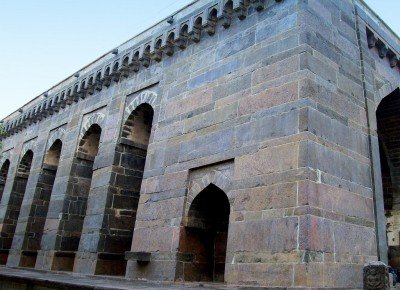
Khush Mahal
Some quick example text to build on the card title and make up the bulk of the card's content.
Go somewhere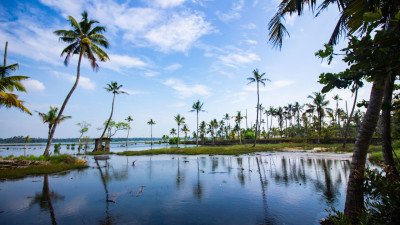
Laknavaram Lake
Some quick example text to build on the card title and make up the bulk of the card's content.
Go somewhere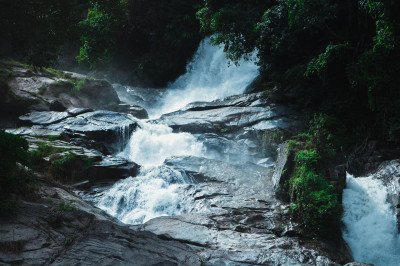
Mallanna Gandi Waterfall'S
Some quick example text to build on the card title and make up the bulk of the card's content.
Go somewhere
Mandalagudem Waterfalls
Some quick example text to build on the card title and make up the bulk of the card's content.
Go somewhere
Mylaram Caves
Some quick example text to build on the card title and make up the bulk of the card's content.
Go somewherein Other Cities