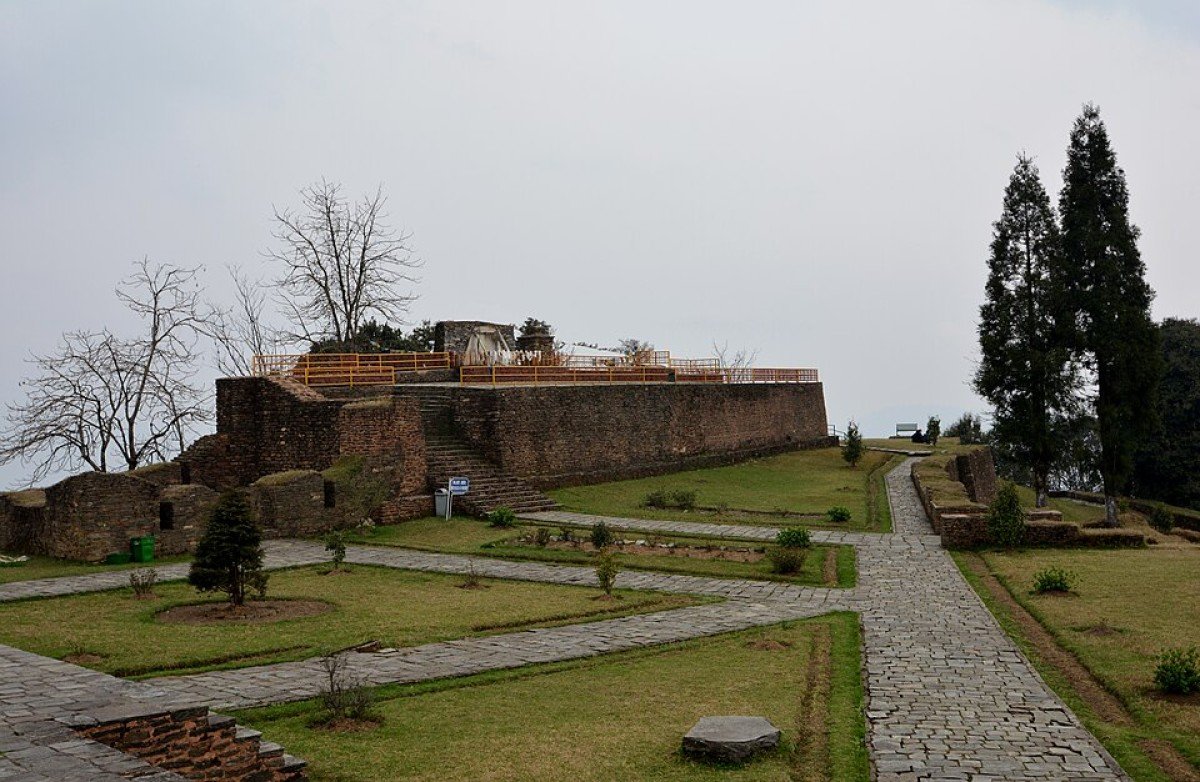

Rabdentse Ruins
General information
-
Ideal Duration:
1 to 2 HoursPlace Type:
Historical, Archaeological Site, Heritage, ViewpoiEntry Fees:
Entry Fee: Access to the Rabdentse Ruins is completely Free of charge for all visitors, as it is a site maintained by the ASI (Archaeological Survey of India) under the Ministry of Culture.
Parking and Vehicle Fee: Visitors may be charged a ...Entry Fee: Access to the Rabdentse Ruins is completely Free of charge for all visitors, as it is a site maintained by the ASI (Archaeological Survey of India) under the Ministry of Culture.
Parking and Vehicle Fee: Visitors may be charged a small, nominal parking fee (e. g. , INR 30) for vehicles parked at the main road entrance near the ticket office of the adjacent Pemayangtse Monastery complex, which is the starting point of the walk.
Guide Fees: The only other fee would be the optional hire of a local, certified guide, which is highly recommended to fully appreciate the complex layout and the site's rich history, and the price for this service should be negotiated beforehand.Timing:
Regular Timings: Open daily from 10:00 AM to 5:00 PM. The timing is largely based on daylight and the access control point at the entrance of the complex.
Ideal Visit Time: The best time to visit is Late Morning (10:30 AM - 12:30 PM). The ...Regular Timings: Open daily from 10:00 AM to 5:00 PM. The timing is largely based on daylight and the access control point at the entrance of the complex.
Ideal Visit Time: The best time to visit is Late Morning (10:30 AM - 12:30 PM). The sun is high enough to illuminate the ruins and the entire valley, providing the best contrast against the green forest. This timing allows for a quick visit to the nearby Pemayangtse Monastery first, saving time and combining two major attractions efficiently.Special Events:
Commemoration of the Chogyal Dynasty: While there is no major annual festival, the site is a focal point for events commemorating the history and legacy of the Chogyal (Kings) of Sikkim. Local community groups and historical societies sometimes organize small ceremonies or ...Commemoration of the Chogyal Dynasty: While there is no major annual festival, the site is a focal point for events commemorating the history and legacy of the Chogyal (Kings) of Sikkim. Local community groups and historical societies sometimes organize small ceremonies or talks at the site, particularly around dates significant to the Namgyal dynasty, usually in the clear-weather months of March-April or October-November.
Local Pilgrimage Ceremonies: Due to its inclusion in the Buddhist religious circuit, the ruins often see local pilgrims performing circumambulations (kora) and hoisting new prayer flags as part of their larger spiritual journey, especially around Buddhist holy days, providing a continuous spiritual event that visitors can respectfully observe.Best Photo Spots:
The Namphogang Chortens Viewpoint: The platform where the three chortens stand offers the best panoramic view, perfectly framing the distant Kanchenjunga peaks and the Pemayangtse Monastery in a single shot. The morning light is the most dramatic.
Read MoreThe Namphogang Chortens Viewpoint: The platform where the three chortens stand offers the best panoramic view, perfectly framing the distant Kanchenjunga peaks and the Pemayangtse Monastery in a single shot. The morning light is the most dramatic.
The Forest Path: The trail itself, especially the long stretches lined with colorful prayer flags, provides a stunning, atmospheric shot. A photograph taken from the gate looking down the path, or a close-up on the weathered flags, captures the sense of a journey into history.
The Ruins Against the Sky: Capture the silhouette of the palace's remaining stone walls and foundations against the vast, open mountain sky, emphasizing the isolation and the passage of time. The lighting is excellent in the late afternoon.Photo Gallery
Things To Do
-
Embark on the Historic Forest Trek [Detailed Summary - ]: The main activity is the picturesque 15-20 minute forest walk from the main road entrance to the ruins complex, often lined with colorful prayer flags. This trek is serene and offers a beautiful, shaded walk through the dense Himalayan foliage.
Explore the Royal Precincts: Wander through the ruins, using the ASI markers to identify the different sections of the former city: the Namphogang chortens, the king's chamber, the residential quarters, the royal kitchen, and the assembly halls. This involves climbing the stone steps to the elevated platforms where the King once held court.
View the Kanchenjunga Range: The elevated location, particularly from the area of the three chortens (Namphogang), provides a spectacular and historic viewing platform for the Kanchenj...Embark on the Historic Forest Trek [Detailed Summary - ]: The main activity is the picturesque 15-20 minute forest walk from the main road entrance to the ruins complex, often lined with colorful prayer flags. This trek is serene and offers a beautiful, shaded walk through the dense Himalayan foliage.
Explore the Royal Precincts: Wander through the ruins, using the ASI markers to identify the different sections of the former city: the Namphogang chortens, the king's chamber, the residential quarters, the royal kitchen, and the assembly halls. This involves climbing the stone steps to the elevated platforms where the King once held court.
View the Kanchenjunga Range: The elevated location, particularly from the area of the three chortens (Namphogang), provides a spectacular and historic viewing platform for the Kanchenjunga mountain range and the Pemayangtse Monastery on the opposite ridge.
Photography: Capture the dramatic juxtaposition of the ancient, moss-covered stone ruins against the backdrop of the majestic, snow-capped mountains. The prayer flags along the forest path also offer excellent, colorful foreground elements.
Contemplation at the Chortens: Spend a quiet moment at the Namphogang chortens, which were originally used as a place of royal prayer and public address, to absorb the historical and spiritual weight of the former capital city.
Visit the Interpretation Center: Check for any small, newly developed interpretation center near the entrance or exit that might offer detailed maps and historical context about the site's role in Sikkim's history.
Information
-
Why Famous:
The Second Capital of Sikkim: Its primary fame comes from being the political and royal seat of the Kingdom of Sikkim for over a century, offering a tangible link to the Namgyal dynasty's history before the modern era.
Scenic Forest Walk: Th...The Second Capital of Sikkim: Its primary fame comes from being the political and royal seat of the Kingdom of Sikkim for over a century, offering a tangible link to the Namgyal dynasty's history before the modern era.
Scenic Forest Walk: The journey to the ruins, a serene walk through a dense chestnut forest, is itself a renowned and integral part of the experience, contributing to the site's fame as a uniquely beautiful historical trek.
Part of the Pilgrimage Circuit: As a key site in the Buddhist religious circuit, its historical importance is spiritually consecrated, linking the site's past glory to the present-day devotional journey of pilgrims across Sikkim. -
Architecture:
Stone Architecture and Royal Layout [Detailed Summary - ]: The architecture is characterized by the remains of stone structures, including walls, foundation plinths, and several large chortens. The layout follows a traditional royal-cum-religious complex design, divided into northern and southern w...Stone Architecture and Royal Layout [Detailed Summary - ]: The architecture is characterized by the remains of stone structures, including walls, foundation plinths, and several large chortens. The layout follows a traditional royal-cum-religious complex design, divided into northern and southern wings.
Dimension: The complex sprawls over several levels on the ridge. Key remaining structures include the 'Namphogang' (three upright chortens on a stone platform, symbolizing the place where the King addressed his subjects), the ruins of the Dab Lhagang (the royal prayer hall), and the demarcated areas of the King's personal quarters and kitchen. The use of locally sourced stone, though now weathered and moss-covered, speaks to the sturdy, functional construction necessary for a mountain fort-city. The entrance is marked by an ornate stone gate, and the path is lined by traditional Buddhist prayer flags (darchor and lungta), integrating the heritage site with the spiritual circuit. -
How To Reach:
By Air: Nearest Airport is Bagdogra (IXB) (140 KMs), followed by a 5 hour taxi to Pelling.
By Train: Nearest station is New Jalpaiguri (NJP) (140 KMs), followed by a 5 hour taxi to Pelling.
By Road: Located ...By Air: Nearest Airport is Bagdogra (IXB) (140 KMs), followed by a 5 hour taxi to Pelling.
By Train: Nearest station is New Jalpaiguri (NJP) (140 KMs), followed by a 5 hour taxi to Pelling.
By Road: Located just 1 KM walk from Pemayangtse Monastery and about 9 KMs from Pelling town center. Hire a local taxi from Pelling or walk from Upper Pelling to the main road entrance.
By Local Transport: Easily accessible by local taxis or shared jeeps running the Pelling sightseeing circuit, which stop near the starting point of the forest walk. The path from the main road to the ruins must be covered on foot. -
Weather and Best Time to Visit:
The Best Time is Autumn (October to November): Clear skies provide the most spectacular and historically significant views of Kanchenjunga from the ruins, with mild walking weather. Spring (March to May) is the second-best period. The Ideal Part of the Day is Late Morning ...The Best Time is Autumn (October to November): Clear skies provide the most spectacular and historically significant views of Kanchenjunga from the ruins, with mild walking weather. Spring (March to May) is the second-best period. The Ideal Part of the Day is Late Morning to ensure optimal light for photography and avoid early morning chill on the exposed site. -
Near Tourist Places:
Pemayangtse Monastery: 1 KM (Start of the forest walk) Pelling Skywalk (Chenrezig Statue):
3 KMs (A new landmark) Sewaro Rock Garden:
5 KMs Geyzing (District HQ):
9 KMs Kanchenjunga Falls:
18 KMs Sanga Choeling Monastery:
8 KMs Khecheopalri Lake:
28 KMs Rimbi Waterfalls:
15 KMs Darap Village:
12 KMs Yuksom: 35 KMs
Tourism Tips
-
Wear Comfortable Walking Shoes: The walk through the forest is uneven in places.
Carry Water: There are no shops inside the ruins complex.
Hire a Guide: A local guide significantly enhances the historical un...Wear Comfortable Walking Shoes: The walk through the forest is uneven in places.
Carry Water: There are no shops inside the ruins complex.
Hire a Guide: A local guide significantly enhances the historical understanding of the stone remains and the royal layout, which are otherwise just rubble to the untrained eye.
Respect the Ruins: Do not climb on or deface the ancient walls and chortens.
Combine Visits: Always plan to visit Pemayangtse Monastery just before or after the ruins, as they share the same entry road and are spiritually and historically linked.
Reviews
FAQs
Pelling Itineray And Cost:-
Other Places In Pelling :-
Other States In India :-
Information about New and Updated Locations() of Sikkim Has Been Added :-
Card subtitle
Note:-
Information provided here in good Faith and for reference only.
Near Places
Changey Waterfalls
Some quick example text to build on the card title and make up the bulk of the card's content.
Go somewhere
Darap Village
Some quick example text to build on the card title and make up the bulk of the card's content.
Go somewhere
Dentam Valley
Some quick example text to build on the card title and make up the bulk of the card's content.
Go somewhere
Dubdi Monastery
Some quick example text to build on the card title and make up the bulk of the card's content.
Go somewhere
Kaluk/Hee-Bermiok
Some quick example text to build on the card title and make up the bulk of the card's content.
Go somewhere
Kanchenjunga Falls
Some quick example text to build on the card title and make up the bulk of the card's content.
Go somewhere
Kanchenjunga National Park Gate
Some quick example text to build on the card title and make up the bulk of the card's content.
Go somewhere
Khecheopalri Lake
Some quick example text to build on the card title and make up the bulk of the card's content.
Go somewhere
Pelling Sky Walk
Some quick example text to build on the card title and make up the bulk of the card's content.
Go somewhere
Pelling Skywalk
Some quick example text to build on the card title and make up the bulk of the card's content.
Go somewhere
Pemayangtse Monastery
Some quick example text to build on the card title and make up the bulk of the card's content.
Go somewhere
Phamrong Waterfalls
Some quick example text to build on the card title and make up the bulk of the card's content.
Go somewhere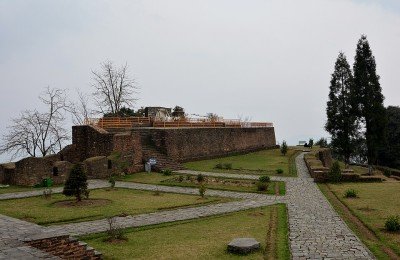
Rabdentse Ruins
Some quick example text to build on the card title and make up the bulk of the card's content.
Go somewhere
Rimbi Orange Garden
Some quick example text to build on the card title and make up the bulk of the card's content.
Go somewhere
Rimbi Waterfalls
Some quick example text to build on the card title and make up the bulk of the card's content.
Go somewhere
Sangachoeling Monastery
Some quick example text to build on the card title and make up the bulk of the card's content.
Go somewherein Other Cities