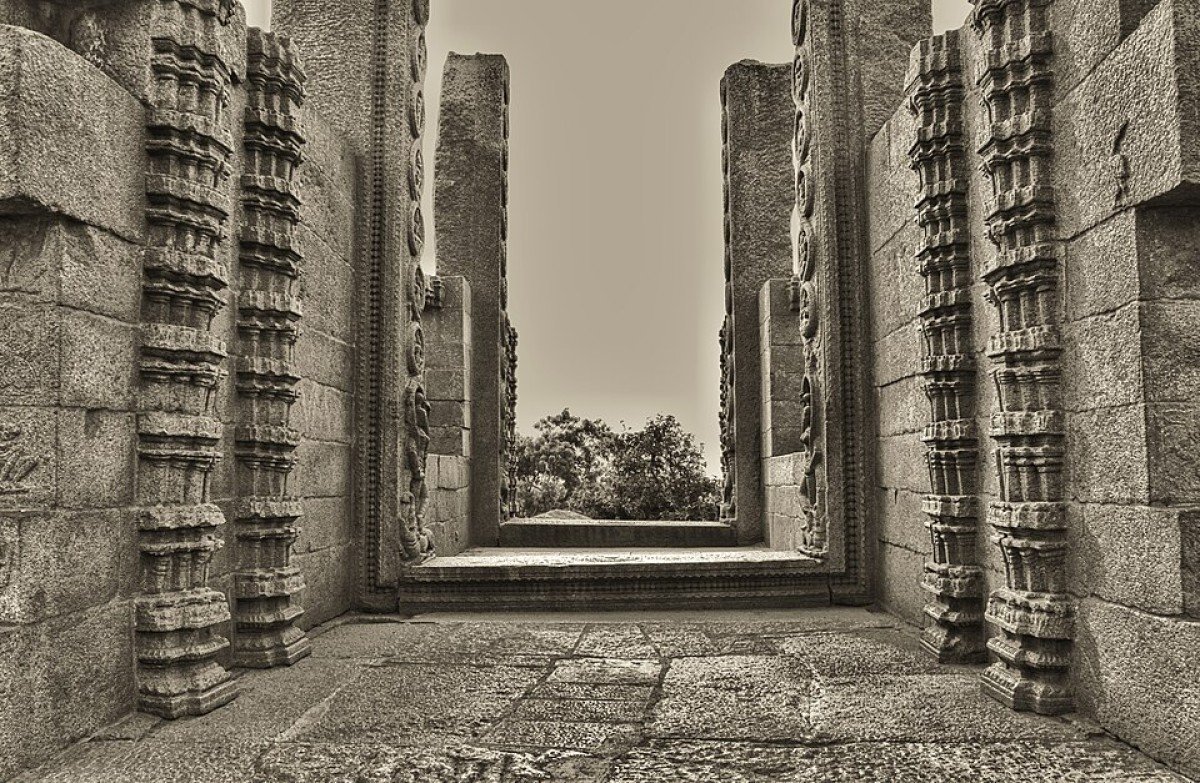
Raya Gopuram
General information
-
Ideal Duration:
30 minutes (For quick appreciation and photos)Place Type:
Structural Temple Component / Historical RuinEntry Fees:
Free Access: The Raya Gopuram is located in an open area that is generally free to access and view, as it is part of the larger, non-ticketed section of the central monument area, which includes sites like Krishna's Butterball and Descent of the Ganges. There is no separate...Free Access: The Raya Gopuram is located in an open area that is generally free to access and view, as it is part of the larger, non-ticketed section of the central monument area, which includes sites like Krishna's Butterball and Descent of the Ganges. There is no separate entry fee to walk through and photograph the structure.
Unified Ticket Status: Although the Gopuram itself is free, it is located adjacent to the area where the single ASI unified ticket is required for monuments like the Shore Temple and Pancha Rathas (approx. Rs.40 for Indians, Rs.600 for Foreigners). Visitors should still purchase the unified ticket if they plan to visit the other main paid sites, as this simplifies the overall sightseeing experience.
Parking and Local Services: There may be a nominal fee for parking a vehicle in the designated parking areas near the monument complex, typically around Rs.10-Rs.50 depending on the vehicle type. Local guides, who are highly recommended for understanding the site's history, charge a separate fee for their services, which should be negotiated beforehand.Timing:
Regular Timings: The structure is accessible from Sunrise to Sunset (typically 6:00 AM to 6:00 PM), as it is an open-air monument and not a functioning temple with specific Pooja timings. Its location in a high-traffic central zone means it is open to view throughout the da...Regular Timings: The structure is accessible from Sunrise to Sunset (typically 6:00 AM to 6:00 PM), as it is an open-air monument and not a functioning temple with specific Pooja timings. Its location in a high-traffic central zone means it is open to view throughout the day, providing ample opportunity for a visit.
Ideal Visit Time: The Ideal Visit Time is the Early Morning (6:00 AM to 8:00 AM) when the light is soft, and the crowds are minimal. This is the best time to appreciate the scale and capture photographs without other tourists in the frame. Alternatively, the Late Afternoon (4:00 PM to 6:00 PM) provides a comfortable temperature for a relaxed viewing experience, and the low sun casts dramatic shadows that highlight the textures of the unfinished stone.
Avoid Midday: Avoid visiting during the intense midday heat (10:00 AM to 3:00 PM), as the stone radiates heat, and there is little shade in the immediate vicinity of the Gopuram. Plan your trip to cover the Raya Gopuram either at the start or end of your exploration of the central cluster of monuments.Special Events:
Daily Pilgrimage and Rituals: While not an active temple, the Gopuram stands on the path to other active shrines. During major Hindu festivals, such as Navaratri or Maha Shivaratri, the whole area becomes a vibrant hub of pilgrimage. Though no rituals are performed at the ...Daily Pilgrimage and Rituals: While not an active temple, the Gopuram stands on the path to other active shrines. During major Hindu festivals, such as Navaratri or Maha Shivaratri, the whole area becomes a vibrant hub of pilgrimage. Though no rituals are performed at the Gopuram itself, the flow of devotees and the associated spiritual atmosphere are a unique event to witness. The air is filled with chants, music, and the scent of incense.
Archaeological Seminars and Tours: The unfinished nature of the Raya Gopuram often makes it a focal point for archaeological and architectural study tours and seminars. International and national institutions occasionally organize special access or talks at the site to discuss the monument's construction and historical context. Checking with the local ASI office or regional tourism boards can reveal opportunities to join such educational events, which offer deep, specialized insight into the site.Best Photo Spots:
The Grand Archway Frame: Use the towering stone framework of the main archway as a natural frame for capturing the sky, or, if positioned correctly, a distant view of the Mahabalipuram Light House or the hillside temples. The dark, rough stone provides a strong, dramatic co...The Grand Archway Frame: Use the towering stone framework of the main archway as a natural frame for capturing the sky, or, if positioned correctly, a distant view of the Mahabalipuram Light House or the hillside temples. The dark, rough stone provides a strong, dramatic contrast to the subject in the background, creating a powerful, focused composition that emphasizes the height.
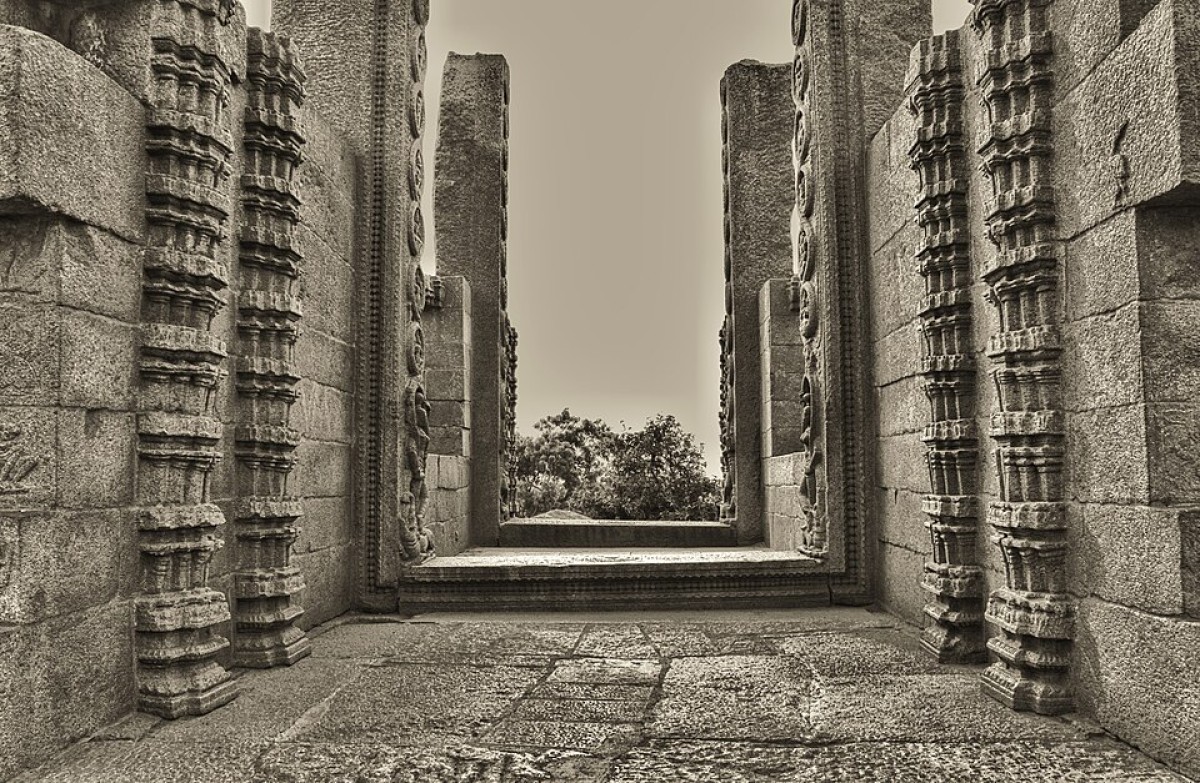
Pillars and Yali Details: Focus on the elaborate carvings on the existing pillars inside the passageway. Specifically, look for the sculptures of yali (mythical lion-like creatures) and other mythological figures typical of the Vijayanagara style. These carvings are highly detailed and well-preserved, making for excellent close-up, historical photographs that highlight the shift in sculptural style from the earlier Pallava period.
Texture Contrast: Photograph the contrast between the highly finished, polished stone blocks at the lower level and the rough, unfinished rock surface higher up. This visual contrast clearly explains the incomplete status of the Gopuram and makes for a visually interesting and narrative-driven photograph that documents the construction process.
Geometric Shapes: Use the repetitive, geometric arrangement of the stone blocks in the lower plinth and wall sections to create abstract, patterned photographs. The shadows cast by the sun at different times of the day (morning or late afternoon) create deep lines and interesting linear patterns on the stone surface.Photo Gallery
Things To Do
-
Historical Interpretation: Stand by the Raya Gopuram and try to visualize the finished structure: a massive, stucco-covered tower rising dozens of feet into the air. Use the provided information boards or a local guide to learn about the typical appearance of a Vijayanagara gopuram to fully appreciate the intended scale and grandeur of the original design. This intellectual exercise is a rewarding activity for visitors.
Photography of Scale: This is an excellent site for playing with perspective and scale in photography. Take a picture of a person standing at the base of the central archway, looking up. The immense stone blocks and the height of the incomplete structure make the person look tiny, dramatically emphasizing the monument's colossal dimensions. Capture the rough texture of the unfinished stone against the clear s...Historical Interpretation: Stand by the Raya Gopuram and try to visualize the finished structure: a massive, stucco-covered tower rising dozens of feet into the air. Use the provided information boards or a local guide to learn about the typical appearance of a Vijayanagara gopuram to fully appreciate the intended scale and grandeur of the original design. This intellectual exercise is a rewarding activity for visitors.
Photography of Scale: This is an excellent site for playing with perspective and scale in photography. Take a picture of a person standing at the base of the central archway, looking up. The immense stone blocks and the height of the incomplete structure make the person look tiny, dramatically emphasizing the monument's colossal dimensions. Capture the rough texture of the unfinished stone against the clear sky for a powerful, minimalist composition.
Exploring Nearby Shrines: The Raya Gopuram is located near the hill-top shrines, including the Mahishasuramardini Mandapa and the Light House. After viewing the Gopuram, take the path up the hill to explore these ancient Pallava cave temples and structural shrines. The combined view of a 7th-century cave and a 16th-century structural monument in close proximity highlights the continuum of architectural history in Mahabalipuram.
Shopping for Sculptures: The main street leading to the monument complex is lined with workshops and shops selling granite and soapstone sculptures, which are modern recreations of the ancient Pallava art. After viewing the unfinished work, you can engage with the local sculptors, watch them carve, and buy a miniature souvenir, connecting the past craftsmanship to the present-day skills. This provides an excellent cultural activity and supports the local economy.
Architectural Comparison: Dedicate time to comparing the construction of the Raya Gopuram (assembled stone blocks) with the nearby Trimurti Cave (carved into a cliff). This side-by-side comparison clearly illustrates the two major architectural styles of the region: rock-cut and structural. Understanding this transition is key to appreciating Mahabalipuram's status as an architectural school.
Information
-
Why Famous:
A Lesson in Architectural History: The Raya Gopuram is famously known for what it is not—a completed structure—rather than what it is. Its incomplete status is its most famous feature, offering an unparalleled insight into the construction phases of a typical grand Sout...A Lesson in Architectural History: The Raya Gopuram is famously known for what it is not—a completed structure—rather than what it is. Its incomplete status is its most famous feature, offering an unparalleled insight into the construction phases of a typical grand South Indian gopuram during the Vijayanagara period. It serves as a visual bridge between the ancient rock-cut art of the Pallavas (7th Century) and the later, towering structural temples of South India. This raw, unfinished monument is a favorite spot for architects and historians to study construction methods.
Symbol of Grand Ambition: Its colossal, unfinished stone base is famous for symbolizing the grand scale and boundless ambition of the Vijayanagara rulers. It suggests that a temple of unprecedented size was planned for Mahabalipuram. Its location on the main road makes it a prominent landmark, easily accessible and highly visible to all who enter the central monument area. The size alone commands attention, hinting at the potential splendor that was never realized. -
Architecture:
Vijayanagara Gateway Design: The Raya Gopuram is a significant example of the later Dravidian or Vijayanagara style, characterized by the construction of towering, pyramidal gateway towers (gopurams) that dominate the temple complex. Unlike the Pallava monuments carved into...Vijayanagara Gateway Design: The Raya Gopuram is a significant example of the later Dravidian or Vijayanagara style, characterized by the construction of towering, pyramidal gateway towers (gopurams) that dominate the temple complex. Unlike the Pallava monuments carved into the rock, this is a structural temple component built using assembled stone blocks. The base is an enormous stone plinth designed to support the weight of the intended colossal gopuram.
Architectural Dimensions: The sheer size of the base is impressive, featuring a rectangular plan that would have accommodated the massive structure. While the final height is unknown due to its unfinished state, the existing stone structure is considerably tall, likely reaching 30 to 40 feet in height, with a base dimension of approximately 40 x 30 feet. The existing structure features a central passageway with monolithic stone pillars. These pillars are decorated with typical Vijayanagara motifs, including riders on mythical creatures (yali). The incomplete state provides an exceptional view of the internal construction methodology. -
How To Reach:
By Air: The nearest air travel hub is Chennai International Airport (MAA), located about 55-60 KMS away. From MAA, travelers can easily hire an inter-city taxi or book a ride-share service to reach Mahabalipuram via the East Coast Road (ECR). The road journey takes approxi...By Air: The nearest air travel hub is Chennai International Airport (MAA), located about 55-60 KMS away. From MAA, travelers can easily hire an inter-city taxi or book a ride-share service to reach Mahabalipuram via the East Coast Road (ECR). The road journey takes approximately 1. 5 to 2 hours. Regular bus services are also available from the airport bus terminal.
By Train: The closest major railway station is Chengalpattu Junction (CGL), which is approximately 30 KMS from Mahabalipuram and offers local and express connections. The primary rail access is through Chennai Central (MAS), about 60 KMS away. From CGL or MAS, numerous buses, shared taxis, and private cars can be hired for the onward journey to the town.
By Road: Mahabalipuram is well-served by a network of roads, with the ECR being the most significant. Direct bus services (both public TNSTC and private operators) run frequently from Chennai, Pondicherry, and other major towns in Tamil Nadu. A drive along the ECR is scenic and comfortable, making a private car or taxi a preferred option for many tourists.
By Local Transport: The Raya Gopuram is centrally located, making it easily reachable by foot from the town bus stand and most hotels (10-15 minutes walk). Auto-rickshaws are available everywhere and provide a convenient way to travel between the various monument clusters for a negotiated fare. It is the most accessible monument among all the sites, given its position in the core town area. -
Weather and Best Time to Visit:
Different Types of Seasons: The Winter Season (October to March) is optimal for a visit, with temperatures around 20°C-25°C, providing a comfortable climate for an open-air site. The air is cool and dry, perfect for walking. Summer (April to June) is very hot and humid, ...Different Types of Seasons: The Winter Season (October to March) is optimal for a visit, with temperatures around 20°C-25°C, providing a comfortable climate for an open-air site. The air is cool and dry, perfect for walking. Summer (April to June) is very hot and humid, making mid-day visits uncomfortable; visitors should prioritize the earliest or latest possible timings during these months. Monsoon (July to September) offers cooler weather but can bring unexpected, heavy rainfall. The period from October to November is particularly pleasant as the weather stabilizes after the monsoon. Different Parts of the Day The Best Time is the Early Morning (6:00 AM to 8:00 AM). The rising sun illuminates the structure beautifully, creating dramatic shadows that highlight the depth of the pillar carvings. The absence of crowds at this hour allows for a tranquil viewing experience. The Late Afternoon (4:00 PM to 6:00 PM) is also a great choice, as the cooling sea breeze makes the visit enjoyable, and the 'golden hour' light softens the granite, providing excellent photographic conditions. -
Near Tourist Places:
Mahabalipuram Light House (0.
5 KMS): Offers a view of the town. Mahishasuramardini Cave (0.
5 KMS): Ancient rock-cut shrine. Descent of the Ganges (Arjuna's Penance) (0.
5 KMS): Famous rock relief. Krishna Mandapam (0.
5 KMS): Rock-cut temple. Krishna's Butterball (0.
5 KMS): Large, gravity-defying boulder. Ganesh Ratha (0.
5 KMS): Monolithic temple.
Varaha Cave Temple (1 KMS): Rock-cut temple with famous Varaha panel.
Shore Temple (2 KMS): Iconic coastal temple.
Pancha Rathas (2 KMS): Monolithic chariot complex.
Sculpture Museum (1 KMS): Exhibits of Pallava-era sculptures.
Tourism Tips
-
Health & Safety: The site is open and rocky; wear sensible shoes to navigate the uneven terrain and steps leading up to the hill monuments. Carry a water bottle to stay hydrated, as the area offers little shade. While generally safe, be aware of your surroundings, especia...Health & Safety: The site is open and rocky; wear sensible shoes to navigate the uneven terrain and steps leading up to the hill monuments. Carry a water bottle to stay hydrated, as the area offers little shade. While generally safe, be aware of your surroundings, especially in crowded areas.
Packing: Bring a hat, sunscreen, and sunglasses to protect yourself from the direct sunlight. Your camera is a must for the unique perspective and scale of the Gopuram. A light backpack is advisable to ensure comfortable movement while exploring the surrounding hill temples.
Accommodation: Staying in a guesthouse or hotel in the central town area is highly convenient for visiting the Raya Gopuram and other nearby monuments, all of which are within walking distance. Accommodation is generally less expensive in the town centre than at the beachside resorts. Negotiate the price of accommodation if booking directly.
Other Topics Heading:
Negotiate Auto-Rickshaw Fares: If using local auto-rickshaws, always negotiate the fare before starting the journey, as drivers may not use meters. Have small denomination cash ready.
Photography Etiquette: Respect other visitors and avoid climbing on the unfinished walls, as this damages the ancient structure and is prohibited by the ASI.
Local Market: Take time to explore the local artisan market adjacent to the Gopuram area, where you can find handcrafted souvenirs and local art.
Reviews
FAQs
Mahabalipuram Itineray And Cost:-
Other Places In Mahabalipuram :-
Other States In India :-
Information about New and Updated Locations() of Tamil Nadu Has Been Added :-
Card subtitle
Note:-
Information provided here in good Faith and for reference only.
Near Places

Arjuna's Penance
Some quick example text to build on the card title and make up the bulk of the card's content.
Go somewhere
Dakshinachitra Museum
Some quick example text to build on the card title and make up the bulk of the card's content.
Go somewhere
Flipflops Beach Shack
Some quick example text to build on the card title and make up the bulk of the card's content.
Go somewhere
Ganesh Ratha Temple
Some quick example text to build on the card title and make up the bulk of the card's content.
Go somewhere
India Seashell Museum
Some quick example text to build on the card title and make up the bulk of the card's content.
Go somewhere
Krishna's Butter Ball
Some quick example text to build on the card title and make up the bulk of the card's content.
Go somewhere
Mahabalipuram Beach
Some quick example text to build on the card title and make up the bulk of the card's content.
Go somewhere
Mahabalipuram Stone Carving
Some quick example text to build on the card title and make up the bulk of the card's content.
Go somewhere
Mahishasura Rock
Some quick example text to build on the card title and make up the bulk of the card's content.
Go somewhere
Mahishasuramardini Cave
Some quick example text to build on the card title and make up the bulk of the card's content.
Go somewhere
Mamallapuram Lighthouse
Some quick example text to build on the card title and make up the bulk of the card's content.
Go somewhere
Mukunda Nayanar Temple
Some quick example text to build on the card title and make up the bulk of the card's content.
Go somewhere
Olakkannesvara Temple
Some quick example text to build on the card title and make up the bulk of the card's content.
Go somewhere
Pancha Pandava Rathas
Some quick example text to build on the card title and make up the bulk of the card's content.
Go somewhere
Pancha Rathas
Some quick example text to build on the card title and make up the bulk of the card's content.
Go somewhere
Pidari Ratha / Valian Kuttai Ratha
Some quick example text to build on the card title and make up the bulk of the card's content.
Go somewherein Other Cities