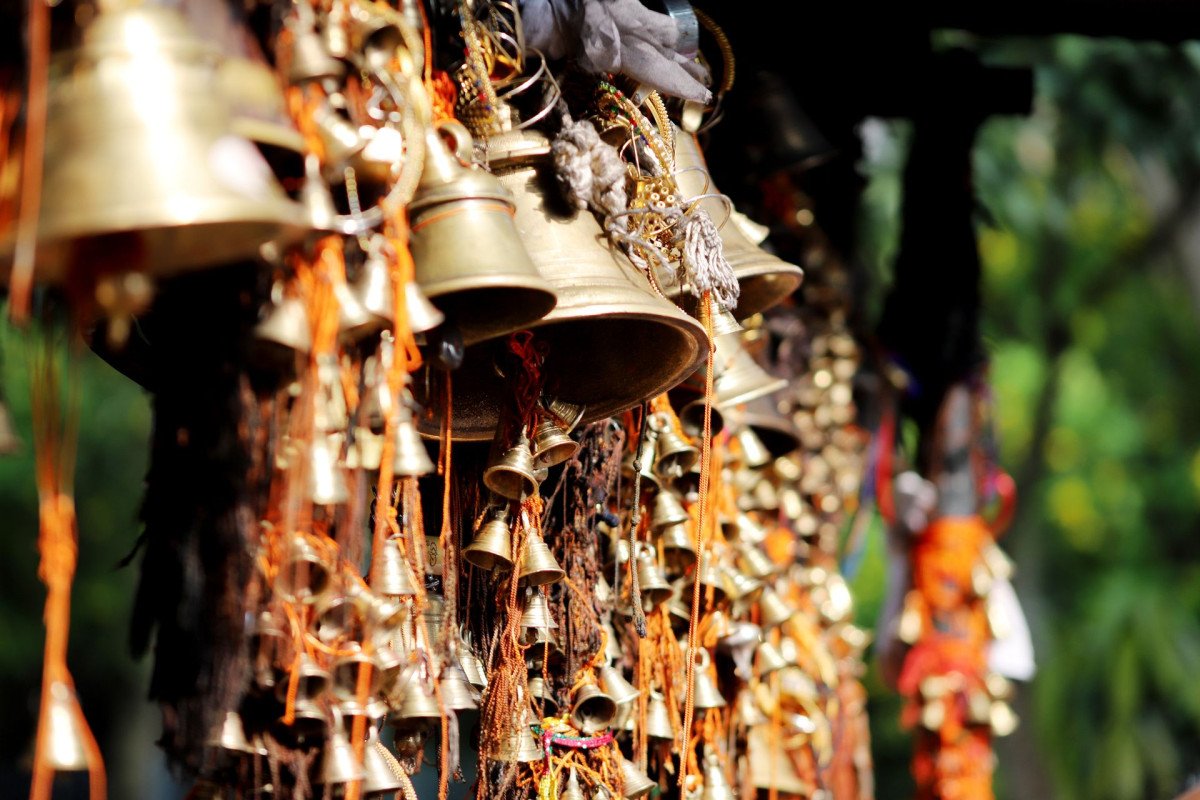
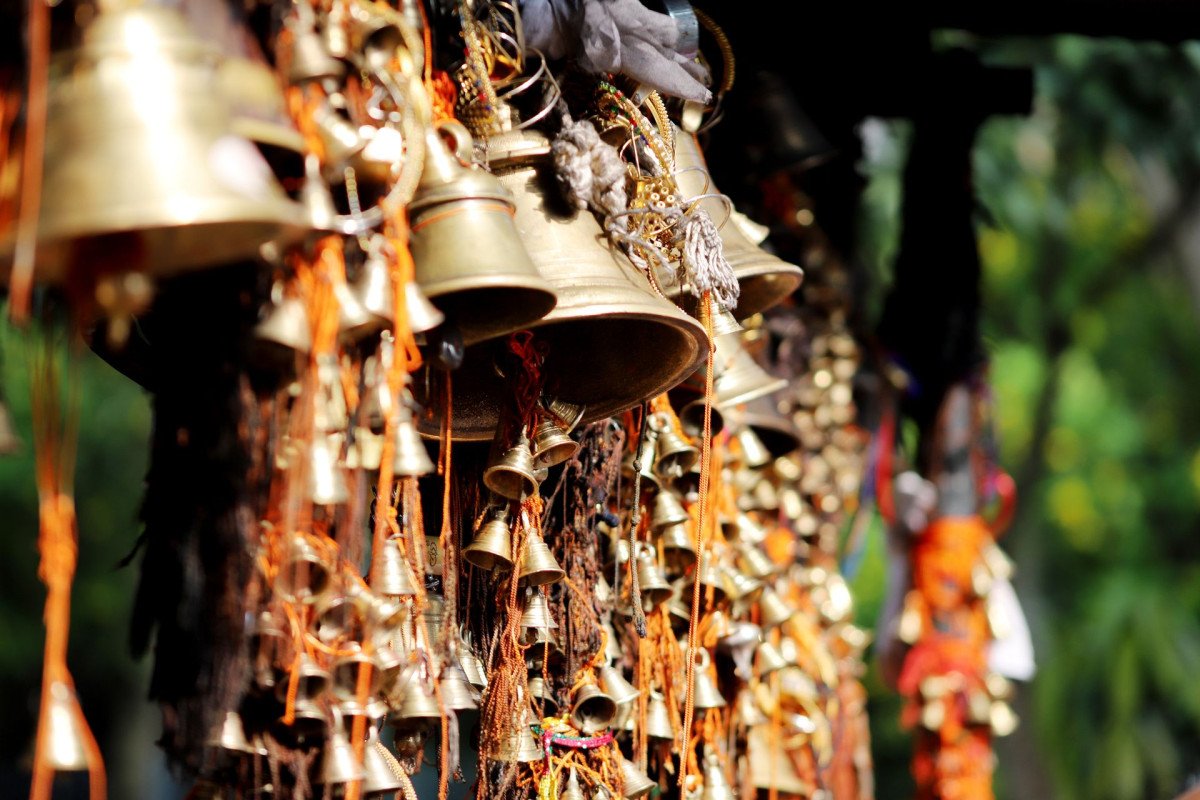
Sri Sthala Sayana Perumal Temple
General information
-
Ideal Duration:
1 hour (For Darshan and Pradakshina)Place Type:
Active Hindu Temple / Divya DesamEntry Fees:
Entry is Free: As an active place of worship (not managed by the ASI), entry into the Sri Sthala Sayana Perumal Temple complex is generally free for all devotees and tourists. This contrasts with the fee-based entry for the archaeological sites.Entry is Free: As an active place of worship (not managed by the ASI), entry into the Sri Sthala Sayana Perumal Temple complex is generally free for all devotees and tourists. This contrasts with the fee-based entry for the archaeological sites.
Donations: Although entry is free, visitors are encouraged to make a respectful donation towards the maintenance and running of the temple. Donation boxes are placed throughout the complex. You may also pay a small fee to the priests for specific blessings or archana (special prayers).
Dress Code: There is a strict dress code to be followed as this is an active religious site. Men are generally expected to wear a shirt and dhoti or pants (no bare chest, no shorts). Women should wear traditional attire like a sari or salwar kameez (no short tops, no sleeveless outfits). Security at the gate enforces this rule strictly out of respect for the sanctity of the temple.
Photography Restrictions: Photography is usually strictly prohibited inside the main sanctum (Garbhagriha) and often in the surrounding main halls. Please adhere to the signage and the instructions of the temple staff and security.Timing:
Regular Timings: The temple follows a dual-timing schedule typical of South Indian temples:
Morning: 6:30 AM to 12:00 PM (Noon);
Evening: 3:00 PM to 8:30 PM. These times allow for the daily Pooja and Aarti r...Regular Timings: The temple follows a dual-timing schedule typical of South Indian temples:
Morning: 6:30 AM to 12:00 PM (Noon);
Evening: 3:00 PM to 8:30 PM. These times allow for the daily Pooja and Aarti rituals to take place. Always confirm the exact timings locally, as they can change based on the festival calendar.
Ideal Visit Time: The Ideal Visit Time is the Early Morning (6:30 AM to 8:30 AM) for a peaceful Darshan before the main pilgrim rush and to witness the first Aarti. The Evening (5:30 PM to 7:30 PM) is also a beautiful time to visit, as the temple is often illuminated with oil lamps, and the evening rituals create a spiritual and mesmerizing atmosphere.
Midday Closure: Note the midday closure from 12:00 PM to 3:00 PM, during which the temple doors are closed for the deity's rest (Sayana time). Plan your sightseeing around this period. Fridays and major festival days are often the most crowded.Special Events:
Margazhi Vaikunda Ekadasi: This is the most important annual event, celebrated in the Tamil month of Margazhi (December-January). The celebration of Vaikunda Ekadasi, known as the 'opening of the Gates of Heaven,' is a major festival for all Lord Vishnu temples, drawing hug...Margazhi Vaikunda Ekadasi: This is the most important annual event, celebrated in the Tamil month of Margazhi (December-January). The celebration of Vaikunda Ekadasi, known as the 'opening of the Gates of Heaven,' is a major festival for all Lord Vishnu temples, drawing huge crowds of pilgrims. The temple is especially decorated, and special rituals and processions (Utsavam) of the deity (Utsavar) are held, which are spectacular to witness.
Bhoothathazhvar Avathara Utsavam: The birthday of the saint Bhoothathazhvar is celebrated with great pomp and devotion in the Tamil month of Aipassi (October-November). This festival includes special Pooja ceremonies, public recitations of the saint's hymns (Prabandham), and a grand procession of the deity through the streets of Mahabalipuram, offering a vibrant cultural spectacle.
Brahmostavam: The annual grand festival of the temple, the Brahmostavam, is a multi-day event celebrated with elaborate rituals, music, dance, and a spectacular procession of the deity on a different vehicle (Vahana) each day. The exact timing varies based on the Hindu calendar but is a must-see event for cultural and religious tourists.Best Photo Spots:
The Grand Gopuram Frame: The main entrance Raja Gopuram is a classic photo spot. Position yourself at a distance to capture the entire towering structure, emphasizing the intricate plaster work and the colorful, tiered design of the temple gateway. The sheer scale and deta...The Grand Gopuram Frame: The main entrance Raja Gopuram is a classic photo spot. Position yourself at a distance to capture the entire towering structure, emphasizing the intricate plaster work and the colorful, tiered design of the temple gateway. The sheer scale and detail make for a great photograph.
Interior Mandapam Carvings: Focus on the detailed carvings on the pillars and ceilings of the outer halls (Mandapams). These later-period sculptures of various deities and mythological scenes are highly detailed and well-lit, providing excellent opportunities for close-up and architectural detail photography.
Note: Photography is often restricted or completely forbidden within the main sanctuary (Garbhagriha) and the main halls, so adhere strictly to the rules.
The Temple Tank (Pushkarani): The area around the Pundareeka Pushkarani offers a peaceful and highly photogenic water-body view. Capture the reflection of the temple walls or the surrounding trees in the still water of the tank, especially in the early morning light. The steps leading down to the water also create strong leading lines in the composition.
The Utsavar Deity: If a festival is ongoing and the processional deity (Utsavar) is being paraded or decorated in the outer halls, the rich decorations, gold jewelry, and vibrant silks make for stunning and meaningful cultural photographs. Always maintain respectful distance during rituals.Photo Gallery
Things To Do
-
Perform the Darshan and Pradakshina: The main activity is to participate in the traditional Darshan (viewing the deity) of Lord Sthala Sayana Perumal and Goddess Nilamangai Thayar. Follow this with the Pradakshina (circumambulation) of the temple's main courtyard, where you can examine the later-period pillar carvings and subsidiary shrines. Visitors should adhere to the temple's dress code (traditional Indian attire is preferred).
Observe Temple Rituals: Attend the morning or evening Aarti (Pooja) ceremonies. These active rituals, complete with lamps, music, and chanting, provide a profound spiritual and cultural experience that is a stark contrast to the static ancient monuments nearby. Check the daily Pooja schedule to time your visit accordingly.
Visit the Birthplace Shrine: Pay respects ...Perform the Darshan and Pradakshina: The main activity is to participate in the traditional Darshan (viewing the deity) of Lord Sthala Sayana Perumal and Goddess Nilamangai Thayar. Follow this with the Pradakshina (circumambulation) of the temple's main courtyard, where you can examine the later-period pillar carvings and subsidiary shrines. Visitors should adhere to the temple's dress code (traditional Indian attire is preferred).
Observe Temple Rituals: Attend the morning or evening Aarti (Pooja) ceremonies. These active rituals, complete with lamps, music, and chanting, provide a profound spiritual and cultural experience that is a stark contrast to the static ancient monuments nearby. Check the daily Pooja schedule to time your visit accordingly.
Visit the Birthplace Shrine: Pay respects at the separate shrine dedicated to Bhoothathazhvar, the revered saint born in Mahabalipuram. Learning about his contributions to the Vaishnavite canon and his devotion to Vishnu enriches the temple visit. This is a quiet, meditative corner of the complex.
Explore the Pundareeka Pushkarani: Take a leisurely walk around the sacred tank, located adjacent to the temple complex. The tank is a beautiful water feature with a quiet, spiritual atmosphere. It offers a chance to rest and appreciate the mythological setting of the temple away from the main prayer hall.
Architectural Study: Focus on the transition in architectural styles. Compare the detailed mythological carvings on the later-period pillars and the towering gopuram with the simplicity of the early Pallava-era monuments scattered throughout the town. This comparison highlights the evolution of Dravidian temple art across centuries.
Connect with Pilgrims: Engage in respectful conversation with local priests or pilgrims. They often share valuable oral histories and legends associated with the temple that are not found in guidebooks, particularly those concerning the Divya Desam status and the saint Bhoothathazhvar. This adds a layer of personal and anecdotal richness to your visit.
Information
-
Why Famous:
One of the 108 Divya Desams: The primary fame of Thirukadalmallai is its status as one of the 108 Divya Desams, the holiest temples of Lord Vishnu mentioned in the Divya Prabandha. This draws a continuous stream of devout Vaishnavite pilgrims from all over the world, cement...One of the 108 Divya Desams: The primary fame of Thirukadalmallai is its status as one of the 108 Divya Desams, the holiest temples of Lord Vishnu mentioned in the Divya Prabandha. This draws a continuous stream of devout Vaishnavite pilgrims from all over the world, cementing its religious significance over its archaeological value. The number of active Divya Desams makes it one of the most sacred sites in the region.
Birthplace of Bhoothathazhvar: The temple is also famously known as the Avathara Sthalam (birthplace) of Bhoothathazhvar, the second of the three principal Alvar saints. This connection significantly elevates its spiritual importance, particularly among the Tamil-speaking population. The Alvar's devotion to Vishnu is commemorated annually at the temple.
Unique Reclining Posture: The temple is famous for the unique sayana (reclining) posture of the main deity, Lord Sthala Sayana Perumal, who is depicted reclining on the bare earth without the serpent Adisesha. This unusual representation is a major point of interest and a key part of the temple's legend, symbolizing his readiness to grant the sage Pundareeka's wish. -
Architecture:
Later Dravidian Structural Style: While the temple's foundation is ancient Pallava, the visible structure is largely a product of later architectural development, primarily the Vijayanagara and Nayak periods, which are known for their massive scale and intricate sculptural d...Later Dravidian Structural Style: While the temple's foundation is ancient Pallava, the visible structure is largely a product of later architectural development, primarily the Vijayanagara and Nayak periods, which are known for their massive scale and intricate sculptural detail. The temple features a towering, multi-tiered Raja Gopuram (entrance tower), which is a characteristic of later Dravidian architecture, though not as grand as the one found in the nearby incomplete Raya Gopuram. The main shrine's roof, or Vimanam, is called the Thaganakruthi Vimanam or Aanatha Vimanam.
Architectural Dimensions: The entire temple complex is surrounded by a massive compound wall (prakaram). The towering entrance Gopuram is a significant feature, likely reaching 70-80 feet in height. The main sanctuary, or garbhagriha, houses the reclining Perumal (Moolavar), and there are separate shrines for the consort, Nilamangai Thayar, who is seated on the ground (a rare feature), and other subsidiary deities. The temple also features a large sacred tank (Pushkarni) called the Pundareeka Pushkarani. The halls (mandapams) within the temple are supported by granite pillars, many of which are adorned with elaborate carvings typical of the Vijayanagara style. -
How To Reach:
By Air: The nearest international airport is Chennai International Airport (MAA), located approximately 55-60 KMS away. From MAA, hire a pre-paid taxi or a private car to travel via the East Coast Road (ECR) to Mahabalipuram (about 1. 5-2 hours). The local bus terminal nea...By Air: The nearest international airport is Chennai International Airport (MAA), located approximately 55-60 KMS away. From MAA, hire a pre-paid taxi or a private car to travel via the East Coast Road (ECR) to Mahabalipuram (about 1. 5-2 hours). The local bus terminal near the airport also offers connections.
By Train: The closest major railway station is Chengalpattu Junction (CGL), 30 KMS away. Direct buses and local taxis are available from CGL. The principal rail hub is Chennai Central (MAS), at 60 KMS, from which Express Buses and private cars provide a comfortable journey to Mahabalipuram.
By Road: Mahabalipuram is well-connected by the scenic ECR. Frequent public and private buses run from Chennai and Pondicherry. Driving a private vehicle or hiring a cab is the most convenient way to reach the town. The temple is located in the town centre, making it easy to find.
By Local Transport: The temple is situated in the main town, very close to the central bus stand (5-10 minute walk) and the other main inland monuments. Auto-rickshaws are readily available throughout the town and can drop you directly at the temple entrance. Since it's centrally located, walking is the simplest option if you are staying in the town centre. -
Weather and Best Time to Visit:
Different Types of Seasons: Winter (October to March) is the Best Time to Visit. The cool, dry weather is perfect for comfortable walking and standing in the temple queue for Darshan. The weather is especially pleasant from November to February. Summer (April to June) is ...Different Types of Seasons: Winter (October to March) is the Best Time to Visit. The cool, dry weather is perfect for comfortable walking and standing in the temple queue for Darshan. The weather is especially pleasant from November to February. Summer (April to June) is hot and humid, making the stone floors and long queues uncomfortable; visitors should prioritize the earliest morning slots. Monsoon (July to September) is decent, but heavy rain can make movement difficult, though the temple is beautiful when wet. Different Parts of the Day Early Morning (6:30 AM to 8:30 AM) is the Ideal Time to avoid crowds and the heat, and to witness the morning Aarti. Evening (5:30 PM to 7:30 PM) is also highly recommended for the illuminated temple atmosphere and evening rituals. Avoid the mid-day closure period and the hottest hours between 10:00 AM and 3:00 PM. -
Near Tourist Places:
Shore Temple (1.
5 KMS): Iconic coastal temple. Descent of the Ganges (Arjuna's Penance) (0.
5 KMS): Massive rock relief carving. Krishna Mandapam (0.
5 KMS): Rock-cut temple.
Mahishasuramardini Cave (1 KMS): Rock-cut shrine.
Raya Gopuram (1 KMS): Unfinished gateway.
Mahabalipuram Light House (1 KMS): Offers a view of the town.
Krishna's Butterball (1 KMS): Gravity-defying boulder. Varaha Cave Temple (1.
5 KMS): Rock-cut temple.
Pancha Rathas (2 KMS): Monolithic chariot complex. Sculpture Museum (0.
5 KMS): Exhibits of Pallava-era sculptures.
Tourism Tips
-
Health & Safety: Follow the temple etiquette strictly, including the dress code and the prohibition on photography in the inner sanctum. The floors can be slippery after the Abhishekam (ritual bathing), so walk carefully, especially if barefoot. Watch your belongings in cr...Health & Safety: Follow the temple etiquette strictly, including the dress code and the prohibition on photography in the inner sanctum. The floors can be slippery after the Abhishekam (ritual bathing), so walk carefully, especially if barefoot. Watch your belongings in crowded areas, especially during festivals.
Packing: Dress Modestly (as per the dress code) out of respect for the active shrine. You may need to remove your shoes before entering the main temple complex (carry a small bag for your shoes). Carry small change for donations and parking. Avoid carrying leather items into the inner temple, as is the custom in many South Indian temples.
Accommodation: Staying in the town centre is the most convenient option for easy and quick access to this temple and the other inland monuments. Accommodation ranges from budget guesthouses to mid-range hotels. Check for lodging that respects the early morning Pooja timings if you are planning to attend.
Other Topics Heading:
Temple Etiquette: Move clockwise around the inner prakaram. Be quiet and respectful during the Darshan and rituals.
Prasad: Temple food or Prasad is often distributed, and trying the local temple Prasad is a unique cultural experience.
Footwear: Note that shoes must be left outside, usually for a small, nominal fee at a designated stand.
Reviews
FAQs
Mahabalipuram Itineray And Cost:-
Sri Sthala Sayana Perumal Temple Tourism:-
Other Places In Mahabalipuram :-
Other States In India :-
Information about New and Updated Locations() of Tamil Nadu Has Been Added :-
Card subtitle
Note:-
Information provided here in good Faith and for reference only.
Near Places

Arjuna's Penance
Some quick example text to build on the card title and make up the bulk of the card's content.
Go somewhere
Dakshinachitra Museum
Some quick example text to build on the card title and make up the bulk of the card's content.
Go somewhere
Flipflops Beach Shack
Some quick example text to build on the card title and make up the bulk of the card's content.
Go somewhere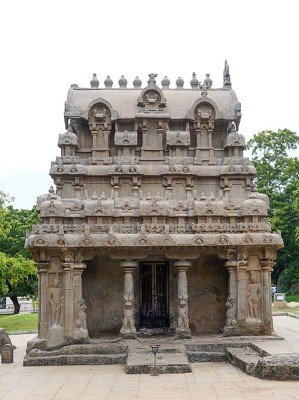
Ganesh Ratha Temple
Some quick example text to build on the card title and make up the bulk of the card's content.
Go somewhere
India Seashell Museum
Some quick example text to build on the card title and make up the bulk of the card's content.
Go somewhere
Krishna's Butter Ball
Some quick example text to build on the card title and make up the bulk of the card's content.
Go somewhere
Mahabalipuram Beach
Some quick example text to build on the card title and make up the bulk of the card's content.
Go somewhere
Mahabalipuram Stone Carving
Some quick example text to build on the card title and make up the bulk of the card's content.
Go somewhere
Mahishasura Rock
Some quick example text to build on the card title and make up the bulk of the card's content.
Go somewhere
Mahishasuramardini Cave
Some quick example text to build on the card title and make up the bulk of the card's content.
Go somewhere
Mamallapuram Lighthouse
Some quick example text to build on the card title and make up the bulk of the card's content.
Go somewhere
Mukunda Nayanar Temple
Some quick example text to build on the card title and make up the bulk of the card's content.
Go somewhere
Olakkannesvara Temple
Some quick example text to build on the card title and make up the bulk of the card's content.
Go somewhere
Pancha Pandava Rathas
Some quick example text to build on the card title and make up the bulk of the card's content.
Go somewhere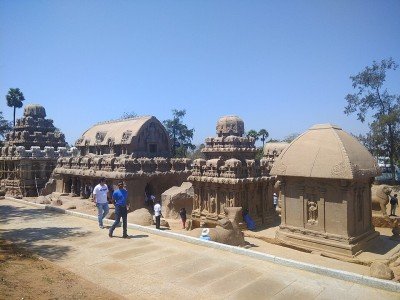
Pancha Rathas
Some quick example text to build on the card title and make up the bulk of the card's content.
Go somewhere
Pidari Ratha / Valian Kuttai Ratha
Some quick example text to build on the card title and make up the bulk of the card's content.
Go somewherein Other Cities