...

Nalonga Waterfalls

Goalpara, Assam, India
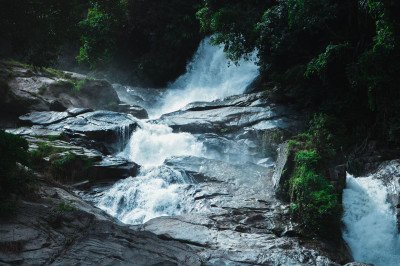
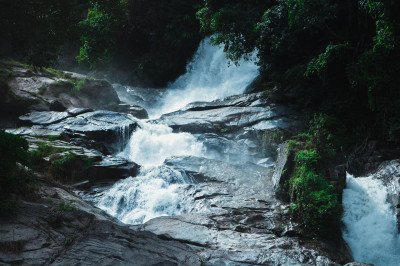
Nalonga Waterfalls is one of the most popular and scenic natural attractions in the Goalpara District of Assam. Tucked away in the serene and lush green hills of Nalonga Pahar near Agia, this waterfall is a perfect getaway for nature lovers and those seeking peace away from city life. The journey to the falls itself is a beautiful experience, passing through dense vegetation and small, picturesque villages. The water cascades down a series of rocks, creating a mesmerizing sight and a refreshing cool mist in the air. The sound of the falling water is rhythmic and soothing, providing a true sense of tranquility. During the peak monsoon season, which is generally from June to September, the waterfall is at its most spectacular, with a heavy rush of water flowing vigorously. The surrounding area of the falls is a paradise for photography enthusiasts, offering countless opportunities to capture the natural beauty of the landscape. It is also a favored spot for local picnics, especially during the pleasant winter months from November to February. The local community often maintains the area, which helps in preserving its pristine environment. Visitors can spend hours just sitting by the pool formed at the base of the waterfall, enjoying the cool environment and the stunning view. The presence of rocky outcrops and rich, diverse flora adds to the charm of the location. The place has a simple, unspoiled beauty, making it a must-visit destination for anyone traveling through the Goalpara region. It truly embodies the natural splendor of Assam. The falls are part of the larger hilly terrain that marks the boundary area and contributes to the overall rich biodiversity of the district. The water source is believed to be rainwater accumulation and small streams flowing down the Nalonga hill range. It is an ideal location for a day trip to rejuvenate both the mind and the body.

General information

  • ...

    Ideal Duration:

    3-4 hours (Ideal for a day picnic or a half-day trip).
  • ...

    Place Type:

    Natural Waterfall, Picnic Spot, Scenic Viewpoint.
  • ...

    Entry Fees:

    Current Entry Fee Structure:As of now, Nalonga Waterfalls often has a very minimal, token entry fee, or sometimes no official fee for basic entry, especially for local residents. If a fee is charged, it is typically managed by a local community body or a small committee for...
    Current Entry Fee Structure:As of now, Nalonga Waterfalls often has a very minimal, token entry fee, or sometimes no official fee for basic entry, especially for local residents. If a fee is charged, it is typically managed by a local community body or a small committee for the purpose of maintaining cleanliness and basic facilities. This fee is generally nominal, likely in the range of Rs.10 to Rs.30 per person. Always carry small change for this purpose.

    Vehicle Parking Charges:Visitors traveling by private vehicle (car, bike, or bus) will likely encounter a separate and more standard charge for parking. This is a common practice at most natural tourist spots. Parking fees are usually around Rs.50 to Rs.100 for cars and less for two-wheelers. These funds are often used for security and maintaining the parking area itself.

    Fees for Commercial Photography/Filming:While casual photography with a smartphone or a small camera is free, professional or commercial photography and videography (e. g. , for films, documentaries, or large commercial shoots) may require special permission from the local authorities and involve a significantly higher fee structure. It's advisable to check with the District Tourism Office in Goalpara beforehand if you plan any commercial work.

    Guide and Porter Charges:If you hire a local guide, especially to explore the less-trodden paths to the upper falls or nearby areas, their services will involve a separate, negotiable charge. These guides are usually not part of the entry fee system but are recommended for safety and local insights.
  • ...

    Timing:

    Regular Operating Hours:Nalonga Waterfalls is typically open to the public from 9:00 AM to 5:00 PM every day of the week (Monday to Sunday). Since it is a natural site, entry is restricted after dark for safety reasons. Visitors must plan to leave the area well before the ...
    Regular Operating Hours:Nalonga Waterfalls is typically open to the public from 9:00 AM to 5:00 PM every day of the week (Monday to Sunday). Since it is a natural site, entry is restricted after dark for safety reasons. Visitors must plan to leave the area well before the 5:00 PM closing time, especially as the last few kilometers of the approach road can be remote.

    Ideal Visit Time (Best Part of the Day):The absolute best time to visit the falls is early morning, specifically between 9:00 AM and 11:00 AM. During this window, the air is the freshest, the light is soft for photography, and the site is less crowded. Late afternoon, around 3:00 PM to 4:30 PM, is also pleasant, with softer light and cooler temperatures, making it ideal for a relaxing visit before closing.

    Best Time to Avoid Crowds:To enjoy the waterfall in peace and quiet, avoid visiting on Sundays, public holidays, and during the peak festive seasons like New Year's Day or Bihu. Weekday mornings are generally the least crowded and offer the most tranquil experience.
  • ...

    Special Events:

    Post-Monsoon Local Harvest Celebrations:While there is no single, large, organized annual tourism festival at the waterfall itself, the October to November period, just after the heavy monsoon and often coinciding with local harvest times, sees a significant influx of locals...
    Post-Monsoon Local Harvest Celebrations:While there is no single, large, organized annual tourism festival at the waterfall itself, the October to November period, just after the heavy monsoon and often coinciding with local harvest times, sees a significant influx of locals. Families and community groups often celebrate their harvest or local cultural occasions with large picnics and outings to scenic spots like Nalonga Waterfalls. These gatherings, while not official "events," transform the area into a lively hub of local cultural exchange, music, and festivity.

    New Year's Day and Bihu Get-Togethers:Like many natural spots in Assam, Nalonga Waterfalls becomes a hugely popular destination on New Year's Day (January 1st) and during the Bihu festivities (especially Rongali Bihu in April). These days see large crowds of people gathering for picnics and celebrations. The atmosphere is vibrant, filled with joy, and is a great way to experience the local festive spirit and community bonding in a natural environment.

    Local Eco-Tourism and Awareness Programs:Occasionally, local NGOs, eco-clubs, or the district administration organize small clean-up drives, nature awareness workshops, or eco-tourism promotion programs at or near the falls. These events focus on conservation and educating visitors about the importance of preserving the natural ecosystem of the Nalonga Pahar area. These are valuable, though infrequent, special events.
  • ...

    Best Photo Spots:

    The Main Plunge Pool Viewpoint:This is the classic and most dramatic photo spot. Positioned slightly away from the base, it allows you to capture the entire cascade from top to bottom, including the foaming pool and the lush green background of the forest. This is the best...
    The Main Plunge Pool Viewpoint:This is the classic and most dramatic photo spot. Positioned slightly away from the base, it allows you to capture the entire cascade from top to bottom, including the foaming pool and the lush green background of the forest. This is the best spot for wide-angle shots and capturing the sense of scale. A tripod can be useful here to capture the silky, blurred motion of the water.

    Rocky Outcrops (The Foreground Interest):The large, smooth rocks near the base of the waterfall provide an excellent foreground for your photos. You can use them to frame the cascading water, or have people sit on them for portraits with the waterfall as a powerful backdrop. The texture and color of the wet rocks add visual interest and contrast to the soft water flow.

    The Misty Atmosphere and Rainbow Spot:The mist generated by the falling water, particularly on a sunny day (especially in the morning), often creates small rainbows. The best photo spot is usually slightly upwind of the fall, where the mist is thickest but you still have a clear view. Capturing the interplay of light, mist, and color creates ethereal and unique photographs.

    Forested Path and Green Canopy:Don't just focus on the water! The walking path leading to the falls, especially where it is sheltered by a dense canopy of trees, offers beautiful shots of sun dapples, dense foliage, and the feeling of entering a secluded jungle. This is a great spot for detail shots, macro photography of plants, and environmental portraits that emphasize the journey.

    The High Vantage Point (Above the Falls):If a safe path exists to a viewpoint above the main drop, this is a spectacular spot. From here, you can capture the stream leading into the waterfall and the expansive view of the valley and hills beyond. This location is perfect for landscape photography and capturing the topographical context of the waterfall.

Photo Gallery

...
Darjeeling
Queen of Hills • Tea Gardens

Things To Do

  • ...
    Waterfall Viewing and Photography:The primary activity is, of course, viewing the majestic waterfall. Take your time to find the best vantage points to appreciate the cascade from different angles. Bring your camera to capture the power of the falling water, the misty atmosphere, and the lush green background. The early morning light often creates beautiful reflections and rainbows in the mist, offering excellent photo opportunities. Make sure to capture the wide landscape as well as the intricate details of the water flowing over the rocks.

    Picnicking and Group Outings:Nalonga Waterfalls is a very popular picnic spot. Carry packed lunches, snacks, and refreshments. Set up a comfortable spot near the base of the falls or in the shaded areas nearby. It is an ideal place for families, friends, and small groups to spend a day ...
    Waterfall Viewing and Photography:The primary activity is, of course, viewing the majestic waterfall. Take your time to find the best vantage points to appreciate the cascade from different angles. Bring your camera to capture the power of the falling water, the misty atmosphere, and the lush green background. The early morning light often creates beautiful reflections and rainbows in the mist, offering excellent photo opportunities. Make sure to capture the wide landscape as well as the intricate details of the water flowing over the rocks.

    Picnicking and Group Outings:Nalonga Waterfalls is a very popular picnic spot. Carry packed lunches, snacks, and refreshments. Set up a comfortable spot near the base of the falls or in the shaded areas nearby. It is an ideal place for families, friends, and small groups to spend a day enjoying food and company in a natural setting. Remember to carry all your trash back to keep the place clean and beautiful for everyone.

    Short Nature Treks and Hikes:Explore the short trails that wind through the surrounding forest area of Nalonga Pahar. These simple hikes allow you to get closer to the local flora and fauna. The paths are generally not too strenuous, making them suitable for most fitness levels. A hike to the top of the fall's catchment area (if accessible and safe) provides a completely different perspective of the landscape and the water source.

    Rejuvenating Bathing and Wading:The natural pools formed at the base of the waterfalls are generally safe for a refreshing dip or wading, especially during the non-monsoon months. The cool, clear water is incredibly revitalizing. Always check the water depth and the rock surfaces for slipperiness before entering. It's an excellent way to cool down after a walk or simply enjoy the natural shower from the cascade.

    Bird Watching and Wildlife Spotting:The forested area around the falls is a good habitat for various species of local birds and small animals. Bring a pair of binoculars and observe the birds in the trees. Patience can reward you with sightings of common or even unique bird species found in the Assam hills. Mornings and late afternoons are the best times for this activity.

    Relaxation and Quiet Contemplation:One of the best things to do is simply sit and listen. The natural sounds—the roar of the water, the rustle of leaves, and the calls of birds—create a perfect environment for relaxation. It is a wonderful location to disconnect from technology, enjoy the peace, practice mindfulness, or even do some reading or sketching.

    Interacting with Local Communities:The journey to the falls takes you through small villages like Agia. Take a moment to interact with the local Rabha or other communities. You can learn about their simple way of life, local customs, and perhaps try some local food or purchase locally made crafts. This interaction can enrich your travel experience and provide insight into the culture of Goalpara District.

    Exploring the Water Flow Dynamics:Observe how the water has carved and shaped the rocks over time. The geological process visible here can be fascinating. You can spend time studying the different layers of the falls, the speed of the water flow at various points, and the formation of the natural plunge pools. It's a subtle but deeply engaging activity for those interested in natural science and geology.

Resturants

Show All

Information

  • ...

    Why Famous:

    Untouched Natural Beauty and Serenity:Nalonga Waterfalls is famous for its relatively untouched and pristine environment. Unlike many commercialized tourist spots, it offers a raw and peaceful experience. The lush greenery of the Nalonga Pahar and the clear, gushing water ...
    Untouched Natural Beauty and Serenity:Nalonga Waterfalls is famous for its relatively untouched and pristine environment. Unlike many commercialized tourist spots, it offers a raw and peaceful experience. The lush greenery of the Nalonga Pahar and the clear, gushing water create a truly calming atmosphere that is highly valued by visitors. This unspoiled nature makes it a unique attraction in Goalpara.

    Seasonal Spectacle (Monsoon Vigor):The waterfall gains immense fame during the monsoon months (especially July and August) when the water flow is powerful and magnificent. The sound of the roaring water and the sight of the heavy cascade attract many visitors from surrounding areas and even other parts of Assam. This seasonal transformation into a powerful spectacle is a key reason for its popularity.

    Perfect Picnic and Day Trip Destination:Its accessible location, combined with the beautiful setting, makes it an ideal spot for family picnics and day trips. Locals frequently visit the falls, especially on weekends and holidays, to relax, swim in the natural pools, and enjoy a day out in nature. This continuous local patronage and use for recreational purposes add to its fame as a community landmark.
  • ...

    Architecture:

    Natural Rock Formation and Water Flow Architecture:The "architecture" of Nalonga Waterfalls is primarily a natural, geological structure. The waterfall consists of water flowing over naturally carved, multi-tiered rock faces. The exact dimensions vary depending on the rain...
    Natural Rock Formation and Water Flow Architecture:The "architecture" of Nalonga Waterfalls is primarily a natural, geological structure. The waterfall consists of water flowing over naturally carved, multi-tiered rock faces. The exact dimensions vary depending on the rainfall, but the main cascade drops from a significant height, estimated to be around 50-70 feet in total, although this is spread over multiple steps. The width of the flow can swell up to 20-30 feet during the peak rainy season. The rocks are mainly composed of local metamorphic or igneous formations, polished smooth over centuries by the continuous flow of water. The cascading nature creates several natural pools or small ponds at different levels, which are generally shallow and safe for wading.

    Man-made Visitor Amenities Architecture:The man-made structures are minimal, focusing on accessibility and safety without disrupting the natural environment. These typically include basic, unadorned concrete steps or earthen paths leading from the main road/parking area to the base of the falls. There may be simple bamboo or wooden railings installed in steeper sections for visitor support. Some small, open-air resting sheds or picnic spots with simple stone or concrete benches are sometimes constructed near the falls, designed to blend in with the natural surroundings. These structures are simple, functional, and lack any elaborate design elements, prioritizing the natural scenic view. The design philosophy is one of minimal intervention.
  • ...

    How To Reach:

    By Air (Nearest Airport):The nearest major airport is Lokpriya Gopinath Bordoloi International Airport (GAU) in Guwahati, Assam. Guwahati is approximately 130-150 KMs from the Goalpara town center. From Guwahati Airport, you will need to hire a pre-paid taxi or take a shar...
    By Air (Nearest Airport):The nearest major airport is Lokpriya Gopinath Bordoloi International Airport (GAU) in Guwahati, Assam. Guwahati is approximately 130-150 KMs from the Goalpara town center. From Guwahati Airport, you will need to hire a pre-paid taxi or take a shared cab/bus to Goalpara town. The road journey from the airport to Goalpara takes about 3. 5 to 4 hours. Once in Goalpara, you must arrange for local transport (taxi or auto-rickshaw) to reach the falls near Agia.

    By Train (Nearest Railway Station):The nearest and most convenient railway station is Goalpara Town Railway Station (GLPT). This station is well-connected to major cities in Assam like Guwahati and other parts of North East India. It is a major stop on the important railway line in the region. Upon arrival at Goalpara Town Station, the falls are still about 18-20 KMs away. You can easily hire an auto-rickshaw or a local taxi from outside the station to complete the rest of your journey to Nalonga Waterfalls.

    By Road (From Goalpara Town):The falls are located near the village of Agia on Nalonga Pahar, roughly 18-20 KMs from the main Goalpara town. The road network in Assam is generally good. You can take a private vehicle, hired taxi, or local bus towards Agia. The final stretch of the journey might involve some rough or unpaved roads, so a robust vehicle is recommended. The drive from Goalpara town takes approximately 30 to 45 minutes.

    By Local Transport:From Goalpara town, the most common and practical local transport options are shared auto-rickshaws (often called 'Trekker' or 'Tempo') or hired taxis. Shared auto-rickshaws run on fixed routes and are the most economical way to get close to the Agia area. For direct access to the waterfall's entrance, hiring a dedicated local taxi or a full auto-rickshaw for the round trip is highly recommended. Negotiate the fare with the driver before starting the journey. The nearest bus stop will be at Agia, from where you may need to walk or take a smaller vehicle to the final waterfall site.
  • ...

    Weather and Best Time to Visit:

    The Monsoon Season (Mid-June to September):

    The Vigor:This is the best time to see the waterfall at its most powerful and beautiful. The heavy rainfall ensures maximum water flow, creating a truly spectacular, roaring cascade. However, the ...
    The Monsoon Season (Mid-June to September):

    The Vigor:This is the best time to see the waterfall at its most powerful and beautiful. The heavy rainfall ensures maximum water flow, creating a truly spectacular, roaring cascade. However, the paths and rocks are very slippery and the local roads can be muddy. The intense greenery of the surrounding hills is also at its peak. Safety is paramount during this season, and swimming/wading might be unsafe due to strong currents.

    The Post-Monsoon Season (October to November):

    The Perfect Balance:The post-monsoon period is often considered the most ideal time to visit. The intensity of the rain has decreased, making the roads and paths safer. The water flow remains strong and impressive, and the weather is very pleasant—neither too hot nor too cold. The air is fresh, and the landscape is still vividly green, offering the best combination for sightseeing and photography.

    The Winter Season (December to February):

    The Picnic Time:The winter months are perfect for picnics and outdoor activities. The weather is cool and dry, making the trek and the surrounding area very comfortable for walking and sitting outdoors. The water flow is noticeably reduced compared to the monsoon, offering a calmer, gentler cascade, which is ideal for safe wading and relaxing by the pools. This is the peak season for local visitors and families.

    The Pre-Monsoon/Summer Season (March to Mid-June):

    The Quiet Time:This period can be quite hot, especially from April onwards. The water flow is at its lowest, sometimes reducing to a trickle by late May. It is the least crowded time to visit. If you prefer quiet solitude and don't mind the heat, an early morning visit can still be pleasant before the day gets too warm.

    Best Part of the Day to Visit:As noted in the timings section, early mornings (9:00 AM to 11:00 AM) are best for cool air and ideal lighting. This period allows you to complete your visit before the afternoon sun peaks.
  • ...

    Near Tourist Places:

    Urpad Beel (Wetland and Lake): Approx. 25 KMs (A major wetland known for migratory birds).

    Ajagar Wildlife Sanctuary: Approx. 20 KMs (Famous for its varied wildlife and greenery).

    Kusumfula Beel: Approx. 40 KMs (Another beautiful lake near Dudhnoi).

    Pirbaba Mazar (Holy Shrine): Approx. 22 KMs (A place of religious harmony).

    Shri Surya Pahar (Archaeological Site): Approx. 65 KMs (A historical hill with ruins of three religions).

    Hulukanda Pahar (Historical Hill): Approx. 19 KMs (Site of a local fort ruin).

    Goalpara River View (Brahmaputra Bank): Approx. 20 KMs (A good spot for viewing the river).

    Rakhyasini Hill Waterfall: Approx. 28 KMs (Another local, smaller waterfall near Dubapara).

    Kongkaigiri Waterfall: Approx. 15 KMs (Located in the same hill range as Nalonga).

    Nandeswar Devalaya (Temple): Approx. 35 KMs (Ancient Hindu temple).

Tourism Tips

  • ...
    Health & Safety Guidelines:The most crucial safety tip is to be careful on the rocks, especially after or during rain, as they become extremely slippery. Wear appropriate footwear with good grip—avoid smooth-soled shoes or heels. Do not attempt to climb wet rocks or vent...
    Health & Safety Guidelines:The most crucial safety tip is to be careful on the rocks, especially after or during rain, as they become extremely slippery. Wear appropriate footwear with good grip—avoid smooth-soled shoes or heels. Do not attempt to climb wet rocks or venture too close to the main drop area. If the water flow is very strong (during the monsoon), do not attempt to swim or wade, as flash floods can occur. Carry a basic first-aid kit with antiseptic cream, bandages, and pain relievers. Drink bottled water only and avoid drinking stream water directly.

    Essential Packing Checklist:Carry an adequate supply of drinking water and snacks. Since the place is remote, carry all necessary items. A light raincoat or umbrella is essential, especially from June to October. Wear comfortable trekking shoes. Bring insect repellent to guard against mosquitoes and other bugs. A towel and a change of clothes are useful if you plan to swim. Carry a portable power bank for your phone/camera, as charging points are unavailable.

    Accommodation and Stay:There is no official tourist accommodation or lodging facility available near the falls, as it is in a remote area. The best option is to book a hotel, guest house, or resort in Goalpara town, which is about 20 KMs away. From there, you can take a day trip to the falls. Accommodation in Goalpara town ranges from budget-friendly options to mid-range hotels.

    Responsible Tourism and Environmental Care:The most important tip is to practice Leave No Trace tourism. Do not litter; carry all your plastic waste, food wrappers, and bottles back with you. Use designated waste bins if available. Do not damage the local flora or try to carve your name into rocks or trees. Respect the peaceful environment by avoiding loud music or noise. Support the local economy by purchasing goods from the nearest villages or hiring local guides.

    Communication and Connectivity:Cell phone network connectivity can be intermittent or weak in the immediate vicinity of the waterfall due to the hilly terrain. Inform your family or friends about your visit and your expected return time, especially if you plan to trek into the surrounding forest area.

Reviews

FAQs

Goalpara Itineray And Cost:-

Information about New and Updated Locations() of Assam Has Been Added :-
Card subtitle

Note:-

Information provided here in good Faith and for reference only.

All information and pictures will be updated soon, please keep visiting.

Near Places
...
Baijuri Waterfall

Some quick example text to build on the card title and make up the bulk of the card's content.

Go somewhere
...
Buraburi Than

Some quick example text to build on the card title and make up the bulk of the card's content.

Go somewhere
...
Dadan Hill

Some quick example text to build on the card title and make up the bulk of the card's content.

Go somewhere
...
Goalpara River View

Some quick example text to build on the card title and make up the bulk of the card's content.

Go somewhere
...
Hulukunda Pahar

Some quick example text to build on the card title and make up the bulk of the card's content.

Go somewhere
...
Joybhum Kamakhya Temple

Some quick example text to build on the card title and make up the bulk of the card's content.

Go somewhere
...
Kumri Beel Lake

Some quick example text to build on the card title and make up the bulk of the card's content.

Go somewhere
...
Nalonga Waterfalls

Some quick example text to build on the card title and make up the bulk of the card's content.

Go somewhere
...
Nandeswar Devalaya

Some quick example text to build on the card title and make up the bulk of the card's content.

Go somewhere
...
Pir Majhar

Some quick example text to build on the card title and make up the bulk of the card's content.

Go somewhere
in Other Cities
