



Samanar Hills / Samanar Malai
General information
-
Ideal Duration:
2 Hours: (Including climb and exploration of both main sites)Place Type:
Historical Site, Jain Heritage, Natural LandmarkEntry Fees:
General Entry: Entry to the Samanar Hills is Free of cost, as it is a protected archaeological site and a natural hillock open to the public.
Photography/Videography Fees: No Official Fees are charged for general photography. As it is an ar...General Entry: Entry to the Samanar Hills is Free of cost, as it is a protected archaeological site and a natural hillock open to the public.
Photography/Videography Fees: No Official Fees are charged for general photography. As it is an archaeological site, professional or commercial filming may require prior permission from the Archaeological Survey of India (ASI) with an associated fee. Tourists should avoid touching or defacing the inscriptions and sculptures, which is a serious offense.
Guide Fees: Local guides may offer their services for a fee (typically INR 200 to 500), which can be valuable for translating the significance of the carvings and inscriptions. This fee is voluntary and negotiable.
Parking Fees: Basic parking facilities near the village at the base of the hill may charge a small, nominal fee (INR 10 to 50) for vehicles. There are no formal ticket counters or turnstiles on the hill itself.Timing:
Regular Timings: The hill and caves are generally accessible from 6:00 AM to 6:00 PM, although there are no formal gates, so it's advised to visit during daylight hours for safety and clarity. It is essentially open from dawn to dusk.
Ideal Vis...Regular Timings: The hill and caves are generally accessible from 6:00 AM to 6:00 PM, although there are no formal gates, so it's advised to visit during daylight hours for safety and clarity. It is essentially open from dawn to dusk.
Ideal Visit Time (Hiking & Light): The Best Time to Visit is the early morning (6:00 AM to 9:00 AM) or the late afternoon (4:00 PM to 6:00 PM). Early morning is highly recommended as the temperature is lowest, making the climb more comfortable, and the sunlight offers the best conditions for clear photography of the rock carvings. Avoid the scorching midday sun.
Seasonal Consideration: During the Monsoon season (June-September), the pathways can be slippery, but the sight of the Pechchipallam pond filled with water is a rare treat. Always wear appropriate footwear.Special Events:
Mahavira Jayanti: Celebrated in the March or April months, marking the birth of Lord Mahavira, the last Tirthankara. Although the hill is an ascetic site, special prayers and small ceremonies may be conducted by the local Jain community. The atmosphere is charged with devo...Mahavira Jayanti: Celebrated in the March or April months, marking the birth of Lord Mahavira, the last Tirthankara. Although the hill is an ascetic site, special prayers and small ceremonies may be conducted by the local Jain community. The atmosphere is charged with devotion.
Jain New Year (Diwali): The hill may attract pilgrims during the period of Diwali (October/November) as Jains also celebrate this time, but the observances are quiet and focused on meditation, aligning with the ascetic tradition of the site, rather than large-scale festivities.
Annual Day of Historical Commemoration: Occasionally, archaeological or historical societies may hold small seminars, lectures, or guided heritage walks at the site to highlight the importance of the Tamil-Brahmi inscriptions and the Jain carvings, bringing historians and scholars to the area.Best Photo Spots:
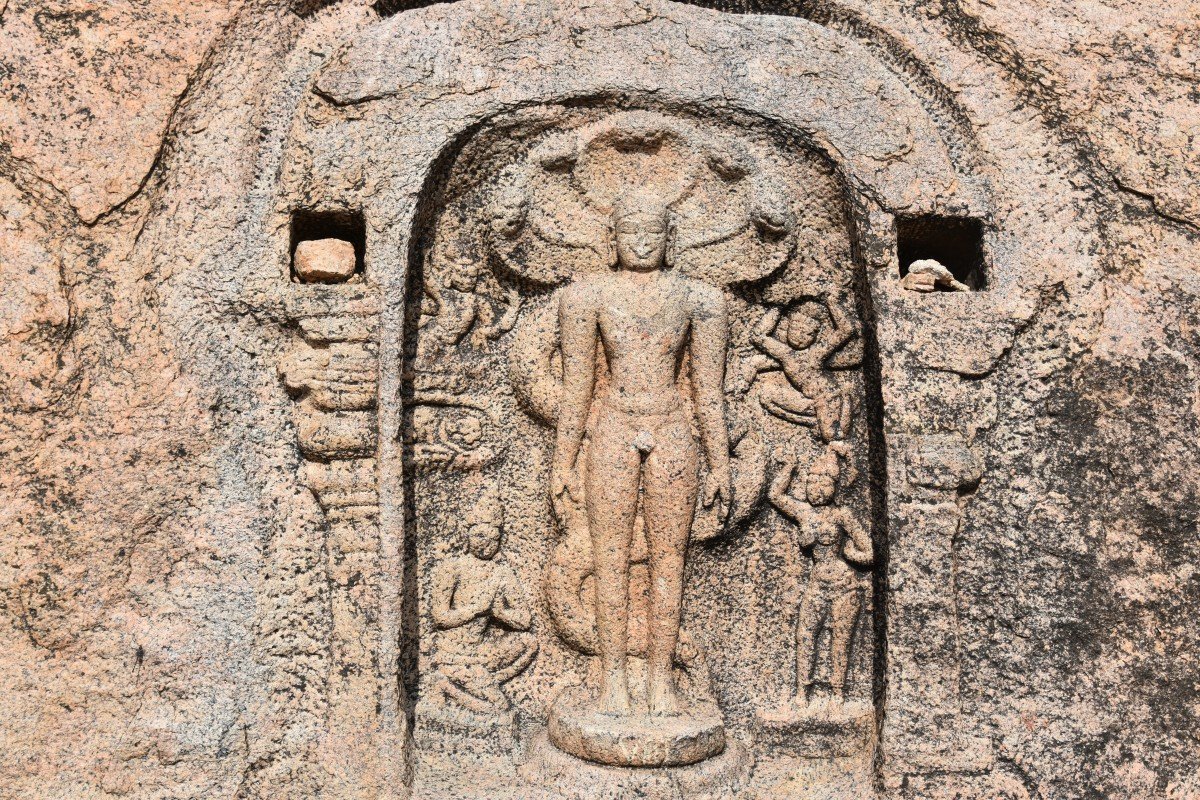
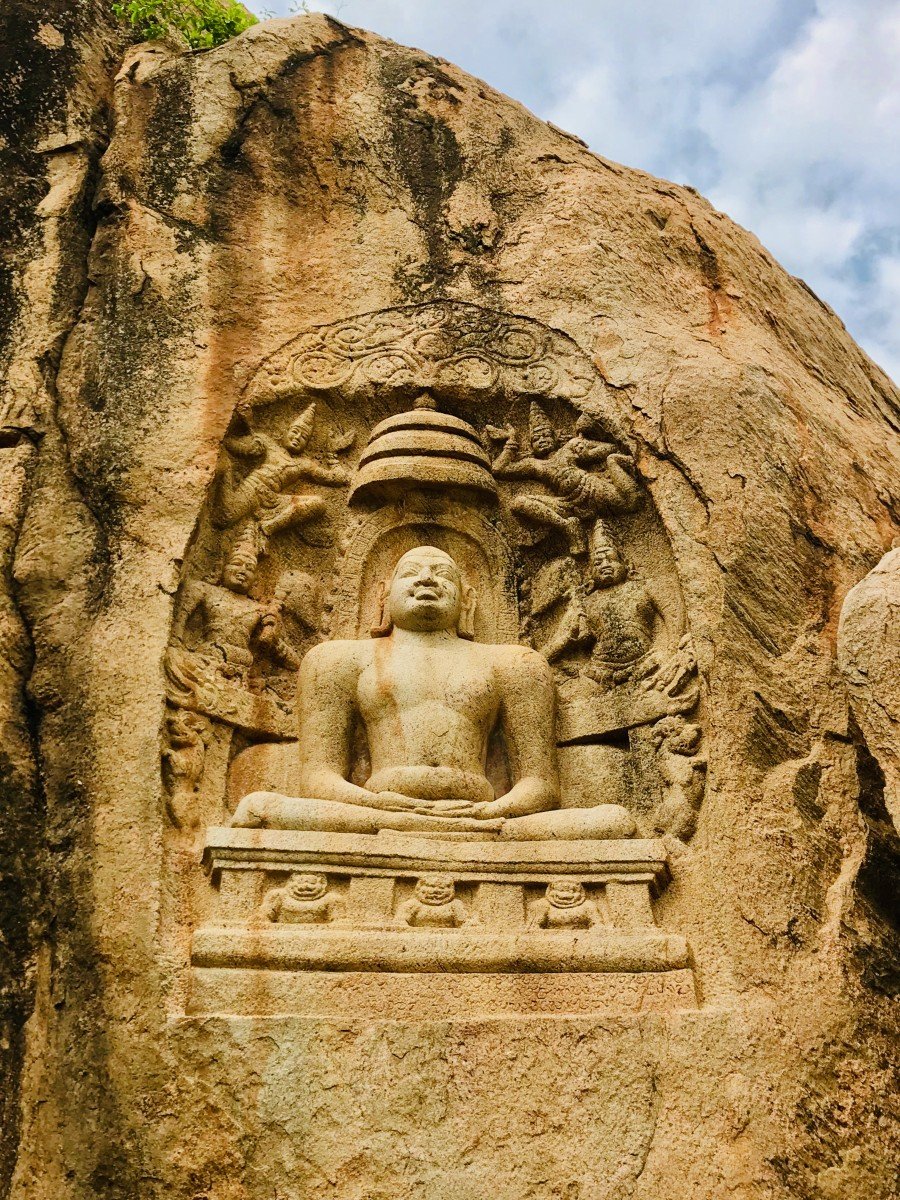
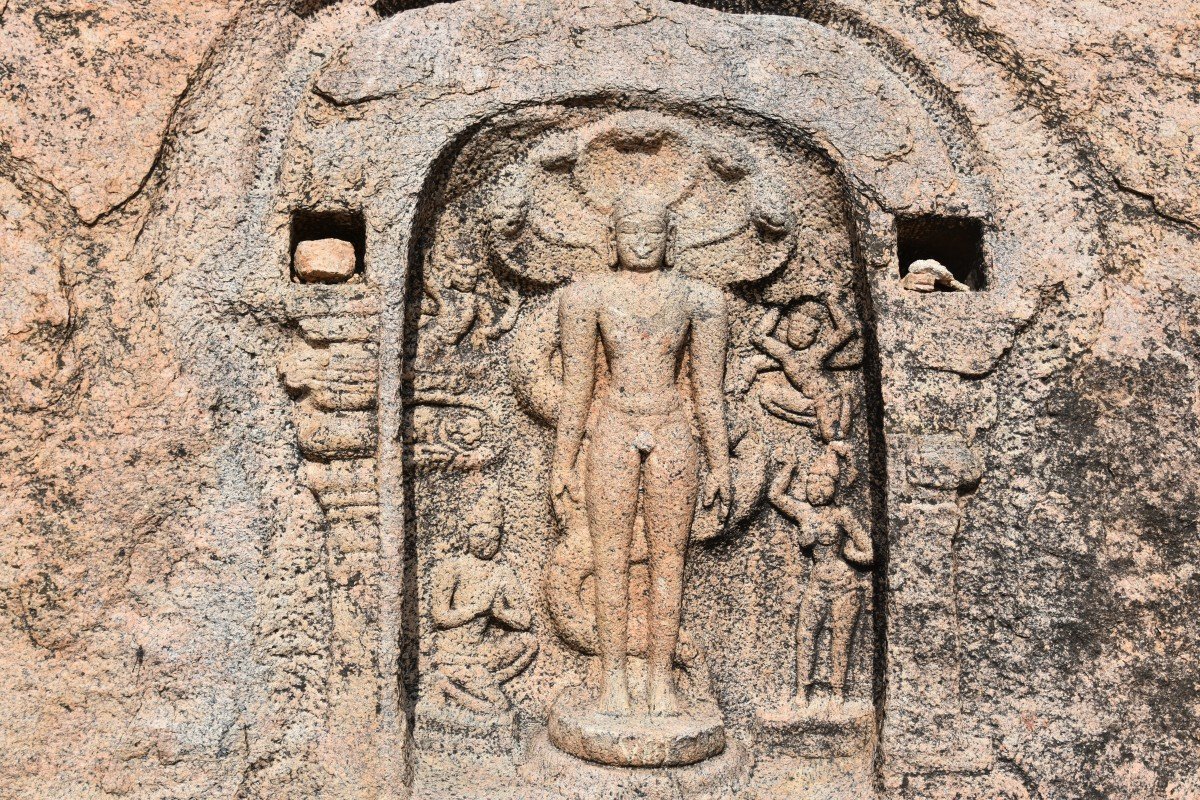
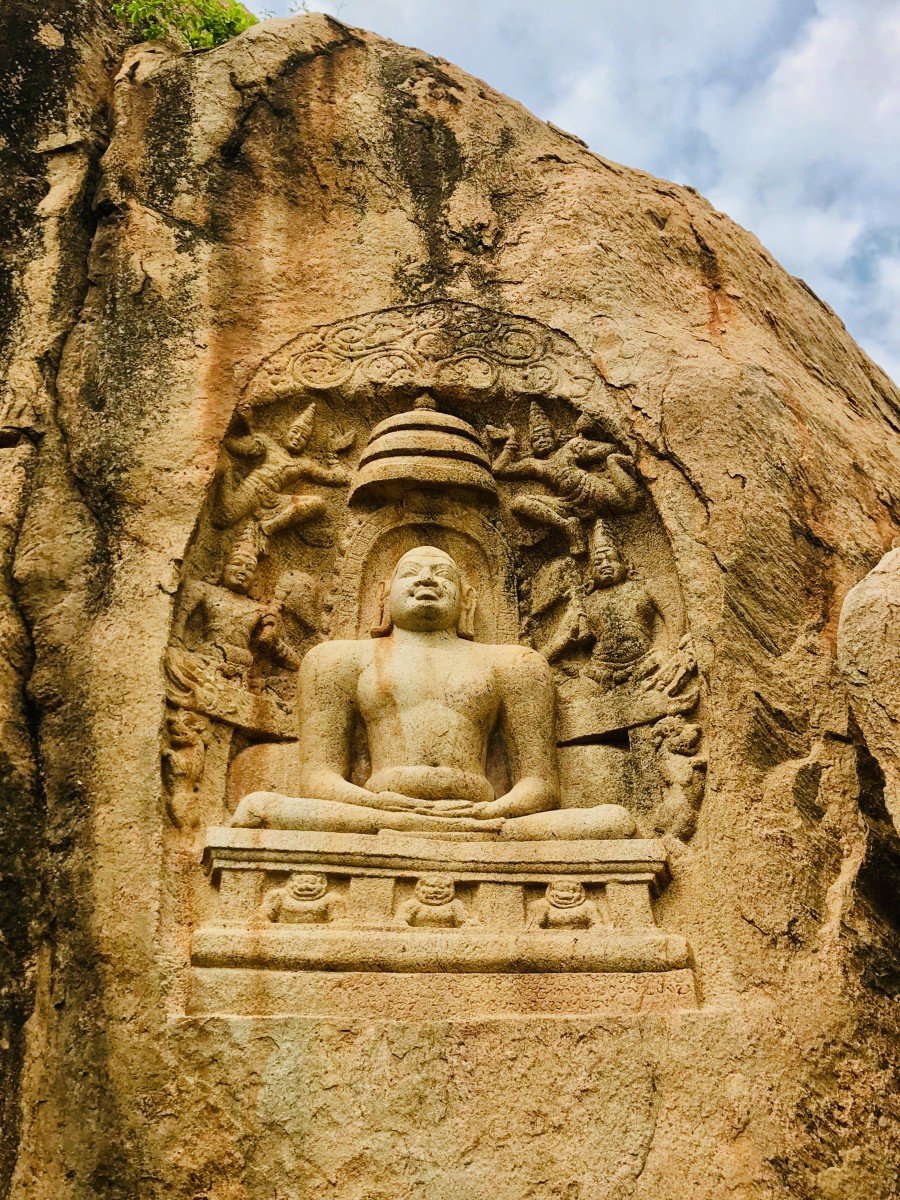
The Rock-Cut Sculptures: Close-up shots of the Mahavira and Bahubali reliefs, focusing on the fine carving details and the expression of serenity. Early morning light is crucial to avoid harsh shadows on the rock face.
The Cave Entrance and Vis...The Rock-Cut Sculptures: Close-up shots of the Mahavira and Bahubali reliefs, focusing on the fine carving details and the expression of serenity. Early morning light is crucial to avoid harsh shadows on the rock face.
The Cave Entrance and Vistas: The natural overhangs and cave entrances provide excellent framing for the view of the plains below. Use the natural rock architecture as a frame for the landscape.
The Lotus Pond and Reflection: If the pond is full, capturing the reflection of the surrounding hill and sky is a spectacular photo opportunity, emphasizing the serene natural setting.
Panorama from the Summit: A wide-angle shot from the top of the hill, capturing the vast expanse of the Madurai district, the surrounding villages, and the distant city skyline, providing a sense of scale and isolation.Photo Gallery


Things To Do
-
The Ascent and Trekking: Start the climb early in the morning to avoid the heat. The ascent to the caves (especially Settipodavu) is moderate but requires careful footing on the granite steps and natural pathways. Take your time to appreciate the rugged natural beauty of the hill, which gives the place its spiritual atmosphere.
Studying the Jain Sculptures: Spend ample time at Settipodavu to view the large Mahavira relief and at Pechchipallam to examine the group of eight carvings, including Bahubali (Gomateshwara) and the other Tirthankaras. Look for the fine details that distinguish Jain iconography, such as the triple umbrella above the figures and the serene expressions.
Deciphering the Inscriptions: Though you may not be able to read the ancient Tamil-Brahmi or Vatteluttu scripts, try to ...The Ascent and Trekking: Start the climb early in the morning to avoid the heat. The ascent to the caves (especially Settipodavu) is moderate but requires careful footing on the granite steps and natural pathways. Take your time to appreciate the rugged natural beauty of the hill, which gives the place its spiritual atmosphere.
Studying the Jain Sculptures: Spend ample time at Settipodavu to view the large Mahavira relief and at Pechchipallam to examine the group of eight carvings, including Bahubali (Gomateshwara) and the other Tirthankaras. Look for the fine details that distinguish Jain iconography, such as the triple umbrella above the figures and the serene expressions.
Deciphering the Inscriptions: Though you may not be able to read the ancient Tamil-Brahmi or Vatteluttu scripts, try to locate them near the beds and sculptures. Guides or informational plaques (if available) can help you understand the historical value of these epigraphs, which record the names of monks and donors from over 2,000 years ago.
Photography (Landscape and Heritage): The hill offers fantastic opportunities for landscape photography, especially the panoramic view from the summit and the dramatic rock formations. Capture the aesthetic of the caves and the ancient sculptures, focusing on the interplay of rock and art. Early morning and late afternoon light is best for minimizing shadows.
Bird Watching and Nature Walk: The hillock and its immediate surroundings are home to various species of local birds and unique flora that thrive in this dry, rocky ecosystem. It's a great opportunity for nature lovers to enjoy a quiet, short nature walk while appreciating the historical structures.
Meditation and Reflection: The site's original purpose was meditation. Sit quietly inside one of the natural caverns (respecting any existing religious activity) to experience the peaceful, cool environment and reflect on the ascetic life led by the monks centuries ago.
Visiting the Lotus Pond: If the Pechchipallam pond has water, take a moment to admire the reflection of the sky and the surrounding hills in the water, which often features beautiful lotus flowers, adding to the spiritual ambiance.
Information
-
Why Famous:
A Crucial Center of Ancient Jain Asceticism: Samanar Malai is famous as one of the most important centers where Jainism flourished in the Pandya kingdom of Tamil Nadu. The site provides a direct, tangible connection to the Jain monks who lived and meditated here for over a ...A Crucial Center of Ancient Jain Asceticism: Samanar Malai is famous as one of the most important centers where Jainism flourished in the Pandya kingdom of Tamil Nadu. The site provides a direct, tangible connection to the Jain monks who lived and meditated here for over a millennium. The hill is a vital source for understanding the history of the Tamil Jain tradition.
Ancient Inscriptions and Rock-Cut Art: Its international fame stems from the presence of ancient Tamil-Brahmi inscriptions (some of the oldest found in the region) and the exquisitely preserved rock-cut sculptures of the Tirthankaras and other Jain deities. The sculptures at Settipodavu and Pechchipallam are masterpieces of early medieval South Indian art, showcasing a unique style and iconographic details important to Jain studies.
A Testament to Religious Harmony: The presence of a rock-cut Murugan Temple and a Sikandar Shah Dargah nearby shows the harmonious religious coexistence that historically defined the area. The site is famous for illustrating the co-existence and evolution of different spiritual traditions over two millennia, making it a unique cultural and historical treasure in Madurai that draws historians and archaeologists globally. -
Architecture:
Rock-Cut Caves and Stone Beds: The architecture is primarily that of natural rock formations (kudaivari or natural caverns) that have been artfully adapted by the Jain monks. The monks flattened the rock floors and carved shallow stone beds known as Prakrutha Pedikai or Sto...Rock-Cut Caves and Stone Beds: The architecture is primarily that of natural rock formations (kudaivari or natural caverns) that have been artfully adapted by the Jain monks. The monks flattened the rock floors and carved shallow stone beds known as Prakrutha Pedikai or Stone Beds into the floor of the caves for resting.
Epigraphical Architecture (Inscriptions): The hill is famous for its large collection of ancient inscriptions in two scripts: Tamil-Brahmi (dating back to the 2nd century BCE) and Vatteluttu (from the 9th and 10th centuries). These inscriptions, often detailing the donors who provided the stone beds or carvings, are crucial architectural and historical documents.
Sculptural Reliefs: The main 'architectural' features are the life-size and smaller high-relief rock-cut sculptures of the Jain Tirthankaras (Ford-Makers). Settipodavu features a prominent, large sculpture of Mahavira, and Pechchipallam features a group of eight figures, including Bahubali and his sisters Brahmi and Sundari. These are not free-standing sculptures but are carved directly onto the rock face. The absence of elaborate temple structures highlights the ascetic, simple nature of early Jain monasticism. -
How To Reach:
By Air: The nearest airport is Madurai International Airport (IXM), located approximately 15-20 KMS away. From the airport, hire a pre-paid taxi or a private cab. The trip will take about 45-60 minutes. Ensure the driver is familiar with Keelakuyilkudi Village.By Air: The nearest airport is Madurai International Airport (IXM), located approximately 15-20 KMS away. From the airport, hire a pre-paid taxi or a private cab. The trip will take about 45-60 minutes. Ensure the driver is familiar with Keelakuyilkudi Village.
By Train: The closest major railway station is Madurai Junction Railway Station (MDU), about 12 KMS away. You must hire a taxi or an auto-rickshaw for the final leg of the journey, as the local train station is not conveniently close. Negotiate the fare before starting, and confirm the destination is "Samanar Malai, Keelakuyilkudi.
" By Road: Samanar Hills is located about 10-12 KMS west of Madurai city center, connected by local roads off the main highways. The best way to reach it is by hiring a private car or an auto-rickshaw for a round trip (including waiting time), as public transportation is limited. Some local town buses go toward Keelakuyilkudi, but this option can be slow and confusing for tourists.
By Local Transport: A dedicated taxi or a negotiated round-trip auto-rickshaw is the most straightforward option. Due to the site's relative isolation, relying on finding a return auto/taxi immediately upon arrival can be difficult, so arranging a wait-and-return service is recommended. -
Weather and Best Time to Visit:
Season-wise: Winter (October to March) is the optimal season for visiting Samanar Hills. The weather is cool and dry, perfect for the uphill climb and outdoor exploration. Monsoon (June to September) makes the hill green and beautiful but the path can be slippery and muddy...Season-wise: Winter (October to March) is the optimal season for visiting Samanar Hills. The weather is cool and dry, perfect for the uphill climb and outdoor exploration. Monsoon (June to September) makes the hill green and beautiful but the path can be slippery and muddy. Summer (April to June) is extremely hot; if visiting, it is mandatory to arrive right at 6:00 AM and leave before 9:00 AM.
Part of the Day-wise: Early Morning (6 AM - 9 AM) is the non-negotiable best time. The cool air makes the trek easy, and the angled sunlight is perfect for viewing the inscriptions and sculptures without glare and for the best photography. Visiting in the late afternoon is the second-best option, but the morning is superior for comfort and light. -
Near Tourist Places:
Thirupparankundram Murugan Temple: (Approx.
8 KMS) Pasumalai Hill: (Approx.
5 KMS) Madurai Railway Junction: (Approx.
12 KMS) Meenakshi Amman Temple: (Approx.
12 KMS) Vaigai River Bank: (Approx.
13 KMS) Azhagar Kovil: (Approx.
32 KMS) Alagarkoil/Pazhamudhircholai: (Approx.
32 KMS) Tirumangalam (Town): (Approx.
18 KMS) Vilachery Pottery Village: (Approx.
7 KMS) Kodimangalam Rock Inscriptions: (Approx. 5 KMS)
Tourism Tips
-
Health & Safety: The ascent is rocky and uneven, so wear sturdy, closed-toe shoes with good grip. Carry enough water, as there are no formal shops on the hill itself. Beware of monkeys, especially if carrying food. The rock faces can be slippery after rain.Health & Safety: The ascent is rocky and uneven, so wear sturdy, closed-toe shoes with good grip. Carry enough water, as there are no formal shops on the hill itself. Beware of monkeys, especially if carrying food. The rock faces can be slippery after rain.
Packing: Carry a hat/cap, sunscreen, and sunglasses, even for a morning visit. A small backpack with water and a basic first-aid kit is advisable. A pair of binoculars can enhance bird-watching and distant views.
Cultural Sensitivity: As an ancient Jain site, respect the sanctity of the caves. Do not touch or lean on the rock carvings or inscriptions, which are fragile archaeological assets. Do not leave any trash behind; the site's purity is paramount.
Guide and Interpretation: As signage can be limited, hiring a local guide or reading up on the history beforehand is highly recommended to fully appreciate the Tamil-Brahmi and Vatteluttu inscriptions and the significance of the Tirthankaras.
Reviews
FAQs
Madurai Itineray And Cost:-
Samanar Hills / Samanar Malai Tourism:-
Other Places In Madurai :-
Other States In India :-
Information about New and Updated Locations() of Tamil Nadu Has Been Added :-
Card subtitle
Note:-
Information provided here in good Faith and for reference only.
Near Places

Athisayam Water & Amusement Park
Some quick example text to build on the card title and make up the bulk of the card's content.
Go somewhere
Azhagar Kovil
Some quick example text to build on the card title and make up the bulk of the card's content.
Go somewhere
Gandhi Memorial Museum
Some quick example text to build on the card title and make up the bulk of the card's content.
Go somewhere
Kazimar Big Mosque
Some quick example text to build on the card title and make up the bulk of the card's content.
Go somewhere
Koodal Azhagar Temple
Some quick example text to build on the card title and make up the bulk of the card's content.
Go somewhere
Kutladampatti Falls
Some quick example text to build on the card title and make up the bulk of the card's content.
Go somewhere
Meenakshi Amman Temple
Some quick example text to build on the card title and make up the bulk of the card's content.
Go somewhere
Pazhamudhircholai
Some quick example text to build on the card title and make up the bulk of the card's content.
Go somewhere
Puthu Mandapam
Some quick example text to build on the card title and make up the bulk of the card's content.
Go somewhere
Saint Mary's Cathedral
Some quick example text to build on the card title and make up the bulk of the card's content.
Go somewhere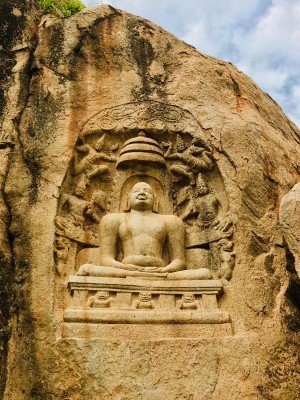
Samanar Hills / Samanar Malai
Some quick example text to build on the card title and make up the bulk of the card's content.
Go somewhere
Thirumalai Nayakkar Mahal
Some quick example text to build on the card title and make up the bulk of the card's content.
Go somewhere
Thirupparankundram Murugan Temple
Some quick example text to build on the card title and make up the bulk of the card's content.
Go somewhere
Vaigai Dam
Some quick example text to build on the card title and make up the bulk of the card's content.
Go somewhere
Vandiyur Mariamman Teppakulam
Some quick example text to build on the card title and make up the bulk of the card's content.
Go somewherein Other Cities