Samsing
General information
-
Ideal Duration:
1 to 2 days (A peaceful weekend retreat, ideal for relaxation, tea walks, and the trek to Suntalekhola).Place Type:
Hill Station, Tea Tourism, and Bird Watching BaseEntry Fees:
General Village Access and Garden Walks (Zero Charge) There are absolutely no fees or permits required to enter the village of Samsing itself or to walk along the public pathways within the vast tea gardens.
Top...General Village Access and Garden Walks (Zero Charge) There are absolutely no fees or permits required to enter the village of Samsing itself or to walk along the public pathways within the vast tea gardens.
Topic Heading:
Open Access to Public Area and Agriculture: The area functions as a standard, accessible settlement and agricultural zone, welcoming visitors without charging a general entry ticket, making it very budget-friendly for casual exploration.
Optional Guided Tour and Factory Visit Fees: Fees are entirely voluntary for specialized services.
Topic Heading:
Paid Guide Services for Education and Access: If you opt for a deep, organized tour of a private tea factory, there may be a fee levied by the estate management. Similarly, if you hire a local expert specifically for bird watching or trekking to Suntalekhola, you will pay a professional service charge for their time and expertise, which is highly recommended. Parking and Minor Local Fees (Infrastructure Contribution) A very nominal parking fee, usually ranging from Rs.30 to Rs.50, may be collected by local youth committees at the main Murti River picnic area or major viewpoints.
Topic Heading:
Area Maintenance and Local Development Charges: This small charge contributes to the upkeep and cleanliness of the immediate tourist areas, ensuring the scenic spots remain litter-free and accessible to all.Timing:
General Open Timings (Residential and Agricultural Area) Samsing is an active village and agricultural area, so there are no official closing times; it is accessible 24 hours a day, 7 days a week.
Topic Heading:
Read MoreGeneral Open Timings (Residential and Agricultural Area) Samsing is an active village and agricultural area, so there are no official closing times; it is accessible 24 hours a day, 7 days a week.
Topic Heading:
Unrestricted Public Access and Movement: Visitors can walk and explore the public areas and trails at any time, though it is always recommended to stay in groups and avoid deep forest areas after dark for safety reasons. Ideal Visit Time (Best Light and Bird Activity) The optimal time for activity and photography is the early morning, from 6:00 AM to 10:00 AM.
Topic Heading:
Golden Hours for Tea and Avian Life: The light is softest, creating the best photographic conditions, and this period coincides with peak bird activity and when the tea workers begin their day. Late afternoon (3:30 PM to 5:30 PM) is also perfect for enjoying the sunset and cooler temperatures.Special Events:
Local Harvest Festivals (Seasonal Community Celebrations) The local communities, predominantly those of Nepali and tribal origin, celebrate their agricultural cycles with informal festivals in late Autumn and early Winter.
Topic Heading: Traditional Seasonal Commun...Local Harvest Festivals (Seasonal Community Celebrations) The local communities, predominantly those of Nepali and tribal origin, celebrate their agricultural cycles with informal festivals in late Autumn and early Winter.
Topic Heading: Traditional Seasonal Community Fairs and Cultural Showcase: These events are not official tourist programs but rather vibrant community gatherings celebrating the tea and orange harvests, often featuring traditional folk dances, communal feasting, and the sale of unique regional foods and handicrafts. They are a profound and authentic display of local Dooars culture, often happening in November and December.Best Photo Spots:
The Zig-Zag Road Overlooking the Tea Gardens:
Topic Heading:
Contoured Landscape and Golden Hour Highlights: The best panoramic shots are capt...The Zig-Zag Road Overlooking the Tea Gardens:
Topic Heading:
Contoured Landscape and Golden Hour Highlights: The best panoramic shots are captured from the narrow, winding local road leading up to Samsing. Use a high vantage point to capture the entire contoured slope, where the terraced tea bushes create a dramatic, undulating pattern. The soft light of sunrise (around 6:30 AM) or sunset (around 4:30 PM) is ideal for emphasizing the texture and shadows.
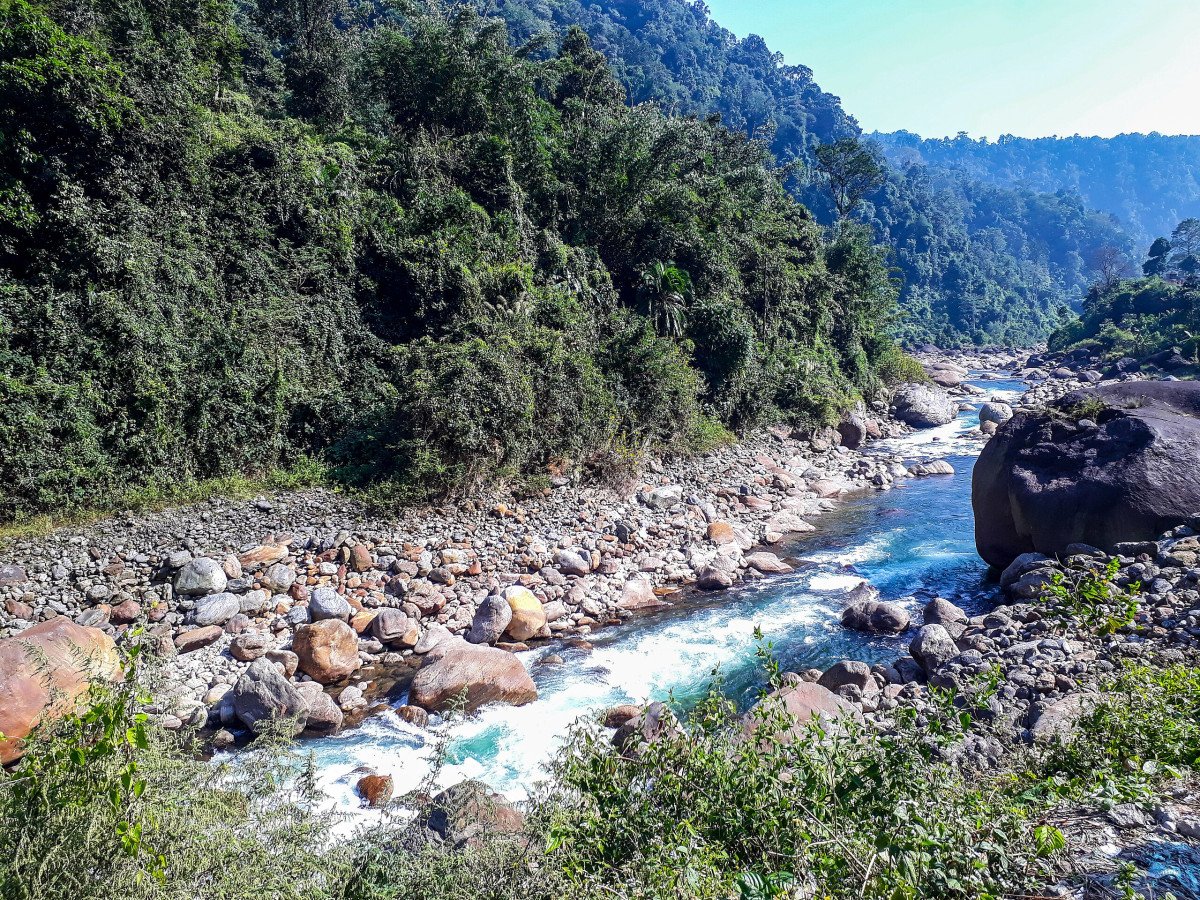
The Murti River and Bouldered Riverbed:
Topic Heading:
Clear Water Flow and Smooth Stone Textures: Find a quiet spot on the riverbank to focus on the elements of water, stone, and forest. Use a polarizing filter to enhance the clarity of the water and capture the reflections of the surrounding trees. Long exposure can create a milky, ethereal flow over the colorful river boulders, highlighting the tranquility of the stream.
The Tea Workers in Action:
Topic Heading:
Human Element in the Green Landscape: Capture candid shots of the tea pluckers, often women in vibrant clothing, working among the endless green bushes. Use a telephoto lens to capture them in their environment, emphasizing the scale of the plantation against the single human figure, adding a vital sense of life and labor to the otherwise purely natural landscape.Photo Gallery
Things To Do
-
Comprehensive Tea Estate Tour and Tasting (The Agricultural Experience) Dedicate a long morning to a guided walking tour of the sprawling Samsing Tea Gardens.
Topic Heading:
Farm-to-Cup Process and Worker Life Observation: A local guide will explain the intricate details of tea cultivation, covering everything from the unique climate requirements and the difference between various tea flushes (first, second, monsoon) to the sustainable plucking techniques used by the workers. If permission is available, visiting the factory to observe the processing withering, rolling, fermenting, and drying provides a full, educational exper...
Information
-
Why Famous:
The Iconic, Manicured Tea Garden Views: Samsing is the most accessible and celebrated spot in the Dooars for viewing the stereotypical, undulating, and perfectly maintained tea plantations.
Topic Heading:The Iconic, Manicured Tea Garden Views: Samsing is the most accessible and celebrated spot in the Dooars for viewing the stereotypical, undulating, and perfectly maintained tea plantations.
Topic Heading:
Landscape Photography and Agricultural Aesthetics: Its fame stems from the sheer scale and beauty of these terraced gardens, which appear as a seamless, contoured carpet of green draped over the hills. This classic view is heavily promoted and attracts photographers and leisure tourists looking for the quintessential North Bengal landscape, especially during the vibrant growth periods.
The Gateway to Remote Neora Valley Wilderness: It serves a crucial function as the primary access point and last easily reached settlement before the serious wilderness begins.
Topic Heading:
Transitional Base for Deeper Himalayan Treks: Being only 4 KMS from the secluded Suntalekhola, Samsing is used as a convenient staging area by serious trekkers, birders, and naturalists who intend to explore the deeper, protected forests of the Neora Valley National Park foothills, offering comfortable lodging before heading into the remote terrain. -
Architecture:
The Grandeur of Colonial Tea Estate Structures: The oldest buildings in Samsing are the remnants of the colonial tea management era, characterized by durability and functional design.
Topic Heading:
<...The Grandeur of Colonial Tea Estate Structures: The oldest buildings in Samsing are the remnants of the colonial tea management era, characterized by durability and functional design.
Topic Heading:
Industrial Functionality and Planter Bungalows: The main tea factory is a large, sturdy structure, typically rectangular and built with thick brick walls and high ceilings to facilitate air circulation during tea processing. Dimensions often reach 50 meters in length and 15 meters in width. Manager bungalows showcase distinctive colonial architecture with wide, covered verandahs (often 3 meters deep) and steeply pitched roofs made of tin or slate to handle heavy monsoon rainfall, sitting elegantly on manicured lawns.
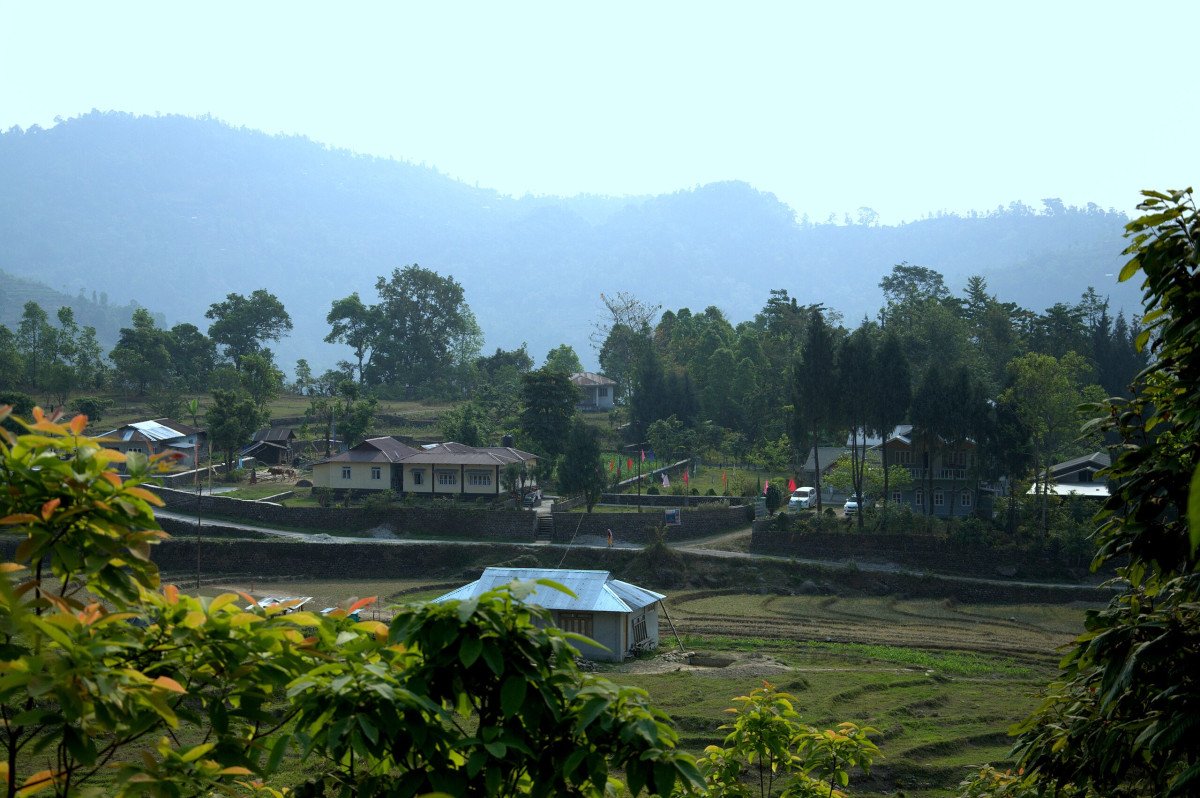
Blending Rustic and Modern Hillside Lodging: Contemporary local homestays and smaller resorts are built to utilize the terrain while respecting traditional aesthetics.
Topic Heading:
Indigenous Materials and Terrace Construction: These structures frequently use local materials like stone, wood, and vibrant tin roofs. They are often constructed on tiered levels or raised foundations (up to 1 meter high) using cut stone to manage the slope. Most notable are the wooden balconies or decks, averaging 2 meters by 5 meters, which serve as the main social area and offer stunning, unobstructed views over the cascading tea gardens and the Murti river valley. -
How To Reach:
By Air: The closest and best-connected airport is Bagdogra Airport (IXB), near Siliguri.
Topic Heading:
Aerial E... -
Near Tourist Places:
Suntalekhola: 4 KMS (Secluded forest resort and trekking base)
Rocky Island: 8 KMS (River spot with large boulders for adventure)
Chalsa: 15 KMS (Major road junction and local market)
Murti: 20 KMS (Riverside leisure and famous picnic spot)
Malbazar: 25 KMS (Nearest major town with railway station)
Jhalong: 25 KMS (Site of a major hydroelectric project)
Bindu: 35 KMS (Last village on the Indo-Bhutan border)
Gorumara National Park: 35 KMS (Famous for Rhino safaris)
Chapramari Wildlife Sanctuary: 30 KMS (Elephant and Gaur sightings)
Lava: 75 KMS (Higher altitude hill station and monastery)
Tourism Tips
-
Health & Safety (Slippery Trails and River Caution)
Topic Heading:
Secure Footwear and Stream Safety: Always wear hiking boots or stur...
Reviews
Information about New and Updated Locations(575+) of West Bengal Has Been Added :-
Card subtitle
West BengalDighaKolkataDarjeelingPuruliaKalimpongBishnupurDooarsMalda CityBankura CityShantiniketanMirikShankarpurBakkhaliKurseongLataguriLavaLolegaonMore PlacesNote:-
Information provided here in good Faith and for reference only.
All information and pictures will be updated soon, please keep visiting.
Near Places

Bhutanghat
Some quick example text to build on the card title and make up the bulk of the card's content.
Go somewhere
Bindu
Some quick example text to build on the card title and make up the bulk of the card's content.
Go somewhere
Buxa Fort
Some quick example text to build on the card title and make up the bulk of the card's content.
Go somewhere
Buxa Tiger Reserve
Some quick example text to build on the card title and make up the bulk of the card's content.
Go somewhere
Chapramari Wildlife Sanctuary
Some quick example text to build on the card title and make up the bulk of the card's content.
Go somewhere
Chilapata Forest
Some quick example text to build on the card title and make up the bulk of the card's content.
Go somewhere
Gorumara National Park
Some quick example text to build on the card title and make up the bulk of the card's content.
Go somewhere
Jaldapara National Park
Some quick example text to build on the card title and make up the bulk of the card's content.
Go somewhere
Jayanti
Some quick example text to build on the card title and make up the bulk of the card's content.
Go somewhere
Jhalong
Some quick example text to build on the card title and make up the bulk of the card's content.
Go somewherein Other Cities