


Sirpur
General information
-
Ideal Duration:
4-5 hours to cover the major sites:Place Type:
Archaeological Site, Historical Landmark, Multi-ReEntry Fees:
Fee Structure: The entry fee is generally nominal for Indian, SAARC, and BIMSTEC citizens, typically around Rs.15 to Rs.25 per person. The fee for foreign nationals is significantly higher, usually around Rs.200 to Rs.300 per person. There is generally no separate entry fee for ea...Fee Structure: The entry fee is generally nominal for Indian, SAARC, and BIMSTEC citizens, typically around Rs.15 to Rs.25 per person. The fee for foreign nationals is significantly higher, usually around Rs.200 to Rs.300 per person. There is generally no separate entry fee for each structure, but a single consolidated ticket for the main archaeological area is charged by the Archaeological Survey of India (ASI). Children under 15 years of age are often granted free entry.
Ticket Issuance: Tickets are typically issued at the main entrance counter near the Laxman Temple and the ASI Museum. It is advisable to keep the ticket safe as it may be checked by ASI guards at different points within the complex. Tickets can often be purchased using cash or increasingly through UPI (online payment) or Card at the main counter.
Fee for Still Camera/Video: There is generally no separate fee for a still camera, but a nominal fee might be charged for video cameras or professional photography equipment. Professional or commercial filming requires prior permission from the ASI headquarters.
Inclusion of Laxman Temple and Surang Tila: The single ASI ticket usually covers the access to all the major, protected, excavated sites, including the Laxman Temple, Surang Tila, Swastik Vihar, and Teevar Dev Maha Vihara. This makes the overall cost of visiting the entire complex very economical for domestic tourists.
Free Access to Gandheswar Temple: Since the Gandheswar Temple is an active place of worship and a later structure, it typically does not have an entry fee associated with the ASI ticket.Timing:
Regular Timings: The main Sirpur Archaeological Site (including all major ruins like Laxman Temple and Surang Tila) is generally open from 8:00 AM to 5:00 PM on all days of the week, throughout the year. The early morning and late afternoon are the most pleasant times.
...Regular Timings: The main Sirpur Archaeological Site (including all major ruins like Laxman Temple and Surang Tila) is generally open from 8:00 AM to 5:00 PM on all days of the week, throughout the year. The early morning and late afternoon are the most pleasant times.
Ideal Visit Time: The ideal time to visit the entire site is immediately upon opening at 8:00 AM. Morning visits allow for exploration of the vast area before the heat of the day sets in and before the crowds arrive. This is also the best time for photography with soft light. Alternatively, visiting after 3:00 PM is also recommended for a pleasant experience.
Timings for Gandheswar Temple: Since Gandheswar Temple is an active place of worship, its timings are typically longer, often from 5:00 AM to 9:00 PM, allowing for early morning prayers (aarti) and evening visits, making it a flexible spot for tourists.
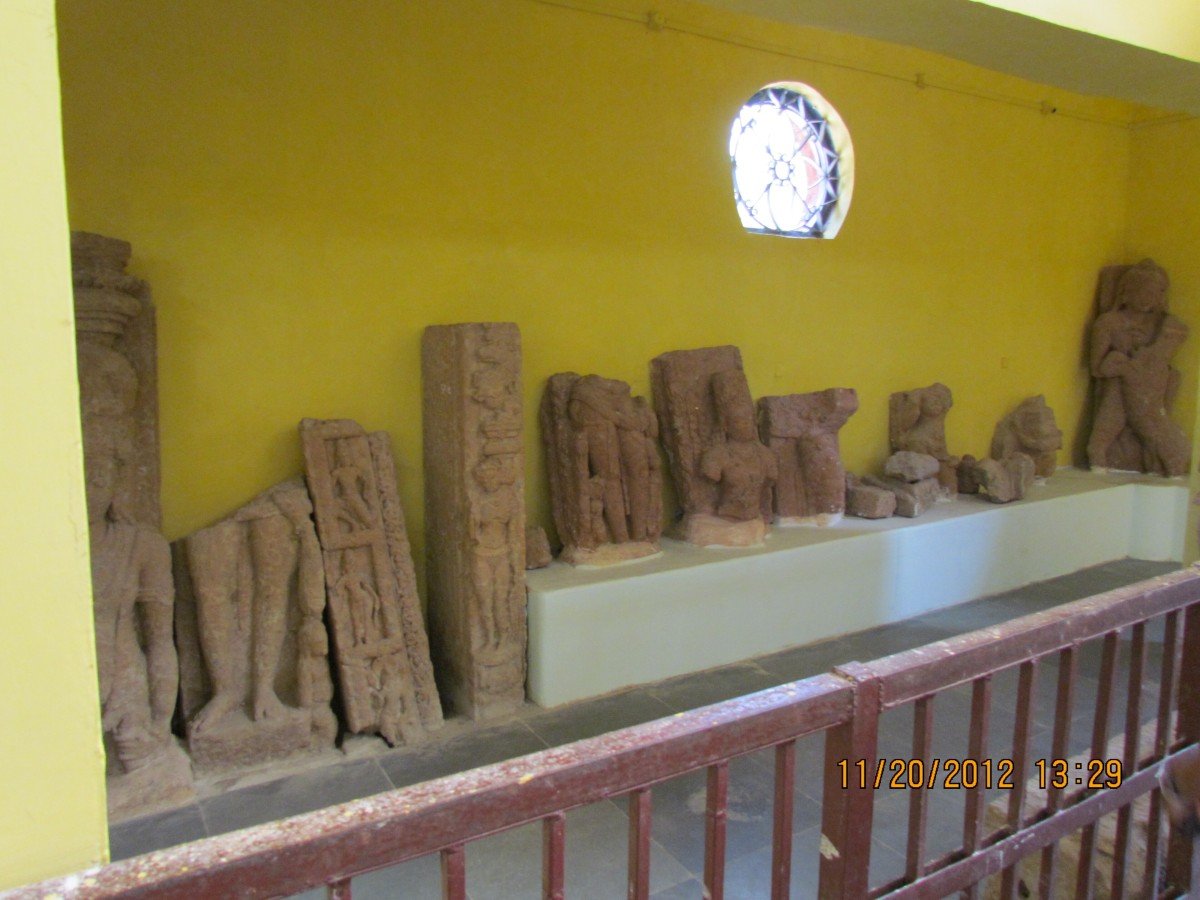
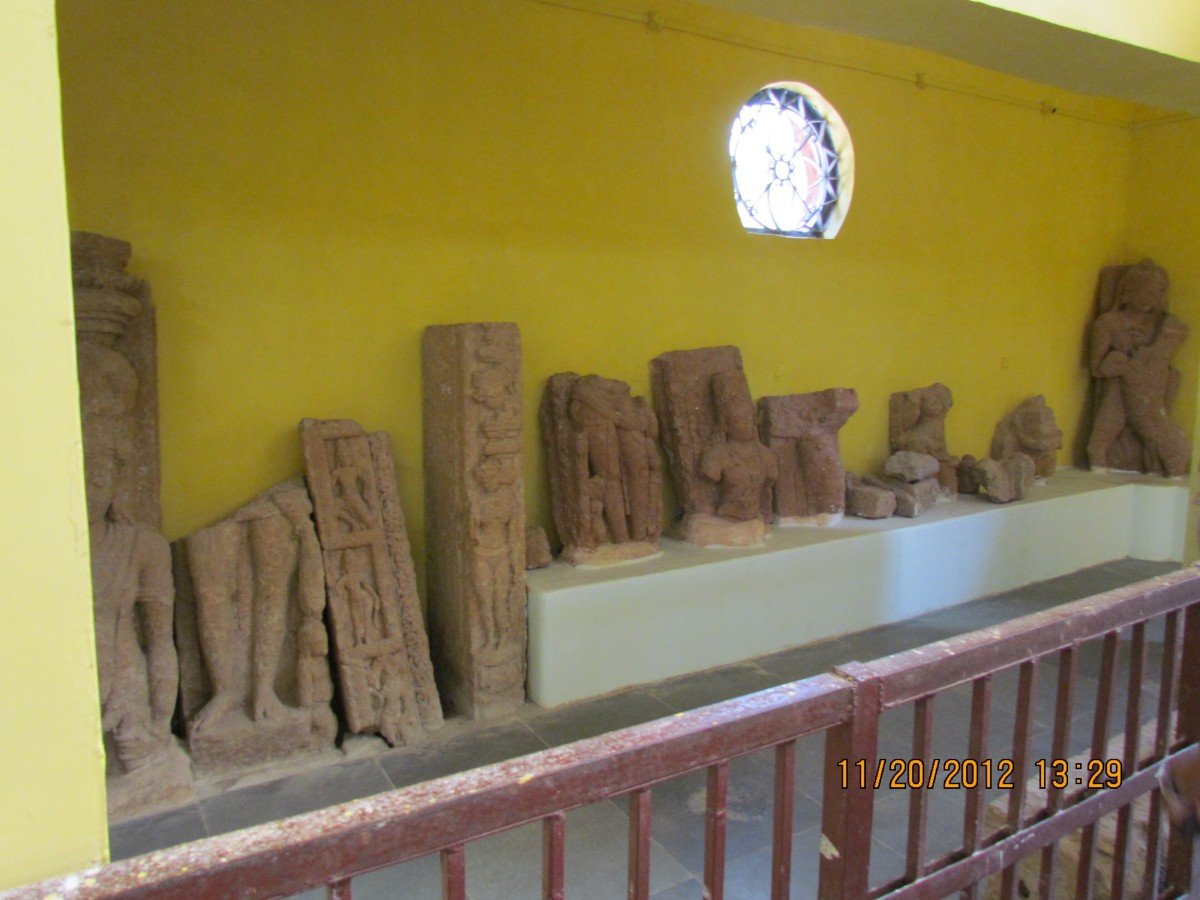
Museum Timings: Note that the Sirpur ASI Museum has separate and shorter timings, typically opening later (9:00 AM or 10:00 AM) and closing earlier (5:00 PM or 5:30 PM), with a possible break for lunch. It is crucial to check the exact museum hours on the day of the visit.
Photography Hours: The best lighting for photography is the golden hour, from 8:00 AM to 10:00 AM and again from 4:00 PM to 5:00 PM. Avoid the harsh overhead sun between 11:00 AM and 3:00 PM.Special Events:
The Sirpur National Dance and Music Festival: This is the most famous special event, held annually, typically in January or February. The festival is a major cultural highlight, featuring classical Indian dance and music performances by renowned artists from across the coun...The Sirpur National Dance and Music Festival: This is the most famous special event, held annually, typically in January or February. The festival is a major cultural highlight, featuring classical Indian dance and music performances by renowned artists from across the country. The atmosphere, with the ancient ruins of Sirpur as a backdrop, is truly mesmerizing. This event draws large crowds and is a key time for tourism.
Maha Shivaratri Fair: The festival of Maha Shivaratri (usually in February or March) is celebrated with a large local fair (Mela) around the Gandheswar Temple. This religious festival is a special event where local communities gather for prayers, procession, and cultural activities, offering an authentic glimpse into the spiritual life of the region.
Buddha Purnima Celebrations: Though smaller, Buddha Purnima (the birth anniversary of Lord Buddha, usually in April or May) is observed, particularly at the Buddhist Viharas (Swastik Vihar, Teevar Dev Maha Vihara). Special prayers and ceremonies are held, acknowledging Sirpur's ancient Buddhist heritage.Best Photo Spots:
The Laxman Temple at Sunrise/Sunset: The most iconic photo spot is capturing the red-brick Laxman Temple against the sky during sunrise or sunset. The warm light accentuates the color and texture of the brickwork and the intricate carvings on the shikhara.The Laxman Temple at Sunrise/Sunset: The most iconic photo spot is capturing the red-brick Laxman Temple against the sky during sunrise or sunset. The warm light accentuates the color and texture of the brickwork and the intricate carvings on the shikhara.
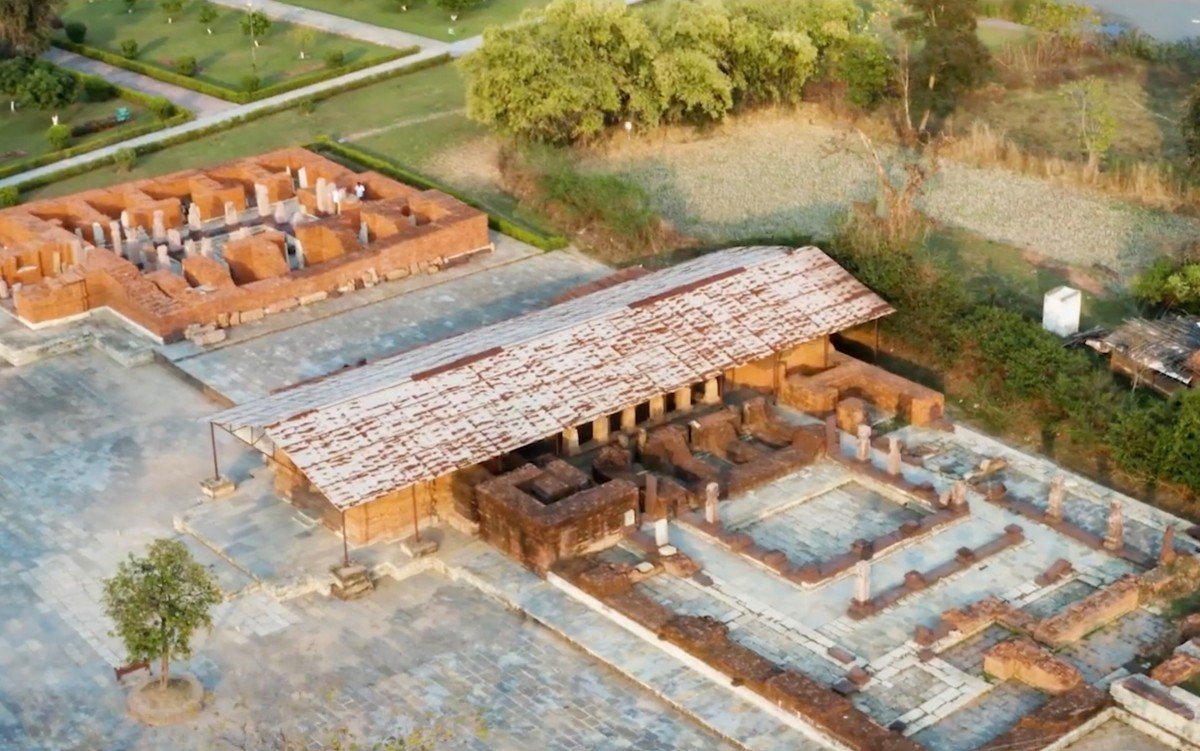
Panoramic View from Surang Tila: The elevated terrace of Surang Tila offers a stunning panoramic viewpoint, which is perfect for capturing the vastness of the entire archaeological site, with the different clusters of ruins spread out below.
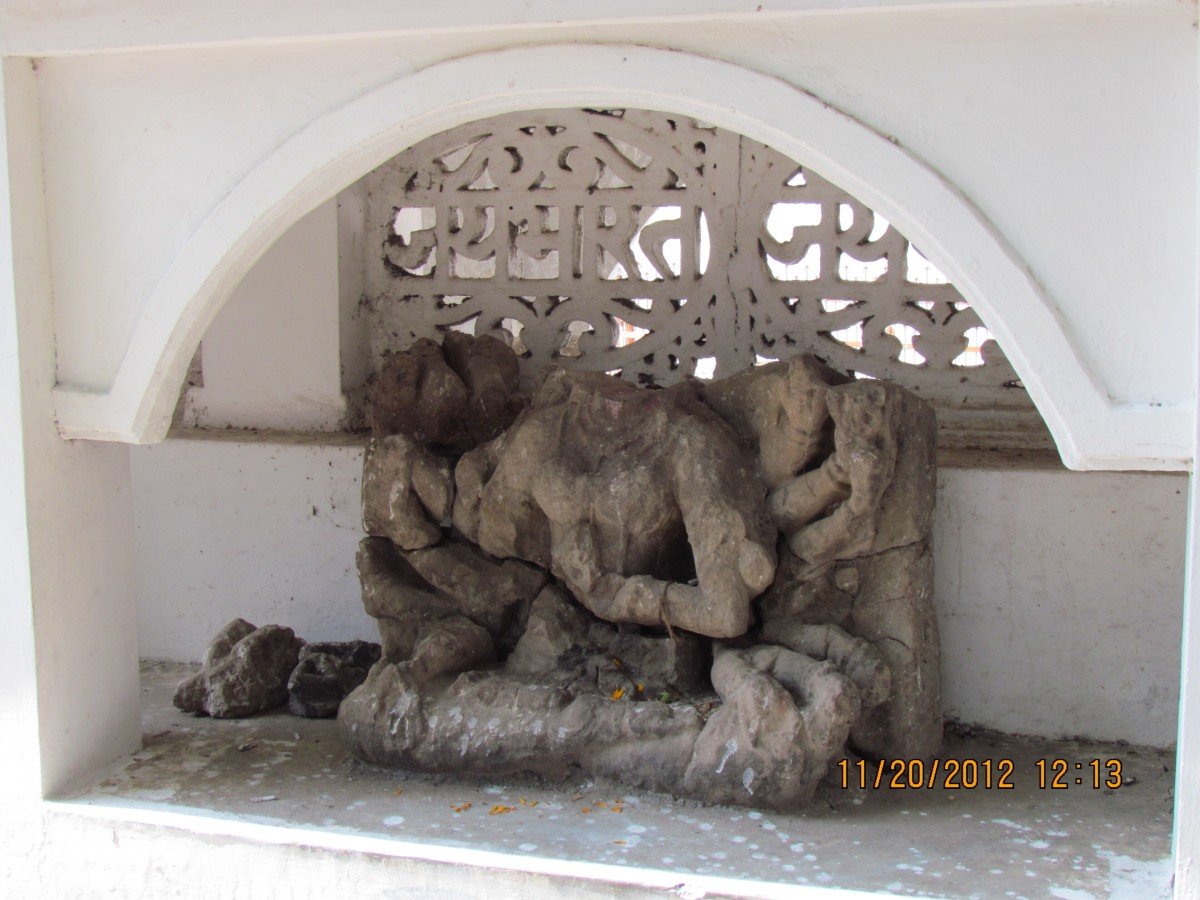
Syncretic Details at Gandheswar Temple: Focus on close-up shots of the walls of the Gandheswar Temple, where Hindu, Buddhist, and Jain sculptures are embedded side-by-side, creating a unique photographic study of religious syncretism.
The Mahanadi Riverfront: The stretch of the riverbank near the Gandheswar Temple provides picturesque, tranquil views of the Mahanadi river, ideal for landscape photography and capturing reflections.
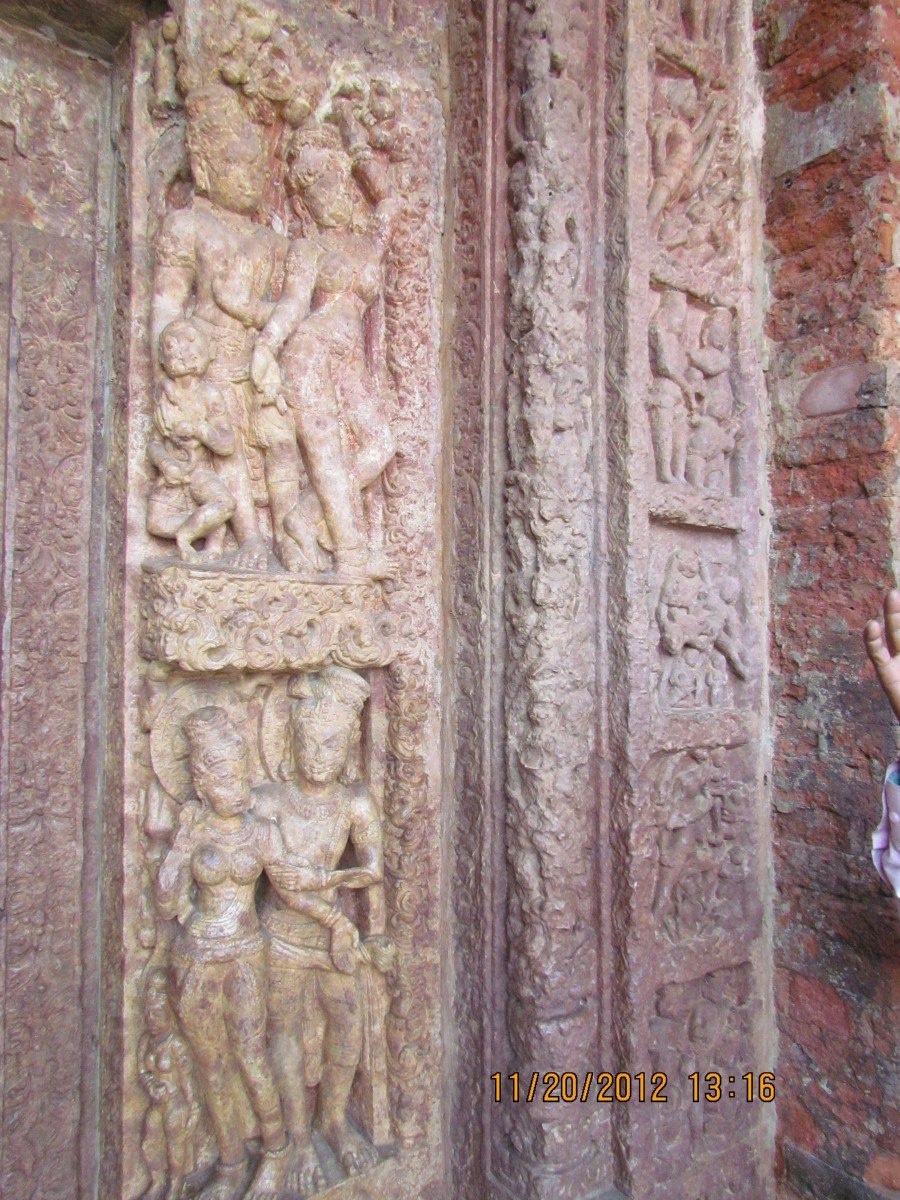
The Teevar Dev Maha Vihara Doorframe: The intricately carved stone doorframe of the Teevar Dev Maha Vihara, with its unique blend of Buddhist and Hindu motifs and Panchatantra scenes, is a challenging but rewarding close-up photo opportunity.
The Swastik Vihar Buddha: The colossal 8. 5-foot statue of Lord Buddha inside the sanctum of the Swastik Vihar is a powerful subject, best captured using a wide-angle lens to show its scale within the ancient chamber.
The Earthquake Steps: The dramatically uneven, subsided staircase of the Surang Tila is an excellent spot for dynamic, high-contrast, or architectural photography, highlighting the raw effects of the ancient earthquake.
The ASI Museum's Bronze Collection: Inside the Sirpur ASI Museum, the illuminated display cases of the exquisite bronze sculptures are perfect for macro photography, showcasing the delicate metalwork and iconography. (Check photography rules first).Photo Gallery

Things To Do
-
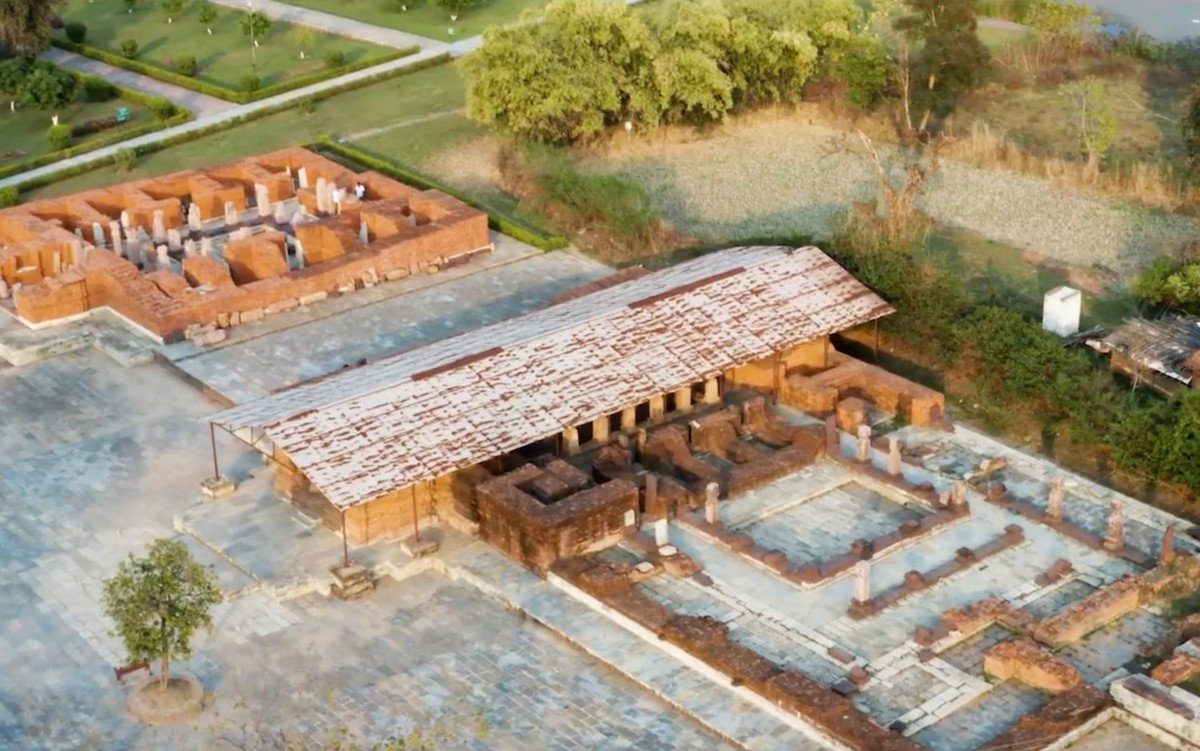
Explore the Architectural Diversity: Dedicate time to wander through the entire site, observing the contrast between the brick-built Hindu temples like Laxman Temple and the large brick Buddhist Viharas such as Teevar Dev Maha Vihara. Note the subtle differences in material, construction techniques, and decorative styles between the different religious structures. This is a journey through 7 centuries of architectural history in one place.
Photography Tour of Ruins: Capture the dramatic ruins of Surang Tila, the ornate brickwork of the Laxman Temple, and the serene riverside setting of the Gandheswar Temple. Early morning or late afternoon provides the best light to highlight the texture and detail of the ancient structures. Focus on the delicate carvings on the doorframes for close-up shots. Attend the Sirpur National Dance...Explore the Architectural Diversity: Dedicate time to wander through the entire site, observing the contrast between the brick-built Hindu temples like Laxman Temple and the large brick Buddhist Viharas such as Teevar Dev Maha Vihara. Note the subtle differences in material, construction techniques, and decorative styles between the different religious structures. This is a journey through 7 centuries of architectural history in one place.
Photography Tour of Ruins: Capture the dramatic ruins of Surang Tila, the ornate brickwork of the Laxman Temple, and the serene riverside setting of the Gandheswar Temple. Early morning or late afternoon provides the best light to highlight the texture and detail of the ancient structures. Focus on the delicate carvings on the doorframes for close-up shots. Attend the Sirpur National Dance and Music Festival: If visiting in January or February, make sure to attend the annual Sirpur National Dance and Music Festival. This cultural event features performances by renowned national artists against the stunning backdrop of the ancient monuments, providing a vibrant, living connection to Sirpur's artistic past. This is a prime cultural experience.
Visit the Market and Civic Ruins: Take a detour to explore the ruins of the 6th-century market complex and the snana-kunds. Visualizing the ancient city's commercial and daily life in these less-visited areas adds depth to the historical experience, moving beyond just the religious monuments.
Engage a Local Guide: Hire a knowledgeable local guide. The stories, historical context, and architectural details of the scattered ruins can only be fully appreciated with expert interpretation, especially the historical anecdotes about the Panduvamshi and Somavamshi kings, Queen Vasata, and the Chinese traveler Xuanzang.
Meditate at a Vihara: Find a quiet spot in the courtyard of one of the excavated Buddhist Viharas (Swastik Vihar or Teevar Dev Maha Vihara) and spend a few minutes in silent contemplation. The tranquility of these ancient monastic spaces offers a unique opportunity for peace and reflection, connecting you to the centuries of monks who meditated there.
Browse Local Handicrafts: On the outskirts of the site, look for local vendors selling tribal jewelry, bamboo crafts, and terracotta art. Purchasing these items supports the local economy and provides a tangible souvenir of Chhattisgarh's artistic traditions, connecting your visit to the contemporary local culture.
Attend the Maha Shivaratri Fair: If your visit coincides with the festival of Maha Shivaratri (usually in February or March), experience the vibrant local fair (mela) that takes place at the Gandheswar Temple and the surrounding areas, witnessing the region's spiritual and cultural traditions in full swing.
Enjoy a Riverside View: Take a leisurely stroll along the banks of the Mahanadi river, especially near the Gandheswar Temple. The riverine landscape is a key part of Sirpur's charm, providing a peaceful environment and a beautiful view of the surroundings.
Archaeological Study and Sketching: For students and enthusiasts, the site offers an unparalleled opportunity for in-depth archaeological study, sketching the architectural details, or simply sitting and observing the intricate brick patterns and sculptural panels for academic or artistic purposes.
Information
-
Why Famous:
Religious Coexistence: Sirpur is famous worldwide for its unparalleled example of religious syncretism, where Hindu (Shaiva and Vaishnava), Buddhist, and Jain monuments flourished side-by-side from the 5th to 12th century, a rare phenomenon in ancient India. The discovery o...Religious Coexistence: Sirpur is famous worldwide for its unparalleled example of religious syncretism, where Hindu (Shaiva and Vaishnava), Buddhist, and Jain monuments flourished side-by-side from the 5th to 12th century, a rare phenomenon in ancient India. The discovery of 22 Shiva, 5 Vishnu, 10 Buddhist, and 3 Jain structures is a testament to this unique harmony.
Architectural Brilliance: It is celebrated for its masterful use of brick in temple construction, exemplified by the iconic Laxman Temple, considered one of India's finest and earliest brick temples. The site showcases a high degree of architectural sophistication, including the engineering of complex structures like the high-terraced Surang Tila.
Dakshina Kosala's Capital: Its historical fame stems from being the prosperous capital of Dakshina Kosala, ruled by the Panduvamshi and Somavamshi dynasties. The city was a major hub of trade, art, and learning, attracting scholars and travelers, including the famous Chinese pilgrim Xuanzang in the 7th century. The site continues to gain fame as a major candidate for UNESCO World Heritage status. -
Architecture:
Architectural Synthesis of Dakshina Kosala: The site is a treasure trove showcasing an extraordinary synthesis of architectural styles from the 5th to 12th centuries, with a predominance of the post-Gupta or Dakshina Kosala style, blending early Hindu Nagara and classical Bu...Architectural Synthesis of Dakshina Kosala: The site is a treasure trove showcasing an extraordinary synthesis of architectural styles from the 5th to 12th centuries, with a predominance of the post-Gupta or Dakshina Kosala style, blending early Hindu Nagara and classical Buddhist monastic designs. It is unique for its extensive use of brick construction, particularly for temples like the Laxman Temple, contrasting with the stone and stucco work seen in other structures.
Urban Planning and Layout: The excavations reveal a sophisticated urban layout, including a grid pattern for residential quarters, a well-defined 6th century market complex, and an advanced, subterranean water management system featuring brick-lined snana-kunds (bath houses) and efficient drainage channels. This suggests a highly organized and prosperous early medieval city.
Scale and Diversity: The archaeological area covers several square kilometers, featuring monumental structures like the high-terraced Surang Tila and sprawling monasteries such as Teevar Dev Maha Vihara. The multi-religious nature is visible in the physical proximity of temples (Shiva, Vishnu) and viharas (Buddhist, Jain) built with similar material techniques but distinct ritual spaces. The overall dimension of the excavated area is vast, reflecting the city’s status as a major regional capital. The use of brick for the main structure with carved stone for doorframes is a signature architectural detail. -
How To Reach:
By Air: The nearest major airport is Swami Vivekananda Airport (RPR) in Raipur, which is approximately 85 KMs from Sirpur. Raipur has daily flights connecting it to major Indian cities like Delhi, Mumbai, Kolkata, Bengaluru, and Hyderabad. From the airport, one can hire a ...By Air: The nearest major airport is Swami Vivekananda Airport (RPR) in Raipur, which is approximately 85 KMs from Sirpur. Raipur has daily flights connecting it to major Indian cities like Delhi, Mumbai, Kolkata, Bengaluru, and Hyderabad. From the airport, one can hire a pre-paid taxi or a private cab directly to Sirpur, which takes about 2 to 2. 5 hours. The drive is along the well-maintained NH53 highway.
By Train: The nearest major railway station is Mahasamund Railway Station (MSMD), approximately 35 KMs away. Mahasamund is connected to major cities via the South East Central Railway network. From Mahasamund, you can easily hire a local taxi, a private cab, or take a state transport bus to Sirpur. Another viable option is the Raipur Junction Railway Station (R), which is a major hub and offers better connectivity, followed by a 2. 5-hour cab ride.
By Road: Sirpur is well-connected by road. It lies on the route connecting Raipur and Mahasamund. From Raipur, you can drive or take a public bus via the NH53 (Raipur-Saraipali route) to Turna village and then take a diversion to Sirpur. Regular state-run and private buses operate from the Raipur Inter-State Bus Terminal (ISBT) and Mahasamund Bus Stand to Sirpur. The road journey is scenic and takes around 2 hours from Raipur.
By Local Transport: Once in Sirpur village, the archaeological sites are relatively close to each other. For moving between the major clusters (Laxman Temple area, Surang Tila, and the Buddhist Viharas), you can easily walk, as the distances are manageable. Alternatively, local transport includes shared auto-rickshaws or hiring a cycle-rickshaw/battery-operated vehicle (if available, as part of new government initiatives). Walking is highly recommended to appreciate the landscape. -
Weather and Best Time to Visit:
Best Season - Winter: The absolute best time to visit Sirpur is during the winter months, from October to March. The weather is cool and pleasant, with average daytime temperatures ranging from 15°C to 25°C, making extensive outdoor exploration of the ruins comfortable. ...Best Season - Winter: The absolute best time to visit Sirpur is during the winter months, from October to March. The weather is cool and pleasant, with average daytime temperatures ranging from 15°C to 25°C, making extensive outdoor exploration of the ruins comfortable. This period includes the culturally significant Sirpur National Dance and Music Festival (Jan/Feb).
The Monsoon - Scenic but Humid: The Monsoon season (July to September) brings greenery to the landscape and the Mahanadi river is full, offering a very scenic view. However, high humidity and intermittent heavy rainfall can make exploration difficult and the archaeological paths muddy.
The Summer - Avoid: The Summer months (April to June) are extremely hot and dry, with temperatures often soaring above 40°C. It is highly advisable to avoid visiting during this period, as prolonged exposure to the sun can be dangerous.
Best Part of the Day - Morning: The optimal time during the day is the early morning (immediately after 8:00 AM opening). The light is soft for photography, the temperature is low, and the tranquility of the ruins is at its peak before the arrival of crowds. -
Near Tourist Places:
Laxman Temple (0.
1 KMs): The most immediate and significant structure. Sirpur ASI Museum (0.
2 KMs): Essential for context and viewing artifacts. Gandheswar Temple (1.
5 KMs): Active temple on the riverbank. Surang Tila (1.
5 KMs): The elevated Panchayatana complex. Ram Temple (0.
1 KMs): Ruins of the star-shaped platform. Swastik Vihar (0.
5 KMs): Significant Buddhist monastery. Teevar Dev Maha Vihara (1.
0 KMs): Largest Buddhist complex.
Barnawapara Wildlife Sanctuary (4
5 KMs): A major nearby wildlife destination for nature lovers.
Rajim (5
0 KMs): Famous for the confluence of the Mahanadi and Pairi rivers (a holy Triveni Sangam), and the ancient Rajivalochana Temple.
Mahasamund (3
5 KMs): District headquarters and nearest major rail head.
Tourism Tips
-
Health & Safety - Hydration: Carry ample water as the entire site is vast and exposed, especially if visiting between March and October. Wear a hat or cap and use sunscreen religiously. Wear comfortable, sturdy walking shoes for navigating the uneven paths and climbing ste...Health & Safety - Hydration: Carry ample water as the entire site is vast and exposed, especially if visiting between March and October. Wear a hat or cap and use sunscreen religiously. Wear comfortable, sturdy walking shoes for navigating the uneven paths and climbing steps (Surang Tila).
Packing - Essentials and Guidebook: Pack light, but carry essential items like a camera, extra batteries, a power bank, and a printout or digital copy of a good archaeological guidebook or map of the site. A basic first-aid kit with pain relievers and antiseptic cream is also advisable.
Accommodation - Raipur or Local Stay: For high-end options, stay in a hotel in Raipur and make a day trip to Sirpur (2. 5 hours drive). For an immersive experience, check for simple, clean, government-run or private local guesthouses/homestays in Sirpur village. Book in advance, especially during the Sirpur Festival (Jan/Feb).
Other Tips - Local Guide: Highly recommend hiring a certified local ASI guide at the entrance. They offer invaluable insights into the history, iconography, and architectural significance of the ruins that are not evident from the signage. Negotiate the guide fee beforehand.
Other Tips - Respect and Rules: The site is a sacred and protected area. Maintain decorum, do not touch or deface the carvings, and refrain from climbing on the structures. Be respectful when visiting active temples like Gandheswar Temple (dress conservatively) and when taking photographs inside the sanctums.
Other Tips - Food and Refreshments: The food options in the immediate vicinity of the ruins are basic, mostly small local dhabas and tea stalls. It is best to carry packaged snacks and water. Plan to have your main meal either before leaving Raipur or after returning.
Reviews
FAQs
Sirpur Itineray And Cost:-
Other Places In Sirpur :-
Other States In India :-
Information about New and Updated Locations() of Chhattisgarh Has Been Added :-
Card subtitle
Note:-
Information provided here in good Faith and for reference only.
Near Places

Anand Prabhu Kudi Vihar
Some quick example text to build on the card title and make up the bulk of the card's content.
Go somewhere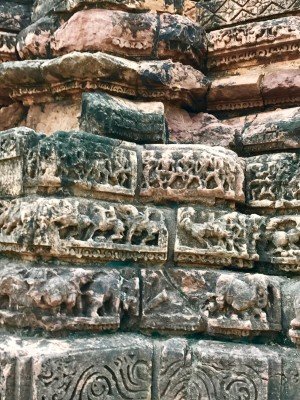
Arang
Some quick example text to build on the card title and make up the bulk of the card's content.
Go somewhere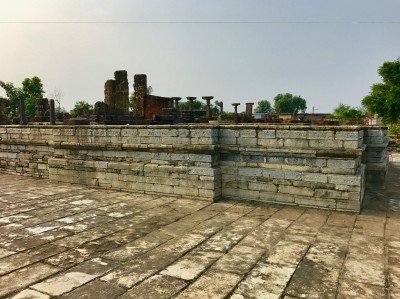
Baleshwar Mahadev Temple
Some quick example text to build on the card title and make up the bulk of the card's content.
Go somewhere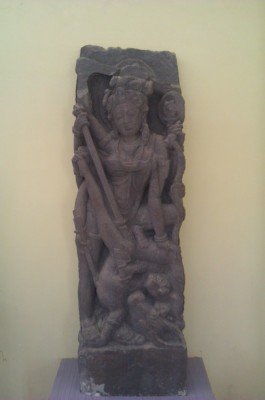
Dhuskund Waterfall
Some quick example text to build on the card title and make up the bulk of the card's content.
Go somewhere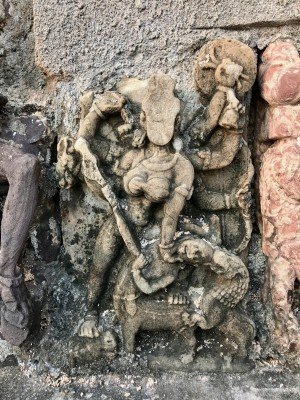
Gandheswar Temple
Some quick example text to build on the card title and make up the bulk of the card's content.
Go somewhere
Kodar Island
Some quick example text to build on the card title and make up the bulk of the card's content.
Go somewhere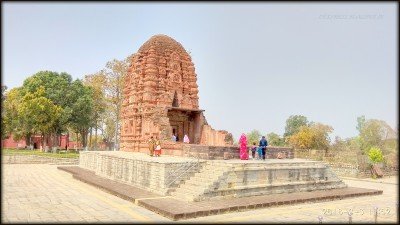
Laxman Temple
Some quick example text to build on the card title and make up the bulk of the card's content.
Go somewhere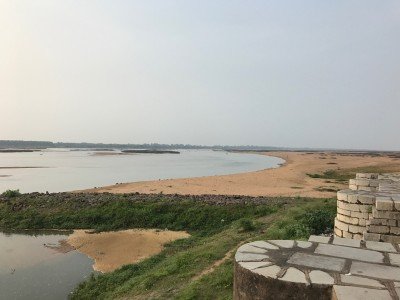
Mahanadi River View Point
Some quick example text to build on the card title and make up the bulk of the card's content.
Go somewhere
Purkhauti Muktangan
Some quick example text to build on the card title and make up the bulk of the card's content.
Go somewhere
Raikera Boating
Some quick example text to build on the card title and make up the bulk of the card's content.
Go somewhere
Raikera Boating Tourist Place
Some quick example text to build on the card title and make up the bulk of the card's content.
Go somewhere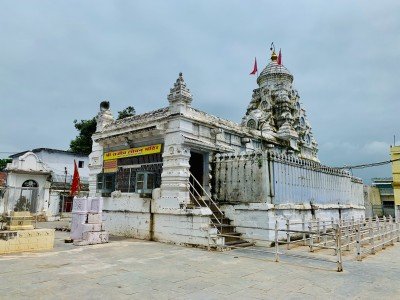
Rajim
Some quick example text to build on the card title and make up the bulk of the card's content.
Go somewhere
Ram Temple
Some quick example text to build on the card title and make up the bulk of the card's content.
Go somewhere
Samoda Dam
Some quick example text to build on the card title and make up the bulk of the card's content.
Go somewhere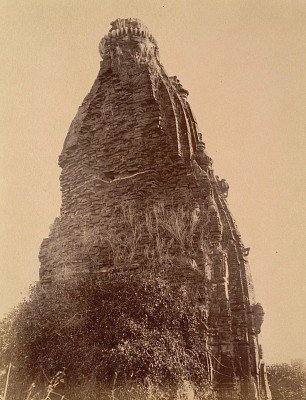
Shivrinarayan
Some quick example text to build on the card title and make up the bulk of the card's content.
Go somewhere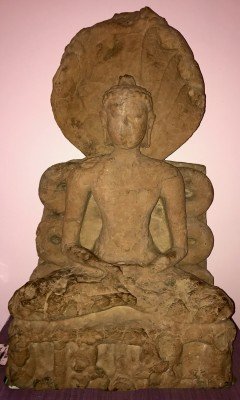
Sirpur ASI Museum
Some quick example text to build on the card title and make up the bulk of the card's content.
Go somewherein Other Cities