

Surang Tila
General information
-
Ideal Duration:
1.
5-2 hours:Place Type:
Archaeological, Religious, Architectural Landmark:Entry Fees:
Covered by Consolidated Ticket: The entry to Surang Tila is covered under the same consolidated ticket for the Sirpur Archaeological Site. The fee is the standard Rs.15-Rs.25 for Indians and Rs.200-Rs.300 for Foreigners.
Steep Climb: While the fee ...Covered by Consolidated Ticket: The entry to Surang Tila is covered under the same consolidated ticket for the Sirpur Archaeological Site. The fee is the standard Rs.15-Rs.25 for Indians and Rs.200-Rs.300 for Foreigners.
Steep Climb: While the fee is nominal, visitors should be aware of the physically demanding climb of 37 steep steps, which is part of the experience. The fee ensures that safety railings and basic maintenance of the staircase are provided.
Security Check: Due to its elevated and isolated nature, ASI guards often conduct ticket checks at the base or the top of the terrace, emphasizing the importance of keeping the ticket handy.Timing:
Standard ASI Timings: Surang Tila follows the standard archaeological site timing of 8:00 AM to 5:00 PM. Due to its slightly remote location within the complex, it is best to visit it as the second or third stop after the Laxman Temple cluster.
...Standard ASI Timings: Surang Tila follows the standard archaeological site timing of 8:00 AM to 5:00 PM. Due to its slightly remote location within the complex, it is best to visit it as the second or third stop after the Laxman Temple cluster.
Ideal for the Climb: The most ideal time for the climb up the 37 steps is in the cool of the early morning (8:00 AM to 10:00 AM). Avoid climbing during the high sun period to prevent heat exhaustion, especially between 12:00 PM and 3:00 PM.
Sunset View Danger: While sunset from the terrace would be beautiful, leaving the site is difficult after 5:00 PM, so a visit up to 4:00 PM is the safest option.Special Events:
Cultural Program Site: Due to its monumental scale and dramatic elevated setting, Surang Tila is occasionally used as a venue or a spectacular backdrop for smaller cultural performances or heritage walks, especially during the Sirpur Festival.
A...Cultural Program Site: Due to its monumental scale and dramatic elevated setting, Surang Tila is occasionally used as a venue or a spectacular backdrop for smaller cultural performances or heritage walks, especially during the Sirpur Festival.
Anniversary of Excavation: The temple site, being a relatively recent and significant discovery (2006-2007), sometimes holds small commemorative or awareness events related to its excavation anniversary, often involving archaeologists and local historians.Best Photo Spots:
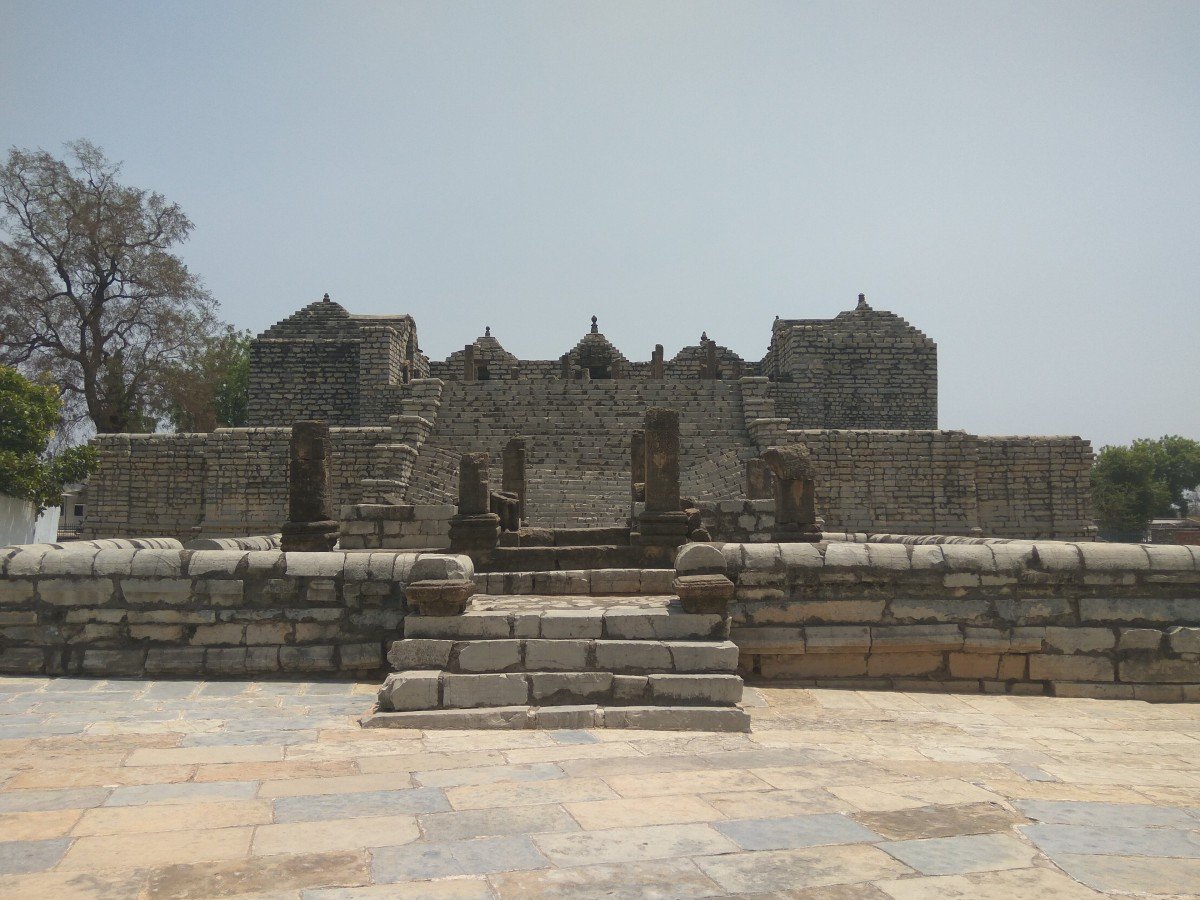
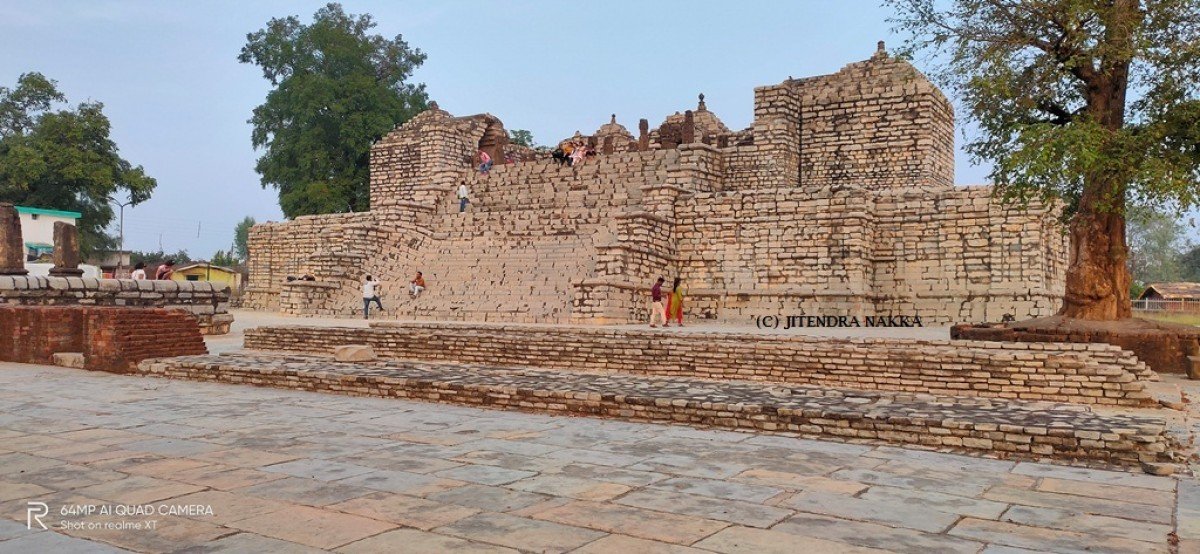
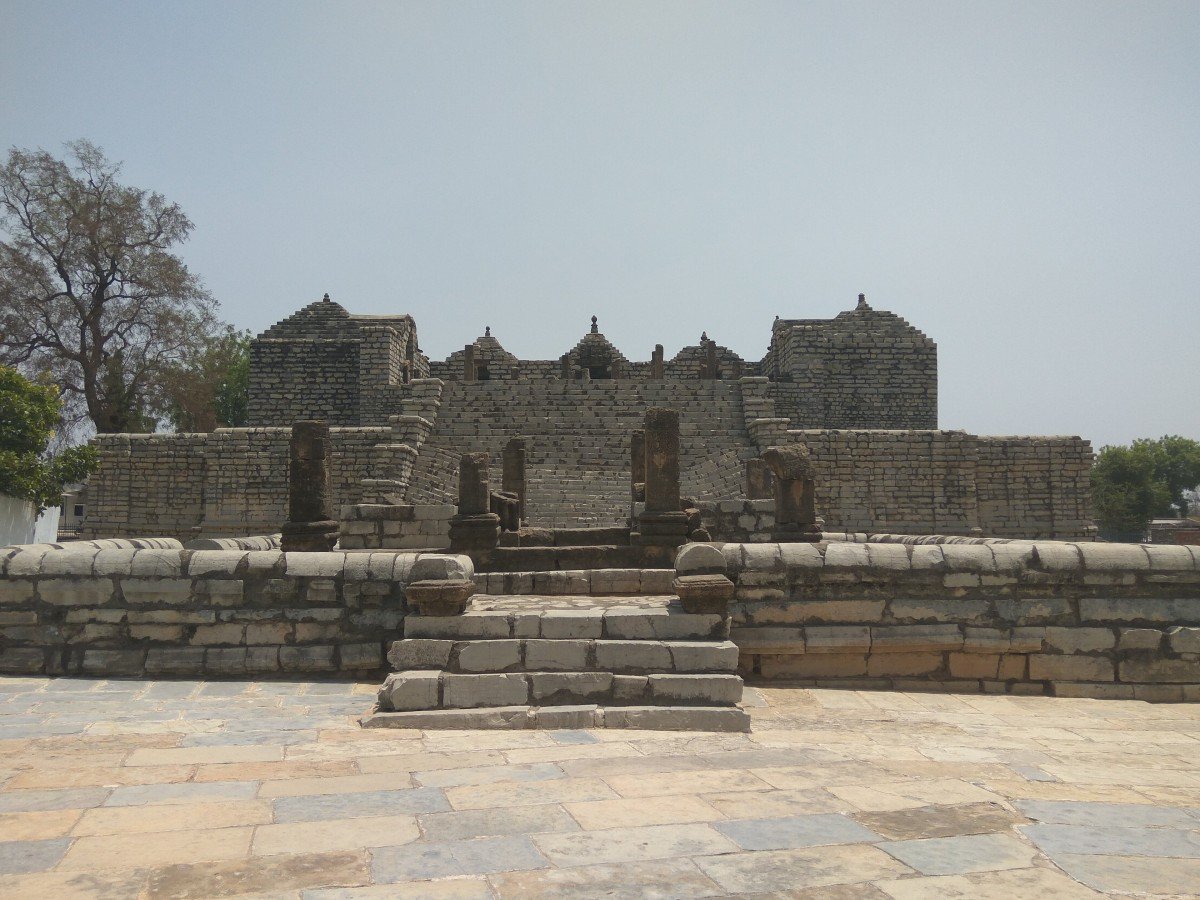
The Earthquake Steps (Ascent View): Capture the dramatic, distorted, and steep flight of 37 steps from the base, using a wide-angle lens to emphasize the height and the visible wave effect of the earthquake damage.
The Temple from the Terrace Co...The Earthquake Steps (Ascent View): Capture the dramatic, distorted, and steep flight of 37 steps from the base, using a wide-angle lens to emphasize the height and the visible wave effect of the earthquake damage.
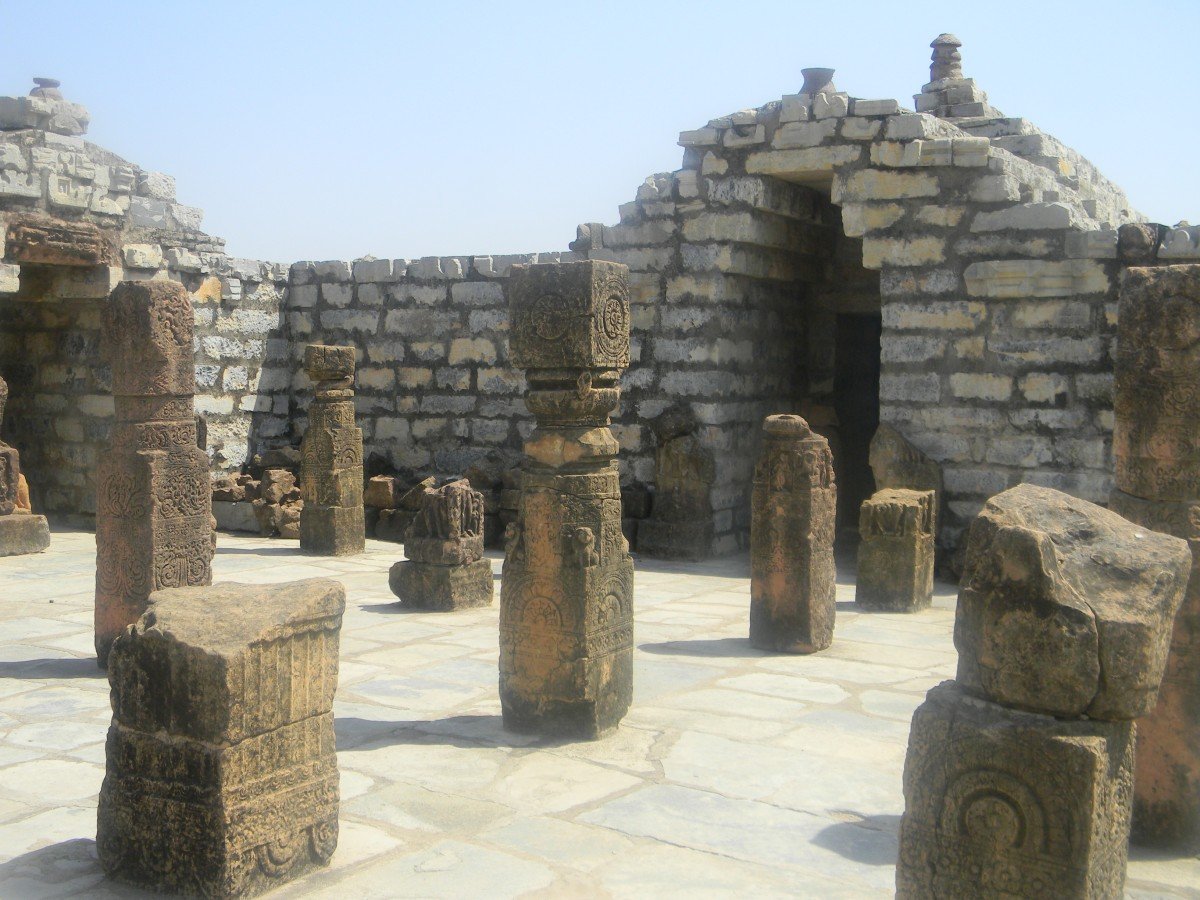
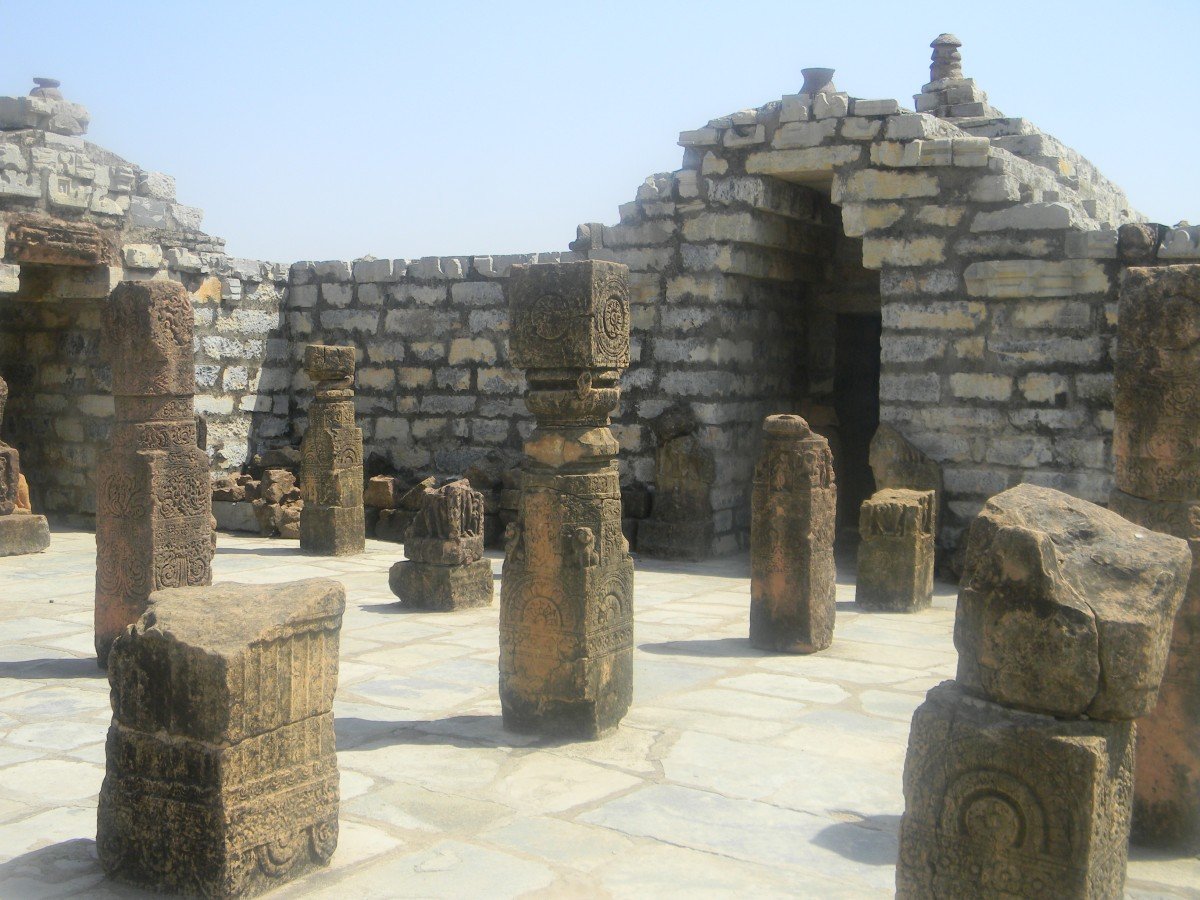
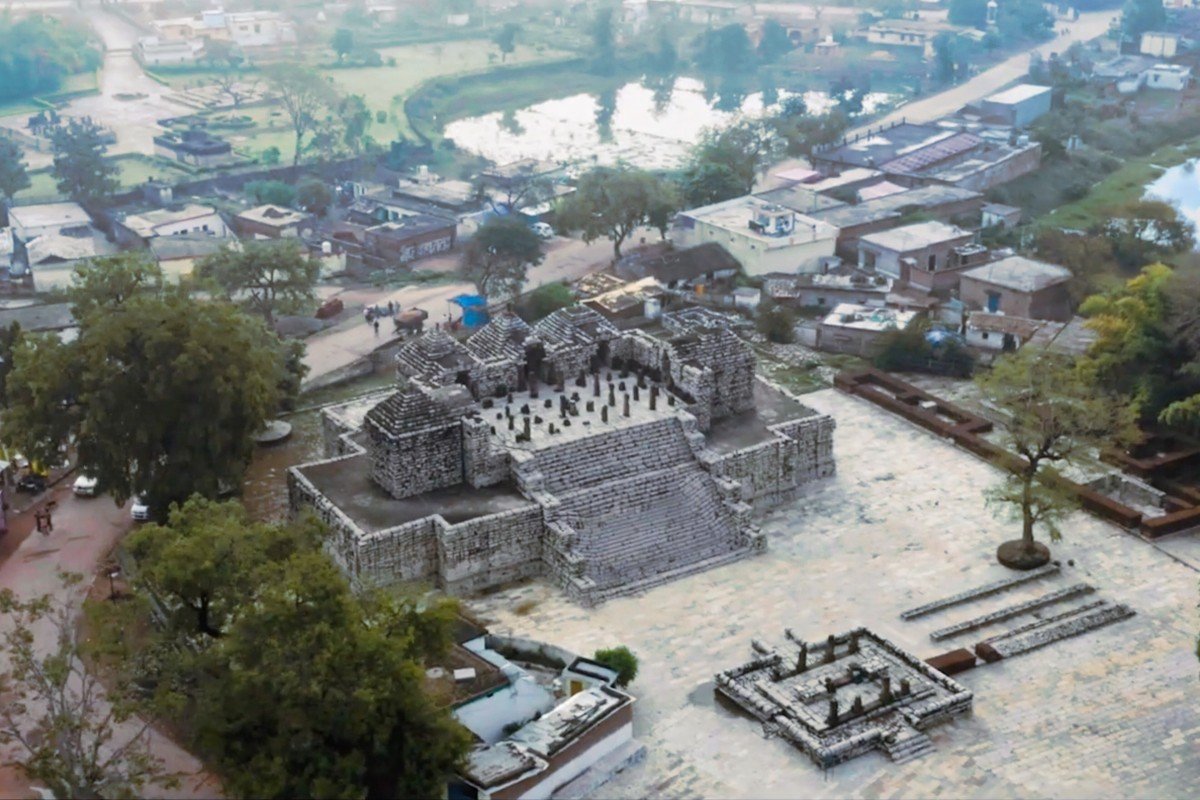
The Temple from the Terrace Corner: Stand on the elevated terrace and take a photo of the central Panchayatana complex, using the massive stone pillars of the former mandapa to frame the five main shrines.
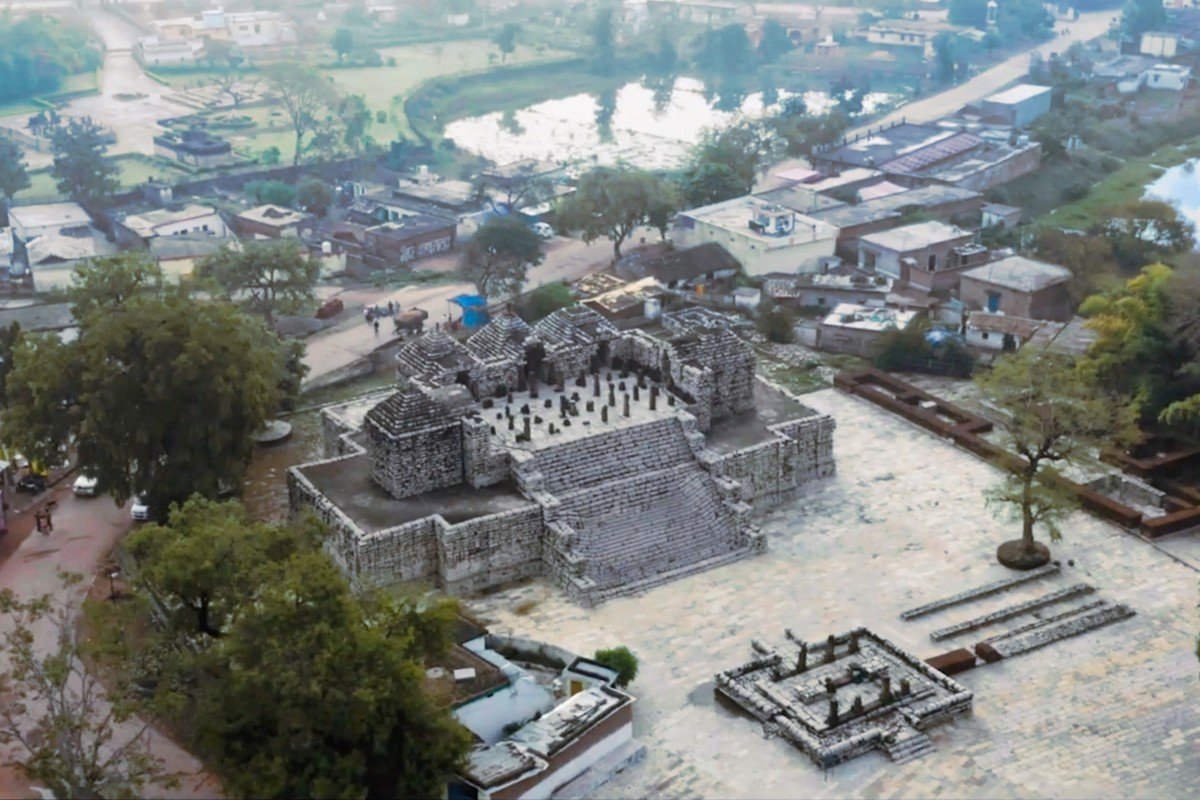
Panoramic Landscape: Use the high vantage point of the terrace to take a sweeping panoramic photo of the entire archaeological site and the surrounding landscape, showing the distribution of the ruins.Photo Gallery

Things To Do
-
Climb the 37 Steps: Undertake the climb up the dramatic flight of 37 limestone steps to reach the massive terrace. This climb is an experience in itself, reflecting the scale of ancient temple engineering. Look closely at the steps for the visual evidence of the 12th-century earthquake damage.
Explore the Panchayatana Shrines: Carefully explore the five sanctums on the central platform. Try to visualize the original Shiva Lingams of different colors and the Ganesha idol. Understand the Panchayatana (five-shrine) arrangement, which is a key architectural style.
Identify Tantric Ruins: Look for the remains of the three adjacent Tantric temples and the possible priest's residence in the lower sections of the complex. This hints at the diverse religious practices that once co-existed at the site...Climb the 37 Steps: Undertake the climb up the dramatic flight of 37 limestone steps to reach the massive terrace. This climb is an experience in itself, reflecting the scale of ancient temple engineering. Look closely at the steps for the visual evidence of the 12th-century earthquake damage.
Explore the Panchayatana Shrines: Carefully explore the five sanctums on the central platform. Try to visualize the original Shiva Lingams of different colors and the Ganesha idol. Understand the Panchayatana (five-shrine) arrangement, which is a key architectural style.
Identify Tantric Ruins: Look for the remains of the three adjacent Tantric temples and the possible priest's residence in the lower sections of the complex. This hints at the diverse religious practices that once co-existed at the site.
Panoramic View: Enjoy the expansive, panoramic view of the surrounding archaeological landscape and the Sirpur village from the high terrace. This perspective helps in understanding the vastness of the ancient city.
Information
-
Why Famous:
Advanced Engineering: Surang Tila is famous for its impressive architectural engineering, specifically its construction atop a high, massive terrace, accessible by a dramatic flight of 37 steep steps. This elevated design makes it one of the most visually striking structure...Advanced Engineering: Surang Tila is famous for its impressive architectural engineering, specifically its construction atop a high, massive terrace, accessible by a dramatic flight of 37 steep steps. This elevated design makes it one of the most visually striking structures at Sirpur.
Panchayatana Style: The complex is renowned as a monumental example of the Panchayatana style in Central India, featuring five consecrated shrines on a single platform, with a unique arrangement dedicated to Lord Shiva (in four colors) and Lord Ganesha. This specific five-shrine arrangement is a rare find.
Earthquake Evidence: It is famed for the visible evidence of the 12th-century earthquake, which caused the terrace and steps to subside dramatically, offering a physical record of the natural calamity that may have contributed to Sirpur's decline. This adds a layer of dramatic, natural history to the site's archaeological importance. -
Architecture:
Elevated Panchayatana Complex: Surang Tila is a monumental complex built in the Panchayatana style, where five shrines are arranged with one main shrine centrally located and four smaller shrines at the corners, all atop a massive, elevated terrace or plinth. This elevated ...Elevated Panchayatana Complex: Surang Tila is a monumental complex built in the Panchayatana style, where five shrines are arranged with one main shrine centrally located and four smaller shrines at the corners, all atop a massive, elevated terrace or plinth. This elevated platform rises dramatically, accessed by a steep flight of 37 steps, which is visually distorted due to the ancient earthquake damage.
Complex Dimensions and Materials: The temple complex covers a large area; the main structure sits on an elevated terrace approximately 9 meters high. The materials used are predominantly white stone for the main temple structure and limestone for the staircase. The central sanctuary complex features a 32-pillared mandapa (hall) that supports the five garbhagrihas. The dimensions of the whole platform are extensive, demonstrating advanced civil engineering.
Symbolism of the Five Sanctums: The arrangement of the five sanctums, with four dedicated to Lord Shiva (represented by different colored Lingams: white, black, red, yellow) and one to Lord Ganesha, is highly symbolic, reflecting the Shaiva patronage of King Balarjuna and the syncretic nature of his court. The ruins of three adjacent Tantric temples dedicated to Brahma, Vishnu, and Shiva further diversify the complex. -
How To Reach:
Local Transport and Walk: Surang Tila is located slightly further from the central Laxman Temple cluster, requiring a short drive or a longer walk (approximately 1. 5 KMs).
Battery-operated Vehicle: If the new government-planned battery-oper...Local Transport and Walk: Surang Tila is located slightly further from the central Laxman Temple cluster, requiring a short drive or a longer walk (approximately 1. 5 KMs).
Battery-operated Vehicle: If the new government-planned battery-operated vehicle service is operational, this would be the easiest way to cover the distance from the main entrance to the base of Surang Tila.
Taxi/Auto: Hire a local auto-rickshaw from the main Sirpur area to take you directly to the base of the hill where the staircase begins. The final ascent of 37 steps must be done on foot.
Clear Signage: Follow the ASI signage from the main road to the site, as it is a key monument. -
Weather and Best Time to Visit:
Best Season - Winter: The Winter months are mandatory for a comfortable visit due to the physical exertion required for the climb. The mild weather prevents heatstroke.
Ideal Part of the Day - Early Morning: The climb up the 37 steep steps ...Best Season - Winter: The Winter months are mandatory for a comfortable visit due to the physical exertion required for the climb. The mild weather prevents heatstroke.
Ideal Part of the Day - Early Morning: The climb up the 37 steep steps to Surang Tila should be undertaken only in the early morning (before 10:00 AM). The temperature is mild, and the effort is less taxing.
Avoid Midday Sun: The elevated terrace offers no shade, and the stone surfaces absorb heat, making a visit during the midday sun (11:00 AM to 3:00 PM) potentially dangerous due to the high risk of sun exposure. -
Near Tourist Places:
Laxman Temple (1.
5 KMs): The main brick temple. Gandheswar Temple (2.
0 KMs): Riverbank temple. Sirpur ASI Museum (1.
7 KMs): Artifact repository. Swastik Vihar (1.
8 KMs): Near the Buddhist cluster. Teevar Dev Maha Vihara (2.
0 KMs): Large Buddhist monastery. Ram Temple (1.
6 KMs): Ruined Vaishnava temple. Ancient Public Bath/Snana-kund (1.
0 KMs): Ruins of the ancient bathing area.
Mahasamund (3
5 KMs): Nearest railhead.
Palari (9
5 KMs): Town known for its ancient Shiva Temple on the Mahanadi bank.
Rajim (5
0 KMs): Confluence of rivers.
Tourism Tips
-
Climbing Caution: The 37 steps are steep and uneven due to the earthquake damage. Use the handrails, take your time, and avoid the climb if you have serious mobility issues or heart conditions. Wear non-slip shoes.
Sun Protection: The terr...Climbing Caution: The 37 steps are steep and uneven due to the earthquake damage. Use the handrails, take your time, and avoid the climb if you have serious mobility issues or heart conditions. Wear non-slip shoes.
Sun Protection: The terrace is completely exposed. Visit in the early morning and use a hat and ample sunscreen to protect against sun exposure while exploring the top.
Avoid Loose Objects: Secure all loose items (phones, cameras, water bottles) during the steep ascent and descent, as a drop could result in damage to the artifacts below.
Water on Top: Carry a water bottle with you, as there are no facilities or vendors on the elevated terrace.
Reviews
FAQs
Sirpur Itineray And Cost:-
Other Places In Sirpur :-
Other States In India :-
Information about New and Updated Locations() of Chhattisgarh Has Been Added :-
Card subtitle
Note:-
Information provided here in good Faith and for reference only.
Near Places

Anand Prabhu Kudi Vihar
Some quick example text to build on the card title and make up the bulk of the card's content.
Go somewhere
Arang
Some quick example text to build on the card title and make up the bulk of the card's content.
Go somewhere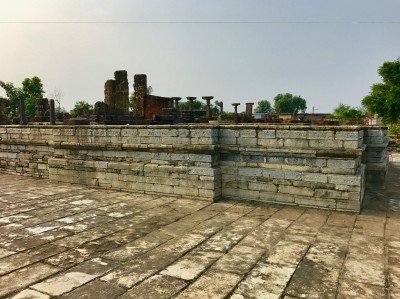
Baleshwar Mahadev Temple
Some quick example text to build on the card title and make up the bulk of the card's content.
Go somewhere
Dhuskund Waterfall
Some quick example text to build on the card title and make up the bulk of the card's content.
Go somewhere
Gandheswar Temple
Some quick example text to build on the card title and make up the bulk of the card's content.
Go somewhere
Kodar Island
Some quick example text to build on the card title and make up the bulk of the card's content.
Go somewhere
Laxman Temple
Some quick example text to build on the card title and make up the bulk of the card's content.
Go somewhere
Mahanadi River View Point
Some quick example text to build on the card title and make up the bulk of the card's content.
Go somewhere
Purkhauti Muktangan
Some quick example text to build on the card title and make up the bulk of the card's content.
Go somewhere
Raikera Boating
Some quick example text to build on the card title and make up the bulk of the card's content.
Go somewhere
Raikera Boating Tourist Place
Some quick example text to build on the card title and make up the bulk of the card's content.
Go somewhere
Rajim
Some quick example text to build on the card title and make up the bulk of the card's content.
Go somewhere
Ram Temple
Some quick example text to build on the card title and make up the bulk of the card's content.
Go somewhere
Samoda Dam
Some quick example text to build on the card title and make up the bulk of the card's content.
Go somewhere
Shivrinarayan
Some quick example text to build on the card title and make up the bulk of the card's content.
Go somewhere
Sirpur ASI Museum
Some quick example text to build on the card title and make up the bulk of the card's content.
Go somewherein Other Cities