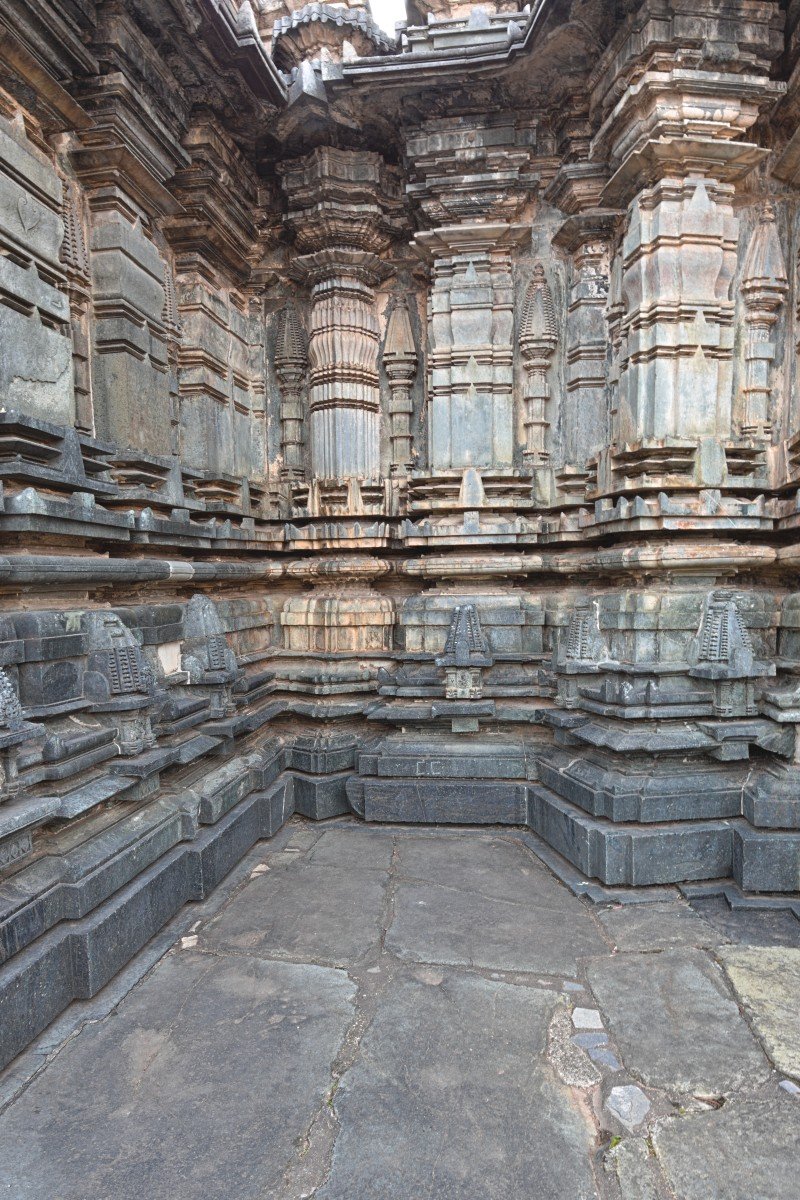

Sri Kappe Chennigaraaya Temple
General information
-
Ideal Duration:
1-2 Hours (Focused Art Appreciation)Place Type:
Religious, Architectural, HiEntry Fees:
Entry is Free for Indian Citizens : As it is part of the main Chennakeshava Temple Complex, there is no separate entrance fee for the Sri Kappe Chennigaraaya Temple for Indian nationals.
Foreign Nationals Fee : Foreign nationals pay a combi...Entry is Free for Indian Citizens : As it is part of the main Chennakeshava Temple Complex, there is no separate entrance fee for the Sri Kappe Chennigaraaya Temple for Indian nationals.
Foreign Nationals Fee : Foreign nationals pay a combined, nominal entry fee for the entire complex, typically between Rs.100 and Rs.300, which covers all subsidiary shrines.
Guide Costs : Hiring a licensed guide is highly recommended to understand the details of the Madanikas and the history of Queen Shantala Devi, costing between Rs.300 and Rs.700.
Photography : Still cameras are generally free, but videography or professional gear may require a small fee from the ASI (Archaeological Survey of India).Timing:
Regular Timings : It follows the opening hours of the main Chennakeshava Temple, generally from 7:30 AM to 8:30 PM daily.
Ideal Visit Time : Late morning (10:00 AM to 1:00 PM) is ideal, as the sun is high, and the light from the Jalandharas...Regular Timings : It follows the opening hours of the main Chennakeshava Temple, generally from 7:30 AM to 8:30 PM daily.
Ideal Visit Time : Late morning (10:00 AM to 1:00 PM) is ideal, as the sun is high, and the light from the Jalandharas best illuminates the beautiful carvings on the inner pillars and bracket figures, which are otherwise in shadow.
Ceremonial Timings : The shrine is an active place of worship; visitors should respect the daily worship (Puja) times, which may involve temporary restricted access to the inner sanctum.Special Events:
Hoysala Mahotsava Dance Festival : Although held in the main temple courtyard, the festival in March or April celebrates the same artistic tradition championed by Queen Shantala Devi (a dancer herself), making the entire complex a site of renewed artistic and spiritual ener...Hoysala Mahotsava Dance Festival : Although held in the main temple courtyard, the festival in March or April celebrates the same artistic tradition championed by Queen Shantala Devi (a dancer herself), making the entire complex a site of renewed artistic and spiritual energy.
Navaratri/Dasara Celebrations : The nine nights of Navaratri (usually September or October) see special decoration and rituals in all shrines, including the Kappe Chennigaraaya Temple, celebrating the divine feminine and the goddess's association with art and power.Best Photo Spots:
Capturing the Madanika Grace : Close-up, well-lit photographs of the Madanika bracket figures, focusing on their detailed ornamentation and expressive dance postures.
The Elevated Star-Shaped Platform : A mid-range shot capturing the entire...Capturing the Madanika Grace : Close-up, well-lit photographs of the Madanika bracket figures, focusing on their detailed ornamentation and expressive dance postures.
The Elevated Star-Shaped Platform : A mid-range shot capturing the entire structure from the ground, showing its elegant, star-shaped jagati (platform) and proportional architecture.
Light and Shadow in the Hall : A wide-angle shot from the entrance of the Navaranga, capturing the unique pattern of light created by the perforated stone screens (Jalandharas) on the polished floor and pillars.
Doorway Architecture : Detail shots of the highly decorated lintels and door frames, showcasing the intricate miniature sculpture work that defines the Hoysala style.Photo Gallery
Things To Do
-
Madanika Figure Study : Spend focused time examining the Madanika bracket figures, studying their different poses, intricate jewelry, and clothing details that illustrate the fashion and dance forms of the 12th century.
Appreciate the Dwikuta Design : Walk around the exterior jagati (platform) to appreciate the star-shaped plan and the architectural logic of the dwikuta (two-shrine) layout, noting how the two shrines are seamlessly integrated.
Meditate in the Navaranga : Sit quietly in the Navaranga (hall) and admire the polished, lathe-turned pillars and the subtle light filtering through the perforated stone screens, experiencing the peaceful spiritual atmosphere.
Photograph the Venugopala Shrine : Take time to photograph the beautiful and tranquil image of Ve...Madanika Figure Study : Spend focused time examining the Madanika bracket figures, studying their different poses, intricate jewelry, and clothing details that illustrate the fashion and dance forms of the 12th century.
Appreciate the Dwikuta Design : Walk around the exterior jagati (platform) to appreciate the star-shaped plan and the architectural logic of the dwikuta (two-shrine) layout, noting how the two shrines are seamlessly integrated.
Meditate in the Navaranga : Sit quietly in the Navaranga (hall) and admire the polished, lathe-turned pillars and the subtle light filtering through the perforated stone screens, experiencing the peaceful spiritual atmosphere.
Photograph the Venugopala Shrine : Take time to photograph the beautiful and tranquil image of Venugopala in the secondary shrine, capturing the contrast between the primary and secondary deities.
Seek Out the Kappe Legend : Ask a local guide to point out the believed 'flaw' or the spot associated with the frog legend (Kappe), which adds a fun, mythological layer to the visit.
Compare with the Main Temple : Note the stylistic differences and similarities in scale and detail between this shrine and the main Chennakeshava Temple, recognizing how the queen's patronage resulted in a slightly different artistic expression.
Reflect on Female Patronage : Use the visit as a moment to reflect on the significant role of Queen Shantala Devi as a powerful royal woman, artist, and spiritual leader in the Hoysala Empire, whose legacy is etched in stone here.
Information
-
Why Famous:
Queen Shantala Devi's Patronage : Its primary fame comes from being personally commissioned by Queen Shantala Devi, a figure celebrated for her beauty, dance skills, and devotion, making it a historical monument of female royal influence.
The F...Queen Shantala Devi's Patronage : Its primary fame comes from being personally commissioned by Queen Shantala Devi, a figure celebrated for her beauty, dance skills, and devotion, making it a historical monument of female royal influence.
The Finest Madanika Sculptures : The temple is home to some of the most gracefully carved Madanika (celestial damsel) bracket figures, renowned for their sensuality, detailed ornamentation, and dynamic poses.
The Legend of the Flaw (Kappe) : The temple's unusual name, derived from the folk story of a flaw (frog/frog-like appearance) found on the main deity during consecration, is a popular local legend that attracts curious visitors.
Architectural Purity : Many art historians consider this smaller temple's design to be a purer or more perfectly executed example of the early Hoysala style due to its compact and proportional layout. -
Architecture:
Dwikuta Plan and Madanika Figures Dimensions : This temple is a classic example of Hoysala dwikuta (double-celled) architecture, a smaller, self-contained unit compared to the main temple. It is built on an elevated star-shaped platform (jagati), typical of the Hoysala sty...Dwikuta Plan and Madanika Figures Dimensions : This temple is a classic example of Hoysala dwikuta (double-celled) architecture, a smaller, self-contained unit compared to the main temple. It is built on an elevated star-shaped platform (jagati), typical of the Hoysala style, and measures approximately 50 feet in length. The two sanctums house 6. 5-foot-tall sculptures of Chennakeshava and a smaller one of Venugopala. The structure features a small navaranga (hall) supported by four beautifully lathe-turned pillars, known for their polished finish. The architectural highlight is the set of bracket figures (Madanikas) decorating the pillars, which, while fewer in number here than in the main temple, are regarded for their expressive poses, capturing the grace of dance and music. Perforated stone screens (Jalandharas), added later by Ballala II in 1206 CE, partially enclose the hall. The ceiling features a central Hoysala emblem and lotus medallions. The sophisticated detail and balanced proportions in the dwikuta design are exemplary of the high classical phase of Hoysala art, meticulously executed in soft soapstone. -
How To Reach:
By Air : The nearest major airport is Mangalore International Airport (IXE, 165 KMS), with a 4-hour taxi ride to Belur. Bengaluru International Airport (BLR, 220 KMS) is another option.
By Train : The closest major railhead is Hassan Junct...By Air : The nearest major airport is Mangalore International Airport (IXE, 165 KMS), with a 4-hour taxi ride to Belur. Bengaluru International Airport (BLR, 220 KMS) is another option.
By Train : The closest major railhead is Hassan Junction (HAS, 38 KMS), which is well-connected. From there, take a local bus or cab to Belur.
By Road : Belur is on NH 73. Frequent KSRTC buses run from Hassan, Chikmagalur (25 KMS), and Mysore. The temple complex is centrally located in Belur town.
By Local Transport : The temple is easily reachable on foot, a short walk from the Belur Bus Stand, or via a quick auto-rickshaw ride. The shrine is situated within the main Chennakeshava Temple compound. -
Weather and Best Time to Visit:
Winter Season (October to February) : The pleasant, cool weather during these months makes it easy to spend time admiring the intricate exterior and interior carvings without the discomfort of heat.
Post-Monsoon (October and November) : The...Winter Season (October to February) : The pleasant, cool weather during these months makes it easy to spend time admiring the intricate exterior and interior carvings without the discomfort of heat.
Post-Monsoon (October and November) : The weather is particularly conducive to photography, with clear skies and comfortable temperatures, enhancing the details of the soapstone.
Different Parts of the Day : Midday is surprisingly good for the interior, as the high sun allows light to penetrate the Jalandharas and highlight the pillar carvings. The evening is perfect for viewing the structure's silhouette against the twilight sky. -
Near Tourist Places:
Chennakeshava Temple (0 KM), Narasimha Pillar (Within the complex, 0 KM), Paathaaleshwara Temple (Less than 1 KM), Yagachi Dam (3. 5 KMS), Halebidu Hoysaleswara Temple (16 KMS), Belavadi Veera Narayana Temple (27 KMS), Doddagaddavalli Lakshmi Devi Temple (25 KMS), Shravanabelagola (90 KMS), Gorur Dam (30 KMS), Vishnu Samudra Tank (1 KM).
Tourism Tips
-
Health & Safety : The raised jagati (platform) requires careful ascending and descending. The stone floors can be slippery. Carry sunscreen and a hat for the time spent in the courtyard.
Packing : Wear light, modest clothing (covering sho...Health & Safety : The raised jagati (platform) requires careful ascending and descending. The stone floors can be slippery. Carry sunscreen and a hat for the time spent in the courtyard.
Packing : Wear light, modest clothing (covering shoulders and knees) as a sign of respect for the religious site. A camera with a wide aperture lens is helpful for the dimly lit interior.
Accommodation : Tourists usually stay in Belur town or use the nearby towns of Hassan or Chikmagalur as a base, which offer a wider range of lodging options, including heritage resorts.
Guide Focus : When hiring a guide, specifically ask them to focus on the stories of Queen Shantala Devi and the mythological meaning of the Madanika figures to gain a deeper cultural understanding.
Respecting the Carvings : Do not touch the sculptures, especially the Madanikas, as the oils from hands damage the fragile soapstone over time.
Reviews
FAQs
Belur Itineray And Cost:-
Sri Kappe Chennigaraaya Temple Tourism:-
Other Places In Belur :-
Other States In India :-
Information about New and Updated Locations() of Karnataka Has Been Added :-
Card subtitle
Note:-
Information provided here in good Faith and for reference only.
Near Places
Archaeological Museum, Halebidu
Some quick example text to build on the card title and make up the bulk of the card's content.
Go somewhere
Belavadi Shri Veera Narayana Temple
Some quick example text to build on the card title and make up the bulk of the card's content.
Go somewhere
Belur Halebidu Temples
Some quick example text to build on the card title and make up the bulk of the card's content.
Go somewhere
Bommadihalli Gadi
Some quick example text to build on the card title and make up the bulk of the card's content.
Go somewhere
Chennakesava Temple
Some quick example text to build on the card title and make up the bulk of the card's content.
Go somewhere
Doddagaddavalli Lakshmi Devi Temple
Some quick example text to build on the card title and make up the bulk of the card's content.
Go somewhere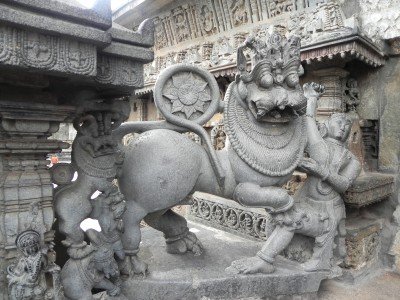
Hoysala Emblem
Some quick example text to build on the card title and make up the bulk of the card's content.
Go somewhere
Hoysala Mahotsava
Some quick example text to build on the card title and make up the bulk of the card's content.
Go somewhere
Hoysaleswara Temple
Some quick example text to build on the card title and make up the bulk of the card's content.
Go somewhere
ISKCON Temple Belur
Some quick example text to build on the card title and make up the bulk of the card's content.
Go somewhere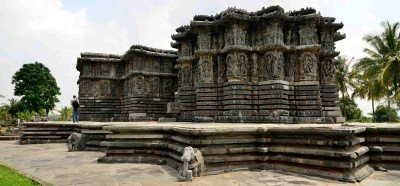
Kedareswara Temple
Some quick example text to build on the card title and make up the bulk of the card's content.
Go somewhere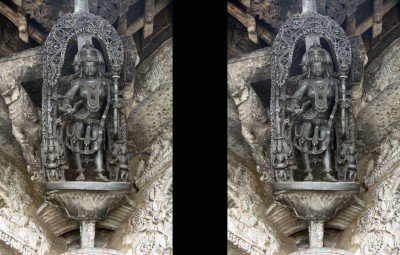
Madanikas
Some quick example text to build on the card title and make up the bulk of the card's content.
Go somewhere
Narasimha Pillar
Some quick example text to build on the card title and make up the bulk of the card's content.
Go somewhere
Paathaaleshwara Temple
Some quick example text to build on the card title and make up the bulk of the card's content.
Go somewhere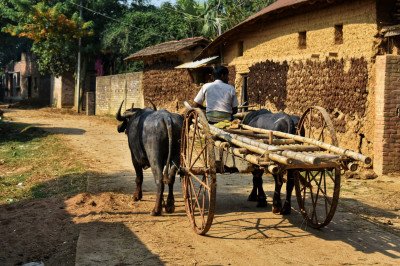
Real Govinahalli Village
Some quick example text to build on the card title and make up the bulk of the card's content.
Go somewhere
Shravanabelagola
Some quick example text to build on the card title and make up the bulk of the card's content.
Go somewherein Other Cities