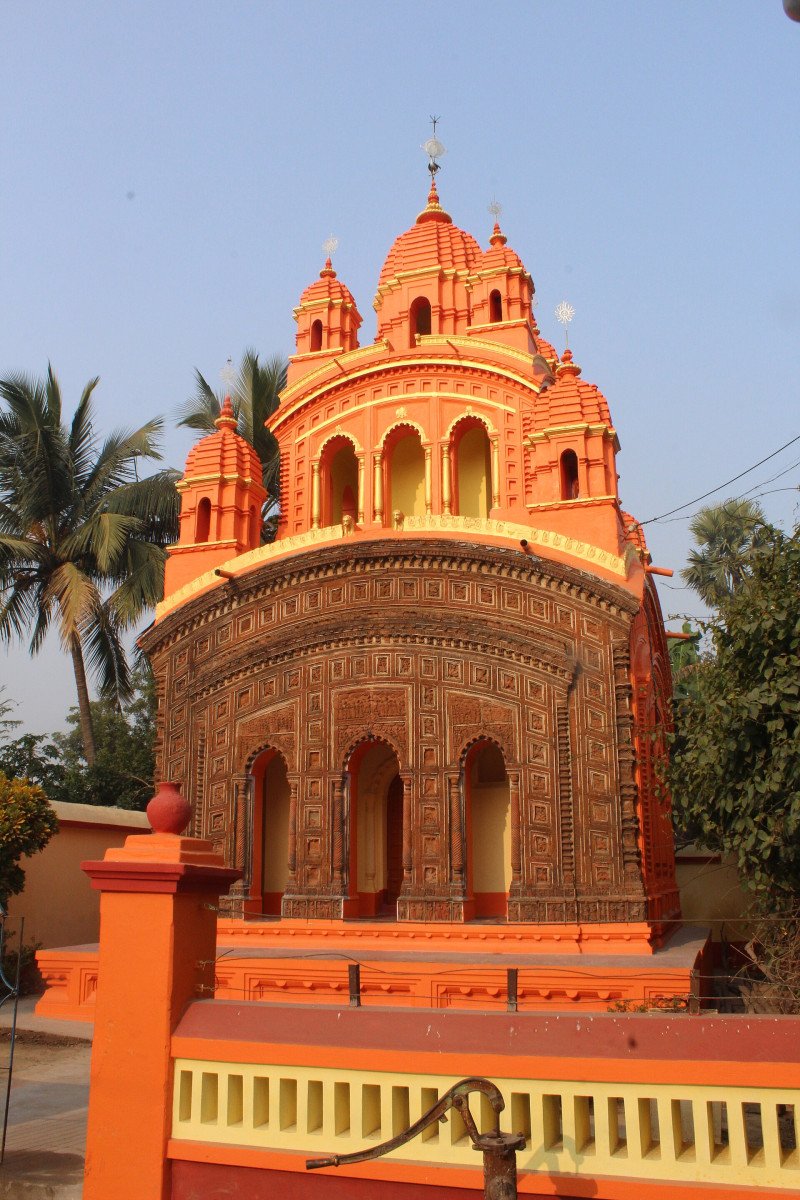
Sridhara Temple
General information
-
Ideal Duration:
30-45 minutesPlace Type:
Temple, Heritage SiteEntry Fees:
No Entry Fees: The Sridhara Temple does not have any entry fees. It is free to visit and explore. However, visitors may be required to purchase a combined ticket at the Rasmancha monument, which grants access to all major ASI-protected temples in Bishnupur. It is advisabl...No Entry Fees: The Sridhara Temple does not have any entry fees. It is free to visit and explore. However, visitors may be required to purchase a combined ticket at the Rasmancha monument, which grants access to all major ASI-protected temples in Bishnupur. It is advisable to check with the local authorities or guides regarding the current ticketing system.Timing:
Regular Timings: The Sridhara Temple is open from sunrise to sunset, typically from 6:00 AM to 6:00 PM on all days of the week.
Ideal Visit Time: The ideal time to visit is during the morning or late afternoon to avoid the heat of the day. ...Regular Timings: The Sridhara Temple is open from sunrise to sunset, typically from 6:00 AM to 6:00 PM on all days of the week.
Ideal Visit Time: The ideal time to visit is during the morning or late afternoon to avoid the heat of the day. The early hours are perfect for peaceful exploration and photography, while the late afternoon offers beautiful light for capturing stunning images.Special Events:
Religious Ceremonies: While there are no large-scale annual fairs or events specifically associated with the Sridhara Temple, local religious ceremonies and daily worship continue. These events offer a glimpse into the living traditions of the place. On special occasions a...Religious Ceremonies: While there are no large-scale annual fairs or events specifically associated with the Sridhara Temple, local religious ceremonies and daily worship continue. These events offer a glimpse into the living traditions of the place. On special occasions and Hindu festivals, the temple may see a small gathering of devotees for prayers and rituals. Observing these ceremonies, if possible, can provide a more authentic and cultural experience.Best Photo Spots:
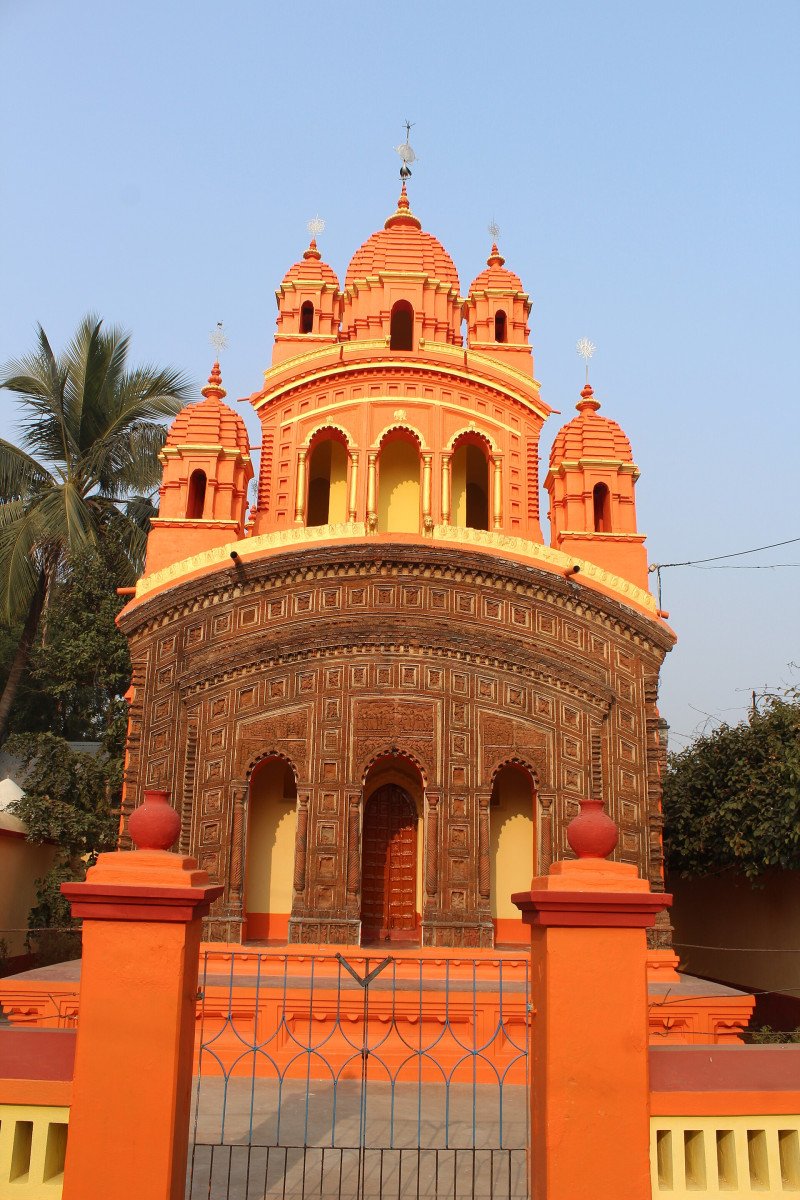
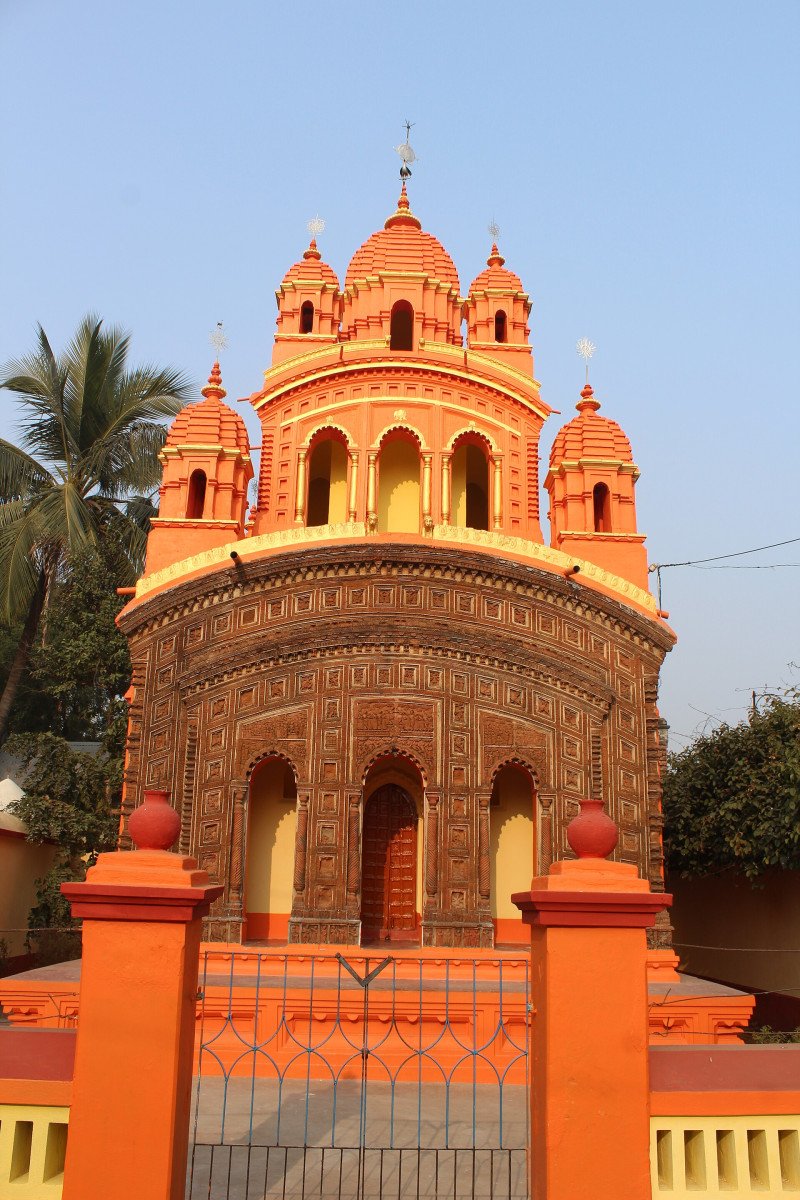
Frontal View: A photograph from the front of the temple, capturing its unique structure and the intricate terracotta carvings on its facade, is a must. The symmetrical design and the detail of the spires (even in their ruined state) make for a compelling image.Frontal View: A photograph from the front of the temple, capturing its unique structure and the intricate terracotta carvings on its facade, is a must. The symmetrical design and the detail of the spires (even in their ruined state) make for a compelling image.
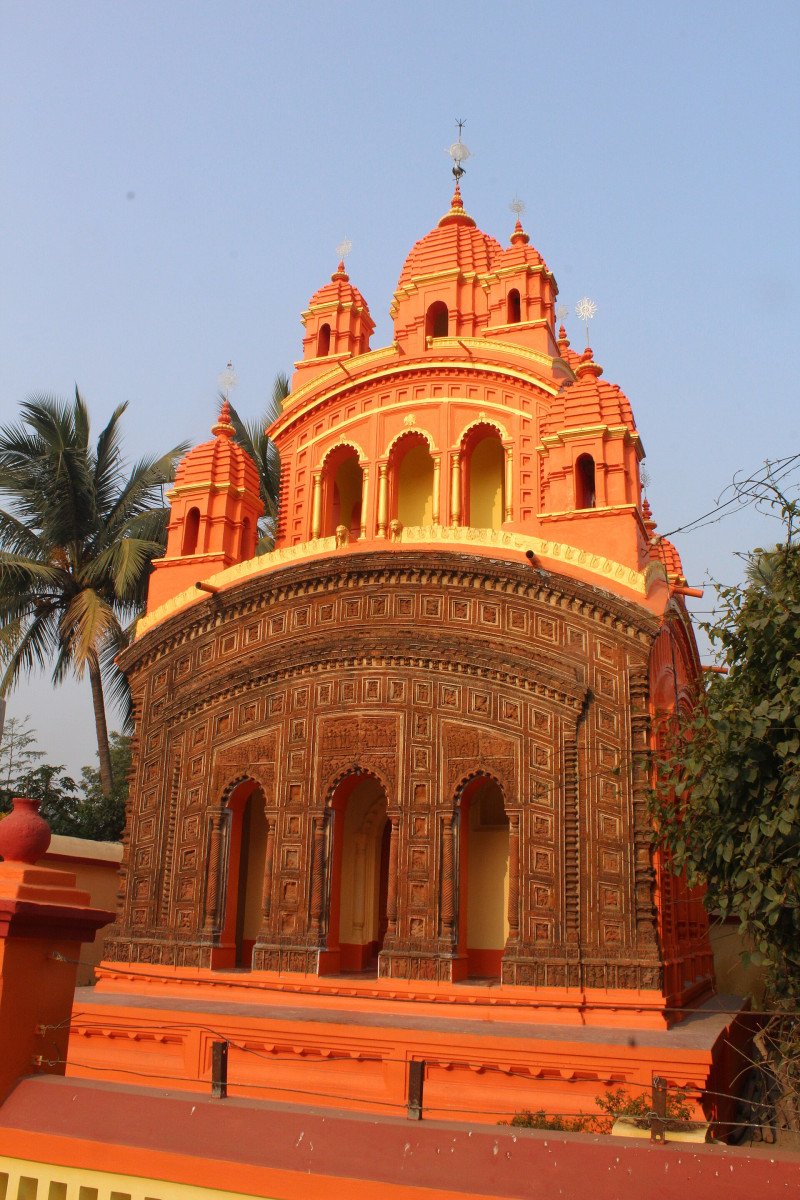
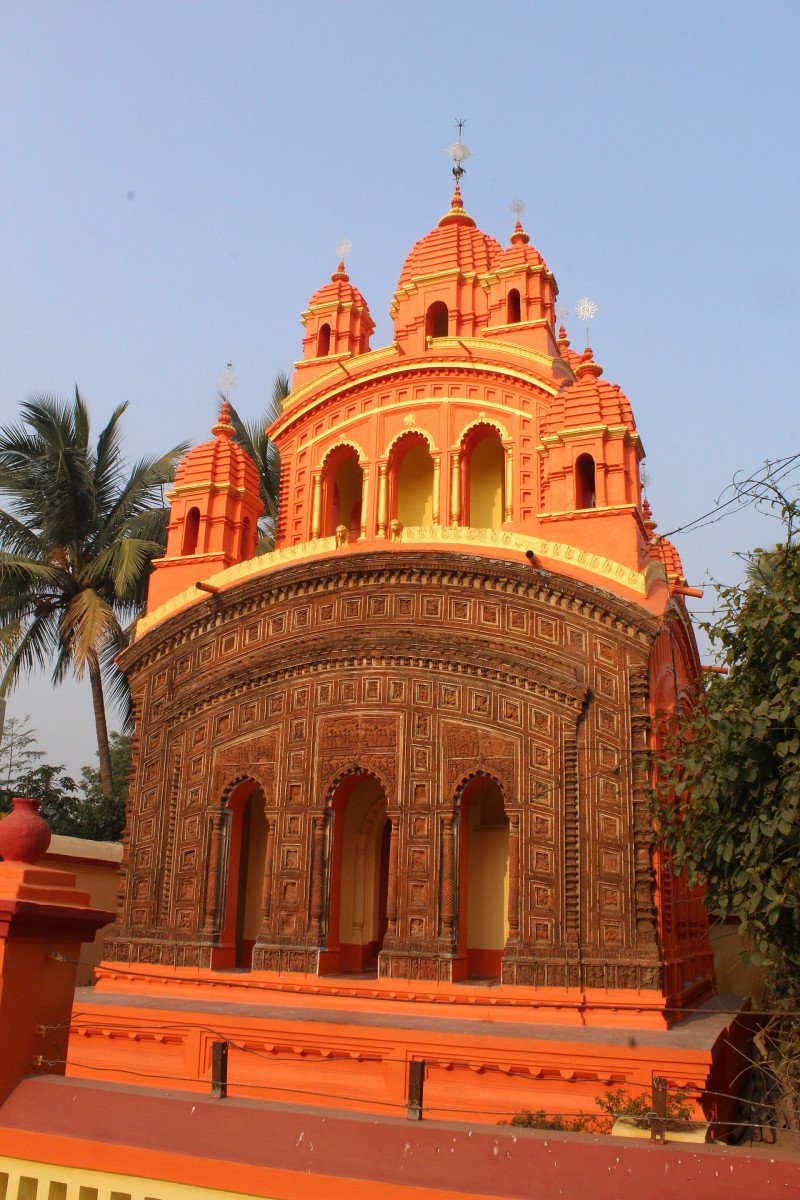
Close-ups of Terracotta Panels: Dedicate time to capturing close-up shots of the terracotta plaques. Focus on the scenes from the epics, the depictions of deities, and the delicate floral patterns. These photos will highlight the exceptional artistry of the Malla artisans.
Golden Hour Shots: Visit the temple during sunrise or sunset. The warm, soft light of the golden hour enhances the rich, reddish tones of the laterite and terracotta, making the temple glow and creating a magical atmosphere for photography.
Garden and Temple: The temple is situated in a well-maintained garden. Use the lush greenery as a foreground to frame the temple, providing a sense of scale and a beautiful contrast between nature and man-made art.Photo Gallery
Things To Do
-
Explore the Terracotta Art: The primary activity at the Sridhara Temple is to meticulously examine its terracotta panels. The temple is a treasure trove of art, and you can spend a significant amount of time studying the various scenes. Look for panels depicting the Ramayana and Mahabharata, as well as scenes from the life of Lord Krishna. Notice the details of the figures' costumes, ornaments, and expressions. Take close-up photos to capture the intricate work.
Architectural Study: For those interested in architecture, the temple offers a unique opportunity to study the rare Pancha-bingshatiratna style. Walk around the temple to observe its structure, the high plinth, the remains of the multiple spires, and how the laterite bricks were used as the primary building material. Pay attention to the way the terracotta plaques ...Explore the Terracotta Art: The primary activity at the Sridhara Temple is to meticulously examine its terracotta panels. The temple is a treasure trove of art, and you can spend a significant amount of time studying the various scenes. Look for panels depicting the Ramayana and Mahabharata, as well as scenes from the life of Lord Krishna. Notice the details of the figures' costumes, ornaments, and expressions. Take close-up photos to capture the intricate work.
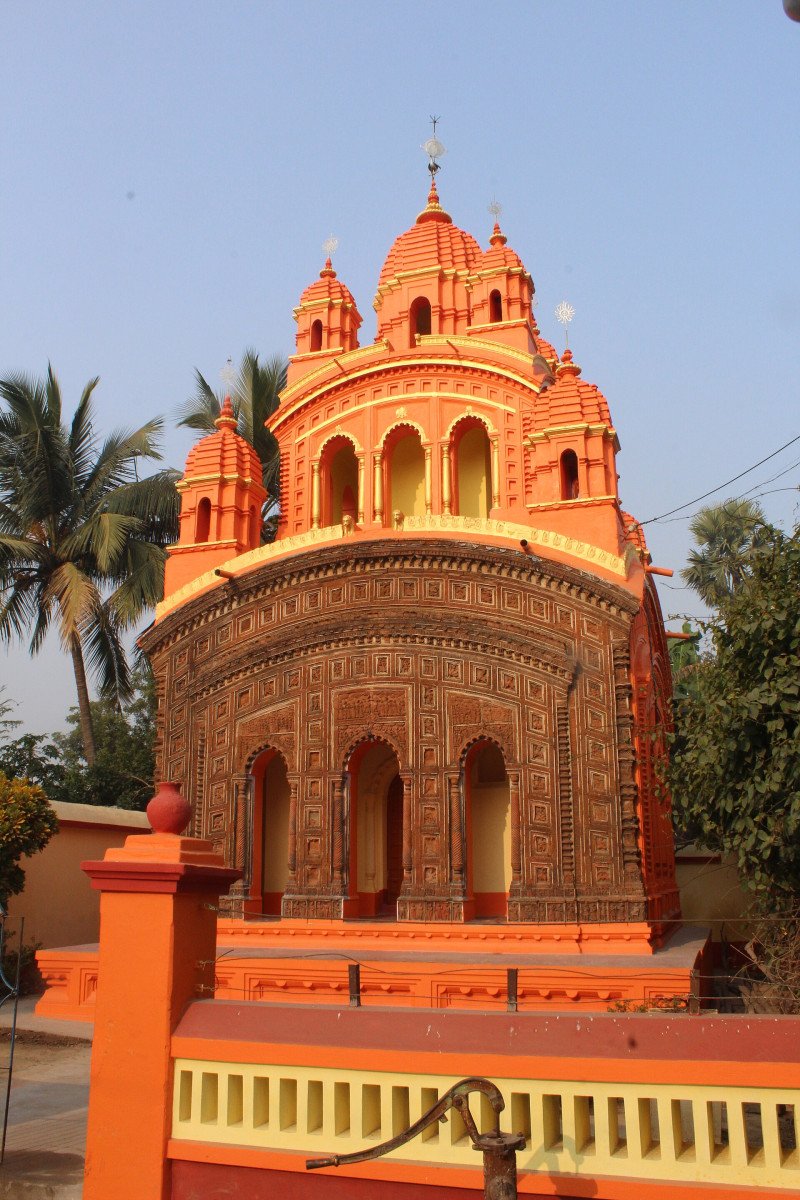
Architectural Study: For those interested in architecture, the temple offers a unique opportunity to study the rare Pancha-bingshatiratna style. Walk around the temple to observe its structure, the high plinth, the remains of the multiple spires, and how the laterite bricks were used as the primary building material. Pay attention to the way the terracotta plaques are integrated into the brick structure, creating a seamless blend of art and architecture.
Photography: The temple's unique architecture and beautiful terracotta art provide excellent opportunities for photography. The play of light and shadow on the detailed carvings creates stunning visual effects, especially during the golden hours of sunrise and sunset. You can capture wide-angle shots of the entire temple structure as well as macro shots of the intricate panels. The surrounding well-maintained garden also adds to the picturesque setting.
Meditation and Reflection: The serene atmosphere of the Sridhara Temple is ideal for meditation and quiet reflection. Find a peaceful spot to sit and soak in the historical and spiritual ambiance. The sense of history and the tranquil environment can be very calming and inspiring. It is a place to connect with the past and appreciate the enduring legacy of the Malla dynasty.
Visit the Nearby Temples: The Sridhara Temple is located near other important temples. Combine your visit with a trip to the nearby Madanmohan Temple and Jor Mandir Complex. This allows you to compare different architectural styles and witness the diversity of temple art in Bishnupur. You can easily walk between these temples, making it a cohesive and enjoyable tour.
Hotels
● Baishali Hotel
Address: Station Area, Bishnupur, Bankura - 722122
Distance: 1.5 km
Details: Baishali Hotel is a conveniently located mid-range hotel situated near the railway station and major sightseeing spots. It provides clean, functional ...
● Chandan Hotel
Address: Krishna Ganj, Bishnupur, Bankura - 722122
Distance: 1.8 km
Details: Chandan Hotel is an affordable and comfortable lodging house suitable for budget travelers. It offers standard rooms with essential amenities, includi...
● Hotel Heritage
Address: Professors Colony, Bishnupur, Bankura - 722122
Distance: 1.1 km
Details: Hotel Heritage is a charming property that captures the essence of the historical city of Bishnupur. It offers comfortable rooms with traditional deco...
● Hotel Madona
Address: Kabiraj Para, Bishnupur, Bankura - 722122
Distance: 1.3 km
Details: Hotel Madona offers budget-friendly rooms that are well-maintained and clean. The hotel focuses on providing essential services including a restaurant...
● Maa Chinnamasta Hotel
Address: Dalmadal Para, Bishnupur, Bankura - 722122
Distance: 0.9 km
Details: Maa Chinnamasta Hotel is a simple, clean hotel offering comfortable rooms for visitors visiting the nearby temples. It features essential amenities an...
● Orient Hotel
Address: Station Area, Bishnupur, Bankura - 722122
Distance: 1.6 km
Details: Orient Hotel is a well-established property in the station area, offering standard rooms for tourists and business travelers. It features clean premis...
● Pati Mess
Address: Dalmadal Para, Bishnupur, Bankura - 722122
Distance: 0.8 km
Details: Pati Mess is a highly affordable lodging option suitable for solo backpackers and budget-conscious travelers. It provides very basic accommodations, f...
● Rik Tiffin House
Address: Bishnupur, Bankura - 722122
Distance: 1.2 km
Details: Rik Tiffin House provides a very basic and inexpensive lodging solution for those on a tight budget. While primarily known for its food service, it al...
● Sonia Hotel
Address: Chaugan, Dalmadal Para, Bankura - 722122
Distance: 0.7 km
Details: Sonia Hotel is a budget option situated in the heart of the town, very close to major temple sites. It offers simple, no-frills rooms that are suitabl...
● Tree House
Address: Chaugan, Dalmadal Para, Bankura - 722122
Distance: 0.7 km
Details: Tree House offers a unique and cozy stay experience for visitors who want something different from standard hotel rooms. It is a well-located property...
Show AllInformation
-
Why Famous:
Architectural Uniqueness: The Sridhara Temple is famous for its rare Pancha-bingshatiratna architectural style. While most temples in Bishnupur follow the Eka-Ratna (single-spired) or Pancha-Ratna (five-spired) styles, the Sridhara Temple's original design with 25 ...
Architectural Uniqueness: The Sridhara Temple is famous for its rare Pancha-bingshatiratna architectural style. While most temples in Bishnupur follow the Eka-Ratna (single-spired) or Pancha-Ratna (five-spired) styles, the Sridhara Temple's original design with 25 pinnacles makes it an architectural anomaly and a point of great interest for scholars and tourists alike. This ambitious design showcases the artistic and engineering prowess of the artisans of the era.
Exquisite Terracotta Detailing: The temple's claim to fame is its highly ornate terracotta panels. The temple walls are a living museum of intricate terracotta art, with each carving meticulously crafted to depict scenes from mythology, daily life, and the court of the Malla kings. The detailing is so fine that it captures the expressions and movements of the figures, bringing the ancient narratives to life. This level of craftsmanship is a prime example of the artistic zenith achieved during the Malla dynasty's patronage of Vaishnavism and temple building. -
Architecture:
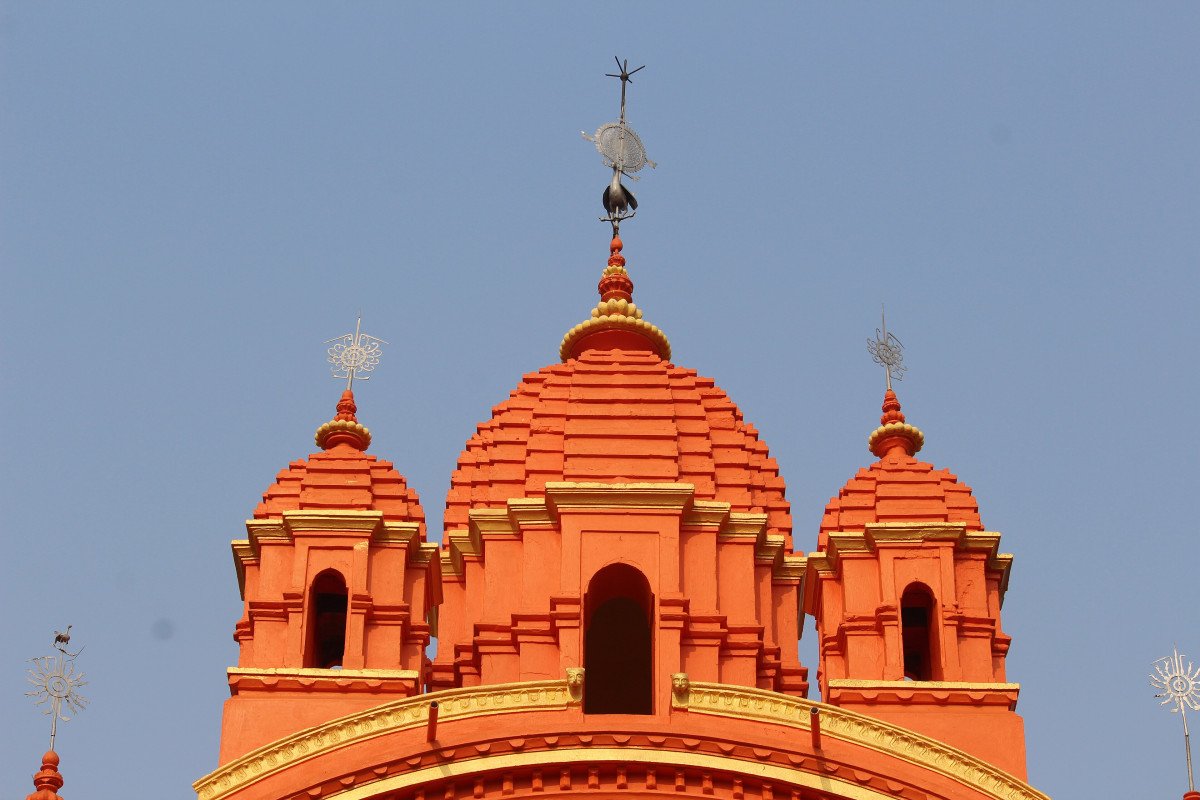
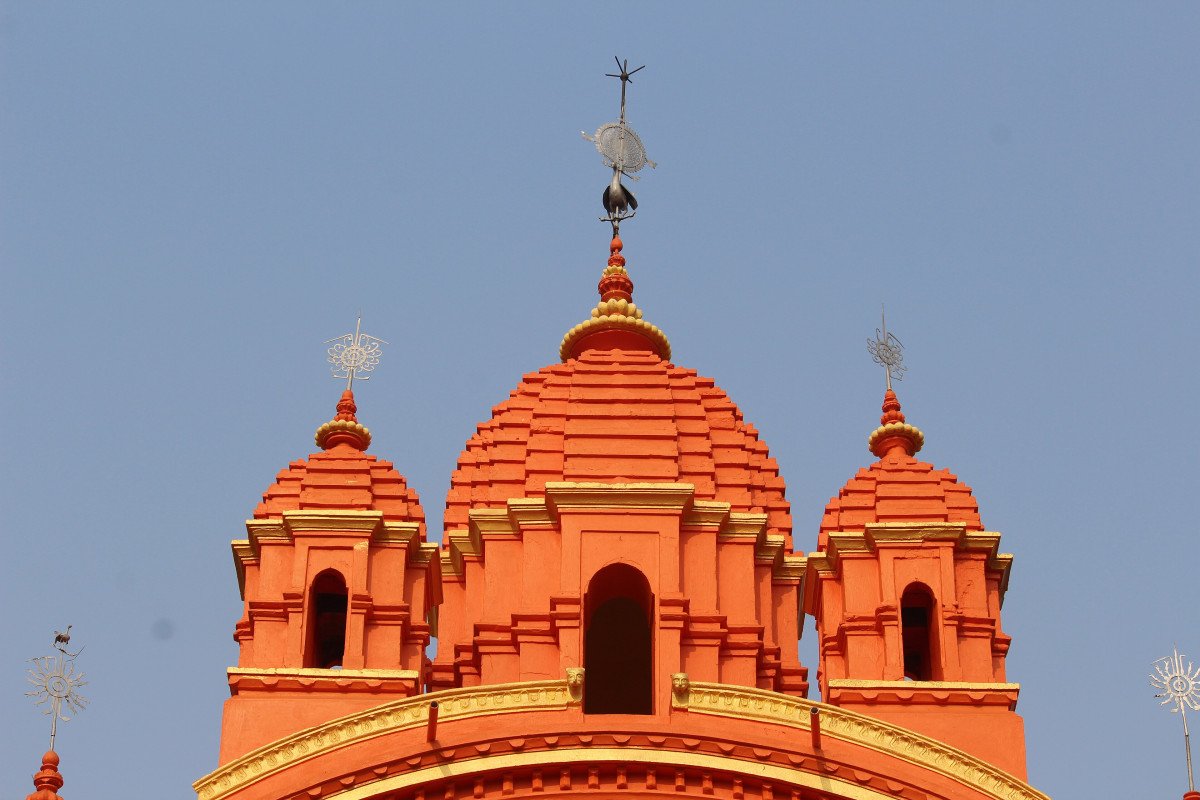
Architectural Style and Features: The Sridhara Temple is a remarkable example of the Pancha-bingshatiratna or Nava-Ratna architectural style, a rarity in Bishnupur. This style is defined by a central tower surrounded by multiple smaller towers or spires. The temple is buil...Architectural Style and Features: The Sridhara Temple is a remarkable example of the Pancha-bingshatiratna or Nava-Ratna architectural style, a rarity in Bishnupur. This style is defined by a central tower surrounded by multiple smaller towers or spires. The temple is built on a high plinth and constructed primarily of laterite and terracotta bricks, which were the signature materials of the Malla period. The unique feature of this temple is its elaborate design with 25 pinnacles, arranged in three levels of twelve, eight, and four, culminating in a central pinnacle. Although the spires are now in a dilapidated state, with the central one having collapsed, the structure still showcases the complexity of its original design.
Terracotta Artistry and Dimensions: The true beauty of the Sridhara Temple lies in its rich terracotta ornamentation. Every surface of the temple, from the walls to the pillars and arches, is covered with detailed terracotta plaques. These carvings depict a wide range of subjects, including scenes from the life of Lord Krishna and other Puranic themes, along with intricate floral and geometric patterns. The dimensions of the temple are not as widely documented as other major temples, but its structure is built on a square plan, rising to a considerable height that would have originally been capped by its 25 spires, making it a towering landmark in its prime. The detailed craftsmanship on the terracotta panels is the main highlight, with each piece telling a story. -
How To Reach:
By Air: The nearest airport is Netaji Subhas Chandra Bose International Airport (CCU) in Kolkata. From the airport, you can hire a taxi or take a bus to Bishnupur. The distance is approximately 140-150 km, and the journey takes about 4-5 hours.
Read MoreBy Air: The nearest airport is Netaji Subhas Chandra Bose International Airport (CCU) in Kolkata. From the airport, you can hire a taxi or take a bus to Bishnupur. The distance is approximately 140-150 km, and the journey takes about 4-5 hours.
By Train: Bishnupur has its own railway station, Bishnupur Railway Station (VSU), which is well-connected to major cities like Kolkata (Howrah and Sealdah), Durgapur, and Purulia. Direct trains like the Howrah-Purulia Express are a convenient option. The temple is located a short distance from the railway station.
By Road: Bishnupur is well-connected by road from Kolkata and other towns in West Bengal. You can take NH19 from Kolkata to reach Bishnupur. State buses and private cabs are readily available.
By Local Transport: Once in Bishnupur, you can hire a cycle-rickshaw, an auto-rickshaw, or a toto (electric rickshaw) to reach the temple. The temples are located relatively close to each other, making local transport easy and affordable. You can also walk to the temple from the city center.Weather and Best Time to Visit:
Different Types of Seasons: The best time to visit Bishnupur and the Sridhara Temple is during the winter months, from October to March. The weather is cool and pleasant, making it comfortable to explore the temples and other outdoor attractions. Summers, from April to Jun...Different Types of Seasons: The best time to visit Bishnupur and the Sridhara Temple is during the winter months, from October to March. The weather is cool and pleasant, making it comfortable to explore the temples and other outdoor attractions. Summers, from April to June, are extremely hot and humid, and the monsoons, from July to September, bring heavy rainfall, which can hinder sightseeing.
Different Parts of the Day: The early morning (6:00 AM - 9:00 AM) and late afternoon (4:00 PM - 6:00 PM) are the best times to visit. The light is soft and beautiful for photography, and the temperature is mild, allowing for a relaxed and enjoyable visit.Near Tourist Places:
Jor Mandir Complex: Approximately 1-2 km
Madanmohan Temple: Very close, within walking distance
Pancha Ratna Temple (Shyam Rai Temple): Approximately 2-3 km
Rasmancha: Approximately 2-3 km
Dalmadal Cannon: Approximately 2-3 km
Lalji Temple: Approximately 2-3 km
Susunia Hill: Approximately 46 km
Mukutmonipur Dam: Approximately 57 km
Joyrambati: Approximately 33 km
Panchmura (Terracotta Village): Approximately 20 kmTourism Tips
-
Health & Safety: Carry a water bottle to stay hydrated, especially during warmer months. Wear comfortable shoes as you will be doing a lot of walking. Be mindful of your belongings and keep them secure. It's always a good idea to have some cash on hand for local transport...Health & Safety: Carry a water bottle to stay hydrated, especially during warmer months. Wear comfortable shoes as you will be doing a lot of walking. Be mindful of your belongings and keep them secure. It's always a good idea to have some cash on hand for local transport and small purchases.
Packing: Pack light cotton clothing for summer and light woolens for winter. A hat, sunglasses, and sunscreen are essential. Carry a camera to capture the beautiful temples.
Accommodation: Bishnupur offers a range of accommodation options, from budget lodges to government-run tourist lodges. It is advisable to book your stay in advance, especially during the peak tourist season or festival times.
Other Different Topics: Consider hiring a local guide to get a deeper understanding of the history and stories behind the temples. They can point out details on the terracotta panels that you might otherwise miss. Respect the local customs and traditions, and maintain cleanliness in the temple premises.
Reviews
FAQs
Ans:- The Sridhara Temple is a grand example of the rare 'panchabingshatiratna' style, which literally translates to a temple with twenty-five pinnacles or peaks. While some historical sources might refer to it as 'navaratna' or nine-spored due to the complexity of its design, its architectural intention was to feature a series of towers built in three levels of twelve, eight, four, and one central pinnacle. This elaborate design makes it an architectural marvel and a standout structure among the many more common temple styles found throughout the heritage-rich landscape of the Bishnupur region.Ans:- The Sridhara Temple was built in the 19th century by the local Basu family. According to local folklore, a wealthy and devout weaver named Kanai Rudra wished to commission a magnificent temple to honor Lord Vishnu. He employed a skilled architect named Hari Sutradhar to lead the project. When Kanai Rudra was initially dissatisfied with the amount of terracotta work, he instructed the builder to spare no expense to make the temple as extravagant as possible, leading to the incredibly detailed panels that now cover the structure, making it one of the most decorated temples in the town.Ans:- The temple is dedicated to Lord Vishnu, who is worshipped in the form of Sridhar or the Shaligram. The sanctum sanctorum houses this sacred stone, which serves as the central object of devotion for the temple. This worship of the Shaligram is deeply ingrained in Vaishnava traditions and adds a layer of spiritual gravity to the site. Devotees often visit the temple to offer prayers and to seek blessings, viewing the deity as the protector of the household and the community, which has sustained the temple's religious relevance since its 19th-century inception.Ans:- Unfortunately, the temple's 25 pinnacles are currently in a dilapidated state due to the effects of time and weathering. Specifically, the top portion of the central pinnacle has collapsed completely, which is a major loss to the original architectural vision. Despite these structural challenges, the remaining pinnacles and the elaborate terracotta carvings on the walls still provide a glimpse into the ambitious design and the high level of craftsmanship that was poured into the building. Conservation efforts are often discussed to help stabilize such historical structures and prevent further degradation of their unique features.Ans:- The walls of the Sridhara Temple are covered in intricate terracotta panels that serve as a visual encyclopedia of Hindu mythology. The carvings depict scenes from the great epics, the Ramayana and the Mahabharata, as well as various deities and scenes from everyday life in 19th-century Bengal. Each panel is a work of art, showcasing the extreme attention to detail and the artistic dedication of the creators. These carvings not only document the religious beliefs of the time but also provide invaluable insights into the social customs, attire, and artistic motifs prevalent during that period of history.Ans:- Yes, although it is a later addition to the town's landscape compared to the earlier Malla-era temples, it is considered a vital part of Bishnupur's broader heritage circuit. Its unique architecture and massive scale make it a must-visit for tourists interested in the evolution of terracotta art in West Bengal. While most of the fame of Bishnupur is centered on its 17th-century structures, the Sridhara Temple demonstrates that the tradition of creating beautiful, terracotta-covered religious buildings continued well into the 19th century, keeping the artistic spirit of the region alive for much longer than expected.Ans:- The Sridhara Temple is often called a hidden or lesser-known gem because it is not as frequently visited or as heavily publicized as the larger, more iconic temples like the Madan Mohan or the Rasmancha. Because it is a later structure and tucked slightly away from the main tourist thoroughfares, many visitors tend to miss it. However, for those who seek it out, the temple offers a quieter, more serene environment, allowing for a more intimate and contemplative experience away from the crowds that typically swarm the more popular landmarks of the town.Ans:- As with most religious sites in India, it is highly recommended to dress modestly when visiting the Sridhara Temple. This means wearing clothing that covers your shoulders and knees. This is a sign of respect for the presiding deity and the local religious sentiments of the community that maintains the temple. By observing these simple cultural norms, visitors help ensure that the sanctity of the space is preserved and that they are welcomed by the local caretakers, who work to maintain the temple's daily devotional activities for all who come to visit.Ans:- The best time to visit the Sridhara Temple is during the winter season, between October and March. The weather during these months is cool and very comfortable for walking through the town and exploring the various temple grounds, which can take several hours. During the summer, the heat in Bankura can be quite intense, making outdoor sightseeing difficult. Furthermore, the winter season aligns with various local festivals and cultural events in Bishnupur, making it an excellent time to witness the town’s vibrant heritage and local traditions in action.Ans:- Generally, the outer areas of the temple and the courtyard are open to tourists, but access to the inner sanctum sanctorum is often restricted to priests and those participating in daily rituals. This is a common practice in many Indian temples to maintain the purity and sanctity of the sacred space housing the deity. Visitors are encouraged to admire the beautiful architecture and the intricate terracotta carvings from the outside, which are the main highlights of the building. Always follow any instructions provided by the local priest or the caretaker during your visit.Ans:- The temple serves as a focal point for the local community during important Vaishnava festivals, including Janmashtami, the birth of Lord Krishna, and other seasonal celebrations. During these times, the temple is decorated, special rituals are performed, and there is an influx of devotees from the surrounding areas. Witnessing the temple during a festival offers a unique opportunity to see it in its full glory, with traditional singing, chanting, and religious offerings that have been a part of its history since the day the Basu family first opened it to the public.Ans:- A visit to the Sridhara Temple usually takes about 30 to 45 minutes. This is sufficient time to walk around the exterior, admire the complex terracotta carvings, take photographs, and appreciate the unique 25-pinnacle architecture. Because it is smaller than the major temple complexes, it is an easy stop to add to a full-day itinerary. Most tourists combine a visit to this temple with a trip to the nearby Madan Mohan Temple and the rest of the Bishnupur heritage circuit, ensuring they don't miss out on any of the town's historical highlights.Ans:- The legend of Kanai Rudra, the rich weaver who commissioned the temple, highlights the social history of Bishnupur, where individuals from various professions could achieve success and contribute to the religious and artistic landscape of the region. It emphasizes that the tradition of temple building was not just the prerogative of kings, but also of the wealthy merchant class. This story adds a layer of human interest to the structure, showing that the temple was built not just for prestige, but out of a genuine and deep-seated religious devotion that aimed to rival the royal standards.Ans:- Yes, the Sridhara Temple is conveniently located in the vicinity of the Madan Mohan Temple, which is one of the most celebrated terracotta masterpieces in the entire district. Being located in this part of town makes it very easy for visitors to see multiple historical structures in quick succession. The closeness of these sites means you can easily navigate between them using a cycle rickshaw or a Toto, making it a very efficient part of your exploration if you have limited time and want to see the best of what Bishnupur has to offer.Ans:- The main draw for tourists to the Sridhara Temple is its unique and ambitious 25-pinnacle design and the incredibly detailed terracotta work that covers almost every inch of the structure. It is a brilliant example of the dedication to craftsmanship that defined the era. For history buffs and art lovers, seeing a temple that reflects such a rare style provides a fascinating contrast to the more standard designs seen elsewhere in Bishnupur. Its quieter, less commercial atmosphere is also a major draw, providing a rare moment of tranquility for those traveling through the town.Bishnupur Itineray And Cost:-
Information about New and Updated Locations() of West Bengal Has Been Added :-
Card subtitle
Note:-
Information provided here in good Faith and for reference only.
Near Places
Acharya Jogesh Chandra Museum
Some quick example text to build on the card title and make up the bulk of the card's content.
Go somewhere
Big Stone Gateway
Some quick example text to build on the card title and make up the bulk of the card's content.
Go somewhere
Bishnupur Mela Ground
Some quick example text to build on the card title and make up the bulk of the card's content.
Go somewhere
Bishnupur Rajbari
Some quick example text to build on the card title and make up the bulk of the card's content.
Go somewhere
Chhinnamasta Temple
Some quick example text to build on the card title and make up the bulk of the card's content.
Go somewhere
Dalmadal Cannon
Some quick example text to build on the card title and make up the bulk of the card's content.
Go somewhere
Garh Darwaja
Some quick example text to build on the card title and make up the bulk of the card's content.
Go somewhere
Gokul Chand Temple
Some quick example text to build on the card title and make up the bulk of the card's content.
Go somewhere
Hadal-Narayanpur
Some quick example text to build on the card title and make up the bulk of the card's content.
Go somewhere
Jhilimili & Sutan Forest
Some quick example text to build on the card title and make up the bulk of the card's content.
Go somewhere
Jor Bangla Temple
Some quick example text to build on the card title and make up the bulk of the card's content.
Go somewhere
Jor Mandir Complex
Some quick example text to build on the card title and make up the bulk of the card's content.
Go somewhere
Jorbangla Temple
Some quick example text to build on the card title and make up the bulk of the card's content.
Go somewhere
Joypur Forest
Some quick example text to build on the card title and make up the bulk of the card's content.
Go somewhere
Kalachand Temple
Some quick example text to build on the card title and make up the bulk of the card's content.
Go somewhere
Kamarpukur
Some quick example text to build on the card title and make up the bulk of the card's content.
Go somewherein Other Cities