Murikkady
General information
-
Ideal Duration:
2 to 3 HoursPlace Type:
Spice Plantation, Village, Picnic SpotEntry Fees:
General Access and Plantation Tour Cost: As a village and plantation area, Murikkady has no overall entry fee. The primary cost is for the guided walk. A standard Spice Plantation Tour fee is typically in the range of Rs.100 to Rs.300 per person. This charge is levied by the ...General Access and Plantation Tour Cost: As a village and plantation area, Murikkady has no overall entry fee. The primary cost is for the guided walk. A standard Spice Plantation Tour fee is typically in the range of Rs.100 to Rs.300 per person. This charge is levied by the specific private garden you choose to visit and includes the service of a knowledgeable guide for approximately a one-hour tour. This is the only mandatory charge for the core activity.
Fee Variation Based on Inclusions: Some plantations offer different tiers of tours. A basic tour covers the walk and explanation, while a slightly higher fee (e. g. , Rs.300 - Rs.500) may include a small welcome drink, a guided visit to a small processing unit, or a sample of a spice-related product like a homemade chocolate or a cup of estate-grown coffee. The fees directly support the maintenance of the plantations and the employment of the local guides.
Vehicle Parking Charges: For tourists arriving by their own car, taxi, or tourist bus, a nominal vehicle parking charge may be collected by local establishments or community groups near the plantation entrances or the viewpoint areas. This fee is usually minor, around Rs.20 to Rs.50 per vehicle, and is used for local area upkeep.
No Major Government Levies: Unlike the Periyar Tiger Reserve, Murikkady does not fall under the direct jurisdiction of a national park, hence there are no government-mandated fees for entry, and no camera or video camera fees for personal use are typically charged by the plantation owners. This makes it a cost-effective and low-barrier destination to visit.Timing:
Regular Spice Garden Operating Hours: The private spice plantations that offer guided tours in Murikkady generally operate their tour services from 8:00 AM to 5:00 PM daily. It is not advisable to visit much earlier or later than this, as the guided walks require sufficient...Regular Spice Garden Operating Hours: The private spice plantations that offer guided tours in Murikkady generally operate their tour services from 8:00 AM to 5:00 PM daily. It is not advisable to visit much earlier or later than this, as the guided walks require sufficient daylight, and the plantation staff will be busy with daily work outside these hours.
Ideal Visit Time for Sensory Experience: The most ideal time of day to visit is the early morning, specifically between 9:00 AM and 11:00 AM. At this time, the weather is cool, the plantation is active with work, and, most importantly, the fragrance of the spices is most intense and refreshing. The soft morning light is also perfect for photos.
Mid-day Break Consideration: Visitors should plan to avoid the peak mid-day heat (approximately 12:00 PM to 3:00 PM), especially during the summer months (March to May), as the sun can be quite strong on the open plantation slopes, making the one-hour walk uncomfortable.
Best Seasonal Time: The best season is the dry period from October to February. The clear weather ensures a comfortable and beautiful walk. However, if the goal is to see a particular spice in its harvesting stage (e. g. , Cardamom harvest from August to November), that specific seasonal window would be the most relevant "ideal time. "Special Events:
The Annual Spice Harvest Season: The most significant 'special event' is the annual harvest season for the main spices, particularly Cardamom and Pepper. While the harvest is staggered, the busiest and most interesting period is generally in the late monsoon to post-monsoon...The Annual Spice Harvest Season: The most significant 'special event' is the annual harvest season for the main spices, particularly Cardamom and Pepper. While the harvest is staggered, the busiest and most interesting period is generally in the late monsoon to post-monsoon months (around August to November). During this time, visitors can witness the labor-intensive process of hand-picking the ripe cardamom pods from the plants and the collection of pepper corns. This is a unique and authentic event to observe the backbone of the local economy in action.
Local Temple Festivals (Vishu/Onam Celebrations): As a quiet village, Murikkady and its nearby hamlets celebrate the traditional Kerala festivals of Onam (August/September) and Vishu (April) with simple, heartfelt enthusiasm. While not a large public event like the festivals in major cities, the small, local temple festivals or Pookalam (floral carpet) competitions during Onam offer a unique, community-focused cultural experience. These local events provide a true sense of the village life and its traditions, far from the tourist crowds.
Estate Open Days/Sampling Events: Occasionally, larger plantations or spice trading organizations in the Murikkady area will host special "open days" or "sampling events," often targeted at trade visitors but sometimes open to the public. These events focus on showcasing new processing techniques, different spice grades, or new product lines. For a discerning tourist, stumbling upon such an event can be a special opportunity to engage with local growers and sample a wide variety of unadulterated, premium spices.Best Photo Spots:
The Carpet of Cardamom under Shade: The most beautiful photo spot in Murikkady is the Cardamom plantations. These plants are grown under a natural or artificial canopy of shade trees, creating a stunning visual texture. The best shots are captured by getting close to the f...The Carpet of Cardamom under Shade: The most beautiful photo spot in Murikkady is the Cardamom plantations. These plants are grown under a natural or artificial canopy of shade trees, creating a stunning visual texture. The best shots are captured by getting close to the forest floor to show the large, banana-like leaves and the small, delicate cardamom pods growing low on the stem. The contrast between the dark, moist forest floor and the bright, vivid green of the cardamom leaves provides a rich, color-filled frame.
Panoramic Vista of Cascading Plantations: The elevated sections or viewpoints within the plantation areas offer fantastic photo opportunities for landscape shots. These vantage points allow you to capture the sight of the tea, coffee, and pepper plants stretching like an endless, green carpet over the rolling hills, cascading down into the valley. The best time for this is the early morning or late afternoon when the slanting sunlight illuminates the undulating contours of the terrain.
Macro Shots of Fresh Spices: For macro photographers, the spice plants offer a treasure trove of subjects.
Focus on the details: the vibrant red peppercorns clustered on the vine, the glossy, deep red coffee cherries, the intricate structure of a clove bud, or the delicate, yellow flower of the Cardamom plant. These close-up shots highlight the natural beauty and complexity of the spices that define the region.
The Human Element in the Greenery: Another excellent photo spot is capturing the local plantation workers, often women, in their bright clothing set against the deep green background of the plantation. Shots of them hand-picking tea leaves or harvesting cardamom pods add a vital human element to the landscape, telling the story of the labor and tradition behind the world-famous Kerala spices. These candid, cultural portraits are a beautiful documentation of the local life.Photo Gallery
Things To Do
-
Guided Spice Plantation Walk (The Main Activity): The most important thing to do in Murikkady is to take a guided tour through a spice plantation. These walks are a highly engaging sensory experience. The guide, often a knowledgeable local, will lead you through rows of cardamom, pepper, coffee, tea, clove, and cinnamon plants. They will explain the various stages of growth, the traditional harvesting techniques, and the medicinal or culinary uses of each spice. You get to touch, smell, and even taste the fresh products. This is a must-do for its educational value and the intense aroma of the area.
Purchase Fresh Spices and Local Produce: No trip to Murikkady is complete without purchasing fresh, high-quality spices directly from the source. The shops attached to the plantations or small local stores in the area sell produ...Guided Spice Plantation Walk (The Main Activity): The most important thing to do in Murikkady is to take a guided tour through a spice plantation. These walks are a highly engaging sensory experience. The guide, often a knowledgeable local, will lead you through rows of cardamom, pepper, coffee, tea, clove, and cinnamon plants. They will explain the various stages of growth, the traditional harvesting techniques, and the medicinal or culinary uses of each spice. You get to touch, smell, and even taste the fresh products. This is a must-do for its educational value and the intense aroma of the area.
Purchase Fresh Spices and Local Produce: No trip to Murikkady is complete without purchasing fresh, high-quality spices directly from the source. The shops attached to the plantations or small local stores in the area sell products that are often fresher and more potent than what is available in large city markets. Focus on buying the famous Kerala Cardamom, black pepper, cinnamon, and coffee. Visitors should also look for local honey and homemade chocolates that incorporate the local spices.
Photography and Scenic Spotting: Murikkady's stunning landscape of undulating hills covered in an unbroken blanket of green is a photographer's paradise. Spend time at various vantage points to capture the panoramic views. Focus your lens on the neat rows of the plantations, the misty hills in the background, and the textures of the individual spice plants. The sight of pepper vines climbing silver oak trees creates excellent vertical compositions, and the vibrant red berries of the coffee plant offer a splash of color.
Nature and Bird Watching Strolls: Since the plantations are often adjacent to patches of natural forest, the area attracts a good variety of birdlife. Taking a gentle, unhurried stroll through the quieter parts of the estate or along the forest fringes can be a rewarding bird-watching activity. Keep an eye out for common hill birds, Malabar-region endemics, and listen for the calls of the local avifauna. The tranquility of the environment also makes it ideal for a relaxing nature walk.
Picnicking and Relaxation: The village is often cited as a perfect picnic spot due to its cool climate and scenic setting. Carry your own refreshments and find a quiet, scenic spot amidst the plantations for a relaxing break. Simply sitting and breathing the spice-infused mountain air can be a rejuvenating experience. This activity is perfect for families or couples looking for a peaceful half-day retreat. Visiting Nearby Waterfalls and Viewpoints (Combined Trip): Visitors often combine a trip to Murikkady with nearby attractions. Since it’s only 5 KMS from Kumily, travelers can easily hire a taxi to include a visit to the nearby scenic viewpoint and cascading waters of Chellarkovil or the trekking valley of Pandikuzhi. Combining the aromatic experience of Murikkady with the panoramic views of the surrounding hills makes for a balanced and comprehensive day trip itinerary.
Exploring Tea and Coffee Processing: While spices are the main draw, Murikkady also has significant tea and coffee cultivation. Seek out a plantation or a small factory that offers a tour or a demonstration of the tea leaf plucking or coffee bean processing. Learning about the 'two leaves and a bud' concept in tea or the fermentation and drying of coffee beans adds another layer to the agro-tourism experience and showcases the region's diverse agriculture.
Information
-
Why Famous:
The Cardamom and Spice Capital: Murikkady is famous because it is located in the heart of the Cardamom Hills, making it a premier destination for experiencing Kerala's spice trade. It is renowned for the cultivation of high-quality cardamom, often referred to as the 'Queen ...The Cardamom and Spice Capital: Murikkady is famous because it is located in the heart of the Cardamom Hills, making it a premier destination for experiencing Kerala's spice trade. It is renowned for the cultivation of high-quality cardamom, often referred to as the 'Queen of Spices,' along with pepper, coffee, and tea. The entire atmosphere is imbued with the strong, natural fragrances of these crops, creating a unique sensory experience that travelers actively seek out.
A Live Classroom for Agro-Tourism: The place is well-known for its dedication to agro-tourism. Many plantations offer highly informative, guided tours that serve as a "live classroom. " Tourists are drawn to the opportunity to learn about the entire process from planting to harvesting and processing various spices, connecting them directly with the source of the product. This educational aspect is a key factor in its fame, particularly for visitors from non-agricultural backgrounds.
Panoramic Views and Tranquil Picnic Spot: Its fame also stems from its natural beauty and designation as an ideal picnic spot. Situated at an elevation, Murikkady offers stunning, panoramic views of the rolling hills and valleys covered in a seamless carpet of green. It's a peaceful retreat, a sanctuary of calm where the only sound is the rustling of leaves and the chirp of birds, providing a refreshing escape from the hustle of the nearby town of Kumily. -
Architecture:
Functional Agricultural Architecture: The architecture of Murikkady is predominantly defined by its functional agricultural structures. These include large, open-sided drying sheds used for curing spices like pepper, coffee beans, and cardamom pods after harvest. These sim...Functional Agricultural Architecture: The architecture of Murikkady is predominantly defined by its functional agricultural structures. These include large, open-sided drying sheds used for curing spices like pepper, coffee beans, and cardamom pods after harvest. These simple, robust sheds are built to maximize airflow and sun exposure, typically featuring raised wooden platforms or concrete floors to prevent moisture damage. The main purpose is practicality and efficiency in processing the high-value crops. The estate bungalows, where the plantation managers or owners reside, often reflect a colonial architectural style, characterized by spacious verandahs, high ceilings, and tile roofs, designed to withstand the heavy monsoon and keep the interiors cool during the summer.
Spice Processing Units and Storage: Scattered throughout the plantations are small-scale spice processing and storage units. These are generally simple, single-story stone or concrete structures with reinforced walls to protect the valuable stored spices from pests and weather. Dimensions vary, but a typical processing unit might be around 10m imes 15m, housing basic machinery for grading, sorting, and packaging the spices. The focus is on functionality and security rather than aesthetic design, ensuring the longevity and quality of the famous Kerala spices.
Landscape Architecture of Plantations: The true 'architecture' here is the meticulously planned layout of the plantations themselves. The plants—coffee, pepper, and cardamom—are grown on the steep slopes and rolling hillsides, following the natural contours of the land in a form of terracing or contour planting. This is a crucial element of land architecture designed for soil conservation and water management. For instance, pepper vines are often trained to grow up the existing shade trees like silver oaks, using the natural vertical dimension of the forest. Cardamom is typically grown on the forest floor, protected by the canopy, creating a carefully managed two-tier green architecture of trees above and spice plants below. -
How To Reach:
By Air: The two main feeder airports are Cochin International Airport (COK) (145 KMS) and Madurai Airport (IXM) (150 KMS). From both airports, the total travel time by road to Murikkady is about 4 hours. Visitors can hire private taxis, which offer a comfortable, scenic, a...By Air: The two main feeder airports are Cochin International Airport (COK) (145 KMS) and Madurai Airport (IXM) (150 KMS). From both airports, the total travel time by road to Murikkady is about 4 hours. Visitors can hire private taxis, which offer a comfortable, scenic, and direct journey through the ghat roads. Taxi operators at the airports are well-versed in the route to Thekkady (Kumily).
By Train: The nearest major railway station is Kottayam Railway Station (KTYM), located around 107 KMS away. From Kottayam, the onward journey to Murikkady (via Kumily) is by road, which typically takes 3 to 4 hours. Frequent taxi services and regular state-run KSRTC buses are available from the station area.
By Road (Primary Access): Murikkady is located right on the main road from Kumily towards Vandiperiyar, making road travel the most practical option.
From Kumily: The village is only 5 KMS away, a very quick and easy drive.
State Highways: The area is well-connected by State Highways (SH) to major towns. Road trips from Kochi and Madurai are scenic, traversing the beautiful tea and spice country of the Western Ghats. The roads are generally in good condition, but the final stretches are mountain roads with numerous curves.
Bus Connectivity: The Kumily bus stand is the main hub. Local buses heading towards Vandiperiyar or Kuttikkanam pass through Murikkady. This is the most budget-friendly option.
By Local Transport (The Last Mile):
Auto-Rickshaws: For visitors staying in or around Kumily town, the most convenient local option is the auto-rickshaw. It's a short ride, and a return trip with waiting time is often negotiated with the driver.
Local Taxis/Jeeps: Taxis can be hired in Kumily for a full day of sightseeing that includes Murikkady and other nearby places like Chellarkovil. This offers flexibility and comfort for group travel. -
Weather and Best Time to Visit:
The Most Pleasant Season:
Winter (October to February): The winter season, extending from October through to February, is the absolute best time for a visit. The weather is cool, with the morning mist gently lifting off the hills. Temperatu...The Most Pleasant Season:
Winter (October to February): The winter season, extending from October through to February, is the absolute best time for a visit. The weather is cool, with the morning mist gently lifting off the hills. Temperatures are moderate, making the long walks through the spice plantations extremely comfortable and enjoyable. This period is also characterized by clear, sunny days, which are excellent for panoramic photography of the cascading green hills.
The Season of Lush Greenery:
Monsoon (June to September): The monsoon season, although rainy, offers a unique charm. The heavy rainfall saturates the hills, making the Cardamom, pepper, and tea plantations appear incredibly lush and vibrant green. The misty ambiance is very picturesque and ideal for travelers who seek tranquility and dramatic scenery. However, visitors must be prepared for interruptions to outdoor activities due to sudden and heavy downpours.
The Warmer Season:
Summer (March to May): Summer in Murikkady is warm, though not as hot as the plains. The clear, dry weather is suitable for visits, but it is essential to plan activities during the cooler parts of the day. The heat can be intense between 12:00 PM and 3:00 PM, making an early start advisable. The primary advantage of this season is the lower tourist crowd compared to winter.
Ideal Part of the Day:
The Fragrant Morning: The early morning (around 9:00 AM) is the most rewarding time to be in the spice gardens. The air is at its freshest, and the signature aroma of the spices is at its most concentrated, offering the best sensory experience. The morning light is also soft and flattering for close-up photography of the spice plants.
Perfect Photography Time:
The Golden Afternoon: The late afternoon, specifically after 3:00 PM, is the optimal time for landscape photographers. The gentle, slanting sunlight of the afternoon creates a 'golden hour' effect, highlighting the textures of the plantation slopes and the vibrant colors of the leaves and spices. It is also a cooler and more relaxed time for a leisurely stroll. -
Near Tourist Places:
Kumily (Main Town): 5 KMS
Periyar Tiger Reserve Entrance: 8-9 KMS (Varying on entrance)
Chellarkovil (Viewpoint): 10 KMS
Pandikuzhi (Trekking/Valley): 4 KMS
Anakkara (Village): 8 KMS
Vandiperiyar (Tea Town): 15 KMS Mudra Cultural Centre (Kathakali/Kalaripayattu shows): 5 KMS
Kadathanadan Kalari Centre (Martial Arts): 5 KMS Abraham's Spice Garden (Another famous spice garden): 6 KMS
Pugmark Trail (Trekking): 8 KMS (Inside PTR buffer zone)
Tourism Tips
-
Health & Safety Focus:
Footwear for Walks: Wear comfortable, closed-toe walking shoes as the plantation paths can be uneven, slippery after rain, and may involve walking on steep slopes.
Sun and Hydration: ...Health & Safety Focus:
Footwear for Walks: Wear comfortable, closed-toe walking shoes as the plantation paths can be uneven, slippery after rain, and may involve walking on steep slopes.
Sun and Hydration: Though it is a hill area, the sun can be strong. Carry a hat or cap, sunglasses, and high-SPF sunscreen. Carry drinking water as a typical guided walk can last an hour or more.
Insects: Carry basic insect repellent, especially if you venture deeper into the plantations or visit during the late afternoon.
Chemical/Pesticide Awareness: While many farms promote organic or sustainable methods, be mindful that all farms use some form of treatment. Do not touch or ingest any plant material without the guide's explicit permission.
Essential Packing Recommendations:
Camera Gear: Bring a camera for the beautiful landscapes and a macro lens for close-ups of the spices.
Comfortable Clothing: Light, breathable cotton clothing is best. For the monsoon, a waterproof jacket or poncho is essential.
Shopping Bag: Carry a sturdy, reusable bag for all the fresh spices you will inevitably purchase.
Accommodation and Booking:
Kumily as Base: Most tourists stay in Kumily, as it is the major town and only 5 KMS from Murikkady. It offers the best range of resorts, hotels, and homestays.
Direct Accommodation: There are a few specialized resorts and homestays located directly within the Murikkady plantation area, which offer an immersive, peaceful experience. Booking these well in advance is crucial, particularly during the peak season.
Other Valuable Tips:
Bargaining: While the prices for guided tours are usually fixed, prices for spices in the market stalls can sometimes be negotiated. However, when buying from the actual plantation store, prices are generally non-negotiable but reflect superior quality.
Ask Questions: The guides are usually very knowledgeable and passionate. Ask them about the spice processing, the history of the estates, and the medicinal uses of the plants to enhance your experience.
Combine Trip: Plan to visit Murikkady as a half-day trip, combining it with a late afternoon cultural show in Kumily or a visit to the nearby Chellarkovil viewpoint to maximize your day's itinerary.
Local Cuisine: Try the local food in Kumily or the small tea shops around Murikkady. Look for dishes that heavily feature the local spices like pepper and cardamom for an authentic culinary experience.
Reviews
FAQs
Thekkady Itineray And Cost:-
Other Places In Thekkady :-
Other States In India :-
Information about New and Updated Locations() of Kerala Has Been Added :-
Card subtitle
Note:-
Information provided here in good Faith and for reference only.
Near Places

Abraham's Spice Garden
Some quick example text to build on the card title and make up the bulk of the card's content.
Go somewhere
Anakkara
Some quick example text to build on the card title and make up the bulk of the card's content.
Go somewhere
Aruvikuzhi View Point
Some quick example text to build on the card title and make up the bulk of the card's content.
Go somewhere
Bamboo Rafting
Some quick example text to build on the card title and make up the bulk of the card's content.
Go somewhere
Calvary Mount
Some quick example text to build on the card title and make up the bulk of the card's content.
Go somewhere
Cheeyappara Waterfall
Some quick example text to build on the card title and make up the bulk of the card's content.
Go somewhere
Chellarcovil View Point
Some quick example text to build on the card title and make up the bulk of the card's content.
Go somewhere
Chellarkovil
Some quick example text to build on the card title and make up the bulk of the card's content.
Go somewhere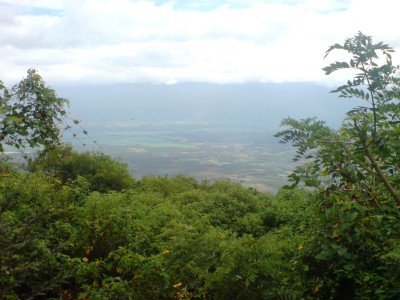
Chellarkovil Viewpoint
Some quick example text to build on the card title and make up the bulk of the card's content.
Go somewhere
Deepa World Spice Garden
Some quick example text to build on the card title and make up the bulk of the card's content.
Go somewhere
Elephant Junction
Some quick example text to build on the card title and make up the bulk of the card's content.
Go somewhere
Gavi Eco-Tourism
Some quick example text to build on the card title and make up the bulk of the card's content.
Go somewhere
Green Park Ayurvedic & Spice Plantation
Some quick example text to build on the card title and make up the bulk of the card's content.
Go somewhere
Greenvalley Spice Garden
Some quick example text to build on the card title and make up the bulk of the card's content.
Go somewhere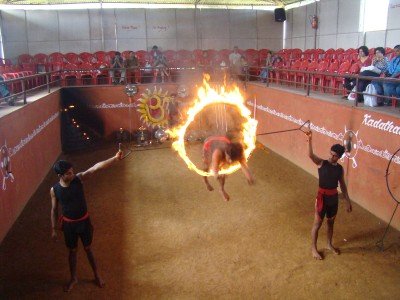
Kadathanadan Kalari Centre
Some quick example text to build on the card title and make up the bulk of the card's content.
Go somewhere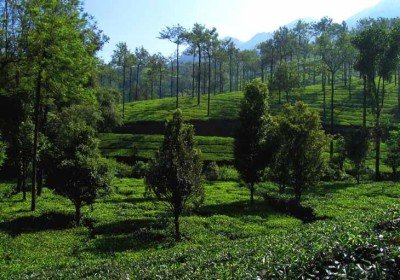
Kuttikkanam
Some quick example text to build on the card title and make up the bulk of the card's content.
Go somewherein Other Cities