Kadathanadan Kalari Centre
General information
-
Ideal Duration:
Short (1. 5 hours)Place Type:
Cultural, Performance, Martial ArtsEntry Fees:
The Ticket Price for the Show: The entry fee for the Kalaripayattu performance at Kadathanadan Kalari Centre is typically fixed and separate from any other attraction in Thekkady. The general ticket price ranges from approximately 200 to 300 Indian Rupees (INR) per person. ...The Ticket Price for the Show: The entry fee for the Kalaripayattu performance at Kadathanadan Kalari Centre is typically fixed and separate from any other attraction in Thekkady. The general ticket price ranges from approximately 200 to 300 Indian Rupees (INR) per person. There are sometimes options for a slightly higher-priced VIP or front-row ticket, which is highly recommended for photographers and enthusiasts who wish to be as close to the action as possible for the most immersive view. The center only accepts cash payments for the tickets, so visitors should ensure they have the necessary currency beforehand.
No Hidden Costs for the Experience: Crucially, the price of the entry ticket is all-inclusive for the one-hour performance. There are no additional charges or hidden fees for viewing the different weapon segments or the unarmed combat sections. The center maintains a clear pricing structure. The money collected is used not only for the operational costs of the facility but also for supporting the training of young practitioners and the ongoing preservation of this historical martial art form, thereby contributing to the cultural heritage of Kerala.Timing:
Fixed Daily Performance Schedule: The Kadathanadan Kalari Centre has a very specific and generally fixed daily performance schedule. The shows are typically held in the evening, which is the most common time for cultural shows in Thekkady after the wildlife activities are d...Fixed Daily Performance Schedule: The Kadathanadan Kalari Centre has a very specific and generally fixed daily performance schedule. The shows are typically held in the evening, which is the most common time for cultural shows in Thekkady after the wildlife activities are done for the day. The most popular time slot is usually around 6:00 PM or 7:00 PM, though sometimes a second show is scheduled during the peak tourist season. The performance lasts for approximately one hour. Visitors must arrive at least 30 minutes before the show's starting time to purchase tickets and secure a good viewing spot, as seating is often first-come, first-served.
Ideal Visit Time for Experience: The ideal time to visit the center is definitely in the late afternoon or evening, corresponding with the fixed show timings. However, if one wishes to see the training process rather than the formal performance, sometimes the center allows visitors to observe the earlier practice sessions in the late afternoon for a brief period. The evening timing is perfect for tourists as it allows a full day of activity in the Periyar sanctuary, followed by a relaxing and culturally rich evening in the town. The atmosphere during the evening show, with its focused lighting and intense energy, is an unforgettable highlight of the Thekkady experience.Special Events:
Annual Guru Poornima Celebration (July/August): The Kadathanadan Kalari Centre, like all traditional Kalaris, places immense importance on the role of the Guru (master). The most significant special event is the annual celebration of Guru Poornima, which usually falls in th...Annual Guru Poornima Celebration (July/August): The Kadathanadan Kalari Centre, like all traditional Kalaris, places immense importance on the role of the Guru (master). The most significant special event is the annual celebration of Guru Poornima, which usually falls in the Hindu month of Ashadha (July or August). This event is a day dedicated to paying respect and gratitude to the Gurus who pass on the ancient knowledge. The day is marked by special rituals at the Puthara, special training sessions, and often a more elaborate demonstration of the art form than the regular tourist show. Students and former disciples travel from afar to participate, making it a very heartfelt and culturally significant event, highlighting the deep-rooted tradition and lineage of the art.Best Photo Spots:
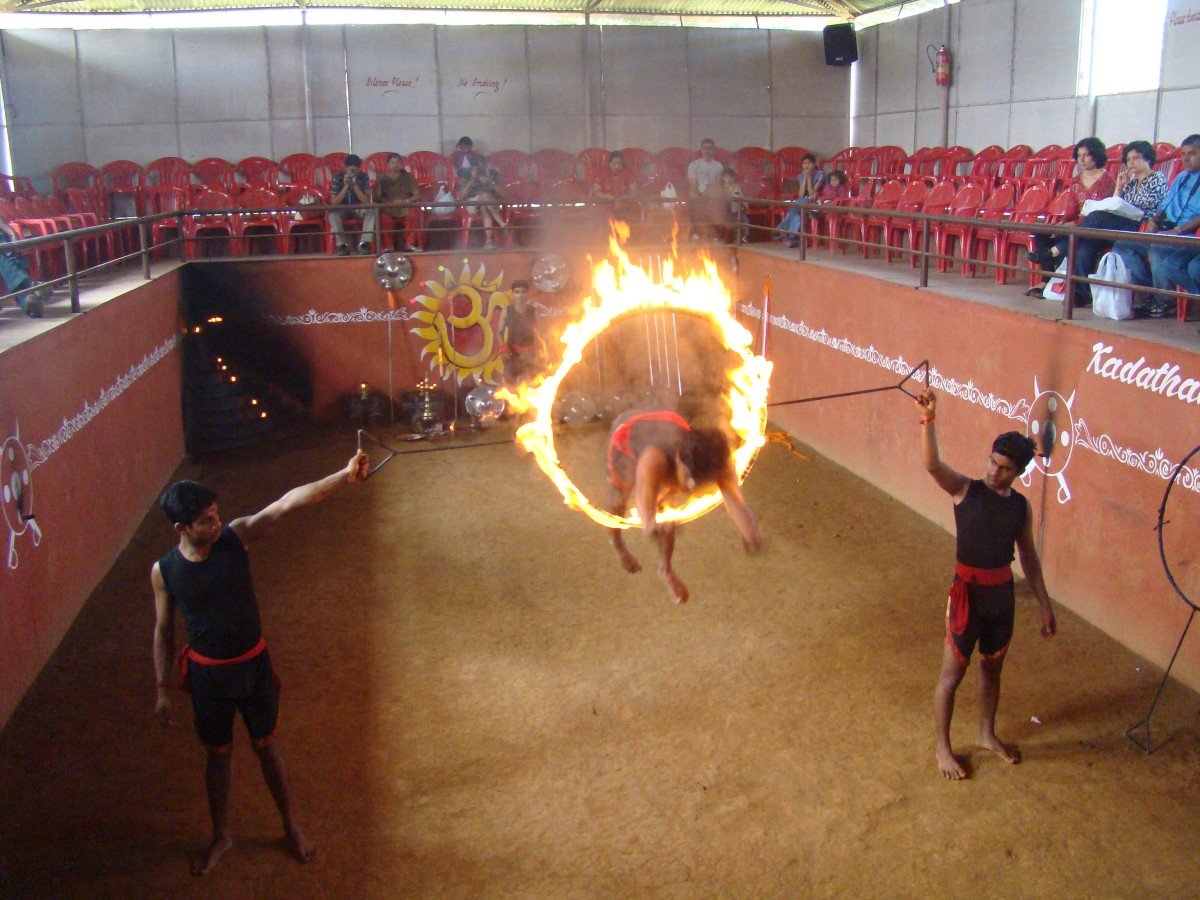
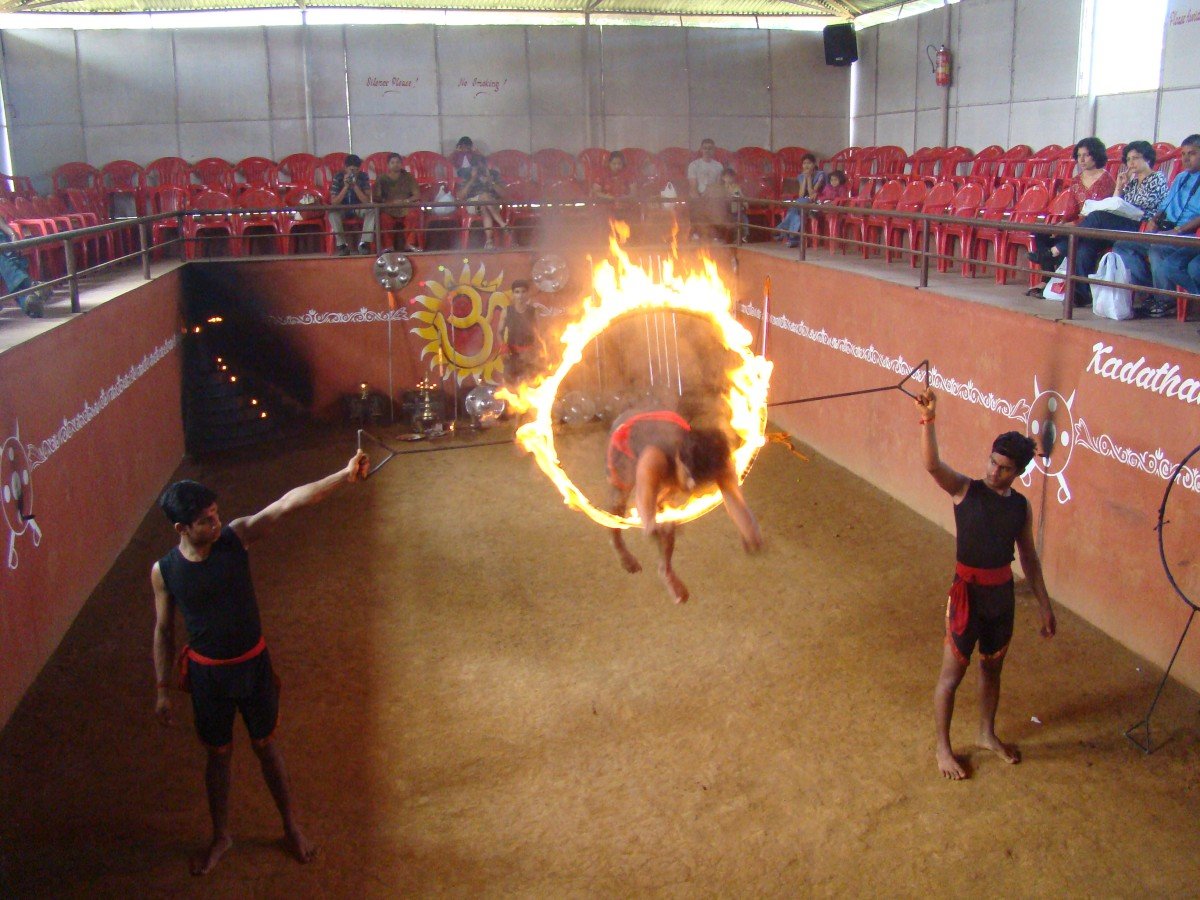
The Sunken Arena and Action Shots: The best photo spot is arguably from the first few rows of the gallery, allowing for a close-up capture of the raw action. The unique perspective of shooting down into the sunken arena, with the performers in motion, creates a dramatic, th...The Sunken Arena and Action Shots: The best photo spot is arguably from the first few rows of the gallery, allowing for a close-up capture of the raw action. The unique perspective of shooting down into the sunken arena, with the performers in motion, creates a dramatic, three-dimensional effect. The key is to use a fast shutter speed to freeze the acrobatic jumps, kicks, and the blur of the fast-moving weapons, especially the flexible Urumi, against the backdrop of the earth floor.
The Puthara and Weapon Display: For cultural and artistic shots, the Puthara (sacred platform) in the corner, adorned with lamps and deities, is an excellent spot. This area represents the soul of the Kalari. Additionally, the static display of traditional weapons like shields, long staves, and various swords, usually placed around the arena, offers great opportunities for still-life photography, capturing the detail and craftsmanship of the tools used in Kalaripayattu.
The Portrait of the Guru and Practitioners: A highly rewarding photographic opportunity is capturing the portraits of the Guru and the chief practitioners, especially after the performance when they are more relaxed. Their expressions, often showing years of discipline and dedication, and their traditional attire make for powerful, engaging portraits. The dramatic lighting of the performance hall can also be used to create artistic, low-key lighting effects for these portraits.Photo Gallery
Things To Do
-
1.
Attend the Daily Kalaripayattu Performance: The primary activity is to attend the daily evening performance, which typically lasts for about an hour. It is a carefully choreographed display that showcases the three main stages of the art: body control, weapon practice, and unarmed combat. Spectators are advised to arrive early to secure a good seat in the gallery surrounding the sunken arena. This is an intense, high-energy demonstration of flexibility, strength, and lightning-fast reflexes. 2.
Learn about the Urumi (Flexible Sword): One of the most captivating parts of the performance is the demonstration of the Urumi. Visitors should pay close attention to the way this highly dangerous and unique weapon is handled. After the show, an excellent thing to do is to specifically ask the practitioners about the his...1.
Attend the Daily Kalaripayattu Performance: The primary activity is to attend the daily evening performance, which typically lasts for about an hour. It is a carefully choreographed display that showcases the three main stages of the art: body control, weapon practice, and unarmed combat. Spectators are advised to arrive early to secure a good seat in the gallery surrounding the sunken arena. This is an intense, high-energy demonstration of flexibility, strength, and lightning-fast reflexes. 2.
Learn about the Urumi (Flexible Sword): One of the most captivating parts of the performance is the demonstration of the Urumi. Visitors should pay close attention to the way this highly dangerous and unique weapon is handled. After the show, an excellent thing to do is to specifically ask the practitioners about the history and technique of the Urumi, a weapon that can be rolled up and worn as a belt but is deadly when unwrapped and wielded. 3.
Explore the Traditional Kalari Structure: Spend time before or after the show observing the architecture of the Kalari pit. Notice the difference in height between the seating area and the performance floor. Look for the Puthara (the sacred platform) in the south-west corner and understand its spiritual significance. Observing the simplicity and functionality of the building provides a crucial context for the performance itself. 4.
Watch the Marma Adi Demonstration: The concept of Marma Adi (striking vital points) is central to Kalaripayattu and its link with Ayurveda. Look for demonstrations that highlight precision and control rather than sheer force. The masters often show how a slight touch can immobilize an opponent. Learning about the concept of Marma points is a fascinating intersection of martial arts and traditional Indian medicine that is unique to this region. 5.
Visit the Nearby Spice Bazaar: The center is located in Thekkady's main junction, making it an excellent opportunity to combine the cultural show with local shopping. A short walk will take you to numerous spice shops and bazaars. Visitors can buy freshly grown spices like cardamom, cloves, and cinnamon, extending the sensory experience of Kerala from the performance hall into the local market. 6.
Try an Ayurvedic Massage: Given the close connection between Kalaripayattu and the traditional healing system of Ayurveda, many centers and resorts nearby offer specialised Ayurvedic massages. The art form’s intense physical demands mean that the practitioners are also experts in therapeutic massages. Experiencing a traditional Kalari massage or a therapeutic Ayurvedic treatment is a great way to recover from your own trekking adventures in Thekkady and complements the cultural experience. 7.
Photograph the Weaponry and Costumes: The practitioners wear simple, traditional, often colourful clothing (dhotis) for their demonstration. The large array of wooden and metal weapons, including shields, spears, and different swords, makes for excellent photographic subjects. Capturing the dynamic action of the performers requires a fast shutter speed, but the static display of the weapons is also very rewarding.
Information
-
Why Famous:
Preservation of an Ancient Art: The center is renowned for its role in preserving and actively promoting Kalaripayattu, often cited as the father of all martial arts, predating even Chinese Kung Fu. The center’s fame lies in the authenticity and high skill level ...
Preservation of an Ancient Art: The center is renowned for its role in preserving and actively promoting Kalaripayattu, often cited as the father of all martial arts, predating even Chinese Kung Fu. The center’s fame lies in the authenticity and high skill level of its practitioners. They demonstrate the full range of the art, from fluid unarmed combat and acrobatic feats to the complex, disciplined use of traditional weapons like the Urumi (flexible sword) and wooden staves. The performance is an unadulterated display of the physical and mental discipline that has been passed down through centuries of Guru-Shishya parampara (master-disciple tradition), offering a rare cultural window.
Unique Indoor Spectacle: Unlike many cultural shows that happen outdoors, the Kadathanadan Kalari Centre provides an intense indoor spectacle. The setting within the traditional Kalari pit ensures that the audience is extremely close to the action, feeling the rush of air from a spinning Urumi or the powerful thud of a landing jump. This proximity creates a more personal and visceral experience for the viewer. The performance is usually held in the evening, the soft, focused lighting adding a dramatic, theatrical element to the fast-paced, rigorous, and ancient dance-like combat sequences. -
Architecture:
Traditional Kalari Pit Design: The structure of the Kadathanadan Kalari Centre is based on the traditional design of a Kalari (training school or gymnasium). The most distinctive feature is the architecture of the arena itself, which is a sunken or excavated pit. The floor...Traditional Kalari Pit Design: The structure of the Kadathanadan Kalari Centre is based on the traditional design of a Kalari (training school or gymnasium). The most distinctive feature is the architecture of the arena itself, which is a sunken or excavated pit. The floor of the Kalari is traditionally lower than the surrounding ground level, which keeps the earth-based floor naturally cool and humid, essential for the demanding physical training. This design, which often involves an east-west orientation, symbolises the ancient temple architecture and respect for the natural elements. The center follows this principle, creating an intimate, enclosed arena that allows the audience to sit close to the action, enhancing the intensity and connection with the performers.
The Puthara (South-West Corner): Architecturally, the most sacred and significant part of the Kalari is the Puthara or the 'Seven-tiered platform,' located in the south-west corner. This platform is where the deities of the Kalari and the Gurus (masters) are enshrined and worshipped. It is decorated with flowers and lamps, representing the seven essential qualities or steps of Kalaripayattu mastery. The presence of the Puthara signifies that the Kalari is not just a place of physical training but also a sacred space for spiritual and ethical development. The roof is usually tiled, and the walls are semi-open to allow for ventilation while maintaining an enclosed, focused environment for the performance and training. -
How To Reach:
By Air: The nearest major airport is Cochin International Airport (COK), located approximately 190 KMS away, or Madurai International Airport (IXM), which is about 150 KMS away. From the airport, one must hire a pre-paid taxi or take a bus to reach Thekkady town. The journ...By Air: The nearest major airport is Cochin International Airport (COK), located approximately 190 KMS away, or Madurai International Airport (IXM), which is about 150 KMS away. From the airport, one must hire a pre-paid taxi or take a bus to reach Thekkady town. The journey involves navigating the scenic, winding roads of the Western Ghats, which takes about 4 to 5 hours.
By Train: The closest major railhead is Kottayam Railway Station (KTYM), situated about 110 KMS from Thekkady. Kottayam has regular train services from all major Indian cities. From the station, the final leg of the journey to the Kadathanadan Kalari Centre must be completed by road, either via a hired taxi or one of the frequent public bus services heading towards Kumily/Thekkady.
By Road: The center is located right in Ambadi Junction, the heart of Thekkady town (which is often referred to as Kumily town). This makes it extremely accessible by road. State-run and private buses from Cochin, Munnar, and Kottayam all stop nearby. If driving, the center is easily found just off the main highway connecting the town.
By Local Transport: The center’s location right at Ambadi Junction means it is easily reached by foot from most hotels and homestays in Thekkady/Kumily. For tourists staying further away, auto-rickshaws are the most efficient and cheapest local transport option. Taxis are also readily available from the town center and can be hired for round trips to and from the center, often waiting right outside the facility after the evening show concludes. -
Weather and Best Time to Visit:
Peak Tourist Season (October to February): The best time for a visit is during the peak tourist season, from October to February. The weather is cool, dry, and comfortable, making the evening walk to and from the center very pleasant. Since the Kalaripayattu performance is...Peak Tourist Season (October to February): The best time for a visit is during the peak tourist season, from October to February. The weather is cool, dry, and comfortable, making the evening walk to and from the center very pleasant. Since the Kalaripayattu performance is an indoor event, the climate does not affect the show itself, but the pleasant weather enhances the overall enjoyment of the cultural outing as an evening activity. During the Day vs.
Evening: The most appropriate and only recommended time to visit is the evening, when the actual performance is scheduled. The atmosphere and the dramatic lighting during the evening show are part of the integral experience. During the day, the center is typically used for private training, and visitors are generally not permitted to watch. Therefore, all planning should revolve around the fixed evening show time. -
Near Tourist Places:
1.
Green Park Ayurvedic & Spice Plantation: (1 KMS) - Nearby plantation for day tours. 2.
Thekkady Spice Bazaar: (0. 5 KMS) - Local market for spice shopping. 3.
Elephant Junction Thekkady: (2 KMS) - Activity spot for elephant rides and bathing. 4.
Periyar Lake (Boating Area): (4 KMS) - The main wildlife sanctuary attraction. 5.
Abraham's Spice Garden: (1 KMS) - Another popular spice and Ayurveda centre. 6.
Pandalom Tea Factory: (12 KMS) - For tea processing and tasting tours. 7.
Deepa World Spice and Ayurvedic Garden: (2 KMS) - A different plantation experience. 8.
Vandiperiyar: (18 KMS) - Nearby town famous for Tea estates. 9.
Anakkara: (13 KMS) - Village known for its spice trade. 10.
Pullumedu: (35 KMS) - Scenic hilltop (requires special permission).
Tourism Tips
-
Health & Safety During Viewing: While the performance is thrilling, spectators should always follow the guidelines of the center. Do not cross the boundary barrier around the arena, as the performers move at incredible speed and with highly sharp weapons. Keep cameras secu...Health & Safety During Viewing: While the performance is thrilling, spectators should always follow the guidelines of the center. Do not cross the boundary barrier around the arena, as the performers move at incredible speed and with highly sharp weapons. Keep cameras secure and maintain focus on the show. Flash photography is often disallowed during the main action to avoid distracting the performers, so it is important to check with the center's staff beforehand.
Packing for the Show: Since the show is an evening event, pack a light jacket or shawl for comfort, as the temperatures can drop slightly after sunset. A comfortable viewing experience is paramount. A good camera with low-light capability is helpful for capturing the fast-paced action under the dramatic lighting.
Accommodation and Booking: The center is located in the main market area of Thekkady/Kumily, so there are numerous hotels, resorts, and restaurants within a very short walking distance. It is advisable to pre-book accommodation in this area if one plans to attend the show and enjoy the local evening atmosphere. Tickets for the show can often be purchased at your hotel's reception or directly at the center’s ticket counter.
Other Important Etiquette: Silence during the performance is highly appreciated, allowing all spectators to fully immerse themselves in the sounds of the movement and weapons. Photography is usually permitted but avoid flash. Show deep respect for the Guru and the practitioners, as this is a sacred and highly disciplined art form. Consider dining at one of the local Kerala restaurants nearby after the show to round off the cultural evening.
Reviews
FAQs
Thekkady Itineray And Cost:-
Kadathanadan Kalari Centre Tourism:-
Other Places In Thekkady :-
Other States In India :-
Information about New and Updated Locations() of Kerala Has Been Added :-
Card subtitle
Note:-
Information provided here in good Faith and for reference only.
Near Places

Abraham's Spice Garden
Some quick example text to build on the card title and make up the bulk of the card's content.
Go somewhere
Anakkara
Some quick example text to build on the card title and make up the bulk of the card's content.
Go somewhere
Aruvikuzhi View Point
Some quick example text to build on the card title and make up the bulk of the card's content.
Go somewhere
Bamboo Rafting
Some quick example text to build on the card title and make up the bulk of the card's content.
Go somewhere
Calvary Mount
Some quick example text to build on the card title and make up the bulk of the card's content.
Go somewhere
Cheeyappara Waterfall
Some quick example text to build on the card title and make up the bulk of the card's content.
Go somewhere
Chellarcovil View Point
Some quick example text to build on the card title and make up the bulk of the card's content.
Go somewhere
Chellarkovil
Some quick example text to build on the card title and make up the bulk of the card's content.
Go somewhere
Chellarkovil Viewpoint
Some quick example text to build on the card title and make up the bulk of the card's content.
Go somewhere
Deepa World Spice Garden
Some quick example text to build on the card title and make up the bulk of the card's content.
Go somewhere
Elephant Junction
Some quick example text to build on the card title and make up the bulk of the card's content.
Go somewhere
Gavi Eco-Tourism
Some quick example text to build on the card title and make up the bulk of the card's content.
Go somewhere
Green Park Ayurvedic & Spice Plantation
Some quick example text to build on the card title and make up the bulk of the card's content.
Go somewhere
Greenvalley Spice Garden
Some quick example text to build on the card title and make up the bulk of the card's content.
Go somewhere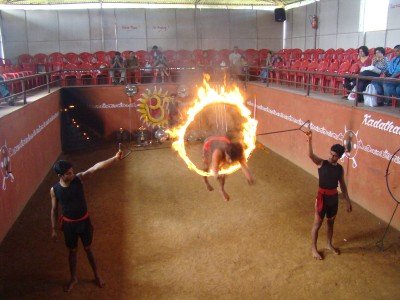
Kadathanadan Kalari Centre
Some quick example text to build on the card title and make up the bulk of the card's content.
Go somewhere
Kuttikkanam
Some quick example text to build on the card title and make up the bulk of the card's content.
Go somewherein Other Cities