


Bhandasar Jain Temple
General information
-
Ideal Duration:
1 to 1. 5 hoursPlace Type:
Religious Place / Jain TempleEntry Fees:
Zero Entry Fee Policy In line with the tradition of most places of worship in India, the Bhandasar Jain Temple has No Entry Fee for visitors, both Indian nationals and Foreign nationals. The temple's primary purpose is a place of worship and spiritual practice, and access is generally free. This ...Zero Entry Fee Policy In line with the tradition of most places of worship in India, the Bhandasar Jain Temple has No Entry Fee for visitors, both Indian nationals and Foreign nationals. The temple's primary purpose is a place of worship and spiritual practice, and access is generally free. This policy ensures that the temple is accessible to all devotees and tourists interested in its history and art. Donation for Maintenance While there is no mandatory fee, there are often donation boxes or a designated counter where visitors are encouraged to make a voluntary contribution (daan). These donations are vital for the day-to-day running of the temple, the conduct of pujas and rituals, and the crucial work of conservation and maintenance of the invaluable frescoes, murals, and the entire historical structure. Visitors are highly encouraged to contribute a small amount to support the preservation of this unique monument. Guide and Service Costs If a visitor wishes to hire a local guide for a detailed explanation of the Jain faith, the temple's history, and its art, they would need to pay the guide's fee separately (usually negotiable, starting from INR 200). Some minimal charges may apply for storing personal items like bags or mobile phones if the temple's rules restrict carrying them inside.Timing:
Regular Timings: The temple operates on a schedule common for many pilgrimage centers, with two distinct phases to accommodate daily rituals and the hot climate:
Morning Session: Generally open from 5:00 AM or 6:00 AM to 1:00 PM.
<...Regular Timings: The temple operates on a schedule common for many pilgrimage centers, with two distinct phases to accommodate daily rituals and the hot climate:
Morning Session: Generally open from 5:00 AM or 6:00 AM to 1:00 PM.
Evening Session: Generally open from 5:00 PM or 5:30 PM to 9:00 PM or 11:30 PM. These hours accommodate the early morning rituals and the evening aarti of the Jain faith. Tourists should check locally for any minor variations, especially during festival months like March or April.
Ideal Visit Time: The ideal time to visit for a tourist is the early morning session, between 9:00 AM and 11:00 AM on a weekday.
For Devotion: The absolute best time for a spiritual experience is right at 5:00 AM/6:00 AM to witness the daily morning rituals and prayers with local devotees.
For Photography/Art: A visit around 10:00 AM during the winter months (October to March) is ideal. The light is bright enough to illuminate the richly decorated interiors without the harsh glare of midday sun, allowing the gold leaf and mirror work to sparkle. Visiting immediately after the temple reopens in the evening is also a good option for a quieter, more reflective viewing.Special Events:
Mahavir Jayanti As a Jain temple, the most significant special event is Mahavir Jayanti, the birth anniversary of Lord Mahavir, the 24th Tirthankara. This festival, which usually falls in March or April (Chaitra Month), is celebrated with great pomp. The temple is lavishly decorated with flowers ...Mahavir Jayanti As a Jain temple, the most significant special event is Mahavir Jayanti, the birth anniversary of Lord Mahavir, the 24th Tirthankara. This festival, which usually falls in March or April (Chaitra Month), is celebrated with great pomp. The temple is lavishly decorated with flowers and lights. A major activity includes a procession (Rath Yatra) of the idol or a picture of Lord Mahavir through the surrounding streets of Bada Bazar. Devotees engage in prayer, fasting, and reading scriptures. Visitors on this day will experience the temple at its most vibrant and spiritually charged. Paryushan Parva The annual Jain festival of Paryushan Parva (also known as Dashlakshana Dharma Parva) is another important time, typically observed in the monsoon months (August or September). During this period, the temple hosts special ceremonies, discourses, and intensive spiritual practices like fasting and meditation. The main feature is the public reading of the Kalpa Sutra, which includes the story of Lord Mahavir's birth. This time offers a profound look into the inner-workings of the Jain faith. Annual Bhandasa Memorial Day While not a religious event, a small, localized ceremony or gathering may be held to commemorate the memory of the temple's founder, Bhandasa Oswal. This is a community-focused event that honors the patron and the legacy of his unique and costly act of building the temple's foundation with ghee.Best Photo Spots:
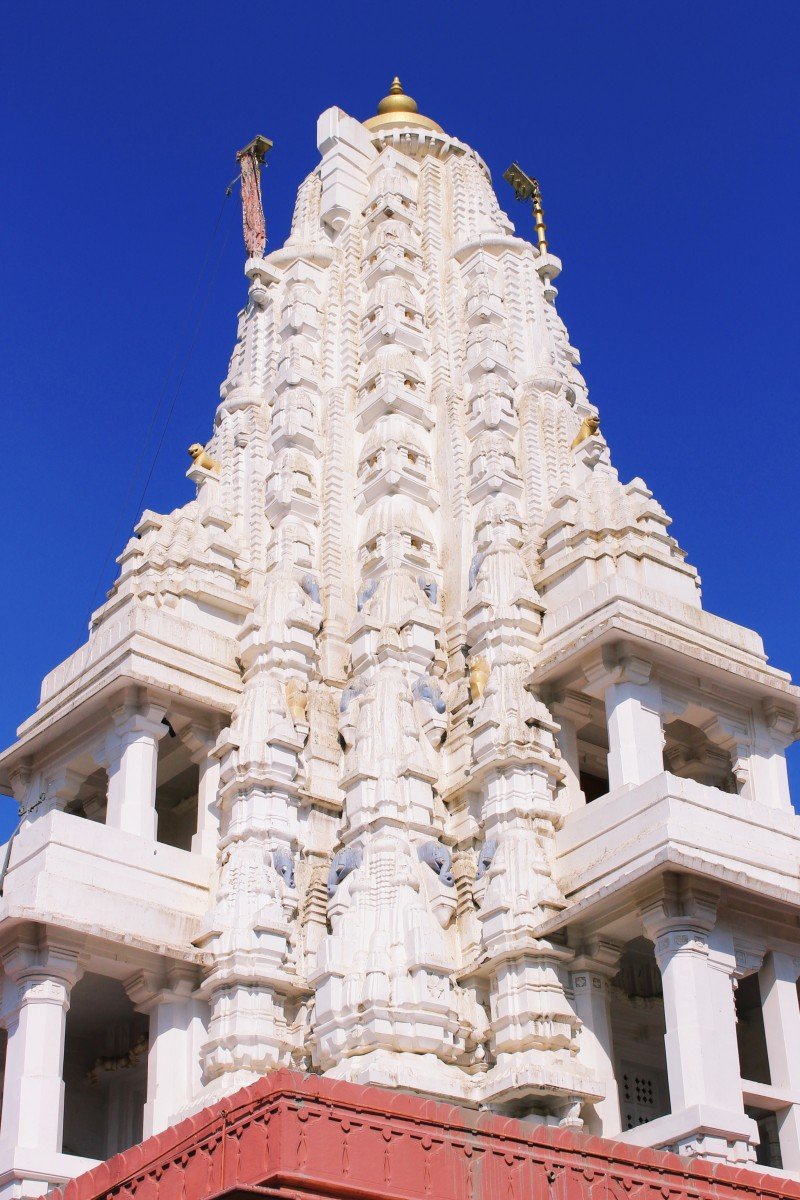
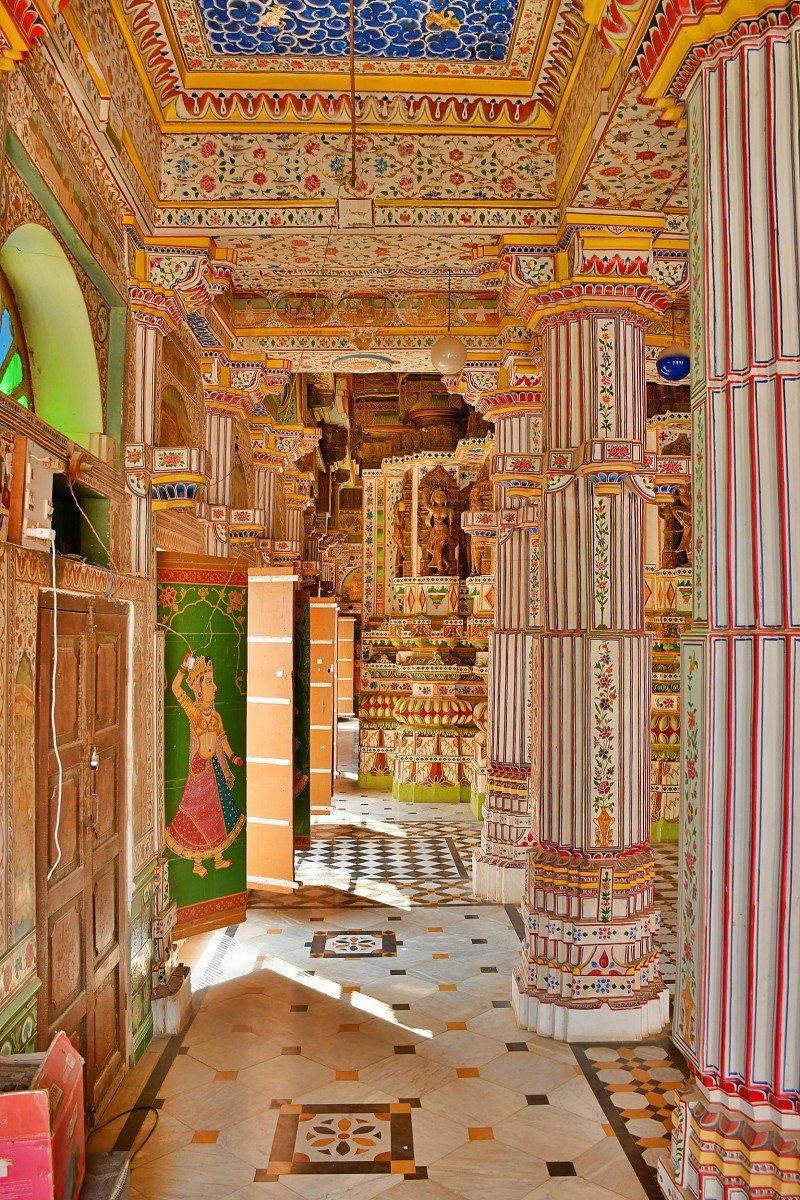
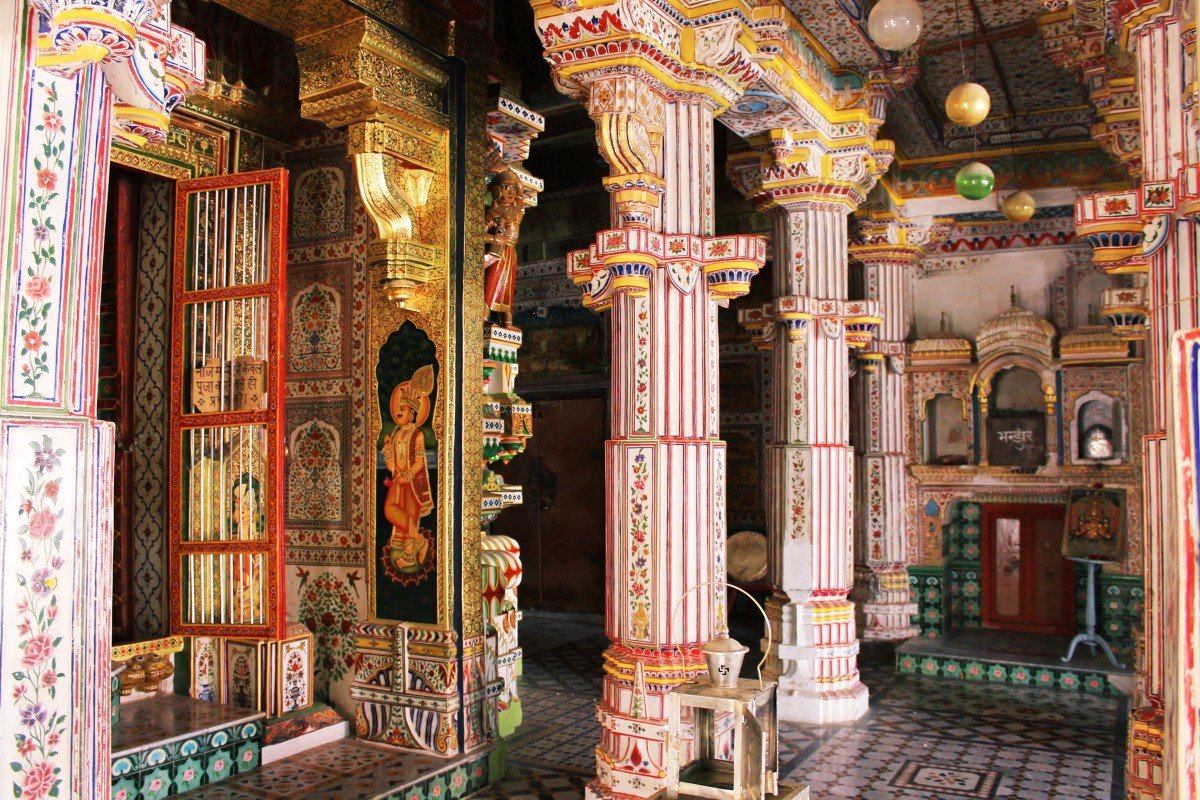
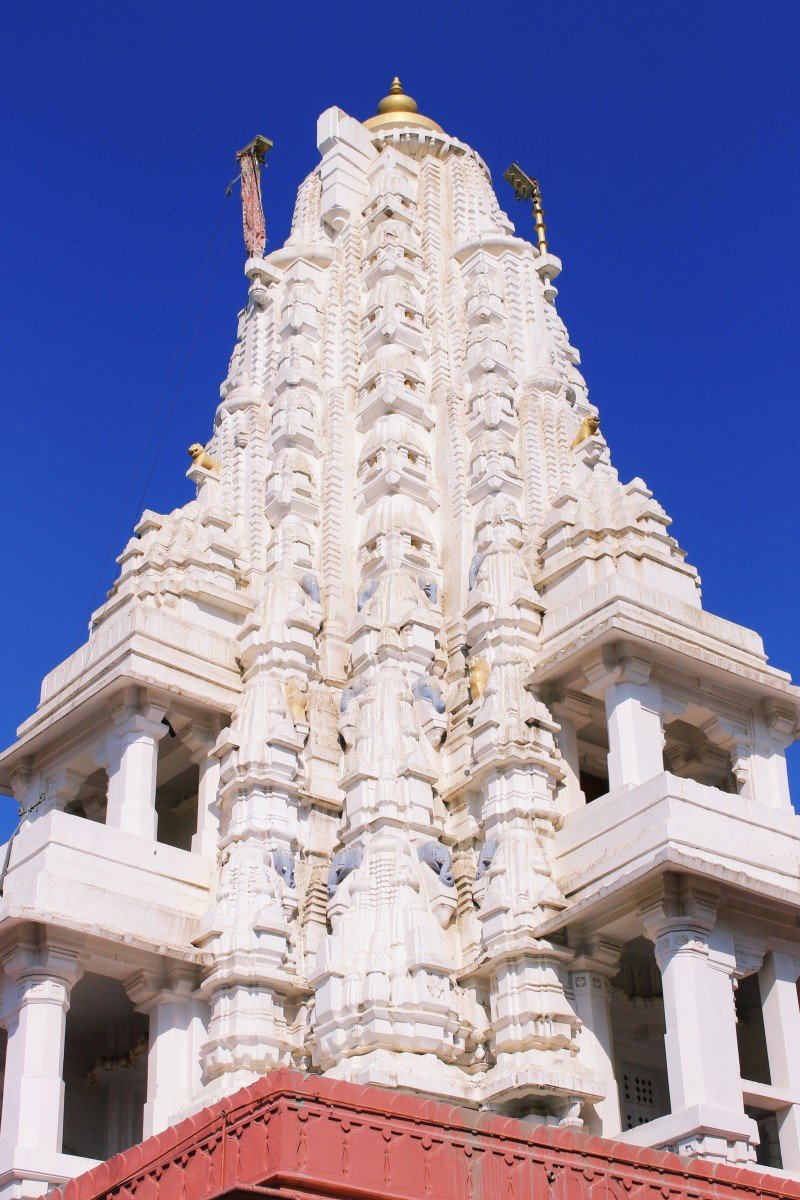
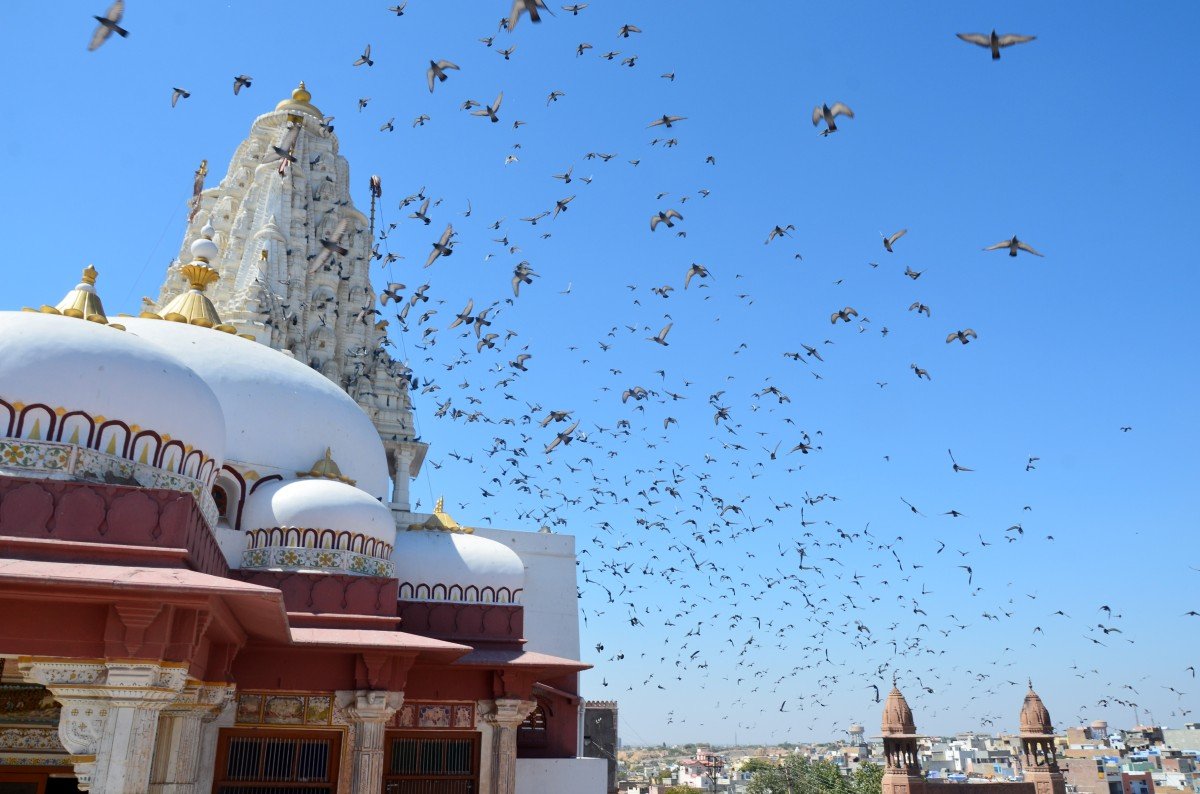
The Gold Leaf and Mirror Ceiling The primary and most famous photo spot is the main ceiling of the mandapa (hall). It is a riot of color, with stunning gold leaf paintings and intricate mirror work. The challenge is to capture the vastness and the shimmering effect. Use a wide aperture for a sha...The Gold Leaf and Mirror Ceiling The primary and most famous photo spot is the main ceiling of the mandapa (hall). It is a riot of color, with stunning gold leaf paintings and intricate mirror work. The challenge is to capture the vastness and the shimmering effect. Use a wide aperture for a shallow depth of field to draw attention to the art or a wide-angle lens to capture the whole ceiling, often illuminated by the light from the shikhara. The Grand Red and White Exterior The exterior of the three-story temple, painted in bold red and white, offers a striking contrast to the blue Bikaner sky. The best angle is often from the street below or the opposite building (if accessible) to capture the entire height and the Nagara shikhara detail. Focus on the contrasting colors and the symmetry of the entrance archway. Pillar and Archway Detailing Focus on the pillars and arches within the mandapa. They are all exquisitely carved and painted. A close-up shot focusing on the delicate floral, geometric, and miniature figure carvings, especially where the red sandstone meets the color and gold paint, provides a great study in texture and traditional craftsmanship. Look for the small Jina images embedded in the door lintels. The Panoramic Skyline View If access to the upper floor is permitted, the view of the surrounding Bada Bazar and the old city skyline is a superb photo opportunity. Capture the dense, historical architecture of the old city from above, framed by the temple's archways or windows. This is a rare angle for capturing Bikaner's urban fabric.Photo Gallery


Things To Do
-
Detailed Art Appreciation Tour: Analyzing the Frescoes Spend the majority of your time inside the main temple hall and the sanctum to analyze the vibrant frescoes and wall paintings. The paintings are a visual textbook of Jain cosmology and mythology, illustrating the lives of the 24 Tirthankaras and significant celestial figures.
Take a moment to identify the central themes: the concept of dharma (duty), ahimsa (non-violence), and the path to moksha (salvation). Look for the use of natural pigments and the characteristic metallic sheen of the gold leaf work. Try to discern the different Rajput and Usta influences in the artistic style. This is an activity best done in the early morning light to appreciate the colors before the interior becomes too dark.
Architectural Material and Structure St...Detailed Art Appreciation Tour: Analyzing the Frescoes Spend the majority of your time inside the main temple hall and the sanctum to analyze the vibrant frescoes and wall paintings. The paintings are a visual textbook of Jain cosmology and mythology, illustrating the lives of the 24 Tirthankaras and significant celestial figures.
Take a moment to identify the central themes: the concept of dharma (duty), ahimsa (non-violence), and the path to moksha (salvation). Look for the use of natural pigments and the characteristic metallic sheen of the gold leaf work. Try to discern the different Rajput and Usta influences in the artistic style. This is an activity best done in the early morning light to appreciate the colors before the interior becomes too dark.
Architectural Material and Structure Study: The Ghee Foundation Engage with the temple's foundational legend by looking closely at the plinth and walls. While you won't see liquid ghee, the belief is that the construction material has a peculiar texture or scent on hot days. Examine the transition between the brick-like plinth and the red sandstone walls. Compare the external Nagara shikhara architecture with the highly decorative interiors. The main activity here is a material study, observing how the temple was constructed to withstand the harsh desert environment, using its height and material choices.
Spiritual and Observational Practice: Participating in Devotion If you are visiting during the early morning hours (5:00 AM - 9:00 AM), you will witness the daily Jain devotional practices, which may include aarti (lamp ceremony), recitation of shlokas (hymns), and offerings (puja). As a respectful observer, you can sit quietly in the mandapa and soak in the spiritual ambiance. This offers a profound cultural experience, allowing you to observe the rituals and the deep faith of the Jain community. Remember to observe all rules, such as removing shoes and avoiding leather items.
Photography for Interior Opulence: Capturing Light and Color Bhandasar Jain Temple is a dream for interior photography. Focus on capturing the mirror work and the gold leaf paintings under soft, ambient light (flash photography might be restricted or inappropriate). The key is to capture the feeling of opulence and the reflection of light. Use a low angle to capture the entire height of the painted ceilings, and a mid-range shot to show the intricate carving on the pillars of the mandapa. The exterior, with its brightly painted red and white sandstone, also makes for excellent color contrast shots against the clear Rajasthan sky.
Exploring the Bada Bazar Area: Local Culture Immersion The temple is located in the old city's Bada Bazar area, making it an excellent opportunity to immerse yourself in local Bikaner culture. After the visit, take a walk through the market. Observe the old havelis (mansions), which were also patronized by wealthy merchants. Engage in souvenir shopping for local handicrafts or try authentic Rajasthani snacks from street vendors. This extends the experience beyond the monument into the everyday life of the city.
Seeking the Skyline View: The Three Stories Though access to the third floor might be closed, ask the temple authorities if any terrace is accessible. If so, climbing the stairs to the upper stories to take in the panoramic view of the Bikaner city skyline is a rewarding activity. This vantage point allows you to see the contrast between the old, congested city and the newer developments, often with the great Junagarh Fort visible in the distance.
Comparing with Nearby Temples: Laxminath Contrast The temple is near the revered Shri Laxminath Temple (a Hindu temple). An interesting activity is a comparative visit to both. Observe and contrast the Jain architecture, iconography, and dec
Information
-
Why Famous:
The Ghee Foundation Legend The most famous reason for its renown is the extraordinary legend that the foundation of the temple was built using 40,000 kilograms of ghee instead of water. This unique fact is a powerful testament to the financial capabilities and the deep-seated spiritual devotion o...The Ghee Foundation Legend The most famous reason for its renown is the extraordinary legend that the foundation of the temple was built using 40,000 kilograms of ghee instead of water. This unique fact is a powerful testament to the financial capabilities and the deep-seated spiritual devotion of the Jain merchant Bhandasa who commissioned it. It has earned the temple the worldwide nickname, 'The Temple Built on Ghee'. Stunning Interior Gold Leaf Art The temple is renowned for its mesmerizing, colorful interiors. The extensive use of gold leaf paintings and delicate frescoes on the walls and ceilings makes it an unparalleled art museum. The vibrant depiction of Jain stories, floral motifs, and the sparkling effect of the mirror work create an atmosphere of opulent spiritual splendor, drawing art lovers from across the globe. Panoramic City View Being a three-story structure, the temple, particularly from its upper levels (though access may be restricted today for preservation), traditionally offered one of the best panoramic views of the old Bikaner city. The sheer height and its location near the historic center made it a landmark structure providing a unique perspective of the city's skyline and surrounding architecture. -
Architecture:
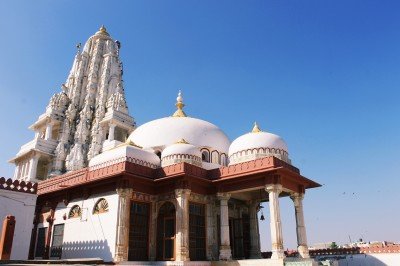
Architectural Style: Shekhari and Nagara with Rajput Elements The temple is primarily built in the Shekhari style of Nagara temple architecture, characterized by a tall, multi-spired superstructure (shikhara) composed of smaller replicas of the main shikhara. The main body...Architectural Style: Shekhari and Nagara with Rajput Elements The temple is primarily built in the Shekhari style of Nagara temple architecture, characterized by a tall, multi-spired superstructure (shikhara) composed of smaller replicas of the main shikhara. The main body is constructed primarily of Dulmera red sandstone, painted over in striking red and white colors. The enclosing wall and entrance gateway are designed with Nagarkhana-like features, an influence from local Rajput fortress architecture.
Unique Interior Artistry: Frescoes and Mirror Work The architectural highlight is the lavish interior ornamentation. The ceilings and walls of the mandapa (pillared hall) and garbhagriha are a riot of color, featuring detailed frescoes and gold leaf paintings. These murals use vibrant colors like red, green, and gold and depict stories from Jain mythology. The use of mirror work and brightly colored glass pieces embedded into the walls and ceilings is another striking feature, causing the entire hall to sparkle under natural light. Dimension and Structure The temple is a prominent three-story structure, making it one of the tallest Jain temples in Bikaner. Its plan includes the standard Hindu/Jain temple components: an ardhamandapa (front porch), a mandapa (pillared hall), an antarala (antechamber), and the central garbhagriha (sanctum sanctorum). The plinth of the temple is notably high, built to prevent potential damage from the elements. The main shikhara is often cited as being over 100 feet high. -
How To Reach:
By Air: The nearest commercial airport is Nal Airport (NAL), about 10-15 km away, with limited connectivity. Jaipur International Airport (JAI) (~330 km) is the best major-city gateway.
From Nal Airport (NAL): Hire a taxi directly to the ...By Air: The nearest commercial airport is Nal Airport (NAL), about 10-15 km away, with limited connectivity. Jaipur International Airport (JAI) (~330 km) is the best major-city gateway.
From Nal Airport (NAL): Hire a taxi directly to the temple. The temple is located in the crowded, central Bada Bazar area.
From Jaipur Airport (JAI): Take an intercity taxi or a connecting train to Bikaner Junction.
By Train: The nearest major station is Bikaner Junction (BKN), and the second station is Lalgarh Junction (LGH). Bikaner Junction is well-connected to major cities across India.
From Bikaner Junction (BKN): The temple is close, only about 3-4 km away. The best way to reach is by a local auto-rickshaw or a cycle-rickshaw. Due to the narrow lanes of the old city, a cycle-rickshaw might be more convenient for the last stretch.
By Road: Bikaner is connected to all major Rajasthani and North Indian cities via National Highways (NH 11, NH 62).
Self-Drive/Hired Car: Driving to Bikaner is straightforward. However, driving or parking a large vehicle near the temple in the congested lanes of the Bada Bazar area can be extremely challenging. It is recommended to park a car further out and take a local rickshaw or walk the final distance.
Bus Services: Regular bus services operate to Bikaner from cities like Jaipur, Delhi, and Jodhpur. From the main Bikaner bus stand, take a local auto-rickshaw.
By Local Transport (Within Bikaner):
Auto-Rickshaws (Tuk-Tuks): This is the most practical way to reach the temple. They can navigate the crowded city streets easily. State the destination as "Bhandasar Jain Mandir in Bada Bazar. " Always negotiate the fare beforehand.
Cycle-Rickshaws: For visitors staying in the old city, a cycle-rickshaw is an eco-friendly and enjoyable way to traverse the narrow, winding lanes leading to the temple. They are also very convenient for the final approach due to the heavy pedestrian traffic.
Walking: If you are staying very close to the old city center, the temple is an enjoyable walk, allowing you to appreciate the Rampuria Havelis and the traditional architecture along the way. -
Weather and Best Time to Visit:
Different Types of Seasons: The best season to visit Bhandasar Jain Temple is the Winter SeasonRs.from October to March.
Winter (October - March): The pleasant, cool weather (20Rs.C to 25Rs.C) is ideal for walking through the old city's congeste...Different Types of Seasons: The best season to visit Bhandasar Jain Temple is the Winter SeasonRs.from October to March.
Winter (October - March): The pleasant, cool weather (20Rs.C to 25Rs.C) is ideal for walking through the old city's congested lanes to reach the temple. The comfortable climate makes the viewing experience inside the temple's halls much more enjoyable. This period is also the main tourist season for Bikaner.
Monsoon (July - September): While temperatures are slightly lower than summer, the increased humidity and the potential for slippery surfaces in the old market lanes make it a less ideal time. The core religious festivals like Paryushan often fall during this period, offering a special spiritual atmosphere.
Summer (April - June): The scorching heat of the Thar Desert (40Rs.C+) is very challenging. Visiting during this time can be uncomfortable due to the lack of air conditioning and the need to walk through the unshaded outdoor market. It is strongly advised to avoid midday visits.
Different Parts of the Day: Early Morning (5:00 AM - 9:00 AM) This is the best part of the day for a full experience. You can witness the daily Jain rituals and the temple is quiet before the main rush. The light is soft for viewing the intricate details. Late Morning (9:00 AM - 1:00 PM) This is the most popular time for tourists. The interiors are bright, allowing the gold leaf and mirror work to shimmer beautifully. Evening Session (5:00 PM - 7:00 PM) A quiet, reflective time. The evening aarti (if performed) provides a serene atmosphere. This is also a good time to combine the temple visit with exploring the bustling evening market of Bada Bazar. Midday (1:00 PM - 5:00 PM) The temple may be closed during this time, so check the timings carefully to avoid disappointment. -
Near Tourist Places:
Serial No. Place Name Distance (in KMs) Type (City, Town, Village) Notes
:
:
:
: 1 Shri Laxminath Temple < 1 KM City Area Very close by, a revered Hindu temple. 2 Rampuria Group of Havelis ~1. 5 KMs City Area Famous for their intricate architecture. 3 Junagarh Fort ~2 KMs City Center The city's main historical fort. 4 Prachina Museum ~2 KMs City Center Located inside the Junagarh Fort. 5 Kote Gate ~2. 5 KMs City Center The main city entrance and bustling market area. 6 Ganga Singh Museum ~3 KMs City Center Houses archaeological artifacts. 7 Bikaner Junction Railway Station ~3 KMs City Center Central transport hub. 8 Lalgarh Palace ~6 KMs City Center Magnificent red sandstone palace. 9 Laxmi Niwas Palace ~6 KMs City Center Former royal residence. 10 Devi Kund Sagar ~10 KMs City Outskirts Royal Cenotaphs, requires separate transport.
Tourism Tips
-
Health & Safety:
Footwear and Leather Restriction: You must remove your shoes before entering the temple. Additionally, as a Jain temple, leather goods (belts, wallets, bags, etc. ) are often strictly prohibited inside the main complex. B...Health & Safety:
Footwear and Leather Restriction: You must remove your shoes before entering the temple. Additionally, as a Jain temple, leather goods (belts, wallets, bags, etc. ) are often strictly prohibited inside the main complex. Be prepared to leave these items outside at a designated, often free, counter.
Modest Dress: Dress modestly as a sign of respect for the religious site. Shoulders and knees should ideally be covered.
Silence and Respect: Maintain a quiet and respectful demeanor. This is a functional place of worship, not just a historical monument. Do not touch the walls or the delicate murals.
Packing:
Socks: Since you must remove your shoes, wearing a pair of socks is highly recommended, especially during the cold winter months or to protect your feet from the hot stone floor in summer.
Small Day Bag: Due to the restriction on bags and leather, carry minimal items in a small, cloth or non-leather bag that can easily be left at the entrance counter.
Hand Sanitizer: Useful after touching public surfaces and before leaving the temple.
Accommodation:
Old City Charm: Staying in a heritage haveli or hotel in the old city area puts you within walking distance or a short rickshaw ride of the temple. This area offers a unique immersion into Bikaner's traditional lifestyle.
City Center Access: If prioritizing modern comfort and access to major tourist sights, stay in hotels near Junagarh Fort or Lalgarh Palace.
Other Different Topics:
Local Market Experience: Budget time for exploring the Bada Bazar after your visit. It's a great place to buy local Bikaneri sweets, spices, and handicrafts.
Local Guide: Due to the complex nature of the frescoes and the specific details of Jain mythology, hiring a local guide is highly recommended to fully appreciate the art and history. Negotiate their fee politely before you start.
Water and Refreshments: Due to its location in the old city, finding clean, packaged water bottles can be difficult in the immediate vicinity. It's best to carry your own. There are no large cafes or restaurants immediately next to the temple.
Donation: Always carry a small amount of cash if you wish to make a voluntary contribution to the temple's upkeep.
Reviews
FAQs
Bikaner Itineray And Cost:-
Bhandasar Jain Temple Tourism:-
Other Places In Bikaner :-
Other States In India :-
Information about New and Updated Locations() of Rajasthan Has Been Added :-
Card subtitle
Note:-
Information provided here in good Faith and for reference only.
Near Places
Bhandasar Jain Temple
Some quick example text to build on the card title and make up the bulk of the card's content.
Go somewhere
Bikaji Ki Tekri
Some quick example text to build on the card title and make up the bulk of the card's content.
Go somewhere
Bikana Chowpatty
Some quick example text to build on the card title and make up the bulk of the card's content.
Go somewhere
Bikaner Miniature Arts Gallery
Some quick example text to build on the card title and make up the bulk of the card's content.
Go somewhere
Camel Festival Ground
Some quick example text to build on the card title and make up the bulk of the card's content.
Go somewhere
Camel Safari
Some quick example text to build on the card title and make up the bulk of the card's content.
Go somewhere
Devi Kund Sagar
Some quick example text to build on the card title and make up the bulk of the card's content.
Go somewhere
Fun World Waterpark
Some quick example text to build on the card title and make up the bulk of the card's content.
Go somewhere
Gajner Palace & Wildlife Sanctuary
Some quick example text to build on the card title and make up the bulk of the card's content.
Go somewhere
Ganga Golden Jubilee Museum
Some quick example text to build on the card title and make up the bulk of the card's content.
Go somewhere
Ganga Government Museum
Some quick example text to build on the card title and make up the bulk of the card's content.
Go somewhere
Junagarh Fort
Some quick example text to build on the card title and make up the bulk of the card's content.
Go somewhere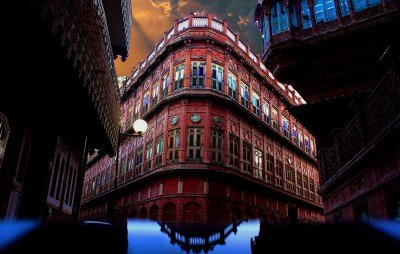
Jyotish Number 1
Some quick example text to build on the card title and make up the bulk of the card's content.
Go somewhere
Kalibanga
Some quick example text to build on the card title and make up the bulk of the card's content.
Go somewhere
Kodamdesar Temple
Some quick example text to build on the card title and make up the bulk of the card's content.
Go somewhere
Kodamdeshwar Temple
Some quick example text to build on the card title and make up the bulk of the card's content.
Go somewherein Other Cities