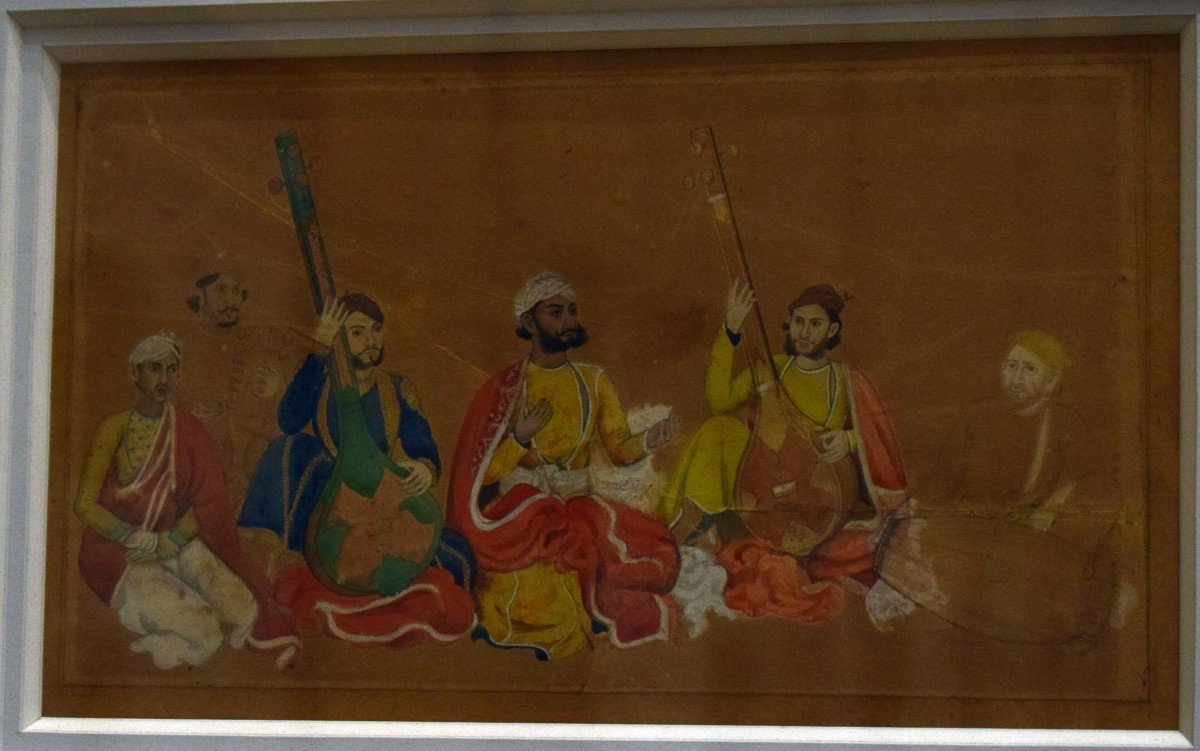
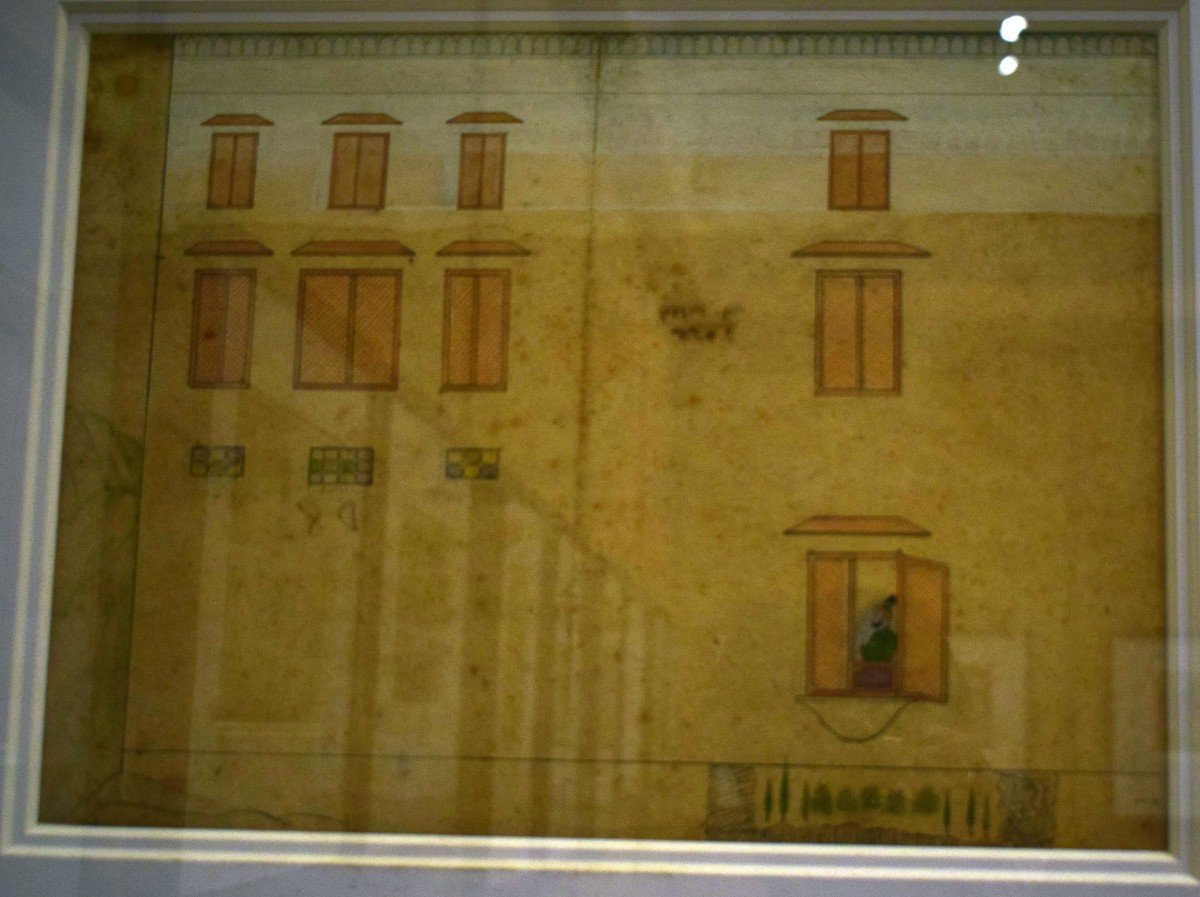
Bikaner Miniature Arts Gallery
General information
-
Ideal Duration:
1 to 3 HoursPlace Type:
Art Gallery, Workshop, Cultural HeritageEntry Fees:
Gallery Visit: There is generally no mandatory entry fee to simply visit and browse the Bikaner Miniature Arts Gallery. The galleries and studios operate primarily as commercial establishments where the main aim is to sell art. Therefore, they welcome visitors to come, ob...Gallery Visit: There is generally no mandatory entry fee to simply visit and browse the Bikaner Miniature Arts Gallery. The galleries and studios operate primarily as commercial establishments where the main aim is to sell art. Therefore, they welcome visitors to come, observe, and appreciate the art without a ticket.
Demonstration and Workshop Fees: If you wish to attend a detailed demonstration of the painting process or take a hands-on workshop, a fee is typically charged.
Workshop Fee: This fee varies widely based on the duration (e. g. , one hour, half-day, or full-day) and the reputation of the artist. A short, basic demonstration might cost between Rs.500 to Rs.1,500, while a multi-hour or multi-day workshop would be significantly higher. This fee covers the cost of materials (wasli paper, pigments, brushes) and the artistRs.s time and expertise.
Negotiation: It is advisable to inquire about and confirm the price for any requested demonstration or class before starting the session.
Purchase of Art: The prices for the miniature paintings themselves are determined by the size, the intricacy, the materials used (e. g. , use of gold), and the seniority/fame of the artist. A small, basic piece might start from Rs.1,000, while an intricate work by a master Ustad could easily cost tens of thousands of rupees.Timing:
Regular Timings: As an artist studio and gallery, the timings are generally geared toward daytime business. Most galleries are open from around 10:00 AM to 6:00 PM or 7:00 PM, seven days a week, though they might close briefly for a lunch break. It is advisable to call ah...Regular Timings: As an artist studio and gallery, the timings are generally geared toward daytime business. Most galleries are open from around 10:00 AM to 6:00 PM or 7:00 PM, seven days a week, though they might close briefly for a lunch break. It is advisable to call ahead, especially if you plan to visit a specific, privately run studio, as artistsRs. working hours can be flexible.
Ideal Visit Time: The ideal time to visit is the Late Morning (10:30 AM - 1:00 PM).
Artist Availability: Artists are typically settled into their work and are more available for conversation and demonstrations during the late morning before lunch.
Natural Light: Natural light is essential for the artists' detailed work, and the mid-morning provides the best ambient light in the studio for viewing the fine details of the paintings.
Avoid During Peak Heat: Avoid the mid-afternoon (2:00 PM - 4:00 PM) during summer or shoulder seasons, as the gallery or workshop space may be hot, making it uncomfortable for both the artist and the visitor.Special Events:
Festival Art Commissions: The galleries are especially active during major Indian festivals like Diwali (October/November), Dussehra (September/October), or Holi (February/March). The art created for these periods often focuses on specific mythological themes or historical...Festival Art Commissions: The galleries are especially active during major Indian festivals like Diwali (October/November), Dussehra (September/October), or Holi (February/March). The art created for these periods often focuses on specific mythological themes or historical depictions of the festivals celebrated by the Bikaner royalty. The completion and display of these commissioned worksRs.such as detailed scenes of the Rasalila for a religious festival or vibrant courtly celebrationsRs.constitutes a special, if informal, event, showcasing the art form's role in cultural documentation.
Artist Lineage Exhibitions: Occasionally, a gallery run by a family of traditional artists may host a small, focused exhibition to mark a significant anniversary or to introduce the work of a new generation of artists. These exhibitions often highlight the evolution of the family's style over centuries, displaying works by the great-grandfathers alongside contemporary pieces. These events are crucial for art historians and connoisseurs, as they clearly illustrate the unique tradition of artist portraits and the continuity of the Ustad lineage in Bikaner.Best Photo Spots:
The Artist in Action: The most unique and compelling photographs are those capturing the art of miniature painting being created.
The Meticulous Process: Focus on the artist's hands using the incredibly fine, single-hair brush, often with ...The Artist in Action: The most unique and compelling photographs are those capturing the art of miniature painting being created.
The Meticulous Process: Focus on the artist's hands using the incredibly fine, single-hair brush, often with a magnifying glass held close to the paper (wasli). This shot highlights the amazing precision and meditative focus required.
Portrait of the Ustad: Capture a respectful portrait of the master artist (Ustad) in their traditional studio setting, perhaps surrounded by pigments, tools, and finished works. This photograph serves as a visual record of the art's living tradition.
Close-up of Miniatures: The art itself provides stunning photographic opportunities for detailed shots.
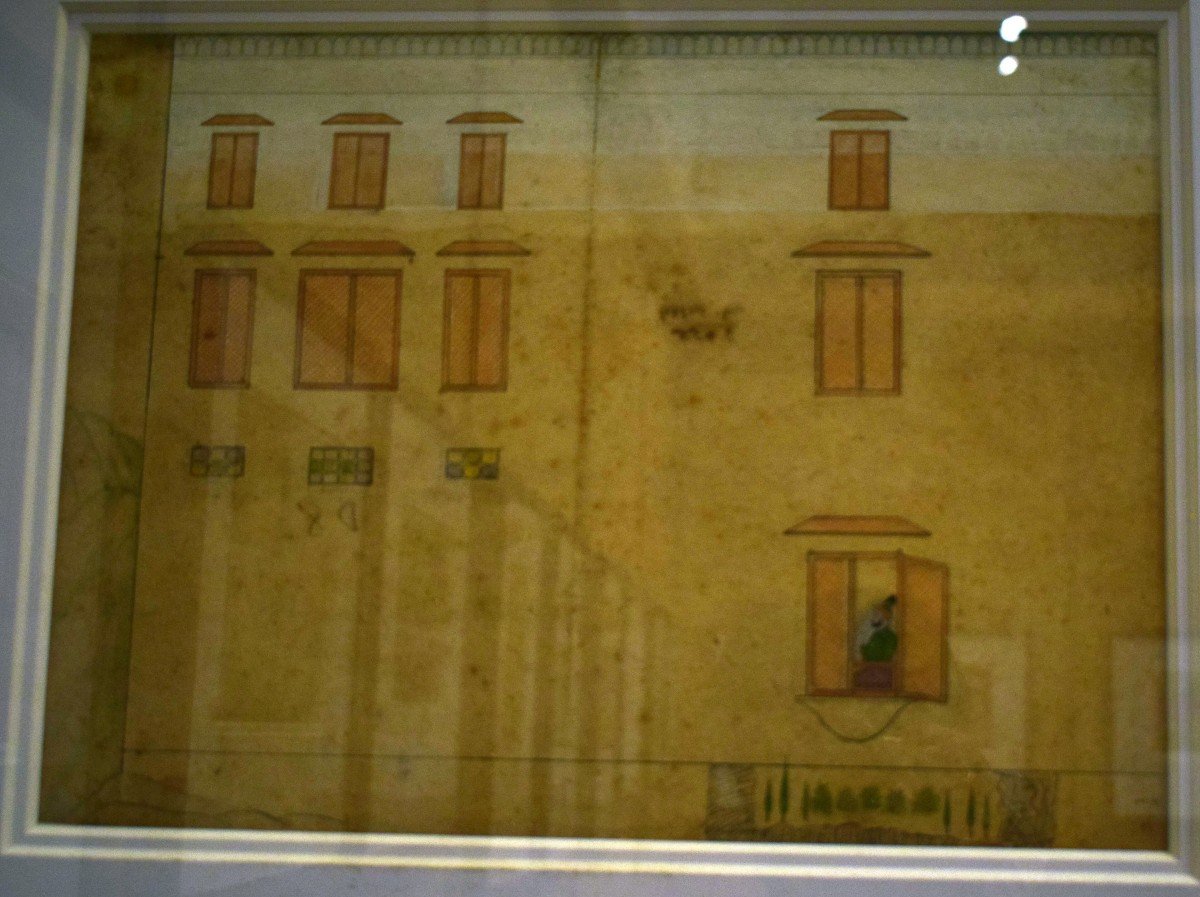
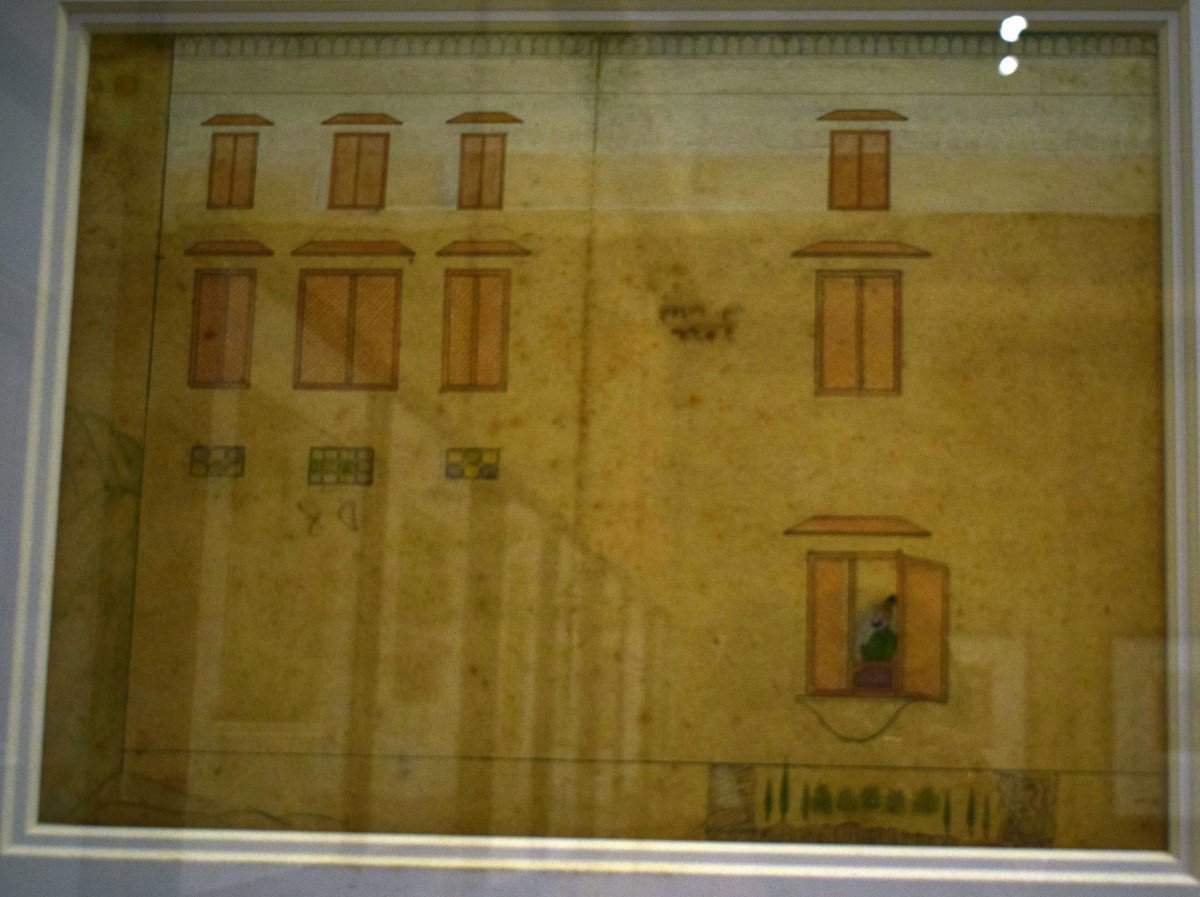
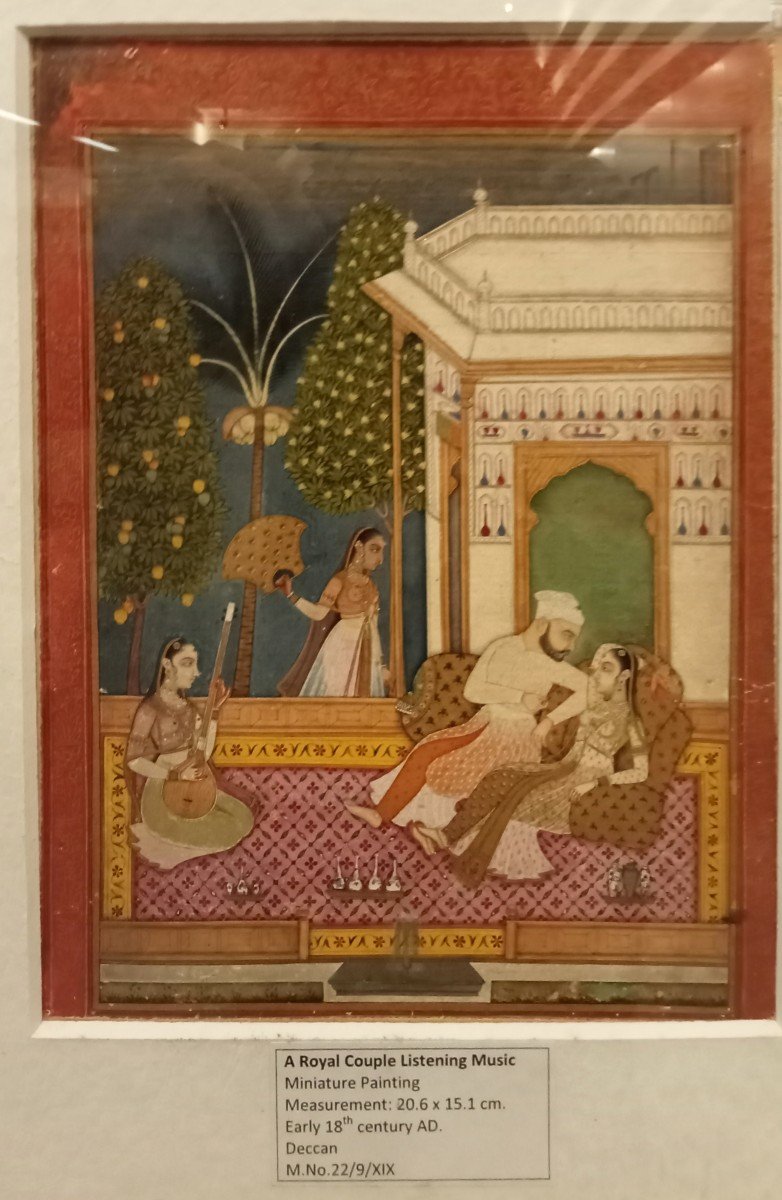
Detail of the Miniature: Take an extreme close-up of a finished miniature, focusing on the intricate details like the jewelry, the transparency of the fabric, or the realistic texture of an animal. This showcases the unique characteristics of the Bikaner SchoolRs.its fine detailing and realism.
Arrangement of Work: A photograph of several miniature paintings laid out on a table or hanging on a traditional wall, perhaps next to the tools used to create them, provides context and emphasizes the small scale of the works.
Traditional Studio Ambience: The setting of the gallery offers a rich cultural backdrop.
Studio Interior: Capture the atmosphere of the working studio, often featuring traditional Rajasthani architectural elements, filtered light, and an array of colors and art supplies. The ambience itself tells a story of heritage and tradition.
The Color Palette: Focus on the display of the natural pigments, arranged in small bowls or on a palette. The muted, earthy, and rich colors are a distinct feature of the art and make for a vibrant, abstract close-up shot.Photo Gallery


Things To Do
-
Observe the Miniature Art Process: Engage directly with the artists to understand the traditional craft.
Pigment Preparation: Observe or inquire about the process of making natural pigments from minerals, vegetables, and even precious stones. The use of specific, often subdued, natural colors is a hallmark of the Bikaner style.
Brush Making: Witness the crafting of the incredibly fine brushes, often made from the single hair of a squirrel's tail. Understanding the tool used for such minute detail deepens the appreciation of the final artwork.
Wasli Paper: Learn about the preparation of the handmade multi-layered paper known as wasli, which forms the durable base for these delicate paintings.
Art Demonstration and Workshop:Observe the Miniature Art Process: Engage directly with the artists to understand the traditional craft.
Pigment Preparation: Observe or inquire about the process of making natural pigments from minerals, vegetables, and even precious stones. The use of specific, often subdued, natural colors is a hallmark of the Bikaner style.
Brush Making: Witness the crafting of the incredibly fine brushes, often made from the single hair of a squirrel's tail. Understanding the tool used for such minute detail deepens the appreciation of the final artwork.
Wasli Paper: Learn about the preparation of the handmade multi-layered paper known as wasli, which forms the durable base for these delicate paintings.
Art Demonstration and Workshop: Many galleries offer short, informal demonstrations or longer, structured workshops.
Live Demonstration: Ask the resident artist to give a live demonstration of their work. Watch them use their fine brushes, often with the aid of a magnifying glass, to paint intricate features like a single eye or a strand of hair, showcasing the 'Gudarayi' technique.
Take a Class: Consider enrolling in a short workshop to try your hand at miniature painting. This hands-on experience provides a powerful appreciation for the skill and patience required for this ancient art form.
Study and Purchase Art: Explore the collection and find a piece to take home.
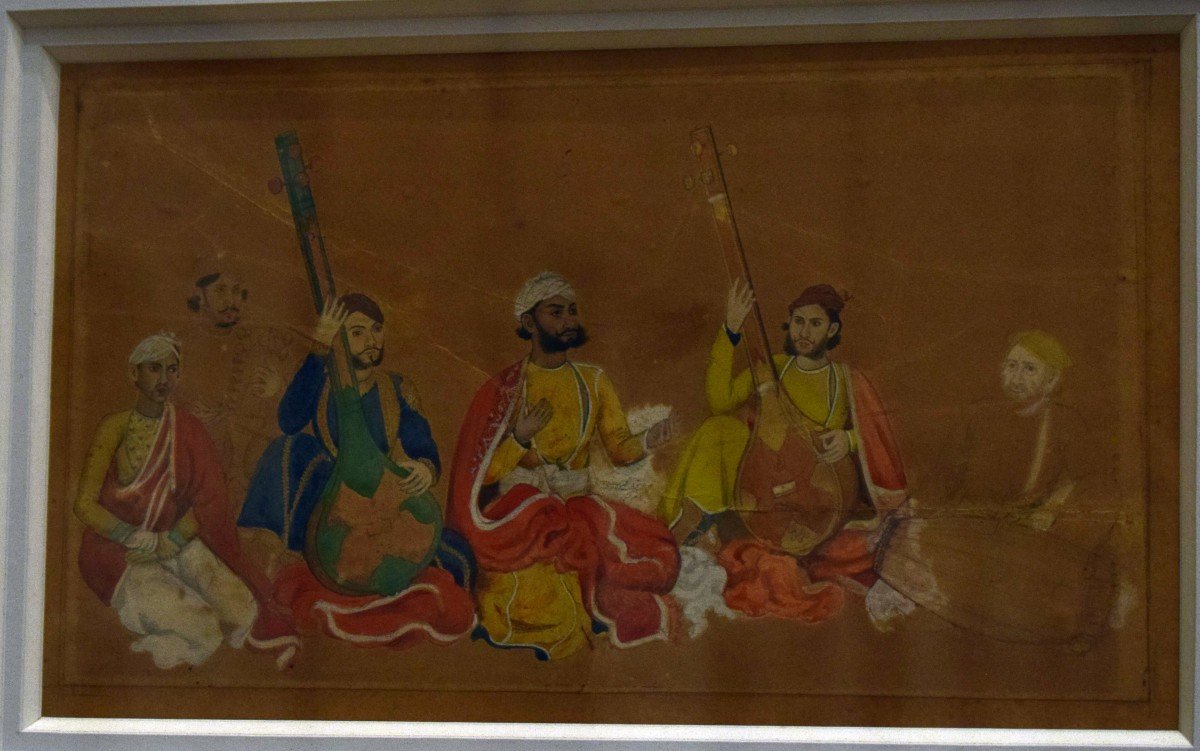
Identify Bikaner Style: Study the collection, focusing on pieces that showcase the Bikaner School's signature features: subdued color, realistic portraiture (often in profile), detailed court scenes, and the blend of Mughal and Rajput elements.
Explore Themes: Look for different subject matters, such as Ragamala (visualizations of musical modes), scenes from the Bhagavata Purana (Krishna narratives), and historical royal portraits.
Ethical Purchase: Purchase a miniature painting directly from the artist or the gallery. This supports the continuation of the traditional art form and ensures you receive an authentic piece, often with the artist's lineage information. Bargaining is acceptable but be respectful of the immense time and skill involved.
Examine Inscriptions: For serious buyers, take the time to examine any inscriptions on the painting or the back, which provide historical context, artist details, and authenticity.
Information
-
Why Famous:
Unique Blend of Styles: The Bikaner Miniature Arts Gallery is famous for showcasing the unique artistic style known as the Bikaner School of Painting. This school stands out amongst Rajasthani miniatures for its distinctive amalgamation of Rajput and Mughal influences. Un...Unique Blend of Styles: The Bikaner Miniature Arts Gallery is famous for showcasing the unique artistic style known as the Bikaner School of Painting. This school stands out amongst Rajasthani miniatures for its distinctive amalgamation of Rajput and Mughal influences. Unlike the folk elements and bright colors found in other Rajasthani styles, the Bikaner paintings are noted for their subtle elegance, refined color palette, and a strong emphasis on realism in portraiture and animal depiction, a direct result of the influence of master Ustads (Muslim artists) who moved here from the Mughal court. This unique stylistic signature is what draws art connoisseurs globally.
The Living Tradition: The galleries are not mere museums; they are centers of a living tradition. They are famous because they allow visitors to meet the artists themselves, many of whom are part of a continuous lineage tracing back to the royal court painters. This direct interaction provides an invaluable insight into the meticulous, almost meditative, process of miniature painting, which involves traditional techniques for brush-making (using squirrel hair) and pigment preparation (from minerals and vegetables). This firsthand demonstration of the ancient craft makes the visit a rich, memorable cultural experience. -
Architecture:
Studio and Display Layout: The typical architecture of a Bikaner Miniature Arts Gallery or studio is often a blend of a working space and a traditional retail outlet, usually located in or near an old Bikaner haveli or a commercially adapted space. The emphasis is on funct...Studio and Display Layout: The typical architecture of a Bikaner Miniature Arts Gallery or studio is often a blend of a working space and a traditional retail outlet, usually located in or near an old Bikaner haveli or a commercially adapted space. The emphasis is on functionality, with bright, naturally lit areas essential for the artists' detailed work. The interior is divided into a demonstration and working area for the artists and a display area for the finished artworks.
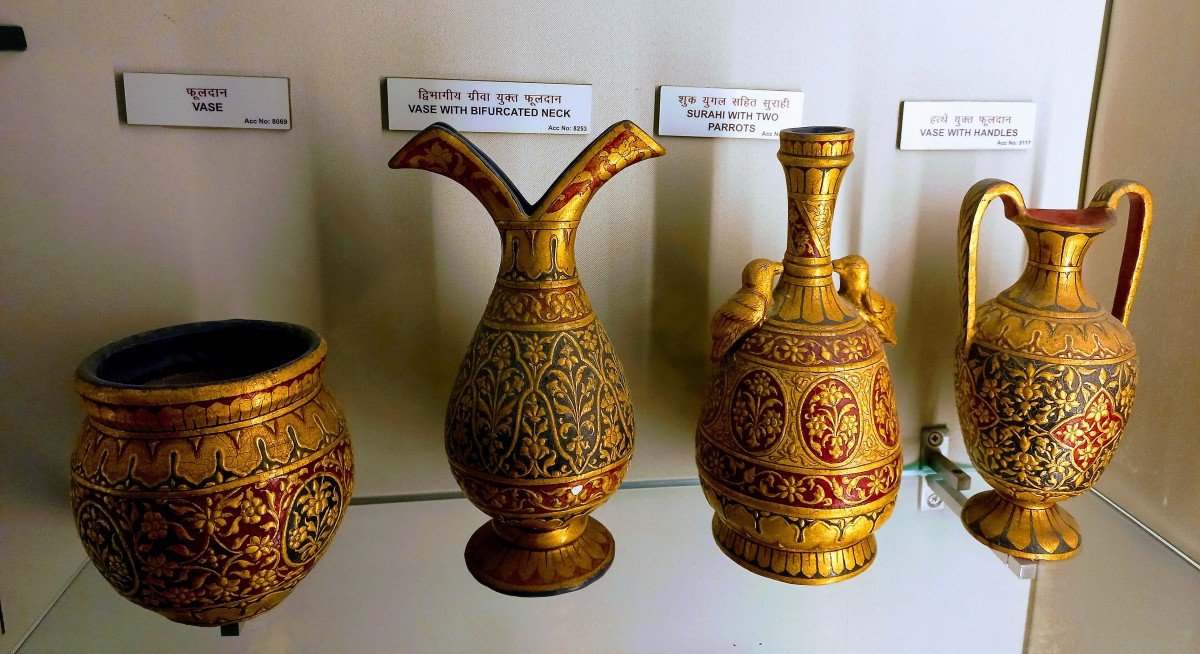
Material and Scale of Art: The architecture in this context is less about grand structure and more about the scale and material of the art it houses. The art itself is miniature, meaning the paintings are small-scale, requiring close viewing. The gallery spaces are designed to facilitate this, often using focused lighting and display techniques like magnifying glasses to highlight the fine details (some human figures can be as small as a rice grain). The dimensions of the paintings typically range from very tiny (a few inches) up to medium-sized folios, mostly painted on handmade wasli paper. The building's interior may feature traditional Rajput elements like jali work (lattice screens) or small jharokhas (balconies) that are often depicted in the miniature paintings themselves. -
How To Reach:
By Air: The nearest airport is Bikaner Airport (BKB), approximately 18-22 KMS away.
Taxi/Cab: Hire a pre-paid taxi or a ride-sharing service from the airport. Specify a landmark near the gallery's location, such as Kirti Stambh Circle or ...By Air: The nearest airport is Bikaner Airport (BKB), approximately 18-22 KMS away.
Taxi/Cab: Hire a pre-paid taxi or a ride-sharing service from the airport. Specify a landmark near the gallery's location, such as Kirti Stambh Circle or Municipal Council Road, as the gallery itself may be a small, less-known address. The journey takes about 40 minutes.
By Train: The main railway station is Bikaner Junction (BKN), located about 4-5 KMS from the gallery's general area in the city center.
Auto-Rickshaw: The most common way to reach is by auto-rickshaw (or 'tuk-tuk'). The ride from the station should take approximately 15-20 minutes. Ensure you have the exact street address or contact number to guide the driver to the precise location, as it may be tucked away.
By Road: Bikaner is connected by National Highways to all major cities.
Local Navigation: If you are driving or arriving by bus, once you reach the central bus stand, the gallery is a short distance away. Use a GPS app to navigate to the nearest major landmark, like the Kirti Stambh Circle.
By Local Transport:
Auto-Rickshaws: These are the most reliable and affordable local transport. Mentioning Kirti Stambh or a nearby famous hotel usually gets you close to the location.
Taxis: Local taxi services can also be hired for a more comfortable journey.
Walking: If you are staying in the central commercial areas of Bikaner, the gallery is likely within walking distance, which allows you to soak in the atmosphere of the old city. -
Weather and Best Time to Visit:
Different Types of Seasons:
Winter (October to March): This is the Best Time to Visit. The pleasant weather allows for comfortable travel around the city and a relaxed visit to the studio. The morning hours in November and February are p...Different Types of Seasons:
Winter (October to March): This is the Best Time to Visit. The pleasant weather allows for comfortable travel around the city and a relaxed visit to the studio. The morning hours in November and February are particularly conducive to leisurely interaction with the artists.
Summer (April to June): Not Recommended. The extreme heat makes walking around the old city area difficult. Studio visits would have to be planned for the very beginning or end of the day.
Monsoon (July to September): A decent time to visit, as the heat is less intense than in summer, and the indoor nature of the activity makes it weather-independent.
Different Parts of the Day: Mid-Morning (10:30 AM - 1:00 PM) This is the Ideal Visit Time. The artists are actively working, and the natural light is optimal for appreciating the fine details and colors of the miniature paintings. Late Afternoon (4:00 PM - 6:00 PM) A good alternative, as the artists may be winding down their workday, and the light is still suitable for viewing the artwork. -
Near Tourist Places:
Note: Distances are approximate. Serial No. Near Place Name Distance (KMS) Category
:
:
: 1 Junagarh Fort 1. 5 KMS Fort, Historical 2 Kote Gate 2 KMS Market, Landmark 3 Rampuria Havelis 2. 5 KMS Haveli, Architectural 4 Laxminath Temple 3 KMS Temple, Religious 5 Ganga Singh Museum 4 KMS Museum, History 6 Sadul Singh Museum 4. 5 KMS Museum, History 7 Bikaji Ki Tekri 5 KMS Historical Site, Cenotaphs 8 Lalgarh Palace 6 KMS Palace, Heritage Hotel 9 Station Road Market 3 KMS Shopping, Local Market 10 Public Park/Ganga Government Museum 5 KMS Park/Museum
Tourism Tips
-
Health & Safety:
Respectful Distance: When observing an artist at work, maintain a respectful distance. The work is incredibly delicate, and any accidental touch or vibration could ruin hours of meticulous effort.
Read MoreHealth & Safety:
Respectful Distance: When observing an artist at work, maintain a respectful distance. The work is incredibly delicate, and any accidental touch or vibration could ruin hours of meticulous effort.
Light Sensitivity: The miniature art is highly sensitive to bright sunlight and direct flash photography. Always ask for permission before taking photographs, and be prepared to take pictures without flash to protect the artwork.
Packing:
Reading Glasses/Magnifier: If you have poor vision, carry your reading glasses or a personal magnifying glass to fully appreciate the minute details of the miniature works, especially those painted on materials like rice grains or eggshells.
Cash: While some galleries may accept digital payments, carrying enough cash is highly recommended, especially for purchasing smaller pieces or paying for a brief demonstration directly from a small-scale artist.
Accommodation:
Central Location: Choosing an accommodation in the heart of Bikaner, near areas like Kote Gate, ensures you are close to the main shopping and art districts, making multiple visits to galleries convenient.
Other Different Topics Heading:
Value the Time: Remember that the miniature artists are engaged in a labor-intensive, time-consuming traditional craft. When negotiating a purchase, be mindful of the immense time and skill invested in each piece. A good rule of thumb is to value the artist's time over the material cost.
Custom Orders: Inquire about custom orders. Many artists are happy to take commissions for personalized miniature portraits or specific mythological scenes. This offers a unique souvenir and a lasting piece of art.
Authenticity Check: Ask for a Certificate of Authenticity or a handwritten detail about the artist's lineage and the art's creation process, especially for significant purchases. This not only authenticates the artwork but also adds to its historical value.
Bikaner School History: Read up a bit on the Bikaner School of Painting beforehand. Knowing the difference between this school and others (Jaipur, Mewar) will greatly enhance your appreciation of the unique stylistic features showcased in the gallery.Reviews
FAQs
Bikaner Itineray And Cost:-
Bikaner Miniature Arts Gallery Tourism:-
Other Places In Bikaner :-
Other States In India :-
Information about New and Updated Locations() of Rajasthan Has Been Added :-
Card subtitle
Note:-
Information provided here in good Faith and for reference only.
Near Places
Bhandasar Jain Temple
Some quick example text to build on the card title and make up the bulk of the card's content.
Go somewhere
Bikaji Ki Tekri
Some quick example text to build on the card title and make up the bulk of the card's content.
Go somewhere
Bikana Chowpatty
Some quick example text to build on the card title and make up the bulk of the card's content.
Go somewhere
Bikaner Miniature Arts Gallery
Some quick example text to build on the card title and make up the bulk of the card's content.
Go somewhere
Camel Festival Ground
Some quick example text to build on the card title and make up the bulk of the card's content.
Go somewhere
Camel Safari
Some quick example text to build on the card title and make up the bulk of the card's content.
Go somewhere
Devi Kund Sagar
Some quick example text to build on the card title and make up the bulk of the card's content.
Go somewhere
Fun World Waterpark
Some quick example text to build on the card title and make up the bulk of the card's content.
Go somewhere
Gajner Palace & Wildlife Sanctuary
Some quick example text to build on the card title and make up the bulk of the card's content.
Go somewhere
Ganga Golden Jubilee Museum
Some quick example text to build on the card title and make up the bulk of the card's content.
Go somewhere
Ganga Government Museum
Some quick example text to build on the card title and make up the bulk of the card's content.
Go somewhere
Junagarh Fort
Some quick example text to build on the card title and make up the bulk of the card's content.
Go somewhere
Jyotish Number 1
Some quick example text to build on the card title and make up the bulk of the card's content.
Go somewhere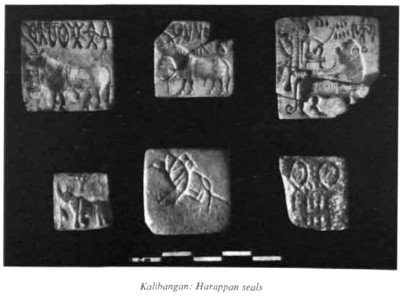
Kalibanga
Some quick example text to build on the card title and make up the bulk of the card's content.
Go somewhere
Kodamdesar Temple
Some quick example text to build on the card title and make up the bulk of the card's content.
Go somewhere
Kodamdeshwar Temple
Some quick example text to build on the card title and make up the bulk of the card's content.
Go somewherein Other Cities