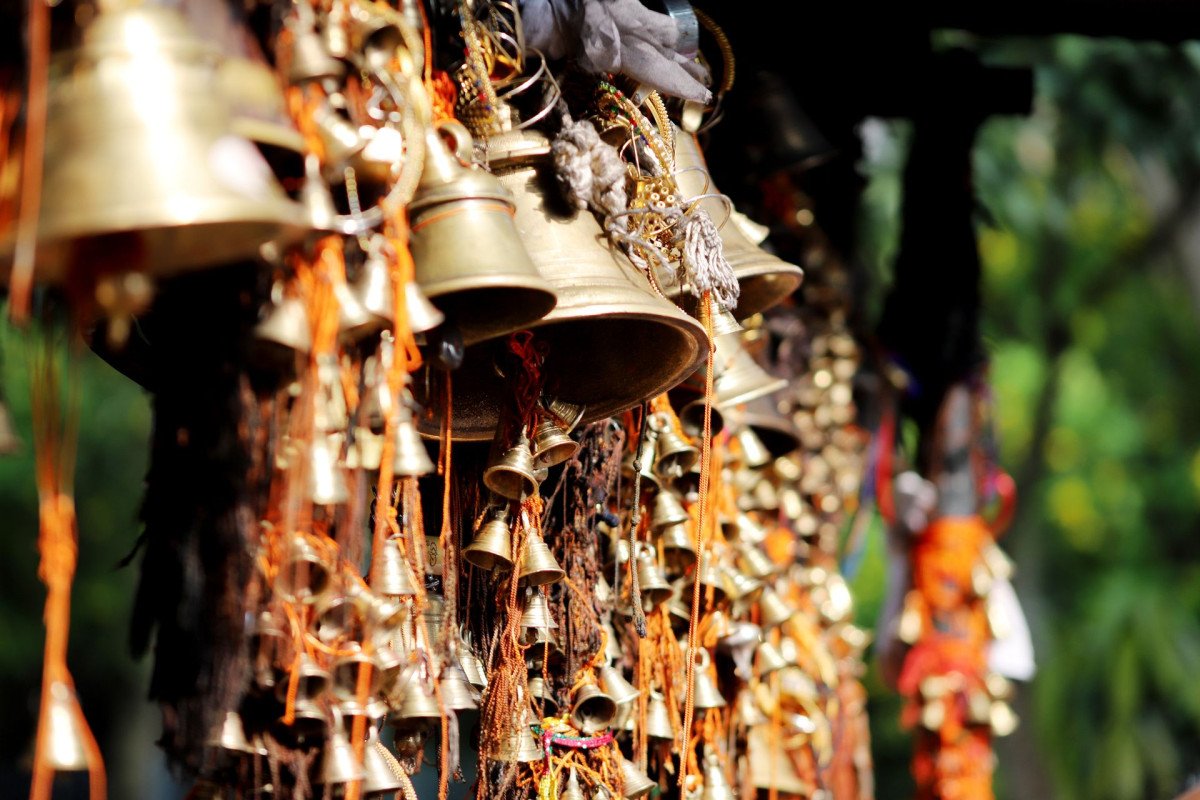
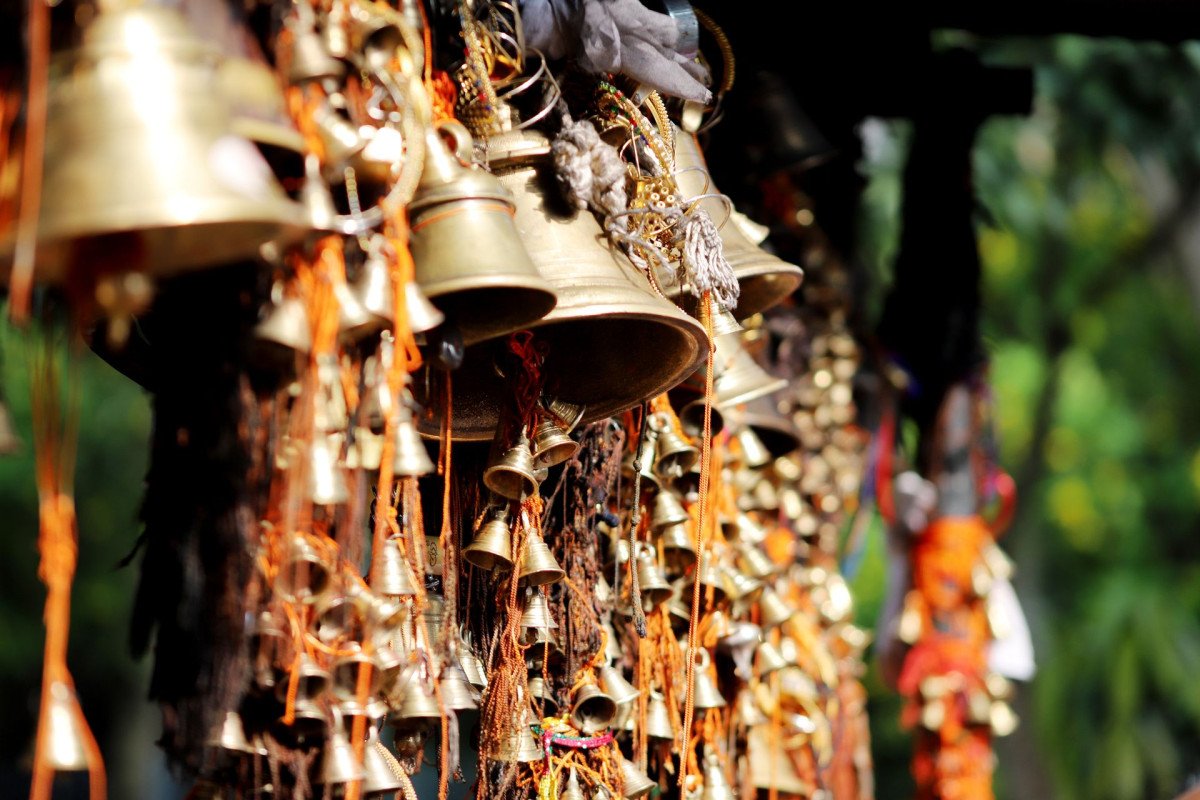
Seth Bhandasar Jain Temple
General information
-
Ideal Duration:
1 to 2 hours (Sufficient for darshan and viewing the artwork)Place Type:
Religious / Temple / HeritageEntry Fees:
No Mandatory Entry Fees: Generally, there are No Mandatory Entry Fees for visiting the Seth Bhandasar Jain Temple. As a functional place of worship and pilgrimage site, access is usually free and open to all visitors, irrespective of religion. This aligns with the princip...No Mandatory Entry Fees: Generally, there are No Mandatory Entry Fees for visiting the Seth Bhandasar Jain Temple. As a functional place of worship and pilgrimage site, access is usually free and open to all visitors, irrespective of religion. This aligns with the principle of welcoming devotees and visitors to spiritual sites in India.
Voluntary Donations and Photography Charges: While there is no fixed entry charge, visitors, particularly tourists, are encouraged to make a voluntary donation towards the temple's upkeep or charitable activities. Donation boxes are usually present near the sanctum. A separate small Photography Fee or Camera Fee might sometimes be levied, especially for professional cameras, though this can vary and is generally minimal (e. g. , INR 20 to INR 50). Be prepared for these small ancillary charges. The of detail here emphasize that the visit is highly accessible and economical.Timing:
Regular Timings: The Regular Timings for the Seth Bhandasar Jain Temple are generally very broad, allowing for long visitation hours suitable for both early morning prayers and late evening darshan. Common opening hours are from 5:00 AM to around 9:00 PM, seven days a week...Regular Timings: The Regular Timings for the Seth Bhandasar Jain Temple are generally very broad, allowing for long visitation hours suitable for both early morning prayers and late evening darshan. Common opening hours are from 5:00 AM to around 9:00 PM, seven days a week. These extended timings ensure that devout followers can participate in the full schedule of Jain rites and rituals, and tourists have ample time to visit throughout the day.
Ideal Visit Time: The Ideal Visit Time is in the early morning (8:00 AM to 10:00 AM) or the late afternoon (4:00 PM to 6:00 PM).
Early Morning: Offers a peaceful and serene environment, perfect for meditation and experiencing the spiritual rituals without the crowds. The lighting is also excellent for photography of the exterior.
Late Afternoon: The sunlight casts a warm glow on the red sandstone, and the temperature is cooler. It's a great time to be inside when the sun hits the gold leaf work on the upper floors, making them truly sparkle. Avoid the peak heat of the afternoon (12:00 PM to 3:00 PM).Special Events:
Mahavir Jayanti Celebrations: The most significant special event at the Seth Bhandasar Jain Temple is the celebration of Mahavir Jayanti (the birth anniversary of Lord Mahavir, the last Tirthankara). This event, typically falling in March or April (the Chaitra month), draw...Mahavir Jayanti Celebrations: The most significant special event at the Seth Bhandasar Jain Temple is the celebration of Mahavir Jayanti (the birth anniversary of Lord Mahavir, the last Tirthankara). This event, typically falling in March or April (the Chaitra month), draws a huge crowd of Jain devotees and is marked by elaborate rituals, processions (Rath Yatra), and special prayers. The entire temple complex is beautifully decorated, and cultural programs, discourses, and community feasts (bhandaras) are organized.
Paryushan Parva: Another major event is the observance of Paryushan Parva, the most important annual holy event for Jains, which typically falls in August or September (Bhadrapada month). During this period, devotees flock to the temple for intense prayer, meditation, and listening to sermons. The atmosphere is one of heightened spirituality, introspection, and purification, offering a very different, deeply religious experience compared to a typical tourist visit.Best Photo Spots:
The Ghee Foundation Legend Plaque: The exterior or entrance of the temple often has a sign or plaque detailing the incredible story of the ghee foundation. This is a must-capture spot, as it validates the legend that makes the temple so famous. A photo here serves as a pe...The Ghee Foundation Legend Plaque: The exterior or entrance of the temple often has a sign or plaque detailing the incredible story of the ghee foundation. This is a must-capture spot, as it validates the legend that makes the temple so famous. A photo here serves as a perfect introduction to the site.
The Golden Painted Ceilings: The gold leaf paintings and frescoes on the ceilings of the upper floors are undoubtedly the Best Photo Spots for an interior shot. Look for the richly decorated central dome or the intricate painted borders on the walls. These pictures capture the finest artistic details and the shimmering beauty of the gold work. Due to lighting restrictions (sometimes no flash is allowed), use a high-quality camera with good low-light performance.
The Carved Red Sandstone Exterior: The templeRs.s red sandstone exterior and entrance gate provide an excellent architectural photograph. Capture the contrasting colors of the red stone against the often blue sky, focusing on the detailed carvings, especially the jharokhas (overhanging enclosed balconies) and the sculpted pillars, which show a strong influence of Rajasthani and Jain craftsmanship.Photo Gallery
Things To Do
-
Offer Prayers and Seek Blessings (Darshan): The primary activity for pilgrims is to perform darshan (sacred viewing) of Lord Sumatinath and the other deities. Spend a few quiet moments in the garbhagriha and mandapa for prayer and reflection. The spiritual ambiance is a key part of the experience. Study the Frescoes and Gold Work (Art Exploration): Allocate substantial time to meticulously study the intricate frescoes and gold leaf paintings. Start from the lower floor and move up, noticing the progression and style of the artwork. Observe the detailed depictions of the Tirthankaras' lives and the subtle artistry of the Matheran and Usta styles on the walls, pillars, and ceilings. Climb to the Third Floor for the View (Sightseeing): Make sure to climb all the way to the top story. This is crucial not just for the view of the Old City, but also to appr...Offer Prayers and Seek Blessings (Darshan): The primary activity for pilgrims is to perform darshan (sacred viewing) of Lord Sumatinath and the other deities. Spend a few quiet moments in the garbhagriha and mandapa for prayer and reflection. The spiritual ambiance is a key part of the experience. Study the Frescoes and Gold Work (Art Exploration): Allocate substantial time to meticulously study the intricate frescoes and gold leaf paintings. Start from the lower floor and move up, noticing the progression and style of the artwork. Observe the detailed depictions of the Tirthankaras' lives and the subtle artistry of the Matheran and Usta styles on the walls, pillars, and ceilings. Climb to the Third Floor for the View (Sightseeing): Make sure to climb all the way to the top story. This is crucial not just for the view of the Old City, but also to appreciate the full Dimension and scale of the temple's architecture. The higher levels often feature some of the best-preserved paintings due to less direct exposure.
Engage with the Caretakers (History Talk): If you are keen on history, try to engage with the temple priests or caretakers. They often share fascinating, detailed local anecdotes and historical facts about Bhanda Shah and the temple's construction, which are not found in guidebooks. Practice Architectural Photography (Visual Record): The temple's vibrant colors, intricate carvings, and unique geometric patterns make it a photographer's delight. Focus on the contrasting red sandstone and white marble, the minute details of the carvings, and the shimmering gold work in the interior for a stunning visual record.
Experience the Old City: Since the temple is in the heart of Old Bikaner near Sitla Gate, a key thing to do is to walk through the surrounding ancient streets. This allows you to experience the atmosphere of the walled city, where the stunning Rampuria Havelis and traditional Bikaneri life can be observed up close.
Attend a Morning Aarti (Spiritual Experience): If your schedule permits, attending the morning aarti (ritual of light) is a deeply moving experience, offering a chance to witness the local Jain customs and traditions in a devout setting.
Information
-
Why Famous:
The Legend of the Ghee Foundation: The most enduring reason for the temple's fame is the incredible legend that its foundation was laid with 40,000 kilograms of ghee instead of water or mortar. This story, whether literally true or an exaggeration meant to signify the imme...The Legend of the Ghee Foundation: The most enduring reason for the temple's fame is the incredible legend that its foundation was laid with 40,000 kilograms of ghee instead of water or mortar. This story, whether literally true or an exaggeration meant to signify the immense wealth and devotion of its founder, Bhanda Shah, has captured the imagination of people worldwide. It is a unique architectural anecdote that sets the temple apart from all others in India, leading to its nickname, "The Temple with the Ghee Foundation. "
A Repository of Bikaneri Art: The temple is also highly famous as an outstanding example of Bikaneri art and architecture, particularly the intricate gold leaf paintings and frescoes. The artwork on the walls and ceilings is over 500 years old and perfectly preserved, showcasing the Matheran and Usta schools of painting. The sheer volume and quality of this artwork make it a significant historical and artistic landmark, attracting scholars and tourists interested in the region's cultural heritage. The gold work and mirror mosaics contribute to its visual magnificence. -
Architecture:
Unique Foundation and Material: The architecture of the Seth Bhandasar Jain Temple is rooted in the traditional Jain style, but with a unique twistRs.its legendary ghee foundation. The primary construction materials are rich red sandstone for the exterior structure and white...Unique Foundation and Material: The architecture of the Seth Bhandasar Jain Temple is rooted in the traditional Jain style, but with a unique twistRs.its legendary ghee foundation. The primary construction materials are rich red sandstone for the exterior structure and white marble for the steps and sanctum. The multi-story structure is a masterful work of stone carving and construction. The use of local yellow and red stones, intricately carved with religious motifs and floral designs, creates a distinct Rajasthani flavor.
Dimension and Artistic Detailing: The temple is a three-storied edifice. The main deity, Lord Sumatinath, is seated on the original altar on the first floor. The height is approximately 108 feet from the ground level. The temple plan includes a garbhagriha (sanctum sanctorum), an antarala (vestibule), a mahamandapa (main hall), and an ardhamandapa. The sanctum is built in a pancharatha (five-projection) style, topped by a shikhara (tower) featuring classic karna-amalakas and amalakas at the very top. The most noteworthy Dimension is the interior detailing: the frescoes and gold leaf paintings cover the ceiling, pillars, and walls, especially on the upper floors. These paintings are a magnificent example of the Matheran and Usta art styles, indigenous to Bikaner, and are characterized by minute detailing and vibrant colors, often depicting mythological scenes and geometric figures. The use of mirror work adds an extra layer of shimmering splendor to the temple's inner spaces. -
How To Reach:
By Air: The nearest domestic airport is Bikaner Airport (BKB), approximately 15-20 KMS away. The nearest major airport with broader connectivity is Jodhpur Airport (JDH). From Bikaner Airport, you can hire a pre-paid taxi or a local cab. The journey to the temple, locate...By Air: The nearest domestic airport is Bikaner Airport (BKB), approximately 15-20 KMS away. The nearest major airport with broader connectivity is Jodhpur Airport (JDH). From Bikaner Airport, you can hire a pre-paid taxi or a local cab. The journey to the temple, located in the tight, winding streets of Old Bikaner, will take about 45 minutes from the airport. Ensure the taxi driver is familiar with the narrow lanes of the old city.
By Train: The temple is located relatively close to the main station, Bikaner Junction (BKN), being about 3 to 4 KMS away. This proximity makes the train a convenient option for intercity travel. From Bikaner Junction, the best way to reach the temple is by hiring a local auto-rickshaw or a cycle-rickshaw. The journey will take about 15 to 20 minutes, but be aware that the final approach to the temple might involve navigating very narrow streets where only smaller vehicles like auto-rickshaws or cycle-rickshaws can pass.
By Road: Bikaner is well-connected by National Highways. The temple is located inside the Old Walled City, near Sitla Gate.
From Bikaner City: Follow the signs to Sitla Gate or the Joshiwara area.
Private Vehicle: Driving a large car right up to the temple's entrance is often challenging due to the narrow lanes of Old Bikaner. It's advisable to park outside the walled city's gate (Sitla Gate) and take a short cycle-rickshaw or walk the remaining distance.
Bus: The Bikaner bus stand is also close. From there, take an auto-rickshaw to the temple area.
By Local Transport: For reaching the temple from within the city, Local Transport like auto-rickshaws and cycle-rickshaws are the best options.
Auto-rickshaw: Can get you very close, often dropping you off a short walking distance from the main gate. Negotiate the fare.
Cycle-rickshaw: An excellent, eco-friendly way to navigate the extremely narrow and congested lanes of the Old City, offering a more immersive cultural experience and dropping you almost at the doorstep. The fare will be very nominal for the short distance.
Walking: If you are staying in Old Bikaner (e. g. , near Rampuria Havelis), the temple is often a pleasant 10-15 minute walk away. -
Weather and Best Time to Visit:
Different Types of Seasons:
Winter (October to March): This is the Best Time to Visit Bikaner overall. The weather is cool and pleasant (15Rs.C to 25Rs.C), which is ideal for walking through the Old City and spending time inside the temple wit...Different Types of Seasons:
Winter (October to March): This is the Best Time to Visit Bikaner overall. The weather is cool and pleasant (15Rs.C to 25Rs.C), which is ideal for walking through the Old City and spending time inside the temple without being affected by the heat. The temple is busiest during this main tourist season, especially from November to February.
Monsoon (July to September): The reduced heat and occasional rain make for a comfortable visit. This time also sees the Paryushan Parva festival, which is an excellent cultural experience.
Summer (April to June): The intense heat makes daytime visits challenging. If visiting in summer, restrict your visit to the early morning or late afternoon to avoid the extreme temperatures.
Different Parts of the Day: Early Morning (5:00 AM - 10:00 AM) The ideal time for a serene and spiritual visit. You can witness the daily Jain rituals. Mid-Day (10:00 AM - 3:00 PM) This is generally the hottest and potentially busiest time of the day with tour groups. The interior, being a stone structure, provides some relief from the outside heat. Late Afternoon (4:00 PM - 6:00 PM) A good time to visit for soft evening light on the exterior and to catch the shimmering effect of the interior gold work. Perfect for photography. -
Near Tourist Places:
Other Place Name Distance (in KMS) from Seth Bhandasar Jain Temple Rampuria Havelis 0. 5 KMS (Walking distance within the Old City) Junagarh Fort 3 KMS Laxmi Nath Temple 2 KMS Kote Gate (Shopping Area) 2 KMS Ganga Golden Jubilee Museum 3. 5 KMS Lalgarh Palace 5 KMS Sursagar Lake 3. 5 KMS Junagarh Fort Museum 3 KMS Bikaner Junction Railway Station 3. 5 KMS National Research Centre on Camel 10 KMS
Tourism Tips
-
Health & Safety: The temple requires visitors to remove their footwear before entering the premises, as is customary in all Indian temples. Wear comfortable socks, especially during winter or summer to protect your feet from the cold marble or hot stone. Photography, espe...Health & Safety: The temple requires visitors to remove their footwear before entering the premises, as is customary in all Indian temples. Wear comfortable socks, especially during winter or summer to protect your feet from the cold marble or hot stone. Photography, especially with a flash, is sometimes restricted to protect the ancient frescoes and gold leaf paintings; please respect these rules. The stairs to the upper floors are steep and narrow; take care while climbing.
Packing: Since you will be walking around the Old City, pack light and minimal. Carry a small bag with water, sunglasses, and a hat. Dress modestly out of respect for the religious site (covering shoulders and knees is recommended). Carry a pair of socks for walking inside the temple. Do not carry large backpacks, which can be cumbersome in the narrow lanes.
Accommodation: Staying in a traditional Haveli-Hotel in the Old Bikaner area is highly recommended. These provide an authentic Rajasthani experience and offer the convenience of walking to the temple, Rampuria Havelis, and other nearby spots. Alternatively, many mid-range and luxury hotels are available near Junagarh Fort or the Bikaner Junction area.
Other Different Topics:
Cultural Etiquette: Remember this is an active place of worship. Jainism emphasizes non-violence, so be especially respectful of all life forms within the temple. Do not touch the sculptures or paintings. Remain quiet and respectful inside the prayer halls. Do not carry any food items inside the inner sanctum. For women, visiting during the Paryushan Parva might offer a deeper cultural insight into Jain traditions.
Reviews
FAQs
Bikaner Itineray And Cost:-
Seth Bhandasar Jain Temple Tourism:-
Other Places In Bikaner :-
Other States In India :-
Information about New and Updated Locations() of Rajasthan Has Been Added :-
Card subtitle
Note:-
Information provided here in good Faith and for reference only.
Near Places
Bhandasar Jain Temple
Some quick example text to build on the card title and make up the bulk of the card's content.
Go somewhere
Bikaji Ki Tekri
Some quick example text to build on the card title and make up the bulk of the card's content.
Go somewhere
Bikana Chowpatty
Some quick example text to build on the card title and make up the bulk of the card's content.
Go somewhere
Bikaner Miniature Arts Gallery
Some quick example text to build on the card title and make up the bulk of the card's content.
Go somewhere
Camel Festival Ground
Some quick example text to build on the card title and make up the bulk of the card's content.
Go somewhere
Camel Safari
Some quick example text to build on the card title and make up the bulk of the card's content.
Go somewhere
Devi Kund Sagar
Some quick example text to build on the card title and make up the bulk of the card's content.
Go somewhere
Fun World Waterpark
Some quick example text to build on the card title and make up the bulk of the card's content.
Go somewhere
Gajner Palace & Wildlife Sanctuary
Some quick example text to build on the card title and make up the bulk of the card's content.
Go somewhere
Ganga Golden Jubilee Museum
Some quick example text to build on the card title and make up the bulk of the card's content.
Go somewhere
Ganga Government Museum
Some quick example text to build on the card title and make up the bulk of the card's content.
Go somewhere
Junagarh Fort
Some quick example text to build on the card title and make up the bulk of the card's content.
Go somewhere
Jyotish Number 1
Some quick example text to build on the card title and make up the bulk of the card's content.
Go somewhere
Kalibanga
Some quick example text to build on the card title and make up the bulk of the card's content.
Go somewhere
Kodamdesar Temple
Some quick example text to build on the card title and make up the bulk of the card's content.
Go somewhere
Kodamdeshwar Temple
Some quick example text to build on the card title and make up the bulk of the card's content.
Go somewherein Other Cities