


Lalgarh Palace
General information
-
Ideal Duration:
1 to 2 Hours (For the Museum and Public Area)Place Type:
Palace/Museum/Heritage HotelEntry Fees:
Access to History and Heritage
Museum and Public Area Entry Fees: The public entry fee is very minimal, applying mainly to the Sri Sadul Singh Museum and the immediately surrounding public courtytyards and gardens. The fee is set differently for domestic and inter...Access to History and Heritage
Museum and Public Area Entry Fees: The public entry fee is very minimal, applying mainly to the Sri Sadul Singh Museum and the immediately surrounding public courtytyards and gardens. The fee is set differently for domestic and international visitors:
Indian Nationals: The entry fee is typically around INR 10 to INR 20 per person.
Foreign Tourists: The fee is slightly higher, often around INR 20 to INR 50 per person. This fee provides access to the museum's historical collection and a glimpse of the palaceRs.s architectural highlights. The extremely low cost makes it one of the most accessible heritage sites in Bikaner.
Exclusions and Heritage Hotel Costs: It is crucial to understand that the minimal entry fee does not grant access to the entire palace complex.
Private Wings: The wings that still serve as the residence of the Bikaner royal family are strictly private and inaccessible to tourists.
Heritage Hotel Areas: The wings converted into the luxury heritage hotel (The Lallgarh Palace and Laxmi Niwas Palace) are generally reserved for guests, although visitors may be permitted to dine in their restaurants for a cost. The cost of a room at the heritage hotel is high, ranging from approximately INR 7,000 to INR 18,000 or more per night, which is entirely separate from the museum entry fee.
Camera Charges: Unlike some other sites, the entry fee usually includes the permission to take photographs in the publicly accessible areas, though this should be confirmed at the ticket counter.Timing:
Museum Hours and Hotel Access
Regular Timings (Museum and Public Area): The Sri Sadul Singh Museum and the public viewing areas of Lalgarh Palace are generally open to visitors from 10:00 AM to 5:00 PM. The palace museum is typically closed on Sundays and all maj...Museum Hours and Hotel Access
Regular Timings (Museum and Public Area): The Sri Sadul Singh Museum and the public viewing areas of Lalgarh Palace are generally open to visitors from 10:00 AM to 5:00 PM. The palace museum is typically closed on Sundays and all major public holidays. Visitors must plan their trip for a weekday or Saturday. The public area timings are set to accommodate day visitors and ensure the smooth operation of the private and hotel wings.
Ideal Visit Time (Crowds and Light): The Ideal Visit Time is in the morning, right after opening at 10:00 AM, especially during the peak winter season (November to February).
Morning Visit: Visiting early helps in avoiding the peak tourist crowds that arrive by midday, allowing for a more peaceful appreciation of the museum and architecture. The morning light is also excellent for photography of the red sandstone.
Late Afternoon Visit: A visit after 3:00 PM is also recommended, as the late afternoon light (the Golden Hour) beautifully highlights the architectural details and provides a pleasant atmosphere as the day's heat subsides.
Heritage Hotel Timings: The adjacent Laxmi Niwas Palace (also part of the original complex) and the hotel wings are open 24 hours for their guests. Guests of the hotel can explore the property freely, but public access is restricted to the museum and designated common areas within the stated timing window.Special Events:
Royal and Heritage Events Hosting Grand Heritage Weddings and Corporate Retreats: Since a significant portion of Lalgarh Palace operates as a luxury heritage hotel, it is a premier venue for high-profile special events, particularly destination weddings and corporate retreats. These events, which...Royal and Heritage Events Hosting Grand Heritage Weddings and Corporate Retreats: Since a significant portion of Lalgarh Palace operates as a luxury heritage hotel, it is a premier venue for high-profile special events, particularly destination weddings and corporate retreats. These events, which often take place in the grand courtyards and halls, temporarily bring the palace back to a level of its original ceremonial grandeur. While the public section (the museum) remains open, the sight of a large, meticulously planned royal-style wedding can be a fascinating, albeit accidental, experience for a tourist. These events are most common during the pleasant winter season (October to March). Commemoration of the Maharajas' Birth and Death Anniversaries: The palace, being a center of the royal family's legacy, occasionally hosts small, traditional ceremonies to commemorate the birth and death anniversaries of the Bikaner Maharajas, especially the palace's founder, Maharaja Ganga Singh. These events are often private, but they sometimes involve local community members or invited dignitaries. They provide a brief, authentic glimpse into the religious and cultural traditions maintained by the former royal family. Tourists might observe the decorations or the presence of traditional music and rituals outside the private sections of the palace.Best Photo Spots:
Capturing Red Sandstone Grandeur
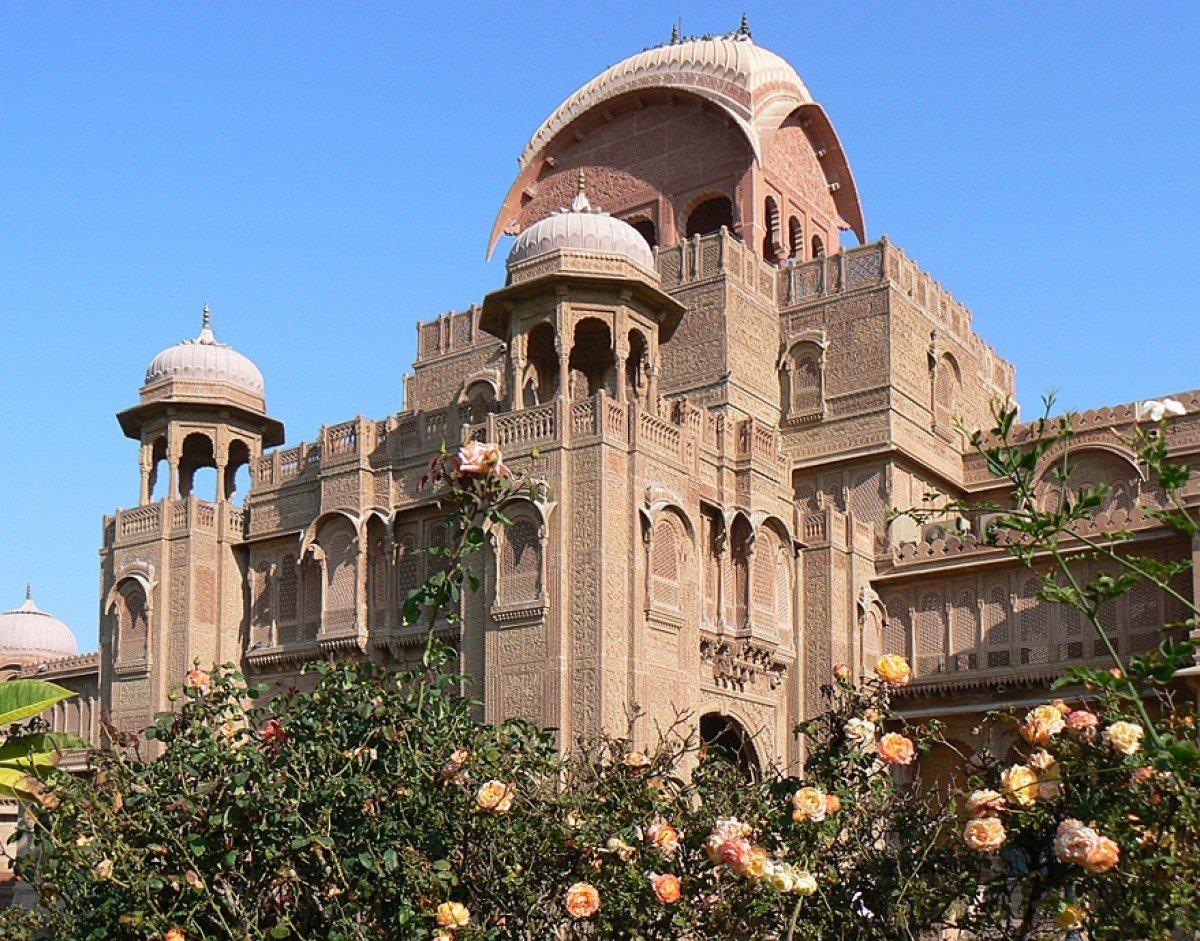
The Main Entrance Portico and FaRs.ade: The best spot to capture the grandeur and architectural symmetry of Lalgarh Palace is from a distance across the main lawn, focusing on the imposing main entrance portico. This angle allows pho...Capturing Red Sandstone Grandeur
The Main Entrance Portico and FaRs.ade: The best spot to capture the grandeur and architectural symmetry of Lalgarh Palace is from a distance across the main lawn, focusing on the imposing main entrance portico. This angle allows photographers to capture the entire three-story red sandstone faRs.ade, highlighting the symmetry, the abundance of jharokhas, and the blend of Indian and European architectural elements. The central archway, flanked by columns, is particularly photogenic. Sunrise provides the best light here, with a warm glow illuminating the red stone.
The Inner Courtyards and Italian Colonnades: Within the accessible areas, the inner courtyards and the segments featuring the elegant Italian colonnades offer stunning photographic potential. The repeating arches, geometric patterns of the floor, and the play of light and shadow create a sense of depth and timelessness. Capturing the colonnades emphasizes the European influence on the palace design, providing a stylistic contrast to the jharokhas on the exterior.
The Durbar Hall Interiors and Artifact Displays: For interior photography (where permitted), the Durbar Hall with its intricate silverwork and carvings is a must. Inside the Sri Sadul Singh Museum, the carefully displayed historical artifacts, particularly the vintage photographs and the unique metre-gauge train coach, are excellent subjects. Photographers should focus on details to capture the opulent textures and historical context. Always respect photography restrictions, which may apply to certain artifacts.Photo Gallery


Things To Do
-
Experiencing the Grandeur of Bikaner Royalty
Touring the Sri Sadul Singh Museum: The most accessible and essential activity is a thorough tour of the Sri Sadul Singh Museum. Located in one of the palace wings, it is open to the public for a nominal fee. Visitors should dedicate time to appreciate the extensive collection of royal costumes, textiles, vintage photography, and artifacts from the Bikaner royal family. The exhibits provide detailed narratives of the lives and achievements of the Maharajas, especially Ganga Singh and Sadul Singh. Pay attention to the intricate silverwork and the old family portraits, which offer a visual timeline of the dynasty. This tour transforms the visit from a simple architectural viewing into a historical and cultural immersion. Admiring the Indo-Saracenic Architecture and Carvings: Take time to walk around the...Experiencing the Grandeur of Bikaner Royalty
Touring the Sri Sadul Singh Museum: The most accessible and essential activity is a thorough tour of the Sri Sadul Singh Museum. Located in one of the palace wings, it is open to the public for a nominal fee. Visitors should dedicate time to appreciate the extensive collection of royal costumes, textiles, vintage photography, and artifacts from the Bikaner royal family. The exhibits provide detailed narratives of the lives and achievements of the Maharajas, especially Ganga Singh and Sadul Singh. Pay attention to the intricate silverwork and the old family portraits, which offer a visual timeline of the dynasty. This tour transforms the visit from a simple architectural viewing into a historical and cultural immersion. Admiring the Indo-Saracenic Architecture and Carvings: Take time to walk around the exterior and accessible courtyards to truly appreciate the exquisite Indo-Saracenic architecture. Focus on the details of the red sandstone filigree and latticework (jaalis), which are masterpieces of Bikaneri craftsmanship. Observe how the Rajput jharokhas blend seamlessly with the European colonnades. The exterior provides the best view of the palace's scale and the uniformity of the red stone. Look for the distinct blend of Mughal and Victorian influences, particularly around the main portico and the overhanging balconies.
Visiting the Grand Durbar Hall: The accessible parts of the palace often include the magnificent Durbar Hall. This is where the Maharajas held their formal courts and state functions. The hall is known for its spectacular interiors, including silver embellishments, carvings of the elephant god Ganesh, and paintings that depict scenes from Rajput history and mythology. Stand in the center and imagine the royal ceremonies and durbars that once took place here. The sheer scale and opulence of the hall reflect the wealth and power of the Bikaner princely state.
Strolling through the Palace Gardens: The Lalgarh Palace is set within beautifully maintained, sprawling Mughal-style gardens. Take a leisurely stroll through these lush green lawns, which provide a cool, tranquil contrast to the arid desert landscape outside. Keep an eye out for peacocks that often roam freely on the grounds, adding a touch of natural royalty to the scene. The gardens are a perfect place for relaxation and quiet contemplation, and they also offer excellent vantage points for photographing the palace faRs.ade from a distance. Experiencing a Royal Meal or Stay at the Heritage Hotel: A part of the palace has been converted into a luxury heritage hotel, The Lallgarh Palace - A Heritage Hotel (and the adjacent Laxmi Niwas Palace). While not a typical tourist activity, for those seeking a truly immersive royal experience, booking a meal or a stay at the heritage hotel is an option. Dining in the grand halls or staying in a restored royal chamber provides a unique, first-hand feel of the palace's former glory and opulence, offering an experience far beyond the museum visit.
Photography of the Sunset and Sunrise: The red sandstone of Lalgarh Palace is exceptionally photogenic, particularly during the Golden Hour of sunrise or sunset. The low-angled sunlight dramatically enhances the intricate carvings and bathes the entire structure in a deep, fiery red. Photographers should aim to capture the palace exterior and the symmetrical gardens during these times for the most stunning results, which beautifully showcase the architectural texture and detail.
Information
-
Why Famous:
The Royal Heritage and Unique Architecture
A Living Royal Legacy: Lalgarh Palace is one of the few places in India that was commissioned by the British for an Indian King, Maharaja Ganga Singh, who was considered a visionary. It served as the official residence of...The Royal Heritage and Unique Architecture
A Living Royal Legacy: Lalgarh Palace is one of the few places in India that was commissioned by the British for an Indian King, Maharaja Ganga Singh, who was considered a visionary. It served as the official residence of the Bikaner royal family when they moved out of the old Junagarh Fort. The palace still houses the family in one of its private wings and operates a large part as a luxury heritage hotel. This dual role as a royal residence and a heritage hotel makes it famous, allowing visitors to glimpse the continued legacy of the Bikaner royalty. The Sri Sadul Singh Museum inside further solidifies this fame by showcasing the family's opulent history, artifacts, and contributions to the region.
Indo-Saracenic Architectural Fusion: The palace is renowned internationally for its distinctive Indo-Saracenic architectural style, which is one of the most successful fusions of Indian and European forms. Its spectacular red sandstone construction, combined with the detailed jaali and filigree work of the local Bikaneri craftsmen, and the Western influence of its structural design (like the Italian colonnades) make it an architectural marvel. This unique aesthetic contrastRs.the blend of Rajput tradition with Victorian eleganceRs.is highly photographed and studied, contributing significantly to its fame as a top architectural site in Rajasthan. -
Architecture:
Indo-Saracenic Masterpiece
Architectural Style and Material: Lalgarh Palace is a striking exemplar of Indo-Saracenic architecture, an eclectic style popularized by the British in India. The palace masterfully blends Rajput elements (such as the jharokhas and chhat...Indo-Saracenic Masterpiece
Architectural Style and Material: Lalgarh Palace is a striking exemplar of Indo-Saracenic architecture, an eclectic style popularized by the British in India. The palace masterfully blends Rajput elements (such as the jharokhas and chhatris), Mughal motifs (intricate lattice work and domes), and European architectural components (like Italian colonnades, grand staircases, and Victorian fireplaces). The entire three-story structure is built using the finest red sandstone sourced from the Dulmera quarries near the Thar Desert. This distinctive red hue lends the palace its warmth and royal dominance. The construction of a single wing was a monumental undertaking, reflecting the immense wealth and ambition of Maharaja Ganga Singh.
Key Dimensions and Design Features: The palace complex is colossal, originally composed of four wings. Its architectural brilliance is evident in its detailing.
FaRs.ade: Features highly intricate, hand-carved latticework (jaalis) and sandstone filigree. The jharokhas (enclosed balconies) are a prominent feature, providing ventilation and visual symmetry.
The Durbar Hall: Located in the Karni Niwas wing, this grand hall is central to the palace, featuring ornate silver decorations, elephant god carvings, and historic paintings.
Interiors: Characterized by vast, airy corridors, Italian colonnades, and beautifully crafted fireplaces. The Karni Niwas wing also features a library and an Art Deco indoor swimming pool, which is a surprising blend of the traditional and the modern for its time.
Grounds: The palace sits within sprawling, beautifully landscaped gardens and courtyards, a common feature in royal Rajasthani architecture, designed to provide a cool respite from the desert heat. -
How To Reach:
A Convenient City-Adjacent Location
By Air: The nearest well-connected airport is Jodhpur International Airport (JDH), approximately 250 KMS away, requiring a 4-5 hour taxi ride. The local Bikaner Airport (BKB) has limited domestic connectivity. From either the B...A Convenient City-Adjacent Location
By Air: The nearest well-connected airport is Jodhpur International Airport (JDH), approximately 250 KMS away, requiring a 4-5 hour taxi ride. The local Bikaner Airport (BKB) has limited domestic connectivity. From either the Bikaner Airport (15-20 KMS away) or a taxi from Jodhpur, the palace is easily accessible as it is on the main NH15 (now renamed) highway route leading into the city.
By Train: The palace is exceptionally accessible by train. It is located approximately 2 KMS from Lalgarh Junction (LGH) and about 4 KMS from the central Bikaner Junction (BKN).
From Lalgarh Junction: The palace is a short 5-10 minute auto-rickshaw or taxi ride.
From Bikaner Junction: A taxi or auto-rickshaw ride will take about 10-15 minutes. Both stations are major railway hubs, well-connected to all major Indian cities.
By Road: Lalgarh Palace is situated directly on the main highway leading into Bikaner (NH15), making it easily identifiable and accessible.
From the Bikaner Bus Stand: It is roughly 4 KMS away and can be reached via a short auto-rickshaw or taxi ride in under 10 minutes.
Self-Drive: If driving from Jaipur or Jodhpur, the palace is one of the first major landmarks encountered upon entering the city. Ample parking is available on the property.
By Local Transport: The palace's location near Lalgarh Junction and on the main road means it is extremely easy to reach via local transport from any part of Bikaner city. Auto-rickshaws and Local Taxis/Cabs are the best options. Since the palace is close to the city center, a one-way trip is usually fine, and getting a return ride is easy, unlike the National Research Centre on Camel. A ride from the Junagarh Fort area or the main markets will typically take less than 10-15 minutes. Fares should be negotiated beforehand. -
Weather and Best Time to Visit:
Maximizing Comfort and Light
Different Types of Seasons:
Winter Season (October to March): This is the Best Time to Visit. The weather is cool and pleasant, with comfortable day temperatures. This season is ideal for spending tim...Maximizing Comfort and Light
Different Types of Seasons:
Winter Season (October to March): This is the Best Time to Visit. The weather is cool and pleasant, with comfortable day temperatures. This season is ideal for spending time in the large, open courtyards and gardens of the palace. The clear skies also enhance the beauty of the red sandstone.
Summer Season (April to June): Characterized by extreme heat (over 40Rs.C). A visit during this time should be limited to the early morning or focused only on the indoor areas like the Museum. Hydration and sun protection are mandatory.
Monsoon Season (July to September): Though Bikaner sees little rain, the humidity can be high. However, the washed atmosphere can make the red stone of the palace look exceptionally vibrant. This is the Off-Season, offering fewer crowds.
Different Parts of the Day: Morning (10:00 AM - 12:00 PM) This is the Ideal Time to visit. The light is soft for photography, the palace is less crowded, and the heat is manageable, even on a warm day. It allows ample time to explore the museum before the afternoon rush. Midday (12:00 PM - 3:00 PM) This is the hottest part of the day and typically the most crowded with tour groups. It is best used for a quick tour of the Museum and the shaded indoor areas. Late Afternoon (3:00 PM - 5:00 PM) The light becomes warmer (Golden Hour), which is excellent for photographing the exterior red sandstone. The crowds start to thin out, providing a more peaceful environment for enjoying the gardens before closing. -
Near Tourist Places:
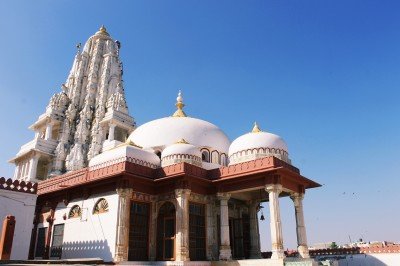
Other Place Name Distance (in KMS) from Lalgarh Palace Lalgarh Junction Railway Station 2 KMS Junagarh Fort 4 KMS Ganga Golden Jubilee Museum 4 KMS Prachina Museum (Inside Junagarh Fort) 4 KMS Kote Gate (Main City Entrance) 4. 5 KMS Rampuria Havelis 6 KMS National Research Centre on Camel 9 KMS Bhandasar Jain Temple 8 KMS Shiv Bari Temple 9 KMS Laxminath Temple 6 KMS
Tourism Tips
-
Essential Royal Etiquette and Logistics
Health & Safety:
Heat Management: Even in winter, the sun is strong. Carry water, wear a hat, and use sunscreen, especially when walking in the open courtyards.Essential Royal Etiquette and Logistics
Health & Safety:
Heat Management: Even in winter, the sun is strong. Carry water, wear a hat, and use sunscreen, especially when walking in the open courtyards.
Stairs: Be mindful of the old staircases, particularly in the museum section.
Packing:
Attire: Smart casual clothing is appropriate. Since it's a former royal residence, avoid overly revealing attire, especially in the museum area, as a sign of respect.
Camera: The palace is highly photogenic; ensure your camera is ready.
Accommodation:
Heritage Stay: Consider booking a stay or at least a meal at The Lallgarh Palace or Laxmi Niwas Palace if the budget allows for a deep, immersive, royal experience. This allows 24-hour access to the hotelRs.s public areas.
Location: The palace is slightly on the outskirts but close to the city, offering a peaceful environment while remaining accessible.
Other Different Topics:
Museum Focus: Allocate sufficient time (at least 45 minutes) for the Sri Sadul Singh Museum to appreciate the depth of the Bikaner history.
Hotel Etiquette: If entering the hotel area, maintain respect for the privacy of the guests and the royal family's private wing.
Transport: It is highly accessible. You can easily get a one-way auto-rickshaw and find a return one near the entrance without needing to hire a round trip.
Reviews
FAQs
Bikaner Itineray And Cost:-
Other Places In Bikaner :-
Other States In India :-
Information about New and Updated Locations() of Rajasthan Has Been Added :-
Card subtitle
Note:-
Information provided here in good Faith and for reference only.
Near Places
Bhandasar Jain Temple
Some quick example text to build on the card title and make up the bulk of the card's content.
Go somewhere
Bikaji Ki Tekri
Some quick example text to build on the card title and make up the bulk of the card's content.
Go somewhere
Bikana Chowpatty
Some quick example text to build on the card title and make up the bulk of the card's content.
Go somewhere
Bikaner Miniature Arts Gallery
Some quick example text to build on the card title and make up the bulk of the card's content.
Go somewhere
Camel Festival Ground
Some quick example text to build on the card title and make up the bulk of the card's content.
Go somewhere
Camel Safari
Some quick example text to build on the card title and make up the bulk of the card's content.
Go somewhere
Devi Kund Sagar
Some quick example text to build on the card title and make up the bulk of the card's content.
Go somewhere
Fun World Waterpark
Some quick example text to build on the card title and make up the bulk of the card's content.
Go somewhere
Gajner Palace & Wildlife Sanctuary
Some quick example text to build on the card title and make up the bulk of the card's content.
Go somewhere
Ganga Golden Jubilee Museum
Some quick example text to build on the card title and make up the bulk of the card's content.
Go somewhere
Ganga Government Museum
Some quick example text to build on the card title and make up the bulk of the card's content.
Go somewhere
Junagarh Fort
Some quick example text to build on the card title and make up the bulk of the card's content.
Go somewhere
Jyotish Number 1
Some quick example text to build on the card title and make up the bulk of the card's content.
Go somewhere
Kalibanga
Some quick example text to build on the card title and make up the bulk of the card's content.
Go somewhere
Kodamdesar Temple
Some quick example text to build on the card title and make up the bulk of the card's content.
Go somewhere
Kodamdeshwar Temple
Some quick example text to build on the card title and make up the bulk of the card's content.
Go somewherein Other Cities