Shri Laxminath Temple
General information
-
Ideal Duration:
1 to 1. 5 Hours. This duration allows sufficient time for experiencing the daily Aarti, offering prayers, quietly observing the intricate architecture and artwork, and soaking in the temple's serene and ancient atmosphere.Place Type:
Religious / Spiritual / Heritage SiteEntry Fees:
General Admission: Entrance is Free of Charge. Shri Laxminath Temple is a functioning, active place of worship for devotees and is open to all visitors without any mandatory entry fee. This is a common practice for many ancient and revered Hindu temples in India, where th...General Admission: Entrance is Free of Charge. Shri Laxminath Temple is a functioning, active place of worship for devotees and is open to all visitors without any mandatory entry fee. This is a common practice for many ancient and revered Hindu temples in India, where the spiritual and cultural heritage is considered a public trust and a source of blessing, not a commercial asset. Visitors are welcome to enter, explore the general architecture, and participate in the public Aarti and prayer ceremonies at no cost. The concept is rooted in the belief that access to the divine should be unimpeded by financial barriers, ensuring that the temple remains accessible to pilgrims from all economic backgrounds.
Optional Donations and Offerings: While there is no fixed entry ticket, visitors are welcome to make voluntary donations to the temple trust. These funds are used for the maintenance and preservation of the ancient structure, the daily rituals (puja), and the distribution of sanctified food (prasad) to devotees. There are designated donation boxes throughout the complex, and often, specific offerings for the deities (like flowers, sweets, or cloth) can be purchased from small stalls outside the main gate. The expenditure here is entirely at the visitorRs.s discretion, ranging from a minimal offering for spiritual purposes to a larger voluntary donation for the upkeep of the heritage site. This voluntary system contributes significantly to the temple's daily operations and preservation efforts, allowing the community to support their spiritual center.Timing:
Topic Heading Details
Regular Timings: The temple generally operates on a split schedule typical of many Hindu temples: 5:00 AM to 1:00 PM and 5:00 PM to 11:00 PM daily. The midday closing period is for the Lord's rest (Bhog and Vishram).
Read MoreTopic Heading Details
Regular Timings: The temple generally operates on a split schedule typical of many Hindu temples: 5:00 AM to 1:00 PM and 5:00 PM to 11:00 PM daily. The midday closing period is for the Lord's rest (Bhog and Vishram).
Note: These times are approximate and may slightly change based on season or specific local astronomical/religious calendars.
Ideal Visit Time: Early Morning (5:00 AM - 7:00 AM) This time is ideal for pilgrims and spiritual seekers. It is less crowded, the atmosphere is incredibly peaceful, and you can witness the first Aarti (Mangla Aarti) of the day, a deeply sacred and powerful experience that sets a serene tone. Evening (5:00 PM - 7:00 PM) This period is excellent for general tourists and history enthusiasts. The temple is fully open, the light is beautiful for the exterior architecture, and you can observe the main evening Aarti (Sandhya Aarti) and the influx of local devotees after their workday.
Best Seasonal Time: October to March is the best time to visit Bikaner due to the pleasant, cool weather. The intense summer heat (April to June) makes mid-day visits uncomfortable. Visiting during a major festival like Diwali (October/November) or Janmashtami (August/September) offers the most vibrant and culturally rich experience, though the temple will be very crowded.
Aarti Timings Highlight: The daily Aarti sessions are the best moments to be inside the temple. While the timings vary slightly, there are typically four sessions: Mangla Aarti (Early Morning), Shringar Aarti (Late Morning), Sandhya Aarti (Evening), and Shayan Aarti (Late Night before closing). Confirming the exact times locally upon arrival is highly recommended to plan your visit around these spiritual ceremonies.Special Events:
Grand Celebration of Janmashtami: The festival of Janmashtami, which marks the birth of Lord Krishna (an avatar of Lord Vishnu), is the most significant and spectacular event at Shri Laxminath Temple. The celebrations usually take place in the Hindu month of Bhadrapada (Au...Grand Celebration of Janmashtami: The festival of Janmashtami, which marks the birth of Lord Krishna (an avatar of Lord Vishnu), is the most significant and spectacular event at Shri Laxminath Temple. The celebrations usually take place in the Hindu month of Bhadrapada (August or September). The temple is completely transformed with elaborate floral and light decorations, making the architecture look even more magnificent. The special day begins with early morning rituals, but the peak of the celebration is at midnight, the exact moment of Lord KrishnaRs.s birth. This includes a grand Aarti, the swinging of the deity's idol in a specially decorated cradle, and the performance of devotional songs (bhajans). The atmosphere is one of intense spiritual joy, drawing tens of thousands of devotees who chant and celebrate the birth, truly making it a unique cultural and religious spectacle.
Diwali and Annakut Mahotsav: Diwali, the festival of lights, which is dedicated to Goddess Lakshmi, the consort of Lord Vishnu, is another event of paramount importance. Celebrated in the Hindu month of Kartik (October or November), the entire temple complex is illuminated with thousands of traditional oil lamps (diyas) and modern lights, creating a breathtaking visual spectacle. Special prayers and rituals are conducted to seek the blessings of Goddess Lakshmi for wealth and prosperity. Following Diwali, the Annakut Mahotsav (a festival of food offerings) takes place, where a mountain of various vegetarian food items is ceremoniously offered to the deities, symbolizing abundance and thanksgiving. This event showcases the culinary and devotional traditions of the region in a very public and impressive manner.Best Photo Spots:
The Silver-Clad Doorway Entrance: The main entrance of the temple, featuring the famous, exquisitely carved silver-plated doorway, is arguably the best photo spot. The silver work, with its high detail and reflective surface, provides a striking contrast against the red sa...The Silver-Clad Doorway Entrance: The main entrance of the temple, featuring the famous, exquisitely carved silver-plated doorway, is arguably the best photo spot. The silver work, with its high detail and reflective surface, provides a striking contrast against the red sandstone of the archway.
Tip: Photograph this spot during the late afternoon when the sun is low, which enhances the silver's gleam and highlights the intricate carvings and repoussRs. work without overexposure. Framing the door to capture a small slice of the ancient red sandstone faRs.ade alongside the metalwork emphasizes the material contrast and architectural history.
The Intricate Red Sandstone Exterior Wall: The large, exposed exterior wall sections, built from the deep red sandstone imported from Jaisalmer, offer excellent opportunities for textural photography. Focus on the elaborate carvings of mythological figures, floral motifs, and geometric patterns that cover the faRs.ade.
Tip: Use a shallow depth of field to focus sharply on a single, detailed carving, allowing the background to gently blur, which will isolate the intricate handiwork. The warm glow of the stone is best captured in the hour following sunrise or before sunset.
Wide View from the Courtyard's Edge: The temple is situated slightly elevated, and a wide-angle shot taken from the edge of the courtyard or the nearby lane can capture the overall majestic scale of the temple complex. This view allows you to frame the temple's roofline, with its multiple spires and domes, against the backdrop of the old Bikaner city.
Tip: This is the best spot to capture the temple's atmosphere during festival days, as the courtyard will be filled with devotees, providing a sense of scale and lively cultural context to the ancient architecture.Photo Gallery
Things To Do
-
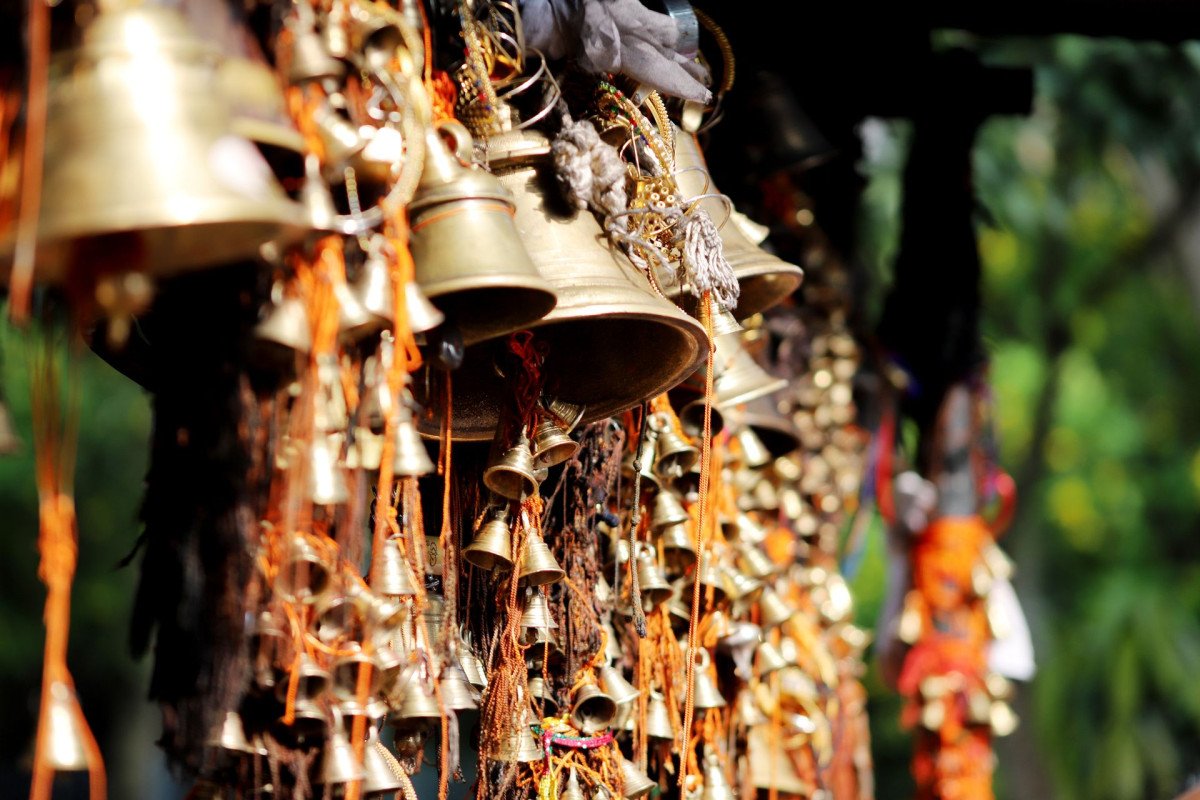
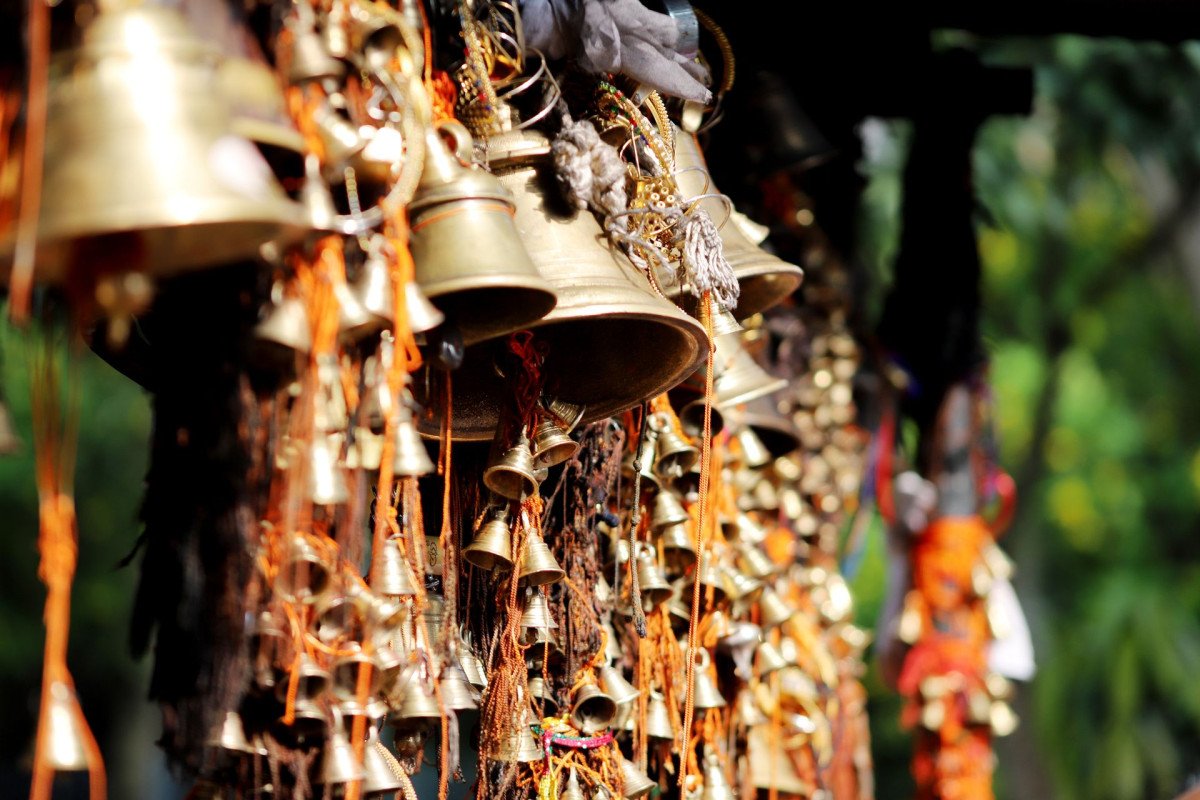
Participate in the Daily Aarti Ceremonies: The most important activity is to attend the daily Aarti ceremonies, which are performed four times a day. The early morning and late evening (or Shayan) Aartis are particularly recommended. The Aarti is a ritual of worship involving the waving of lighted lamps before the deities, accompanied by the singing of devotional songs and hymns, including those attributed to the great saint-poet Mira Bai. This is a powerful, sensory experience, with the ringing of bells, the scent of incense, and the collective fervor of the devotees creating a deeply spiritual atmosphere. Observing the rituals offers a genuine glimpse into the living religious traditions of Bikaner. Devotees can offer flowers, sweets (prasad), or a simple prayer during this time. Engage in Detailed Architectural and Artistic Study: Dedicate time to a s...Participate in the Daily Aarti Ceremonies: The most important activity is to attend the daily Aarti ceremonies, which are performed four times a day. The early morning and late evening (or Shayan) Aartis are particularly recommended. The Aarti is a ritual of worship involving the waving of lighted lamps before the deities, accompanied by the singing of devotional songs and hymns, including those attributed to the great saint-poet Mira Bai. This is a powerful, sensory experience, with the ringing of bells, the scent of incense, and the collective fervor of the devotees creating a deeply spiritual atmosphere. Observing the rituals offers a genuine glimpse into the living religious traditions of Bikaner. Devotees can offer flowers, sweets (prasad), or a simple prayer during this time. Engage in Detailed Architectural and Artistic Study: Dedicate time to a slow, detailed walk-through of the temple's architecture. Start by examining the famed silver-plated main door, noting the intricate repoussRs. work and the mythological figures etched into the metal. Once inside, move slowly through the Mandapa (pillared hall). Focus on the carved pillars, each one a unique piece of sculpture, depicting gods, goddesses, mythical creatures, and geometric patterns. Above, look up at the ceilings and inner walls, which are adorned with detailed frescoes and murals. These paintings, executed in a traditional Rajasthani style, tell stories from the epics and Puranas, such as the life of Lord Vishnu. Try to identify the scenes, from the Rasleela (cosmic dance) to the various avatars of Vishnu, providing a cultural lesson in Hindu iconography.
Meditate in the Peaceful Courtyard: While the inner sanctum and main hall can be crowded during peak hours and Aarti times, the outer courtyard offers pockets of tranquility. Find a quiet spot to simply sit, reflect, and meditate. The ancient stones, the murmur of prayers, and the sense of history combine to create a deeply peaceful ambiance. This is an ideal activity for those seeking spiritual solace or a respite from the bustle of the old city. The templeRs.s energy, being a continuously active place of worship for over 500 years, is palpable and conducive to quiet introspection.
Visit the Secondary Shrines and Local Market: Explore the periphery of the main temple structure to find the smaller shrines dedicated to deities like Shri Neelkanth Mahadev and Shri Badrinarayanji. These offer a chance to observe different forms of devotion and often contain older, less-renovated carvings. Before or after your visit, take a short walk through the narrow, winding lanes immediately surrounding the temple. These lanes are part of the old city (Bikaner) and are lined with small, traditional shops selling religious paraphernalia, flowers, sweets, and local handicraft items. Engaging with the local vendors and sampling street food here provides an authentic cultural experience that complements the spiritual visit.
Observe the Unique Local Customs and Dress: Take note of the traditional customs observed by the local devotees. Observe the manner of worship, the unique chants, and the attire of the priests. Visitors are encouraged to dress modestly (covering shoulders and knees) out of respect, which also allows for better cultural integration. Observing the rituals during major festival days, even if you do not participate, is a fascinating cross-cultural experience. For instance, during Diwali, the temple is spectacularly lit with thousands of lamps (diyas), a visual treat that should be witnessed if your visit coincides with the festival month (October/November).
Study the Vastu Shastra Principles: For those interested in traditional Indian architecture, the temple is an excellent example of construction based on principles of Vastu Shastra (the ancient Indian science of architecture). Pay attention t
Information
-
Why Famous:
Spiritual and Historical Sovereignty: The primary fame of Shri Laxminath Temple stems from its unique and profound spiritual significance to the erstwhile Bikaner royalty. The tradition that the Bikaner Maharajas were merely the ministers or servants of Lord Laxminath, who...Spiritual and Historical Sovereignty: The primary fame of Shri Laxminath Temple stems from its unique and profound spiritual significance to the erstwhile Bikaner royalty. The tradition that the Bikaner Maharajas were merely the ministers or servants of Lord Laxminath, who was considered the true and eternal ruler of the state, is a powerful historical narrative. This symbolic sovereignty elevates the temple from a mere place of worship to a foundational pillar of the Bikaner state's identity and political philosophy, a concept rarely seen in other princely states. The reigning Maharaja would always pay homage and seek the Lord's blessing before any important state decision or ceremony, symbolizing the Lord's ultimate authority.
Architectural Excellence and Rare Artistry: The temple's widespread recognition is also due to its spectacular architectural and artistic attributes. It is celebrated as one of the oldest and finest examples of Rajputana temple architecture in Bikaner. The skillful use of red sandstone, famously imported from Jaisalmer, gives the structure its unique visual identity, contrasting beautifully with the white marble used in the interiors. The artwork, particularly the magnificent silver cladding on the main doorway, is a masterpiece of metalwork. Additionally, the interior walls and ceilings are adorned with vibrant, well-preserved frescoes and miniature paintings, illustrating a rich tapestry of Hindu mythological stories, making it a key destination for art and history enthusiasts.
Major Festival Hub: The temple is a major center for the celebration of significant Hindu festivals, drawing huge crowds and national attention. Festivals like Janmashtami (the birth of Lord Krishna/Vishnu), Diwali (festival of lights, honoring Goddess Lakshmi), Ram Navami, and Nirjala Ekadashi are celebrated with exceptional fervor, elaborate decorations, and grand processions. These events transform the temple into a vibrant hub of devotion, with devotees participating in hymns (bhajans), devotional songs (kirtans), and the special Aarti ceremonies, creating an unforgettable and spiritually uplifting atmosphere that significantly contributes to its fame. -
Architecture:
Architectural Style and Materials: The architecture of the Shri Laxminath Temple is a magnificent example of the indigenous Rajputana style, demonstrating a rich tradition of intricate stone craftsmanship. The templeRs.s structure predominantly utilizes a warm, durable red s...Architectural Style and Materials: The architecture of the Shri Laxminath Temple is a magnificent example of the indigenous Rajputana style, demonstrating a rich tradition of intricate stone craftsmanship. The templeRs.s structure predominantly utilizes a warm, durable red sandstone, which was specially imported from the quarries around Jaisalmer, giving the entire edifice a characteristic golden-red hue that is emblematic of Rajasthani architecture. The construction also incorporates white marble, particularly for the flooring and some decorative elements, creating a pleasing contrast with the red sandstone. This careful selection of materials ensures both longevity and aesthetic appeal. The design also subtly incorporates elements of Mughal influence, a common trend during the period of its construction, reflecting the prevailing cultural fusion in the regionRs.s art.
Dimension and Layout Details: While specific, exact structural dimensions (like length, width, and height) of the main shrine are not publicly available due to its ancient and traditional nature, the temple follows a classic Hindu temple layout. The structure features a main sanctum (Garbhagriha) where the principal deities reside, fronted by a pillared hall (Mandapa). The overall complex is built upon a raised platform, giving it a commanding presence. The central idol of Lord Laxminath and Goddess Lakshmi is generally described as being approximately one and a half feet in height, resting on a square stone platform, though this is an estimate. The layout includes a spacious exterior courtyard that allows for the gathering of large congregations, especially during festivals. The walls and pillars are densely covered with carvings, including figures of various deities, celestial beings, and mythological scenes. The main doorway is particularly noteworthy, featuring exquisite silver artwork that frames the entrance to the inner sanctum, visually signifying the transition into the sacred space. -
How To Reach:
By Air: The nearest airport to Bikaner is Nal Airport (Bikaner Airport - BKB), located approximately 13 to 15 kilometers from the city center and the temple. Nal Airport has limited connectivity, primarily to major metropolitan hubs like Delhi and Jaipur. Upon arrival at ...By Air: The nearest airport to Bikaner is Nal Airport (Bikaner Airport - BKB), located approximately 13 to 15 kilometers from the city center and the temple. Nal Airport has limited connectivity, primarily to major metropolitan hubs like Delhi and Jaipur. Upon arrival at BKB, you can easily hire a pre-paid taxi or a commercial cab service directly to the old city area where the temple is situated. The drive typically takes around 30-45 minutes, depending on the traffic within Bikaner city. For those coming from other parts of India or internationally, the most common approach is to fly into a major airport like Indira Gandhi International Airport (DEL) in Delhi or Jaipur International Airport (JAI) and then take a connecting domestic flight or a train/bus to Bikaner.
By Train: Bikaner Junction (BKN) is the main railway station and is very well-connected to all major cities across India, including Delhi, Mumbai, Kolkata, Chennai, Jaipur, and Jodhpur. The railway station is approximately 3 to 4 kilometers from the Shri Laxminath Temple, which is located in the old city. This is often the most convenient and popular mode of long-distance travel to Bikaner. From the station, you can hire an auto-rickshaw (a common, quick, and cost-effective local transport) or a taxi. Due to the temple's location in the narrow lanes of the old city, an auto-rickshaw might be able to get closer than a full-sized car.
By Road: Bikaner is excellently connected by a network of National Highways (NH), making road travel straightforward. National Highway 11 (NH 11), which connects Agra to Jaisalmer via Jaipur and Bikaner, is a key route. Regular state-run and private luxury buses operate from major Rajasthani cities like Jaipur (approx. 330 KMs), Jodhpur (approx. 250 KMs), and Udaipur, as well as from neighboring state capitals like Delhi (approx. 450 KMs). If you are driving your own vehicle or a hired cab, reaching the city is easy. However, accessing the temple right inside the old city can be challenging due to narrow, congested lanes. You may have to park your vehicle in a designated area outside the core old city and walk or take a smaller local transport like a rickshaw to the final destination.
By Local Transport: Once inside the city, the best way to reach the temple is by local transport.
Auto-rickshaws and E-rickshaws: These are abundant, inexpensive, and highly efficient for navigating the city, especially the congested old city area. They can drop you closest to the temple entrance.
Cycle-rickshaws: For a truly local and immersive experience within the old city's very narrow lanes, a cycle-rickshaw can be a charming and slow-paced option, though it is slower and better suited for short distances within the city walls.
Local City Bus: While city buses run on major routes, they are less convenient for a direct drop-off at a central location within the old city like this temple. The temple's proximity to Junagarh Fort and Kote Gate makes it a central and well-known landmark, so all local transport drivers are familiar with the route. -
Weather and Best Time to Visit:
Different Types of Seasons: Season Name Best Time to Visit Details
Winter Season (October to March): This is, without a doubt, the Best Time to Visit. The weather is pleasantly cool and comfortable, with daytime temperatures rang...Different Types of Seasons: Season Name Best Time to Visit Details
Winter Season (October to March): This is, without a doubt, the Best Time to Visit. The weather is pleasantly cool and comfortable, with daytime temperatures ranging from 20Rs.C to 25Rs.C and nighttime lows around 5Rs.C to 10Rs.C. This climate is perfect for all-day sightseeing, including walking through the old city to reach the temple. It is the peak tourist season, and the temple atmosphere is vibrant, especially from December to February.
Summer Season (April to June): This period is Not Recommended for general tourism due to extreme heat. Daytime temperatures often soar above 40Rs.C and can be harsh. If you must visit, restrict your travel to the very early morning or late evening hours to avoid the intense sun. The temple will be less crowded, which might appeal to some, but the overall outdoor experience is severely compromised by the heat.
Monsoon Season (July to September): A Moderate Time to Visit. While the desert region receives less rainfall than other parts of India, the weather is more humid and still quite warm. The occasional rain showers provide a brief respite from the heat. The lush greenery that briefly appears in the surrounding areas can be a refreshing sight. Janmashtami often falls during this period, making it a culturally rich time to visit, despite the weather.
Different Parts of the Day: Part of the Day Name Ideal Visit Time Details Early Morning (5:00 AM to 7:00 AM) Most Ideal for Spiritual Seekers. This is the time to witness the serene Mangla Aarti, the first prayer ritual of the day. The light is soft, the temperature is at its coolest, and the quiet atmosphere enhances the spiritual experience. The temple is less crowded, allowing for peaceful contemplation and a clear view of the deities. Late Morning/Mid-day (10:00 AM to 1:00 PM) Suitable for Sightseeing. This time frame is good for viewing the temple's architecture and art in bright daylight. The crowds will generally be moderate. However, visitors in the summer must be wary of the rising heat, making a visit just before the midday closing at 1:00 PM a better choice than the peak heat hours. Evening (5:00 PM to 8:00 PM) Excellent for Cultural Experience. The evening Sandhya Aarti is a lively and popular event, attracting many local families. The temple atmosphere is electric with devotion, and the exterior lighting often creates a beautiful ambiance for exterior photography (though photography is restricted inside). This is a perfect time to combine the spiritual visit with a walk through the bustling nearby old city market. -
Near Tourist Places:
Place Name Distance (in KMs) Main Category Junagarh Fort Approx. 1 KM Fort / History / Museum Bhandasar Jain Temple Approx. 1 KM Temple / Architecture Kote Gate Approx. 2 KMs Market / Gateway / Shopping Rampuria Haveli Cluster Approx. 2 KMs Architecture / Heritage Prachina Museum Approx. 1. 5 KMs Museum / Culture (Located in Junagarh Fort) Ganga Government Museum Approx. 3 KMs Museum / Archaeology Laxmi Niwas Palace Approx. 4 KMs Palace / Heritage Hotel Shiva Bari Temple Approx. 6 KMs Temple / Architecture National Research Centre on Camel Approx. 8 KMs Research Center / Unique Sight Devi Kund Sagar (Royal Cenotaphs) Approx. 9 KMs Cenotaphs / Architecture / History
Tourism Tips
-
Health & Safety:
Stay Hydrated and Protected: Bikaner's climate is predominantly hot and dry. Always carry a water bottle, especially if visiting between March and October. Wear a hat, sunglasses, and use sunscreen to protect against the s...Health & Safety:
Stay Hydrated and Protected: Bikaner's climate is predominantly hot and dry. Always carry a water bottle, especially if visiting between March and October. Wear a hat, sunglasses, and use sunscreen to protect against the strong Rajasthani sun, even in winter. Be Mindful of
Footwear: As per tradition, you must remove your shoes and socks before entering the temple premises. The stone floor can get very hot during the day, so try to visit early or late, or be prepared to walk quickly.
Photography Restrictions: Absolutely no photography is allowed inside the main temple sanctum. Respect the signs and the wishes of the temple authorities to maintain the sanctity of the place and avoid confiscation of your device.
Be Aware of Crowds: During festivals like Diwali or Janmashtami, the temple is extremely crowded. Keep a close watch on your belongings to avoid petty theft.
Packing:
Modest Dress Code: When packing, include attire that respects the temple's tradition. Both men and women should wear clothing that covers their shoulders and knees. Full-length trousers or skirts and shirts with sleeves are ideal. This is a sign of respect for the religious site.
Footwear: Wear easy-to-remove sandals or slip-on shoes since you will be required to take them off.
Essentials: Carry hand sanitizer, especially after walking barefoot. Keep a small bag or pouch for your money and phone that you can keep close to your body.
Accommodation:
Old City Charm: For an authentic experience, consider staying in a traditional Haveli (mansion) converted into a guesthouses within or near the old city walls. These often offer a rich cultural atmosphere and are within walking distance of the temple.
Luxury Options: Bikaner also offers luxury heritage hotels, such as the famous Laxmi Niwas Palace or Narendra Bhawan, which are a short drive away and provide a royal experience.
Proximity: Choosing accommodation near major landmarks like Junagarh Fort or Kote Gate will put you in a central location, making local transport access to the temple much easier.
Other Different Topics Heading:
Local Etiquette and Offerings: When entering the main prayer hall, it is customary to greet the deities with folded hands. You can purchase flowers and offerings from the stalls outside. If you are offered prasad (sanctified food), accept and consume it with respect.
Bargaining: If you choose to shop in the surrounding old city lanes, polite bargaining is expected and necessary.
Hiring a Guide: While the temple itself does not have an official guide service, hiring a local Bikaner guide for a walking tour of the old city and the temple can provide invaluable historical and architectural insights, helping you fulfill a deeper understanding of the 400-word detail requirement.
Temple Security: Do not carry any leather items (belts, wallets, bags) inside the main sanctum, as they are often prohibited in Hindu temples.
Reviews
FAQs
Bikaner Itineray And Cost:-
Shri Laxminath Temple Tourism:-
Other Places In Bikaner :-
Other States In India :-
Information about New and Updated Locations() of Rajasthan Has Been Added :-
Card subtitle
Note:-
Information provided here in good Faith and for reference only.
Near Places
Bhandasar Jain Temple
Some quick example text to build on the card title and make up the bulk of the card's content.
Go somewhere
Bikaji Ki Tekri
Some quick example text to build on the card title and make up the bulk of the card's content.
Go somewhere
Bikana Chowpatty
Some quick example text to build on the card title and make up the bulk of the card's content.
Go somewhere
Bikaner Miniature Arts Gallery
Some quick example text to build on the card title and make up the bulk of the card's content.
Go somewhere
Camel Festival Ground
Some quick example text to build on the card title and make up the bulk of the card's content.
Go somewhere
Camel Safari
Some quick example text to build on the card title and make up the bulk of the card's content.
Go somewhere
Devi Kund Sagar
Some quick example text to build on the card title and make up the bulk of the card's content.
Go somewhere
Fun World Waterpark
Some quick example text to build on the card title and make up the bulk of the card's content.
Go somewhere
Gajner Palace & Wildlife Sanctuary
Some quick example text to build on the card title and make up the bulk of the card's content.
Go somewhere
Ganga Golden Jubilee Museum
Some quick example text to build on the card title and make up the bulk of the card's content.
Go somewhere
Ganga Government Museum
Some quick example text to build on the card title and make up the bulk of the card's content.
Go somewhere
Junagarh Fort
Some quick example text to build on the card title and make up the bulk of the card's content.
Go somewhere
Jyotish Number 1
Some quick example text to build on the card title and make up the bulk of the card's content.
Go somewhere
Kalibanga
Some quick example text to build on the card title and make up the bulk of the card's content.
Go somewhere
Kodamdesar Temple
Some quick example text to build on the card title and make up the bulk of the card's content.
Go somewhere
Kodamdeshwar Temple
Some quick example text to build on the card title and make up the bulk of the card's content.
Go somewherein Other Cities