
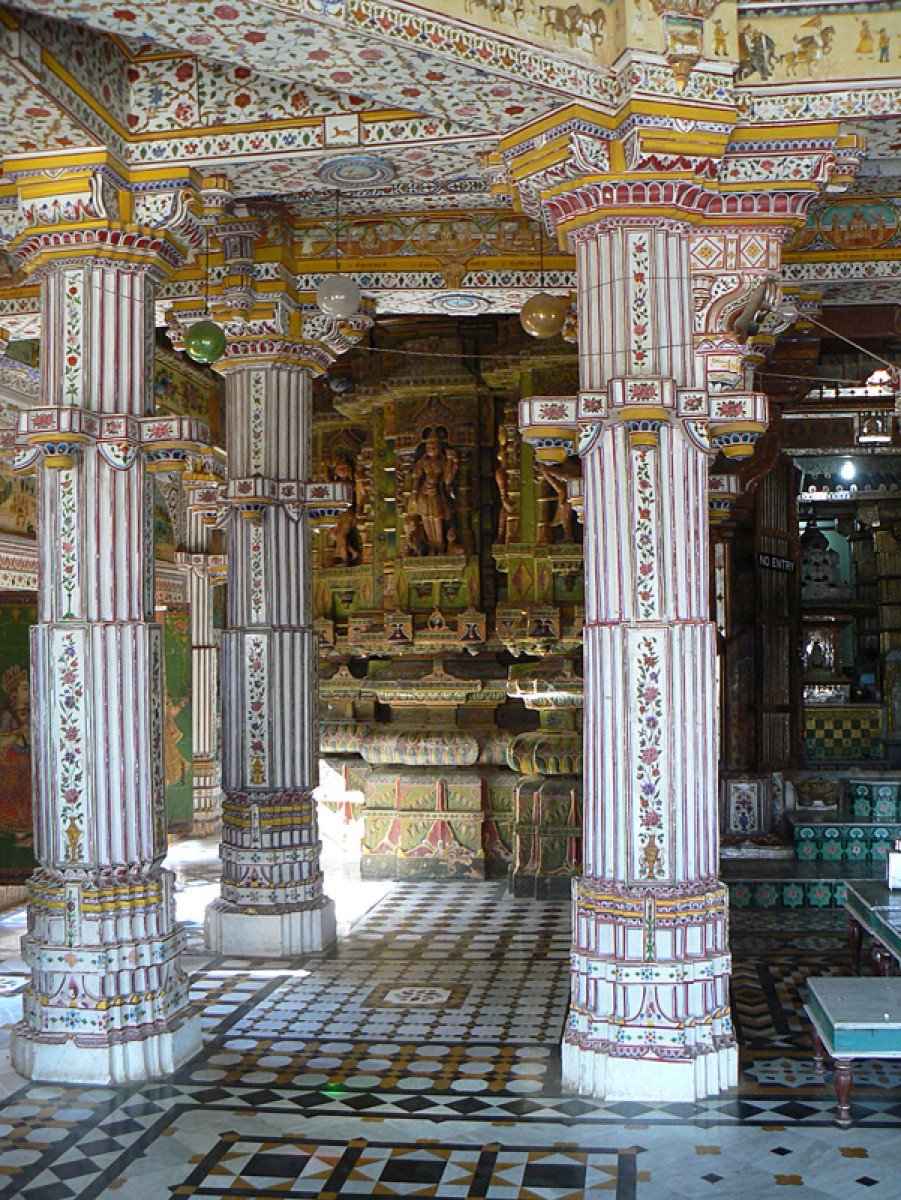


Kote Gate
General information
-
Ideal Duration:
2 to 3 Hours. This entire duration is needed not for the gate itself, but for the full, unhurried immersion into the massive, sprawling market complex, including time for shopping, bargaining, sampling street food, and people-watching.Place Type:
Historic Gateway / Cultural Landmark / Major ShoEntry Fees:
Entrance to the Gate and Market: Entrance is Free of Charge. The Kote Gate is a functional, historical gateway and a major public thoroughfare and commercial hub. There is no official ticket or entry fee required to pass through the gate or to access the sprawling public ...Entrance to the Gate and Market: Entrance is Free of Charge. The Kote Gate is a functional, historical gateway and a major public thoroughfare and commercial hub. There is no official ticket or entry fee required to pass through the gate or to access the sprawling public market areas around it. This open access is crucial to its role as the city's central marketplace and a vital part of Bikaner's infrastructure. It is a completely free-access heritage site, meaning anyone can walk through, shop, or observe the historic monument and the cultural life surrounding it without financial obligation.
Indirect and Voluntary Expenditure: While entry is free, the key attraction is the commercial market, making voluntary expenditure inevitable for most tourists.
Shopping: Visitors should budget for shopping, as the market is tempting. Prices are negotiable, and a tourist is expected to bargain for items like jewelry, textiles, and camel hide goods.
Food and Refreshments: A significant, highly recommended expenditure is on local street food (Bhujia, sweets, Kachoris) and drinks, which are very affordable.
Local Transport: You will need to budget for the auto-rickshaw or rickshaw ride to and from the gate, as it is generally advisable not to take a personal vehicle into the highly congested market lanes. This ensures you can access and enjoy the site easily without worrying about parking or navigating the thick crowds.Timing:
Topic Heading Details
Regular Timings: The Kote Gate archway itself is Always Open (24/7), as it is a public road. However, the surrounding Kote Gate Market typically operates from approximately 10:00 AM to 8:30 PM daily. Some essential services and food s...Topic Heading Details
Regular Timings: The Kote Gate archway itself is Always Open (24/7), as it is a public road. However, the surrounding Kote Gate Market typically operates from approximately 10:00 AM to 8:30 PM daily. Some essential services and food stalls may open earlier or close later, but the main shops and the core bustling atmosphere are concentrated within these hours.
Ideal Visit Time: Late Afternoon to Early Evening (4:00 PM - 7:00 PM) This is the most vibrant and recommended time. The intense daytime heat begins to subside, the atmosphere is cooler, and the market reaches its peak commercial energy with locals finishing work and beginning their shopping. The evening lighting also enhances the colors of the textiles and the gate's archway, making it a spectacular time for photography and cultural immersion.
Ideal Visit Time Avoidance: Mid-day (12:00 PM - 3:00 PM) should be avoided, especially in the summer months (April to June), as the heat can be intense and the crowd is often sparse as locals seek shade. Also, avoid peak morning and evening traffic rush hours if you are sensitive to noise and congestion.
Seasonal Variation: October to March is the optimal season. The pleasant climate allows for an unhurried, comfortable walk through the market lanes. In the winter, the market closes slightly earlier, but the vibrant atmosphere compensates for the reduced hours. The atmosphere around Diwali and Dussehra (October/November) is particularly intense and festive.Special Events:
Festival Decorations and Market Rush: While the Kote Gate itself does not host a single annual festival, it undergoes a spectacular transformation during major Hindu festivals, especially Diwali (October/November) and Dussehra. The entire market area is festooned with ligh...Festival Decorations and Market Rush: While the Kote Gate itself does not host a single annual festival, it undergoes a spectacular transformation during major Hindu festivals, especially Diwali (October/November) and Dussehra. The entire market area is festooned with lights, colorful decorations, and temporary stalls selling festive goods, creating a truly spectacular atmosphere. The days leading up to these festivals see a massive influx of local shoppers, making the marketRs.s energy and chaos reach an exhilarating peak. Experiencing the Kote Gate market at its most vibrant during this festive rush is a special cultural event in itself, showcasing community spirit and commercial tradition.
Camel Festival Parade Route: The famous Bikaner Camel Festival, typically held in January, sometimes features a parade or procession that passes through the main thoroughfare near the Kote Gate. The majestic, ornately decorated camels, accompanied by folk musicians and dancers, moving through the historic gate archway, is a rare and unforgettable sight. If your visit coincides with the Camel Festival, positioning yourself near the gate to witness this fusion of military history, traditional culture, and desert life is a highly recommended special event.Best Photo Spots:
The Grand Archway and Traffic Scene: The most iconic photo spot is the main Kote Gate archway itself.
Tip: Position yourself a short distance from the arch to capture the ent...The Grand Archway and Traffic Scene: The most iconic photo spot is the main Kote Gate archway itself.
Tip: Position yourself a short distance from the arch to capture the entire structure, framing the busy street traffic (auto-rickshaws, bikes, and people) as they pass through the historic portal. The best time is during the early morning or late evening when the gate is illuminated or when the low sun casts deep shadows, emphasizing the old sandstone's texture and its contrast with the new city's light fixtures.
Candid Street Photography in the Bazaar: The markets around Kote Gate offer unparalleled opportunities for candid street photography. Focus on the colors, the interactions, and the textures.
Tip: Zoom in on stacks of brightly colored textiles (like the Bandhani work), the elaborate displays of local sweets, or the faces of vendors and artisans. Capturing the friendly haggling or the craftsmanship in action offers a genuine slice of Bikaner life. Always be respectful and seek permission before taking a close-up photo of people.
Architectural Contrast: A unique photo idea is to frame the ancient red sandstone of the gate against the modern sky or a nearby building.
Tip: Look up and use the gate's curved arch to frame a contrasting architectural element of the old city or the modern city beyond. This visual juxtaposition perfectly captures the gateRs.s role as the boundary between Bikaner's past and present. The best time for this is mid-day, where the sunlight clearly defines the different textures of the old and new structures.Photo Gallery

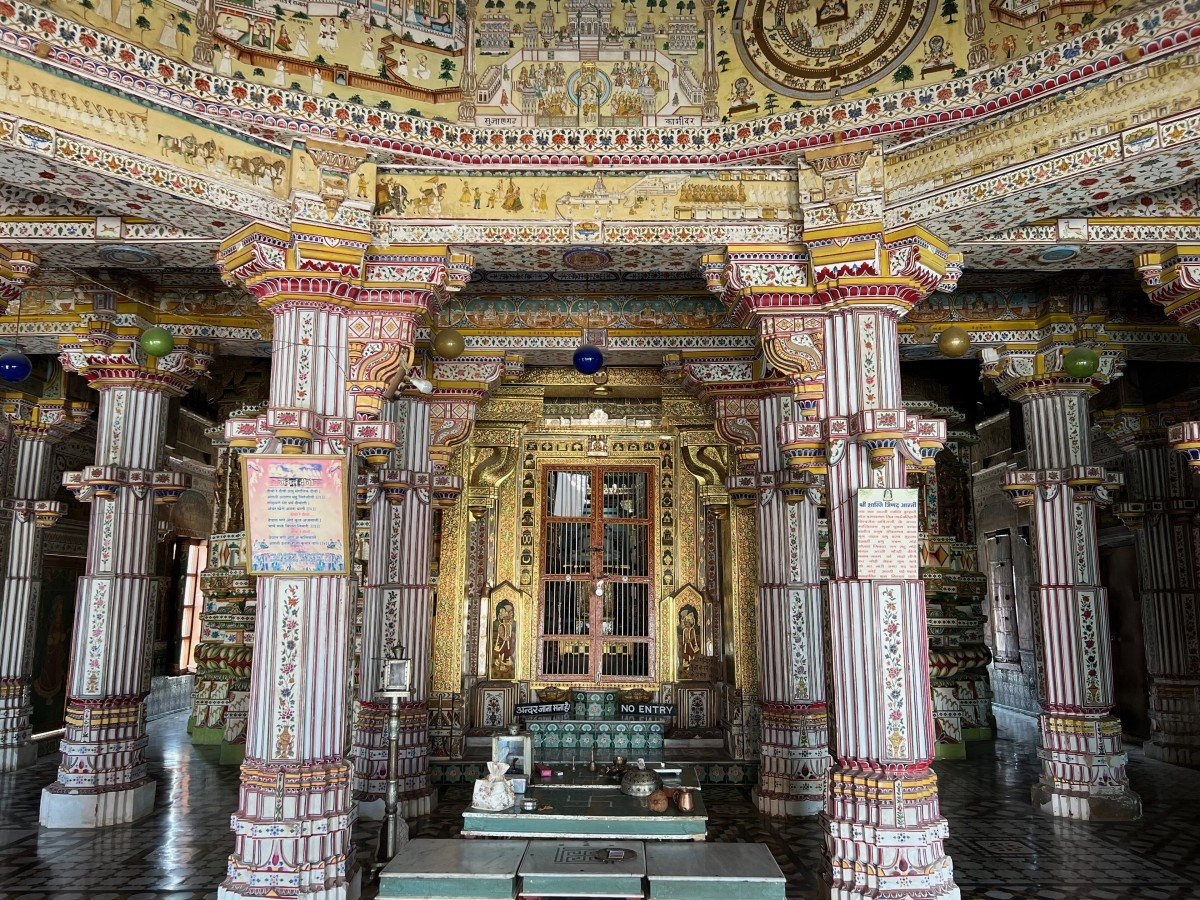

Things To Do
-
Immerse Yourself in the Grand Bargaining and Shopping Spree: The primary and most time-consuming activity is indulging in the vibrant, classic Indian market experience. Start by walking through the main Kote Gate archway and letting the atmosphere wash over you. The market stretches into lanes like Bada Bazaar and Nokha House. Dedicate a large portion of your time to polite, but firm, bargaining for the goods.
Focus your shopping on the specialties of Bikaner: purchase durable and uniquely crafted items made from camel hide (footwear, wallets, bags); buy vibrant, light-weight textiles like the traditional Leheriya or Bandhani print sarees, turbans, and scarves; look for exquisite Kundan and Meenakari jewelry (both artificial and authentic); and seek out the famous, incredibly lightweight, and warm Nokha Quilts (Razai), which are a local specialty....Immerse Yourself in the Grand Bargaining and Shopping Spree: The primary and most time-consuming activity is indulging in the vibrant, classic Indian market experience. Start by walking through the main Kote Gate archway and letting the atmosphere wash over you. The market stretches into lanes like Bada Bazaar and Nokha House. Dedicate a large portion of your time to polite, but firm, bargaining for the goods.
Focus your shopping on the specialties of Bikaner: purchase durable and uniquely crafted items made from camel hide (footwear, wallets, bags); buy vibrant, light-weight textiles like the traditional Leheriya or Bandhani print sarees, turbans, and scarves; look for exquisite Kundan and Meenakari jewelry (both artificial and authentic); and seek out the famous, incredibly lightweight, and warm Nokha Quilts (Razai), which are a local specialty.
Embark on a Historic Architectural Heritage Walk: Use Kote Gate as the starting point for a self-guided or locally-guided architectural tour of the old city. Immediately upon passing through the gate, you enter the heart of the walled city. Navigate the narrow lanes towards the Rampuria Haveli Cluster, which is arguably the best-preserved part of the old city. Spend time admiring the detailed faRs.ade of the Havelis, built from red Dulmera sandstone and adorned with intricate latticework (jharokhas). Study the traditional Rajputana and Victorian influences in the carvings. Extend the walk to other old city areas to see the residential architecture, which, though simpler than the Havelis, showcases the traditional, closely-packed housing and shared courtyards of historical Bikaner. Indulge in an Authentic Bikaneri Food Sampling Tour: The market area is a foodie's paradise. Dedicate a segment of your visit entirely to sampling the local delicacies. Top of the list is a stop for the world-famous Bikaneri Bhujia; try different brands and varieties. Do not miss the local sweets, such as the rich, decadent milk-based Rasgulla or Rasmalai, for which Bikaner is justly famous. For savory, try a piping hot, freshly-made local Kachori (spicy deep-fried pastry). Another unique experience is visiting one of the local tea stalls to try camel milk tea, a traditional desert beverage. The food vendors are everywhere, offering a low-cost, high-flavor cultural experience that is as memorable as the shopping.
Observe the Local Culture and Daily Life: The Kote Gate is a premier location for people-watching and cultural immersion. Find a spot at a roadside tea stall or a sweet shop and simply observe the local rhythm of life. Note the traditional attire of the people (Ghagras, turbans, and brightly colored scarves), the mix of traditional and modern transport (auto-rickshaws navigating past ancient cycle-rickshaws), and the unique way in which commerce is conducted. The gate area is always a hub of activity, providing continuous, genuine insights into the contemporary life of a historical Rajasthani city.
Seek Out Antique and Wooden Artifact Shops: Beyond the main market items, hunt for the smaller, more specialized shops that sell wooden artifacts, antique-style metal crafts, and local pottery. These shops are often tucked away in side alleys. You can find intricately carved wooden boxes, metal figurines, and traditional kitchen utensils. While caution is needed when buying 'antiques', these shops offer beautiful, handcrafted items that make excellent, unique souvenirs and support the local artisanal economy.
Visit the Nearby Shri Laxminath Temple: The Shri Laxminath Temple, one of the oldest and most significant temples in Bikaner, is located very close to the Kote Gate area (approx. 2 KMs). A visit to the temple can be seamlessly combined with the Kote Gate experience. The contrast between the spiritual serenity of the ancient temple and the commercial
Information
-
Why Famous:
Symbol of Old vs.
New Bikaner: Kote Gate's fame rests primarily on its iconic status as the definitive landmark that physically and conceptually divides the old, walled city from the new, modern Bikaner. It is the point of transition, a living history lesson where...Symbol of Old vs.
New Bikaner: Kote Gate's fame rests primarily on its iconic status as the definitive landmark that physically and conceptually divides the old, walled city from the new, modern Bikaner. It is the point of transition, a living history lesson where on one side, you find the orderly bustle of the new city, and on the other, the preserved chaos and architectural heritage of the old city with its narrow lanes, ancient Havelis, and traditional houses. This function as a historical marker and a perpetual boundary makes it famous, as every local and tourist uses it as a geographical and cultural reference point, embodying the city's evolution over centuries.
Commercial and Cultural Nexus: The area around Kote Gate is renowned throughout Rajasthan for being the primary commercial and cultural hub of Bikaner. It is the place to find authentic, locally-produced Rajasthani items that the region is famous for. From the unique, durable accessories made from camel hide to the authentic Bikaneri Bhujia that has a Geographical Indication (GI) tag, the market offers a genuine taste of Bikaner's commerce. The lively, colorful atmosphere, the persistent yet friendly vendors, and the sheer variety of goods make the Kote Gate market a legendary shopping destination, attracting tourists from all over the world purely for the experience of its bustling bazaar.
Gateway to Rampuria Havelis: Kote Gate is the symbolic entrance to the most architecturally significant part of the old city, particularly the lanes leading to the cluster of magnificent red sandstone mansions known as the Rampuria Havelis. Visitors often combine the Kote Gate experience with a walk to witness these ornate Havelis, which are stunning examples of Rajputana architecture. This connection to the best-preserved architectural wealth of the old city enhances the gate's reputation, making it the starting point for Bikaner's most celebrated heritage walk. -
Architecture:
Functional Fortification and Gateway Design: The architecture of Kote Gate is a testament to its original function as a key defensive gateway to the walled city, rather than a purely decorative monument. The gate is a massive, towering arch structure built from the locally...Functional Fortification and Gateway Design: The architecture of Kote Gate is a testament to its original function as a key defensive gateway to the walled city, rather than a purely decorative monument. The gate is a massive, towering arch structure built from the locally available, durable reddish-brown sandstone, which is characteristic of many of Bikaner's older fortifications. It is built in a robust, utilitarian Rajput style, designed to withstand siege while allowing controlled entry. The structure is essentially a large, double-sided archway spanning the main thoroughfare, with flanking walls that once connected to the rest of the city's perimeter wall.
Dimension and Structural Simplicity: While detailed engineering specifications or blueprints are not widely publicized, the gate's dimensions are impressive enough to dominate the modern street scene. The main archway is approximately 30 to 40 feet high, wide enough to allow the passage of large carriages (and now, modern traffic). The walls are exceptionally thick, a necessary feature for defensive structures of the 16th century. The upper section, though modified over time, historically would have housed guard rooms and battlements. The design is architecturally simpler than the elaborate palaces or temples, featuring a heavy, imposing silhouette with minimal ornamentation. Any decoration is primarily in the form of robust stone carvings or simple geometric patterns, serving to emphasize its strength and symbolic role as a welcoming, yet imposing, portal to the historical heart of Bikaner. -
How To Reach:
By Air: The nearest airport is Nal Airport (Bikaner Airport - BKB), located approximately 12 to 15 kilometers away. Upon arrival at BKB (which has limited domestic connectivity), you can hire a pre-paid taxi or a commercial cab service. Since Kote Gate is the major, most ...By Air: The nearest airport is Nal Airport (Bikaner Airport - BKB), located approximately 12 to 15 kilometers away. Upon arrival at BKB (which has limited domestic connectivity), you can hire a pre-paid taxi or a commercial cab service. Since Kote Gate is the major, most famous landmark, it is a well-known destination. The ride from the airport will take about 30-40 minutes. As you approach the gate, you should instruct your driver to drop you off a short distance away (e. g. , at the start of Station Road) to avoid getting stuck in the intense market traffic and congestion right at the gate.
By Train: This is the most convenient way to access Kote Gate. Bikaner Junction (BKN) is the main railway station, and Kote Gate is situated just a short distanceRs.approximately 1 to 2 kilometersRs.from the station exit. You can easily walk, but it's much more convenient to hire a quick auto-rickshaw or a cycle-rickshaw from the station's exit. The short ride is inexpensive and takes only about 5-10 minutes, dropping you right at the edge of the Kote Gate area.
By Road: Bikaner is a central hub connected by National Highways to all major cities in Rajasthan and North India. The main Bikaner Bus Stand is well-serviced by state-run and private buses. The bus stand is approximately 3-4 kilometers from Kote Gate. From the bus stand, you will need to take an auto-rickshaw or a local cab. If driving your own vehicle, it is highly advised to park your car in a designated, paid parking lot on the new city side of the gate (e. g. , near the railway station or a major side street) and continue on foot or via a cycle-rickshaw. Driving a large vehicle into the crowded, narrow lanes of the market is nearly impossible and strongly discouraged.
By Local Transport: The Kote Gate area functions as a central transport hub.
Auto-rickshaws: These are the most abundant and effective means of transport. They are easily available from all parts of the city and can get you closest to the gate's main action.
Cycle-rickshaws: These are ideal for short distances and for navigating the very beginning of the congested market area if you want to be dropped off inside the initial lanes. This slow-paced ride allows for good people-watching.
On Foot: The best way to explore the market and the surrounding heritage lanes (including the Rampuria Havelis) is on foot. Once you reach the gate, you should plan to walk for the duration of your visit to fully appreciate the details and atmosphere. -
Weather and Best Time to Visit:
Different Types of Seasons: Season Name Ideal Visit Time Details
Winter Season (October to March): Optimal Time. The weather is cool and dry, making long walks through the bustling market lanes pleasant and comfortable. This is ...Different Types of Seasons: Season Name Ideal Visit Time Details
Winter Season (October to March): Optimal Time. The weather is cool and dry, making long walks through the bustling market lanes pleasant and comfortable. This is the peak tourist season, and the market is at its liveliest, often featuring a vibrant mix of international and domestic visitors. Visiting during the cool evenings is particularly enjoyable.
Summer Season (April to June): Least Recommended. The extreme heat makes visiting the open market uncomfortable. The sun's intensity from mid-morning to late afternoon can be exhausting, and the market activity often dips during these peak heat hours. If you must visit, restrict your time to the very early morning or late evening.
Monsoon Season (July to September): Moderate Time. While rainfall is less common in the desert, the weather is warm and humid. The occasional rain can temporarily disrupt market flow, but the moderate temperatures (compared to summer) make a visit manageable. This is a good time for budget travelers as it's the shoulder season.
Different Parts of the Day: Part of the Day Name Ideal Visit Time Details Morning (10:00 AM - 12:00 PM) Best for Unhurried Shopping. Arriving at the market's opening time is good if you wish to avoid the maximum crowds and the late afternoon traffic. The vendors are fresh, and you can conduct your shopping and bargaining in a relatively calm environment before the peak rush begins. Late Afternoon (4:00 PM - 7:00 PM) Best for Cultural Immersion. This is the Most Recommended Time. The gate and the market are fully alive with local activity, the sounds and smells are at their most vibrant, and the atmosphere is electric. This is the perfect time for street food sampling, people-watching, and photography. Evening (7:00 PM - 8:30 PM) Good for Festive or Culinary Focus. The market remains busy until closing. The illuminated gate and shop lights create a warm, welcoming ambiance. This time is best for grabbing dinner or final purchases before the main shops shut down. -
Near Tourist Places:
Place Name Distance (in KMs) Main Category Junagarh Fort Approx. 1. 5 KMs Fort / History / Museum Shri Laxminath Temple Approx. 2 KMs Religious / Heritage Site Rampuria Haveli Cluster Approx. 0. 5 - 1 KM Architecture / Heritage Bhandasar Jain Temple Approx. 2 KMs Temple / Architecture Ganga Government Museum Approx. 3 KMs Museum / Archaeology Prachina Museum Approx. 1. 5 KMs Museum / Culture (Located in Junagarh Fort) Sadul Singh Museum Approx. 4 KMs Museum / Royal History Bikaner Junction Railway Station Approx. 1 KM Transport Hub Station Road Market 0 KM (Part of the Area) Market / Shopping Laxmi Niwas Palace Approx. 4 KMs Palace / Heritage Hotel
Tourism Tips
-
Health & Safety:
Watch for Traffic: The Kote Gate is a major traffic intersection. Be extremely cautious of auto-rickshaws, bikes, and pedestrians while walking, as the road system is often chaotic.
Crowd Manag...Health & Safety:
Watch for Traffic: The Kote Gate is a major traffic intersection. Be extremely cautious of auto-rickshaws, bikes, and pedestrians while walking, as the road system is often chaotic.
Crowd Management: Keep all valuables (wallets, phones, passports) secure in a front pocket or a cross-body bag. The area can be very crowded, especially on weekends and during festivals.
Street Food Caution: Sample the local street food, but choose stalls that appear clean, have a high turnover of customers, and where the food is cooked fresh in front of you.
Footwear: Wear comfortable, closed-toe walking shoes to navigate the uneven, sometimes messy, and congested market streets with ease and safety.
Packing:
Bargaining Cash: Carry a good amount of small-denomination cash (INR 10, 20, 50, 100) for the market. Bargaining is much easier and more effective with cash, as many small vendors do not accept digital payments.
Shopping Bag: Carry an empty, sturdy shopping bag or a backpack to store your purchases. This is more convenient and environmentally friendly than relying on small plastic bags from individual vendors.
Layered Clothing: Evenings can get cool in winter, so carry a light shawl or jacket, which can also serve to cover your shoulders if you decide to visit a nearby temple like Shri Laxminath Temple.
Accommodation:
Proximity Advantage: Staying at a hotel or guesthouse near Bikaner Junction Railway Station or on Station Road offers the easiest and quickest access to Kote Gate, making it convenient for multiple evening visits.
Heritage/Old City Stay: For a deeply immersive experience, find a homestay or budget guesthouse inside the old city walls, accessible via Kote Gate. However, be prepared to navigate the narrow lanes on foot.
New City Comfort: Hotels in the newer, quieter areas near the Civil Lines offer more peace and easier car access, requiring a short auto-rickshaw ride to Kote Gate.
Other Different Topics Heading:
Bargaining Etiquette: Bargaining is customary, but it should always be done politely and with a smile. Start at about 50% of the quoted price, but be reasonableRs.a successful deal benefits both the buyer and the vendor. Do not commit to buying an item unless you are ready to complete the purchase.
Old City Guide: Consider hiring a local guide (or join a guided heritage walk) for the first time you venture into the maze-like lanes behind the gate. They can lead you to the best shops, hidden Havelis, and food spots you would otherwise miss.
Post-Visit Plan: Plan a quiet activity after your Kote Gate visit (like dinner at a peaceful restaurant or a walk on a main road), as the intense sensory experience of the market can be quite exhausting.
Reviews
FAQs
Bikaner Itineray And Cost:-
Other Places In Bikaner :-
Other States In India :-
Information about New and Updated Locations() of Rajasthan Has Been Added :-
Card subtitle
Note:-
Information provided here in good Faith and for reference only.
Near Places
Bhandasar Jain Temple
Some quick example text to build on the card title and make up the bulk of the card's content.
Go somewhere
Bikaji Ki Tekri
Some quick example text to build on the card title and make up the bulk of the card's content.
Go somewhere
Bikana Chowpatty
Some quick example text to build on the card title and make up the bulk of the card's content.
Go somewhere
Bikaner Miniature Arts Gallery
Some quick example text to build on the card title and make up the bulk of the card's content.
Go somewhere
Camel Festival Ground
Some quick example text to build on the card title and make up the bulk of the card's content.
Go somewhere
Camel Safari
Some quick example text to build on the card title and make up the bulk of the card's content.
Go somewhere
Devi Kund Sagar
Some quick example text to build on the card title and make up the bulk of the card's content.
Go somewhere
Fun World Waterpark
Some quick example text to build on the card title and make up the bulk of the card's content.
Go somewhere
Gajner Palace & Wildlife Sanctuary
Some quick example text to build on the card title and make up the bulk of the card's content.
Go somewhere
Ganga Golden Jubilee Museum
Some quick example text to build on the card title and make up the bulk of the card's content.
Go somewhere
Ganga Government Museum
Some quick example text to build on the card title and make up the bulk of the card's content.
Go somewhere
Junagarh Fort
Some quick example text to build on the card title and make up the bulk of the card's content.
Go somewhere
Jyotish Number 1
Some quick example text to build on the card title and make up the bulk of the card's content.
Go somewhere
Kalibanga
Some quick example text to build on the card title and make up the bulk of the card's content.
Go somewhere
Kodamdesar Temple
Some quick example text to build on the card title and make up the bulk of the card's content.
Go somewhere
Kodamdeshwar Temple
Some quick example text to build on the card title and make up the bulk of the card's content.
Go somewherein Other Cities