

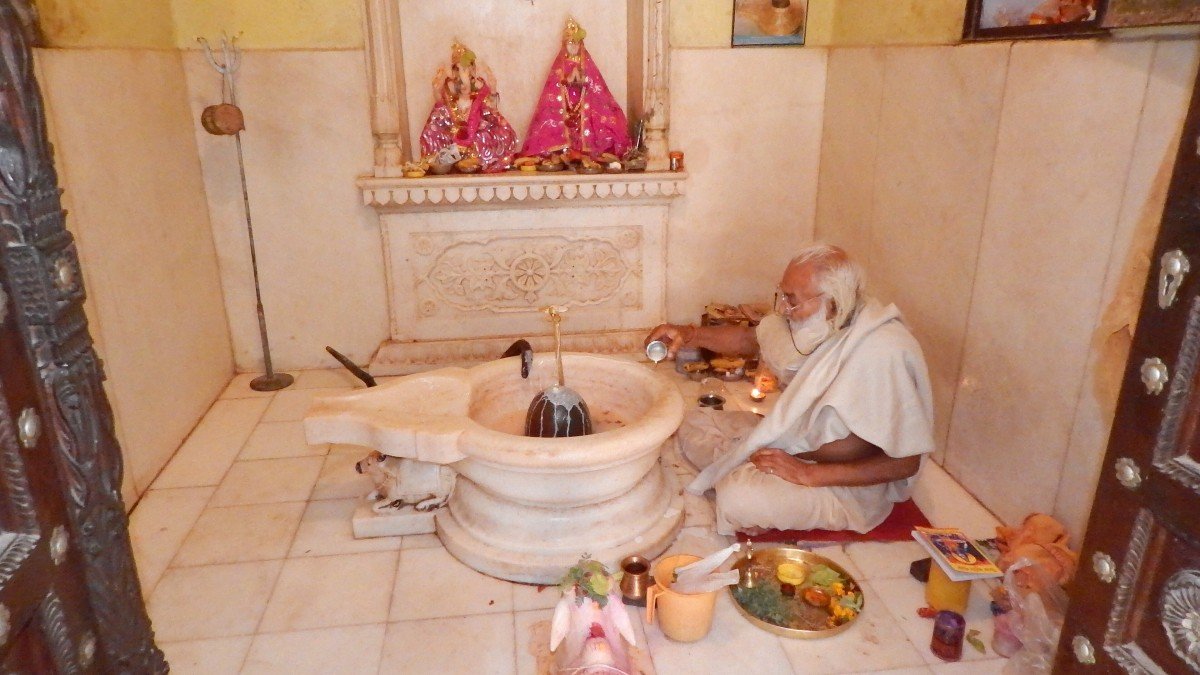

Kodamdeshwar Temple
General information
-
Ideal Duration:
1 to 2 Hours (Excluding travel time from the city).Place Type:
Religious/Spiritual Site, Historical Landmark.Entry Fees:
General Entry Fees: None (No charge for general entry).
Donations and Offerings: While there is no mandatory fee, devotees often make voluntary donations (daan) in the temple's hundi (collection box) or offer a small dakshina (fee/gift) ...General Entry Fees: None (No charge for general entry).
Donations and Offerings: While there is no mandatory fee, devotees often make voluntary donations (daan) in the temple's hundi (collection box) or offer a small dakshina (fee/gift) to the pujaris for performing specific pujas. Visitors should budget a small amount for purchasing offerings like coconut, flowers, or sweets from nearby vendors.Timing:
Regular Timings:
The temple is generally open for Darshan from:
Morning: 6:00 AM
Evening: 6:00 PM
Please note: Temple timings can be flexible,...Regular Timings:
The temple is generally open for Darshan from:
Morning: 6:00 AM
Evening: 6:00 PM
Please note: Temple timings can be flexible, especially during aarti times or major festivals, and may extend into the late evening.
Ideal Visit Time: The best time for a visit is in the early morning (7:00 AM to 9:00 AM) or late afternoon/evening (4:00 PM to 6:00 PM) to avoid the intense desert heat, especially between April and September. The sunset time also offers the most picturesque lighting for photography.Special Events:
Mahashivaratri Celebrations: The most significant festival celebrated at Kodamdeshwar Temple is Mahashivaratri, which typically falls in the Hindu month of Phalguna (usually February or March). Since Lord Bhairon is an incarnation of Lord Shiva, the night is observed with ...Mahashivaratri Celebrations: The most significant festival celebrated at Kodamdeshwar Temple is Mahashivaratri, which typically falls in the Hindu month of Phalguna (usually February or March). Since Lord Bhairon is an incarnation of Lord Shiva, the night is observed with great fervor. The temple is brightly decorated, and special pujas (worship rituals) are held throughout the night, with devotional singing (bhajans) and special aartis.
Bhairon Ashtami Festival: Another major event is Bhairon Ashtami, observed on the Krishna Paksha Ashtami (eighth day of the dark fortnight) of the Hindu month of Margashirsha (usually November or December). This is the day dedicated to Lord Bhairav. Pilgrims from nearby districts flock to the temple to offer special prayers and offerings, often including symbolic bali (sacrifice) and community feasts.Best Photo Spots:
The Roofless Idol and Sky Backdrop: The most unique photo opportunity is the open-air idol of Lord Bhairon with the clear Rajasthani sky (or starry night sky) as the backdrop. Capturing the idol's enigmatic features and the surrounding white marble platform creates a stark...The Roofless Idol and Sky Backdrop: The most unique photo opportunity is the open-air idol of Lord Bhairon with the clear Rajasthani sky (or starry night sky) as the backdrop. Capturing the idol's enigmatic features and the surrounding white marble platform creates a stark and powerful visual.
Sunrise/Sunset Silhouettes: Due to its isolated location on a plain, the temple offers incredible sunrise and sunset views. Silhouette photography of the temple structure and the prominent tridents against the vivid desert hues of orange, red, and purple is highly rewarding.
Candid Shots of Rituals: Capturing the cultural life, such as a priest performing aarti, a family carrying out a Mundan ceremony, or devotees placing prasad into the deity's mouth, provides authentic cultural and human interest photos, though discretion and respect must be maintained.Photo Gallery


Things To Do
-
Participate in Darshan and Worship Rituals: The primary activity is to have a Darshan (viewing) of the principal deity, Lord Bhairon. Attend the morning or evening Aarti (prayer ceremony), which is a vibrant and spiritual experience. Offerings of laddus (sweets) and coconut are common. Observe the unique ritual of offering Prasad (consecrated food) directly into the deityRs.s mouth as is the local custom, symbolizing the lord's immense appetite.
Explore the Open-Air Architecture and Legend: Take time to walk around the open-air temple platform. Reflect on the unusual designRs.the roofless sanctumRs.and the associated legend of Rao Bikaji and the immovable idol. The simplicity of the structure forces an appreciation of the raw spiritual power of the place, contrasting with the ornate temples found in the city.Participate in Darshan and Worship Rituals: The primary activity is to have a Darshan (viewing) of the principal deity, Lord Bhairon. Attend the morning or evening Aarti (prayer ceremony), which is a vibrant and spiritual experience. Offerings of laddus (sweets) and coconut are common. Observe the unique ritual of offering Prasad (consecrated food) directly into the deityRs.s mouth as is the local custom, symbolizing the lord's immense appetite.
Explore the Open-Air Architecture and Legend: Take time to walk around the open-air temple platform. Reflect on the unusual designRs.the roofless sanctumRs.and the associated legend of Rao Bikaji and the immovable idol. The simplicity of the structure forces an appreciation of the raw spiritual power of the place, contrasting with the ornate temples found in the city.
Observe Local Customs and Traditions: If you visit during an auspicious day or festival like Mahashivaratri, you can witness the traditional ceremonies, including the occasional animal sacrifice (a long-standing tradition in some Bhairav temples, though often symbolic today). Keep an eye out for families performing Mundan ceremonies or newlyweds seeking blessings, offering an authentic cultural experience of Rajasthani village life.
Photography of the Desert Setting: The temple's location in the arid, open desert provides a stark and beautiful backdrop. It is an excellent spot for landscape photography, especially during the soft light of sunrise or sunset, capturing the solitary marble structure against the vast expanse. Capture the intricate carvings on the peripheral marble slabs or the symbolic tridents.
Interacting with the Local Village Life: Kodamdesar is a small village. Spend a few moments interacting with the local pujaris (priests) or villagers. They often have fascinating stories and deep knowledge about the temple's history and the life of Rao Bikaji. If you are lucky, you may spot and feed the dogs revered as the vahana of the deity.
Visit During a Fair (Mela): If your visit coincides with the annual fair, often held around Mahashivaratri or on Bhairon Ashtami, the whole atmosphere transforms. The fair brings temporary shops, food stalls, and a large crowd of pilgrims, turning the quiet spot into a vibrant celebration of faith and commerce.
Contemplation and Meditation: Due to its remote and quiet location, the temple provides a perfect environment for quiet contemplation, meditation, or simply escaping the noise of the city. The vast, clear sky and the stillness of the desert enhance the spiritual experience.
Information
-
Why Famous:
Founder's First Dedication: The temple is famous because it was the first spiritual dedication made by Rao Bikaji, the founder of Bikaner, shortly after arriving in the area in 1465 AD. This act signified the blessing of the new kingdom by Lord Bhairon, establishing the de...Founder's First Dedication: The temple is famous because it was the first spiritual dedication made by Rao Bikaji, the founder of Bikaner, shortly after arriving in the area in 1465 AD. This act signified the blessing of the new kingdom by Lord Bhairon, establishing the deity as the protector of Bikaner and its royal lineage. Its establishment predates the construction of the major forts and palaces, marking the true beginning of the city's history.
The Roofless Idol Legend: The unique feature of the main idol being roofless is a major point of fame. The legend states that the idol, while being brought from Mandore (near Jodhpur), became miraculously rooted to the ground at this spot after the devotee mistakenly placed it down. Since it could not be moved or covered, it remains open to the sky, a perpetual testament to the deity's power and a rare sight in temple architecture globally. -
Architecture:
Rajputana Simplicity and Unique Design: The architecture of Kodamdeshwar Temple is a striking example of simple yet deeply symbolic Rajputana style, adapted to the desert environment. It is primarily built with materials common to the region, featuring basic stone and marb...Rajputana Simplicity and Unique Design: The architecture of Kodamdeshwar Temple is a striking example of simple yet deeply symbolic Rajputana style, adapted to the desert environment. It is primarily built with materials common to the region, featuring basic stone and marble work. Its most defining characteristic is the lack of a shikhar (spire) or roof over the main sanctum. Unlike the grand, multi-tiered temples of later periods, this templeRs.s simplicity underscores its ancient roots and the legend surrounding its establishment by Rao Bikaji.
Dimensions and Layout: The temple is essentially a large, walled courtyard with a central, raised marble platform (chowk) where the main idol of Lord Bhairon is installed.
Main Idol Platform: The idol is placed on a simple, square or rectangular marble base, often surrounded by a low railing or boundary.
Absence of Garbhagriha (Sanctum Sanctorum): The open-air nature means it does not have the typical enclosed sanctum, making the sky the ultimate roof.
Peripheral Elements: The complex includes areas for ritualistic offering and gathering spaces for pilgrims. The simplicity ensures focus remains on the deity and the surrounding desert landscape.
Tridents (Trishuls): Large trishuls (tridents), the weapon of Lord Shiva and his forms like Bhairav Nath, are often prominently displayed near the deity, serving as powerful symbolic markers. -
How To Reach:
By Air:
The nearest airport is Nal Airport (Bikaner) (IATA: BKB), approximately 40 KMS from the temple. It has direct connections to major cities like Delhi and Jaipur. From the airport, a taxi or private car is the only viable option to r...By Air:
The nearest airport is Nal Airport (Bikaner) (IATA: BKB), approximately 40 KMS from the temple. It has direct connections to major cities like Delhi and Jaipur. From the airport, a taxi or private car is the only viable option to reach the temple.
By Train: The nearest major railway station is Bikaner Junction (Station Code: BKN), which is very well connected to metropolitan cities across India including Delhi, Mumbai, Kolkata, and Jaipur. The station is about 25-30 KMS from the temple. From the station, you must hire a taxi, auto-rickshaw (for the initial part of the journey), or book a cab service.
By Road: Bikaner is connected by national highways (NH-11 passes through the city) to all major cities in Rajasthan. The temple, located on the outskirts, is best reached by private car or hired taxi. Look for routes leading towards Kodamdesar village. The last stretch often involves driving on a well-maintained, though less-traveled, rural road.
By Local Transport: Due to the significant distance (~25 KMS) from the city center, local transport like cycle-rickshaws or standard auto-rickshaws are not ideal or readily available for the full journey. It is strongly recommended to hire a taxi, a radio cab, or negotiate a round-trip fare with an auto-rickshaw driver who is willing to wait, as transport options for the return journey from the temple site are scarce. -
Weather and Best Time to Visit:
Seasons:
Winter (October to March): This is the best time to visit. Temperatures are pleasantly cool (10Rs.C to 25Rs.C), making sightseeing and travel comfortable. November, December, January, and February are peak months.
Read MoreSeasons:
Winter (October to March): This is the best time to visit. Temperatures are pleasantly cool (10Rs.C to 25Rs.C), making sightseeing and travel comfortable. November, December, January, and February are peak months.
Monsoon (July to September): While Bikaner receives very little rain, the weather is humid and still hot. Visiting is possible, but it's not the ideal time.
Summer (April to June): Avoid visiting during this period. The desert heat is extreme (35Rs.C to 45Rs.C or higher) and can make daytime travel outdoors dangerous and uncomfortable.
Different Parts of the Day: The Ideal Visit Time is Early Morning (before 9:00 AM) or Late Afternoon (after 4:00 PM) to escape the midday heat, even in Winter. Morning visits offer a peaceful experience, while evening visits are perfect for the sunset view and the evening aarti.Near Tourist Places:
(Distances are approximate from Kodamdeshwar Temple) 1.
Junagarh Fort: ~25 KMS 2.
Karni Mata Temple, Deshnoke: ~40 KMS 3.
Shri Laxminath Temple: ~24 KMS 4.
Sursagar Lake: ~26 KMS 5.
Rampuria Havelis: ~26 KMS 6.
Kote Gate Market: ~27 KMS 7.
Lallgarh Palace: ~28 KMS 8.
National Research Centre on Camel: ~30 KMS 9.
Ganga Singh Museum: ~27 KMS 10.
Bhandasar Jain Temple: ~28 KMSTourism Tips
-
Health & Safety: Always carry water, especially if visiting between March and October, to prevent dehydration in the arid climate. Wear a hat or cap and use sunscreen. Since the temple is a spiritual site, dress modestly (covering shoulders and knees) as a mark of respect...Health & Safety: Always carry water, especially if visiting between March and October, to prevent dehydration in the arid climate. Wear a hat or cap and use sunscreen. Since the temple is a spiritual site, dress modestly (covering shoulders and knees) as a mark of respect. Be prepared to remove footwear before entering the temple compound.
Packing: Pack light, comfortable cotton clothing for warmth during Winter mornings and evenings. Carry sunglasses and a scarf to protect against the sun and potential dust. For photography, a zoom lens is helpful for capturing the temple's distant setting.
Accommodation: Accommodation options are best found within the main city of Bikaner (close to the Junagarh Fort or Kote Gate area). Options range from budget hotels to heritage properties like the Laxmi Niwas Palace or Lallgarh Palace. There are no suitable lodging options near the temple itself.
Local Transport & Communication: Since the temple is far from the city, negotiate a return fare with a taxi driver or hire a car for the entire duration of your trip. Kodamdesar is a rural area, so ensure your mobile phone is fully charged as network coverage may be spotty. Learn a few basic Hindi or Marwari phrases, though English is understood by most tourism-related personnel.
Reviews
FAQs
Bikaner Itineray And Cost:-
Kodamdeshwar Temple Tourism:-
Other Places In Bikaner :-
Other States In India :-
Information about New and Updated Locations() of Rajasthan Has Been Added :-
Card subtitle
Note:-
Information provided here in good Faith and for reference only.
Near Places
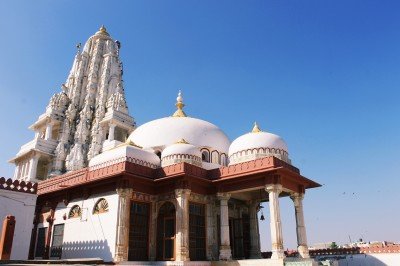
Bhandasar Jain Temple
Some quick example text to build on the card title and make up the bulk of the card's content.
Go somewhere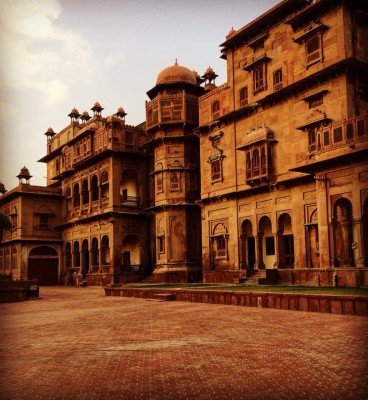
Bikaji Ki Tekri
Some quick example text to build on the card title and make up the bulk of the card's content.
Go somewhere
Bikana Chowpatty
Some quick example text to build on the card title and make up the bulk of the card's content.
Go somewhere
Bikaner Miniature Arts Gallery
Some quick example text to build on the card title and make up the bulk of the card's content.
Go somewhere
Camel Festival Ground
Some quick example text to build on the card title and make up the bulk of the card's content.
Go somewhere
Camel Safari
Some quick example text to build on the card title and make up the bulk of the card's content.
Go somewhere
Devi Kund Sagar
Some quick example text to build on the card title and make up the bulk of the card's content.
Go somewhere
Fun World Waterpark
Some quick example text to build on the card title and make up the bulk of the card's content.
Go somewhere
Gajner Palace & Wildlife Sanctuary
Some quick example text to build on the card title and make up the bulk of the card's content.
Go somewhere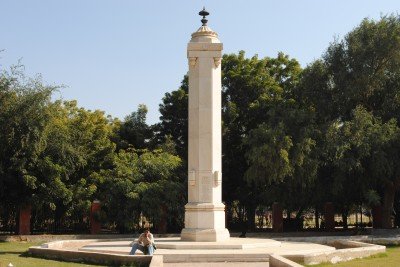
Ganga Golden Jubilee Museum
Some quick example text to build on the card title and make up the bulk of the card's content.
Go somewhere
Ganga Government Museum
Some quick example text to build on the card title and make up the bulk of the card's content.
Go somewhere
Junagarh Fort
Some quick example text to build on the card title and make up the bulk of the card's content.
Go somewhere
Jyotish Number 1
Some quick example text to build on the card title and make up the bulk of the card's content.
Go somewhere
Kalibanga
Some quick example text to build on the card title and make up the bulk of the card's content.
Go somewhere
Kodamdesar Temple
Some quick example text to build on the card title and make up the bulk of the card's content.
Go somewhere
Kodamdeshwar Temple
Some quick example text to build on the card title and make up the bulk of the card's content.
Go somewherein Other Cities