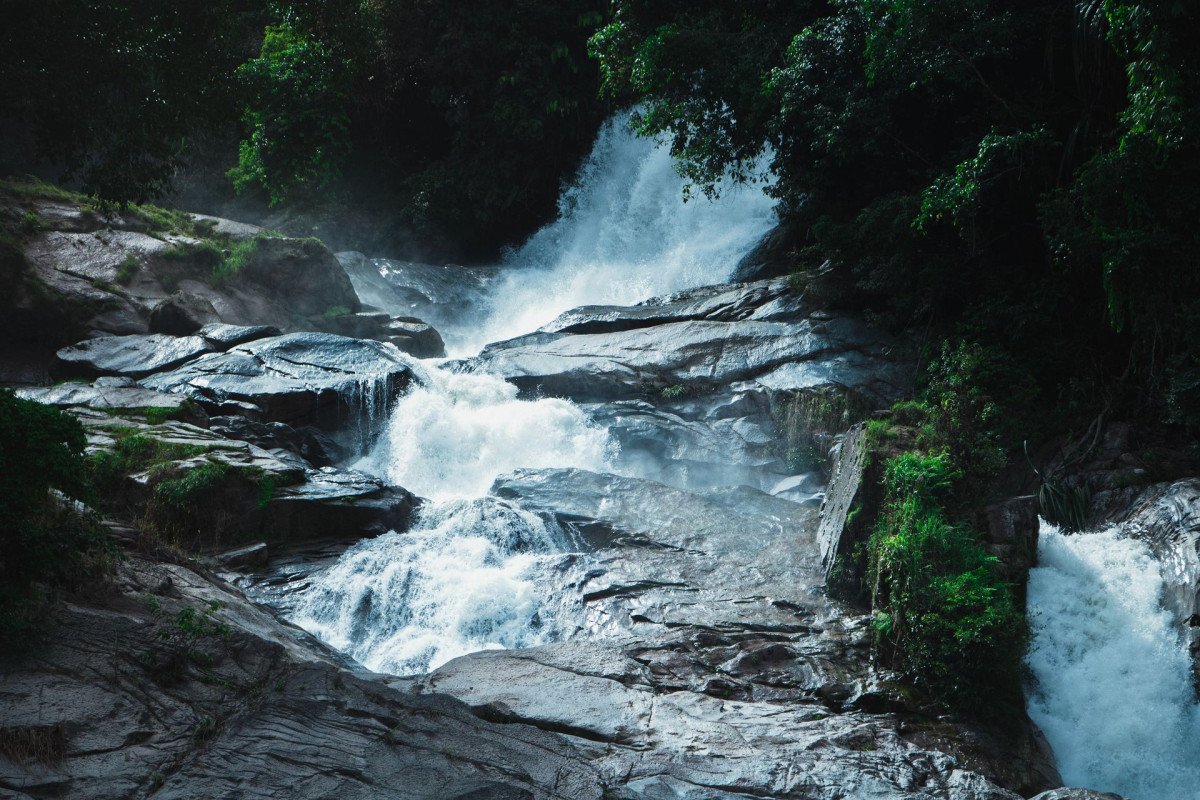
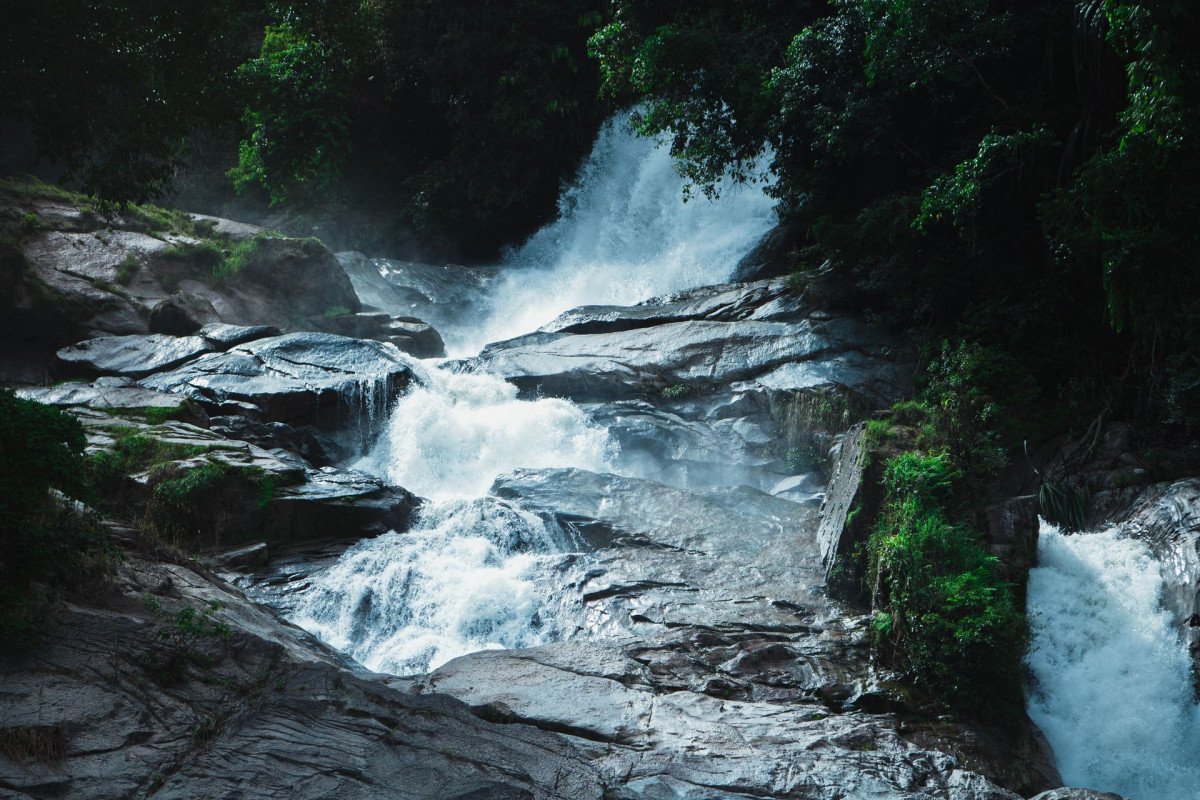
Bhatinda Falls
General information
-
Ideal Duration:
3 to 4 hours (Excluding Travel Time to and From Dhanbad City)Place Type:
Natural Waterfall and Picnic SpotEntry Fees:
Fee for Vehicle Parking: While there is typically no general 'entry fee' for a person to walk up to the falls, visitors arriving by private vehicle are usually charged a nominal parking fee by local authorities or management committees. This fee is often categorized by vehi...Fee for Vehicle Parking: While there is typically no general 'entry fee' for a person to walk up to the falls, visitors arriving by private vehicle are usually charged a nominal parking fee by local authorities or management committees. This fee is often categorized by vehicle type.
:
Two-Wheeler Fee Structure: For two-wheelers (motorcycles, scooters), the parking charge is generally around Rs 30. This is a low-cost, one-time fee per visit.
:
Four-Wheeler Fee Structure: For four-wheelers (cars, SUVs, jeeps), the parking charge is slightly higher, typically around Rs 50. This revenue is often used for local maintenance and basic facility management. It is important to carry small denomination cash for these transactions.
:
Checking for Updates: Tourists should be prepared for the possibility that a small, general entry fee (beyond parking) may be introduced in the future for site maintenance, so it is always wise to check with locals or official tourism websites for the most current fee structure before arrival.Timing:
Regular Timings: The official or recommended visiting time for Bhatinda Falls is generally from 9:00 AM to 5:00 PM daily. Visitors are strongly advised not to stay after sunset due to the isolated location and lack of adequate lighting, which can pose safety risks.
...Regular Timings: The official or recommended visiting time for Bhatinda Falls is generally from 9:00 AM to 5:00 PM daily. Visitors are strongly advised not to stay after sunset due to the isolated location and lack of adequate lighting, which can pose safety risks.
:
Ideal Visit Time: The ideal visit time is during the shoulder hours of the day. Arriving around 9:30 AM allows you to enjoy the morning light, cooler temperatures, and fewer crowds before the midday rush. Similarly, a visit in the late afternoon, between 3:00 PM and 5:00 PM, is excellent for experiencing the beautiful sunset lighting and avoiding the heat of the noon sun.
:
Best Seasonal Timings: The best seasonal timing is from October to March. During this period, the weather is pleasantly cool, and the water flow is spectacular due to the recent monsoons, providing the most comfortable and visually rewarding experience. Avoiding the peak afternoon heat (12 PM to 3 PM) in the summer months (April to June) is strongly recommended due to high temperatures.Special Events:
The New Year's Day Celebration Rush: The most significant and special annual 'event' is the massive gathering that takes place every year on January 1st. Locals from Dhanbad and nearby towns consider Bhatinda Falls one of the best spots to celebrate the New Year with large ...The New Year's Day Celebration Rush: The most significant and special annual 'event' is the massive gathering that takes place every year on January 1st. Locals from Dhanbad and nearby towns consider Bhatinda Falls one of the best spots to celebrate the New Year with large group picnics. The entire area is typically packed with joyous families and friends, leading to a festive, carnival-like atmosphere. This heavy influx transforms the tranquil spot into a vibrant, bustling celebration ground, making it an experience focused on community, food, and fun rather than solitude.
:
Post-Monsoon Peak Flow Spectacle: Although not a planned event, the period immediately following the monsoon, particularly in October, can be considered a 'spectacle' worth witnessing. The falls reach their maximum volume and intensity, creating a powerful, roaring display of nature's force that is far more dramatic than the flow seen during other times of the year. This natural phenomenon is the best time for visual impact.Best Photo Spots:
The Cascade Close-up: The best photo spots are often found right at the base of the falls, allowing you to capture the sheer scale of the water plunging over the giant boulders. Use a wide-angle lens to include the rocky foreground and the misty spray. The texture of the w...The Cascade Close-up: The best photo spots are often found right at the base of the falls, allowing you to capture the sheer scale of the water plunging over the giant boulders. Use a wide-angle lens to include the rocky foreground and the misty spray. The texture of the wet, mossy rocks provides an excellent visual element.
:
The Panoramic View: For a full view of the surrounding valley and the falls in their entirety, seek out the slightly elevated points or trails leading up the side. This vantage point is ideal for capturing a panoramic shot that includes the entire cascade, the surrounding greenery, and the blue sky, providing context to the landscape.
:
The Golden Hour Frame: The soft, warm light of the early morning (sunrise) or late afternoon (golden hour) is perfect for photography. This light enhances the green colours of the foliage and gives the water a shimmering, golden hue, creating a dramatic, postcard-perfect scene. Try to frame the cascade between tree branches for a natural border.
:
The Picnic Vibe Shot: To capture the essence of the place as a cultural destination, photograph the joyous picnic gatherings. Shots of families setting up their meals, children playing, and groups laughing capture the social significance of the falls, offering a great contrast to the purely natural landscape shots.Photo Gallery
Things To Do
-
Picnicking and Group Outings: The primary activity is enjoying a picnic with family and friends. The ample open space around the falls allows groups to set up makeshift kitchens and enjoy a full day of cooking, eating, and leisurely conversation. Bring your own food, blankets, and games to make the most of the relaxed atmosphere.
:
Nature Walk and Light Trekking: Explore the trails around the falls. Engage in a light trekking or nature walk through the adjoining semi-forested area. This is a great way to discover hidden viewpoints, learn about the local vegetation, and get some physical activity. Always wear sturdy, non-slip footwe...Picnicking and Group Outings: The primary activity is enjoying a picnic with family and friends. The ample open space around the falls allows groups to set up makeshift kitchens and enjoy a full day of cooking, eating, and leisurely conversation. Bring your own food, blankets, and games to make the most of the relaxed atmosphere.
:
Nature Walk and Light Trekking: Explore the trails around the falls. Engage in a light trekking or nature walk through the adjoining semi-forested area. This is a great way to discover hidden viewpoints, learn about the local vegetation, and get some physical activity. Always wear sturdy, non-slip footwear.
:
Photography and Scenic Capture: The multi-tiered cascade over the boulders provides endless photo opportunities. Early morning light and late afternoon golden hour are perfect for capturing the waterfall's beauty and the vibrant green of the surrounding landscape. Focus on long exposures for a silky water effect.
:
Relaxation and Meditation: Find a quiet spot away from the main crowd—perhaps near one of the upper, smaller pools—to relax, read a book, or practice meditation. The constant, rhythmic sound of the falling water acts as a natural white noise, promoting a deeply tranquil state of mind and helping to de-stress.
:
Water Play and Refreshing Dip: Visitors can enjoy a cautious dip in the shallower pools at the base. The water is cool and refreshing, offering a respite from the day's heat. However, it is crucial to stay away from the main cascade and any clearly marked deep or fast-flowing areas, especially during the monsoon season. Safety should be the priority.
:
Exploring Local Eateries and Stalls: Near the entrance or parking area, there are usually small local stalls selling snacks, tea, ice cream, and water. Sampling these local street foods and interacting with the vendors adds a cultural touch to the visit.
:
Bird Watching and Ecology Study: Dedicate time for bird watching, as the area is home to various local bird species. Bring a pair of binoculars and a field guide to observe and identify the rich avi-fauna, turning the trip into an ecological study tour.
Information
-
Why Famous:
The Prime Picnic Spot and Natural Retreat: Bhatinda Falls is supremely famous for being the premier and most popular picnic spot for the residents of Dhanbad and surrounding regions. Families, friends, and corporate groups flock here, especially during the cool winter month...The Prime Picnic Spot and Natural Retreat: Bhatinda Falls is supremely famous for being the premier and most popular picnic spot for the residents of Dhanbad and surrounding regions. Families, friends, and corporate groups flock here, especially during the cool winter months and around the New Year season, to enjoy a day of relaxation and feasting amidst nature. The wide, relatively flat areas near the base of the falls are perfectly suited for spreading a blanket, cooking, and engaging in outdoor group activities, making it synonymous with leisurely outings in the region.
:
The Contrast to Industrial Dhanbad: Its fame is also linked to the striking contrast it offers to Dhanbad, which is known as the 'Coal Capital of India' due to its extensive coal mining operations and industrial landscape. Bhatinda Falls stands as a verdant oasis, a pristine natural escape that showcases the softer, ecological side of the district. This unexpected natural beauty, juxtaposed with the urban/industrial environment, enhances its appeal and reputation as a must-visit site.
:
Captivating Cascades and Rocky Terrain: The visual appeal of the water cascading over the unique arrangement of huge boulders is a major draw. The sight of the water shimmering and gushing, particularly when the stream is full, is often described as mesmerizing. This specific configuration of water and rock makes for excellent natural photography, contributing to its fame among travel enthusiasts and photographers looking for scenic beauty in Jharkhand. -
Architecture:
Geological Formation and Natural Design: The Bhatinda Falls is not a man-made structure but a product of natural geological architecture, where a stream cascades down a gradient of massive, naturally occurring rock formations.
Read MoreGeological Formation and Natural Design: The Bhatinda Falls is not a man-made structure but a product of natural geological architecture, where a stream cascades down a gradient of massive, naturally occurring rock formations.
:
Rock Structure and Material: The 'architecture' is primarily defined by the robust, dark, and often moss-covered rocky boulders that form the tiered steps of the waterfall. These rocks are likely composed of ancient, hard metamorphic or igneous material typical of the Chota Nagpur Plateau, giving the falls its rugged and dramatic appearance.
:
Water Flow and Tier Dimension: The fall is characterized by a multi-tiered or cascaded flow, rather than a single massive drop. While exact official measurements are often unavailable for natural falls of this type, the total vertical drop is modest but significant enough to create a captivating spectacle. The tiered structure creates several small, shallow pools and rivulets at various levels. The overall width of the cascade can span several meters, especially during the post-monsoon period when the water volume is high. The main catchment pool at the base is typically a few dozen meters in diameter but can vary significantly in depth. Caution is advised near the deeper sections, as the falls are rumored to have deep wells or hollows.
:
Surrounding Ecosystem Design: The natural architecture is complemented by the lush, semi-evergreen forest and shrubbery that clings to the cliffs and surrounds the area, creating a natural, green frame around the glistening water. The rugged terrain provides natural viewpoints for visitors to admire the falls.How To Reach:
By Air: The nearest major airport is Birsa Munda Airport (IXR) in Ranchi, approximately 160-170 KMS away. A closer, though smaller, airport is Dhanbad Airport (DBD), which currently has limited commercial services. From the airport, one must hire a pre-booked taxi or use r...By Air: The nearest major airport is Birsa Munda Airport (IXR) in Ranchi, approximately 160-170 KMS away. A closer, though smaller, airport is Dhanbad Airport (DBD), which currently has limited commercial services. From the airport, one must hire a pre-booked taxi or use ride-sharing services for the journey to Dhanbad city, which can take 3-4 hours from Ranchi. From Dhanbad city, local transport is then used to reach the falls.
:
By Train: The most convenient and preferred way to reach the area is via train. The nearest major railway station is Dhanbad Junction (DHN), a very well-connected station on the Indian Railways network, with frequent trains like Shatabdi Express and Black Diamond Express from major cities like Kolkata, Delhi, and Mumbai. The falls are approximately 14-18 KMS from the station.
:
By Road: Dhanbad is well-connected by National Highway 19 (NH 19) and other state highways. Visitors can drive their own vehicle or hire a cab from nearby cities like Kolkata (approx. 260 KMS), Ranchi (approx. 160 KMS), or Jamshedpur (approx. 140 KMS). The roads leading to the falls from Dhanbad city are generally motorable, though the last few kilometers can be rough.
:
By Local Transport: From Dhanbad Junction or the city center, you can easily hire a local auto-rickshaw (often a large-capacity tempo auto) or a private taxi. It is highly recommended to bargain for a round-trip fare that includes a waiting period, as finding return transport from the falls can be challenging. A shared local vehicle is the most economical, while a reserved taxi offers the most convenience.Weather and Best Time to Visit:
Different Types of Seasons: The Best Time to Visit is during the Winter Season (October to March). The weather is pleasantly cool, with temperatures ranging from 10°C to 25°C, making it perfect for outdoor activities like picnicking and light trekking. The period immedia...Different Types of Seasons: The Best Time to Visit is during the Winter Season (October to March). The weather is pleasantly cool, with temperatures ranging from 10°C to 25°C, making it perfect for outdoor activities like picnicking and light trekking. The period immediately following the monsoon (October) is arguably the best, as the air is fresh and the water flow is at its absolute peak, offering the most dramatic visual spectacle. The Monsoon Season (July to September) sees heavy rain, making the paths and rocks extremely slippery and potentially dangerous, though the falls are visually grand. The Summer Season (April to June) should be avoided due to the scorching heat, with temperatures soaring past 40°C, and the water volume in the falls drops significantly.
:
Different Parts of the Day: The best part of the day to visit is the Morning (9:00 AM to 12:00 PM) for tranquility and cooler air, or the Late Afternoon (3:00 PM to 5:00 PM) for beautiful light and a pleasant temperature before closing time.Near Tourist Places:
1. Birsa Munda Park, Dhanbad (approx. 18 KMS) 2. Shakti Mandir, Dhanbad (approx. 16 KMS) 3. Indian School of Mines (ISM) / IIT (ISM) Dhanbad (approx. 16 KMS) 4. Topchanchi Lake, Topchanchi (approx. 37 KMS) 5. Maithon Dam, Maithon (approx. 48 KMS) 6. Panchet Dam, Panchet (approx. 42 KMS) 7. Charak Pathar, Dhanbad (approx. 25 KMS) 8. Lillori Sthan Mandir, Dhanbad (approx. 22 KMS) 9. Usri Falls, Giridih (approx. 65-70 KMS) 10. Jawaharlal Nehru Biological Park, Bokaro (approx. 75 KMS)Tourism Tips
-
Health & Safety: Always wear sturdy, non-slip footwear as the rocks near the falls are extremely slippery and dangerous, especially after rain. Do not venture into marked deep water areas like the Sat Khatia Talaw or attempt to climb on wet boulders. Always keep a safe dis...Health & Safety: Always wear sturdy, non-slip footwear as the rocks near the falls are extremely slippery and dangerous, especially after rain. Do not venture into marked deep water areas like the Sat Khatia Talaw or attempt to climb on wet boulders. Always keep a safe distance from the fast-flowing water during the post-monsoon period. Carry a basic first-aid kit.
:
Packing: Pack light snacks, sufficient water, and beverages, as the facilities at the falls are minimal, mostly consisting of small local stalls. Sunscreen, sunglasses, a hat, and an umbrella/rain gear (depending on the season) are essential. A camera with extra battery power is a must for photography.
:
Accommodation: The falls are best visited as a day trip from Dhanbad city. For accommodation, book a hotel in Dhanbad city near the railway station or the main market area, which offers a range of options from budget to mid-range (e. g. , Sonotel Hotel, Hotel Apsara).
:
Environmental Responsibility: The primary tip is to practice Leave No Trace tourism. Do not litter; carry all plastic, food wrappers, and waste back with you to dispose of properly in the city. Help preserve the natural beauty for future visitors.
:
Local Transport Strategy: For convenience, it is highly recommended to negotiate and hire a taxi or auto-rickshaw for a round-trip with waiting time from Dhanbad Junction, as finding return transport from the falls can be difficult and expensive.
Reviews
FAQs
Dhanbad Itineray And Cost:-
Other Places In Dhanbad :-
Other States In India :-
Information about New and Updated Locations() of Jharkhand Has Been Added :-
Card subtitle
Note:-
Information provided here in good Faith and for reference only.
Near Places

Bekar Bandh
Some quick example text to build on the card title and make up the bulk of the card's content.
Go somewhere
Bhatinda Falls
Some quick example text to build on the card title and make up the bulk of the card's content.
Go somewhere
Birsa Munda Memorial
Some quick example text to build on the card title and make up the bulk of the card's content.
Go somewhere
Birsa Munda Park
Some quick example text to build on the card title and make up the bulk of the card's content.
Go somewhere
Charak Pathar
Some quick example text to build on the card title and make up the bulk of the card's content.
Go somewhere
Damodar River Bridge
Some quick example text to build on the card title and make up the bulk of the card's content.
Go somewhere
Damodar River Viewpoint
Some quick example text to build on the card title and make up the bulk of the card's content.
Go somewhere
Dhanbad Club
Some quick example text to build on the card title and make up the bulk of the card's content.
Go somewhere
Dhanbad Zoo
Some quick example text to build on the card title and make up the bulk of the card's content.
Go somewhere
Gomoh Junction
Some quick example text to build on the card title and make up the bulk of the card's content.
Go somewhere
Gopalpur Picnic Spot
Some quick example text to build on the card title and make up the bulk of the card's content.
Go somewhere
Indian School of Mines
Some quick example text to build on the card title and make up the bulk of the card's content.
Go somewhere
Jagannath Mandir
Some quick example text to build on the card title and make up the bulk of the card's content.
Go somewhere
Kalyani Temple
Some quick example text to build on the card title and make up the bulk of the card's content.
Go somewhere
Lal Mandir
Some quick example text to build on the card title and make up the bulk of the card's content.
Go somewhere
Lillori Sthan Mandir
Some quick example text to build on the card title and make up the bulk of the card's content.
Go somewherein Other Cities